
← Latest news 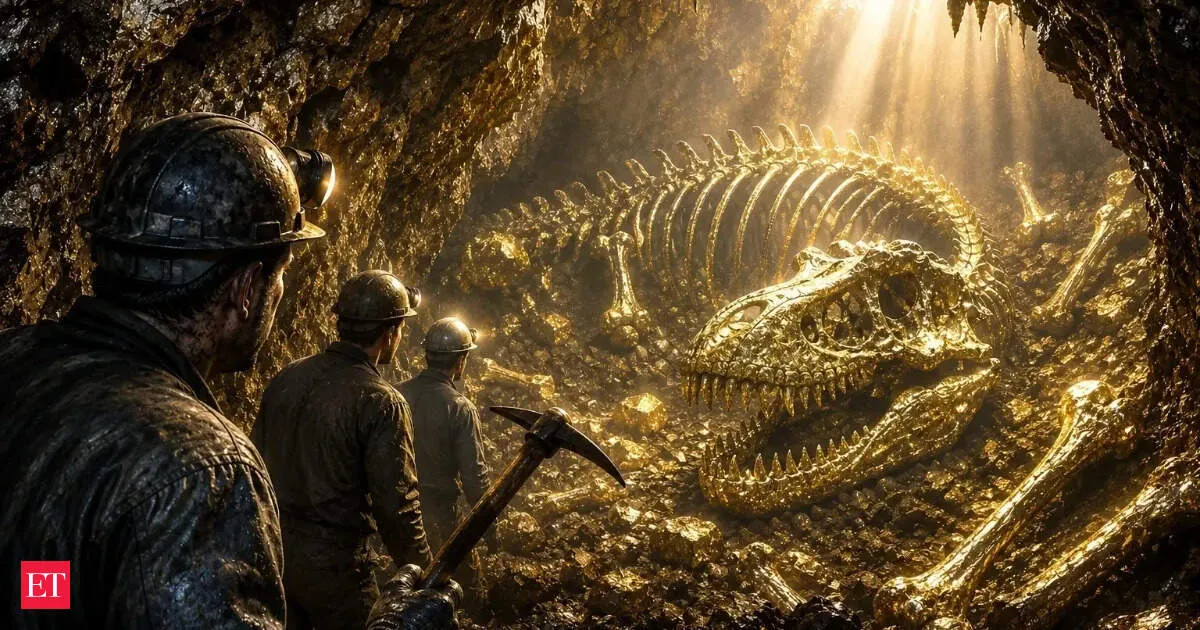
Belgian coal miners in 1878 opened a fossil trove of Iguanodon that rewrote dinosaur biology forever
Science
Published on 16 May 2026
They thought they’d found pyrite, then hit a vault of dinosaurs
In 1878, Belgian coal miners drilling the Bernissart seam noticed bones that glittered like pyrite. What they uncovered underground was extraordinary: a large deposit containing multiple Iguanodon skeletons closely preserved together. The find mattered because it offered far more complete specimens than earlier, fragment-based research. With whole-body comparisons, scientists revised Iguanodon’s posture, leg structure, and the function of its distinctive thumb spike, shifting dinosaur paleontology from speculation to solid evidence.
- Bernissart Mine Shaft produced one of paleontology’s biggest finds in 1878
- Miners initially saw bones resembling pyrite, a fool’s-gold look
- The deposit contained many Iguanodon skeletons in a single underground chamber
- Iguanodon was already known, but prior conclusions relied on fragmented remains
- Complete specimens enabled revised views on posture, legs, and thumb spike use
Read the full story at The Economic Times
This summarization was done by Beige for a story published on  The Economic Times