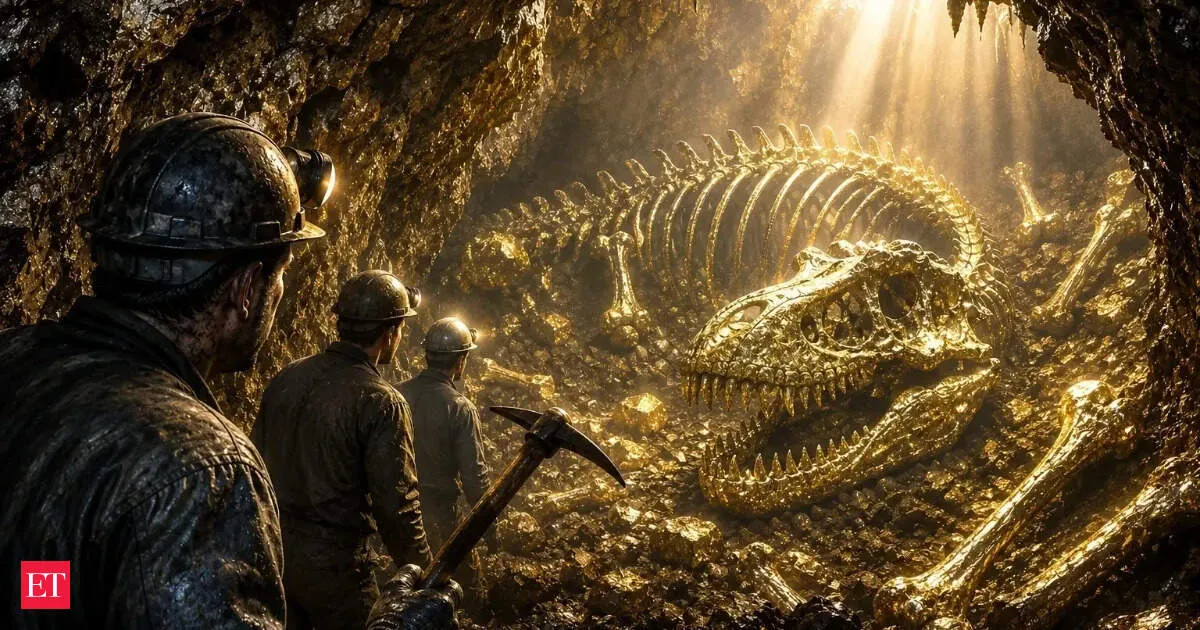
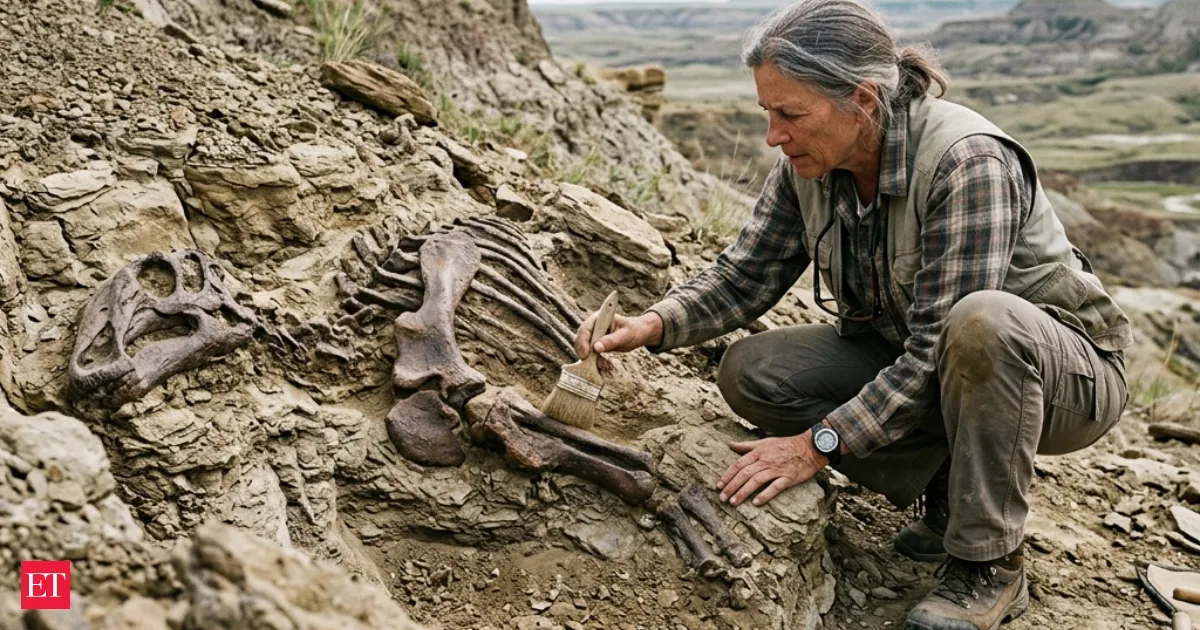
In 1878, Belgian coal miners drilling the Bernissart seam noticed bones that glittered like pyrite. What they uncovered underground was extraordinary: a large deposit containing multiple Iguanodon skeletons closely preserved together. The find mattered because it offered far more complete specimens than earlier, fragment-based research. With whole-body comparisons, scientists revised Iguanodon’s posture, leg structure, and the function of its distinctive thumb spike, shifting dinosaur paleontology from speculation to solid evidence.
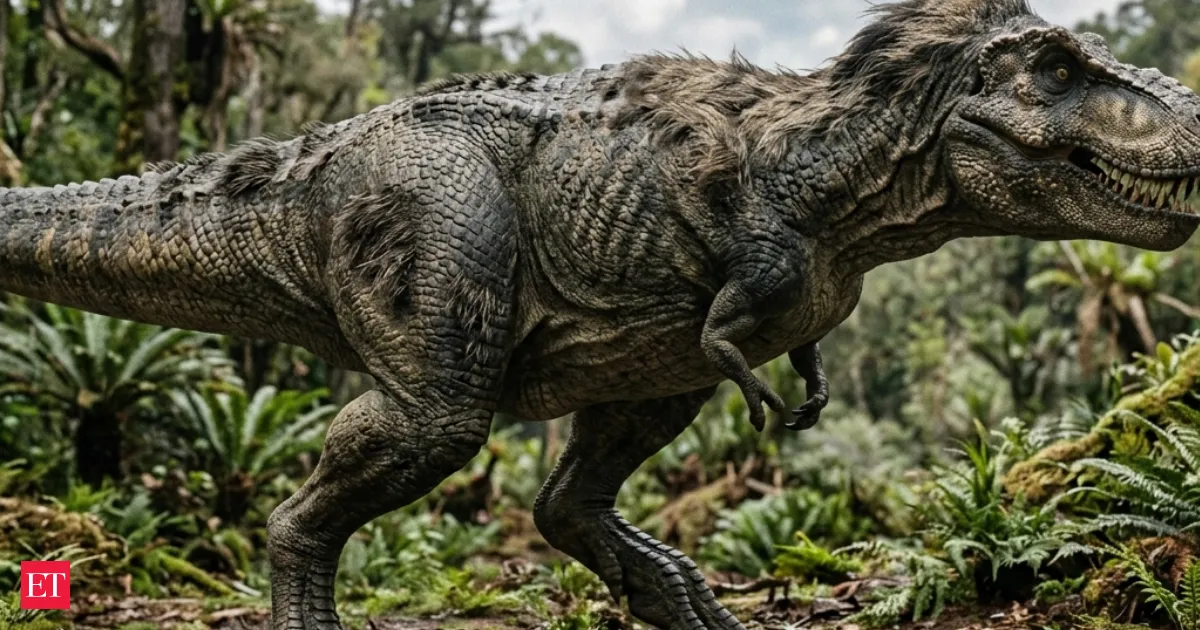
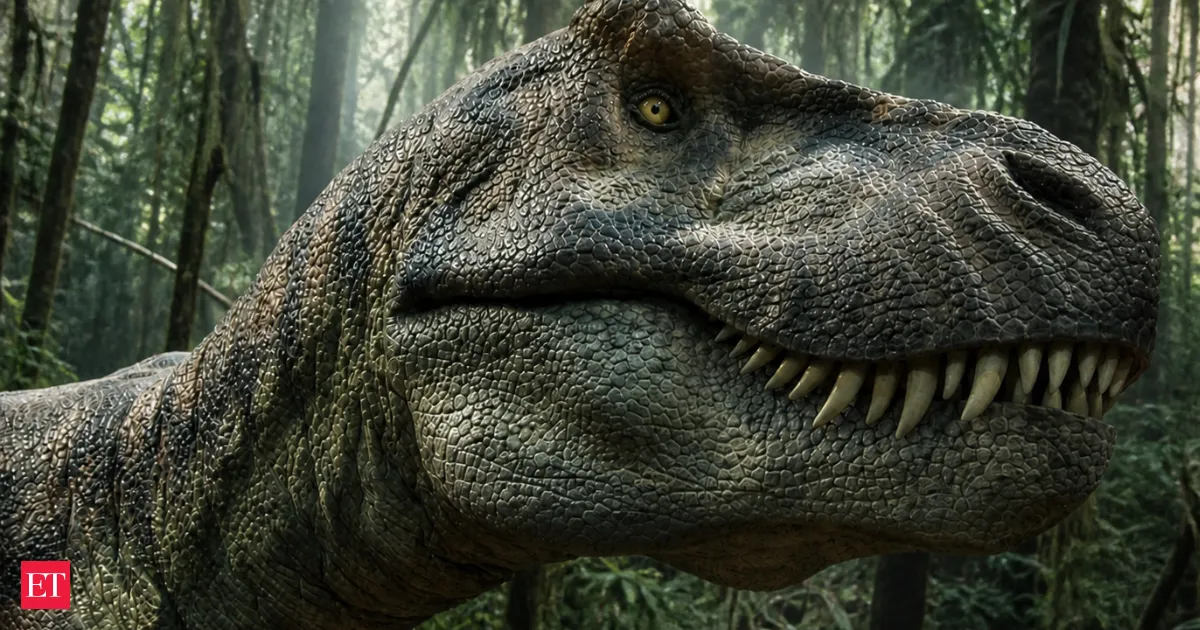
Fresh fossil evidence is reshaping how scientists picture the adult T rex. While some of its smaller relatives likely had filament-like coverings, new skin impressions from the neck, pelvis, and tail point to scales. Researchers argue the dinosaur’s massive body may have reduced the need for heavy insulation, like elephants, revealing a more complicated evolution than popular imagination.
Your news, in seconds
Get the Beige app — every story in 60 words, updated hourly. Free on iOS & Android.
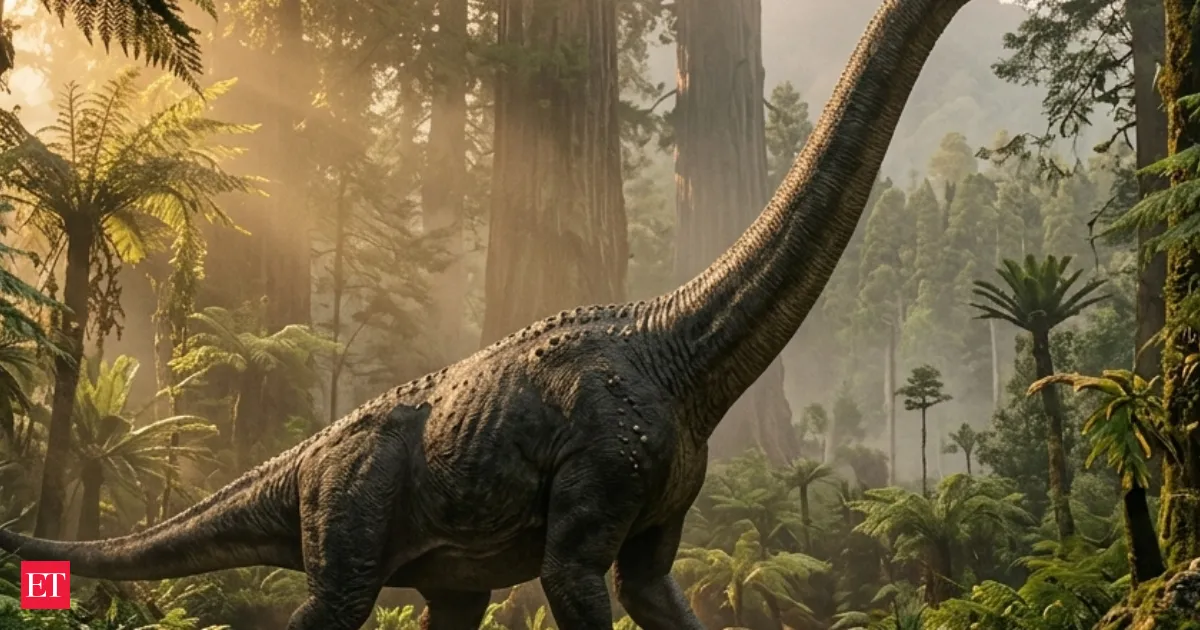
Construction workers in Davinopolis, Brazil uncovered fossilized bones of a giant dinosaur named Dasosaurus tocantinensis, dating to about 120 million years ago. Roughly 65 feet long, it has a closest relative found in Spain. Scientists say the connection hints at ancient land bridges linking continents, and the fossil may also reveal how these massive animals grew.
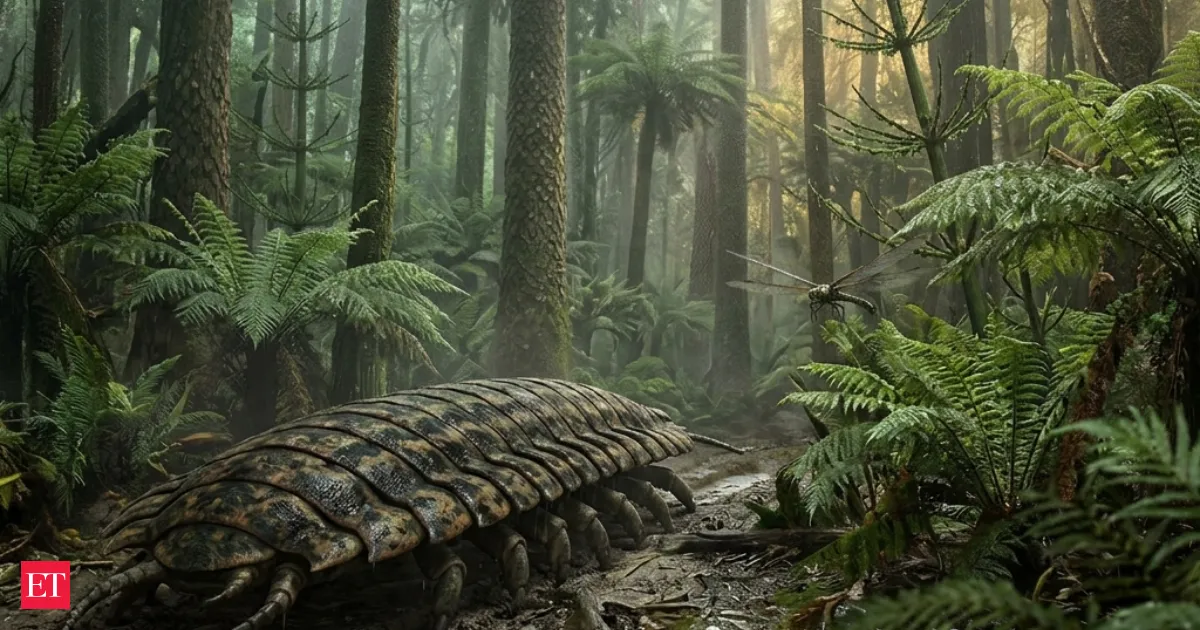
Researchers say the colossal arthropod Arthropleura—dating to the Carboniferous and early Permian—can now be definitively tied to millipedes thanks to newly discovered head anatomy. The giant likely grew to car-length scales, reshaping how scientists picture ancient land ecosystems and the early evolution of terrestrial life.
A rare 72-million-year-old dinosaur fossil from Alberta, Canada, preserves intact skin and scales of a duck-billed species, offering an unusual look at how dinosaurs may have looked in life. Researchers used advanced imaging and analysis to study its composition and preservation, suggesting the region could hold more discoveries that deepen understanding of dinosaur biology.
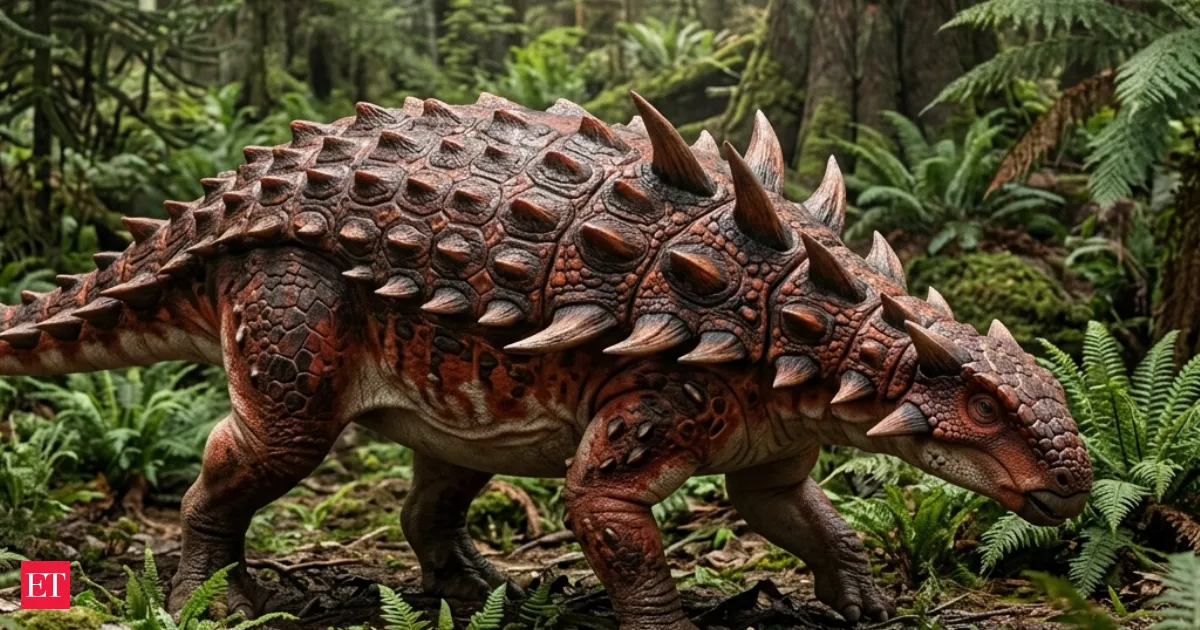
Miners in Alberta uncovered a remarkably complete fossil of Borealopelta markmitchelli, preserved with skin and armor. Scientists say the fossil’s posture and fine details, including a clear countershading pattern, point to camouflage as a key survival tactic. The discovery is reshaping how researchers understand prehistoric appearance and the layered defense strategies of armored dinosaurs.
Never miss a story
Set alerts for the topics and sources you care about. Download Beige for free.
A new study in Science suggests T rex and other theropod dinosaurs likely had lips that covered their teeth when their mouths were closed. Researchers point to tooth wear patterns and skull proportions that fit with soft tissues, challenging the familiar image of permanently exposed fangs. The study even finds similarities to how modern reptiles like Komodo dragons keep teeth covered.
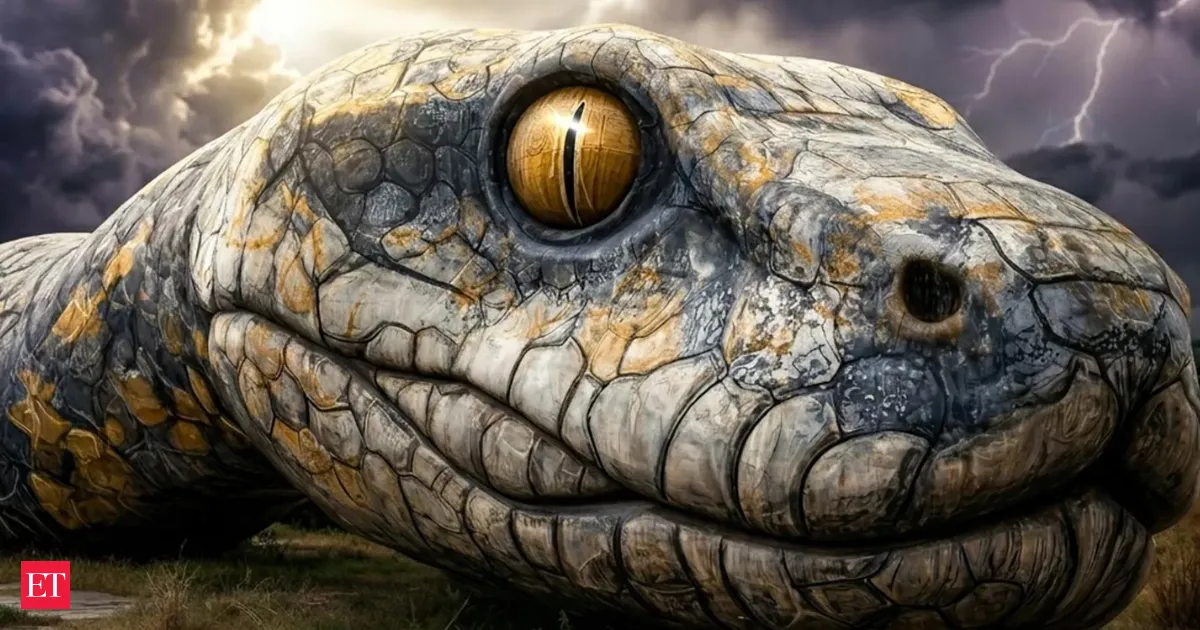
Scientists report the discovery of Vasuki indicus in Gujarat, based on 27 fossilized vertebrae. The snake lived about 47 million years ago and may have reached roughly 50 feet, putting it among the largest known serpent species. The find could also reshape ideas about where giant snakes first evolved, suggesting India may hold key clues to their origins.
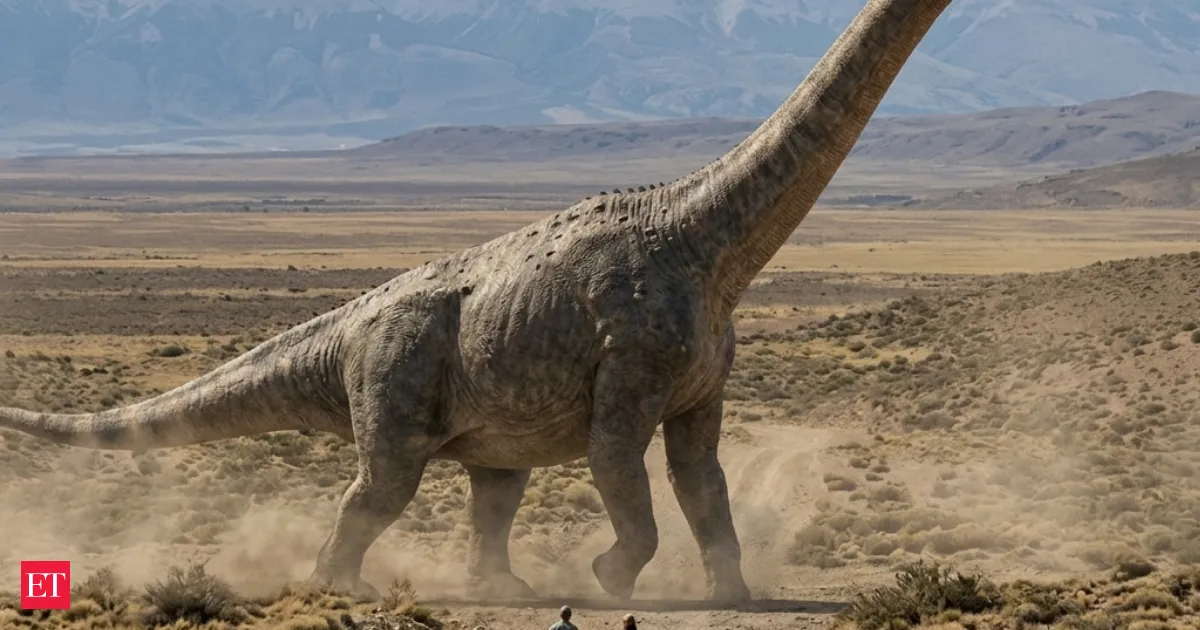
A new titanosaur discovery, Chucarosaurus, has been found in Patagonia. While it’s not the largest dinosaur ever, the fragmented remains still matter: they provide fresh material for comparative anatomy and for mapping evolutionary relationships among titanosaur species. With few complete skeletons available, these partial fossils help fill gaps and refine dinosaur science as Patagonia’s fossil wealth continues to pay off.
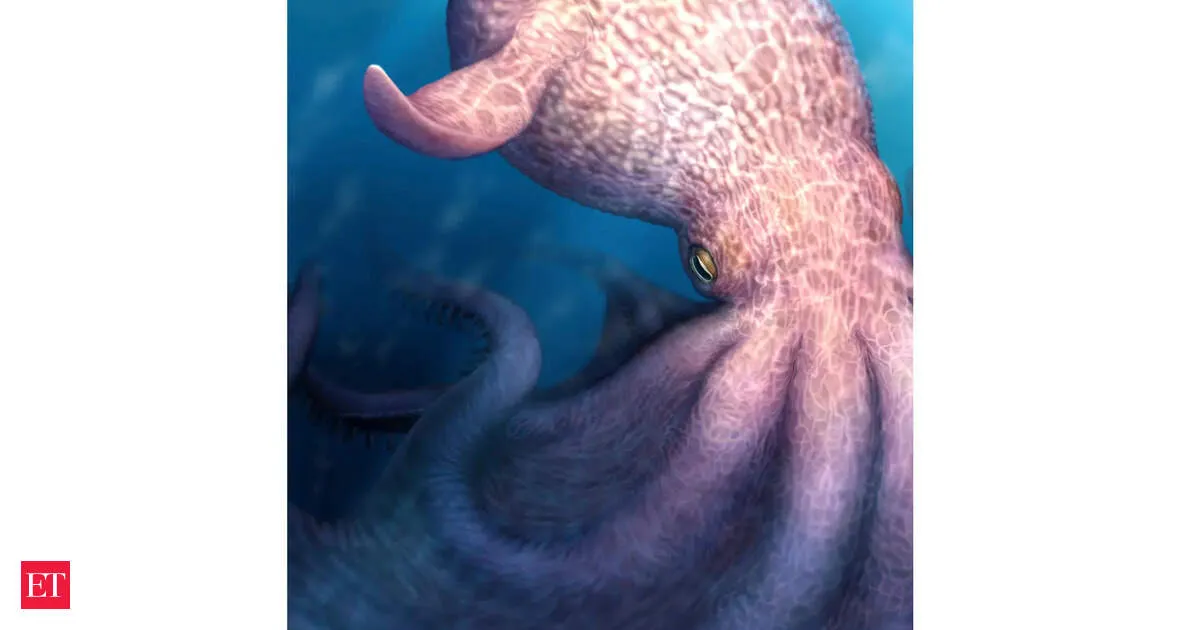
A new look at the Late Cretaceous giant octopus Nanaimoteuthis, nicknamed the Cretaceous Kraken, suggests it hunted like an apex predator. Fossil beaks indicate it could crush hard-shelled prey with extreme force, rivaling other top marine hunters. Even more intriguing, uneven jaw wear hints at repeated, intelligent feeding strategies rather than simple brute strength.
Reading on mobile?
Open Beige in the app for a smoother experience — free on iOS and Android.
Swipe through stories, personalise your feed, and save articles for later — all on the app.