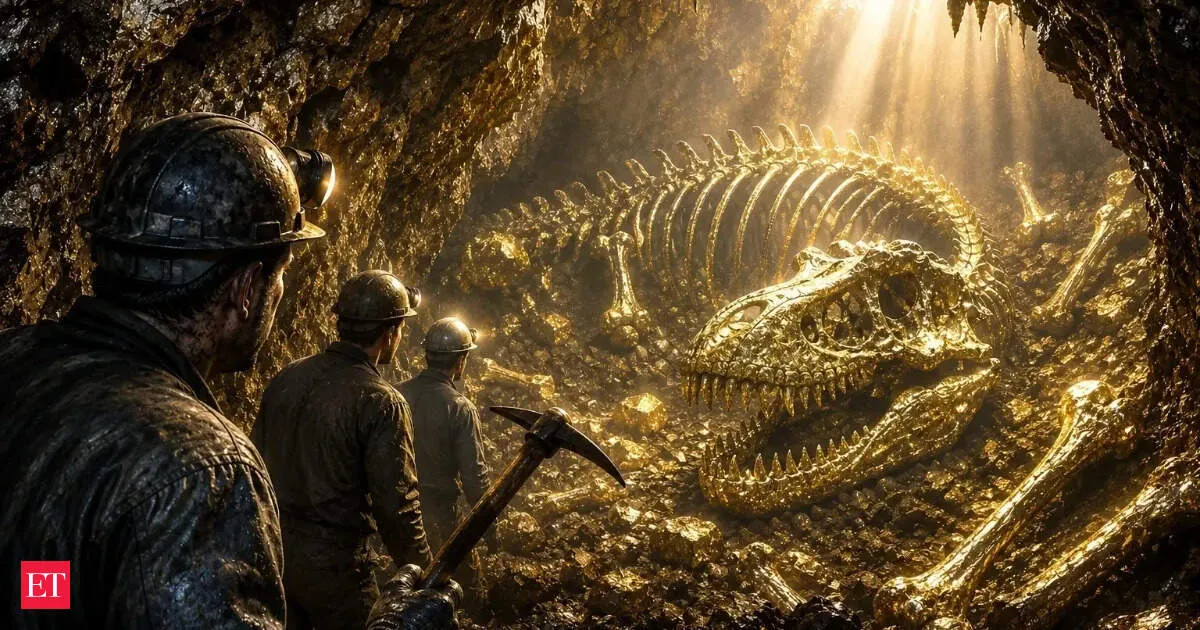
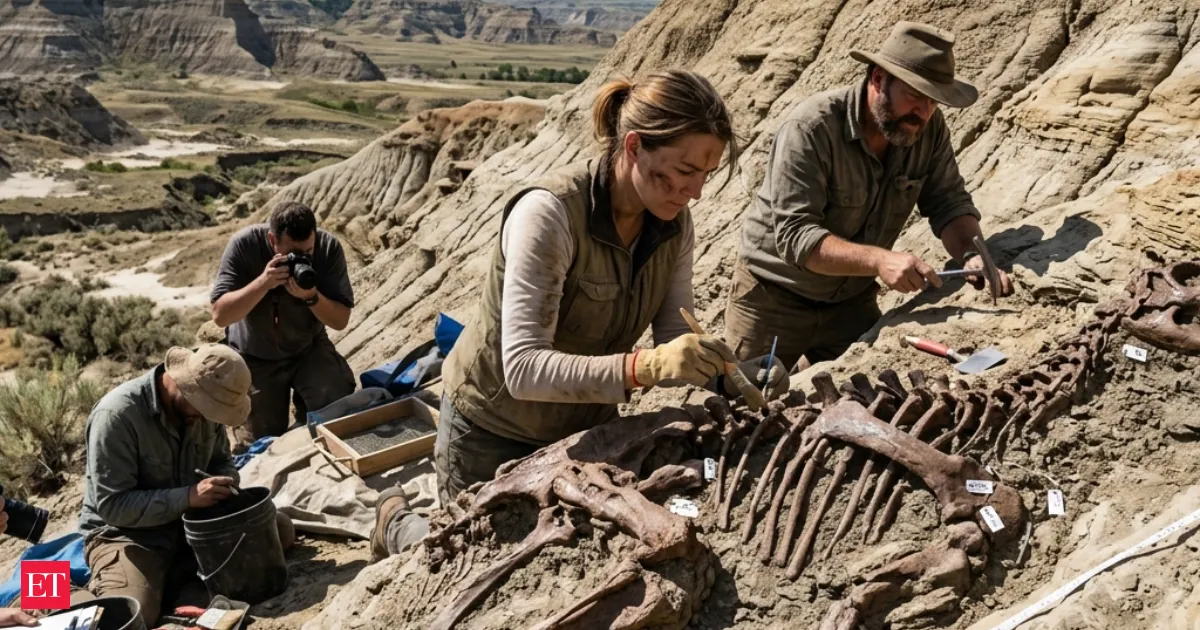
In 1878, Belgian coal miners drilling the Bernissart seam noticed bones that glittered like pyrite. What they uncovered underground was extraordinary: a large deposit containing multiple Iguanodon skeletons closely preserved together. The find mattered because it offered far more complete specimens than earlier, fragment-based research. With whole-body comparisons, scientists revised Iguanodon’s posture, leg structure, and the function of its distinctive thumb spike, shifting dinosaur paleontology from speculation to solid evidence.
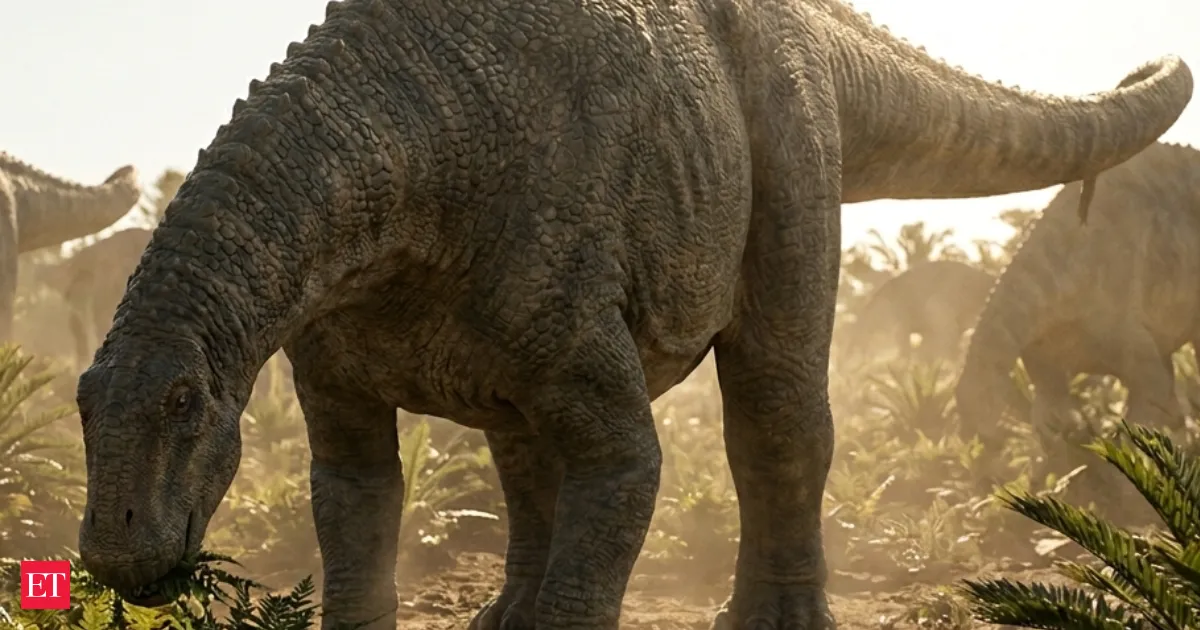
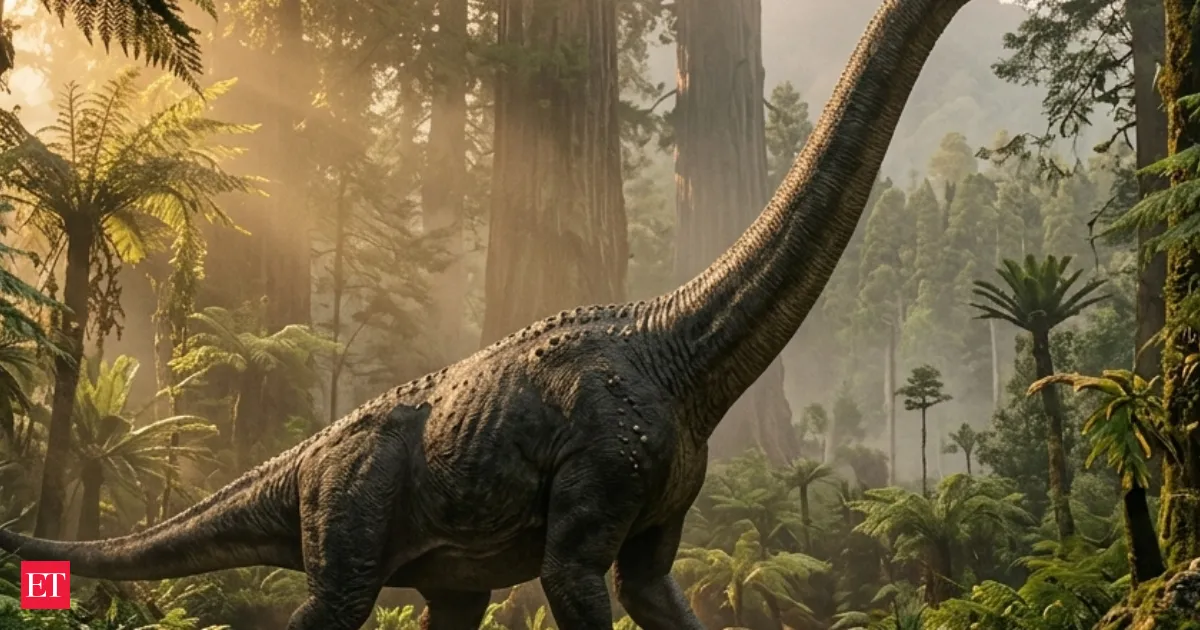
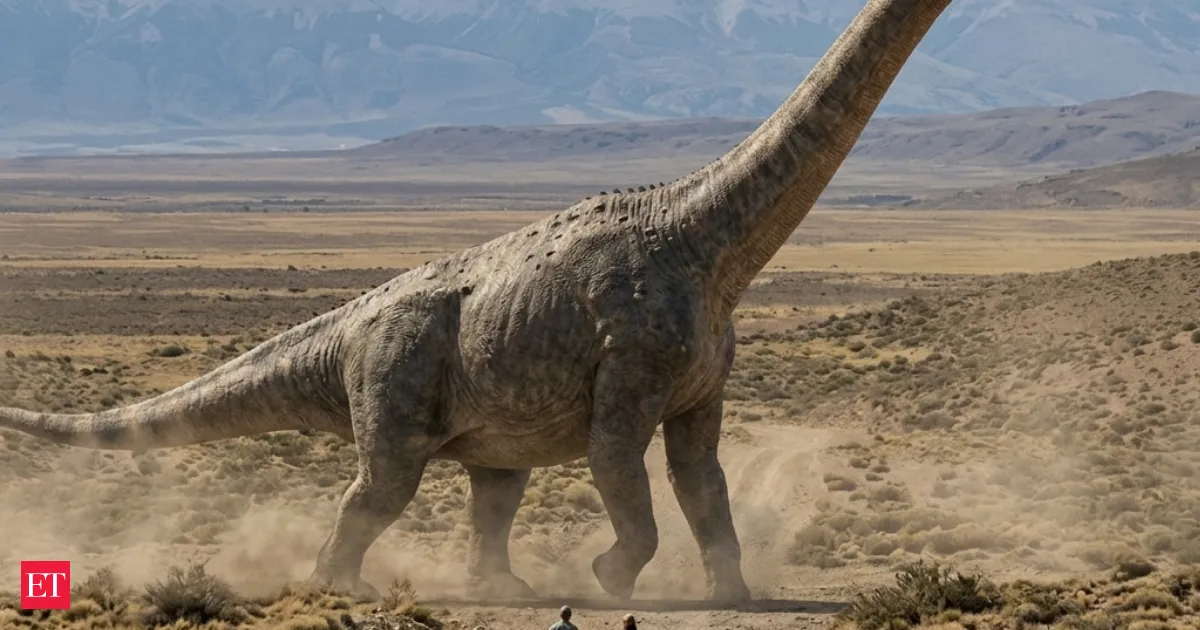
Researchers in Argentina have uncovered a major sauropod fossil, Bicharracosaurus dionidei, dating back about 155 million years. At roughly 20 meters long, its distinctive bone structure suggests a biological link between South American and North American sauropods, offering fresh evidence for how these giants spread and evolved across the ancient southern supercontinent.
Your news, in seconds
Get the Beige app — every story in 60 words, updated hourly. Free on iOS & Android.
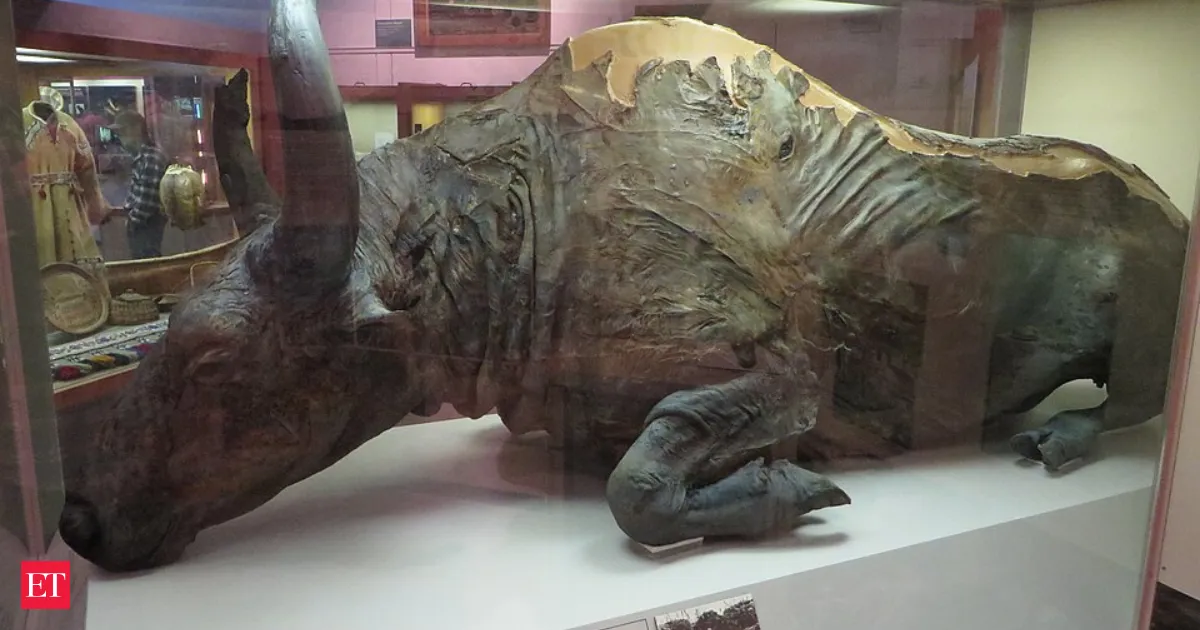
In 1979, miners in Alaska struck paydirt when hydraulic hoses exposed a 36,000-year-old steppe bison nicknamed “Blue Babe.” Kept by permafrost, the carcass retained soft tissues and skin—rare for Ice Age finds. Researchers say the preservation offers fresh clues about how the animal lived, what it ate, and what may have happened in its final moments.
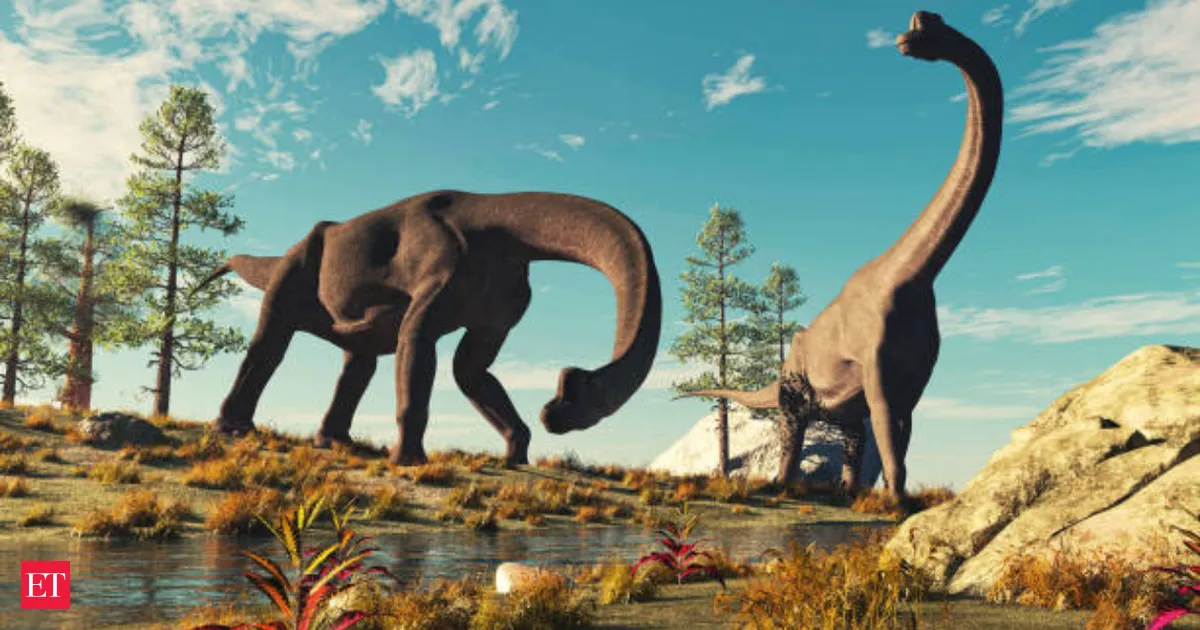
Paleontologists say Brachytrachelopan mesai was a sauropod with a neck about 40 percent shorter than its giant relatives, challenging the assumption that long necks were essential. Researchers believe it fed on low-lying plants, carving out a niche others avoided. The find underscores that evolution often takes opportunistic routes, not fixed playbooks.
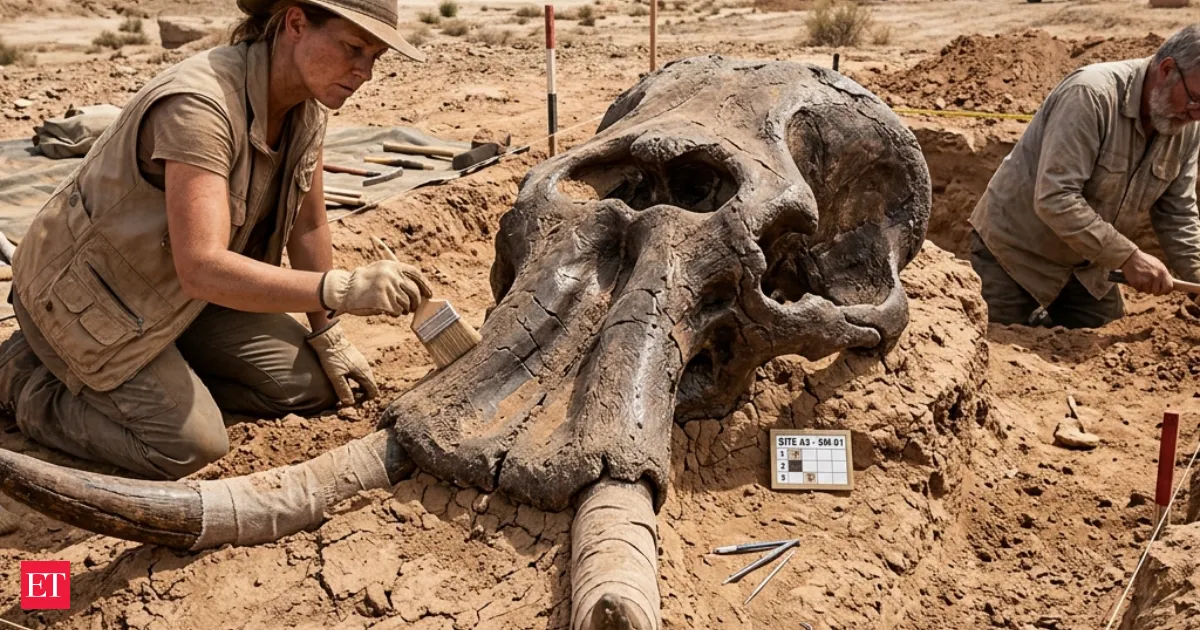
A 9-year-old boy in New Mexico uncovered a 1.2-million-year-old stegomastodon skull after tripping in the desert. The discovery shows how major paleontological breakthroughs can happen beyond formal digs, driven by everyday observation and proper reporting. Researchers say the find adds valuable evidence to the region’s ancient history and underscores the importance of treating suspected fossils responsibly.
Construction workers in Davinopolis, Brazil uncovered fossilized bones of a giant dinosaur named Dasosaurus tocantinensis, dating to about 120 million years ago. Roughly 65 feet long, it has a closest relative found in Spain. Scientists say the connection hints at ancient land bridges linking continents, and the fossil may also reveal how these massive animals grew.
Never miss a story
Set alerts for the topics and sources you care about. Download Beige for free.
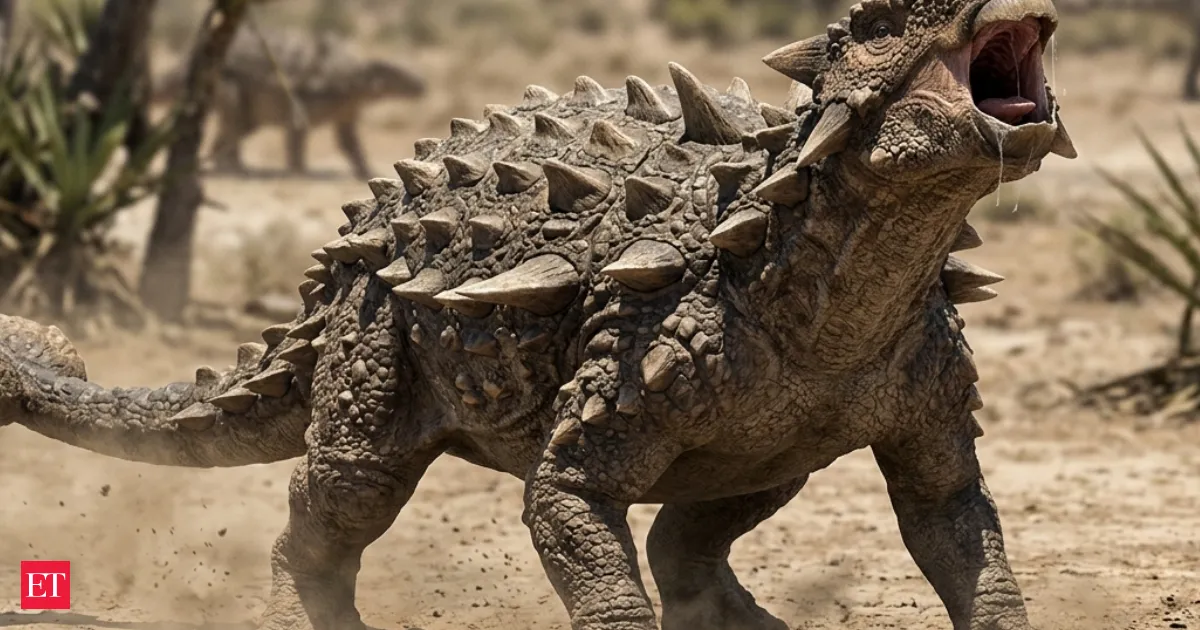
A rare fossil find is rewriting how scientists think dinosaurs sounded. Researchers identified a fossilized larynx from Pinacosaurus, an ankylosaur, and found it carries bird-like features linked to complex vocal control. The discovery undermines the long-standing idea that dinosaurs roared loudly like cinematic monsters, suggesting more nuanced communication abilities instead.
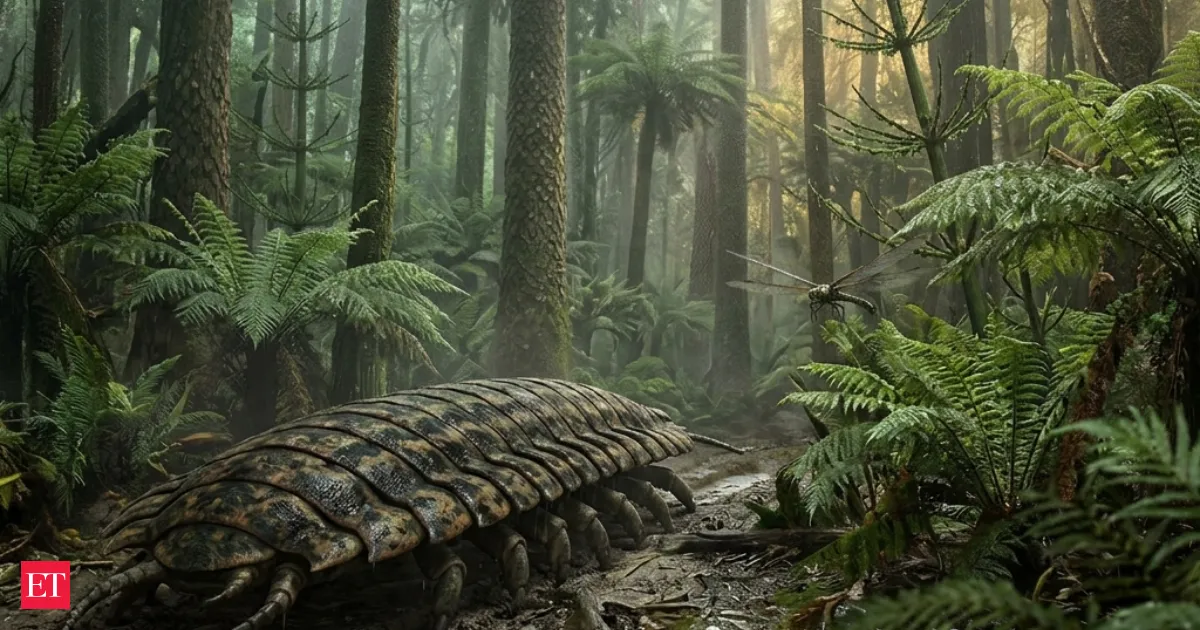
Researchers say the colossal arthropod Arthropleura—dating to the Carboniferous and early Permian—can now be definitively tied to millipedes thanks to newly discovered head anatomy. The giant likely grew to car-length scales, reshaping how scientists picture ancient land ecosystems and the early evolution of terrestrial life.
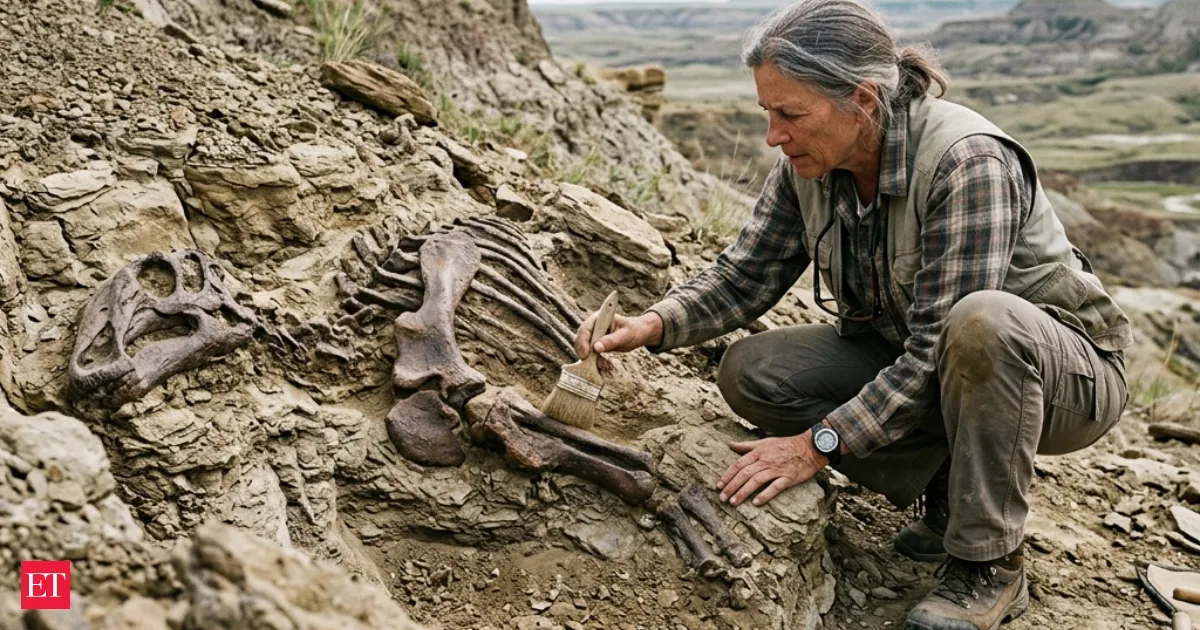
A volunteer in Alberta’s Dinosaur Provincial Park has discovered a hadrosaur fossil unusually preserved, with major portions of fossilized skin still attached. Unlike most finds that reveal mostly bones, this specimen may offer rare clues about dinosaur texture, coverings, and soft tissue preservation. Researchers expect it could improve understanding of juvenile development and body shape.
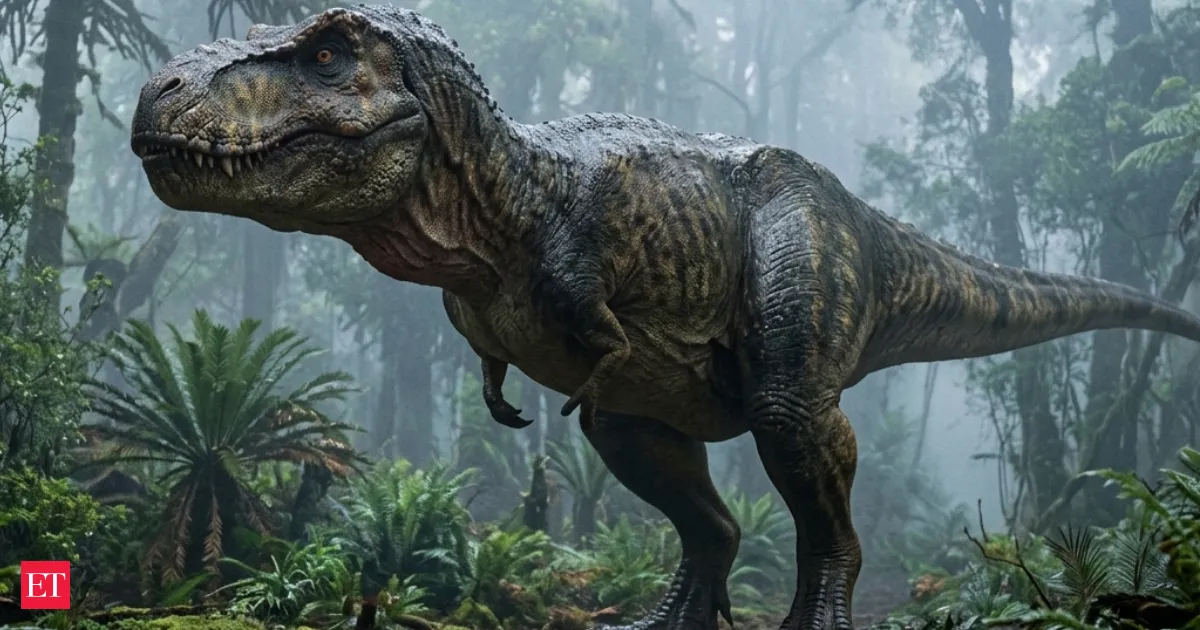
Movies give T rex a roaring soundtrack, but scientists argue that fossil clues don’t match loud calls. Instead, they suggest it likely produced low-frequency, resonant sounds—something closer to certain modern animal vocalizations. By comparing T rex-like traits to living birds and crocodiles, researchers narrow down how this giant may have sounded, even if the exact “voice” is still unknown.
Reading on mobile?
Open Beige in the app for a smoother experience — free on iOS and Android.
A rare 72-million-year-old dinosaur fossil from Alberta, Canada, preserves intact skin and scales of a duck-billed species, offering an unusual look at how dinosaurs may have looked in life. Researchers used advanced imaging and analysis to study its composition and preservation, suggesting the region could hold more discoveries that deepen understanding of dinosaur biology.
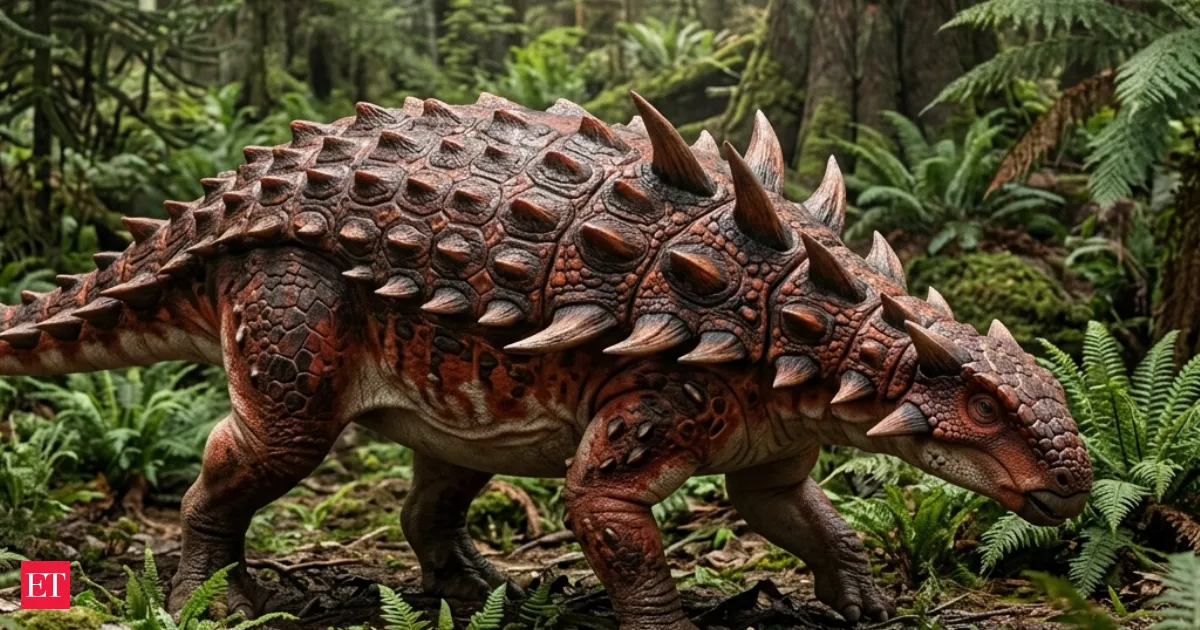
Miners in Alberta uncovered a remarkably complete fossil of Borealopelta markmitchelli, preserved with skin and armor. Scientists say the fossil’s posture and fine details, including a clear countershading pattern, point to camouflage as a key survival tactic. The discovery is reshaping how researchers understand prehistoric appearance and the layered defense strategies of armored dinosaurs.
In 1909, Smithsonian secretary Charles Doolittle Walcott, riding through Canada’s Yoho National Park, discovered the Burgess Shale after encountering strange black shale. The find exposed extraordinarily preserved soft-bodied organisms, transforming understanding of the Cambrian period and early life’s evolution. Even today, the site remains a key fossil window for researchers studying how complex organisms first appeared.
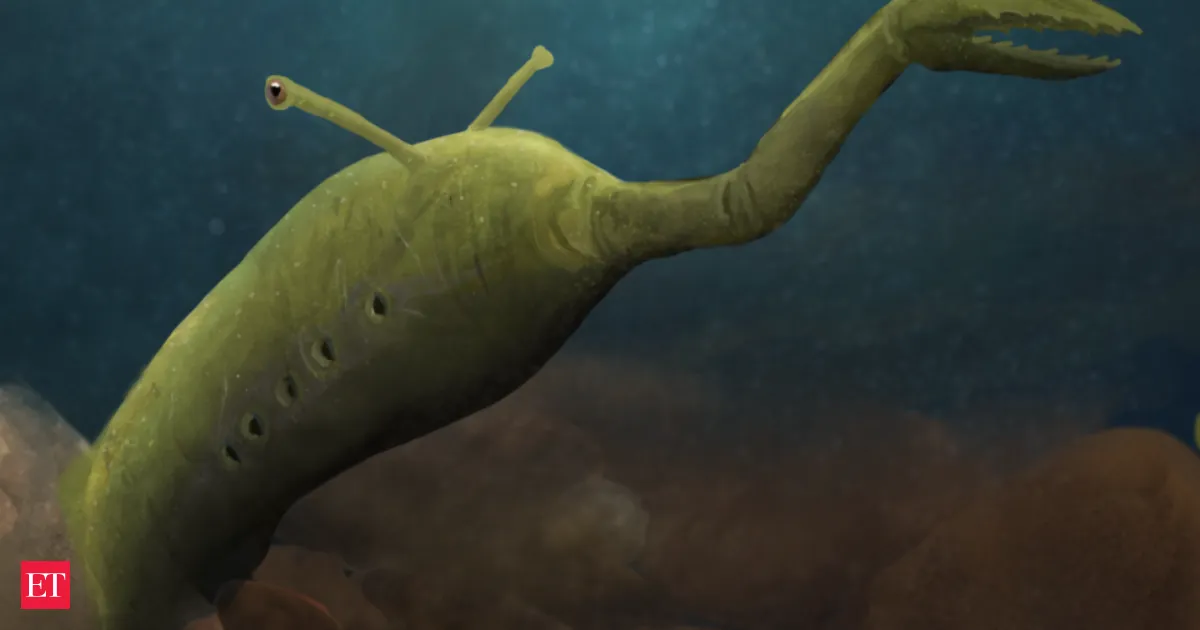
Discovered in Illinois in 1958, the Tully Monster has kept paleontologists guessing ever since. Its strange anatomy won’t fit neatly as a vertebrate or an invertebrate, and studies using different methods have produced conflicting evolutionary placements. With no single answer yet, the fossil remains a vivid example of how scientific conclusions can shift as evidence and techniques evolve.
Follow your favourite sources
Track sources, tags and categories — all in the Beige app.
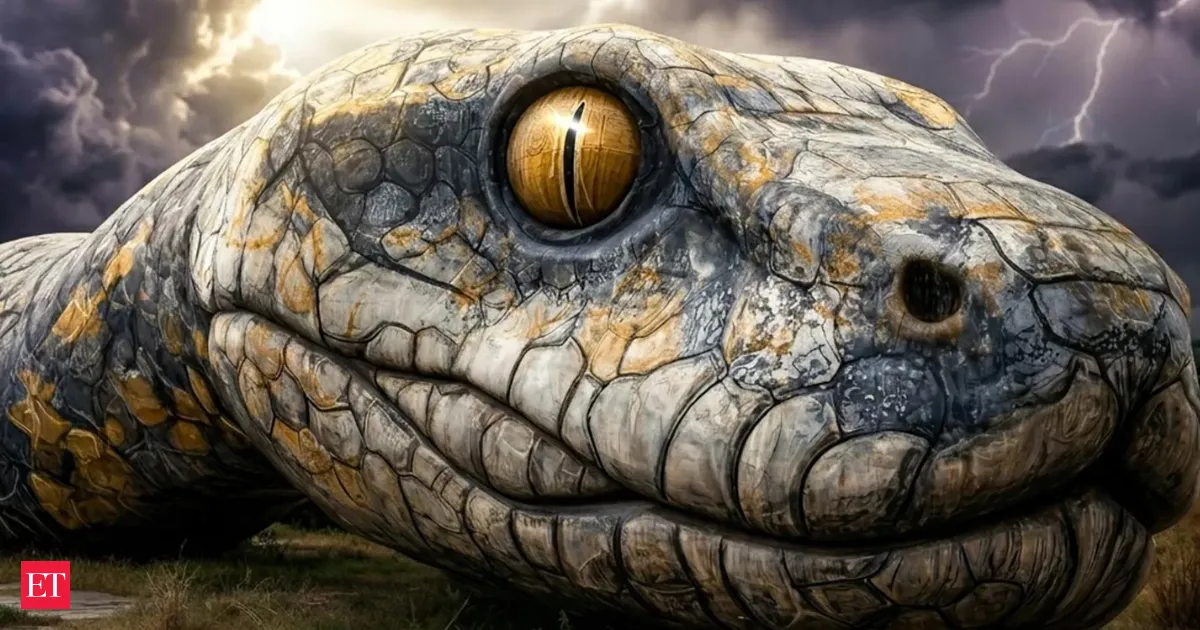
Scientists report the discovery of Vasuki indicus in Gujarat, based on 27 fossilized vertebrae. The snake lived about 47 million years ago and may have reached roughly 50 feet, putting it among the largest known serpent species. The find could also reshape ideas about where giant snakes first evolved, suggesting India may hold key clues to their origins.
A new titanosaur discovery, Chucarosaurus, has been found in Patagonia. While it’s not the largest dinosaur ever, the fragmented remains still matter: they provide fresh material for comparative anatomy and for mapping evolutionary relationships among titanosaur species. With few complete skeletons available, these partial fossils help fill gaps and refine dinosaur science as Patagonia’s fossil wealth continues to pay off.
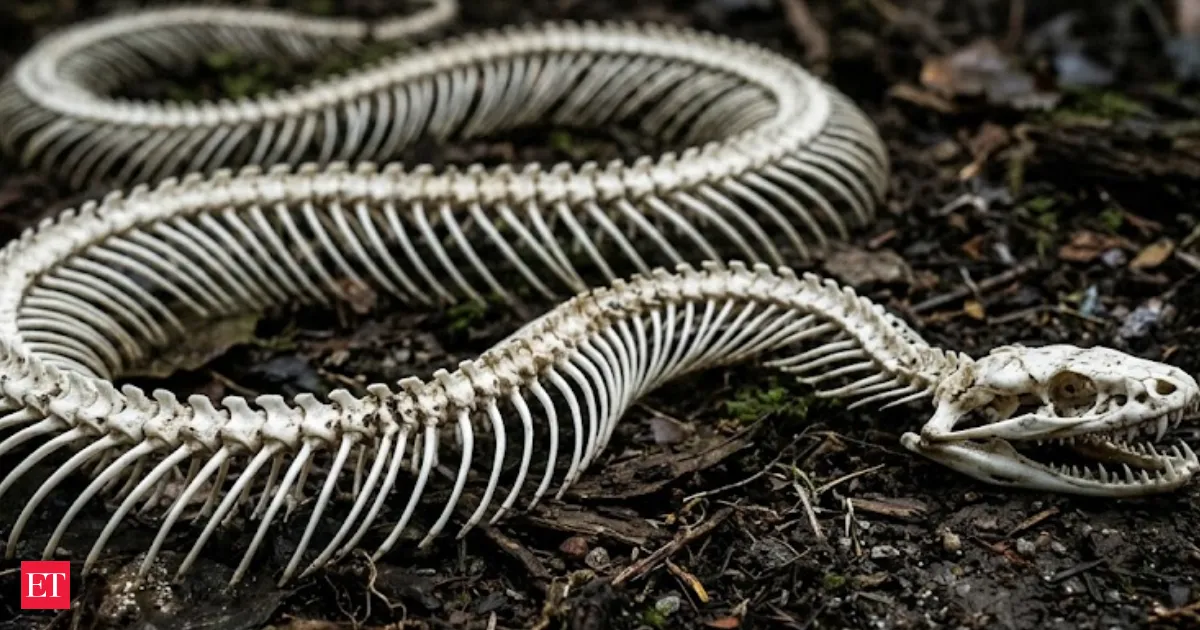
A newly studied fossil, Najash rionegrina, suggests snakes didn’t suddenly lose legs. Instead, evolution unfolded gradually: this ancient reptile still had hindlimbs and a distinctive skull, bridging lizards and modern snakes. The findings strengthen the case for slow, step-by-step body reshaping over millions of years, offering a clearer timeline for snake evolution.
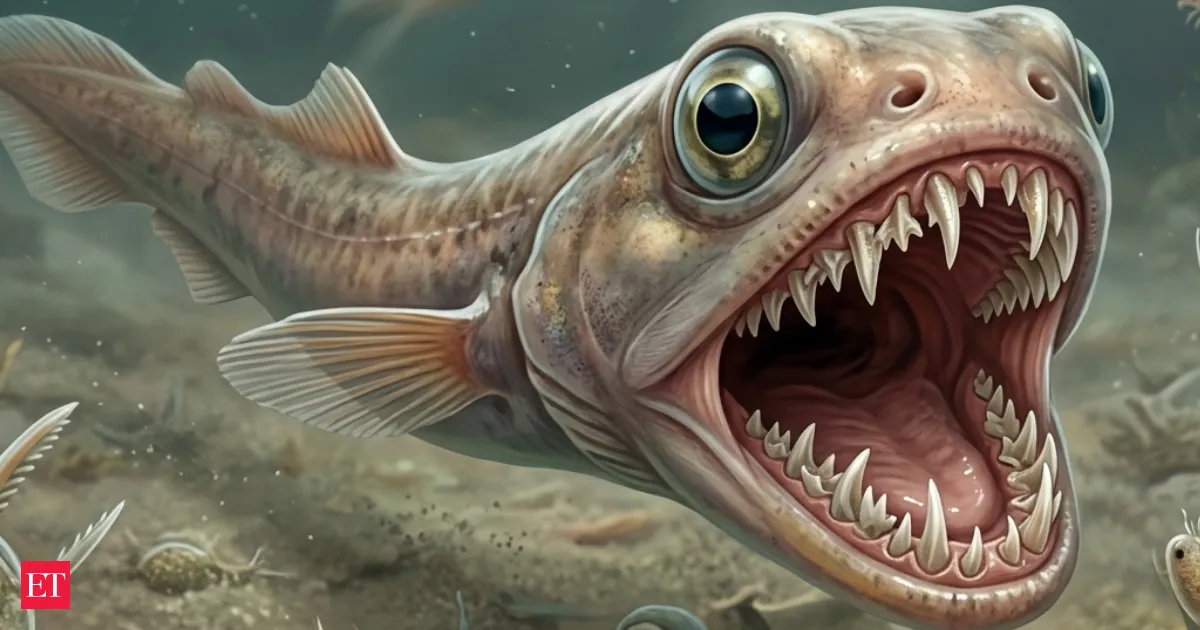
New research using microscopic analysis shows ancient eel like conodonts had highly effective cutting structures in their teeth. The mineralized material spread stress efficiently, helping the teeth resist fractures while remaining powerful feeders. The discovery forces a rethink of early vertebrate evolution, suggesting sophisticated feeding adaptations appeared far earlier than scientists assumed.
Stay informed on the go
Bite-sized news from 100+ trusted sources, right in your pocket.
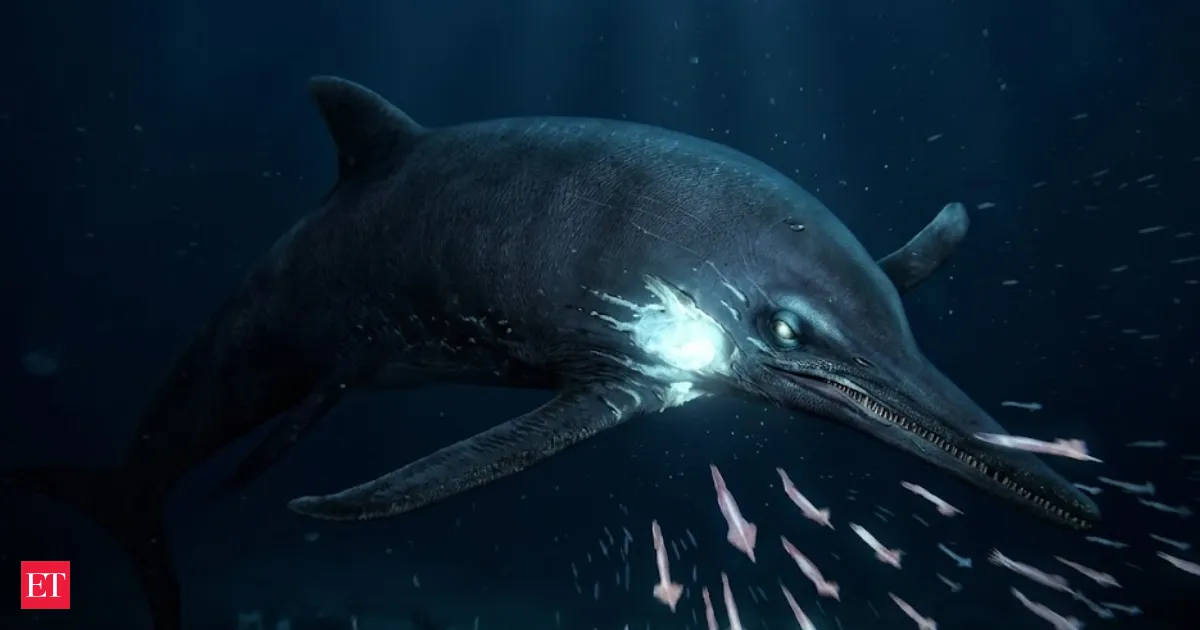
Researchers in Germany have uncovered a well-preserved ichthyosaur fossil from roughly 180 million years ago, belonging to the Temnodontosaurus genus. The specimen shows injury evidence alongside anatomical adaptations that hint it endured physical setbacks. By studying its anatomy and likely diet, scientists aim to better understand how Jurassic marine reptiles lived and survived in ancient seas.
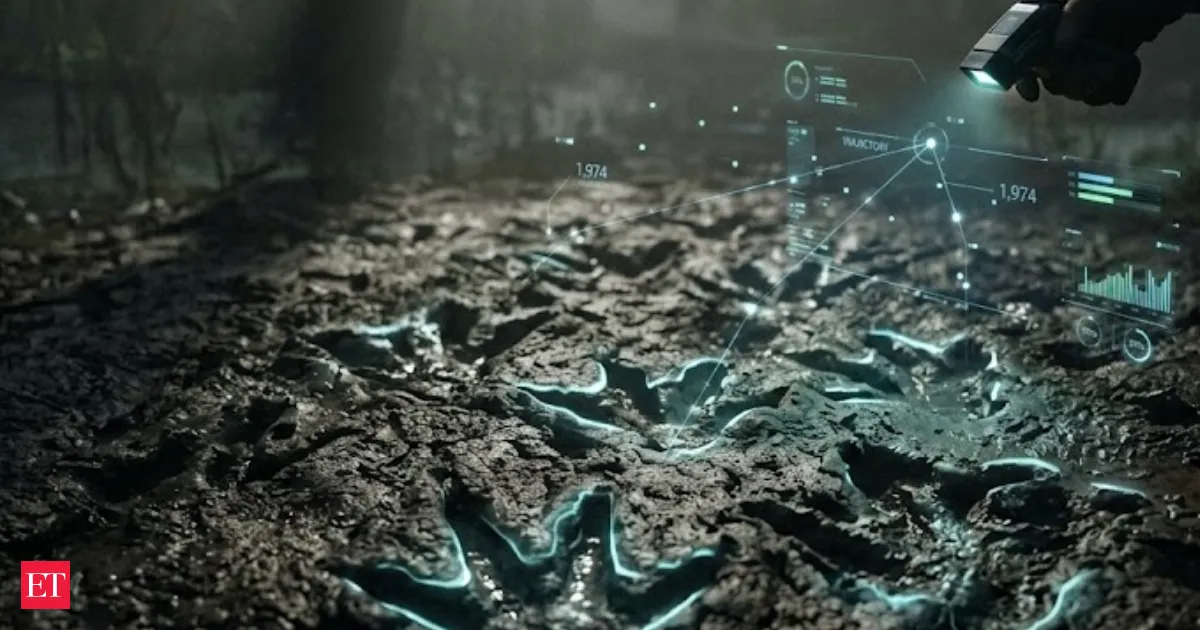
Using artificial intelligence to interpret fossilized footprints, researchers analyzed 1,974 previously unclassified trackways. The AI’s pattern recognition points to bird-like relatives appearing millions of years earlier than established evolutionary timelines suggest. If confirmed, the findings could reshape how scientists date early avian ancestors and motivate new fossil track studies to test the revised history.
Swipe through stories, personalise your feed, and save articles for later — all on the app.