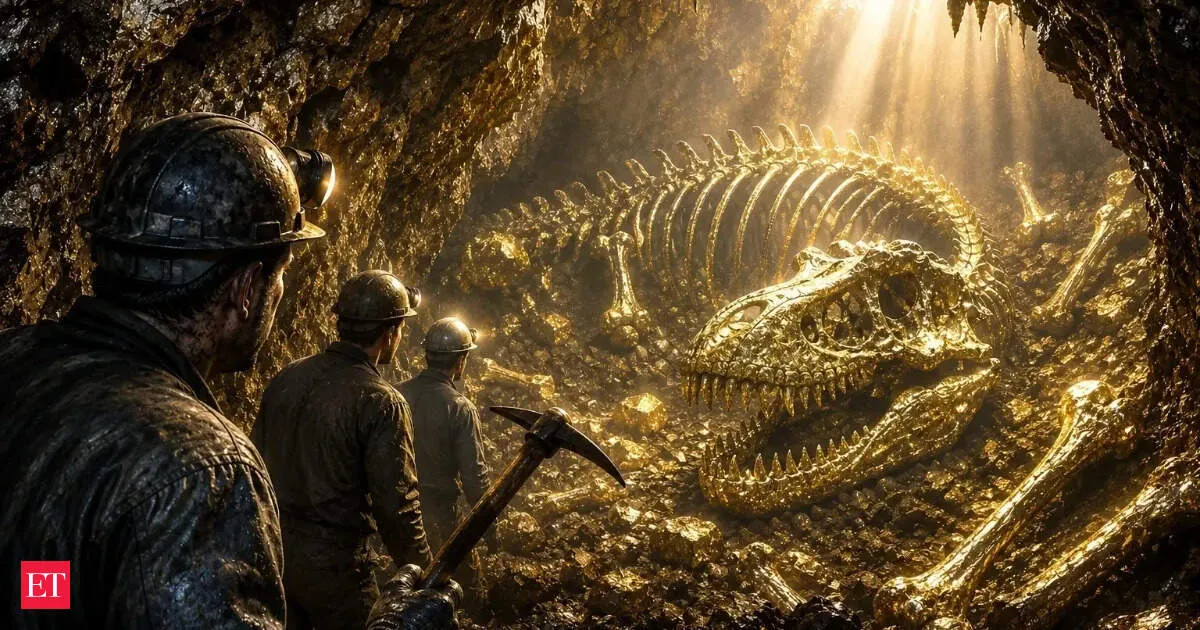
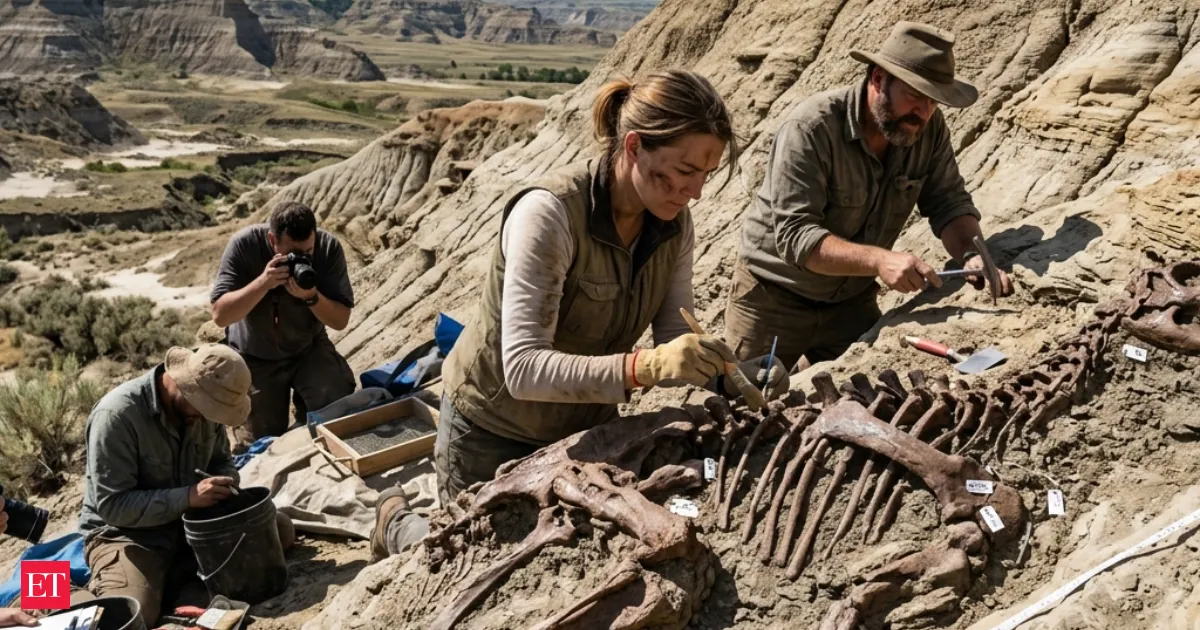
In 1878, Belgian coal miners drilling the Bernissart seam noticed bones that glittered like pyrite. What they uncovered underground was extraordinary: a large deposit containing multiple Iguanodon skeletons closely preserved together. The find mattered because it offered far more complete specimens than earlier, fragment-based research. With whole-body comparisons, scientists revised Iguanodon’s posture, leg structure, and the function of its distinctive thumb spike, shifting dinosaur paleontology from speculation to solid evidence.
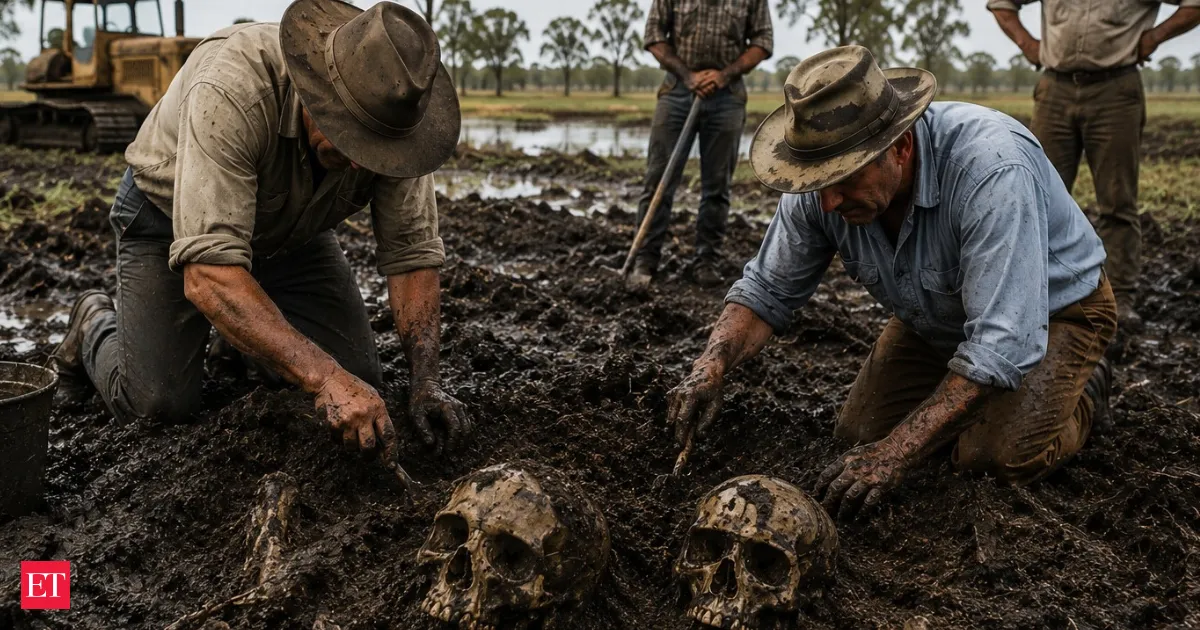
In the 1960s, farmers digging Queensland wetlands unearthed unusual skull fossils at Kow Swamp that fueled claims early Australians looked “archaic.” But later research showed key features could result from cranial deformation. Leg-bone analysis and DNA evidence ultimately identified the remains as anatomically modern humans—an urgent reminder to challenge first impressions in science.
Your news, in seconds
Get the Beige app — every story in 60 words, updated hourly. Free on iOS & Android.
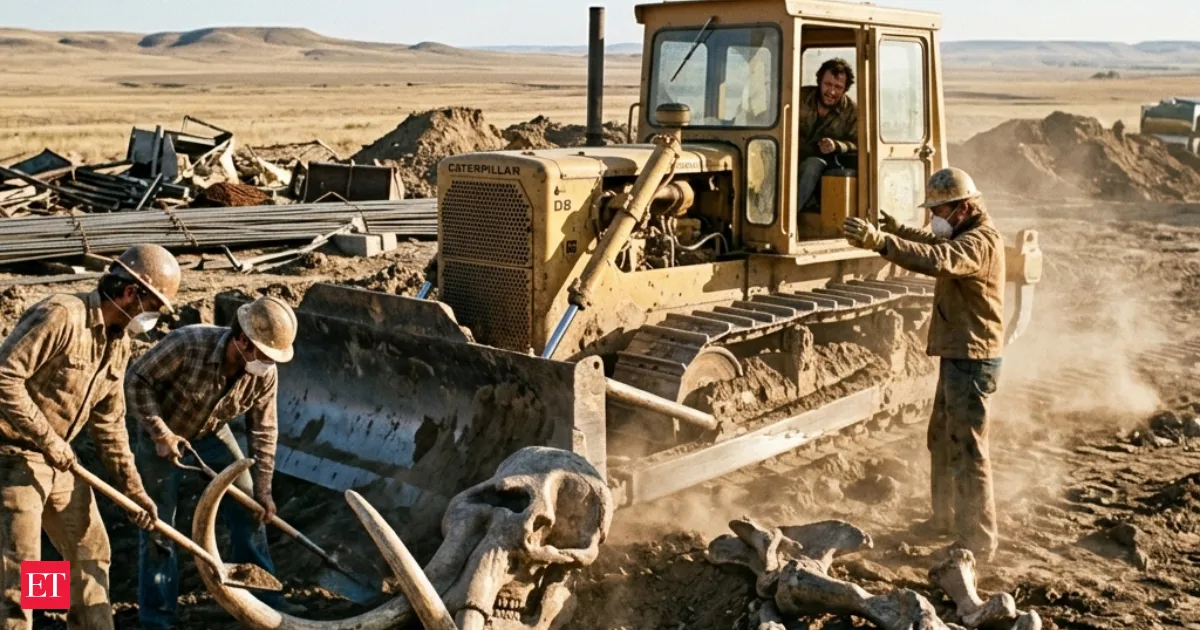
In 1974, workers building in Hot Springs, South Dakota uncovered a rare Ice Age fossil site: a natural pit packed with mammoth remains. What they exposed offered scientists a vivid snapshot of prehistoric North America—along with evidence of how these animals could become trapped. Decades later, the discovery remains one of the continent’s richest mammoth fossil localities.
Wildlife officers in Ireland have uncovered fossilized shark teeth estimated at 330 million years old in the Burren limestone. The teeth, from Psephodus magnus, belong to an ancient group built for crushing prey rather than hunting like modern predators. The find underscores how citizen eyes can surface clues to Earth’s distant past—and the surprising diversity of Carboniferous sharks.
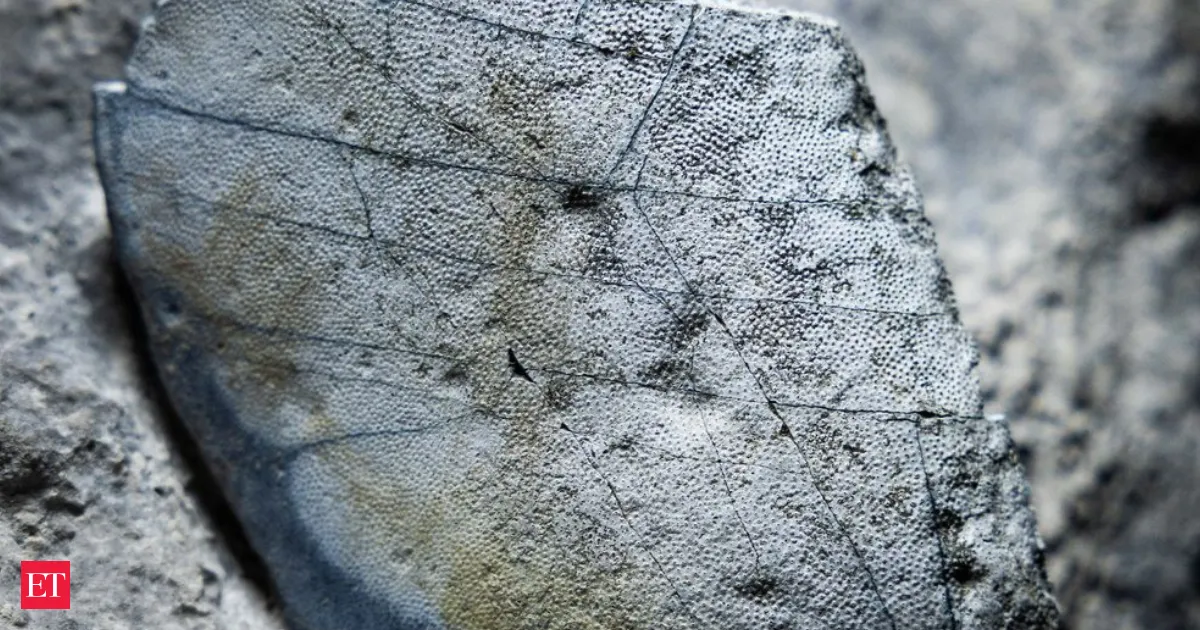
A Brazilian study has reexamined microscopic fossils in 540-million-year-old rocks and concluded the structures were formed by ancient bacteria and algae, not early animals. Using advanced imaging and chemical analysis, researchers say the preserved cellular details indicate microbial communities in shallow Ediacaran oceans, overturning long-held interpretations of the planet’s earliest life.
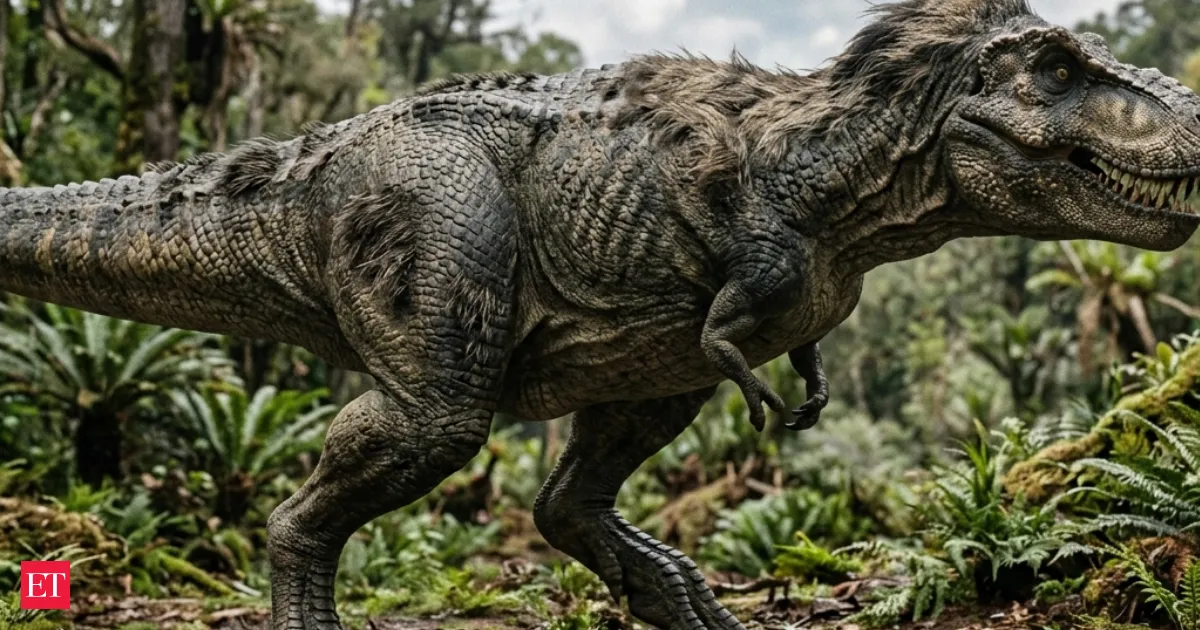
Fresh fossil evidence is reshaping how scientists picture the adult T rex. While some of its smaller relatives likely had filament-like coverings, new skin impressions from the neck, pelvis, and tail point to scales. Researchers argue the dinosaur’s massive body may have reduced the need for heavy insulation, like elephants, revealing a more complicated evolution than popular imagination.
Never miss a story
Set alerts for the topics and sources you care about. Download Beige for free.
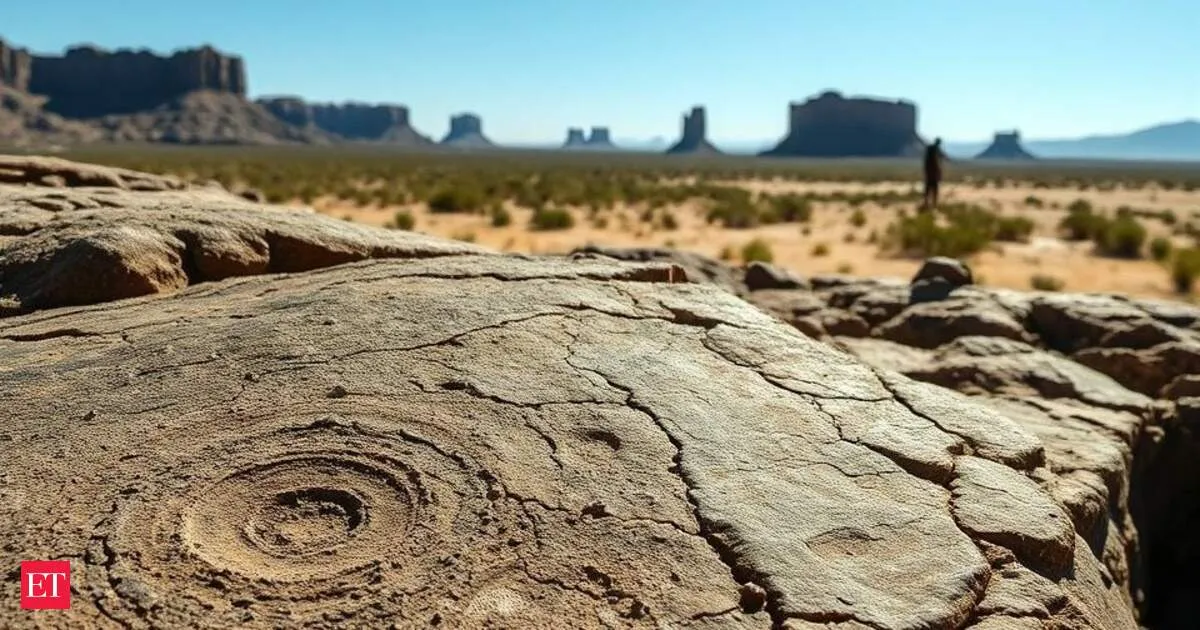
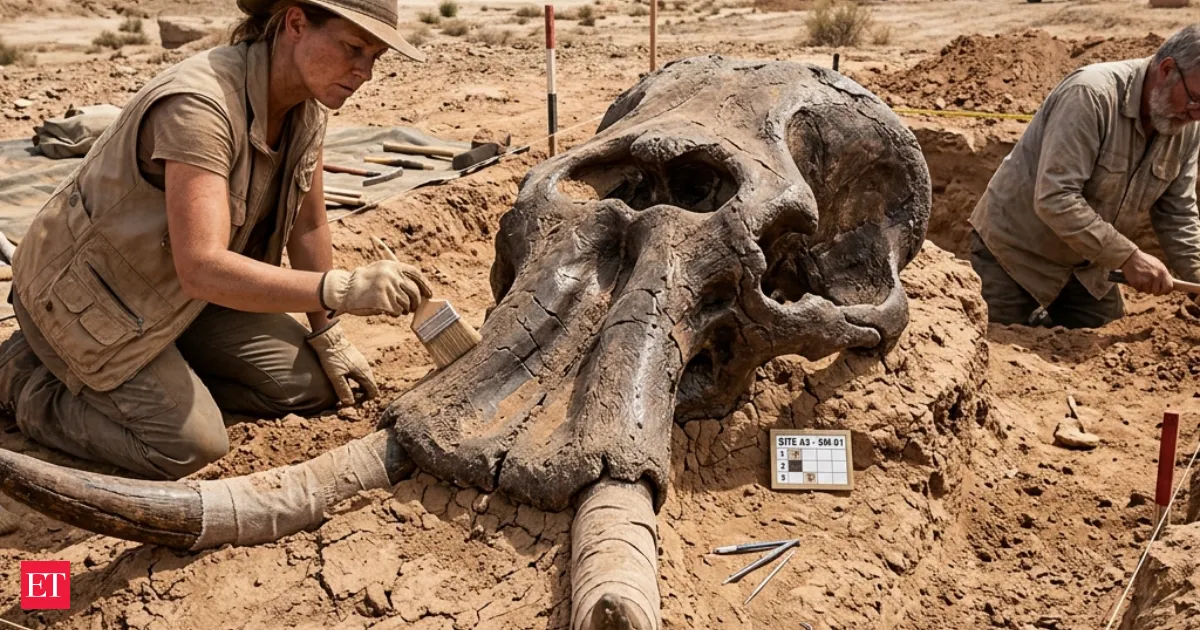
A 9-year-old boy in New Mexico uncovered a 1.2-million-year-old stegomastodon skull after tripping in the desert. The discovery shows how major paleontological breakthroughs can happen beyond formal digs, driven by everyday observation and proper reporting. Researchers say the find adds valuable evidence to the region’s ancient history and underscores the importance of treating suspected fossils responsibly.
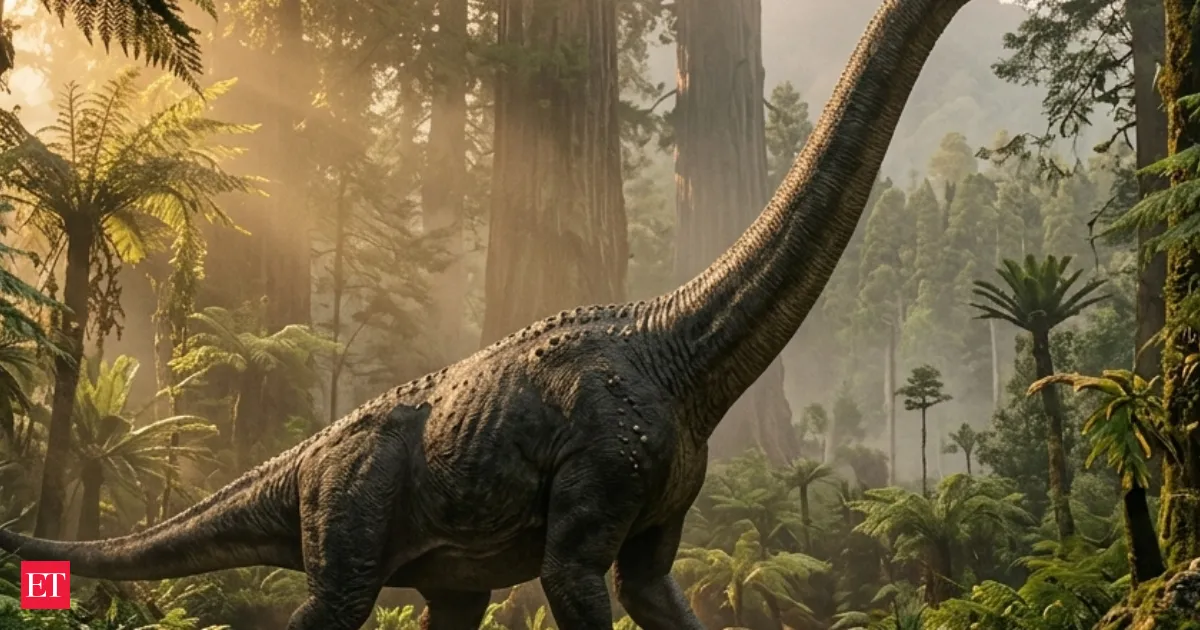
Construction workers in Davinopolis, Brazil uncovered fossilized bones of a giant dinosaur named Dasosaurus tocantinensis, dating to about 120 million years ago. Roughly 65 feet long, it has a closest relative found in Spain. Scientists say the connection hints at ancient land bridges linking continents, and the fossil may also reveal how these massive animals grew.
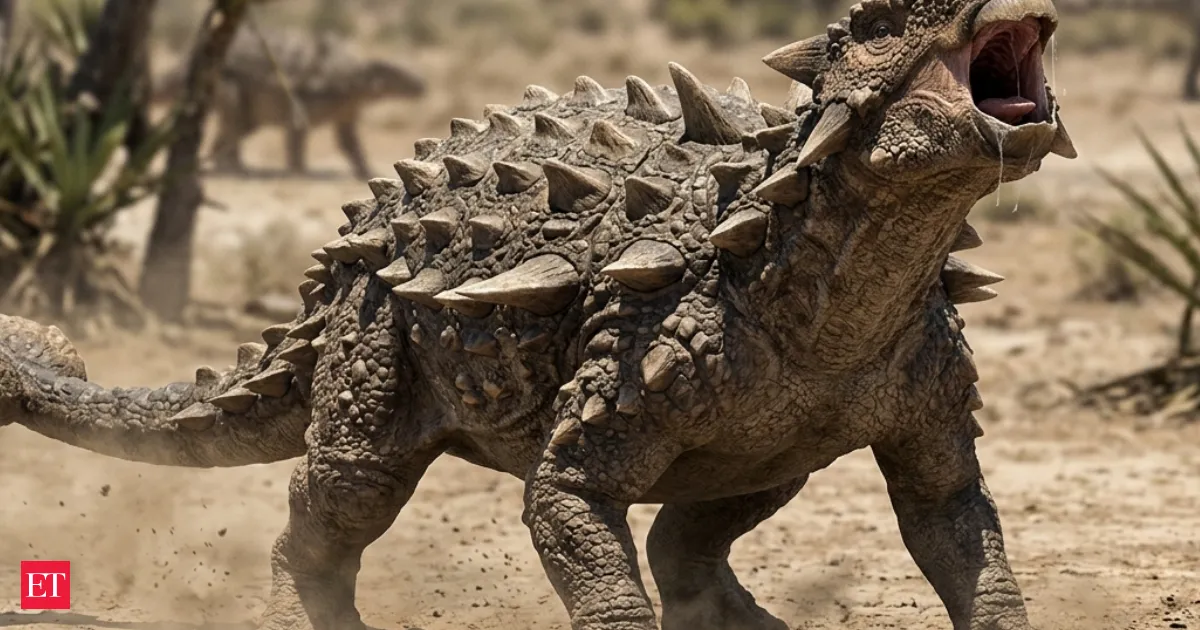
A rare fossil find is rewriting how scientists think dinosaurs sounded. Researchers identified a fossilized larynx from Pinacosaurus, an ankylosaur, and found it carries bird-like features linked to complex vocal control. The discovery undermines the long-standing idea that dinosaurs roared loudly like cinematic monsters, suggesting more nuanced communication abilities instead.
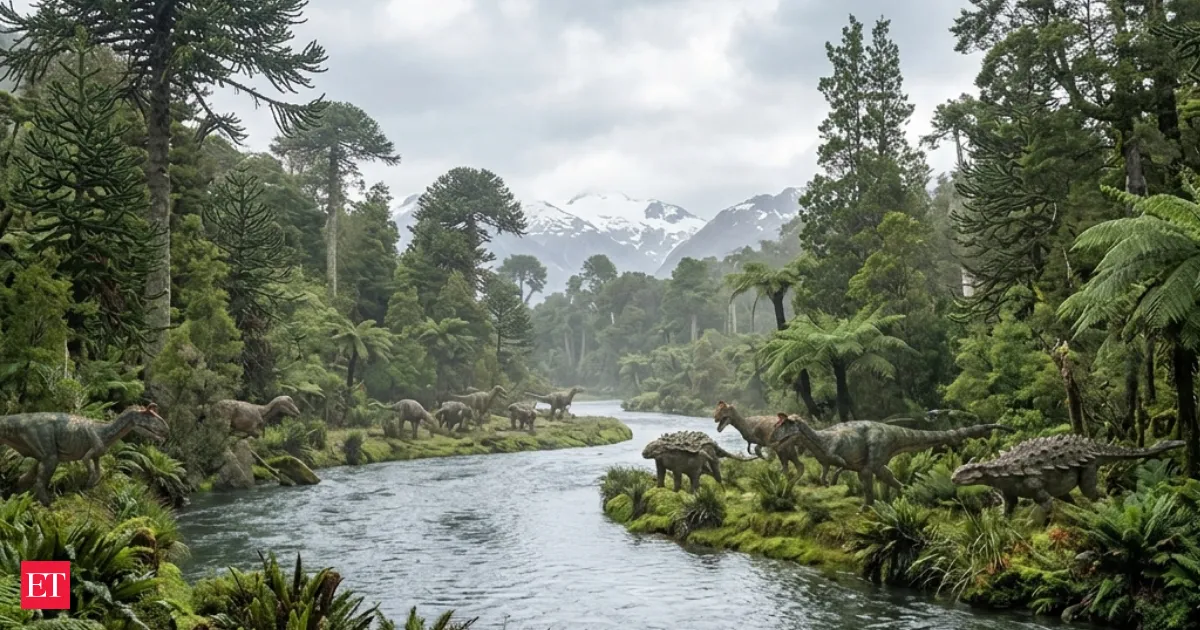
New fossils buried under Antarctica’s ice have revealed the continent was once a swampy temperate rainforest around 90 million years ago. Researchers estimate a warm, moist climate with average temperatures near 12°C—far from today’s icy conditions. The discovery reshapes Earth’s ancient climate timeline and underscores how greenhouse gases can dramatically transform polar regions.
Reading on mobile?
Open Beige in the app for a smoother experience — free on iOS and Android.
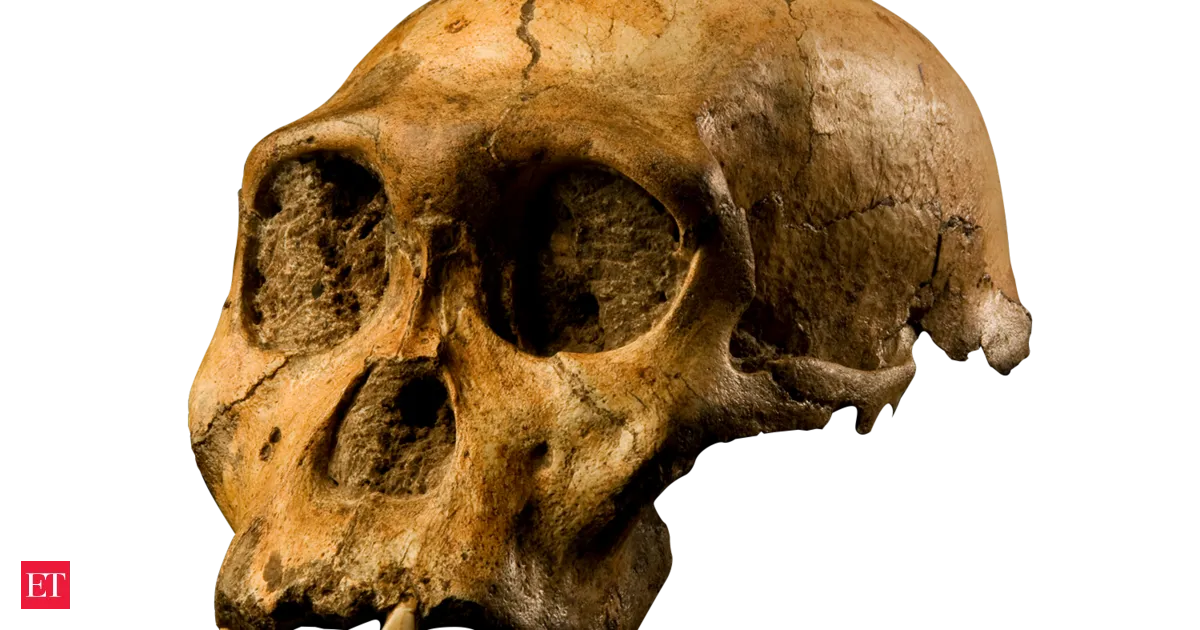
In South Africa, a fossil discovery sparked a major leap in understanding human evolution. In 2008, young Matthew Berger found a bone that helped scientists identify Australopithecus sediba, a long-lost human relative. The fossils offer a rare, detailed glimpse into early hominin anatomy, revealing a surprising mix of ape-like and human-like traits that reshaped key evolutionary questions.
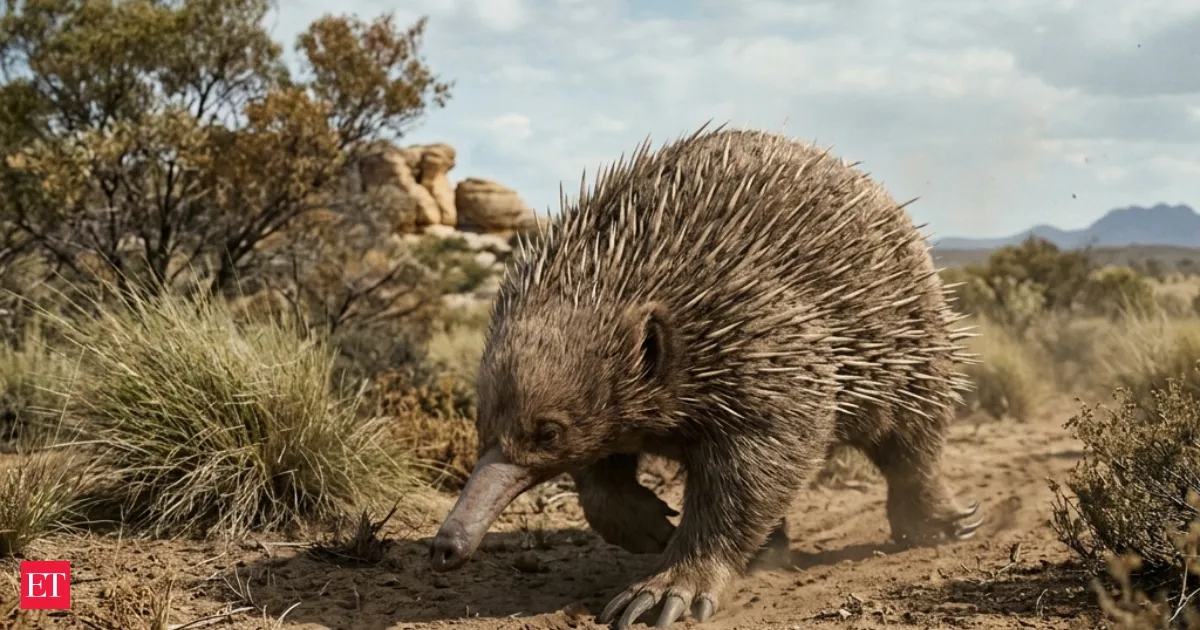
A fossil of an extinct giant echidna was quietly stored in a museum drawer for more than a century before researchers re-examined it and extracted new evolutionary clues. The study points to greater diversity among ancient monotremes and expands the known range of these animals across Australia, highlighting how priceless museum collections can still transform science.
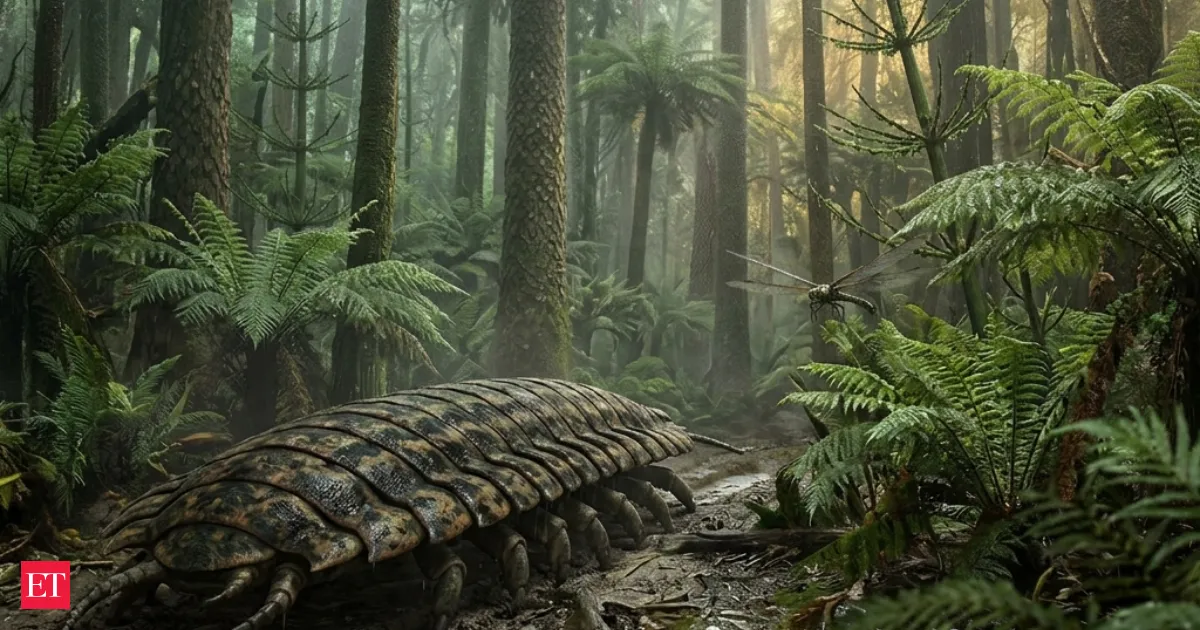
Researchers say the colossal arthropod Arthropleura—dating to the Carboniferous and early Permian—can now be definitively tied to millipedes thanks to newly discovered head anatomy. The giant likely grew to car-length scales, reshaping how scientists picture ancient land ecosystems and the early evolution of terrestrial life.
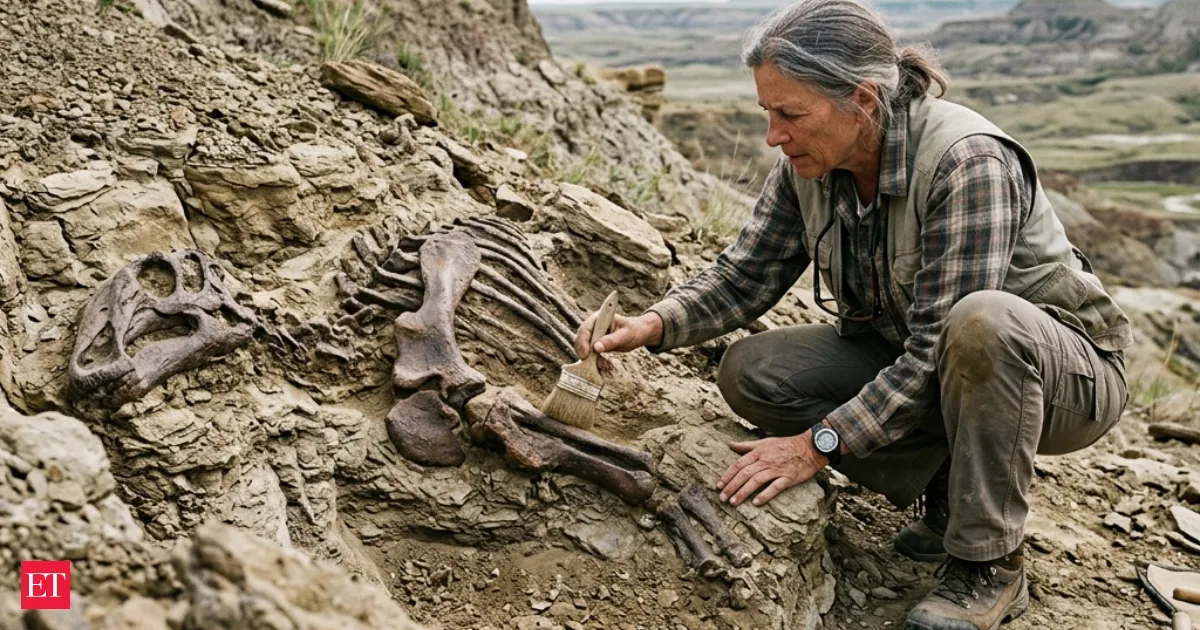
A volunteer in Alberta’s Dinosaur Provincial Park has discovered a hadrosaur fossil unusually preserved, with major portions of fossilized skin still attached. Unlike most finds that reveal mostly bones, this specimen may offer rare clues about dinosaur texture, coverings, and soft tissue preservation. Researchers expect it could improve understanding of juvenile development and body shape.
Follow your favourite sources
Track sources, tags and categories — all in the Beige app.
A rare 72-million-year-old dinosaur fossil from Alberta, Canada, preserves intact skin and scales of a duck-billed species, offering an unusual look at how dinosaurs may have looked in life. Researchers used advanced imaging and analysis to study its composition and preservation, suggesting the region could hold more discoveries that deepen understanding of dinosaur biology.
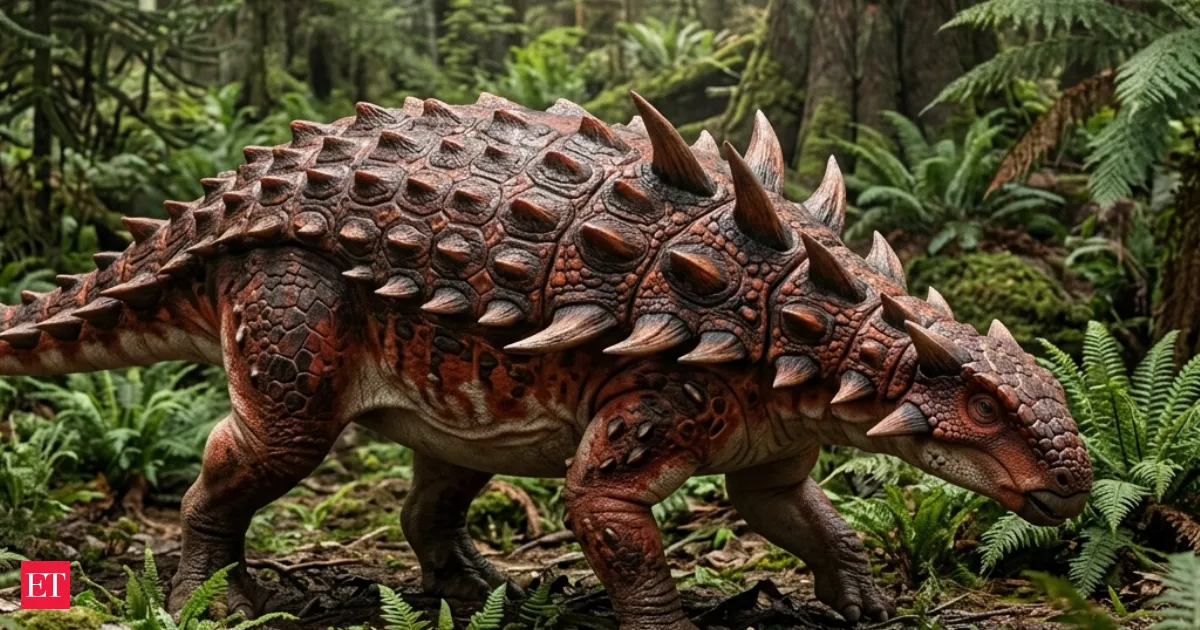
Miners in Alberta uncovered a remarkably complete fossil of Borealopelta markmitchelli, preserved with skin and armor. Scientists say the fossil’s posture and fine details, including a clear countershading pattern, point to camouflage as a key survival tactic. The discovery is reshaping how researchers understand prehistoric appearance and the layered defense strategies of armored dinosaurs.
In 1909, Smithsonian secretary Charles Doolittle Walcott, riding through Canada’s Yoho National Park, discovered the Burgess Shale after encountering strange black shale. The find exposed extraordinarily preserved soft-bodied organisms, transforming understanding of the Cambrian period and early life’s evolution. Even today, the site remains a key fossil window for researchers studying how complex organisms first appeared.
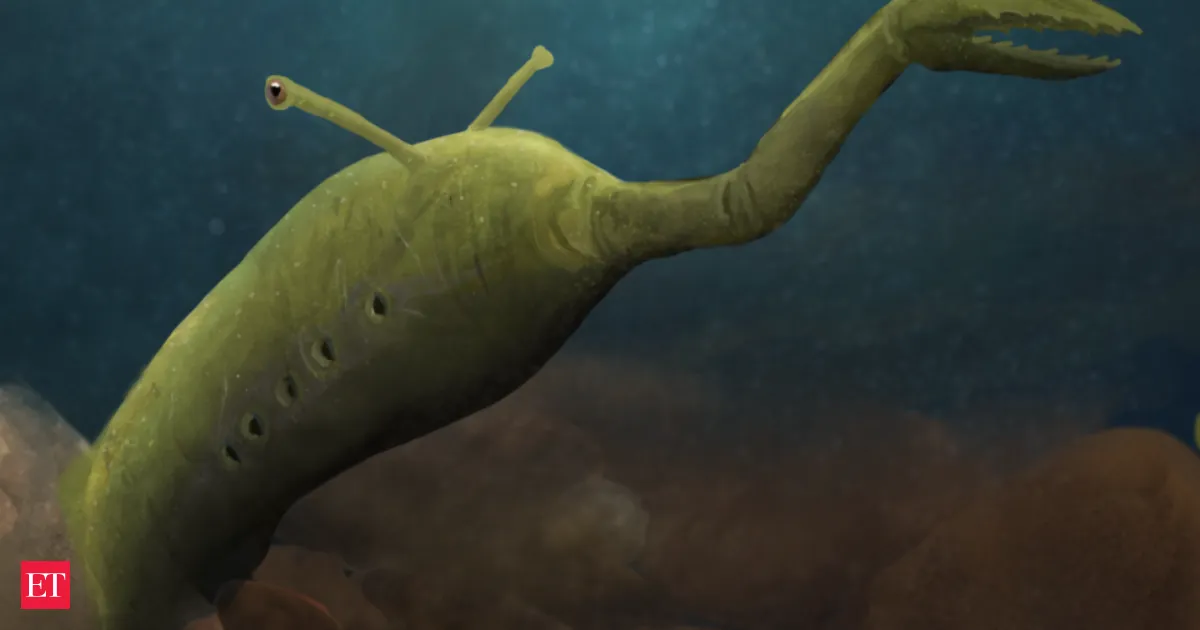
Discovered in Illinois in 1958, the Tully Monster has kept paleontologists guessing ever since. Its strange anatomy won’t fit neatly as a vertebrate or an invertebrate, and studies using different methods have produced conflicting evolutionary placements. With no single answer yet, the fossil remains a vivid example of how scientific conclusions can shift as evidence and techniques evolve.
Stay informed on the go
Bite-sized news from 100+ trusted sources, right in your pocket.
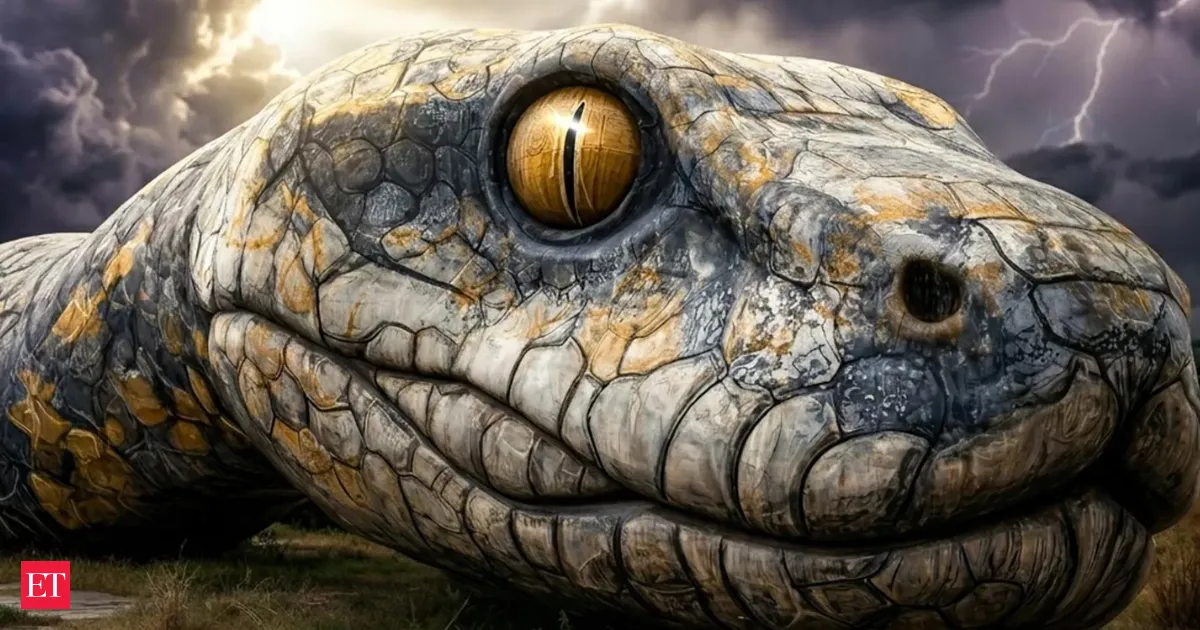
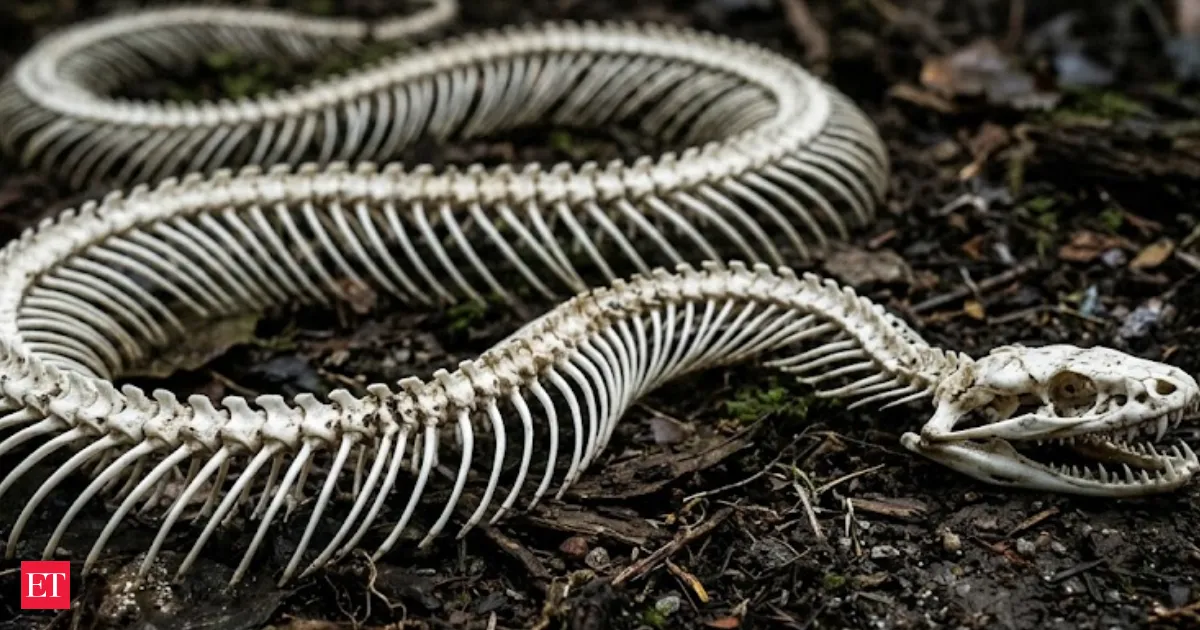
Scientists report the discovery of Vasuki indicus in Gujarat, based on 27 fossilized vertebrae. The snake lived about 47 million years ago and may have reached roughly 50 feet, putting it among the largest known serpent species. The find could also reshape ideas about where giant snakes first evolved, suggesting India may hold key clues to their origins.
A newly studied fossil, Najash rionegrina, suggests snakes didn’t suddenly lose legs. Instead, evolution unfolded gradually: this ancient reptile still had hindlimbs and a distinctive skull, bridging lizards and modern snakes. The findings strengthen the case for slow, step-by-step body reshaping over millions of years, offering a clearer timeline for snake evolution.
Swipe through stories, personalise your feed, and save articles for later — all on the app.