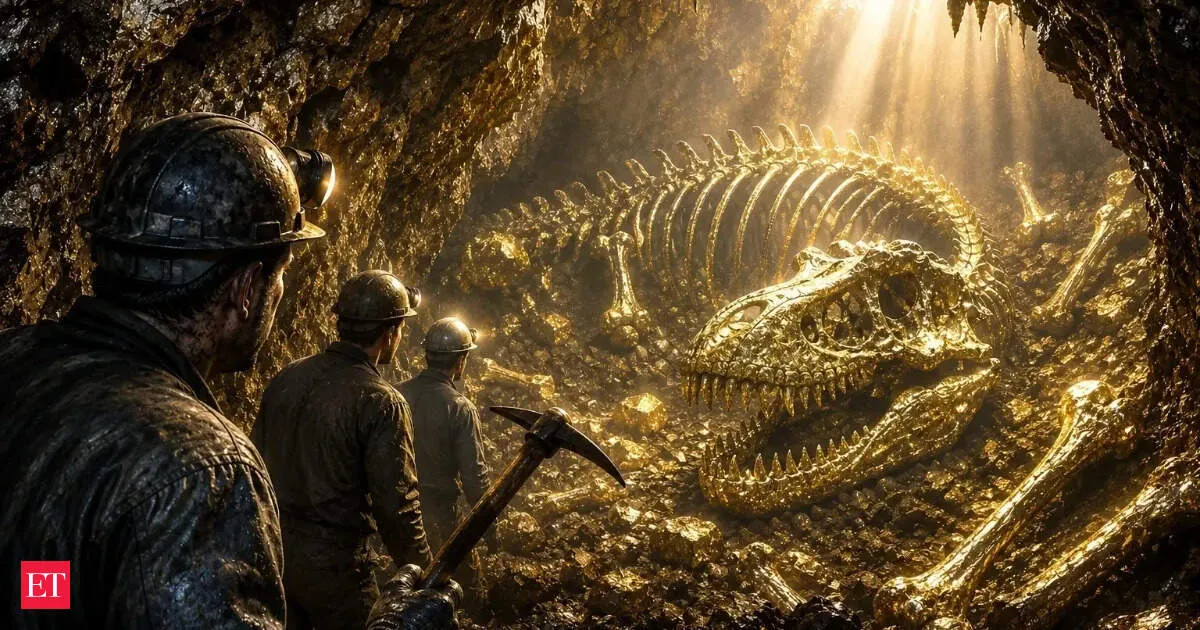
In 1878, Belgian coal miners drilling the Bernissart seam noticed bones that glittered like pyrite. What they uncovered underground was extraordinary: a large deposit containing multiple Iguanodon skeletons closely preserved together. The find mattered because it offered far more complete specimens than earlier, fragment-based research. With whole-body comparisons, scientists revised Iguanodon’s posture, leg structure, and the function of its distinctive thumb spike, shifting dinosaur paleontology from speculation to solid evidence.
Swipe through stories, personalise your feed, and save articles for later — all on the app.