
← Latest news 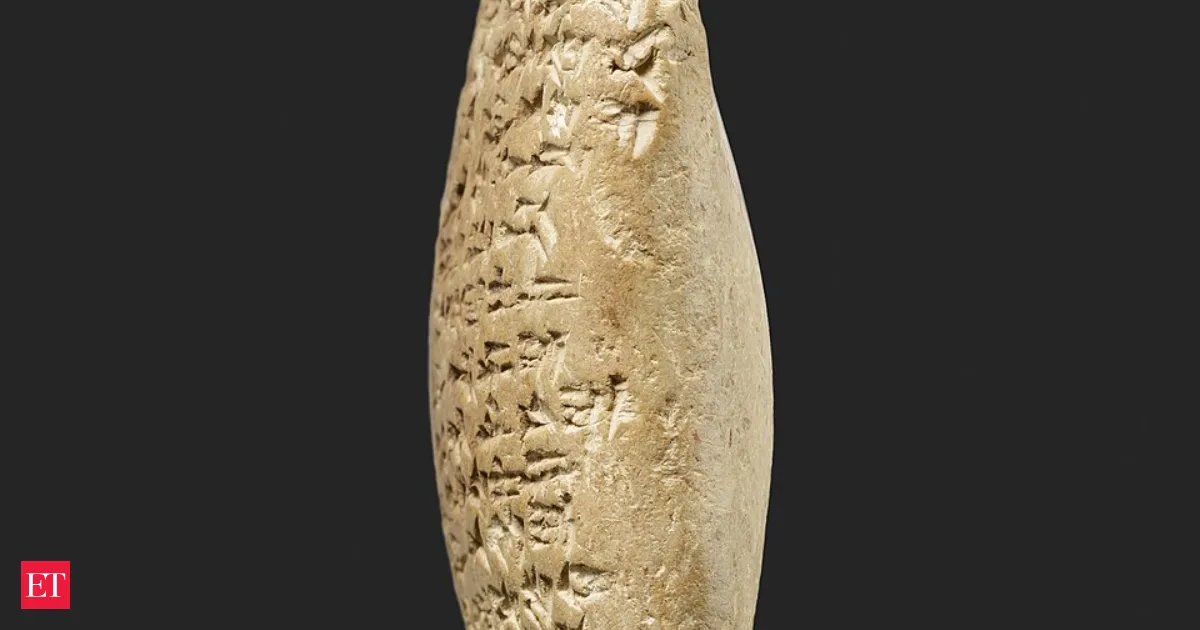
Amarna Letters Unearthed After Fertilizer Hunt Rewrote Bronze Age Diplomacy and Pharaoh Power
International
Published on 15 May 2026
A fertilizer dig unearthed the Near East’s diplomatic megaphone
In 1887, while searching for sebakh fertilizer at Tell el-Amarna, an Egyptian woman stumbled on baked clay tablets now known as the Amarna Letters. Far from royal relics, the mundane tablets carried Akkadian cuneiform correspondence—Egypt’s day-to-day political messages to other kings, officials, and tributary states. Dating to the reigns of Amenhotep III and Akhenaten in the 14th century BCE, the letters reveal a tense, connected Bronze Age world shaped by threats, gifts, marriages, and pleas for military help.
- Discovery happened in 1887 during sebakh fertilizer digging at Tell el-Amarna
- Tablets later identified as the Amarna Letters from the 14th century BCE
- They date to Amenhotep III and Akhenaten’s reigns
- Most texts are in Akkadian cuneiform, used as a Near East lingua franca
- Letters include negotiations over threats, gifts, royal marriages, loyalty, and requests for aid
- Pharaohs are shown handling political and logistical crises through diplomacy
Read the full story at The Economic Times
This summarization was done by Beige for a story published on  The Economic Times