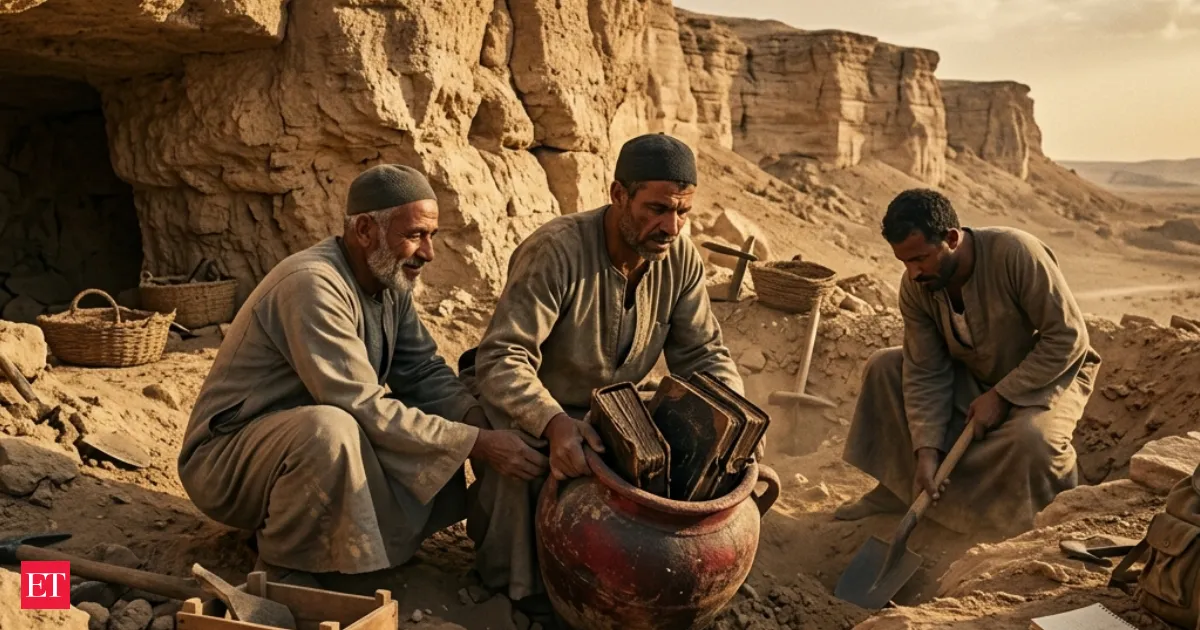
In 1945, Egyptian villagers hunting for fertilizer near Nag Hammadi unearthed a clay jar containing leather-bound Coptic codices hidden in the desert for centuries. The find revealed 13 codices, including texts linked to works later discussed such as the Gospel of Thomas. Before this discovery, historians studying Gnostic Christianity relied mostly on hostile accounts, making true reconstruction difficult. Nag Hammadi reshaped research in religion, linguistics, translation, and how early communities transmitted texts and ideas.
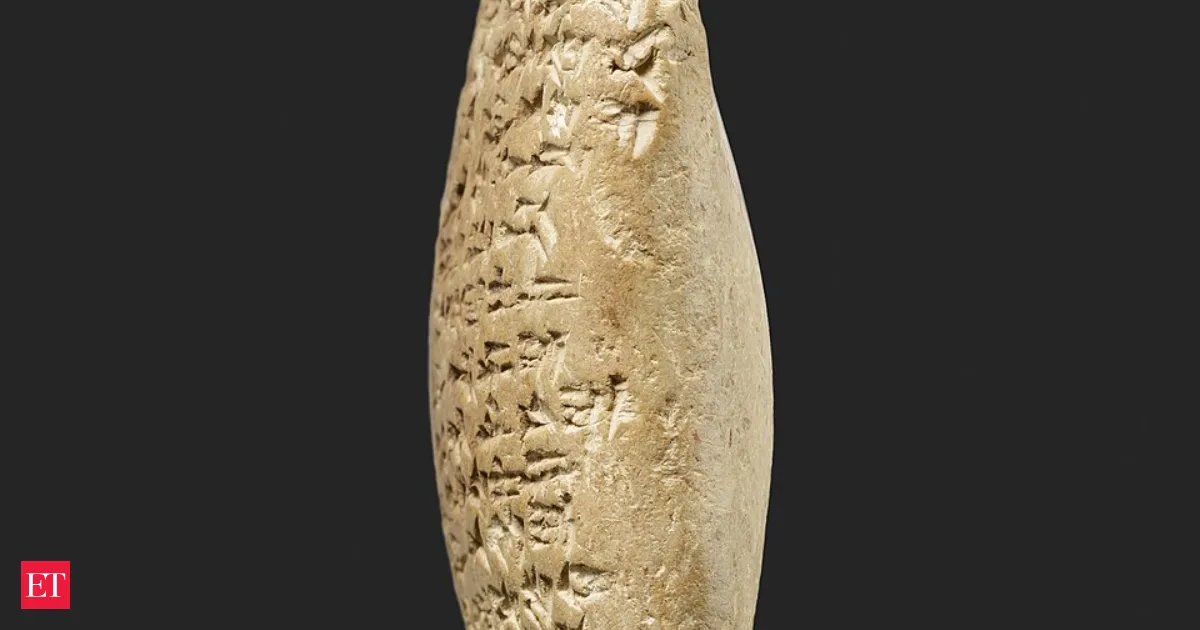
In 1887, while searching for sebakh fertilizer at Tell el-Amarna, an Egyptian woman stumbled on baked clay tablets now known as the Amarna Letters. Far from royal relics, the mundane tablets carried Akkadian cuneiform correspondence—Egypt’s day-to-day political messages to other kings, officials, and tributary states. Dating to the reigns of Amenhotep III and Akhenaten in the 14th century BCE, the letters reveal a tense, connected Bronze Age world shaped by threats, gifts, marriages, and pleas for military help.
Your news, in seconds
Get the Beige app — every story in 60 words, updated hourly. Free on iOS & Android.
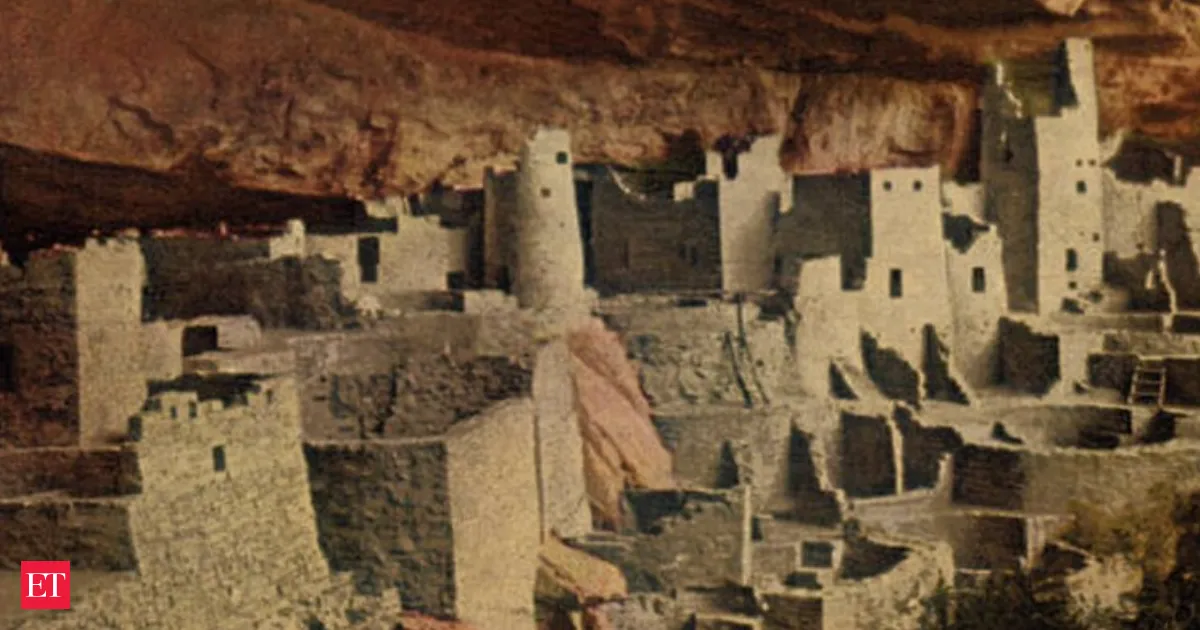
In December 1888, ranch cowboys Richard Wetherill and Charles Mason stumbled upon Cliff Palace in Colorado’s Mesa Verde National Park, revealing the largest cliff dwelling there. The ancestral Pueblo community had stood in sandstone alcoves for roughly 700 years, “visible yet protected” by steep canyon geography. Unlike organized archaeology, the discovery came through routine exploration. Cliff Palace’s scale—around 150 rooms and 23 kivas—made it a defining North American archaeology site.
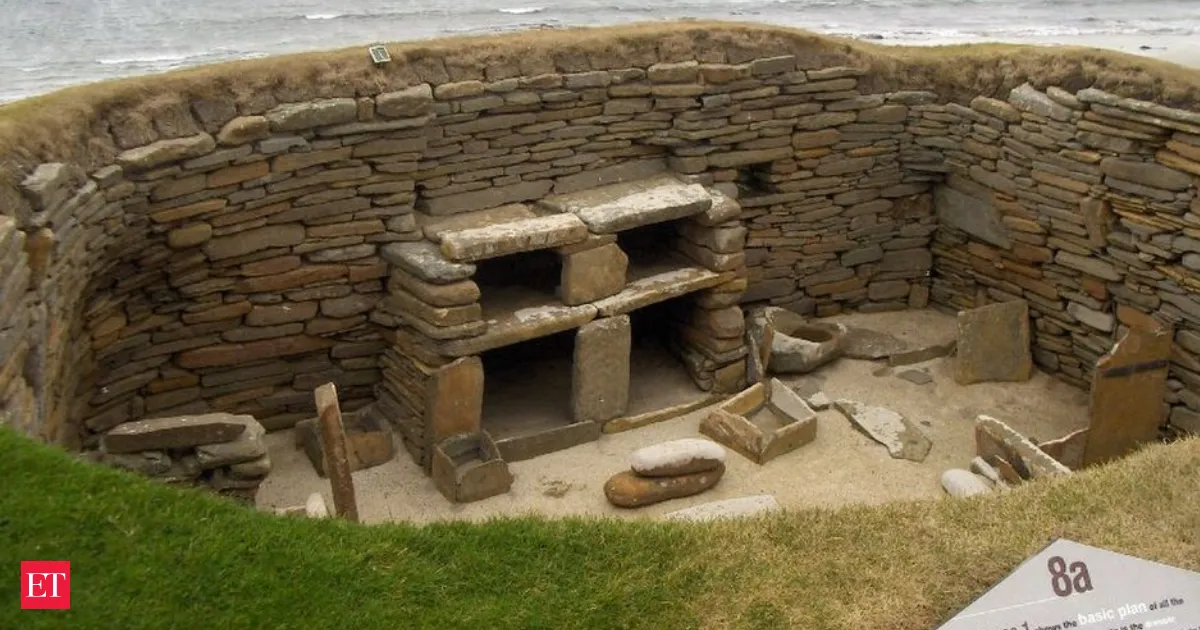
Skara Brae, a Neolithic village in Orkney, was buried under shifting sand dunes for thousands of years—until a violent 1850 storm stripped away the dunes and revealed stone homes. Remarkably well preserved, the settlement offers a rare view of everyday life long before recorded history. Today, Skara Brae stands as one of Europe’s best-preserved prehistoric villages.
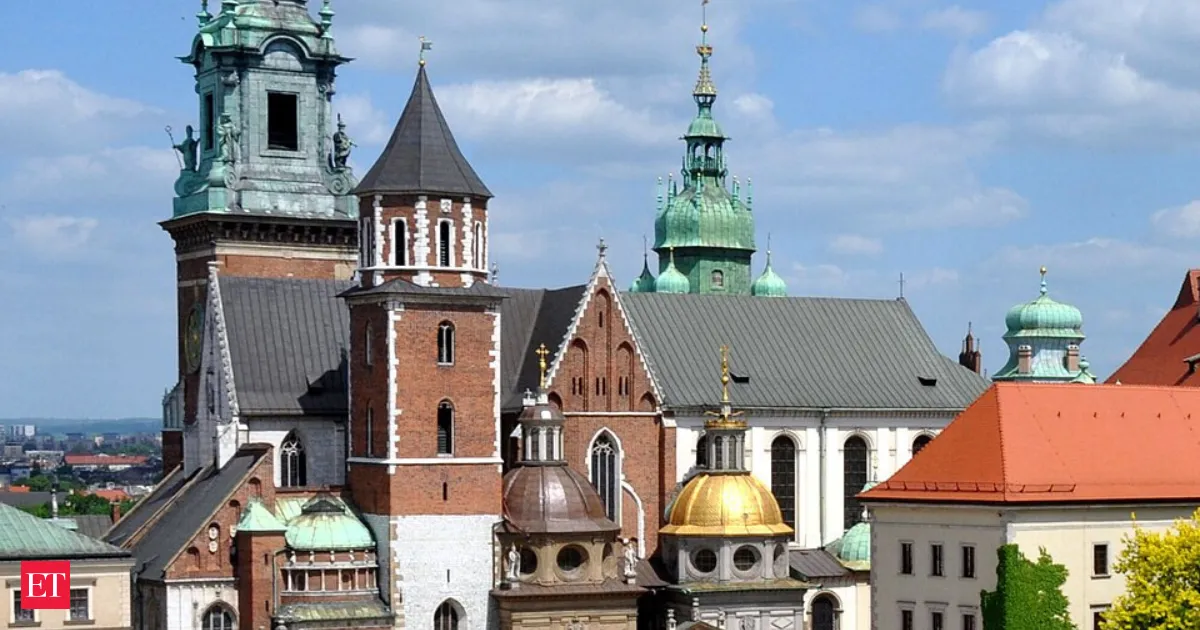
Archaeologists have solved the mystery of a 1,000-year-old Polish church known as the Rotunda of the Holy Virgin Mary, which baffled experts for lacking any visible door. New non-invasive radar and thermal imaging suggests it functioned as a private palace chapel, entered internally from a neighboring royal residence, reshaping how historians understand its role.
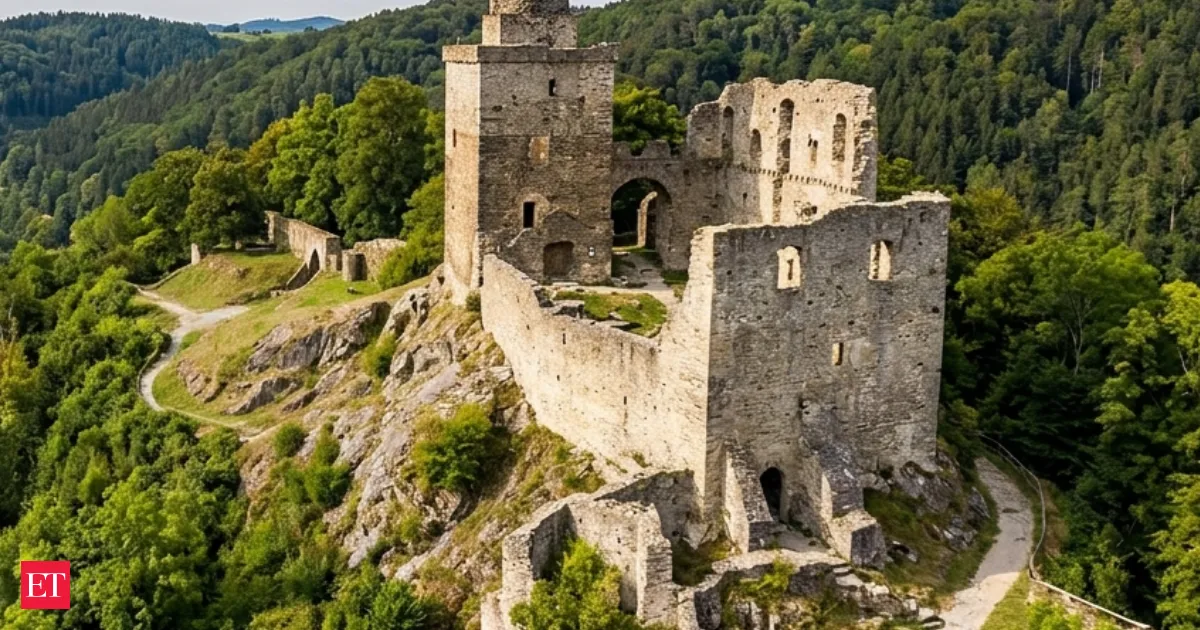
King Ludwig II of Bavaria set out to create Falkenstein Castle, envisioned as an even grander palace than Neuschwanstein. The dream stalled after Ludwig acquired the site and laid plans, but spiraling finances and his controversial deposition in 1886 stopped construction. Today, the medieval fortress remains—an echo of an unfinished vision perched at 1,277 meters.
Never miss a story
Set alerts for the topics and sources you care about. Download Beige for free.
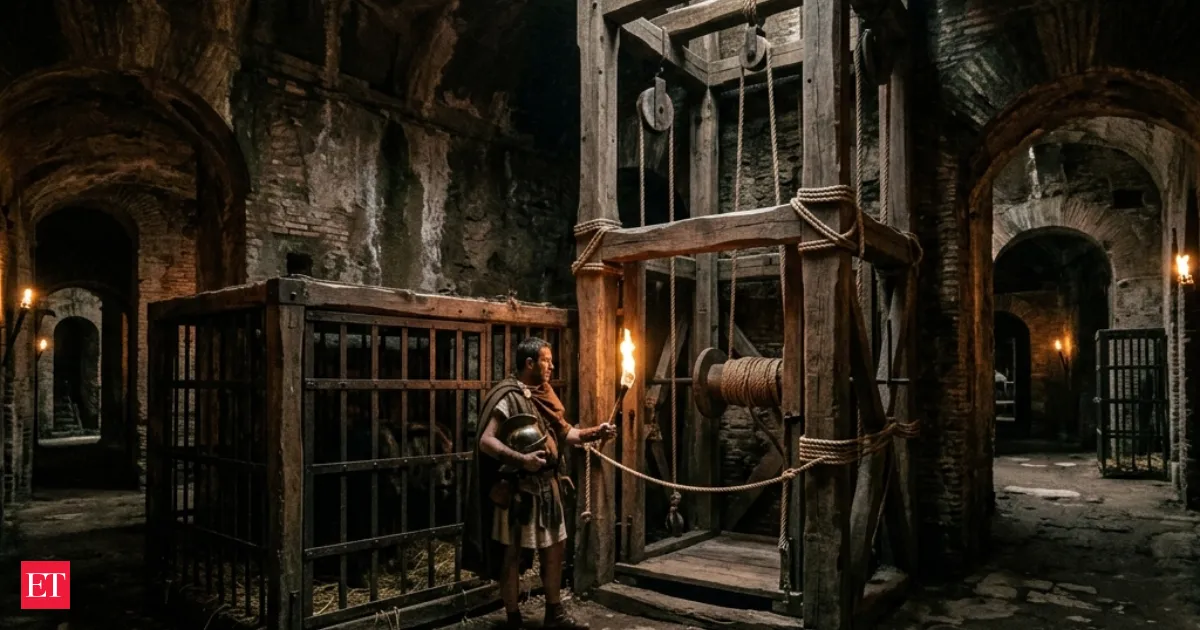
The Colosseum wasn’t just an arena for gladiators—it relied on the hidden hypogeum, a vast underground engineering system. Using lifts, trapdoors, and coordinated routes, crews could bring animals and fighters onto the floor with precision, turning events into carefully timed surprises. The result was spectacle built on illusion, planning, and Roman technical power.
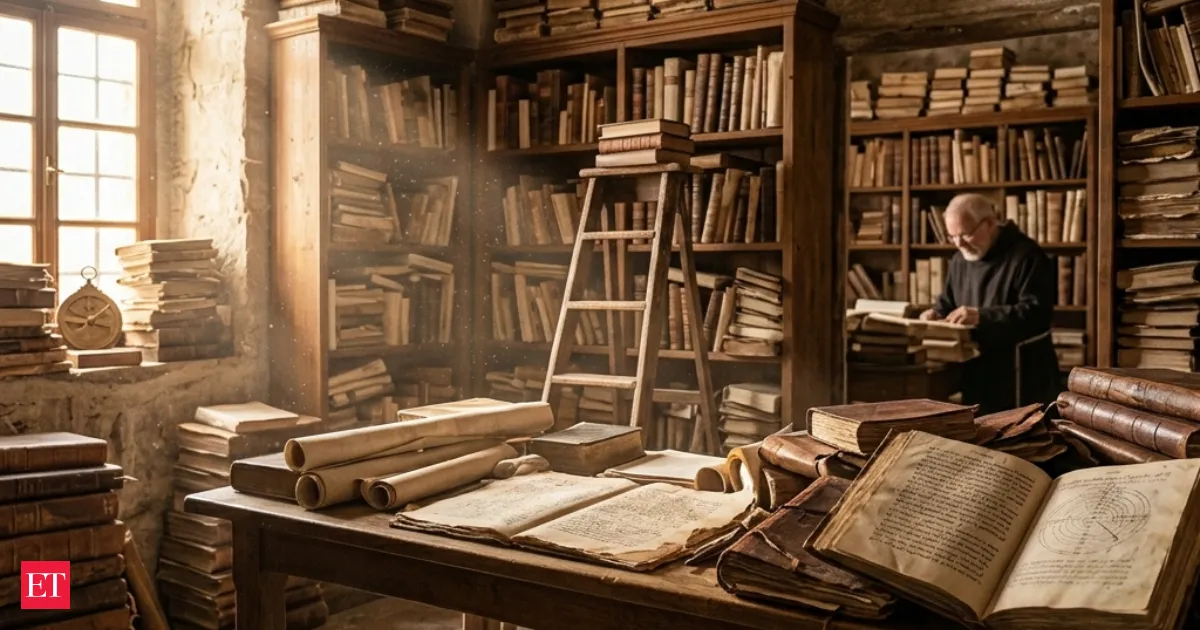
Researchers used advanced X-ray imaging to uncover ancient astronomical fragments hidden beneath medieval writings, preserved only because older parchment was reused. The team believes the recovered pieces may connect to Hipparchus, shedding light on early efforts to systematically catalog the night sky. It is a rare snapshot of how ancient science survived by accident, then re-emerged through modern technology.
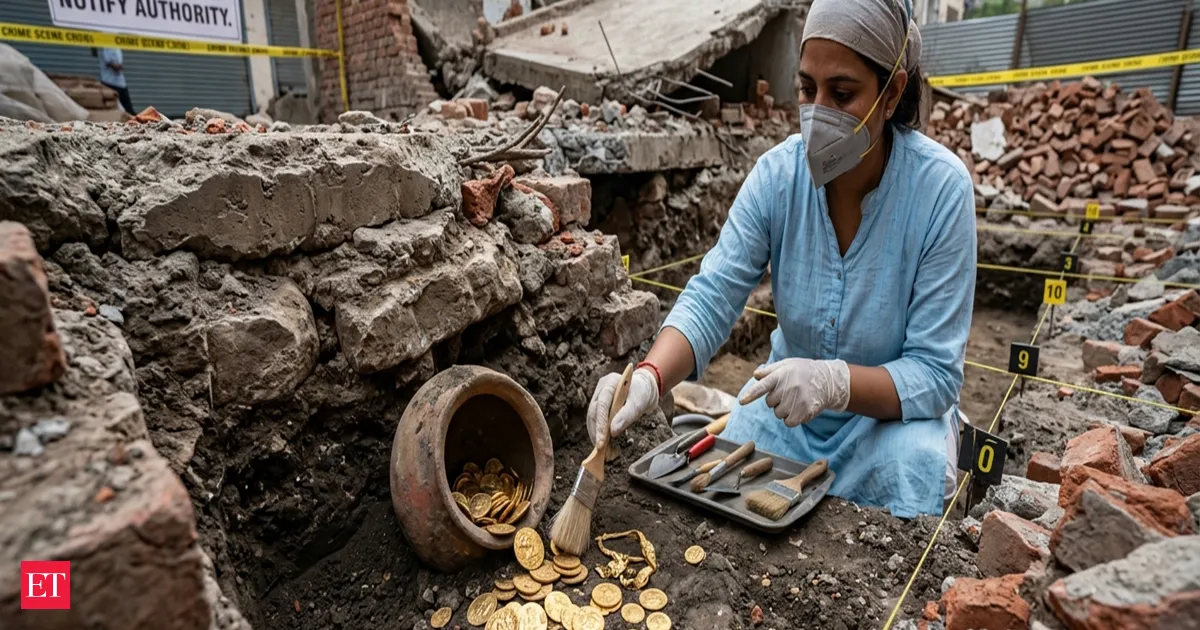
Rescue excavations in Torzhok, Russia, uncovered 409 gold coins sealed in a ceramic pot beneath a destroyed home. The coins span dates from 1848 to 1911 and are believed to have been hidden during the 1917 Russian Revolution. Archaeologists confirm the find, but the identity and fate of the person who stashed them remains a mystery.
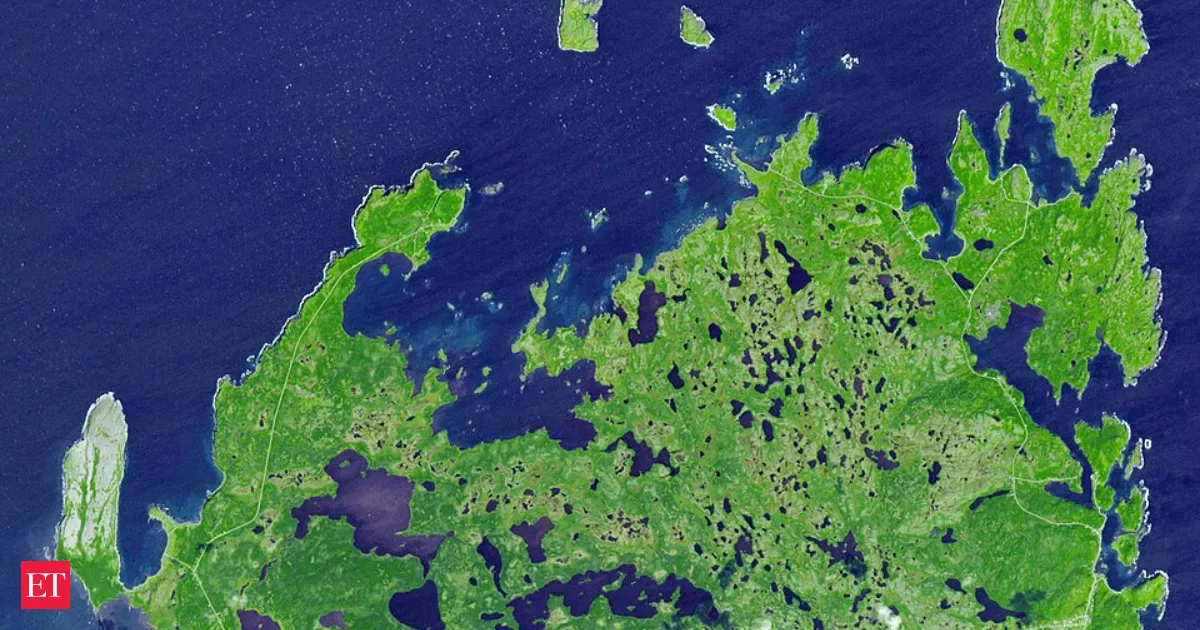
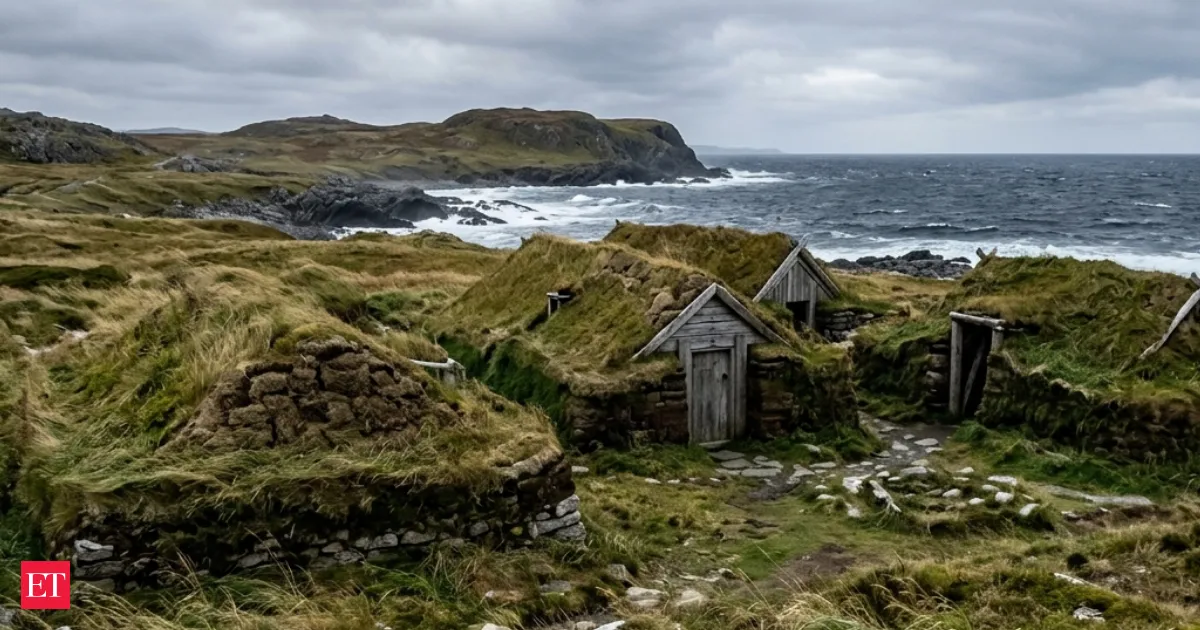
In 1960, Helge and Anne Ingstad followed local guidance in Newfoundland and uncovered L’Anse aux Meadows—marking the first concrete archaeological evidence of Norse exploration in North America. The site revealed a temporary Viking base, clarifying that the voyages were brief exploratory stops rather than full-scale migration, and reshaping long-running debates about when and how Norse reached the continent.
Reading on mobile?
Open Beige in the app for a smoother experience — free on iOS and Android.
Archaeologists have precisely dated the Norse settlement at L’Anse aux Meadows in Newfoundland to AD 1021, making it the earliest confirmed European presence in North America. Using radiocarbon analysis alongside solar-event dating of wooden artifacts, researchers say the site’s faint remains had been overlooked for years—now reshaping Atlantic history long before Columbus.
In 1976, Apple was still a young startup when it landed its first major order for the Apple-1 from the Byte Shop. The deal was fulfilled from Steve Jobs’ garage, shifting the company from building ideas to meeting real production demands. The order also proved the Apple-1 had market value—setting the stage for Apple’s next leap forward.
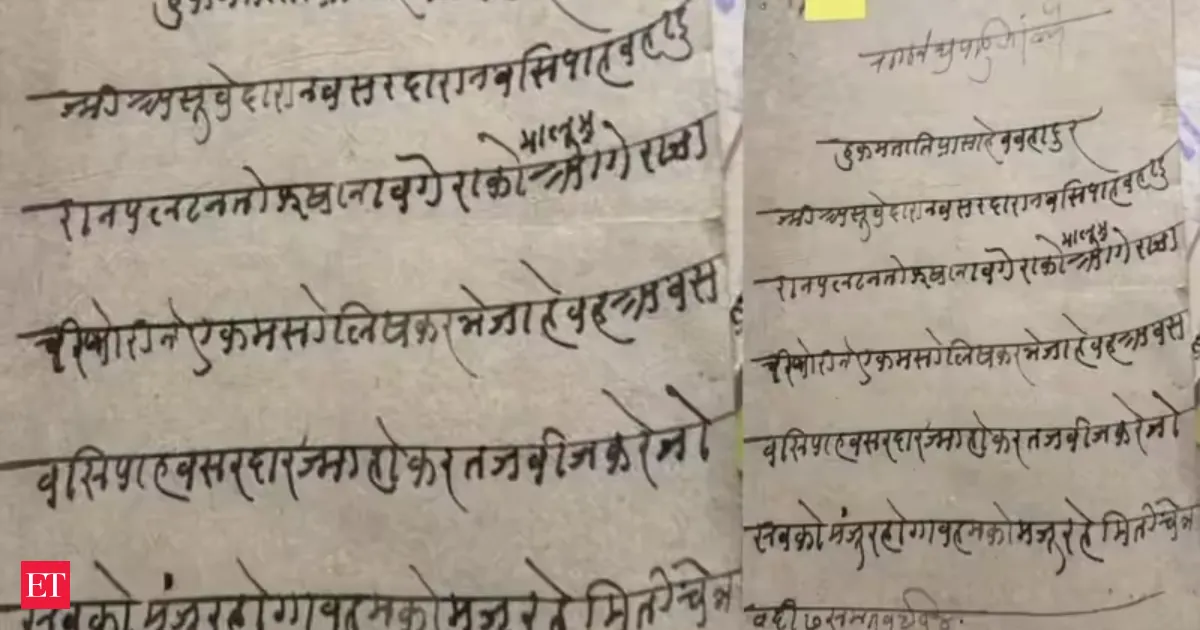
A rare 169-year-old signed letter by freedom fighter Tatya Tope has been discovered in Madhya Pradesh’s state archives during a digitisation drive. The document, bearing his signature, points to early planning and coordination for the 1857 Revolt, urging unity between sepoys and sardars and shedding new light on the mutiny’s hidden network.
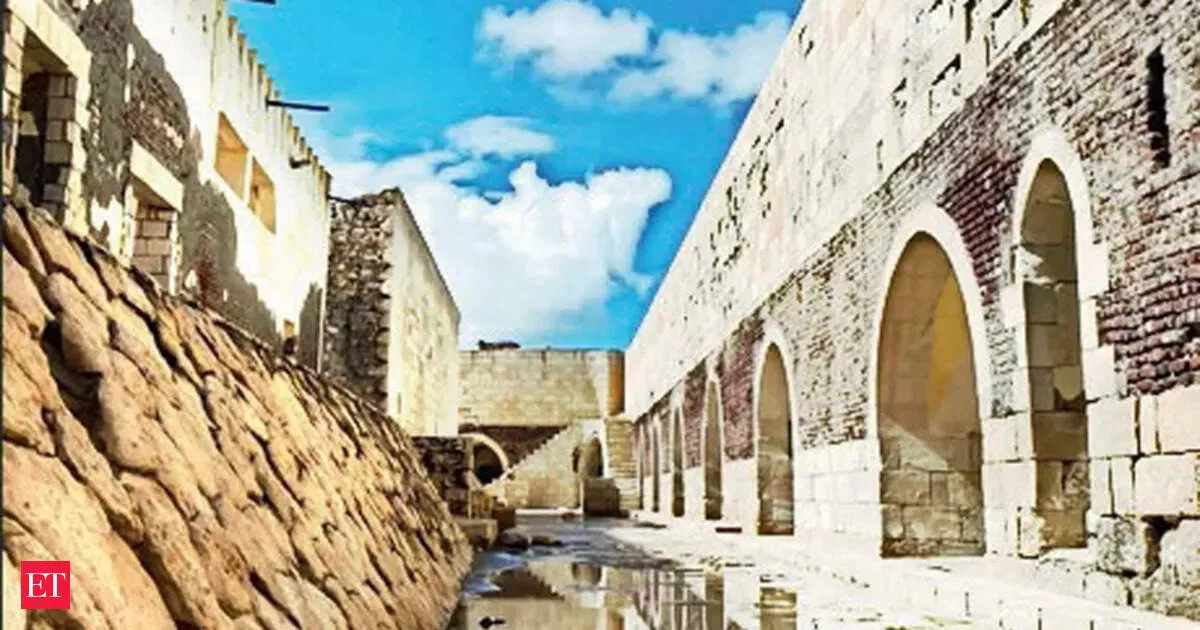
In 1799, French soldiers repairing a fort wall in Egypt uncovered the Rosetta Stone by chance. The slab carried the same royal decree written in three scripts: hieroglyphics, Demotic, and Greek. Because Greek was already understood, scholars could match meanings and finally crack how ancient Egyptian writing worked, reshaping history and archaeology.
Follow your favourite sources
Track sources, tags and categories — all in the Beige app.
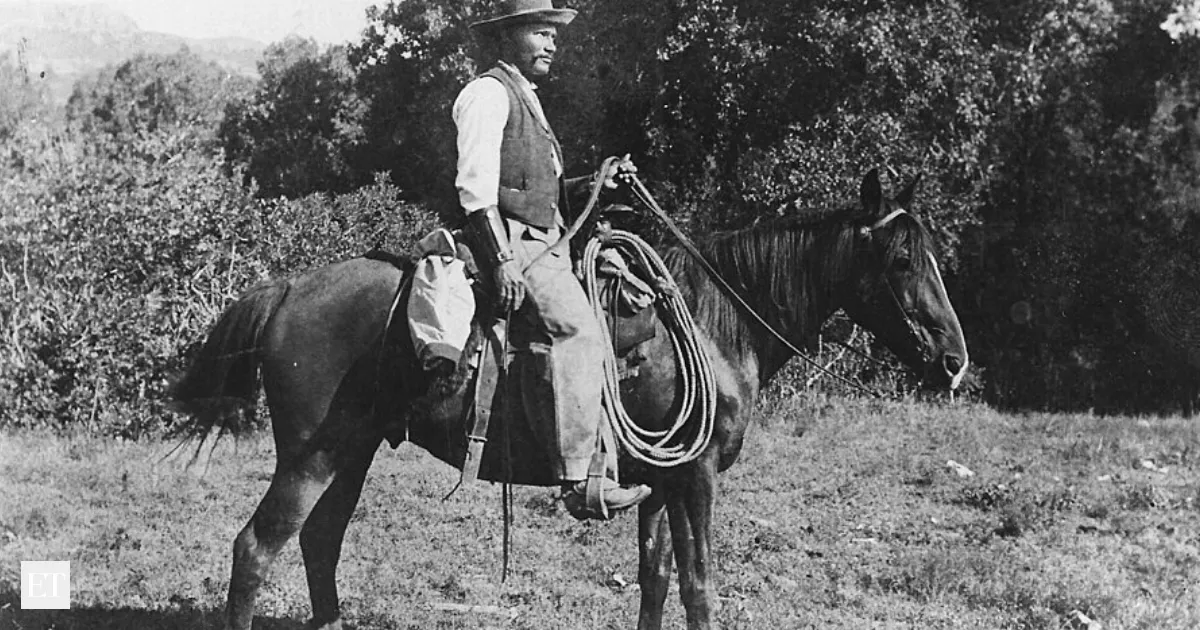
A 1908 storm near Folsom, New Mexico, exposed ancient bones, and local cowboy George McJunkin recognized their significance. Later, archaeologists uncovered a spear point lodged in the ribs of an extinct bison, confirming Ice Age hunters were present. The evidence forced researchers to push back estimates of when humans migrated into North America.
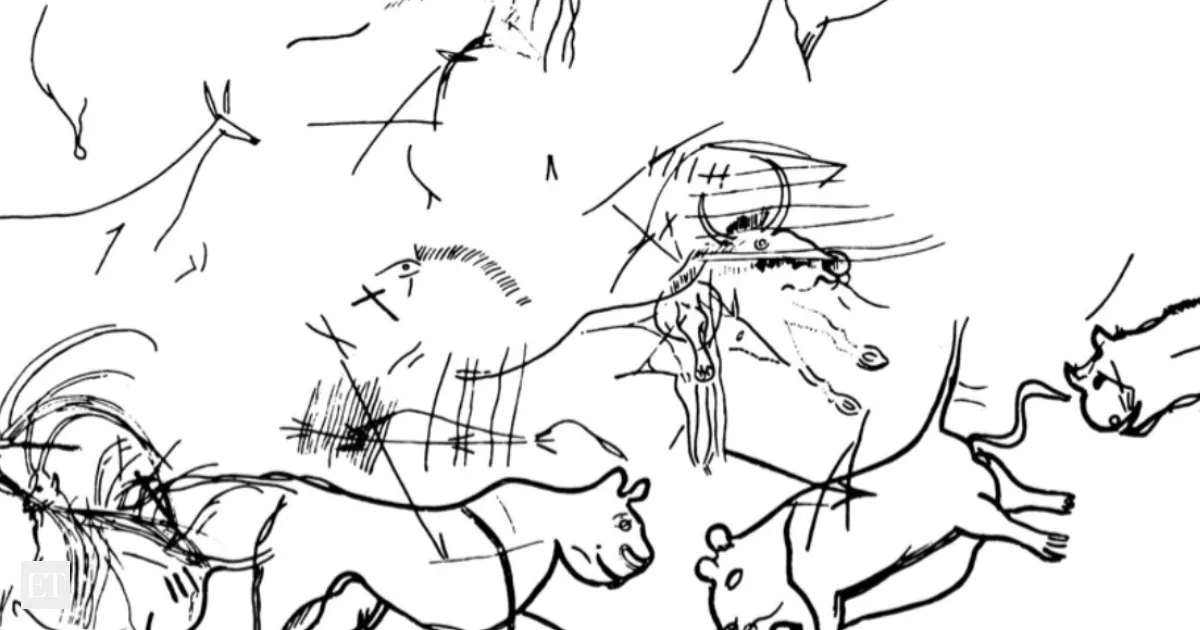
Altamira’s detailed cave paintings in Spain were once branded a hoax because scientists doubted early humans had the skill to create such art. Later research uncovered sophisticated techniques, and additional authenticated findings strengthened the case. Today, Altamira stands as a landmark proof of early human artistic expression, forcing a major shift in what researchers believed about intelligence and creativity.
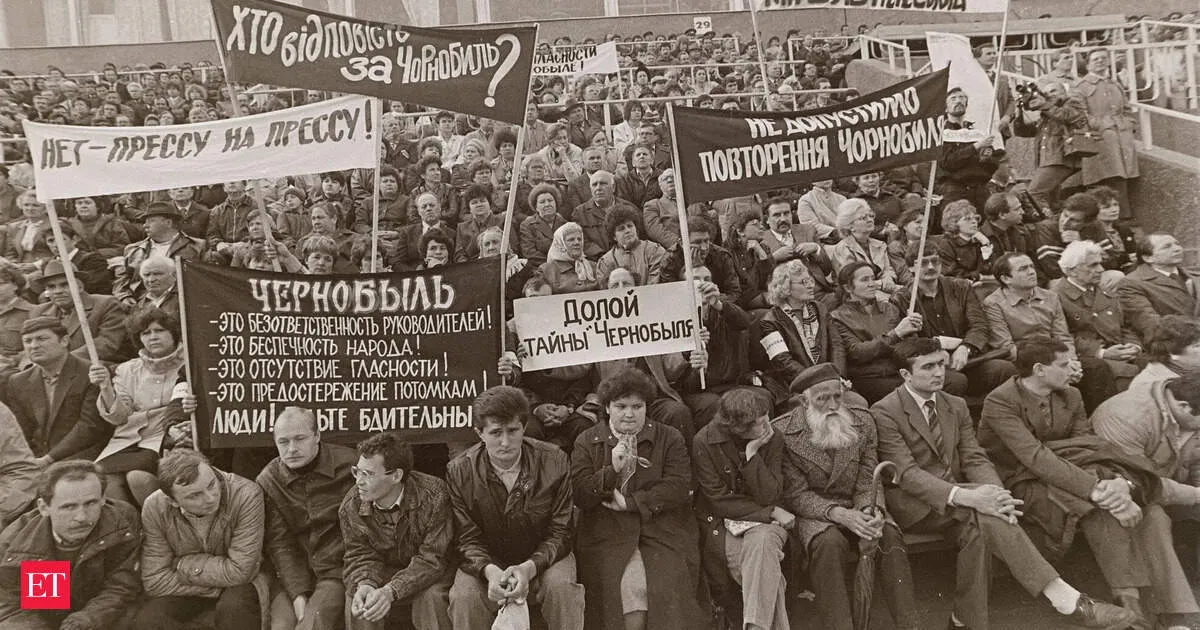
Ukraine marks the 40th anniversary of the Chernobyl disaster, the deadliest civilian nuclear accident in history. On April 26, 1986, at 01:23, a human error during a routine safety test triggered an explosion in reactor number four at the plant in what was then Soviet Ukraine. The tragedy reshaped nuclear safety worldwide.
Newly discovered documents trace the first telegraph link between India and England on 23 June 1870, showing early messages and the excitement that came with the breakthrough. The findings spotlight how fast communication transformed expectations on both sides, turning a long-anticipated link into a real, working network—captured in historic correspondence.
Stay informed on the go
Bite-sized news from 100+ trusted sources, right in your pocket.
Noida was founded on April 17, 1976, during India’s Emergency, when Sanjay Gandhi imagined relocating Delhi’s factories through an aerial blueprint. The early years were marred by land acquisition controversies, but the city later evolved into an economic hub powered by IT, electronics manufacturing, and better connectivity. Today, land has jumped from about Rs 4 to Rs 4–5 lakh per sq yard.
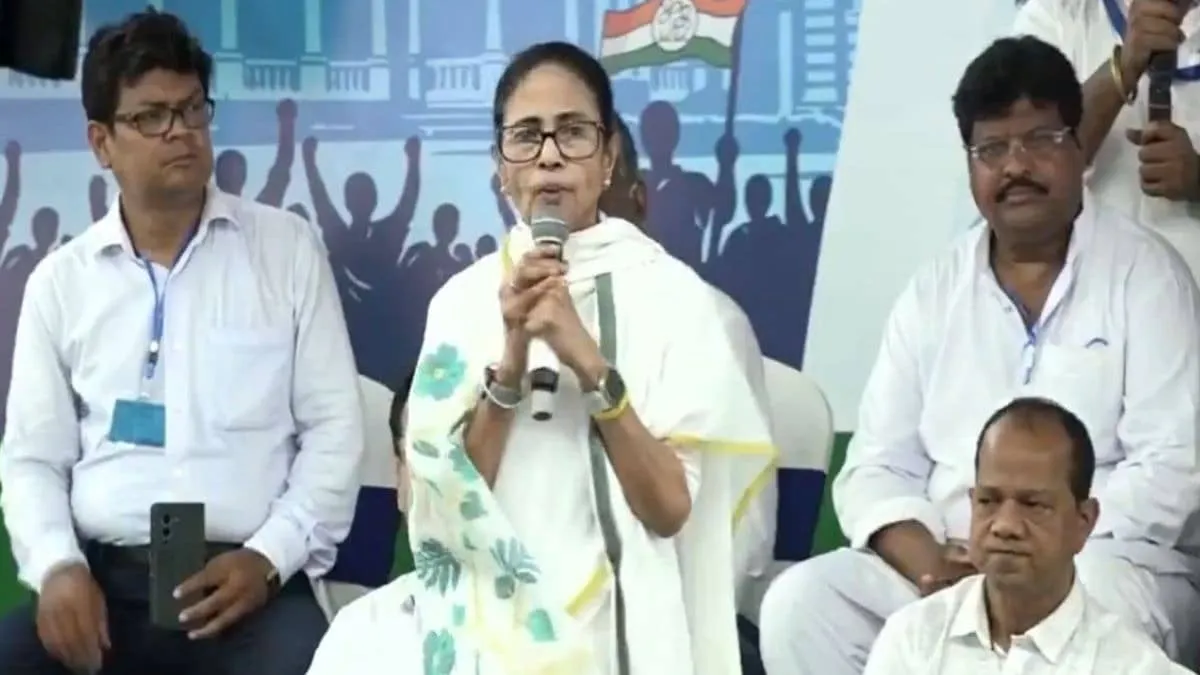
West Bengal Chief Minister Mamata Banerjee sparked a political firestorm after claiming at a rally that Mahatma Gandhi returned his knighthood in protest of the Jallianwala Bagh massacre. Critics say the assertion is historically incorrect, prompting backlash ahead of the West Bengal Assembly elections and raising questions about the veracity of the remarks.
Swipe through stories, personalise your feed, and save articles for later — all on the app.