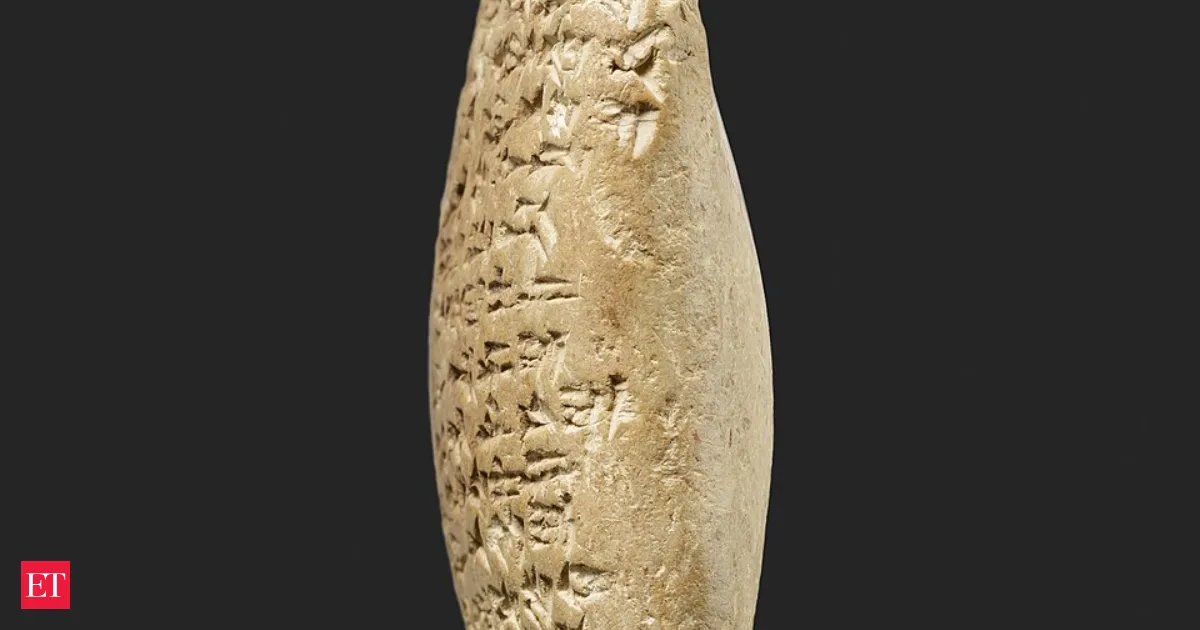
In 1887, while searching for sebakh fertilizer at Tell el-Amarna, an Egyptian woman stumbled on baked clay tablets now known as the Amarna Letters. Far from royal relics, the mundane tablets carried Akkadian cuneiform correspondence—Egypt’s day-to-day political messages to other kings, officials, and tributary states. Dating to the reigns of Amenhotep III and Akhenaten in the 14th century BCE, the letters reveal a tense, connected Bronze Age world shaped by threats, gifts, marriages, and pleas for military help.
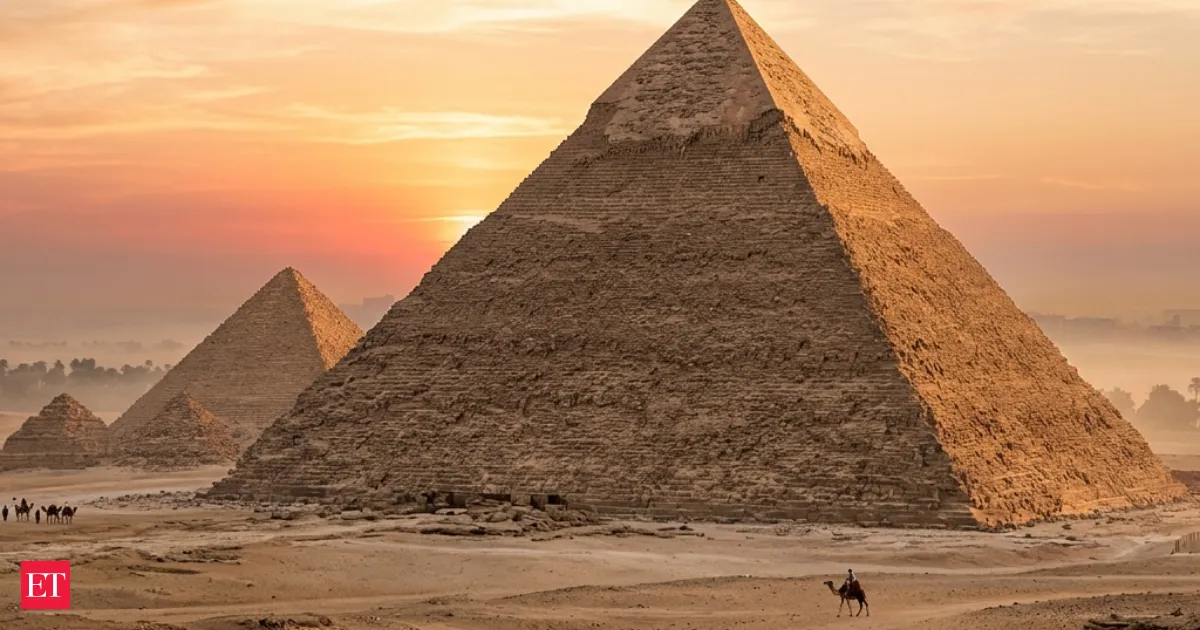
New thermal and imaging studies are reigniting the Great Pyramid of Giza construction debate. Researchers say the stones may have been moved using integrated edge ramps rather than external methods. Advanced scans also suggest internal spaces, feeding fresh theories about how the pyramid rose. The idea is promising but still needs testable confirmation.
Your news, in seconds
Get the Beige app — every story in 60 words, updated hourly. Free on iOS & Android.
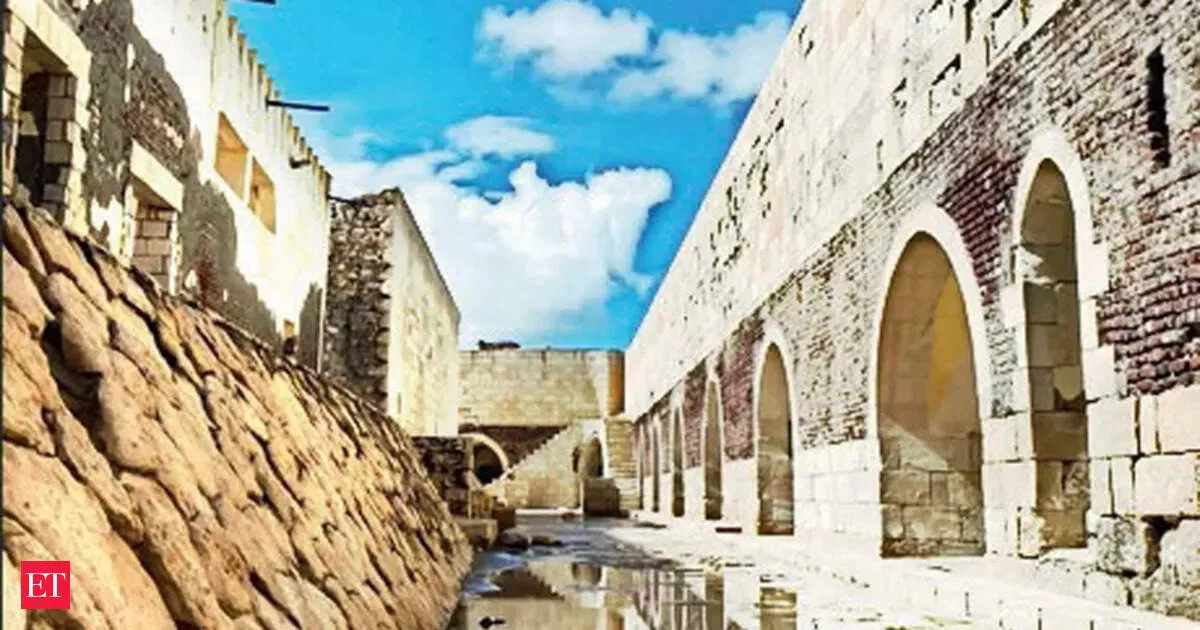
In 1799, French soldiers repairing a fort wall in Egypt uncovered the Rosetta Stone by chance. The slab carried the same royal decree written in three scripts: hieroglyphics, Demotic, and Greek. Because Greek was already understood, scholars could match meanings and finally crack how ancient Egyptian writing worked, reshaping history and archaeology.
Swipe through stories, personalise your feed, and save articles for later — all on the app.