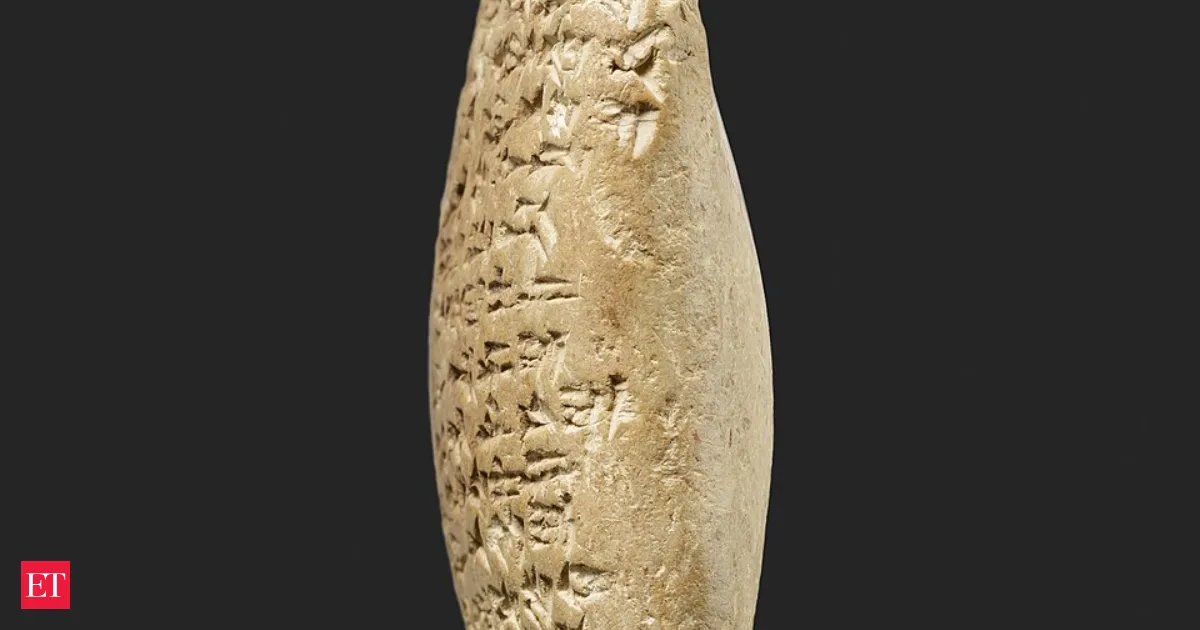
In 1887, while searching for sebakh fertilizer at Tell el-Amarna, an Egyptian woman stumbled on baked clay tablets now known as the Amarna Letters. Far from royal relics, the mundane tablets carried Akkadian cuneiform correspondence—Egypt’s day-to-day political messages to other kings, officials, and tributary states. Dating to the reigns of Amenhotep III and Akhenaten in the 14th century BCE, the letters reveal a tense, connected Bronze Age world shaped by threats, gifts, marriages, and pleas for military help.
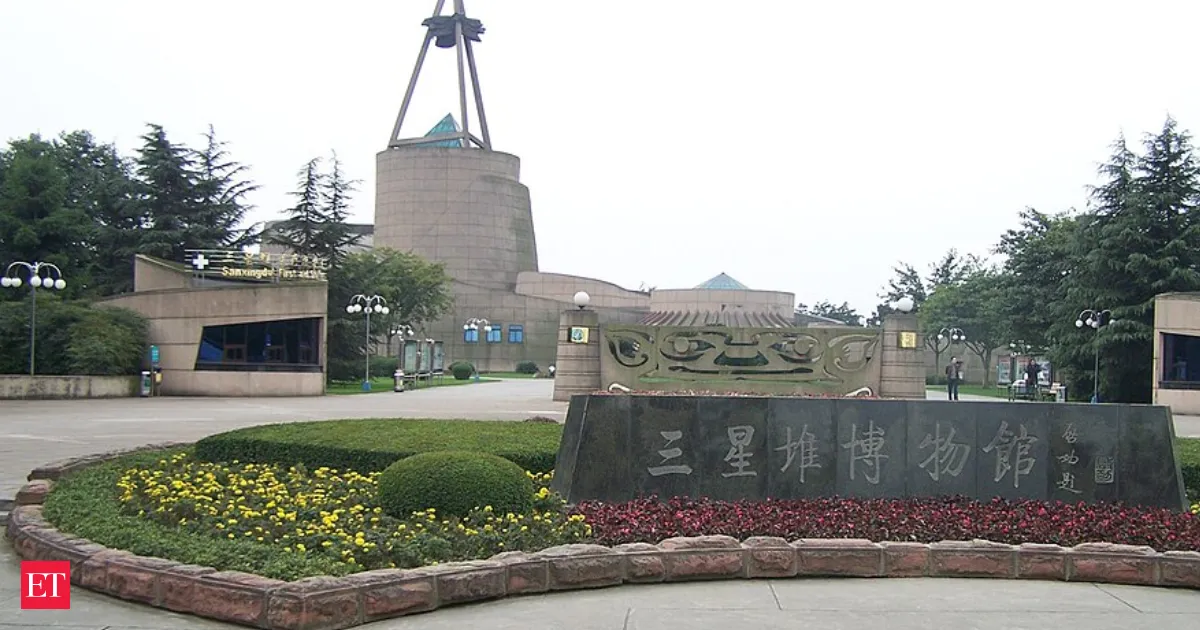
In 1929, a Sichuan farmer clearing an irrigation ditch uncovered jade buried in the mud, a discovery that seemed minor at the time. Years later, archaeologists returned and recognized the remains of a major Bronze Age Shu settlement. The real shock came in 1986 when workers exposed two pits packed with ritual bronzes, jade, and sculptures—especially massive bronze masks. Their striking, unfamiliar style challenged the Yellow River-centered narrative and reshaped how scholars describe early Chinese civilization.
Your news, in seconds
Get the Beige app — every story in 60 words, updated hourly. Free on iOS & Android.
In 1998, a quiet Norfolk shoreline delivered a surprising archaeological find: Seahenge, a Bronze Age timber circle, surfaced after erosion stripped away sand. Built on marshland and sealed away by the sea for centuries, it survived largely because it remained underwater. Its discovery triggered public fascination and debate over how environment, chance, and careful science uncover lost history.
Swipe through stories, personalise your feed, and save articles for later — all on the app.