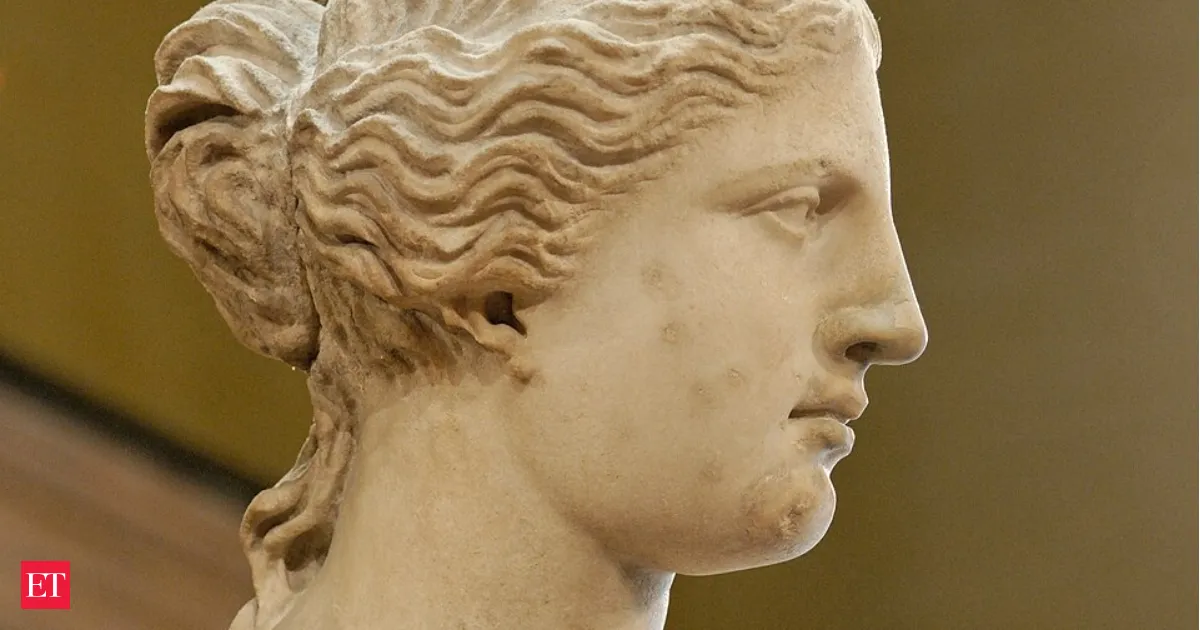
In April 1820, a farmer clearing stones in the ruins of Milos stumbled onto fragments of an ancient marble statue. The discovery, made in four pieces, was immediately recognized as valuable by French naval officer Olivier Voutier, even though the statue was incomplete and already missing its arms. Europe’s 19th-century fascination with classical Greece and Rome helped fuel the rush. After arriving in France in 1821, the Venus de Milo became a star exhibit at the Louvre, and its missing hands only deepened the mystery.
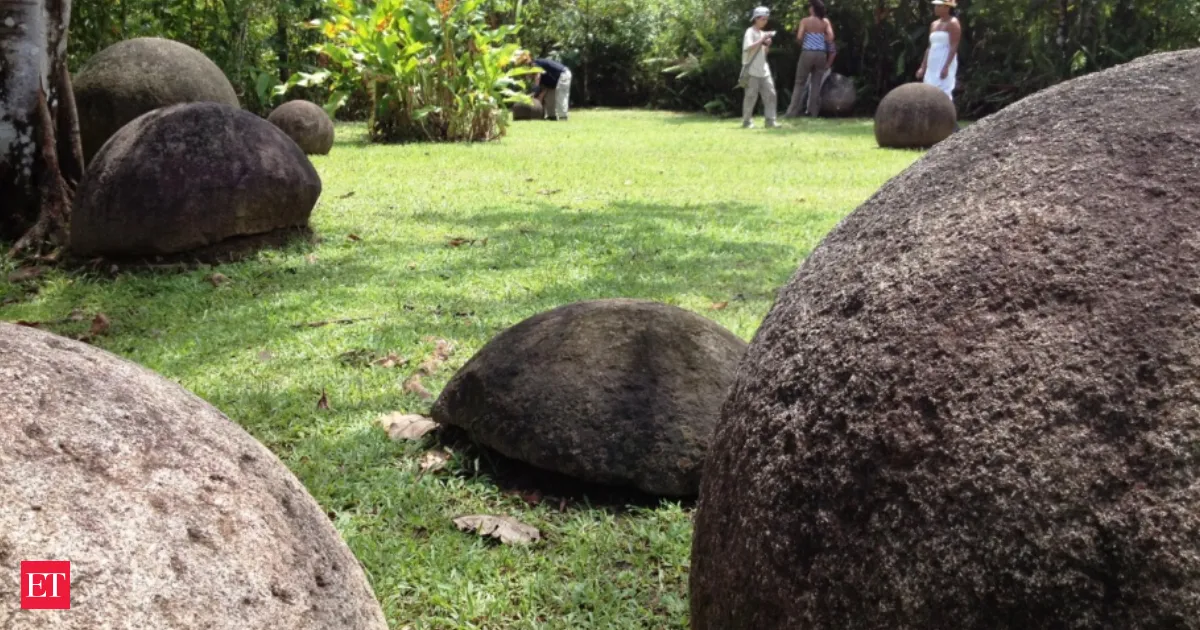
In Costa Rica’s Diquís Delta, banana plantation drainage and land clearing in the 1930s and 1940s accidentally unearthed giant, highly polished stone spheres buried for centuries. UNESCO says the finds were not isolated sculptures but part of a larger chiefdom settlement network, including paved areas, mounds, burials and habitation zones. Many spheres are strikingly mathematically accurate, yet their exact purpose remains unknown. The same landscape reshaping that revealed them also led to plundering and damage to nearby archaeological sites.
Your news, in seconds
Get the Beige app — every story in 60 words, updated hourly. Free on iOS & Android.
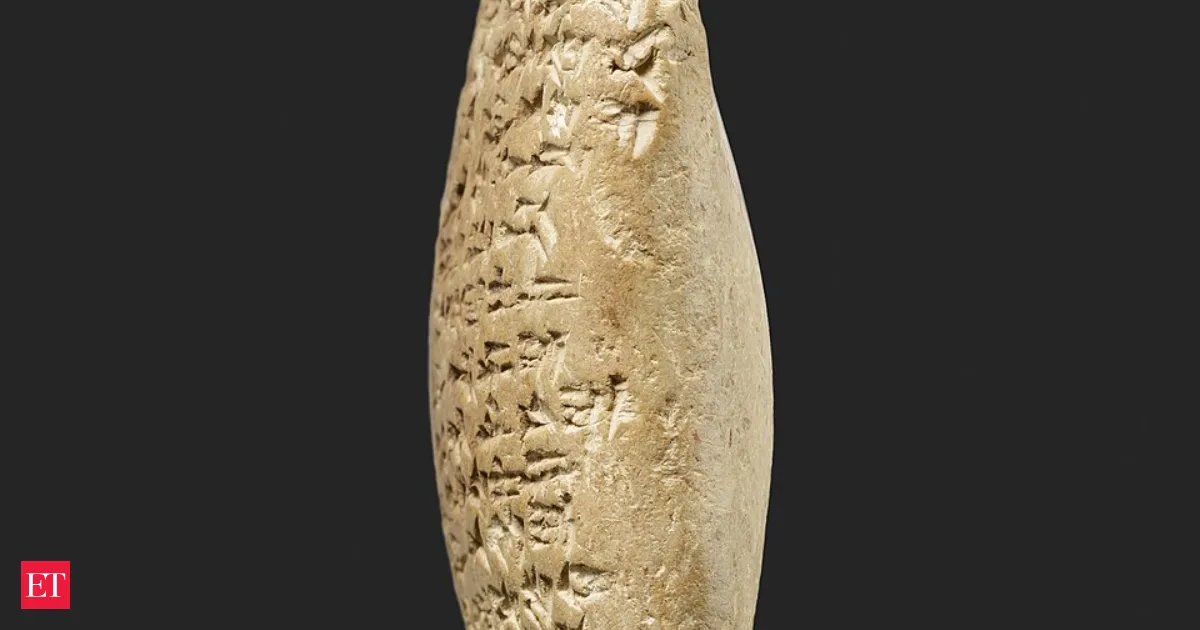
In 1887, while searching for sebakh fertilizer at Tell el-Amarna, an Egyptian woman stumbled on baked clay tablets now known as the Amarna Letters. Far from royal relics, the mundane tablets carried Akkadian cuneiform correspondence—Egypt’s day-to-day political messages to other kings, officials, and tributary states. Dating to the reigns of Amenhotep III and Akhenaten in the 14th century BCE, the letters reveal a tense, connected Bronze Age world shaped by threats, gifts, marriages, and pleas for military help.
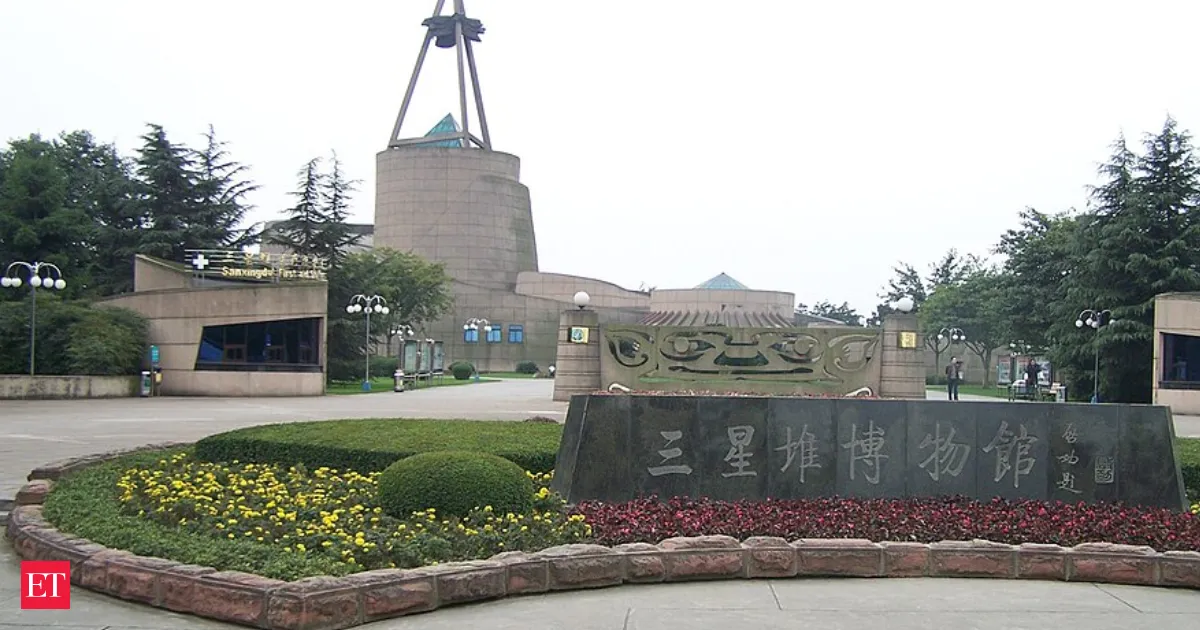
In 1929, a Sichuan farmer clearing an irrigation ditch uncovered jade buried in the mud, a discovery that seemed minor at the time. Years later, archaeologists returned and recognized the remains of a major Bronze Age Shu settlement. The real shock came in 1986 when workers exposed two pits packed with ritual bronzes, jade, and sculptures—especially massive bronze masks. Their striking, unfamiliar style challenged the Yellow River-centered narrative and reshaped how scholars describe early Chinese civilization.
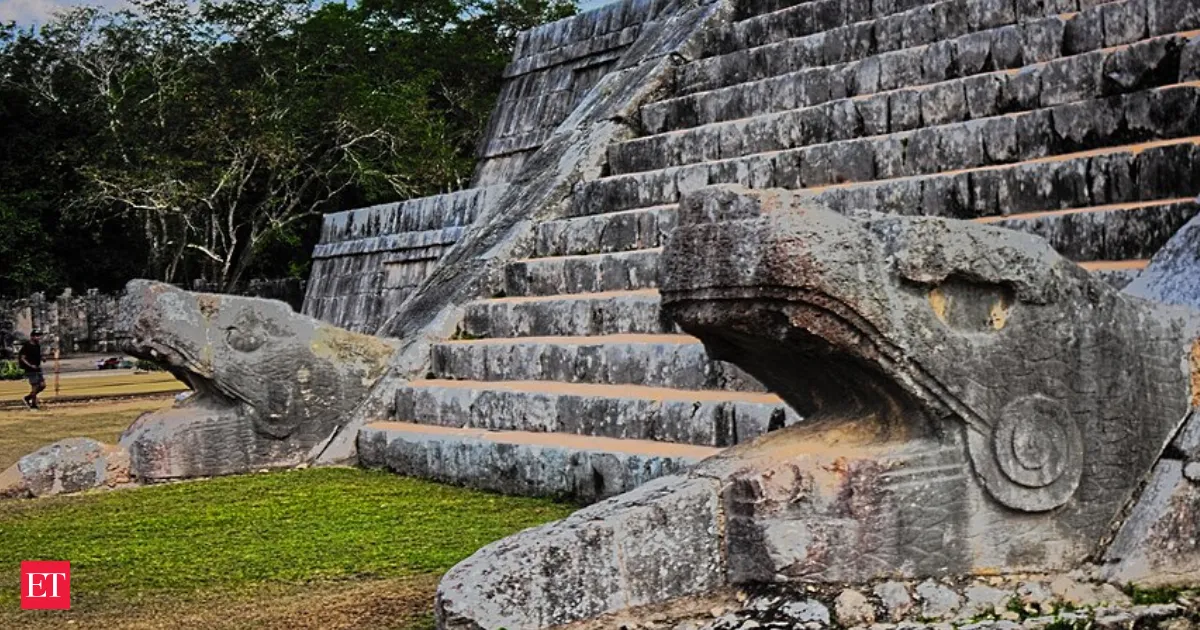
El Castillo at Chichén Itzá has long captivated visitors with mathematical precision and the equinox serpent shadow. But a 2018 Scientific Reports study used non-invasive electrical-resistance geophysics to map what sits below. Researchers detected a large karst cavity resembling a cenote, implying the Maya temple was built over a natural sinkhole in limestone terrain. No excavation followed, yet the finding is reshaping interpretations of how El Castillo’s underground setting may have influenced its construction and symbolism.
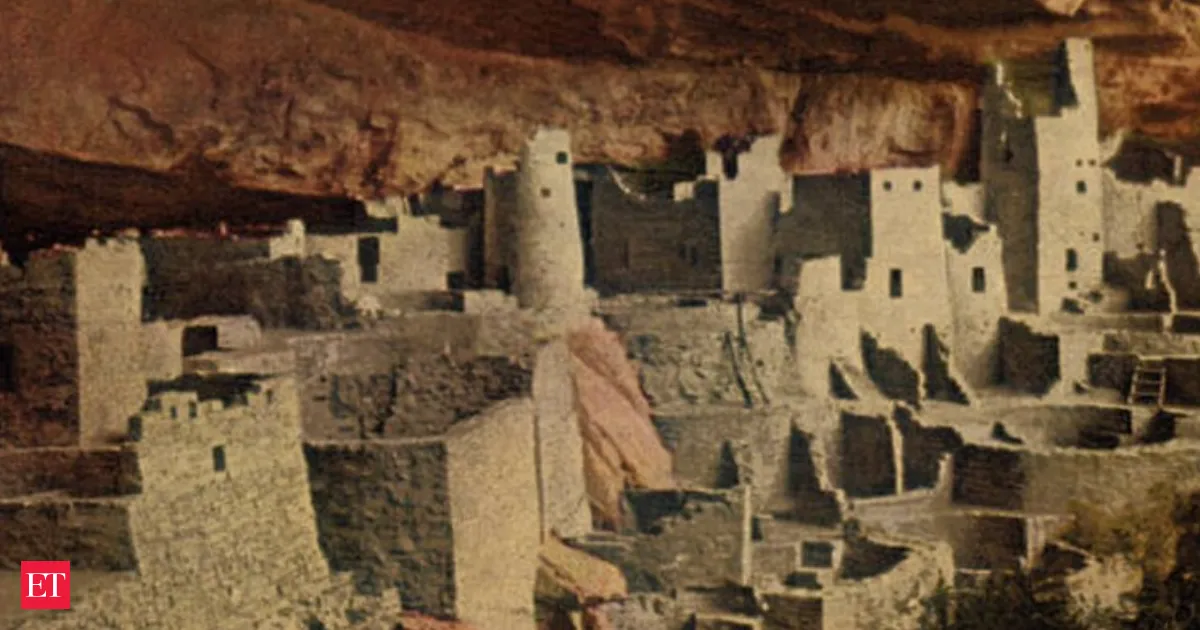
In December 1888, ranch cowboys Richard Wetherill and Charles Mason stumbled upon Cliff Palace in Colorado’s Mesa Verde National Park, revealing the largest cliff dwelling there. The ancestral Pueblo community had stood in sandstone alcoves for roughly 700 years, “visible yet protected” by steep canyon geography. Unlike organized archaeology, the discovery came through routine exploration. Cliff Palace’s scale—around 150 rooms and 23 kivas—made it a defining North American archaeology site.
Never miss a story
Set alerts for the topics and sources you care about. Download Beige for free.
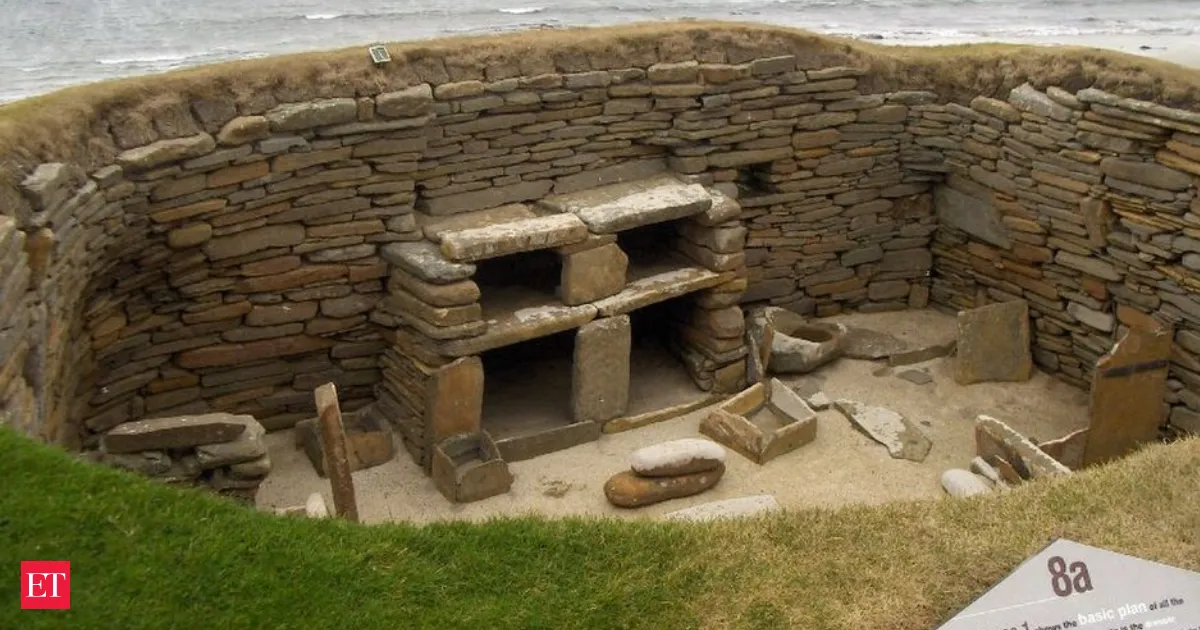
Skara Brae, a Neolithic village in Orkney, was buried under shifting sand dunes for thousands of years—until a violent 1850 storm stripped away the dunes and revealed stone homes. Remarkably well preserved, the settlement offers a rare view of everyday life long before recorded history. Today, Skara Brae stands as one of Europe’s best-preserved prehistoric villages.
Archaeologists have solved the mystery of a 1,000-year-old Polish church known as the Rotunda of the Holy Virgin Mary, which baffled experts for lacking any visible door. New non-invasive radar and thermal imaging suggests it functioned as a private palace chapel, entered internally from a neighboring royal residence, reshaping how historians understand its role.
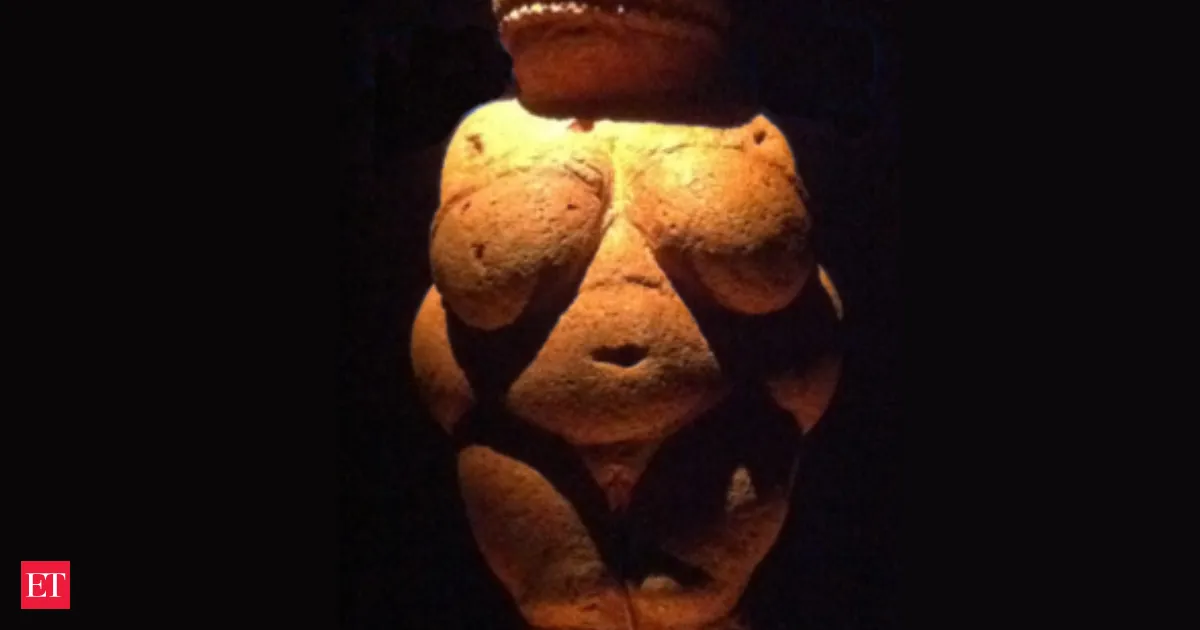
In 1908, during an Austrian excavation near the Danube, workers uncovered the Venus of Willendorf, a tiny chalk-covered figurine now dated to about 29,500 years old. The stylized female form has since fueled debates about whether Ice Age people had advanced artistic traditions—and what the figure may have meant, since its origins remain unresolved.
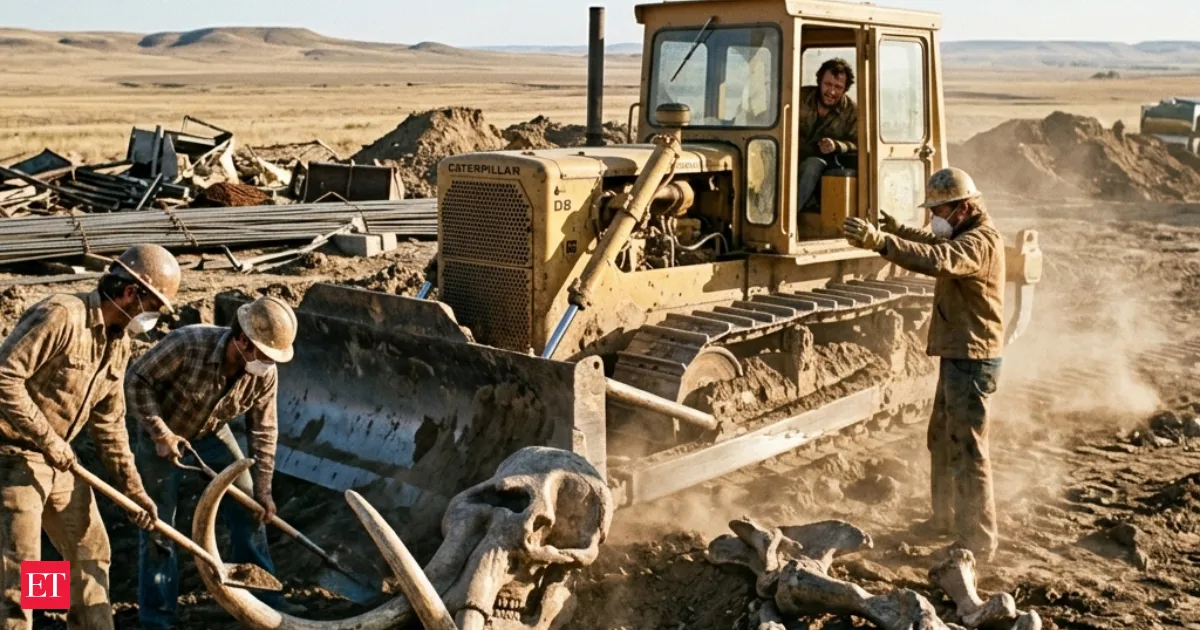
In 1974, workers building in Hot Springs, South Dakota uncovered a rare Ice Age fossil site: a natural pit packed with mammoth remains. What they exposed offered scientists a vivid snapshot of prehistoric North America—along with evidence of how these animals could become trapped. Decades later, the discovery remains one of the continent’s richest mammoth fossil localities.
Reading on mobile?
Open Beige in the app for a smoother experience — free on iOS and Android.
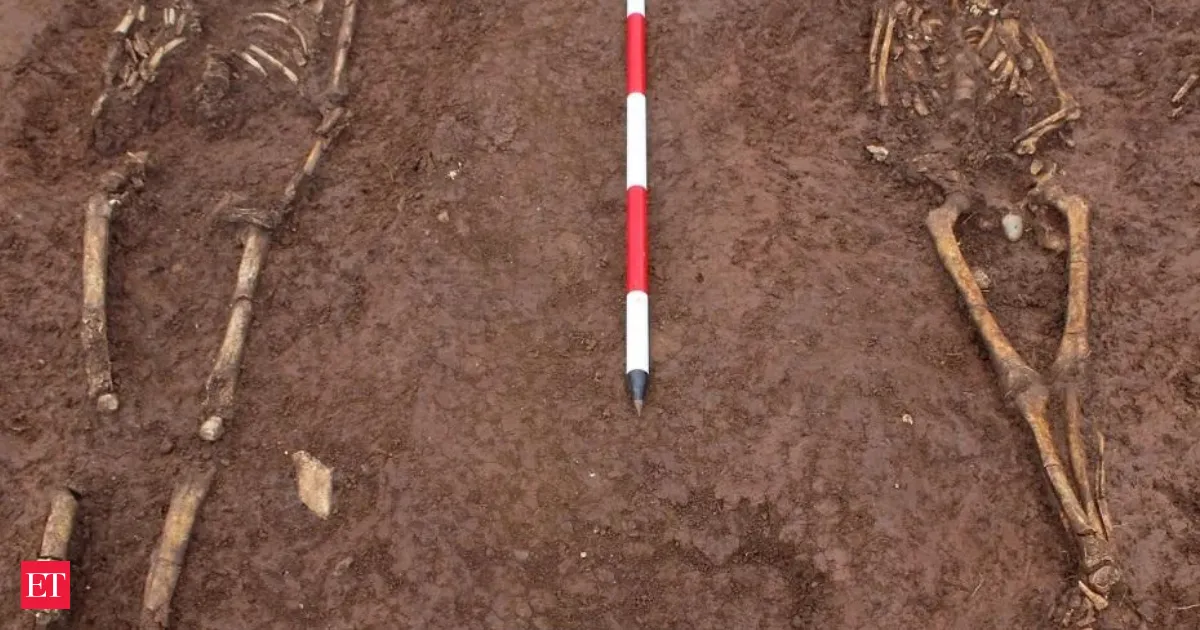
Road expansion works in Nottinghamshire’s Newark bypass have triggered major archaeological discoveries, revealing evidence of human life spanning nearly 8,000 years. Excavators found ancient burials, Roman well and structures, and a rare Anglo-Saxon home, offering a rare, layered view of the region’s past. Artifacts are set to be displayed in Newark.
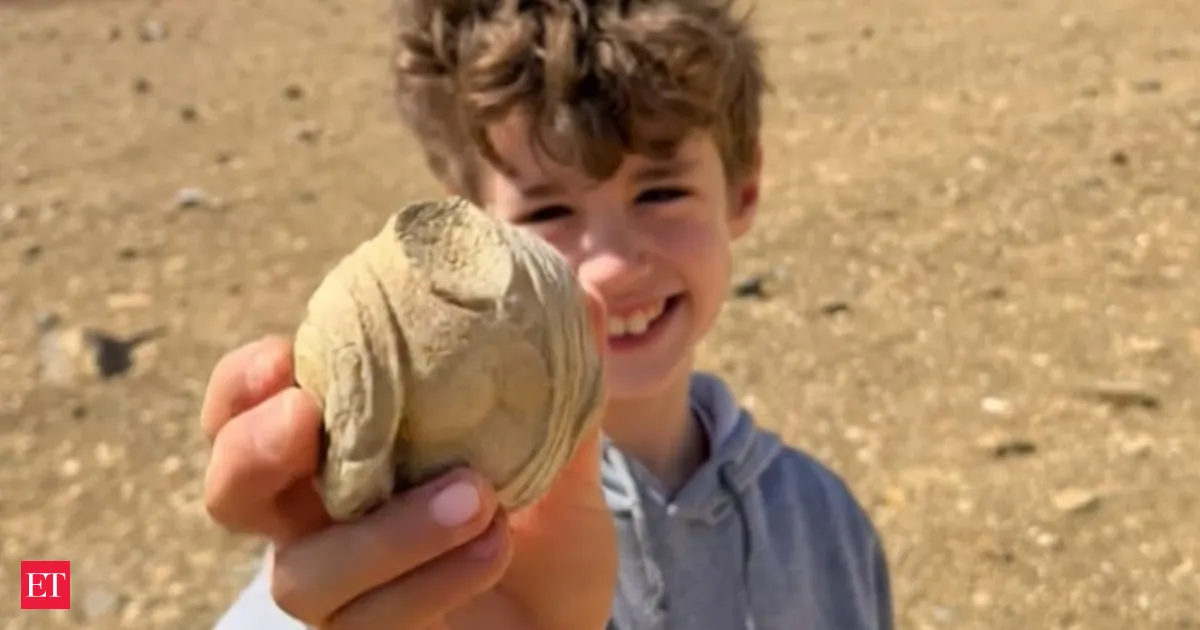
An eight-year-old boy exploring rocks in Israel’s Ramon Crater discovered a carved fragment of a statuette dating back about 1,700 years. The artifact, likely linked to Roman or Nabataean religious figures, was reportedly found along the ancient Spice Route. Researchers say the find underscores how intensely goods, ideas, and cultures moved through the region long ago.
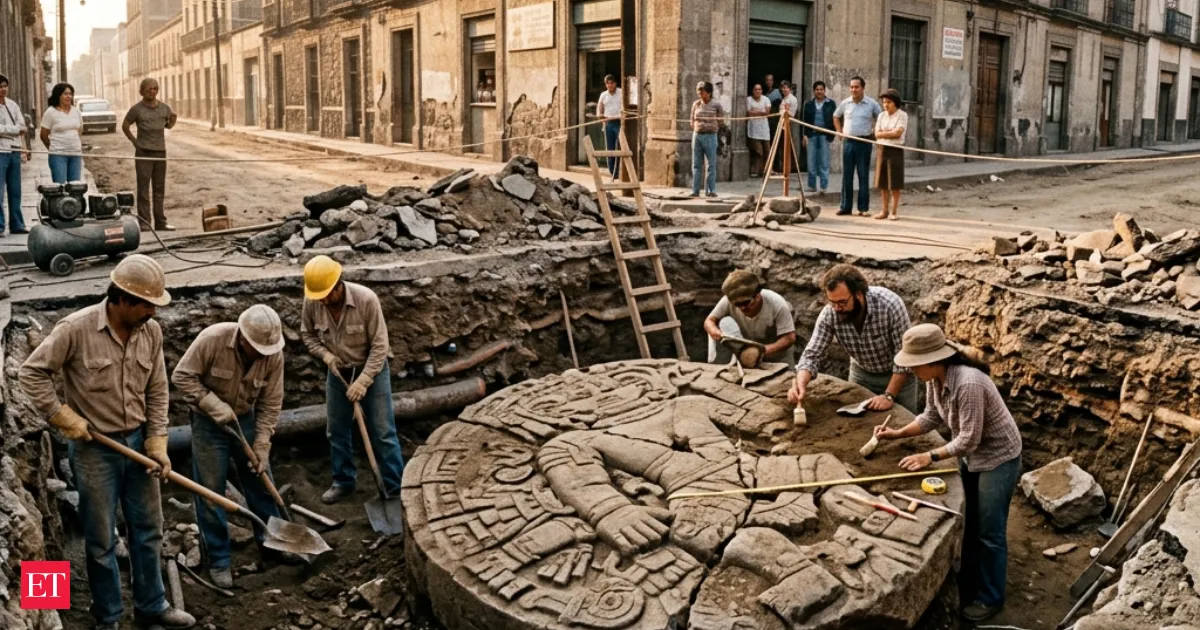
In 1978, routine roadwork in Mexico City unearthed a colossal stone carving of the Aztec goddess Coyolxauhqui. The discovery became a turning point, triggering extensive excavations at the Templo Mayor, the ceremonial center of Tenochtitlan. Findings suggested that large parts of the sacred district still survived beneath the modern city, reshaping understanding of Aztec history and urban life.
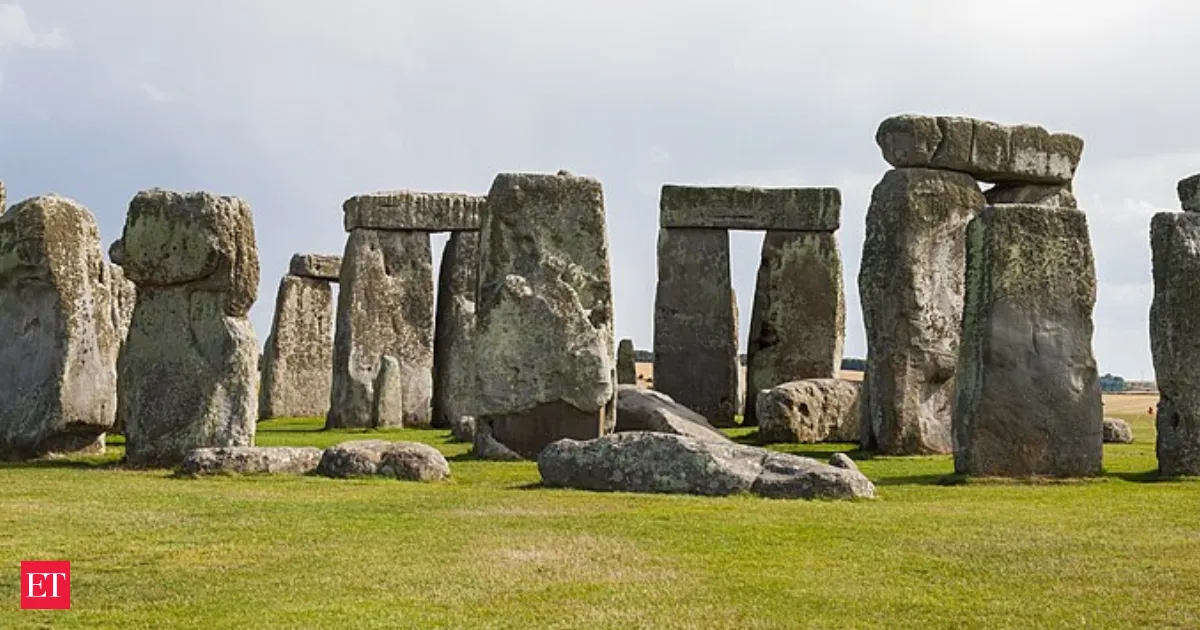
New research traces most of Stonehenge’s massive sarsen stones to West Woods in Wiltshire, Britain. The finding suggests Neolithic people deliberately transported these 25 ton blocks across long distances, contradicting ideas that natural glacial movement shifted them. Researchers say the work points to extraordinary planning and coordination by prehistoric communities to build the iconic monument.
Follow your favourite sources
Track sources, tags and categories — all in the Beige app.
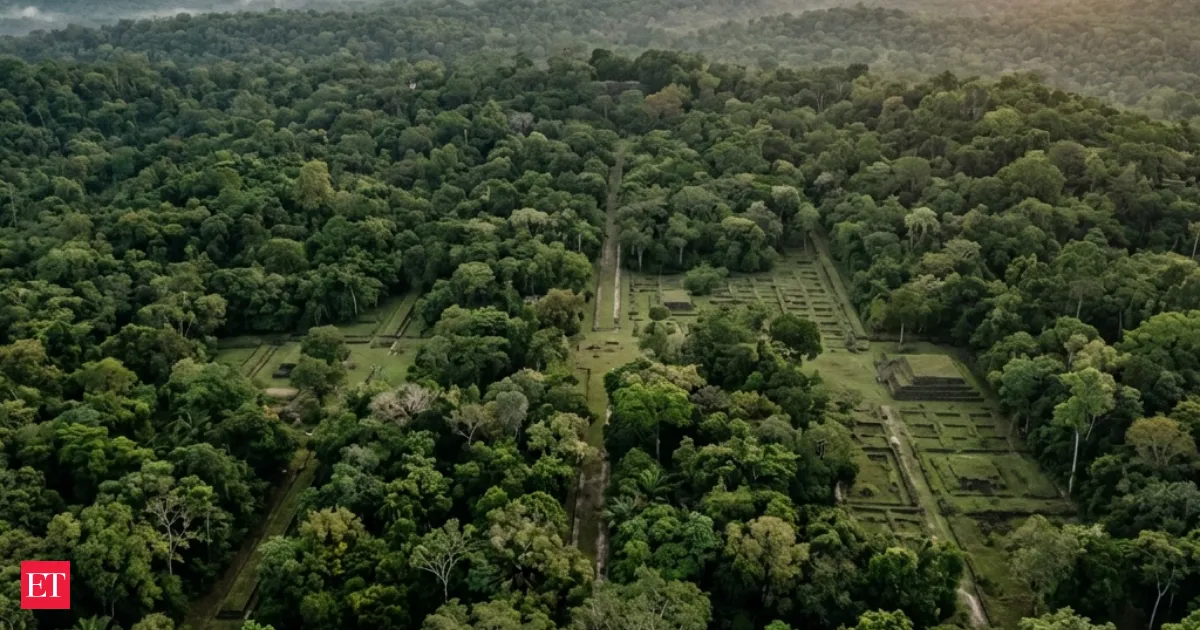
Airborne LiDAR laser scans are uncovering concealed urban layouts beneath dense tropical forests, revealing roads, platforms, and settlements that had escaped detection. By penetrating foliage without disturbing the environment, the mapping technique speeds surveys across large regions. Researchers say it suggests ancient tropical civilizations were bigger and more connected than previously believed, and it is now pointing archaeologists to new sites.
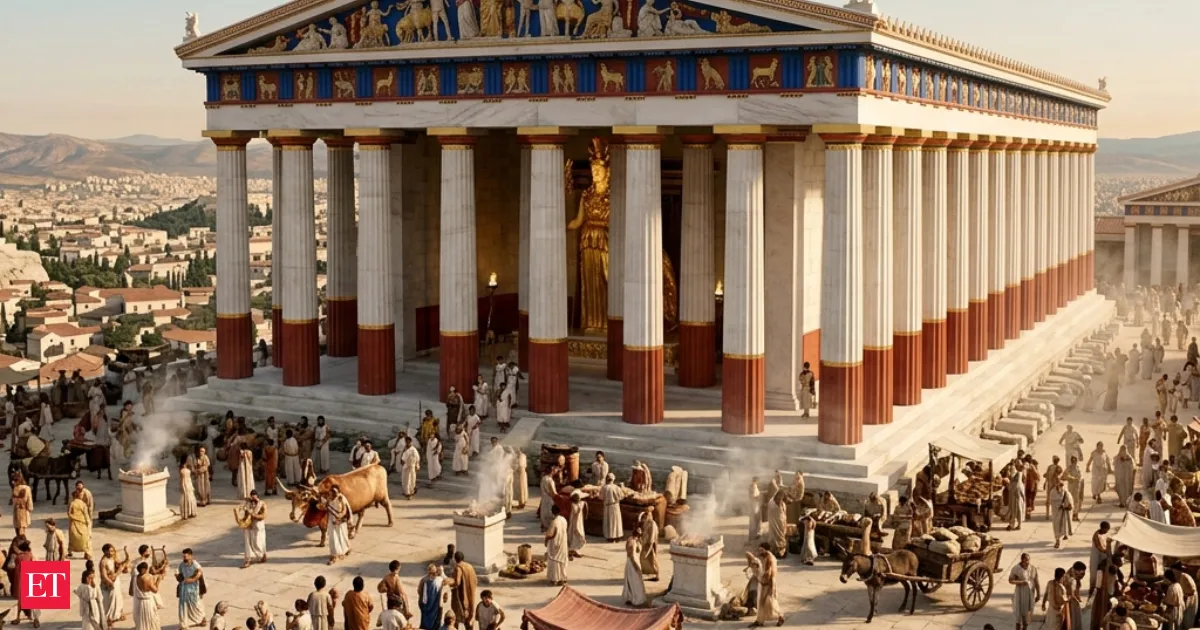
New scientific testing is upending the iconic image of ancient Greece as spotless white marble. Researchers using infrared luminescence and X-ray fluorescence found hidden traces of pigments on Greek temples and statues, including the Parthenon. Confirmed by major institutions, the findings suggest classical art was vividly painted and call for a major rethink of how we interpret that era’s aesthetics.
Union Minister Dharmendra Pradhan announced plans to develop Odisha’s Bhima Mandali caves near Sambalpur as a global heritage destination. The site, believed to be between 15,000 and 20,000 years old, will reportedly get world-class facilities to protect its ecological and archaeological value. The initiative also highlights the caves’ historical and mythological significance for international visitors.
Researchers used advanced X-ray imaging to uncover ancient astronomical fragments hidden beneath medieval writings, preserved only because older parchment was reused. The team believes the recovered pieces may connect to Hipparchus, shedding light on early efforts to systematically catalog the night sky. It is a rare snapshot of how ancient science survived by accident, then re-emerged through modern technology.
Stay informed on the go
Bite-sized news from 100+ trusted sources, right in your pocket.
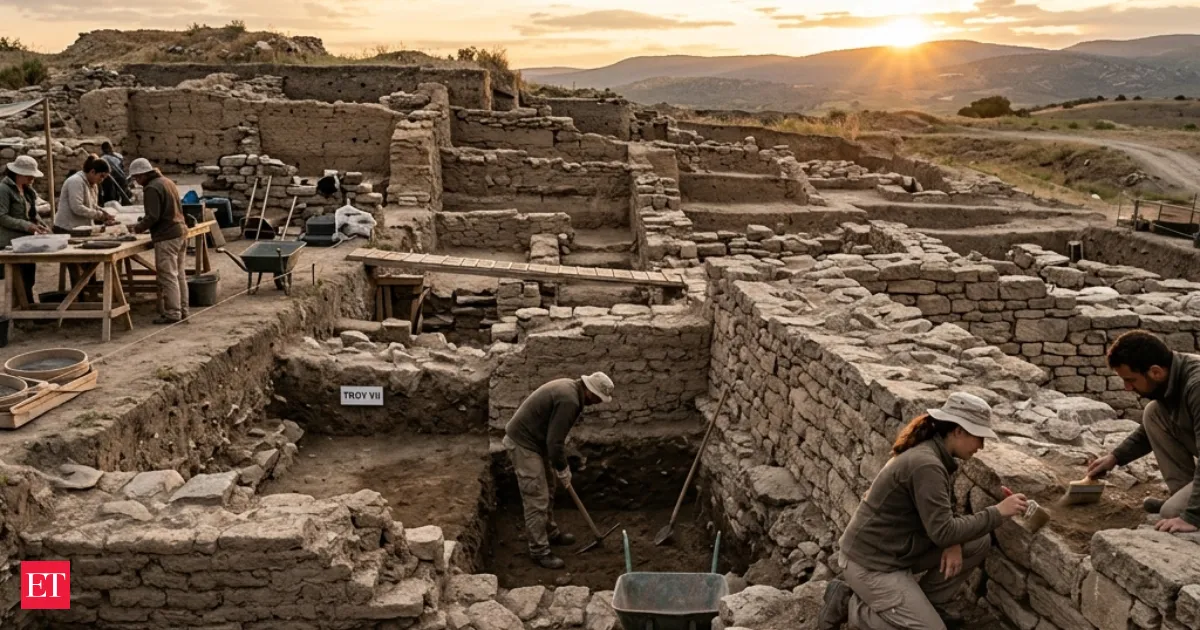
Archaeologists studying Hisarlık, the site linked to Troy, say the legend’s city was never a single settlement destroyed in one war. Instead, nearly 4,000 years of continuous human activity were recorded, with multiple towns built over earlier ones. The layered evidence reshapes how scholars reconstruct the past using stratigraphy, showing Troy as a layered archive of history, myth, and memory.
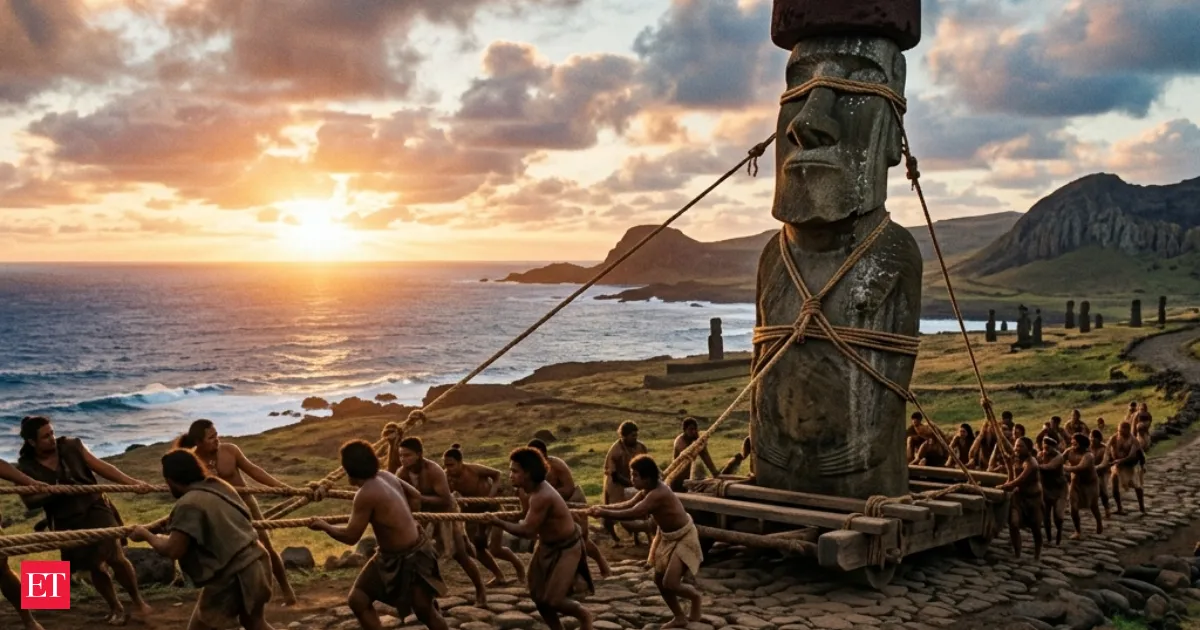
A new theory suggests Easter Island’s giant Moai statues were transported upright using a rocking motion, essentially “walking” across the island. Researchers base the idea on detailed statue analysis, experimental models, and Rapa Nui oral history, arguing the method relied on balance and coordination rather than brute-force hauling. If correct, it reshapes how we think the islanders achieved large-scale construction.
Swipe through stories, personalise your feed, and save articles for later — all on the app.