
← Latest news 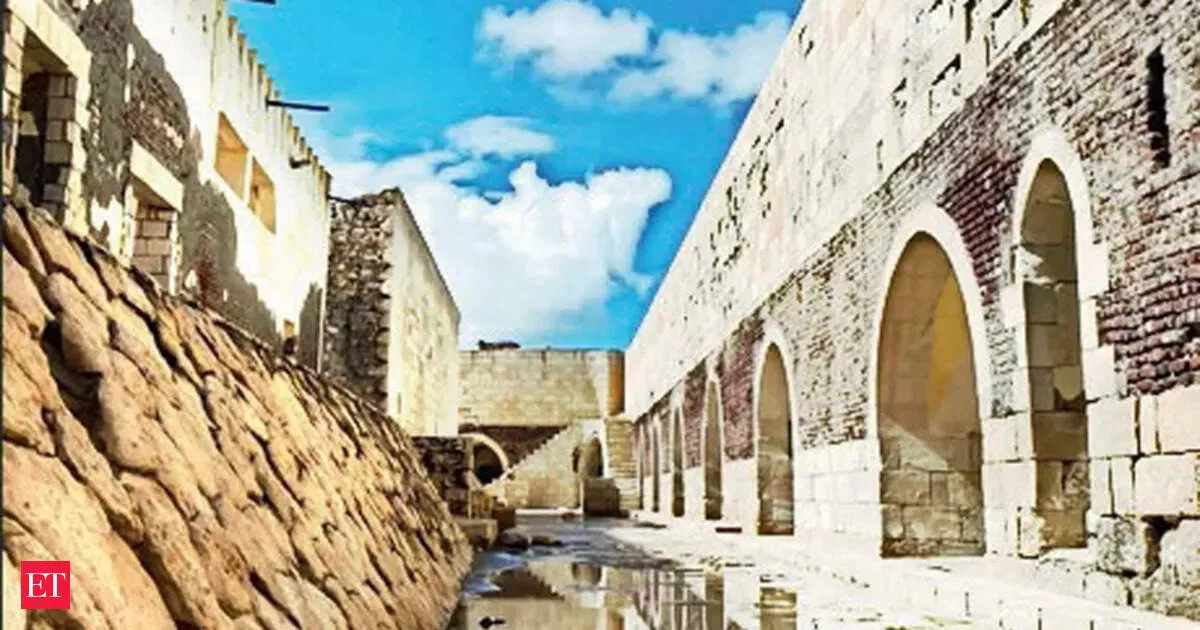
Napoleon’s Soldiers in 1799 Found a Wall Slab in Egypt and Decoded Lost Hieroglyphs
International
Published on 30 April 2026
The key was a Greek version hiding in plain sight
In 1799, French soldiers repairing a fort wall in Egypt uncovered the Rosetta Stone by chance. The slab carried the same royal decree written in three scripts: hieroglyphics, Demotic, and Greek. Because Greek was already understood, scholars could match meanings and finally crack how ancient Egyptian writing worked, reshaping history and archaeology.
- The Rosetta Stone was discovered accidentally during fort repairs in 1799
- It repeats one decree across hieroglyphics, Demotic, and Greek scripts
- Greek text helped scholars translate and interpret ancient Egyptian writing
- The breakthrough transformed understanding of a once-lost language
Read the full story at The Economic Times
This summarization was done by Beige for a story published on  The Economic Times