
← Latest news 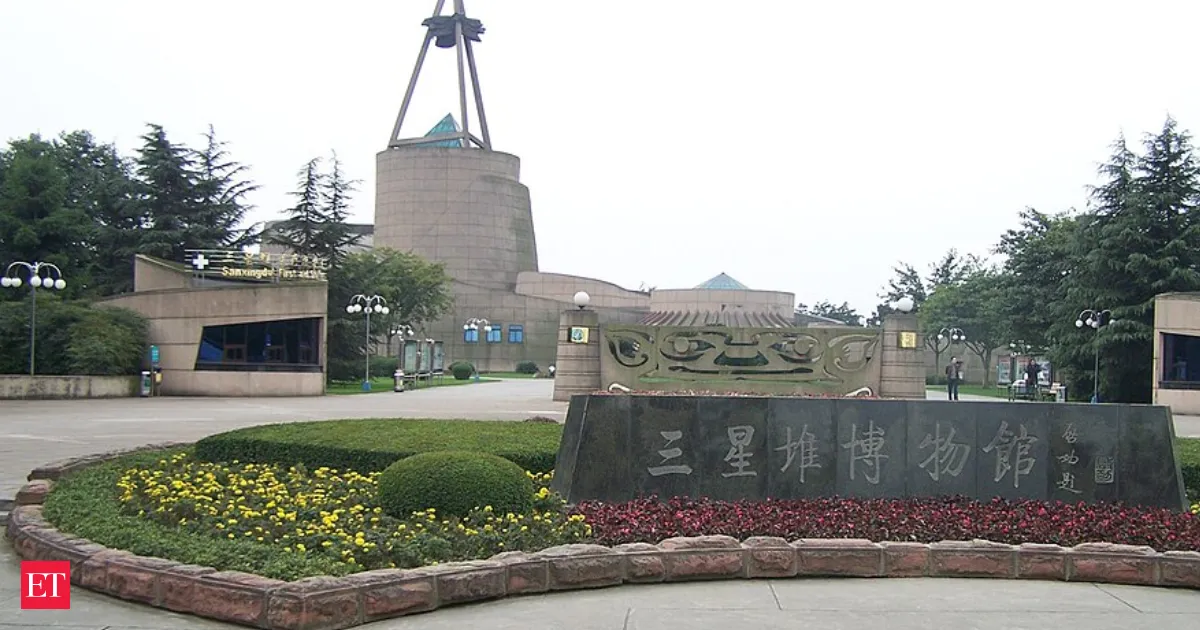
1929 Sichuan irrigation find of jade unlocked Sanxingdui and rewrote China’s Bronze Age origin stories
International
Published on 15 May 2026
The first clue was just mud and one jade piece
In 1929, a Sichuan farmer clearing an irrigation ditch uncovered jade buried in the mud, a discovery that seemed minor at the time. Years later, archaeologists returned and recognized the remains of a major Bronze Age Shu settlement. The real shock came in 1986 when workers exposed two pits packed with ritual bronzes, jade, and sculptures—especially massive bronze masks. Their striking, unfamiliar style challenged the Yellow River-centered narrative and reshaped how scholars describe early Chinese civilization.
- A Sichuan farmer uncovered jade in 1929 while clearing an irrigation ditch
- The site was later identified as Sanxingdui, tied to the Shu civilization
- UNESCO describes Sanxingdui as a major urban and ritual complex in the Sichuan Basin
- In 1986, two pits revealed elaborate offerings including bronze masks and jade
- The masks and objects appeared unlike typical Yellow River early Bronze Age finds
- Sanxingdui pushed historians toward a multi-center model of Bronze Age China
Read the full story at The Economic Times
This summarization was done by Beige for a story published on  The Economic Times