
← Latest news 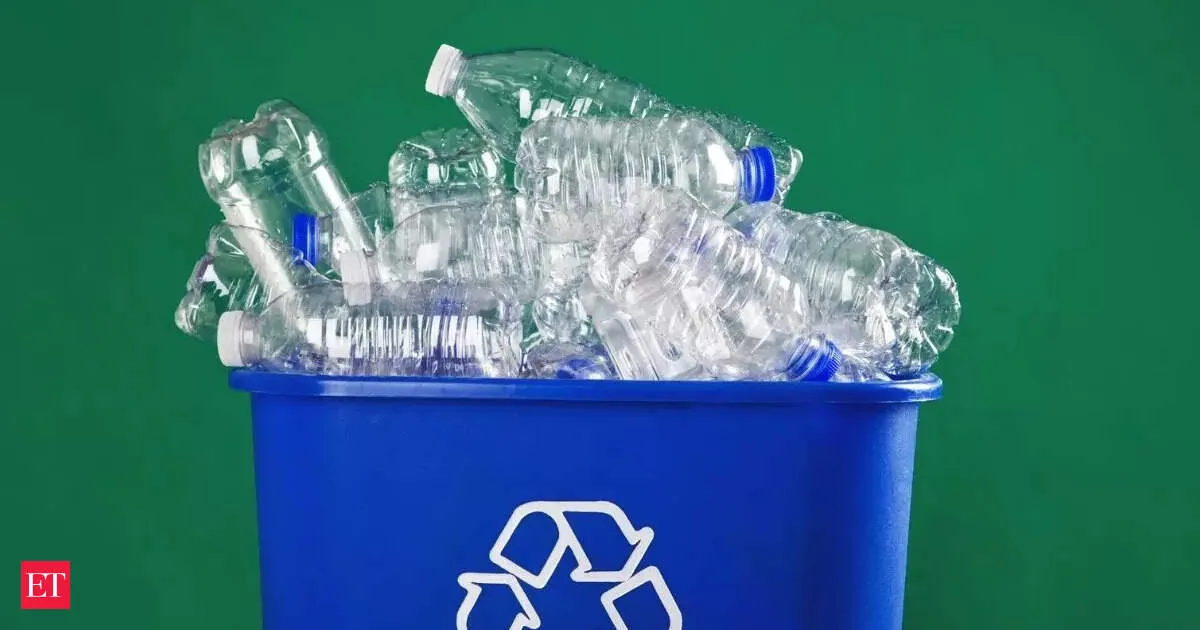
India weighs deposit refund schemes to boost plastic recycling by turning bottles into returnable cash
India
Published on 15 May 2026
QR-coded deposits could make plastic bottles financially trackable
India is exploring Deposit Refund Schemes (DRS) as a potential shift from plastic-waste policy to everyday consumer action. Under DRS, buyers pay a small refundable deposit on eligible packaged products, tracked via unique QR codes, and receive the money back when they return empty packaging to authorised collection points. The aim is higher collection rates and stronger recycling across plastics, glass, and metals, but success hinges on integrating India’s informal waste sector and accommodating the common household habit of reusing containers before disposal.
- DRS works by charging a small refundable deposit at purchase
- Returned packaging triggers refunds at authorised collection points
- Manufacturers would register products digitally and use QR codes for tracking
- Goa and Himachal Pradesh are testing DRS models for non-biodegradable packaging
- Integration with India’s informal recyclers is a make-or-break challenge
- Household reuse of bottles can delay returns and affect collection targets
#informal sector #extended producer responsibility #recycling #deposit refund schemes #plastic waste
Read the full story at The Economic Times
This summarization was done by Beige for a story published on  The Economic Times