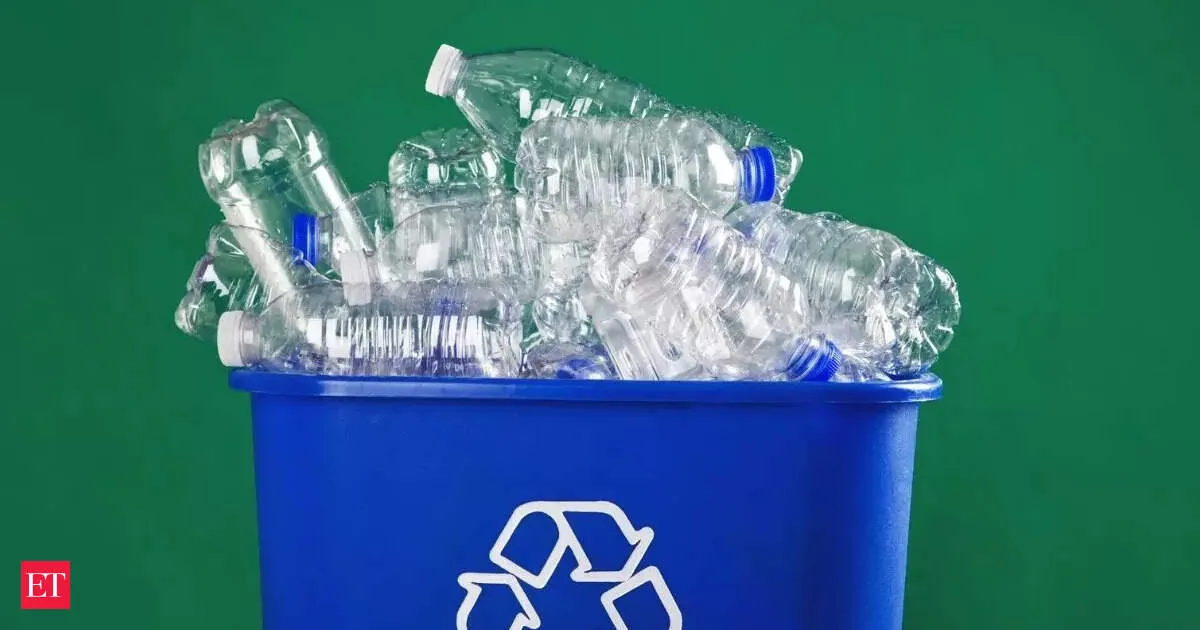
India is exploring Deposit Refund Schemes (DRS) as a potential shift from plastic-waste policy to everyday consumer action. Under DRS, buyers pay a small refundable deposit on eligible packaged products, tracked via unique QR codes, and receive the money back when they return empty packaging to authorised collection points. The aim is higher collection rates and stronger recycling across plastics, glass, and metals, but success hinges on integrating India’s informal waste sector and accommodating the common household habit of reusing containers before disposal.
A government survey on unincorporated sector enterprises shows unregistered businesses expanded by about 8% in 2025, adding 74.52 lakh jobs. The Annual Survey of Unincorporated Sector Enterprises (ASUSE) tracks enterprises in manufacturing, trade, and services (excluding construction) and collects data on operations and economic characteristics to support policymaking.
Your news, in seconds
Get the Beige app — every story in 60 words, updated hourly. Free on iOS & Android.
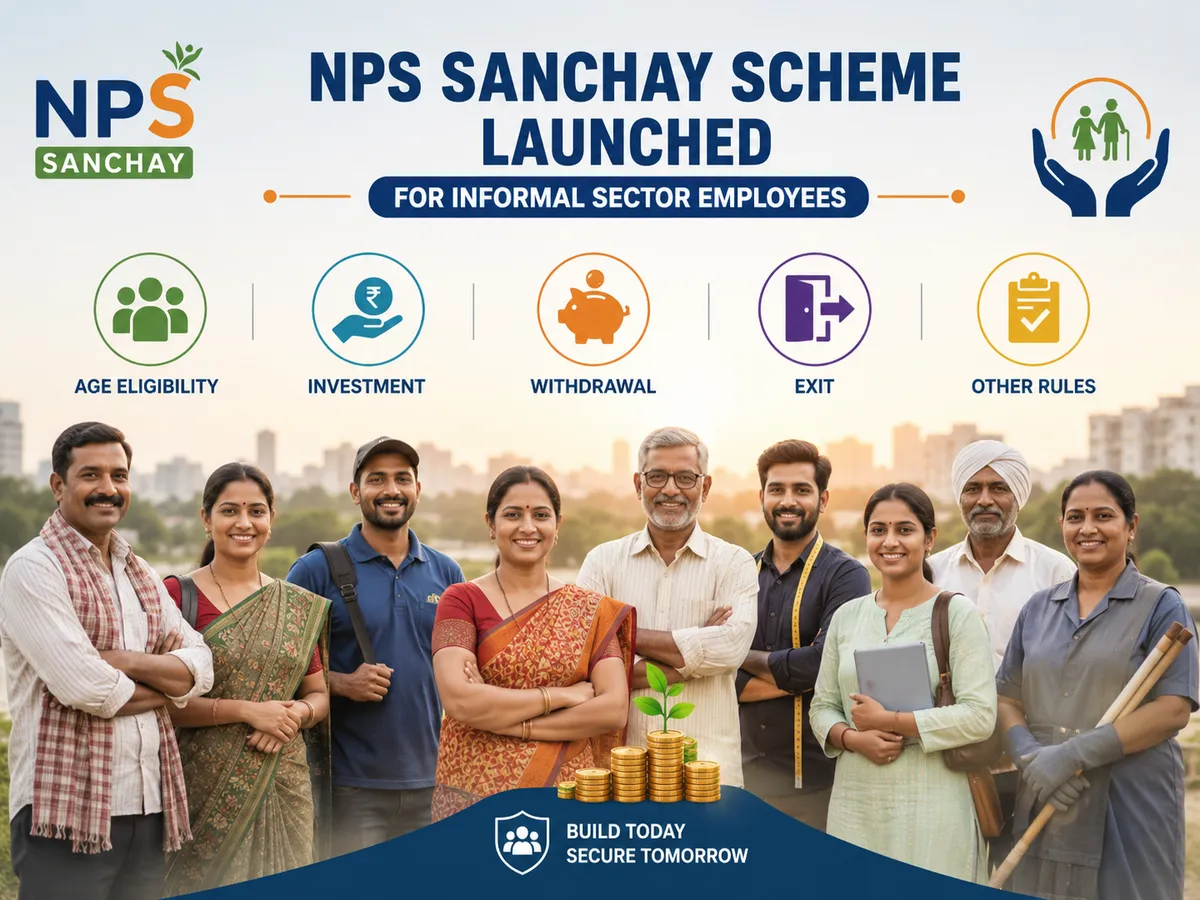
PFRDA has introduced NPS Sanchay, a simplified NPS option designed for India’s informal sector employees, who make up nearly 90% of the workforce without formal pension coverage. The scheme reduces complexity in investing and asset allocation, and is open to Indian citizens aged 18 to 85, with rules largely aligned to existing NPS structures.
A Reuters poll of economists suggests India’s overall growth outlook remains steady, with inflation expected to stay within target bands and interest rates likely unchanged for now. But the optimistic headline masks mounting pressure on the vast informal sector, where global conflicts are disrupting businesses and jobs. If stress continues, government finances may face new strains.
Swipe through stories, personalise your feed, and save articles for later — all on the app.