
← Latest news 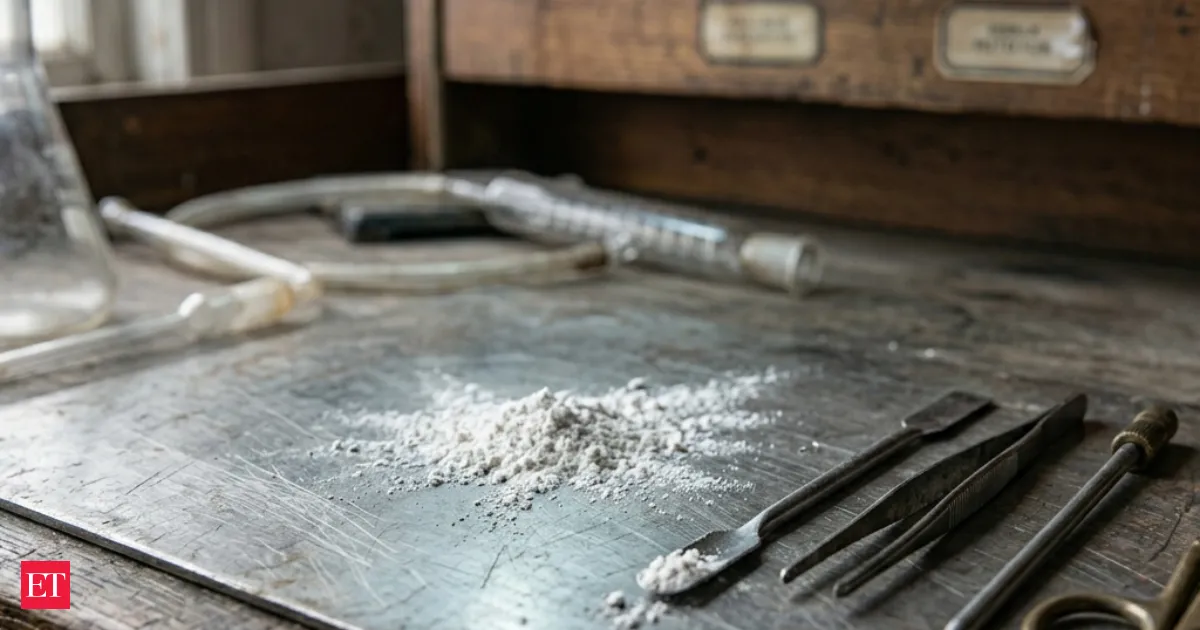
Failed refrigeration test in 1938 sparks Teflon discovery with heatproof and ultra slippery breakthrough
Science
Published on 15 May 2026
A blocked cylinder turned into the lab’s biggest surprise
In 1938, chemist Roy Plunkett was testing refrigerant gases when a cylinder he expected to contain a gas was instead blocked and, upon opening, lined with a white, waxy substance. That material proved to be polytetrafluoroethylene (PTFE), better known as Teflon, later prized for extreme stability, heat resistance, chemical resistance, and very low surface energy—key to the non-stick reputation. Its widespread industrial use grew after World War II as fluoropolymers gained traction.
- The discovery happened in 1938 in Roy Plunkett’s lab
- A refrigerant cylinder was blocked, then opened to find white waxy residue
- The substance was identified as polytetrafluoroethylene PTFE
- PTFE’s carbon-fluorine bonds drive high heat and chemical resistance
- PTFE’s very low surface energy enables the non-stick Teflon effect
- Broad industrial adoption accelerated after World War II
Read the full story at The Economic Times
This summarization was done by Beige for a story published on  The Economic Times