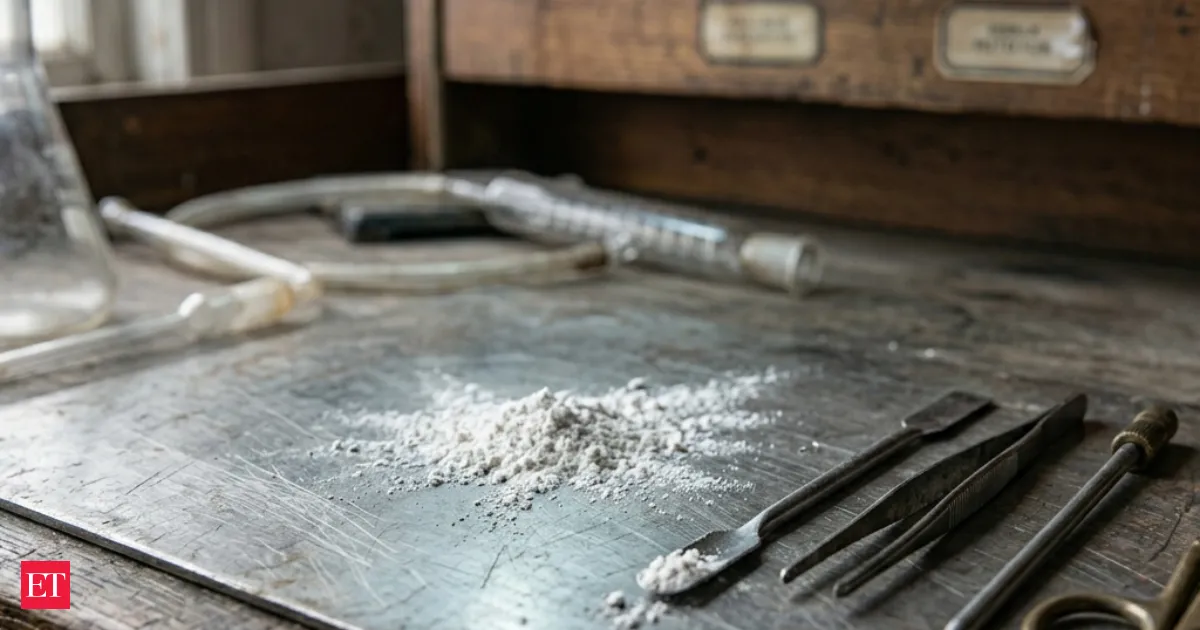
In the late 1940s, chemist Harry Coover and colleagues sought a clear plastic, but one cyanoacrylate compound behaved “wrong,” sticking fiercely to lab surfaces instead of forming a controllable transparent polymer. Scientists later realized the flaw was a feature: the material undergoes ultra-fast polymerization on tiny traces of moisture and surface ions, creating near-instant bonds. After shifting from plastics research to adhesive development, cyanoacrylate appeared in medicine around 1958 and grew into a widely used commercial product.
In 1938, chemist Roy Plunkett was testing refrigerant gases when a cylinder he expected to contain a gas was instead blocked and, upon opening, lined with a white, waxy substance. That material proved to be polytetrafluoroethylene (PTFE), better known as Teflon, later prized for extreme stability, heat resistance, chemical resistance, and very low surface energy—key to the non-stick reputation. Its widespread industrial use grew after World War II as fluoropolymers gained traction.
Your news, in seconds
Get the Beige app — every story in 60 words, updated hourly. Free on iOS & Android.
Researchers from King’s College London and Trinity College Dublin say they’ve developed cyclotrialumane, a new aluminium compound that could act as a substitute for pricey platinum and palladium in industrial catalysts. Published in Nature Communications, the finding points to potentially cheaper, cleaner, and more sustainable manufacturing—if scaled beyond the lab.
Rajasthan Police have launched an investigation into alleged NEET malpractice after a “guess paper” purportedly with 410 questions surfaced before the exam. Investigators say around 120 of those questions reportedly appeared in the Chemistry section. The document is alleged to have circulated for about a month, and authorities are assessing how widespread any criminal activity may have been.
New research challenges the idea that ancient Roman concrete survived by luck. Studies of Pompeii’s preserved ruins suggest Romans used an intentional “hot mixing” method: combining quicklime and volcanic ash with water to trigger distinctive chemical reactions. That process appears to have helped create concrete that resisted decay for thousands of years, offering practical inspiration for today’s more sustainable construction.
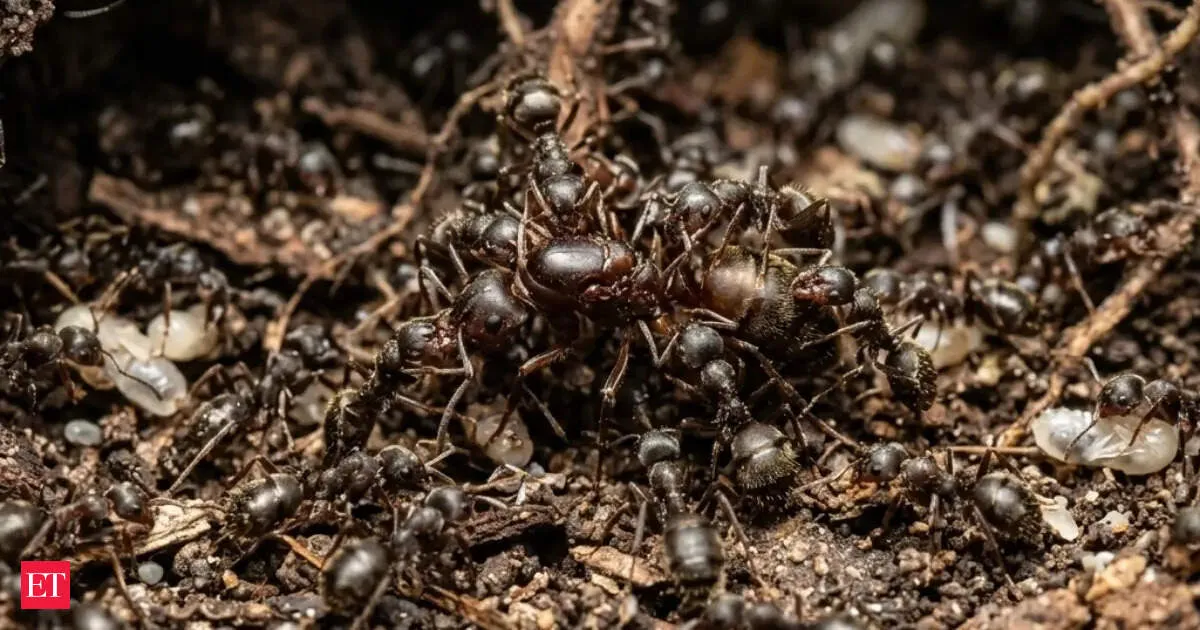
Scientists say ant colonies can be hijacked: parasitic queens release chemical signals that change the host colony’s scent. Workers then misidentify their own queen as an intruder and help kill her. The finding upends assumptions that ant societies rely on simple cooperation, showing how finely tuned parasite strategies can destabilize entire insect communities.
Never miss a story
Set alerts for the topics and sources you care about. Download Beige for free.
Swipe through stories, personalise your feed, and save articles for later — all on the app.