




























Stories from earlier this week and beyond.
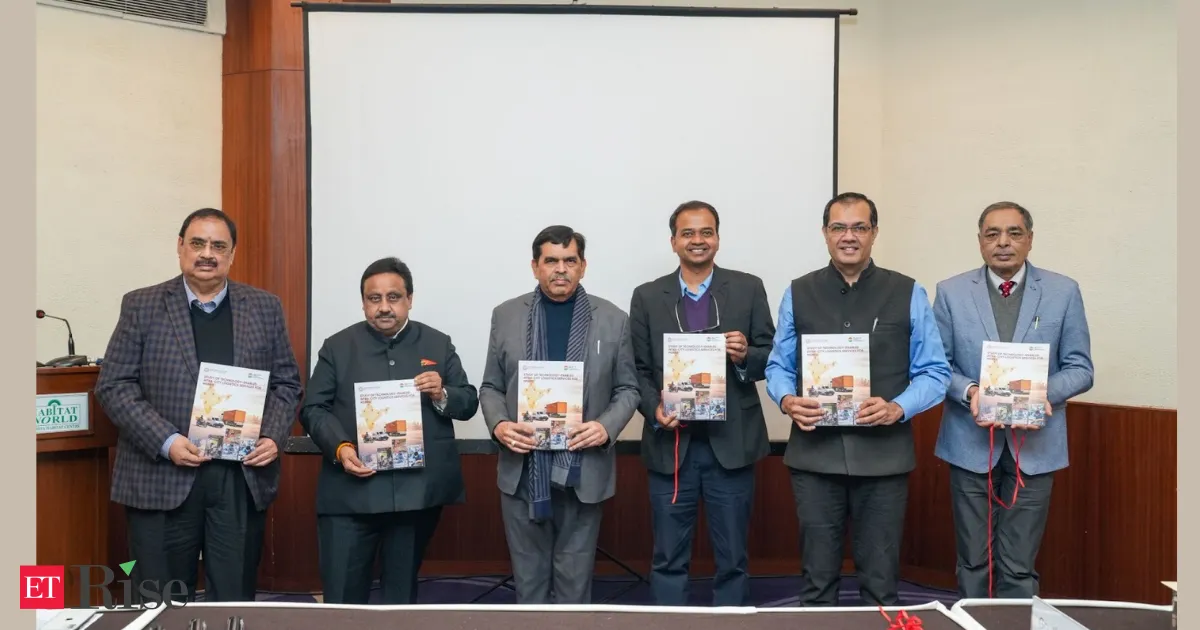
A C-DEP and IIT Delhi report finds technology-enabled goods transportation can materially improve MSME operations. The study says 73% of MSMEs saw reduced transportation costs and 95% reported better on-time delivery. However, it warns that incorrect GST classification could undermine these benefits, turning compliance mistakes into operational losses.
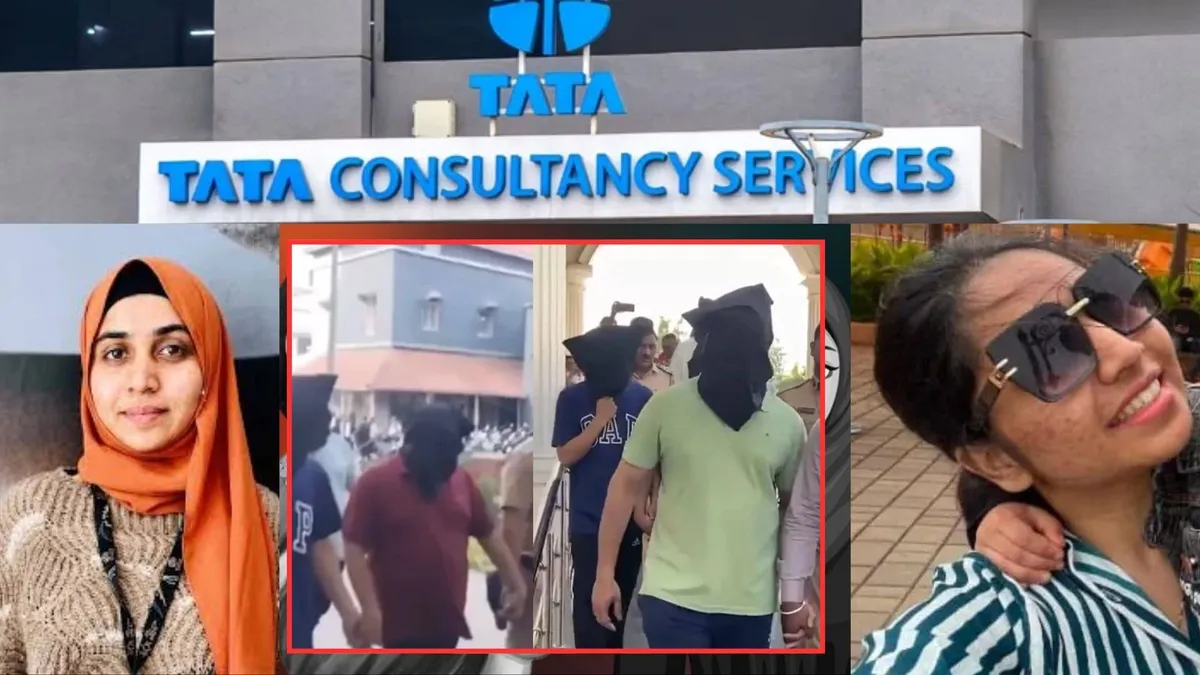
The TCS Nashik harassment controversy has deepened as more women employees reportedly came forward with disturbing testimonies, including an alleged remark urging one to “visit Ajmer maulvi to conceive again.” Police have registered FIRs and arrested eight people, while TCS suspended accused employees and launched an internal probe. The investigation is ongoing.
Your news, in seconds
Get the Beige app — every story in 60 words, updated hourly. Free on iOS & Android.
The UK has escalated its anti-smoking push after Parliament passed the Tobacco and Vapes Bill. Under the plan, people born after December 31, 2008 would be barred from ever legally buying cigarettes. Campaigners call it a decisive step toward ending smoking, while critics warn about enforcement and the long-term impact on rights and black-market sales.
China has announced exemptions on exports of Nexperia chips for civilian use, saying it is awaiting concrete steps from the Netherlands to resolve a dispute. The standoff has contributed to chip shortages and has begun to threaten car production, highlighting how regulatory conflicts can rapidly ripple through manufacturing supply chains.
Haryana Health Minister Arti Singh Rao announced the imminent recruitment of 500 doctors to plug staffing gaps in government hospitals. The move came after a surprise visit to LNJP hospital in Kurukshetra, where she reportedly found issues including debris and poor toilet conditions. She also said medicines were available and pointed to the health department’s flood relief work.
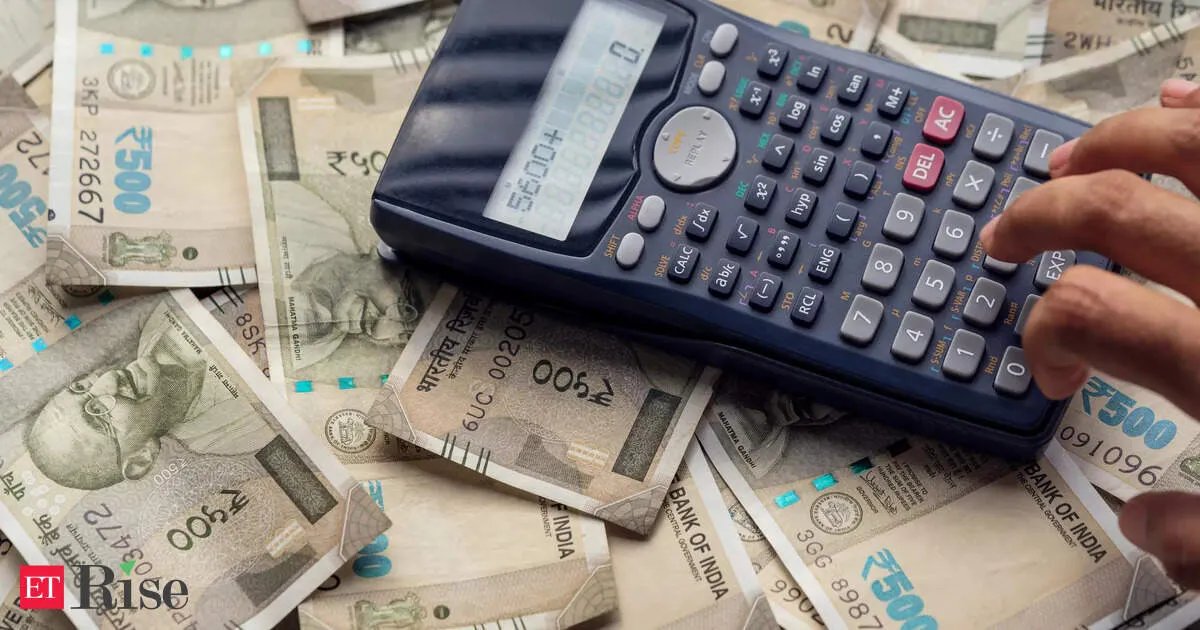
The Indian rupee fell sharply on Tuesday, marking its steepest drop in a week as it tracked weakness across most regional Asian currencies. The decline also reflects the impact of a partial rollback of RBI measures taken recently to support strained South Asian currencies, weakening sentiment toward the rupee and adding pressure to trade levels.
Never miss a story
Set alerts for the topics and sources you care about. Download Beige for free.
The RBI has tightened India’s foreign-exchange framework to reduce offshore-driven pressure on the rupee. It has capped banks’ net open FX positions and barred non-deliverable forward contracts, moves designed to curb speculation. The goal is to limit offshore influence and protect RBI FX reserves, even as market effects outside India continue to linger.
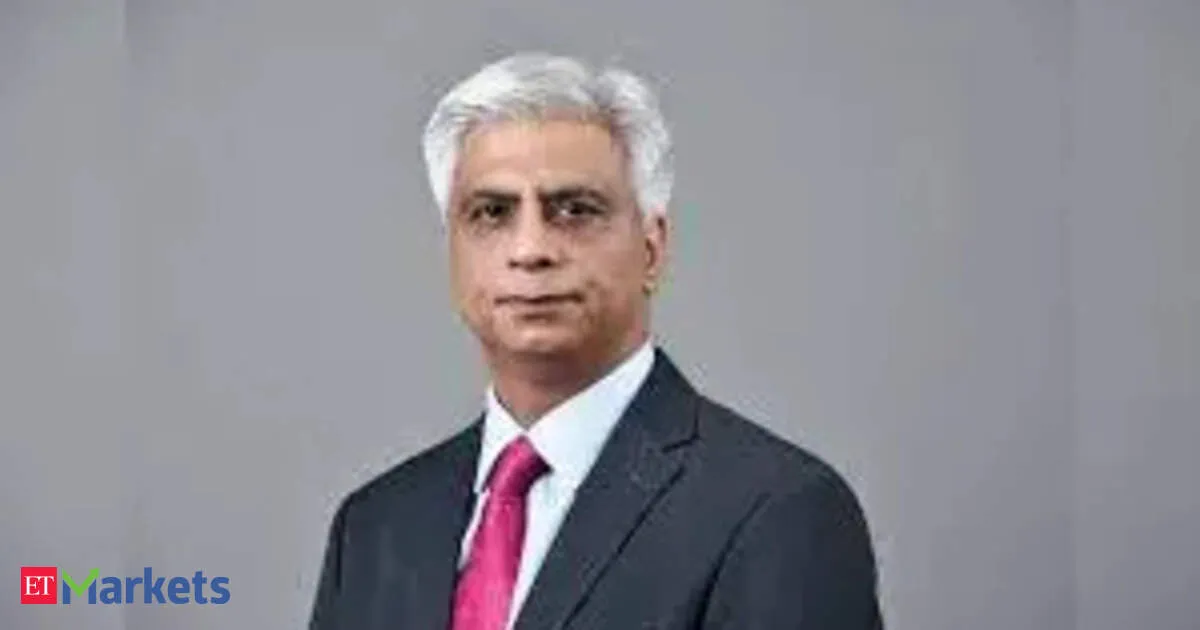
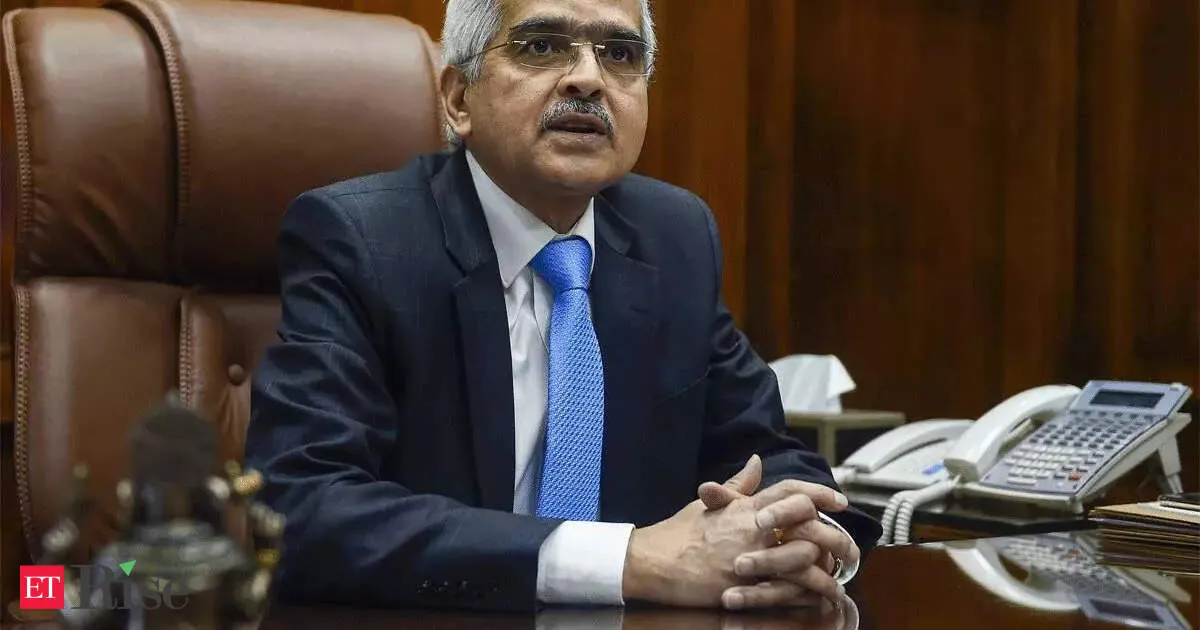
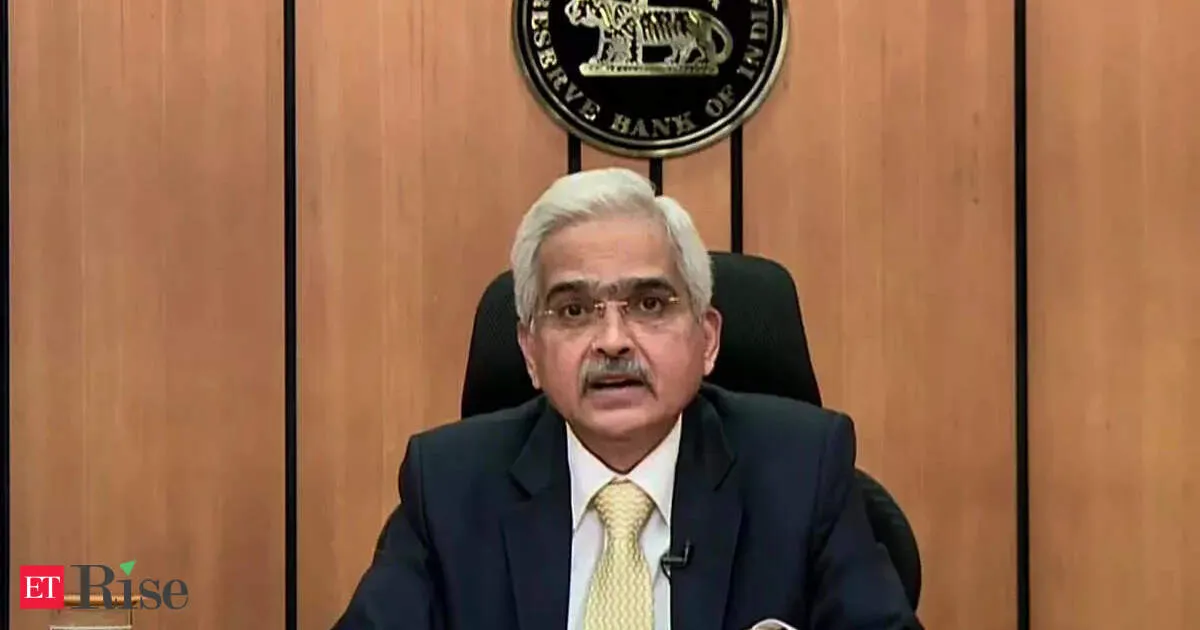
RBI Governor Shaktikanta Das said global supply chain disruptions and input cost pressures are likely to linger. He warned these pressures could worsen if Covid-19 infections rise again in major economies, a trend already seen since March. The message signals continued caution on inflation risks, as uneven recovery and disruptions continue to feed costs.
Automated processes under GST are driving a sharp rise in disputes, with show-cause notices being issued to taxpayers largely based on data available on GSTN—without meaningful intervention from tax officers. The result is more litigations and longer legal timelines as businesses face actions triggered by system-generated information rather than case-by-case scrutiny.
Enterprise AI platform Vibrium has raised a $1 million seed round to strengthen its product development and AI agent framework. The company says its goal is to close the gap between what AI can do in tests and what enterprises can actually deploy, helping move customers from experimentation toward real business execution.
Reading on mobile?
Open Beige in the app for a smoother experience — free on iOS and Android.
A year after the April 2025 Pahalgam attack, India marks the moment with renewed resolve. Prime Minister Narendra Modi paid tribute to the victims and reiterated that India will never bow down. In May 2025, India launched Operation Sindoor, aimed at dismantling terror infrastructure across Pakistan and Pakistan occupied Jammu and Kashmir, as armed forces signal a tougher, technology backed response.
Arohan Financial Services is in the final stretch to file its DRHP for a Rs 1,400 crore IPO that combines a fresh issue with an offer for sale. The move comes as microfinance conditions improve, with asset quality strengthening, loan portfolios recovering, and growth outlook looking steadier—fueling renewed investor interest.
The RBI has overhauled Prepaid Payment Instrument rules, setting a Rs 2,00,000 monthly debit limit for full-KYC PPIs. It also introduces a Rs 25,000 sublimit specifically for person-to-person transfers. The revised Master Direction is designed to strengthen safeguards, improve usage clarity, and boost user protection across prepaid wallet categories.
After 18 months of “agent building,” BAND (Thenvoi AI Ltd.) targets the tougher next step: letting AI agents built on different frameworks actually collaborate. Exiting stealth with $17 million, it offers a deterministic “Slack for agents” interaction layer with multi-peer comms, identity-based permissions, and an enterprise control plane for auditability—positioned as infrastructure for a universal orchestrator.
Follow your favourite sources
Track sources, tags and categories — all in the Beige app.
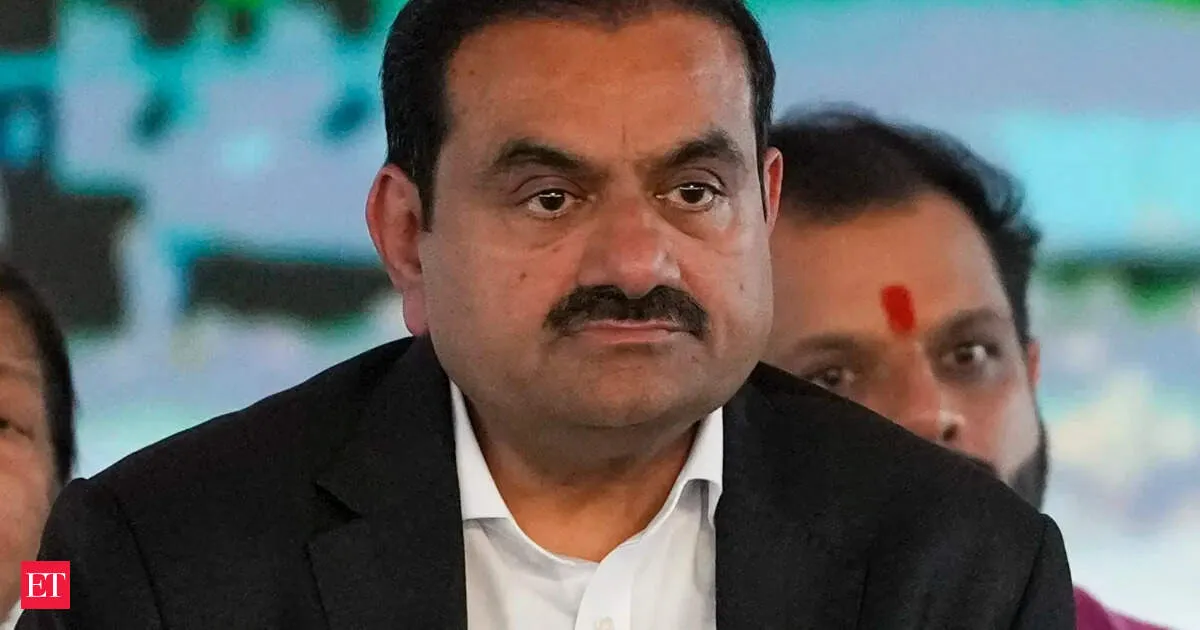
Gautam Adani has overtaken Mukesh Ambani to become Asia’s wealthiest individual, with a reported net worth of $92.6 billion as of April 16. The jump follows a surge in Adani Group share prices that helped reverse earlier setbacks. Adani is now ranked 19th on the Bloomberg Billionaires Index, marking a major turnaround.
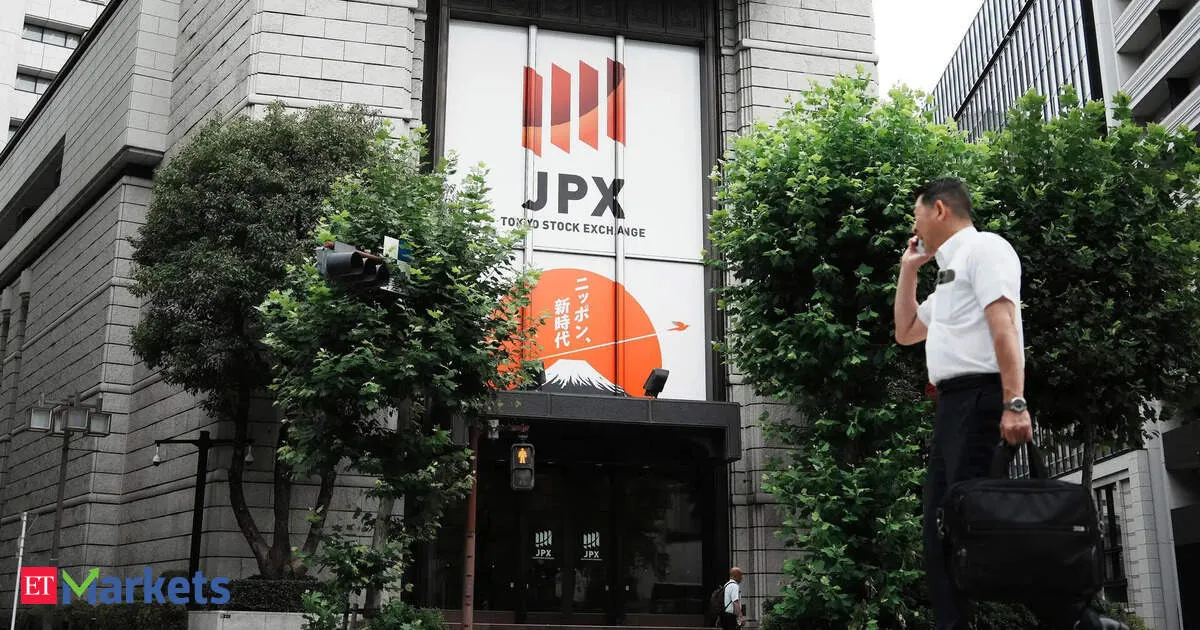
Japanese government bond yields jumped sharply Thursday, with 10 year JGB yields hitting a 25 year high. Investors blamed President Trump’s comments about the continuing Iran conflict, expectations of a Bank of Japan rate hike, a weaker yen, and higher oil prices that raise inflation fears and drive demands for higher yields.
India is on track to become the world’s second-largest solar market by 2026, with solar capacity projected to hit about 150 GW. Government policies and rising power demand are fueling rapid expansion, particularly through distributed rooftop and commercial installations. Energy storage is expected to grow alongside solar, helping India accelerate renewable deployment and scale faster than many peers.
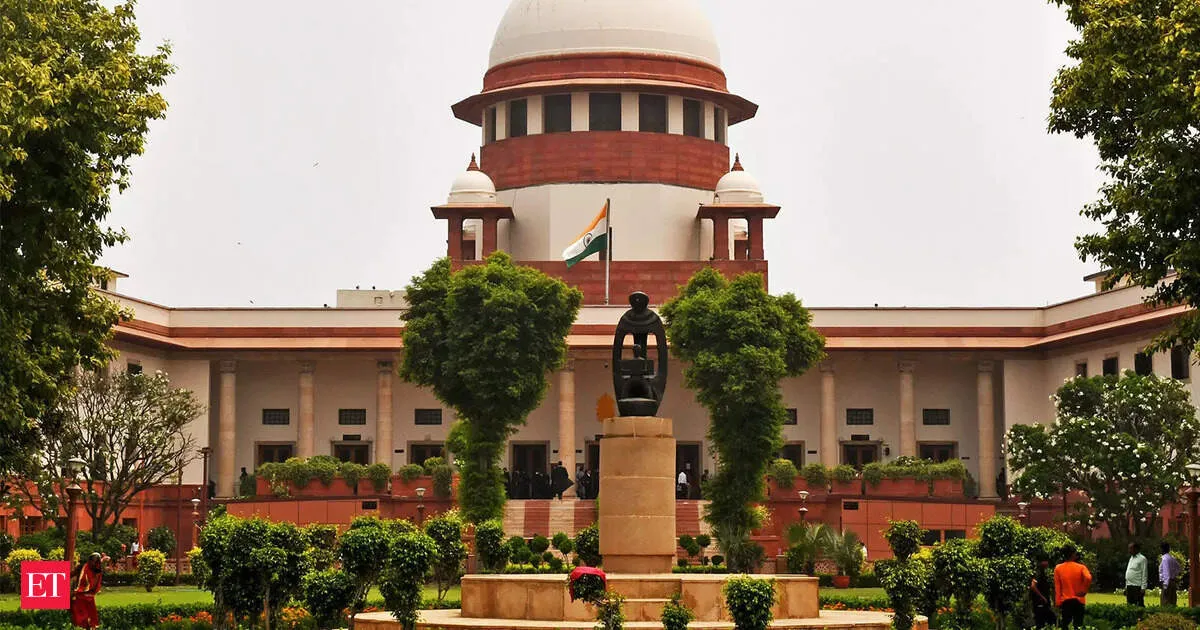
The Supreme Court has stayed proceedings in a 35-year-old rioting and causing hurt case against a police officer filed in 1989. The court said no witnesses were examined for decades and is considering quashing the case purely due to the extreme delay. Uttarakhand will be heard before any final order.
Stay informed on the go
Bite-sized news from 100+ trusted sources, right in your pocket.
The Union Cabinet has extended the Pradhan Mantri Gram Sadak Yojana-III timeline to March 2028 for plain areas and March 2029 for mountainous regions. The revised outlay is set at Rs 83,977 crore, with the government citing improved market access and lower transport costs as key drivers to strengthen rural livelihoods and economic activity.
The Reserve Bank of India has escalated efforts to curb rupee speculation, shifting focus from earlier bank-focused measures to corporate arbitrage. New rules bar banks from offering rupee non-deliverable forwards and restrict companies from rebooking cancelled forward contracts, aimed at reducing currency volatility amid geopolitical uncertainties. The RBI says initial steps didn’t go far enough to contain the activity.
Tesla has raised its spending plan for 2026 by about a quarter, pushing it to more than $25 billion. CEO Elon Musk is channeling the increase into AI, robotics, and chips, arguing the bets are “well justified” for future revenue. The move underscores how much of Tesla’s value now hinges on self-driving cabs and humanoid robots—at a cost investors are starting to scrutinize.
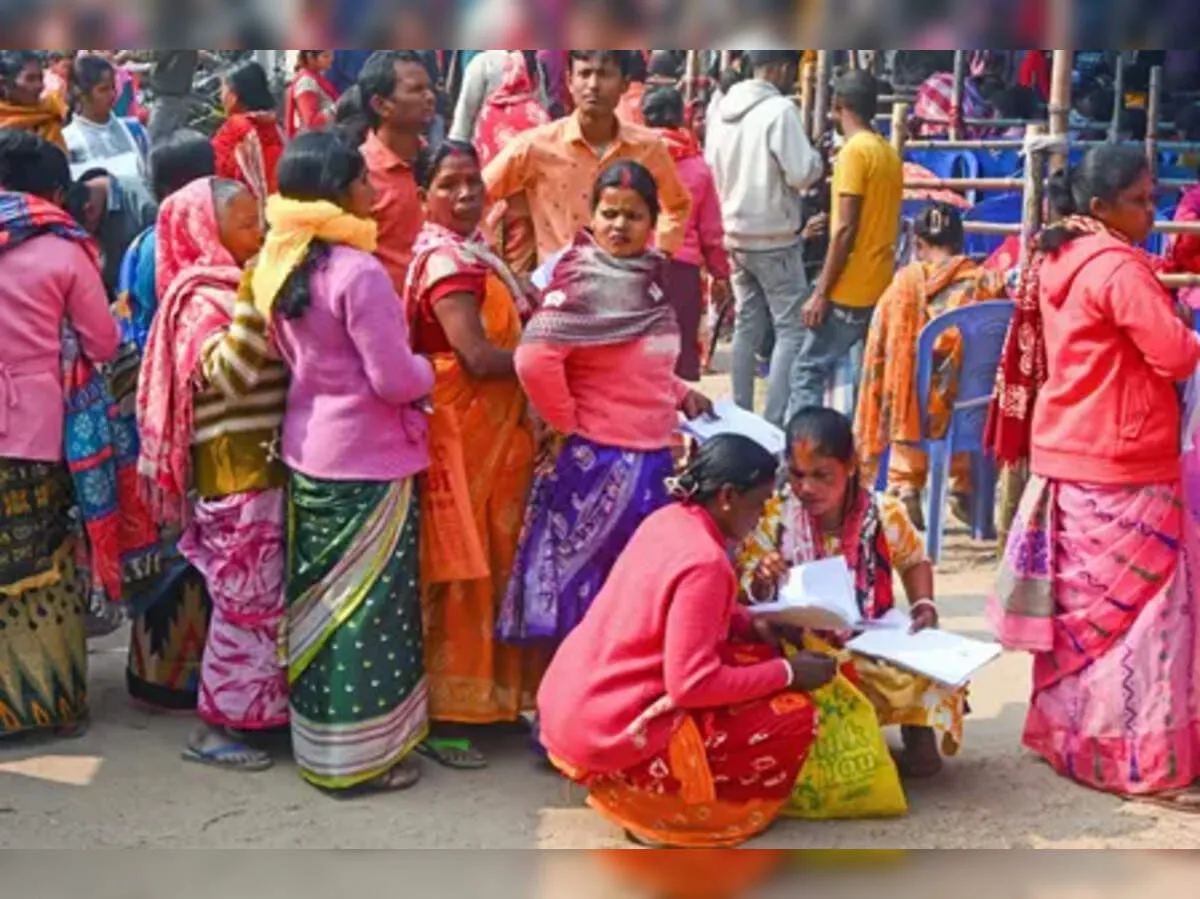
The Supreme Court has rejected setting a deadline for appeals over the exclusion of about 20 lakh voters in West Bengal ahead of state elections. The names were left out because they were not eligible for the Special Intensive Revision roster. With appeals potentially dragging on, critics warn the situation could erode trust in electoral fairness and democratic participation.
IFSCAs International Financial Services Centres Authority plans to roll out video-based KYC guidelines for NRI customers by November, aiming to make account opening and investing in GIFT City simpler. The move is expected to reduce or eliminate paper applications, while a faceless authentication system is being developed in coordination with UIDAI and the RBI.
RBI Governor Shaktikanta Das says the ongoing war has driven inflation far beyond national borders, effectively globalising price pressures. He noted that countries are being hit simultaneously as disruptions ripple through trade, energy, and supply chains. The warning underscores the challenge for policymakers to control inflation when shocks originate elsewhere.
PPFAS Asset Management has received approval from the Pension Fund Regulatory and Development Authority (PFRDA) to become a sponsor for a pension fund under India’s National Pension System (NPS). The move potentially expands the set of players managing NPS pension funds, strengthening options for subscribers while bringing PPFAS into the regulated pension ecosystem.
Trump has unveiled a deal with Regeneron aimed at lowering US healthcare costs under the most-favored-nation push. The company will cut prices for its drugs on Medicaid, and Praluent, a cholesterol medicine, is set to be sold for $225 on Trump’s discounted drug website. Regeneron also pledges major investment in US research and development.
Microdrama platforms are teaming up with telecom operators to reduce fragmentation and convert rapid download growth into paid subscriptions. While the sector boasts 20-plus apps and strong user expansion, monetisation remains difficult because advertising revenue hasn’t kept pace. Telcos are now borrowing OTT-style bundling playbooks, combining data with content to lift ARPU and retention.
New European sanctions are restricting fuels refined from Russian crude, even when the processing happens outside Russia. The move targets the core of India’s oil arbitrage and export strategy that has generated billions. With timelines tightening and revenue at stake, traders and policymakers now face the urgent question: what fuel route can replace the blocked play fast enough?
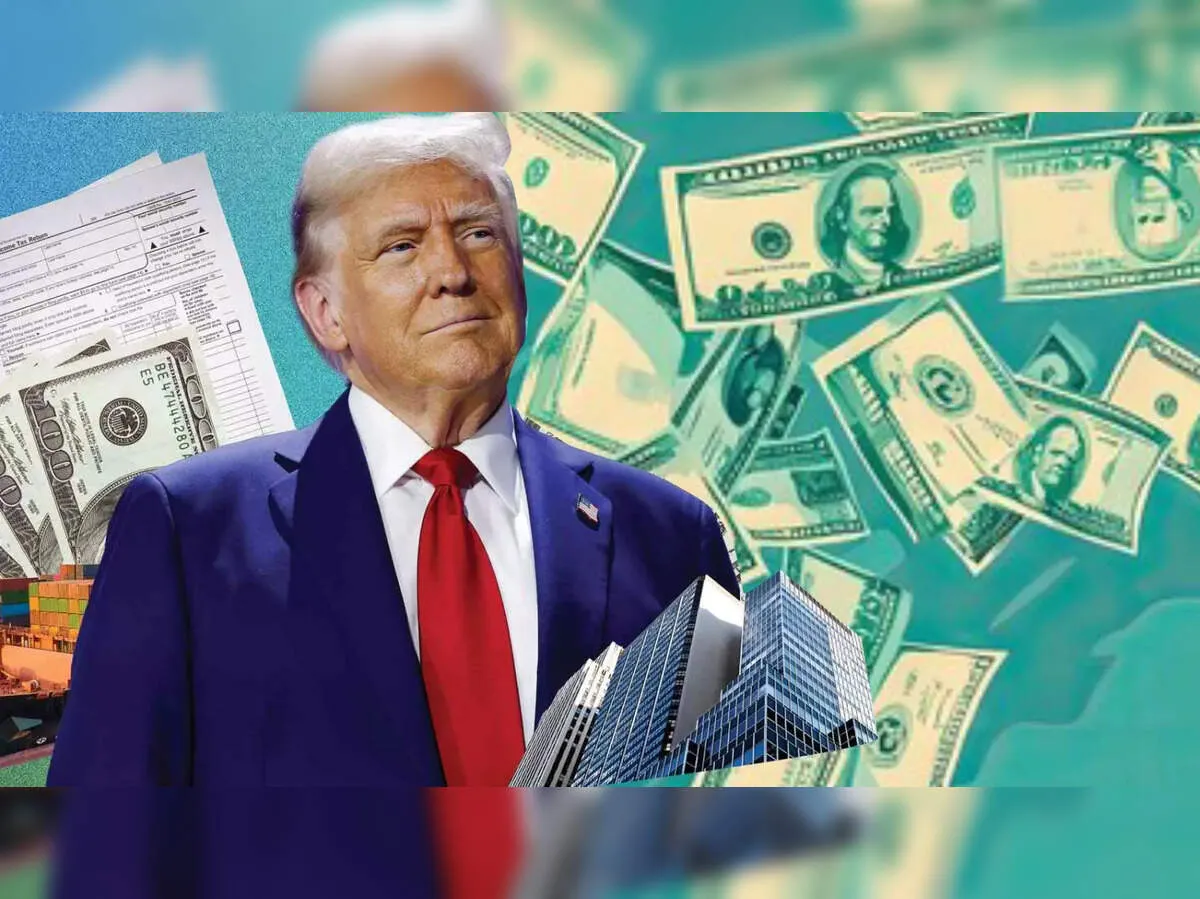
World Liberty, branded as a decentralised platform co-founded by Donald Trump and his sons, is reported to be proposing a $1.5 billion crypto initiative. Reuters calculations cited in the report say the family has already earned about $500 million since the platform’s launch, raising fresh questions about scale and incentives behind the push.
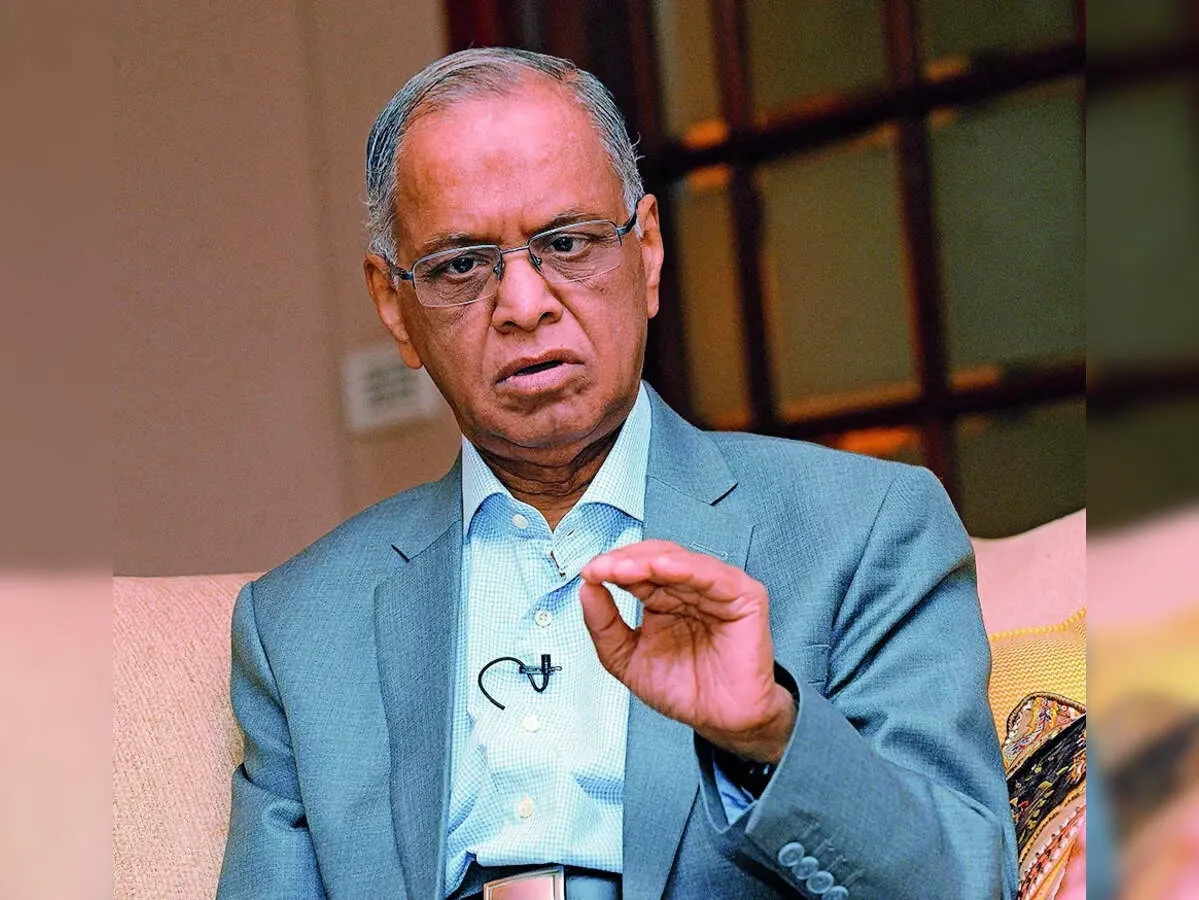
Infosys founder NR Narayana Murthy argued that sustained national prosperity depends on prioritizing research. Citing global figures including Franklin D Roosevelt, Alan Turing and Jawaharlal Nehru, he suggested that countries investing in knowledge and innovation are better positioned for long-term growth, resilience and better outcomes for society.
South Korea is rolling out a new immigration push for the 2030s, expanding visa benefits for high-tech professionals and creating a separate pathway for skilled technicians. The plan broadens eligibility for its “top-tier visa” and introduces a “K-Core visa” for intermediate technical skills, aiming to attract global talent while easing labor shortages and supporting regional development.
HCL Technologies said its fourth quarter was weaker than expected, with pressure in its software business and some service areas. Still, the company is leaning into Artificial Intelligence, pointing to new AI offerings that are already generating meaningful revenue. Management expects AI to power the next phase of business expansion and value creation.
Assam’s tea estates are rolling out tea tourism, borrowing the Darjeeling playbook to turn plantations into visitor experiences. The plan is to generate new jobs across hospitality, guiding and even healthcare support, aimed at bringing income closer to local communities. Backers say the model can also promote more sustainable estate growth and improve day-to-day quality of life.
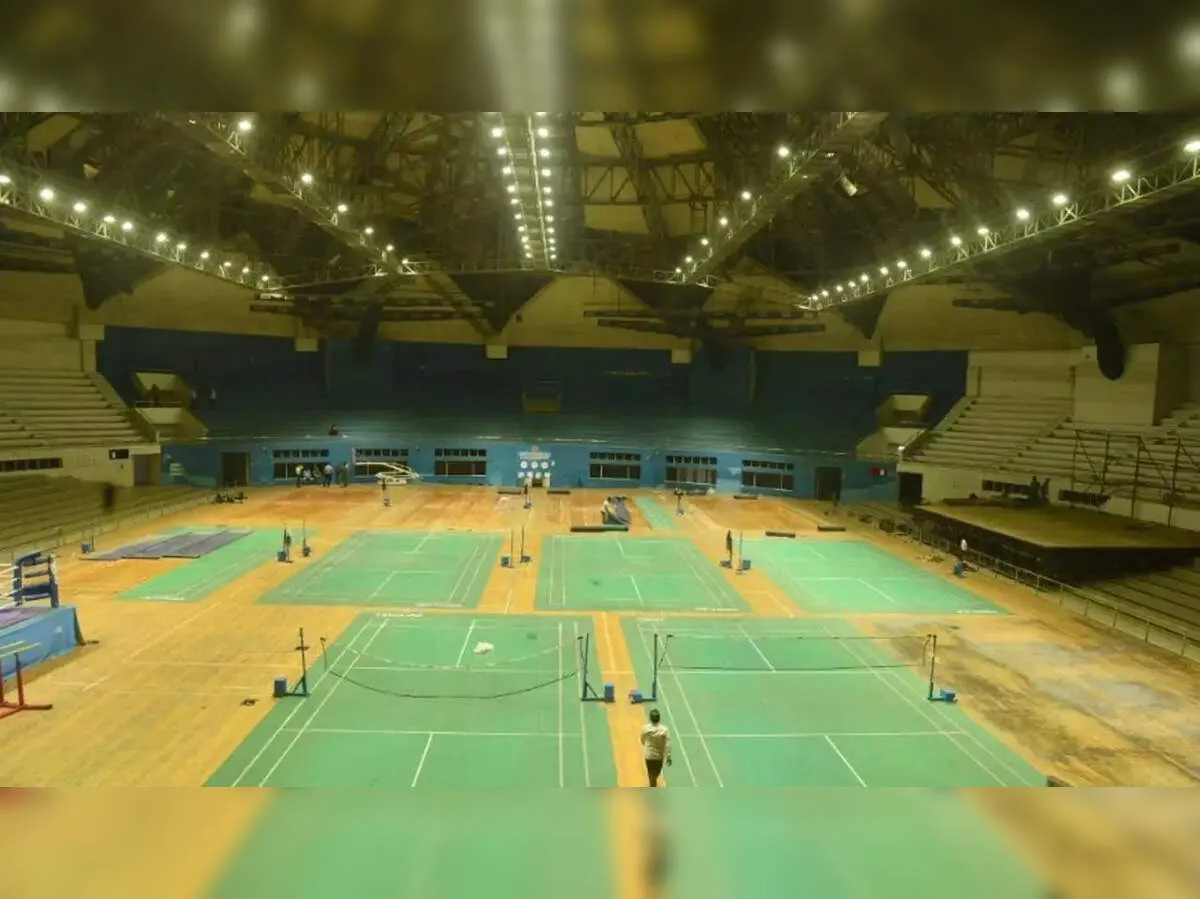
India’s rising sports participation is powering a new wave of startups aimed at everyday athletes. Platforms are simplifying the basics—finding players, booking courts, and forming teams—especially for growing sports like tennis and pickleball. With strong investor appetite and rapid growth across big cities and smaller towns, sports are shifting from solo activity to a fast-spreading social outing.
Tuesday, April 14, 2026 is marked as a holiday for BR Ambedkar’s birth anniversary, with central government offices staying closed. Many banks are also likely to shut, further complicated by the overlap with major regional festivals such as Tamil New Year and Vaisakhi. Exact operations will differ by branch, so customers should confirm locally.
Global supply chains are showing fresh stress as inventories run low, disrupting manufacturing and even international aviation operations. While oil markets may see short-term volatility, the bigger concern is whether energy systems can stay resilient long term. India’s energy exposure is framed as temporary, with electrification likely reducing risk as the global economy narrows its margin for error.
The NCLAT has reserved its judgment in the Jaypee insolvency case after arguments from both sides. Vedanta alleged the resolution process was not transparent and the evaluation was unfair. The Resolution Professional countered that the process followed approved frameworks. Adani, declared winners, said competitive bidding enhanced value—while the tribunal waits to decide.
India has banned rice exports after consecutive bumper harvests swelled government stocks to record highs. The move raises urgent questions for farmers and traders: how long can prices stay supported, and can exporters reshape supply chains to deliver consistent, higher-quality rice that earns better margins in new markets?
India’s 2024 spectrum auction starts today after multiple delays, offering airwaves worth Rs 96,317.65 crore. The government expects roughly Rs 10,000 crore from the sale, but early estimates point to only about 17% of the spectrum value being taken up, potentially the weakest response since 2014. The session could shape 5G rollout economics.
Bitcoin’s “digital gold” pitch is losing traction as traders shift toward precious metals. Gold and silver funds pulled in strong inflows, but Bitcoin-linked funds saw withdrawals. In response, crypto-native platforms are expanding commodity perps, betting investors want both hedges and speculative exposure amid dollar weakness and macro uncertainty.
Indian salaries are projected to rise 9.1% in 2026, according to an Aon survey, outpacing many global economies. Real estate, NBFCs and manufacturing are expected to lead the increases as employee attrition continues to fall toward pre-pandemic levels. Companies are also revising pay structures to comply with new wage codes, often reshaping compensation.
Maharashtra is considering rationing fertiliser sales to farmers for the upcoming kharif season. The state plans to seek Centre approval, arguing the system will curb malpractices and ensure fair distribution. Officials say digital data on sowing patterns and landholdings will be used to estimate each farmer’s actual requirement before allocations are made.
Spencer Stuart’s Jordan Brugg says India’s talent pool is critical to global growth strategies, but warns that companies may soon struggle to fill executive roles. With demand rising and executive availability staying tight, experts urge stronger talent planning, leadership development, and succession programs—now moving beyond top leadership. Firms are prioritizing agile, empowering leaders to stay ahead.
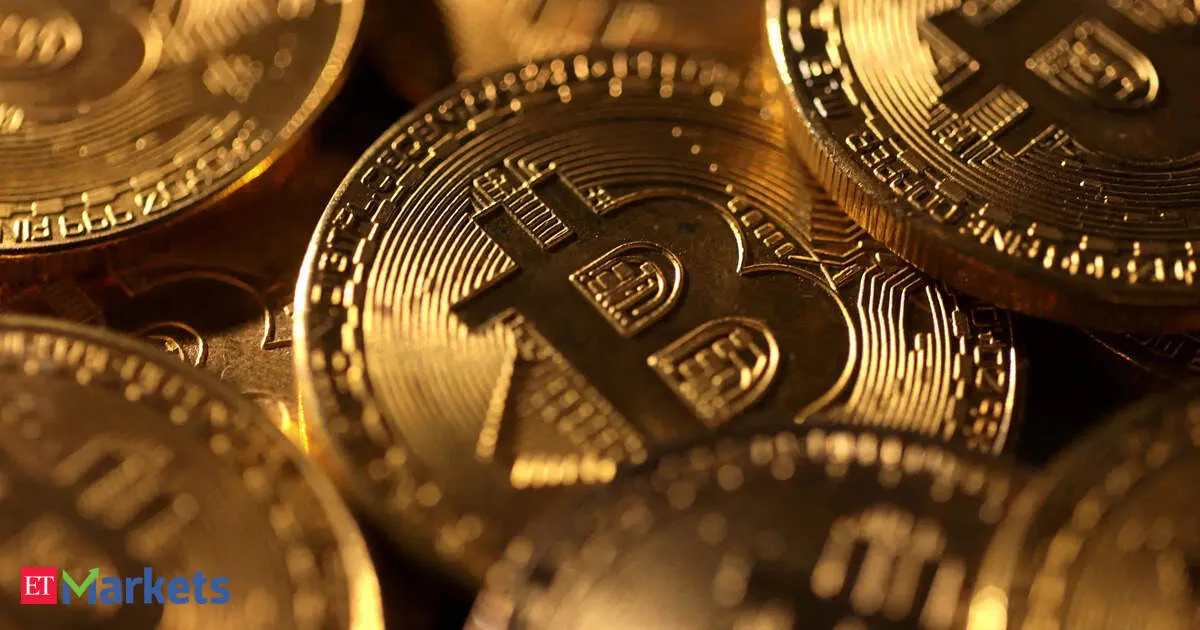
Bitcoin slipped toward $95,000 after a brief push above $97,000, with US regulatory developments dampening investor sentiment. It was trading around $95,498 on Friday. In the last 24 hours, Bitcoin fell 0.78% and Ethereum dipped 0.02%, while major altcoins dropped as much as 3%, signaling a cautious crypto market mood.
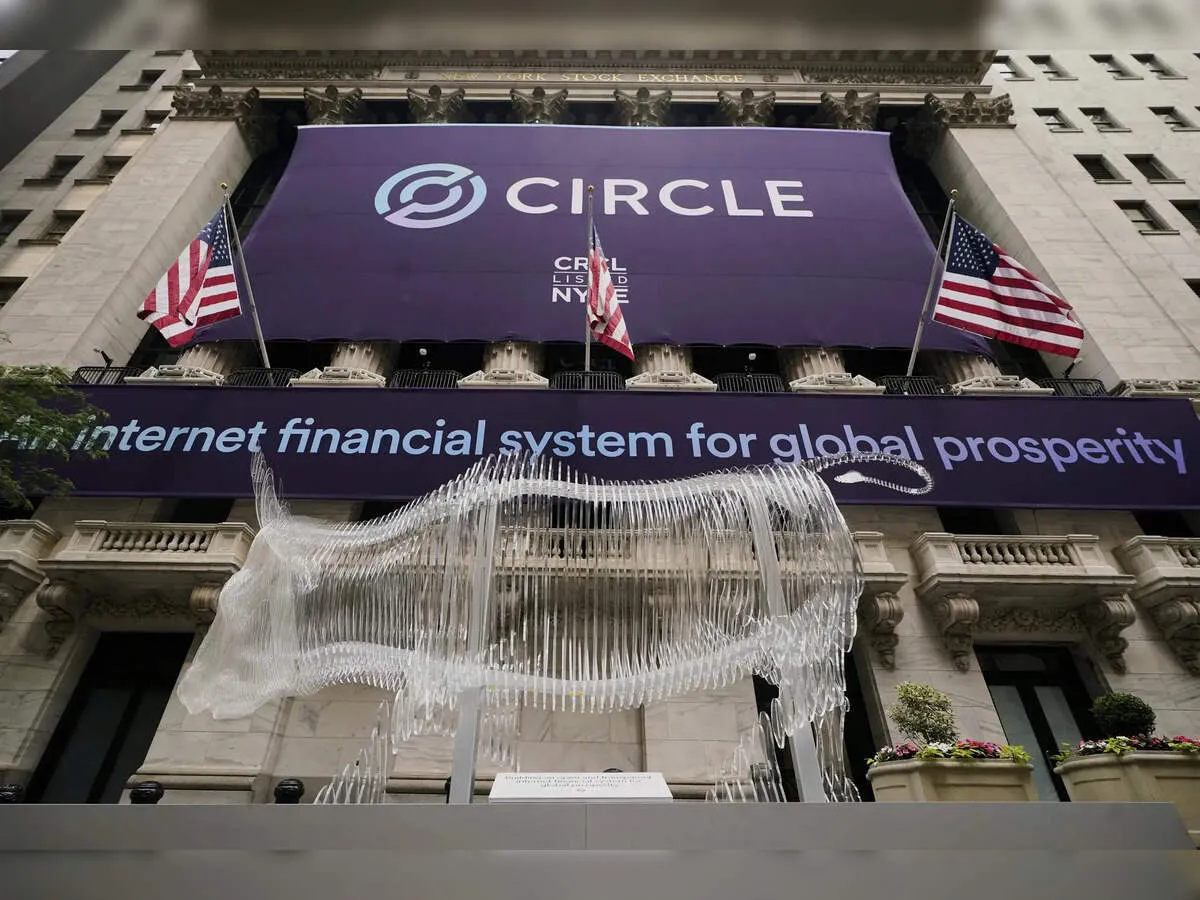
Circle, the issuer of the USDC stablecoin, made a blockbuster debut on the NYSE. Its shares jumped to above $96 at one point before closing at $83.23, signaling strong investor appetite. The move comes as stablecoin competition intensifies and US regulators push for clearer rules. Circle also cites massive transaction scale, with $25 trillion in volume.
After disrupting online shopping, many India New Age startups are shifting back to bricks-and-mortar. From Lenskart to Physics Wallah, they’re opening stores to build consumer trust through face-to-face service. The move is increasingly tied to how founders attract fresh investment, suggesting lasting growth may come from a counter, not only clicks.
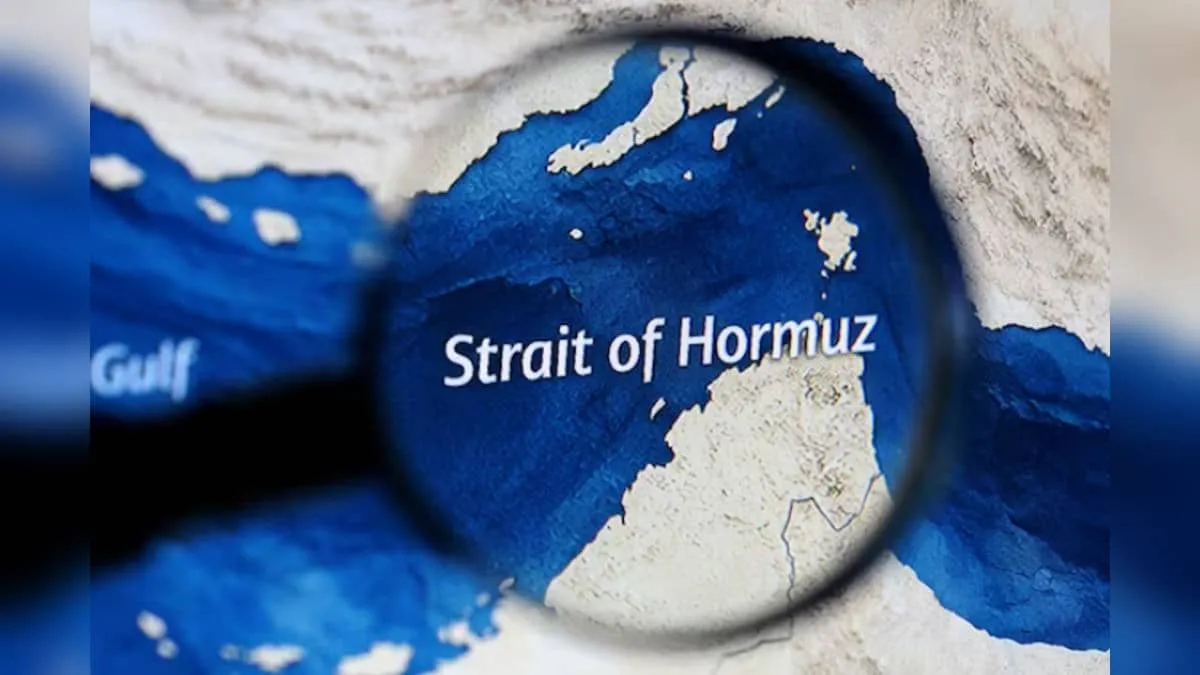
Amid the United States blockading Iranian ports, Iran reportedly received its first revenue from tolls tied to transit through the Strait of Hormuz, one of the world’s most important shipping chokepoints. The claim, cited by Iranian lawmakers, suggests Tehran is finding new income streams even as trade routes tied to its ports face pressure.
The sinking of the container ship MSC Elsa 3 off Kerala’s coast has spotlighted long-standing weaknesses in India’s maritime governance. Beyond the immediate incident, the episode points to systemic problems in how maritime risks are monitored, decisions are coordinated, and accountability is enforced across agencies. Experts say the fallout should trigger overdue fixes to prevent future tragedies.
A new report finds manufacturing companies are increasingly appointing leaders from outside, with CEO and MD roles seeing the most frequent changes. The trend suggests firms are gearing up for digital transformation and building new supply chains. Automotive recorded the highest leadership activity. Women more often rise via internal promotions, yet remain underrepresented overall.
The RBI’s latest rate cut has moved the conversation away from claims that the easing cycle is already over. Instead, the central bank appears to be putting speculation to rest, suggesting room for further policy action depending on incoming data and inflation trends. Markets now face a refreshed outlook on borrowing costs and the timing of future rate decisions.
Swipe through stories, personalise your feed, and save articles for later — all on the app.