

























Stories from earlier this week and beyond.
Oil prices surged as tensions in the Middle East intensified, with Iran releasing footage of commandos boarding a cargo ship in the Strait of Hormuz. Reports of forces engaging hostile targets added to fears of renewed conflict. Analysts warn that a breakdown in U.S.-Iran talks could push prices to fresh yearly highs, tightening global inventories.
March saw 38 companies file draft IPO papers with SEBI, including SBI Funds Management and Manipal Health Enterprises. The jump points to improving issuer sentiment, even as longer regulatory timelines helped concentrate filings. The activity suggests a stronger pipeline ahead, potentially widening investment opportunities, but timelines will still depend on SEBI’s scrutiny and approvals.
Your news, in seconds
Get the Beige app — every story in 60 words, updated hourly. Free on iOS & Android.
Marico’s Parachute brand is under pressure after copra prices, the key ingredient for Parachute oil, jumped over 120% in a year. With Parachute contributing about 36% of Marico’s revenue, the spike has created what the company calls its biggest squeeze in history, squeezing margins and raising cost risks across the product line.
New Zealand has set out rules for international students seeking changes to student visa conditions. Some adjustments—like specific study details or work hours—require a formal “variation of conditions” request. Other changes trigger a full new visa application. Importantly, students cannot use condition changes to extend or modify their visa expiry date.
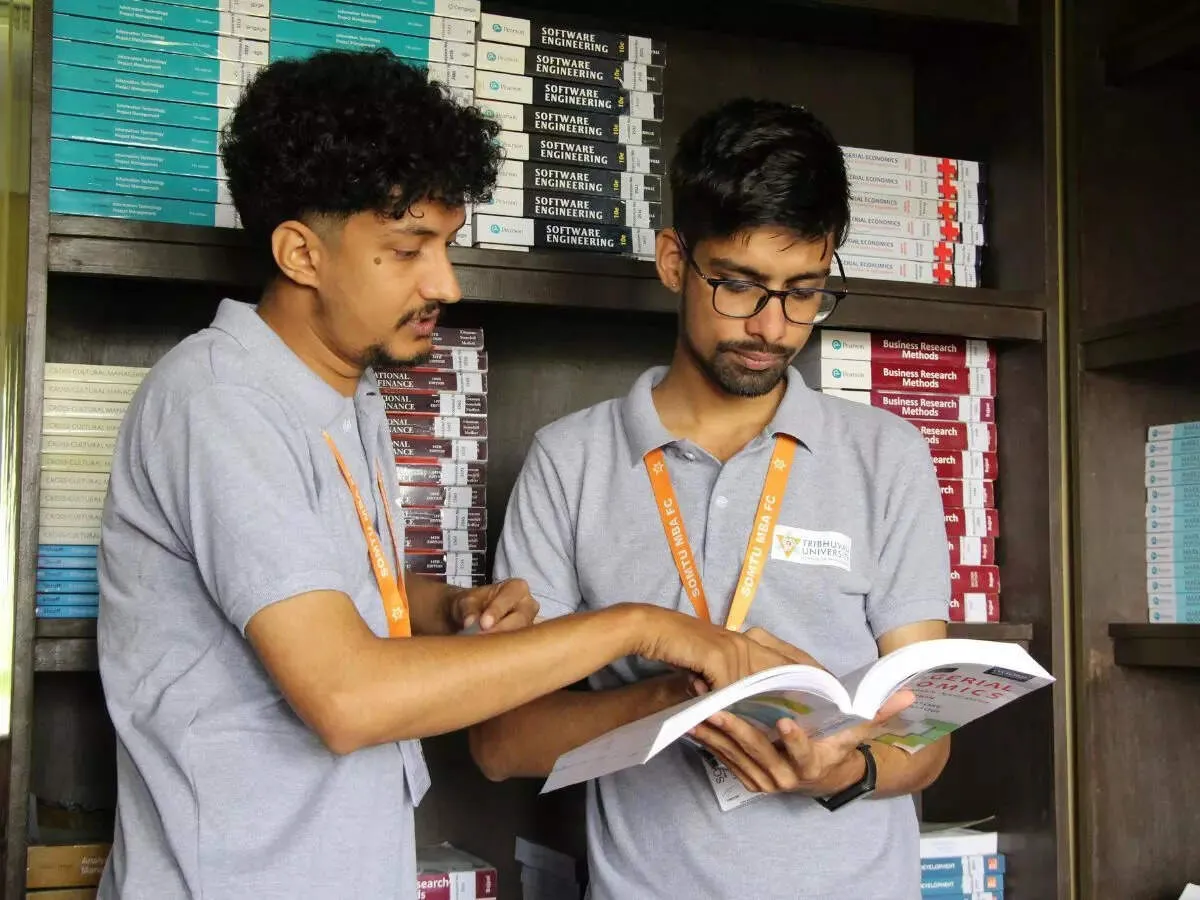
India is making a notable mark in the QS World University Rankings by Subject 2026, with many institutions improving their positions. The biggest gains are in engineering and computer science, signaling rising academic quality and stronger global competitiveness. The jump also means more top-ranked programs in key future-oriented subjects, reflecting deeper institutional intent and investment.
A Greek maritime risk firm says fraudulent messages are being sent to some shipping companies, promising safe transit through the Strait of Hormuz. The scam reportedly targets vessels stranded west of the waterway and asks for cryptocurrency in exchange for passage assurances, raising fears of fraud during heightened regional scrutiny.
Never miss a story
Set alerts for the topics and sources you care about. Download Beige for free.
Primary market activity remains subdued with only two offerings expected next week: a Rs 48 crore SME IPO by Safety Controls and Devices and PropShare Celestia REIT valued at Rs 245 crore. Rising volatility, weak post-listing performance, and cautious investor sentiment are pushing companies to delay launches or reduce valuations, even as the broader pipeline continues.
Bitcoin fell to a 16-month low, hovering close to the $60,000 level as investors retreat from higher-risk assets. The pressure follows broad selloffs in technology stocks that have spilled into crypto markets. Ether also dropped, and the wider cryptocurrency sector has erased trillions of dollars from its all-time high, underscoring a tough stretch for digital assets.
AMFI’s H2 CY26 reclassification could demote nine midcap stocks, including Physicswallah and Jubilant Foodworks, if revised market-cap thresholds are approved. According to Nuvama Institutional Equities, the change may force mutual funds to rebalance portfolios and investors to reconsider stock positioning as categories shift between midcap and smallcap.
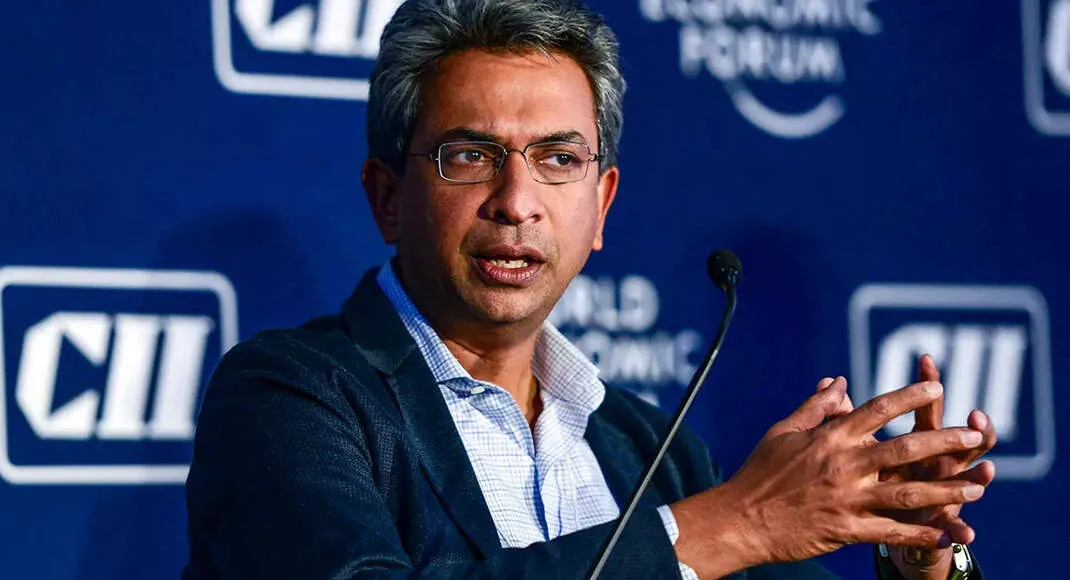
In an ET Prime interview, Rajan Anandan of Peak XV Partners says India’s climate-tech opportunity is large and the firm is actively focused on it. He also expects more science-backed companies to emerge and warns that recent governance lapses in some startups can shape investor trust and outcomes. The message: climate bets require strong execution and oversight.
Reading on mobile?
Open Beige in the app for a smoother experience — free on iOS and Android.
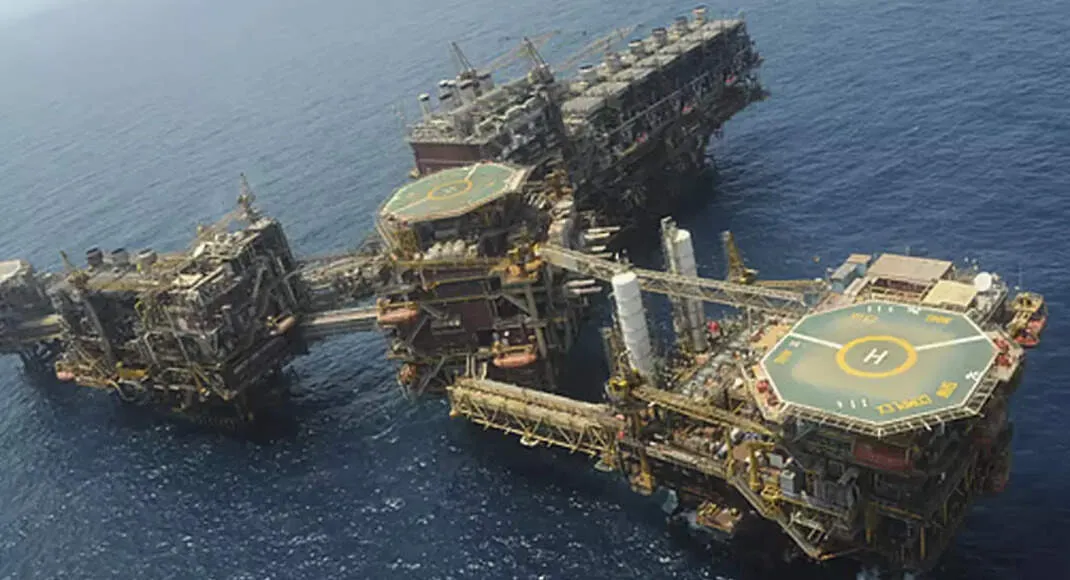
Bombay High is fading fast, and ONGC’s turnaround hinges on the KG-98/2 deepwater project. But an extended monsoon disrupted operations, raising the risk that the company’s multibillion-dollar plan—made even more urgent by falling profits and rising costs—could face further delays despite the BP partnership. The stakes are survival-level for ONGC’s next phase.
Sri Lanka saw a sharp drop in tourist arrivals in March, with numbers falling to 183,979 from over 277,000 across January and February. The decline is linked to the West Asia conflict, which is disrupting transit hubs and reshaping travel itineraries. Despite the downturn, India remains the largest inbound source, supported by proximity and direct flights.
Groww’s Ishan Bansal says FY25 regulatory changes are forcing a structural reset in derivatives participation. While equity derivatives saw lower participation, he expects growth to come from a smaller yet steadier customer base, rising volatility, and a shifting product mix. Longer-term, expanding industry interest and higher per-user activity—especially among younger investors—could drive volumes again.
Om Power Transmission’s Rs 150 crore IPO is nearing its close with about 81% subscription. Retail demand remains steady, but grey market premiums point to a modest potential listing gain rather than a blockbuster. The EPC company plans to use IPO proceeds for business expansion, reducing debt, and supporting its strong order book amid competitive power transmission projects.
Follow your favourite sources
Track sources, tags and categories — all in the Beige app.
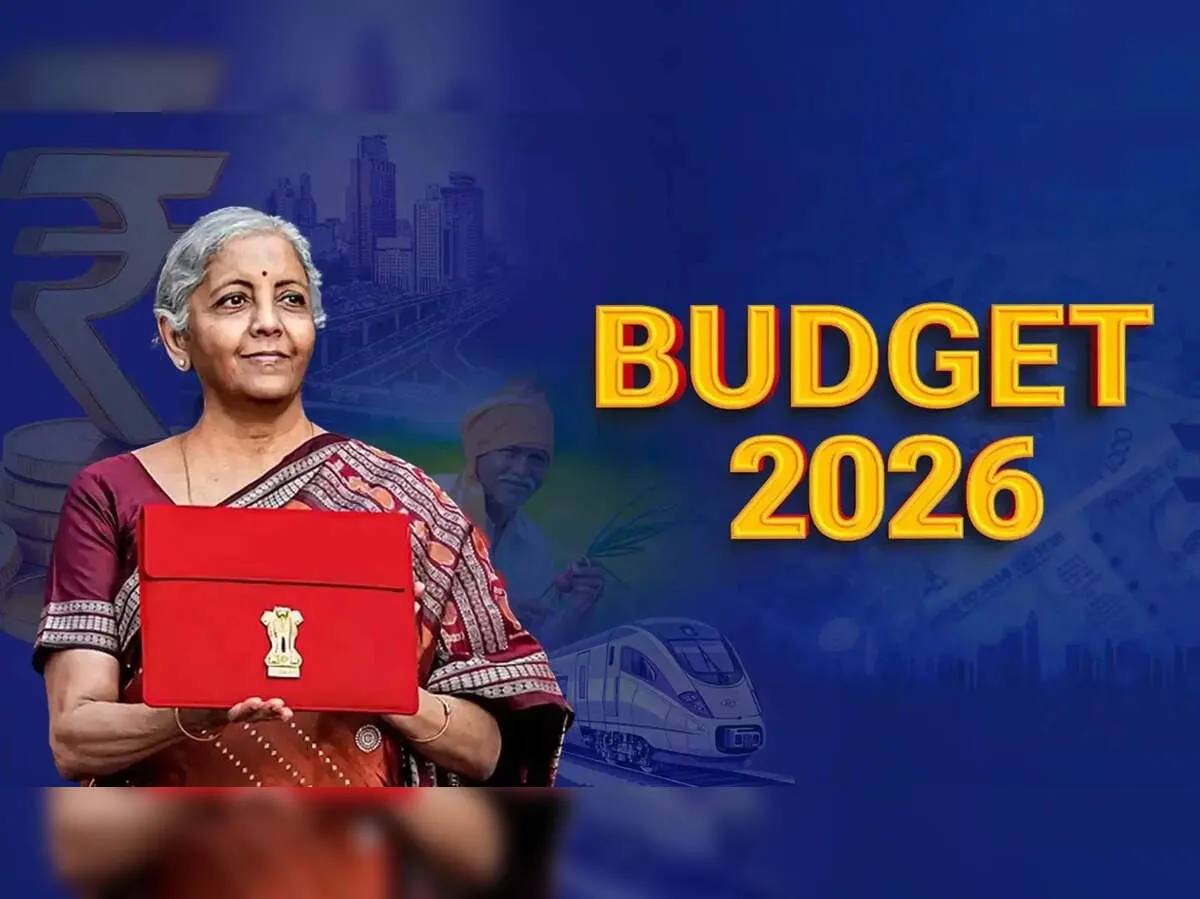
The Budget proposes a six-month mini amnesty window for individuals who hold undisclosed foreign assets. Eligible taxpayers can declare previously non-disclosed assets acquired with earnings already disclosed, by paying a fee. The move is designed to help small taxpayers, including students and relocated NRIs, regularize past omissions while reducing the risk of penalties and prosecution for minor violations.
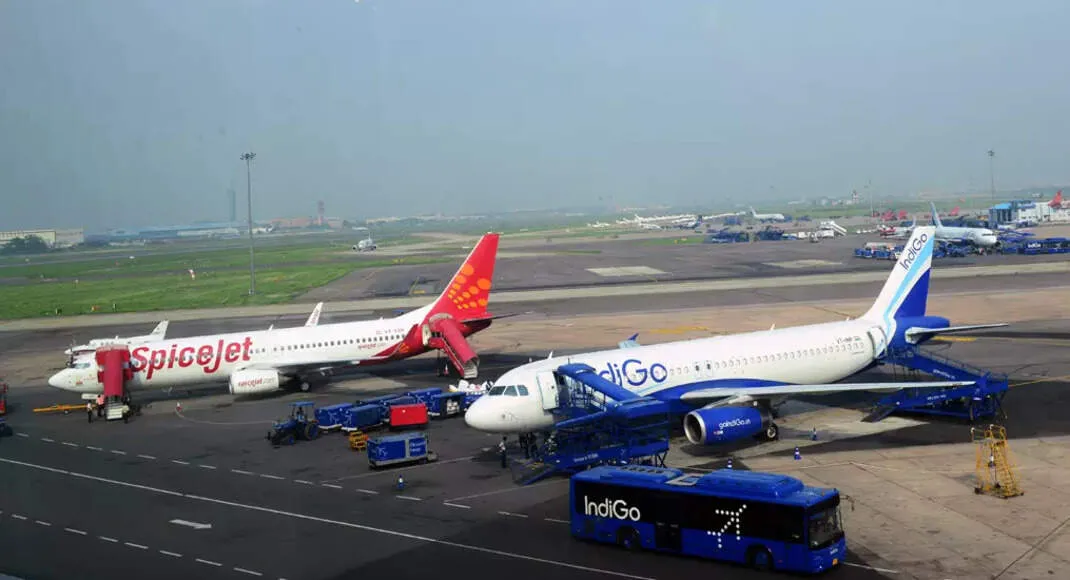
IndiGo’s December quarter is usually its strongest, but disruptions tied to December chaos may pressure Q3 results. The outlook could worsen as SpiceJet remains unstable, with analysts warning it could slip into losses if IndiGo cuts profits by nearly one-third. Together, the two carriers face a tougher operating and demand environment.
A new audit by Canada’s Auditor General Karen Hogan finds Immigration has no effective system to track foreign students once their visas expire. The report points to weak enforcement, lack of action on thousands of high-risk cases, and documented fraud, raising questions about how well the student program is protected even as some overstayers later tried to remain legally.
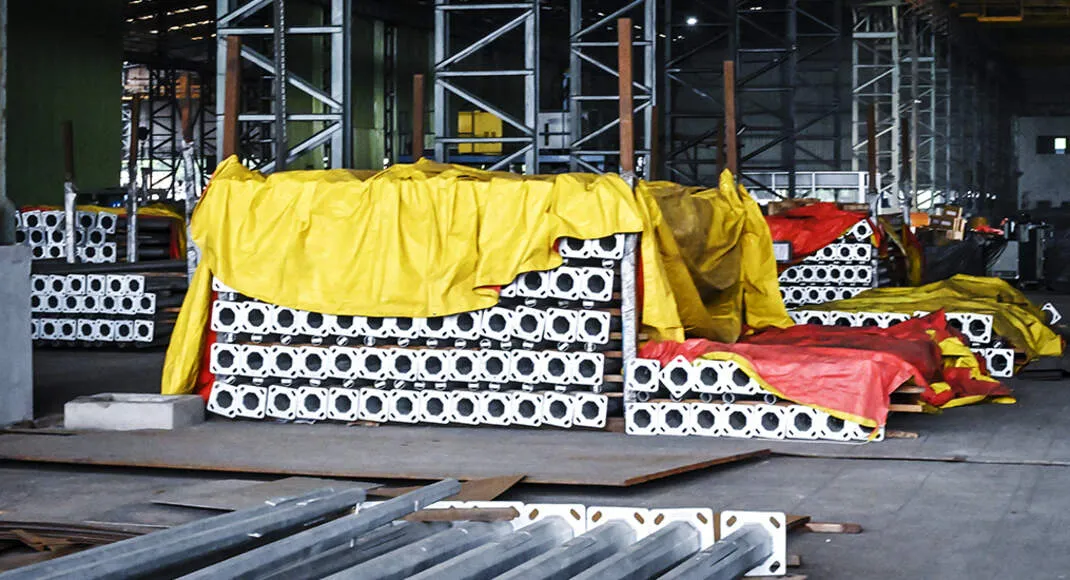
Warehouse builders are bracing for a tough stretch as steel prices—accounting for 30% to 40% of construction costs—surge alongside diesel, cement, and labour. With rents not moving fast enough, developers are betting that rental increases will absorb the ballooning costs and protect India’s warehousing growth momentum.
Stay informed on the go
Bite-sized news from 100+ trusted sources, right in your pocket.
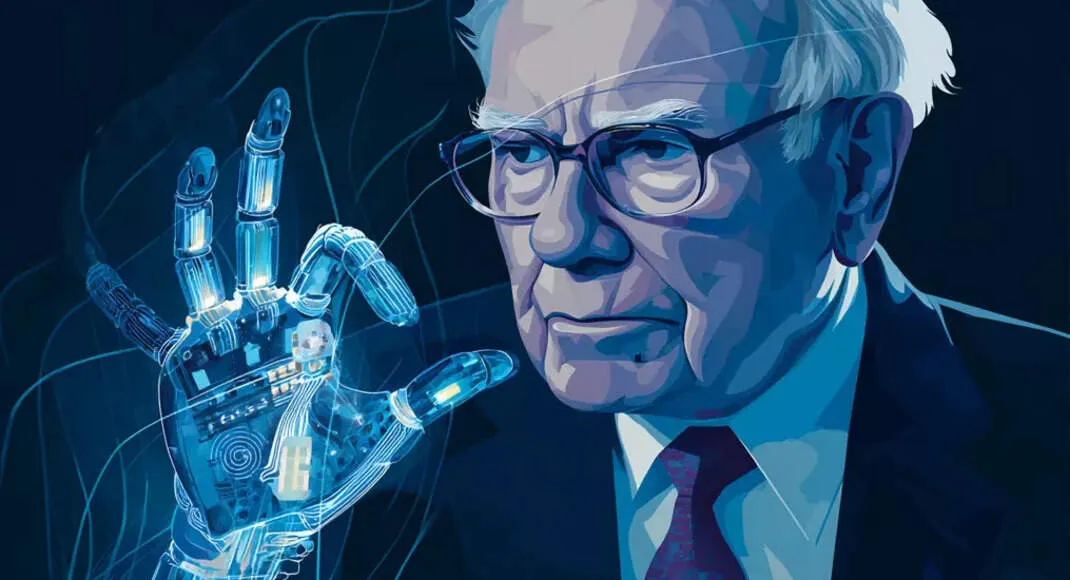
While Nadella, Ellison and Pichai embrace AI, Warren Buffett is staying on the sidelines. Berkshire Hathaway reportedly holds about USD 382 billion in cash as tech rallies led by a few AI giants leave many valuations stretched. Buffett’s caution raises a pointed question: what risk or missing value does he see behind the hype that others don’t.
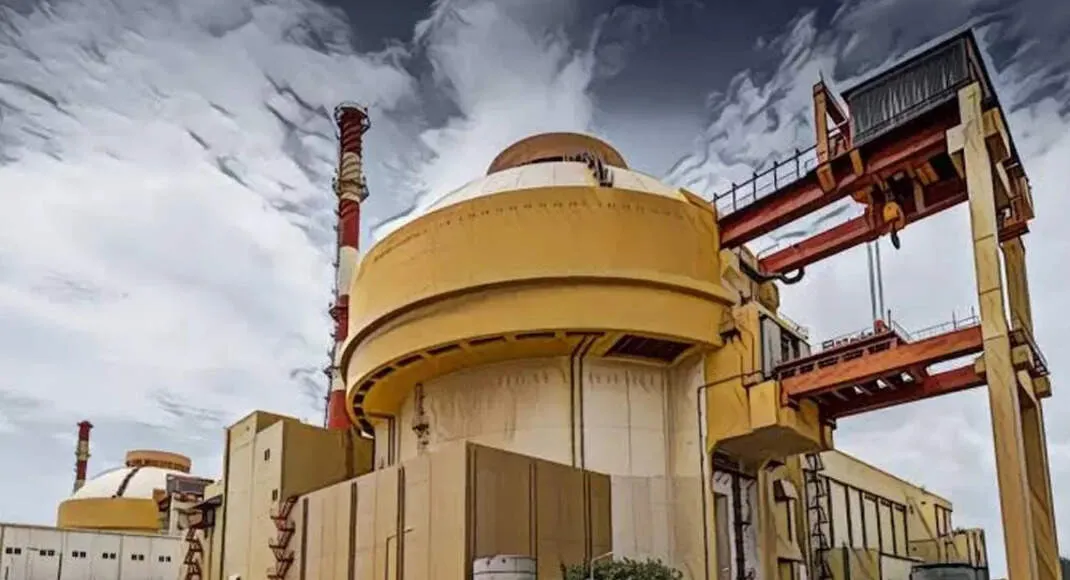
India’s push to revive nuclear power using private capital is colliding with a dispute between state-run NPCIL and private players. A 90-page rulebook has become the flashpoint, with private firms alleging the framework tilts toward control rather than partnership, raising fresh questions over the path to faster projects.
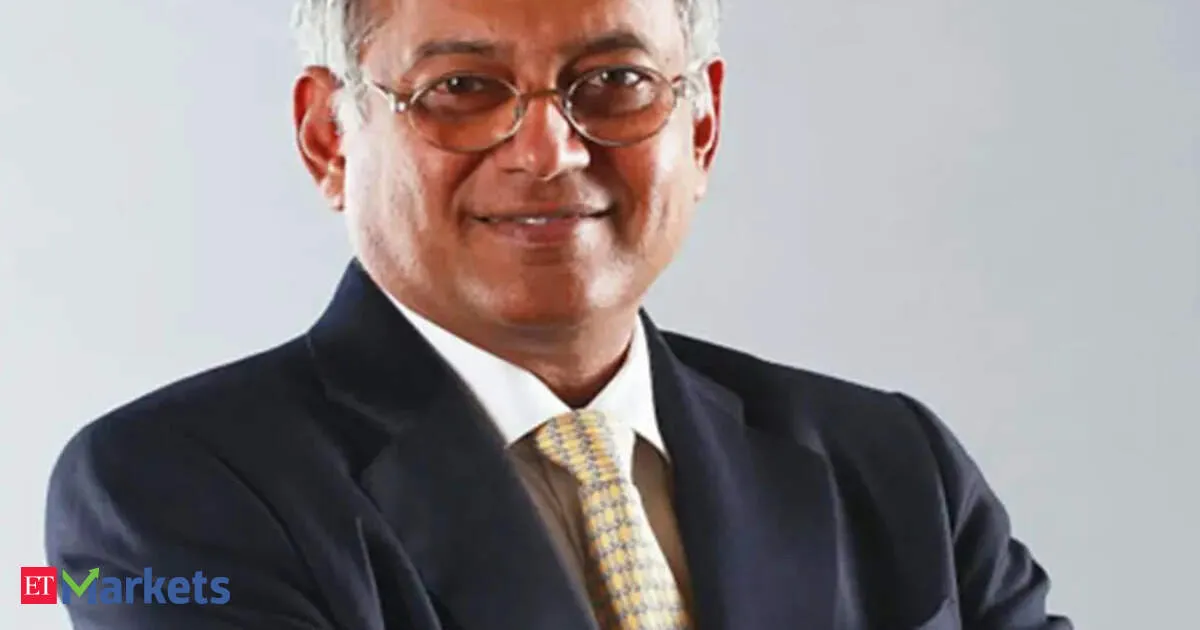
Former Infosys CFO V Balakrishnan has joined the Association of NBFC P2P Platforms as a patron member. The new grouping brings together P2P lending industry players aiming to represent India’s NBFC-P2P sector at key forums and influence policy and industry discussions.
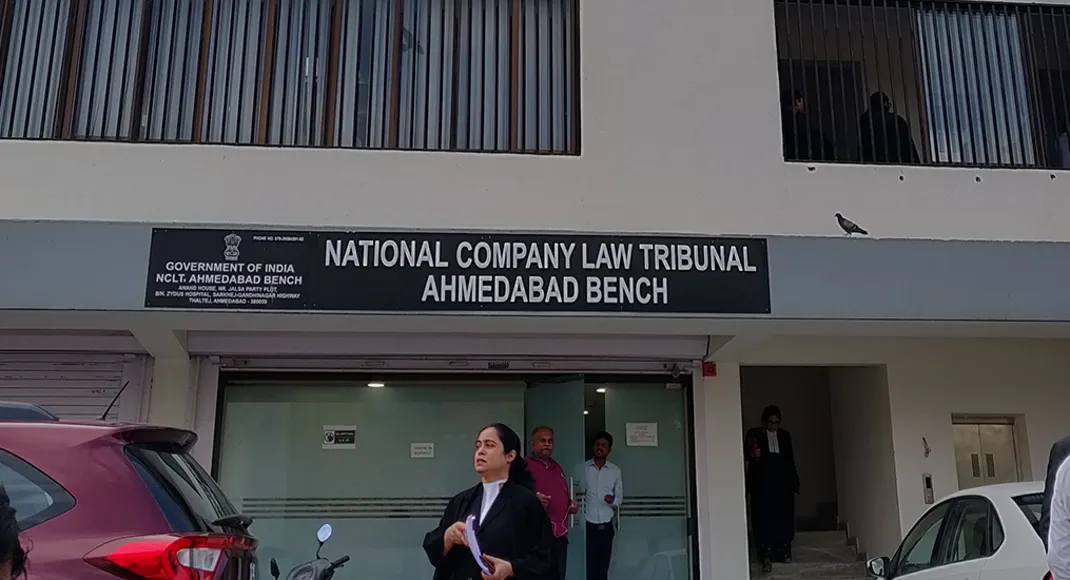
With the Supreme Court sharply targeting procedural delays in IBC cases, attention is turning to how tribunals function in practice. NCLT is set to strengthen capacity with 20 new members across 16 benches, aiming to speed up case disposal and cut pendency. The push comes as stakeholders expect better timeline adherence and faster outcomes.
Football fans are raging after reports that US transport authorities are jacking up prices just for the World Cup. New Jersey Transit is reportedly set to charge more than $100 for tickets from Penn Station in Manhattan to MetLife Stadium in New Jersey during the tournament. Fans call it a disgrace, arguing tournament travel should not mean price gouging.
Crude oil has fallen to a four-year low, and global rates are down nearly 30% in the last quarter. Oil marketing companies are buying cheaper crude and seeing higher margins, but retail fuel prices haven’t dropped in months. The reason: taxes and duties remain high, shielding consumers from the benefits.
OpenAI has launched GPT-5.5, its latest flagship model built to handle complex, multi-part tasks as an active collaborator. The company says it improves performance in coding, knowledge work, and scientific research, boosting autonomy and efficiency while keeping latency unchanged. OpenAI is also rolling out new API pricing, starting at $5 per 1 million tokens.
India’s steady remittance inflows from Gulf nations are at risk as the Iran conflict drags on. Economies such as Kerala and Maharashtra, which rely heavily on these funds, could feel the squeeze through weaker earnings and employment. While business activity looks stable for now, a prolonged fight may translate into job losses for laborers and lower income for professionals across sectors tied to Gulf demand.
FIFA World Cup travelers heading to MetLife Stadium in New Jersey are seeing a major spike in rail costs, with round-trip fares reaching $150—almost 12 times typical pricing. Transit officials say the hike stems from higher operational expenses and that FIFA isn’t contributing to the added costs, unlike other host cities that kept fares largely unchanged.
New Zealand’s Business Investor visa comes with specific English-language requirements. The principal applicant must demonstrate English proficiency at the work visa stage, while partners and children aged 16 and above must meet additional criteria for the resident visa. Proof can come from approved tests or evidence of study and work in English-speaking countries, and families may also opt to pay for English lessons in New Zealand.
Pakistan has approached the UN Security Council after India suspended the Indus Waters Treaty in the wake of a deadly cross-border terror attack. India argues terrorism cannot coexist with the water agreement, quoting “blood and water cannot flow together.” Despite long-running tensions, the treaty has underpinned water security for decades—now its suspension is drawing international scrutiny.
The Indian rupee has slid to its weakest level in more than a decade, pressured by surging crude oil prices and sizable foreign portfolio outflows. While some analysts believe the currency is undervalued and could offer opportunities for long-term investors, a quick bounce looks unlikely. Rising import demand and broad risk aversion continue to weigh on near-term recovery.
India’s logistics industry is gearing up for a wave of IPOs, with multiple firms planning to raise roughly ₹8,000–9,000 crore. Companies including Horizon Industrial Parks, Leap India, and Shiprocket are stepping into the public markets as demand improves and policy support strengthens. The rush signals investors are betting on logistics’ next growth leg through last mile scale.
Iowa’s legislature is pushing a bill to restrict public universities and colleges from hiring foreign workers on H-1B visas from countries labeled “foreign adversaries.” The measure passed the House and awaits a full Senate vote, with the stated goal of strengthening national security and prioritizing American workers. Current employees would largely remain unaffected.
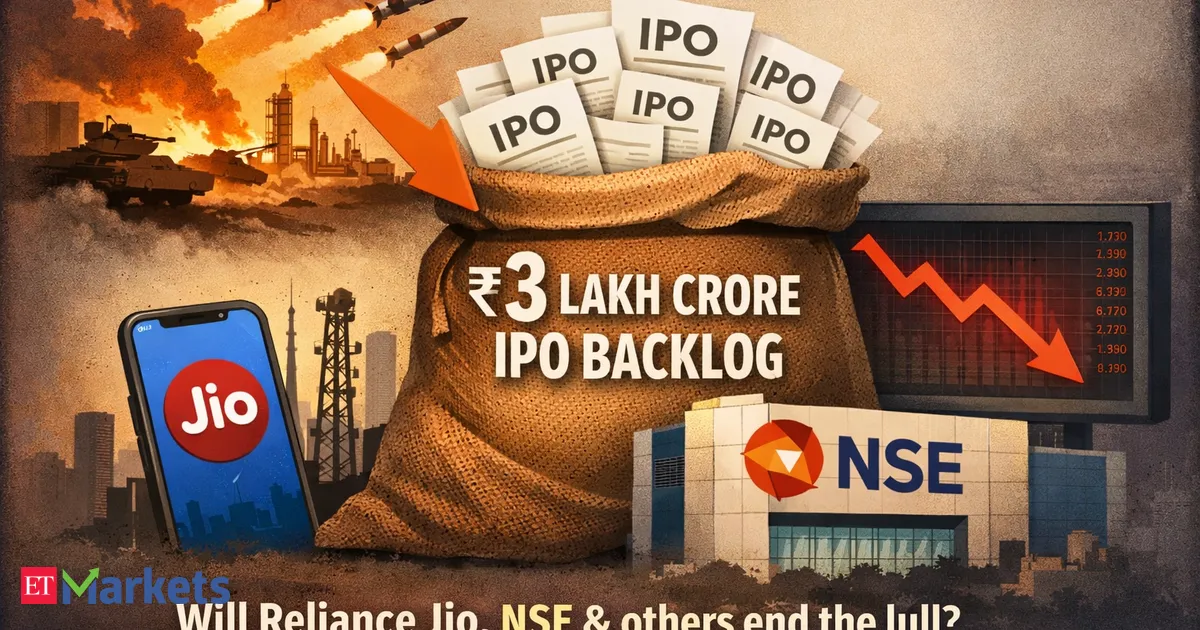
India’s IPO market has slowed sharply as volatility and weak sentiment, intensified by global shocks like the Iran war, delay new listings. Even with a pipeline exceeding Rs 3 lakh crore, companies are taking a cautious, tactical approach. Analysts believe the lull could be temporary if secondary markets and FII inflows rebound, unlocking backlog deals and more realistic valuations.
Police have arrested a third suspect in connection with the April 13 fatal shooting of Chris Leggett in Amherst, Nova Scotia. Michael James Ryan, 34, was taken into custody in Moncton on April 23. Two other suspects, Sean Eugene Patriquin and Natasha Deborah Austin, were arrested earlier. The investigation is ongoing as authorities continue to piece together the case.
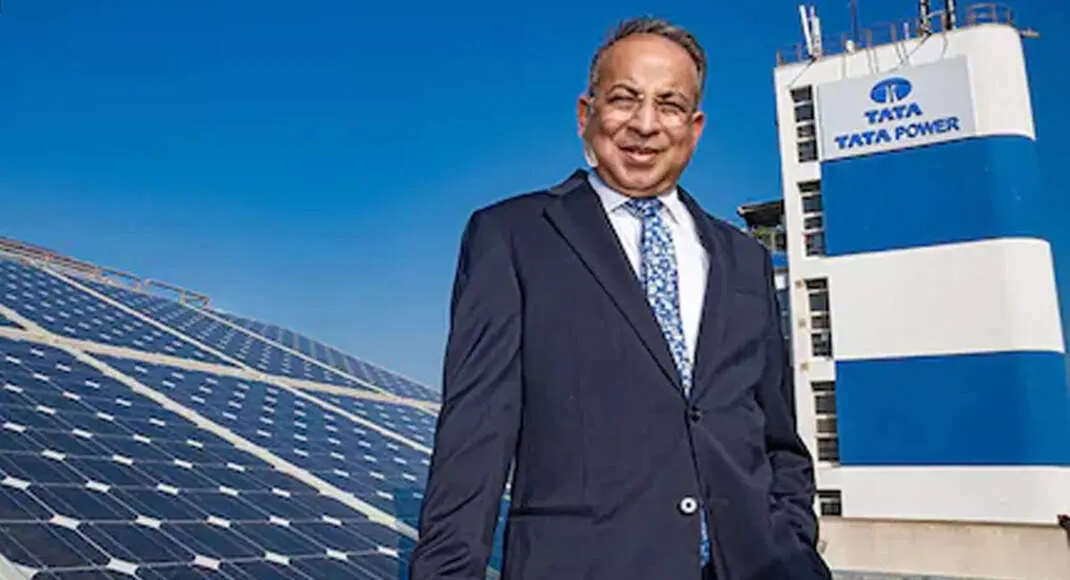
In 2020, Tata Power took over Odisha’s electricity network when it was in disarray. Five years later, the state has become Tata Power’s standout turnaround and a platform for an ambitious INR10,000-crore clean energy plan. The success story underscores how fixing reliability and operations can unlock major investment momentum in the power sector.
Svatantra Microfin, backed by Advent International and founded by Ananya Birla, is reportedly preparing for an India IPO that could raise up to $250 million. The firm has appointed Kotak Mahindra Capital and Axis Capital as advisers and plans to file draft paperwork in the coming months, with the offer likely combining new and existing shares.
India’s Draft Electricity (Amendment) Bill, 2025 is pitched as a reboot for efficiency and competition. But critics warn the structure could realign risks and costs toward consumers, turning “power for profit” into a quiet tariff shift. The question: will discoms get a breather—or will households quietly foot the bill?
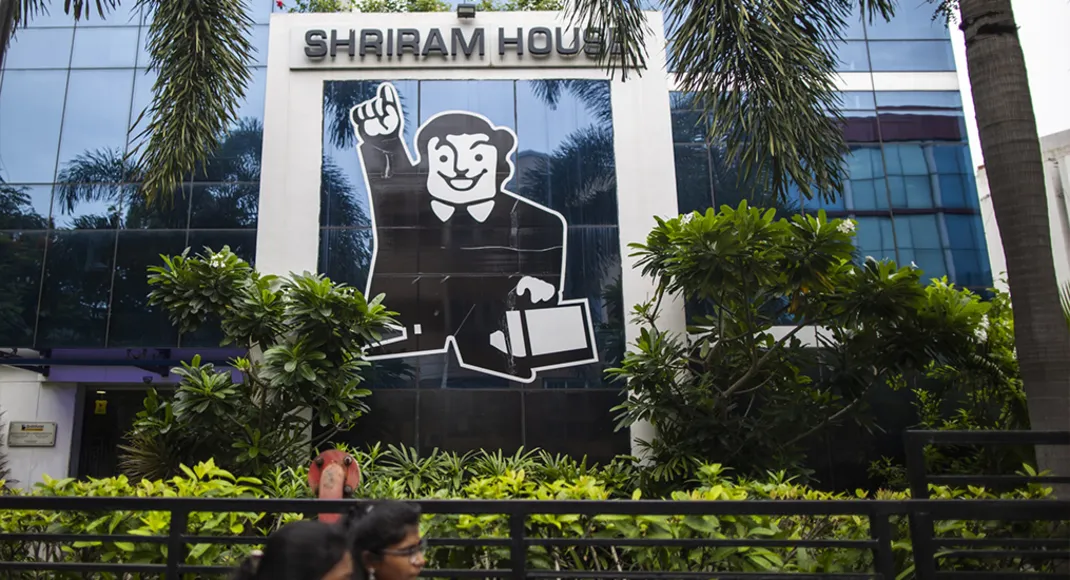
Proxy advisory firms SES and IIAS have urged investors to vote against resolutions needed to operationalise Shriram Finance’s deal with MUFG. Their concern: special rights that place MUFG in a “driver seat” role and a non-compete fee paid to promoters. Shriram Finance counters that the rights are protective and do not dilute promoter control, and says the fee benefits all shareholders.
SEBI has approved four IPOs: Avaada Electro, Grand Housing, Sonaselection India, and Vishal Nirmiti. Avaada Electro, a major renewable energy player, is expected to lead the set, aimed at funding expansion and supporting growth plans. The approvals open the door for these companies to move toward listing in the Indian markets.
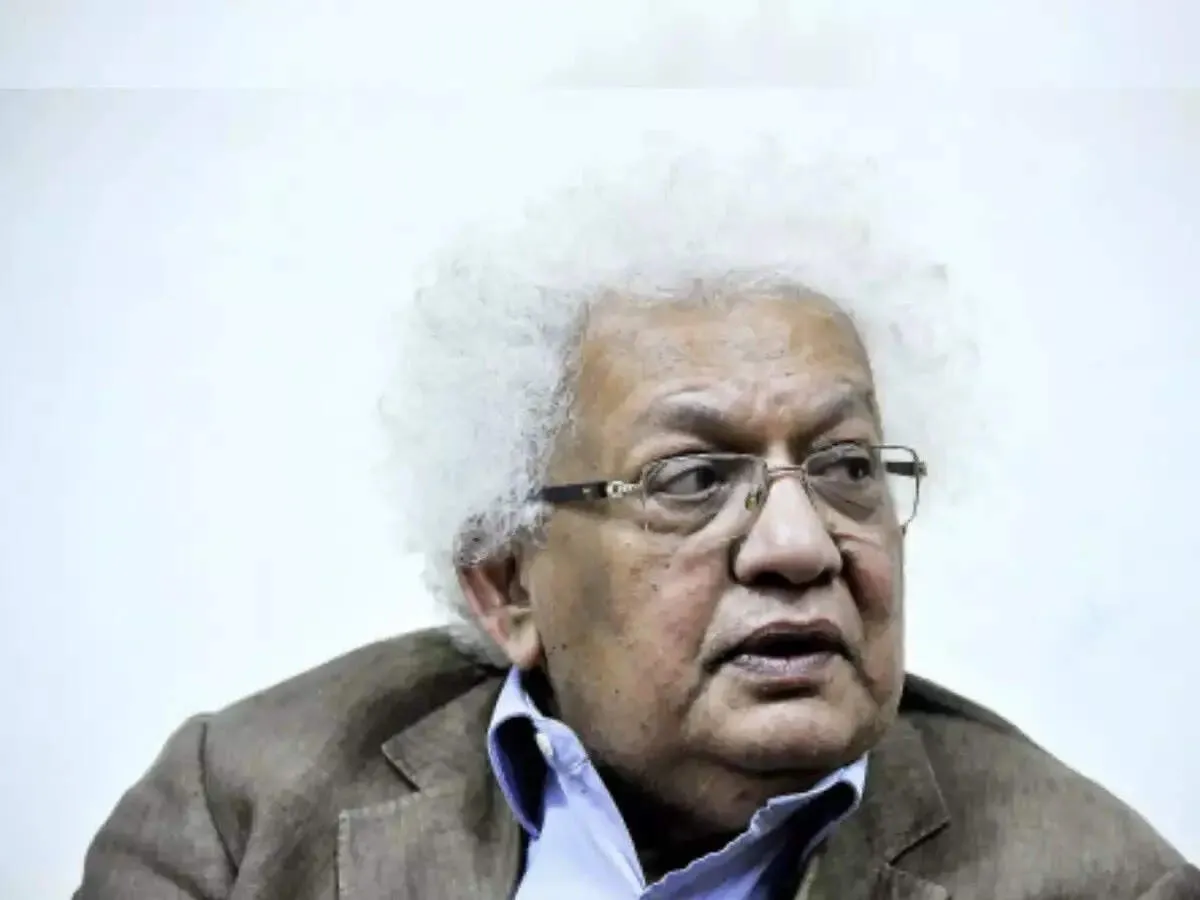
Megnad Desai, the eminent economist and former House of Lords member, has died. Born in Vadodara, he taught at the London School of Economics from 1965 to 2003, and in 1992 founded the Centre for the Study of Global Governance. He also directed LSE’s Development Studies Institute, leaving a lasting imprint on development and global policy research.
Viacom18, backed by Reliance and led by media executive Uday Shankar, has acquired IPL digital rights for five years in a massive deal worth about ₹23,758 crore. The investment dwarfs its current OTT footprint, raising the key question: can Viacom18 convert IPL demand into subscriptions and sustainable profits, or will competition from established platforms stall returns?
The U.S. Department of Labor is warning about “body shopping” in the H-1B program, where staffing firms place foreign workers at client sites. Officials say it lets wages be compared against the outsourcing firm’s lower pay levels, potentially widening gaps with U.S. workers. A proposed rule would push prevailing wages higher to close the loophole and tighten compliance.
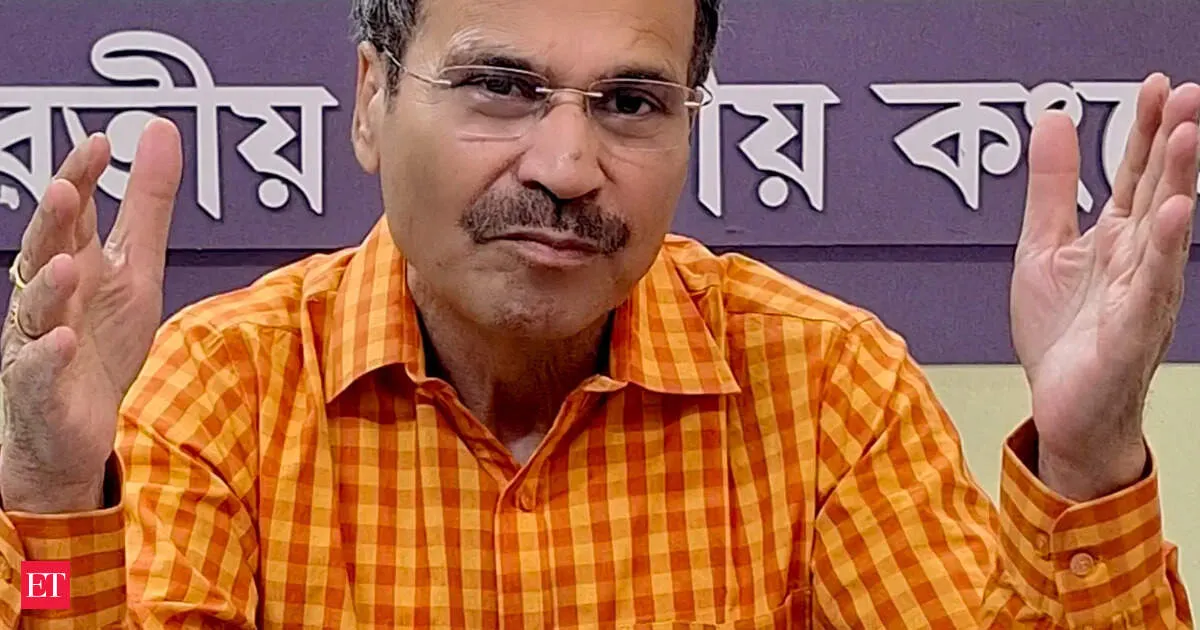
Congress leader Adhir Ranjan Chowdhury sharply criticized Mamata Banerjee over voter list-related problems, arguing the situation wouldn’t be so complex if she had worked with the ECI. He says Congress will contest every assembly seat alone this time and aims to build strength in every polling booth. He also outlined expectations for Malda and Murshidabad.
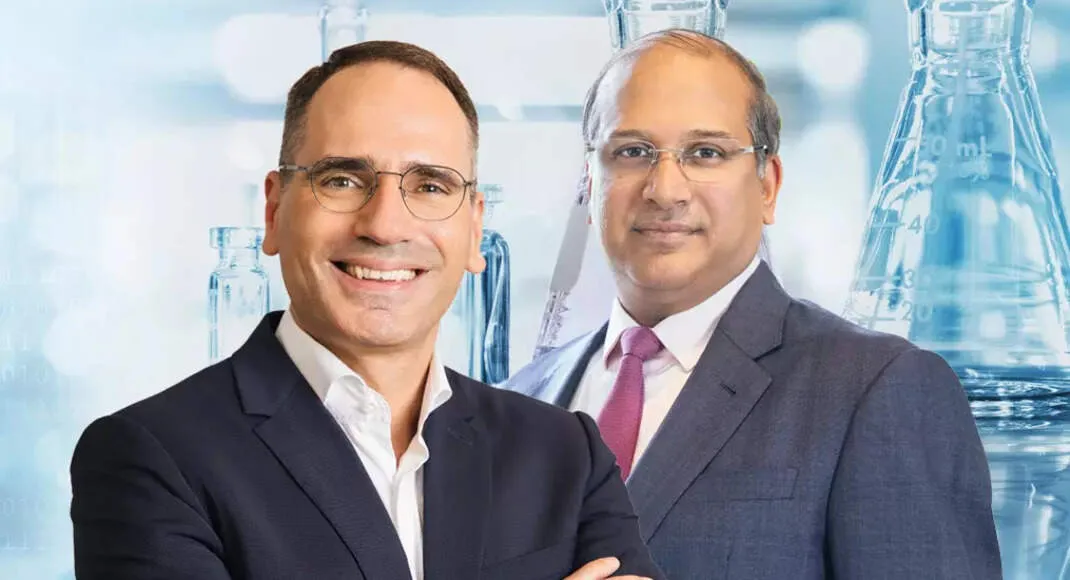
Glenmark’s Ichnos drug is showing promising results for multiple myeloma, a rare blood cancer, raising hopes for affordable breakthrough therapy. With the global market for such drugs projected to reach about USD 30 billion by decade’s end, the question is whether early clinical signals can translate into scale and pricing power against global heavyweights like J&J, Gilead, and Sanofi.
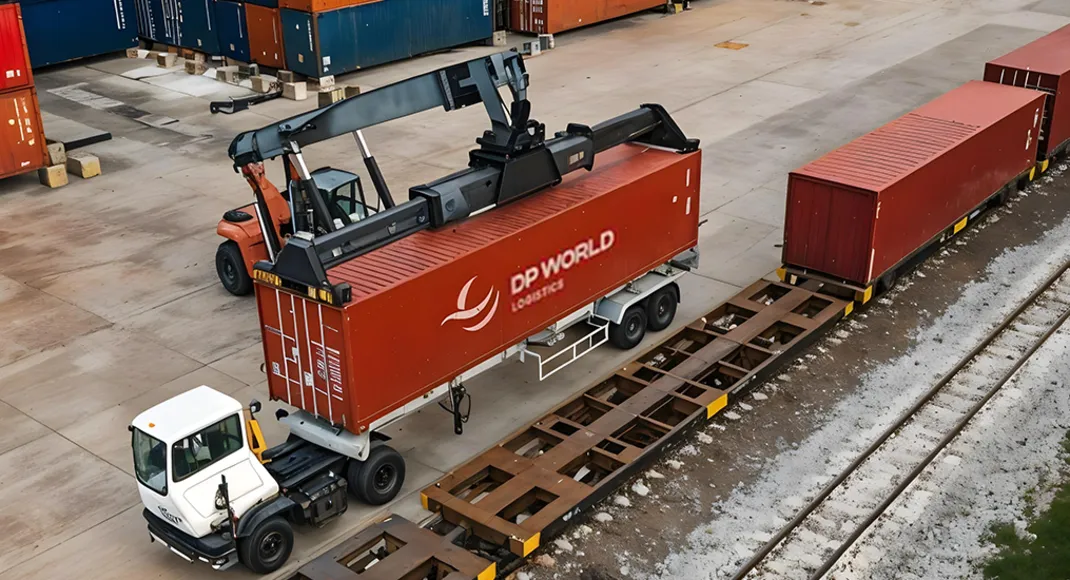
After years of slow adoption, more companies in India are turning to railways to move freight efficiently. A leading private logistics player is now scaling its rail investments with a reported INR 1,800 crore push. The move is driven by clearer economics—costs, reliability, and route economics are converging—making rail a stronger option for expanding businesses.
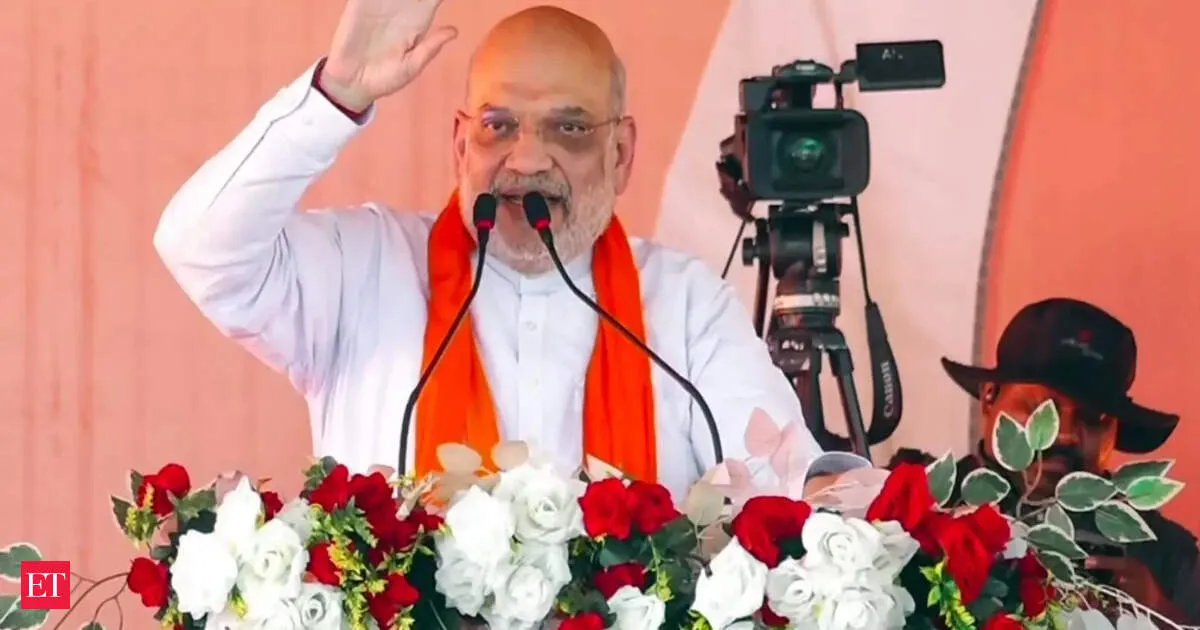
Union Home Minister Amit Shah exuded confidence that the BJP could win over 110 seats in the first phase of West Bengal’s Assembly elections. He pointed to record-like voter participation, arguing the enthusiastic turnout reflects a shift on the ground. Shah’s remarks signal the party’s strategy to convert early momentum into a decisive electoral push across constituencies.
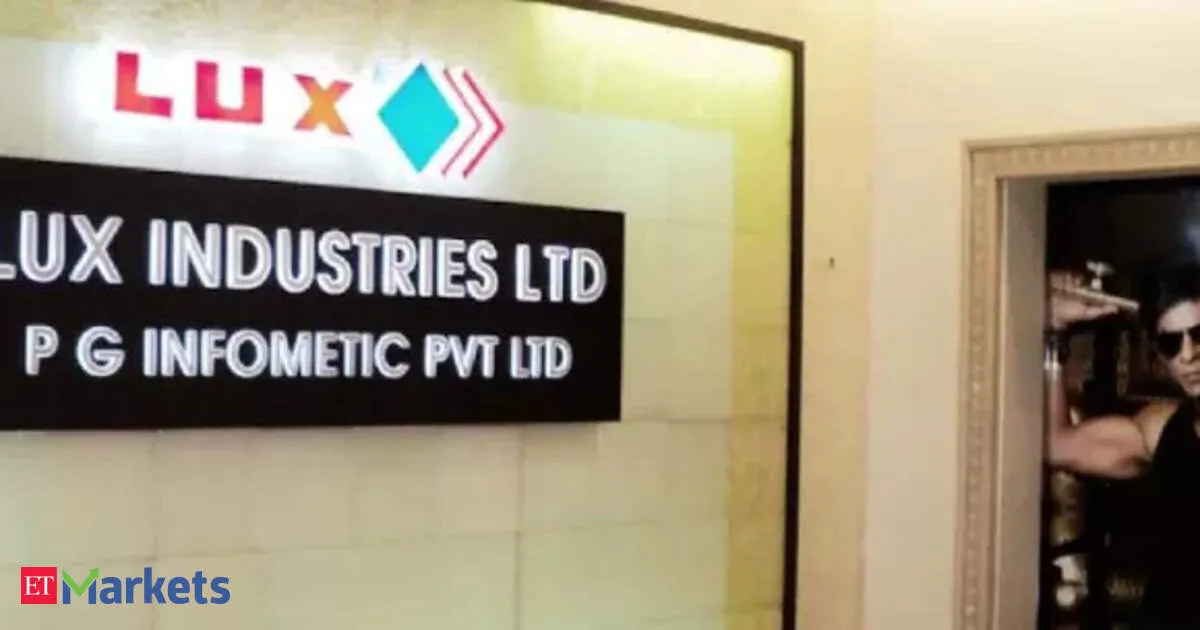
Lux Industries’ shares fell more than 7% after its board approved a business demerger that will split the company into three verticals. The restructuring is tied to a promoter family settlement, and management control under the Todi family will be realigned across the new entities. Two of the verticals are expected to be listed separately, reshaping the small-cap’s future.
Japan has stopped accepting new visa applications for foreign restaurant workers under its specified skilled worker program as it approaches a 50,000-worker cap. The move takes effect Monday and anticipates the limit being reached by May 2026. Launched in 2019, the program targets labor shortages across multiple industries, not just restaurants.
The RBI is expected to issue a revised circular on upper-layer NBFCs, with its scale-based regulation framework under review. Sources say Tata Sons may not receive the exemption it sought from upper-layer classification, a move officials believe could be aimed at avoiding an NBFC listing. The decision may significantly reshape the listing trajectory.
Nuvama Institutional Equities expects AMFI’s H2 CY26 categorisation to be reshuffled as market-cap thresholds change. Some stocks currently tagged as largecaps, including Mazagon Dock, could be moved into midcaps, while midcaps may drift toward smallcap status. The shift highlights how valuation swings can rapidly alter India’s equity segmentation.
Swipe through stories, personalise your feed, and save articles for later — all on the app.