
































Stories from earlier this week and beyond.
An estimated 3 million bottom-of-the-pyramid borrowers have lost access to formal financing over the past nine months, raising concerns that regulatory tightening is diluting India’s financial inclusion push. The shift appears to be hitting lower-income borrowers hardest, potentially reversing gains made by fintech and lenders in expanding credit access to underserved communities.
Developers reported “AI shrinkflation” as Claude appeared less capable, more repetitive, and less efficient with tokens. Anthropic’s technical post-mortem says the model weights didn’t regress, but three surrounding product-layer changes did: a reasoning-effort default, a caching bug that wiped thinking too often, and tighter verbosity limits. The company says it has reverted the fixes and reset subscriber usage limits.
Your news, in seconds
Get the Beige app — every story in 60 words, updated hourly. Free on iOS & Android.
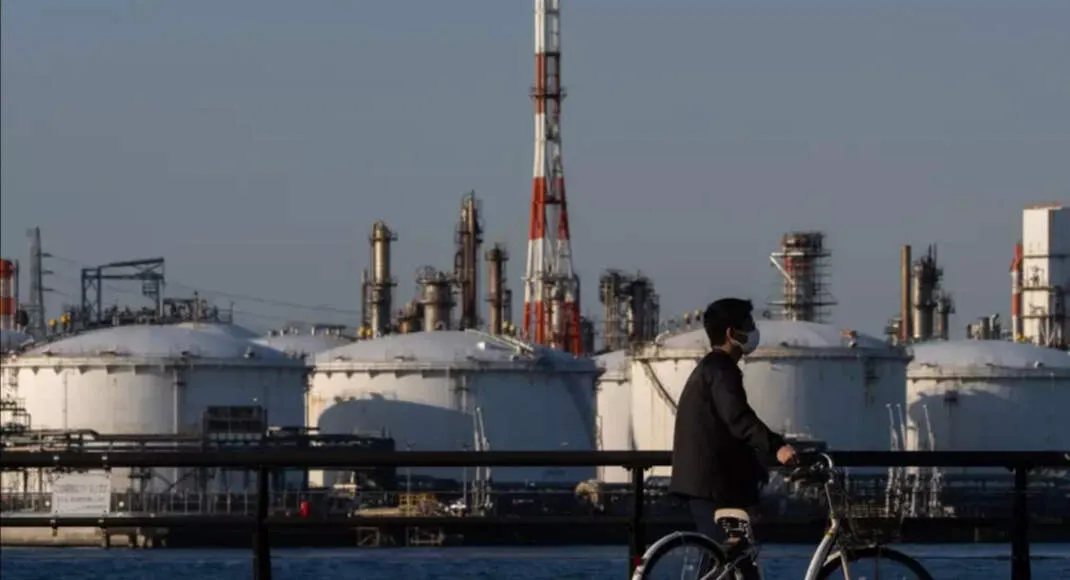
India appears to be converting the global oil dislocation into advantage as Russian refineries face disruption from Ukraine strikes. With crude at record low prices, India boosts diesel exports to Europe and seeks to capture margins even as US trade pressure grows. The outcome hinges on how long disruption in Russian refining lasts versus pressure on India’s energy flows.
A proposed AI Act is being scrutinized as Europe worries that AI and algorithmic decision-making are becoming embedded in welfare and social safety nets. Critics say these systems can quietly shape eligibility and access to support, undermining social and economic rights unless safeguards, transparency, and accountability are strong enough to protect people from errors and bias.
A wider Israel-Iran conflict would flare up in West Asia, a core oil-producing region, raising fears of supply disruptions and price volatility. The real impact for India depends on how quickly shipping routes, regional production, and global crude benchmarks react—either cushioning the shock or turning it into a sharper, longer spike.
Lenders defending the Jaiprakash Associates bid process before the NCLAT say selecting Adani Enterprises was fair and transparent. They rejected Vedanta’s late addendum offering more money, arguing it violated the pre-set bidding framework and would have prolonged delays. The hearing centers on claims that the process was tailored versus competitively handled under the original timelines and terms.
Never miss a story
Set alerts for the topics and sources you care about. Download Beige for free.
SEBI’s consent order mechanism, modeled on the US SEC’s plea-bargaining approach, is meant to quickly resolve alleged defaults by market infrastructure and registered intermediaries. But the process is drawing scrutiny over how transparent it really is, with observers questioning whether consent settlements explain outcomes clearly enough for stakeholders and investors.
Cognizant has joined OpenAI’s partner group as a global partner, aiming to expand the use of OpenAI’s Codex across its enterprise clients. The company says integrating Codex will accelerate software development and strengthen code quality. Cognizant engineers are already applying Codex in live client projects, and the partnership is designed to bring more advanced AI capabilities into enterprise environments.
FY26’s primary market proved rough for new listings, with volatility and a foreign investor exodus weighing on post-listing performance. Out of 109 mainboard IPOs, only about a third delivered positive returns. A handful of names still surged, including Ather Energy and Belrise Industries, underscoring how uneven the IPO opportunity became.
Reliance Industries has relaunched Campa Cola at INR 10 per bottle, roughly half the price of rival soft drinks like Coke and Pepsi. Analysts liken the move to the pricing playbook seen during Jio’s aggressive price war, and early response looks promising. The real test: whether younger buyers will abandon longtime brand habits.
Reading on mobile?
Open Beige in the app for a smoother experience — free on iOS and Android.
The Indian rupee fell for a third straight session on Wednesday as relief over the Iran war stayed limited, even after the U.S. indefinitely extended a ceasefire. Oil prices surged to around $100, keeping pressure on the currency by raising import costs and sustaining risk premiums in global markets.
Wipro has partnered with Kongsberg Digital to deploy next-generation AI-powered digital twin solutions for Energy and Utilities. The joint offering combines Wipro’s Industrial-AssetsAI and UpstreamAI with Kongsberg’s Industrial Work Surface platform, aiming to create real-time twins across plants, grids, and distributed assets—bringing simulation, data, AI, and automation into one framework to improve reliability, safety, and resilience.
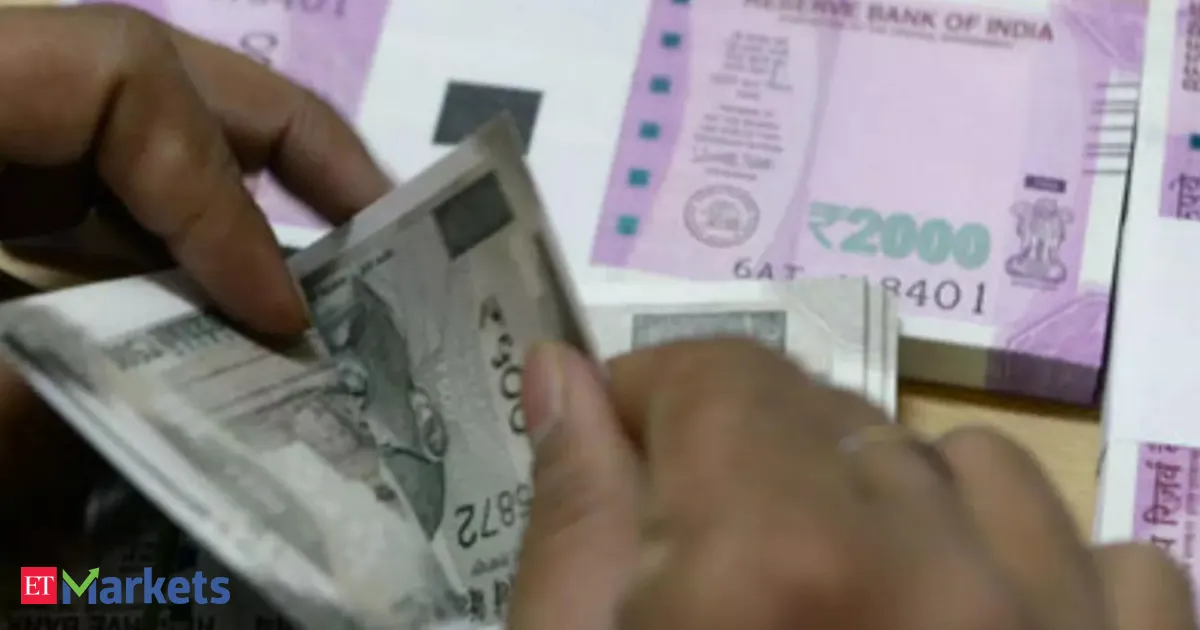
The Indian rupee slid past 95 per dollar, recording its steepest annual fall in 14 years. After a brief early recovery, strong dollar demand from oil companies and importers drove the currency to fresh lows, while RBI intervention helped it end at about 94. The pressure has been especially heavy over the past month.
The Allahabad High Court upheld a maintenance order, ruling that financial hardship cannot be used to dodge a husband’s legal duty to support his wife and children. The court noted that when the wife lacks independent income and carries childcare responsibilities, the responsibility to provide remains non-negotiable.
Follow your favourite sources
Track sources, tags and categories — all in the Beige app.
Indian savers are increasingly shifting money from fixed deposits to equities and mutual funds, signaling a major change in household finance. Lower and more uncertain FD returns, improving access to mutual funds via fintech, and greater comfort with market-linked investing are pushing savers to seek higher long-term growth. The result: a rapid transition from safety-first to returns-focused portfolios.
Bitcoin took a sharp nosedive on Thursday, dragging the broader crypto market as value slid by about $2 trillion. A wave of red spread beyond digital assets, hitting tech stocks and even precious metals. The selloff deepened as investors grew wary over potential shifts in Federal Reserve policy, undercutting risk appetite across markets.
Festive season cheer is flowing to cars and consumer electronics, boosted by demand and GST cuts, with multiple categories hitting record sales. But airlines are noticeably left out as air travel demand struggles. The mismatch points to higher travel costs, pricing pressure, and shifting consumer preferences that are reshaping India’s holiday travel economy.
Jaypee Group’s Manoj Gaur has been arrested by the Enforcement Directorate, accused of allegedly siphoning homebuyers’ money. Once a soaring conglomerate that expanded aggressively and reached dizzying heights in the early 2000s, the company now sits in insolvency. The case highlights how financial missteps can rapidly unravel a large business empire.
Stay informed on the go
Bite-sized news from 100+ trusted sources, right in your pocket.
Alcohol producers in Bengaluru want Karnataka’s government to revisit proposed excise duty rules. They fear an AIB (alcohol-in-beverage) based structure could mirror a European model and worsen pricing outcomes. While the plan reduces pricing slabs, distillers worry duty hikes in lower slabs may raise costs for entry-level products, and are urging moderation.
Myntra, India’s largest online apparel retailer, has started a quick commerce pilot called M-Now in select pockets of Bengaluru. The effort, backed by its belief in Q-comm, aims to deliver fashion in about two hours. While positioned as a trial, Myntra expects faster service to nudge shoppers toward more frequent purchases and intensify competition in online apparel retail.
Jio BlackRock Asset Management is changing its go-to-market strategy less than a year after launch. After initially selling directly and bypassing intermediaries, the JV will now distribute specialized investment funds through distributors, with plans to expand this approach to mutual fund schemes—targeting investors who prefer more guidance before committing capital.
Indian airlines are accelerating direct ticket sales, challenging the long-standing advantage of online travel agents like MakeMyTrip. With the IndiGo and Air India duopoly tightening control over pricing, inventory, and customer funnels, OTAs may see tougher competition. The key question now is whether airlines can convert demand into direct bookings without losing customers to popular travel platforms.
UK immigration data shows Indian nationals top multiple visa extension categories, including sponsored study, skilled worker routes, healthcare, and graduate visas. Analysts say their broad footprint reflects how post-Brexit policy shifts have altered who stays longer in Britain and through which pathways, with Indians extending their presence across both training and work-related routes.
Mad Over Donuts is facing a fresh legal challenge after the Bombay High Court issued notice over its GST treatment, with regulators alleging the company has been charging incorrectly. The dispute raises a wider question for eateries selling packaged foods like cookies, chocolates, and bread: should these items attract 18% GST or a different tax rate?
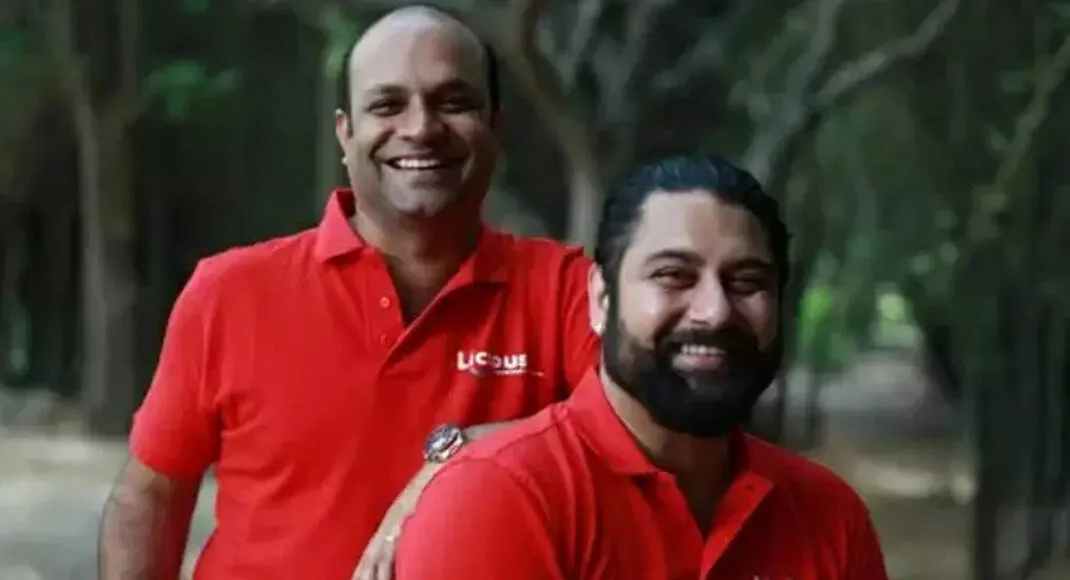
Licious has kicked off its pre IPO plans, bringing in a new CFO and building an omni channel strategy aimed at doubling down on profitability. But the company’s promise of 10 minute deliveries is adding operational pressure, raising questions about margins and scalability even as it positions itself for capital markets investors.
Iran claims the Strait of Hormuz remains open for all, yet tanker traffic has sharply collapsed. Hundreds of vessels are reportedly idling near the Gulf as insurers and shipowners retreat from the conflict zone, driving shipping costs higher. For India, the statement may sound reassuring, but the economic impact is already showing up in logistics and energy supply risks.
ONGC Videsh was created to secure overseas oil assets and reduce India’s reliance on imports. But after six decades, energy self-reliance still feels out of reach. The story highlights how ambitious global sourcing plans can be undermined by evolving markets, shifting strategy, and persistent demand for external supply.
Ahead of NEET UG 2026 on May 3, the NTA has released strict exam-day guidelines and a list of prohibited items, warning that carrying them can lead to disqualification. Candidates must report with a valid admit card and ID for entry, expect extensive frisking, and note that special approvals may be required for medical conditions.
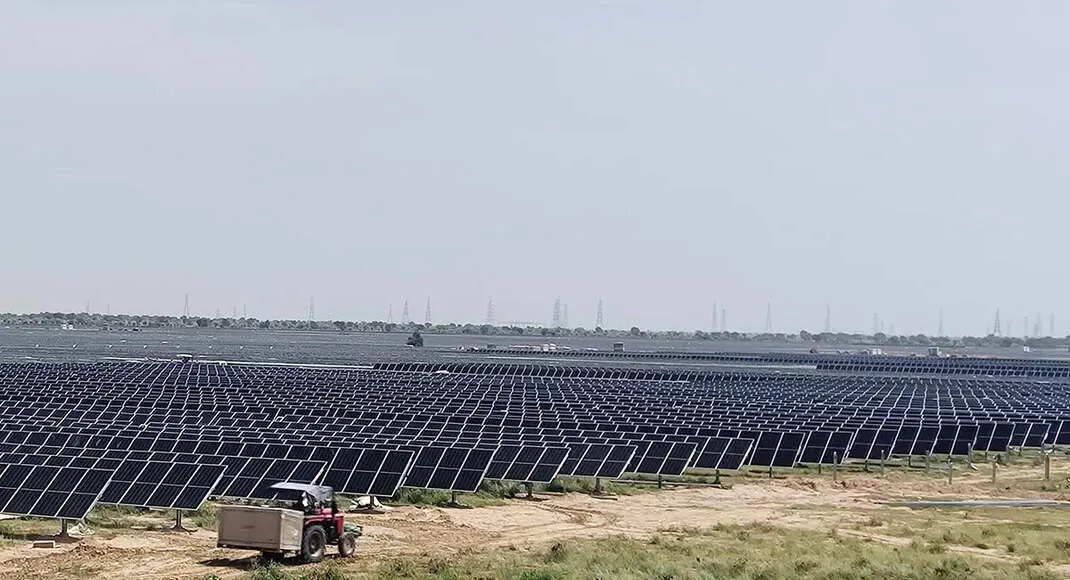
Amazon has emerged as India’s biggest corporate buyer of renewable energy, accelerating with seven utility-scale signups since September 2022. The company is also aiming for 100% renewable electricity globally by 2025. But its rise wasn’t frictionless, as early steps in India’s corporate green power market exposed teething issues even amid rapid expansion.
Indian markets are taking sharp hits even with a strong macro picture, as the rupee weakens and massive FII sell-offs spread panic. The unusual disconnect is linked to AI-driven trade flows and delays in trade deals, amplifying volatility. Analysts suggest 2026 may improve if valuations normalize, reforms accelerate, and rupee stability brings FII interest back.
Ankur Scientific says it has strong growth momentum and is laying out aggressive expansion plans. The bioenergy firm is increasing investment in green hydrogen, advanced biofuels, and carbon capture, while growing its global project pipeline. It is also exploring fresh revenue models, including owning assets, to capture more upside from its energy and decarbonization projects.
Global tech firms have used corporate venture capital to spot startups early, but Indian IT players have often lagged. Now AI-first companies are pulling in big VC money—and even enticing senior IT leaders to launch challenger ventures. The question: can Indian IT build real CVC muscle fast enough to match the pace of AI disruption?
Borosil Renewables is scaling back after its Europe expansion bet faltered following a China-linked disruption. The company has abandoned its European plans and is redirecting focus toward India’s solar opportunity. The shift raises questions on how Borosil timed its global move and what it needs to execute next to rebuild growth and investor confidence.
India’s bond markets are under pressure after the 10-year yield unexpectedly surged above 7 percent, triggering mark to market losses for banks. The move is spilling into rupee dynamics and heightening trader caution around prolonged conflict and sticky inflation. With government security auctions ahead, markets are pricing in more yield pressure as banks prepare for upcoming supply next fiscal year.
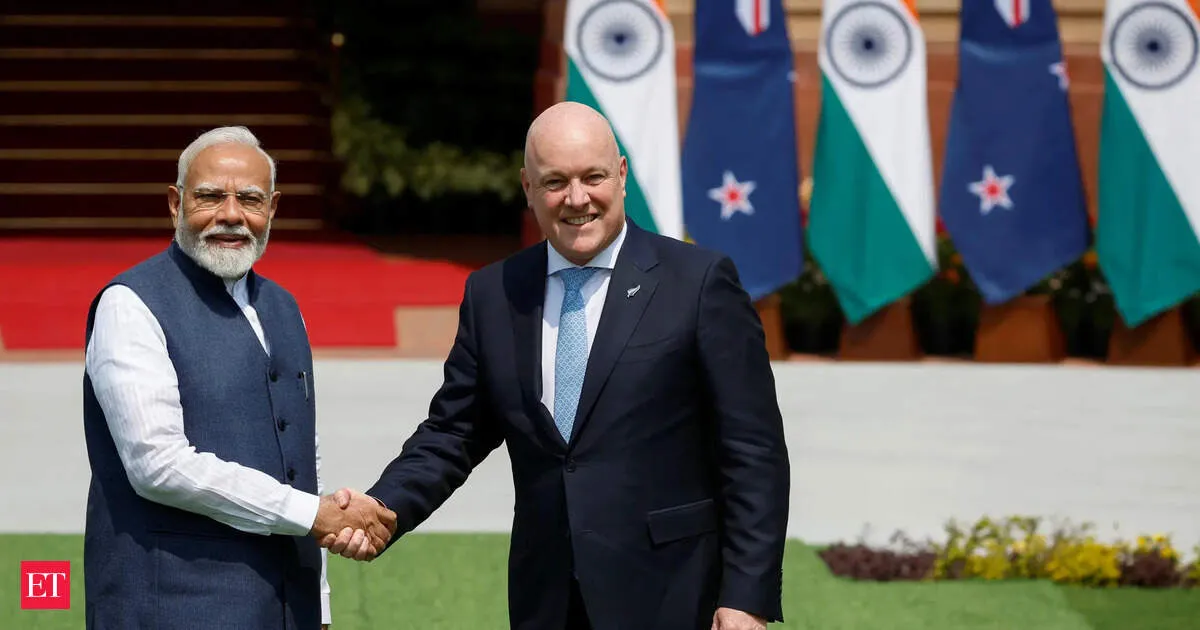
India and New Zealand are set to sign their Free Trade Agreement on Monday, April 27, after negotiations wrapped up last year. The deal is designed to sharply lift bilateral commerce, with both sides aiming to double trade to $5 billion within five years. It is also expected to provide tariff-free access for Indian goods, reshaping market access quickly.
Silver futures climbed 0.82% in today’s trading, rising to Rs 2,53,800 per kilogram. Traders attributed the move to renewed uncertainty over US trade policy, prompting participants to build fresh positions. The strength also showed up overseas, with Comex silver futures recording a similar notable increase.
Since Zomato’s mid-2021 listing ignited India’s startup IPO wave, more than 30 mostly unicorn companies have gone public. Together, they’ve unlocked about USD105 billion in market value over the past four years. ET Prime now tracks who actually benefited the most from this unprecedented value creation—from early stakeholders to public-market entrants.
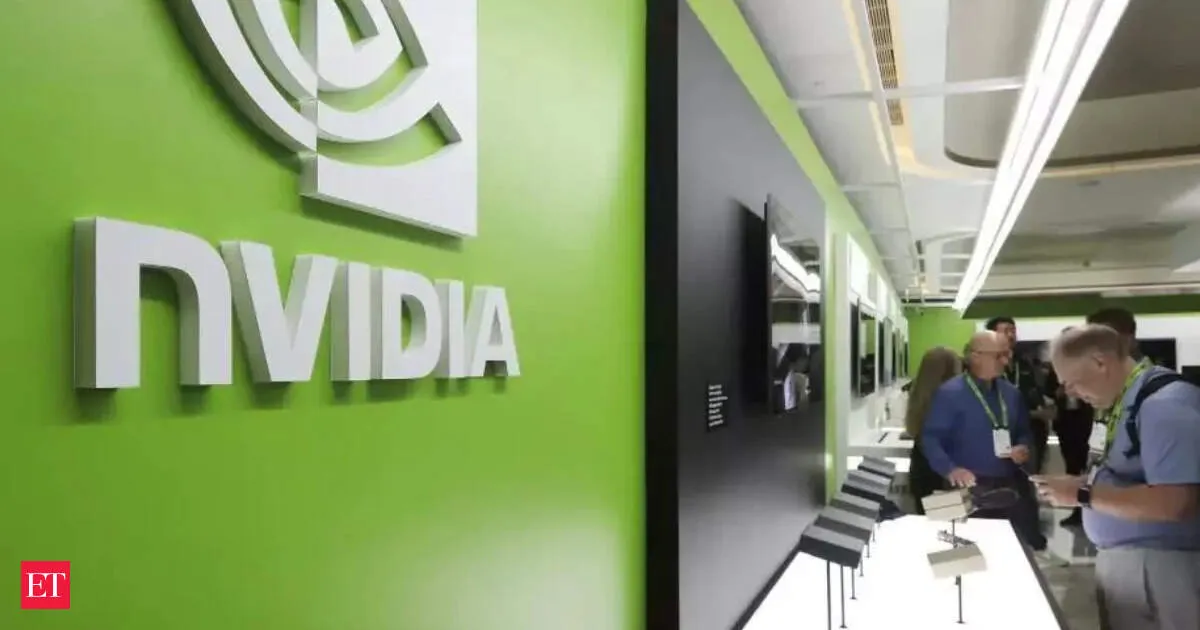
Nvidia has introduced the “Jensen Special Grant” for employees in India, adding an extra 25% to their initial restricted stock units. The benefit vests over four years, with the estimated value calculated in local currency and converted to US dollars using a ₹82.9 per dollar exchange rate.
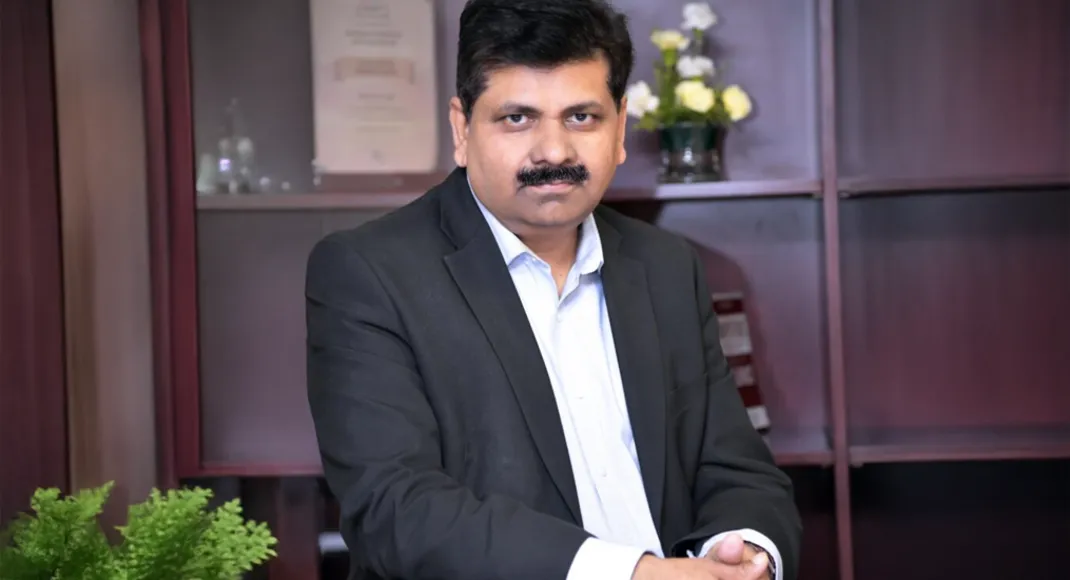
An appellate tribunal has overturned a decisive regulatory action linked to the PFS episode, after vocal independent directors argued the matter was never a simple corporate spat. They claim the “rule of law collapsed” under former management. With calls growing for regulators to appeal, ex-CEO Pawan Singh says the SAT order strengthens confidence in value-based corporate governance.
Nearly two years after a resolution plan by Suraksha Realty was cleared, Jaypee homebuyers say deliveries have barely moved forward. The frustration is now compounded by fresh scrutiny, with enforcement agencies starting probes into allegations of fund diversion. The parallel—slow progress on projects and investigations on money trail—has left buyers with unanswered timelines and rising uncertainty.
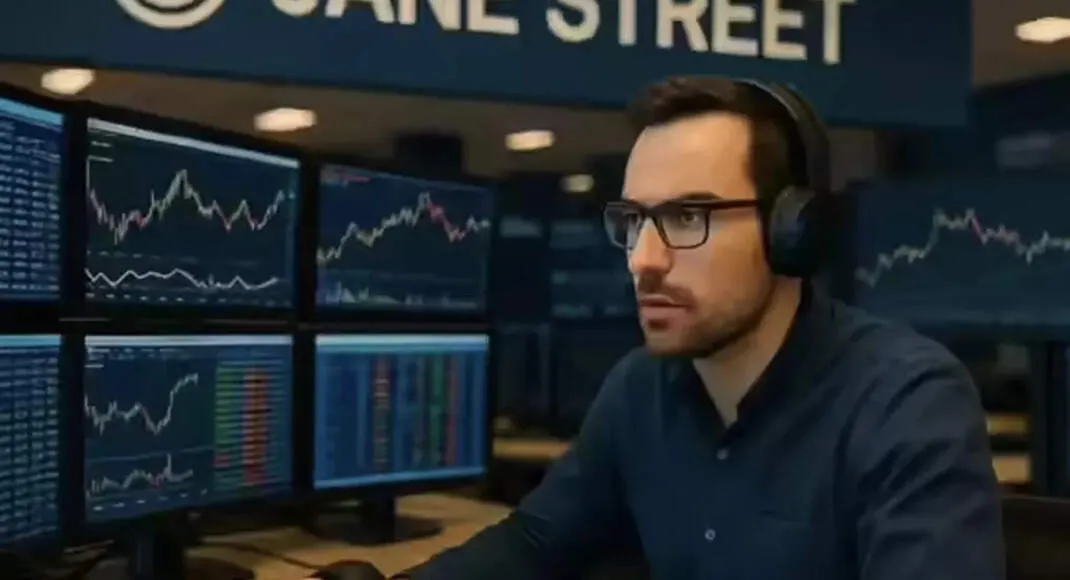
SEBI’s investor protection mechanisms can, in theory, return ill-gotten gains to affected investors. But in the Jane Street index manipulation case, experts warn compensation is not automatic. With only an interim order so far, victims may still need to clear legal and procedural barriers, making any actual payouts uncertain and potentially delayed.
Gold has surged nearly 60% since Akshaya Tritiya 2025, but the path to further gains through 2027 looks tougher. Iran-linked geopolitical risk and shifting interest-rate expectations could cap near-term momentum. Still, long-term support appears stronger, driven by sustained central bank buying and rising global debt, keeping gold positioned as a hedge for uncertain times.
Eternal, Ola Electric, BLS International, Nestle, TAC InfoSec, and Tata Investment were among the top movers on Thursday, with big swings tied to earnings updates, new contracts, and product launches. The mix of results and announcements fueled volatility across D Street as investors repositioned quickly.
Wednesday’s market closed lower as IT stocks weighed on indices, but a handful of counters bucked the trend. Adani Energy Solutions and Websol Energy System stood out among six big movers, climbing on stock-specific triggers while other sectors struggled. Investors watched how earnings, deals, and sentiment reshaped winners and losers on the day’s trade.
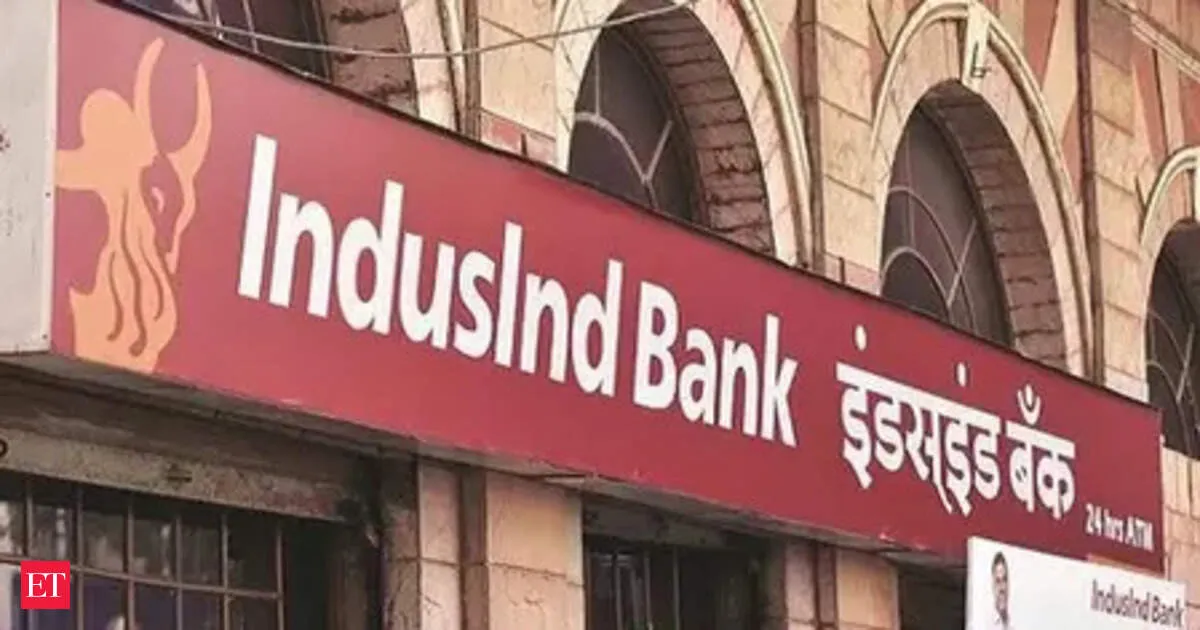
The SFIO has expanded its investigation into IndusInd Bank’s derivatives portfolio, estimating irregularities linked to losses of around ₹2,000 crore. The probe also involves summoning major audit firms that worked with the bank over the past decade, after questioning former officials. Investigators will focus on corporate governance lapses and potential accounting discrepancies.
The Indian rupee fell sharply for the first time in two weeks as oil prices climbed beyond $100 a barrel following US moves affecting Iran port access. Early gains from dollar inflows linked to banks unwinding arbitrage positions faded quickly, leaving the currency exposed to higher import-cost pressure.
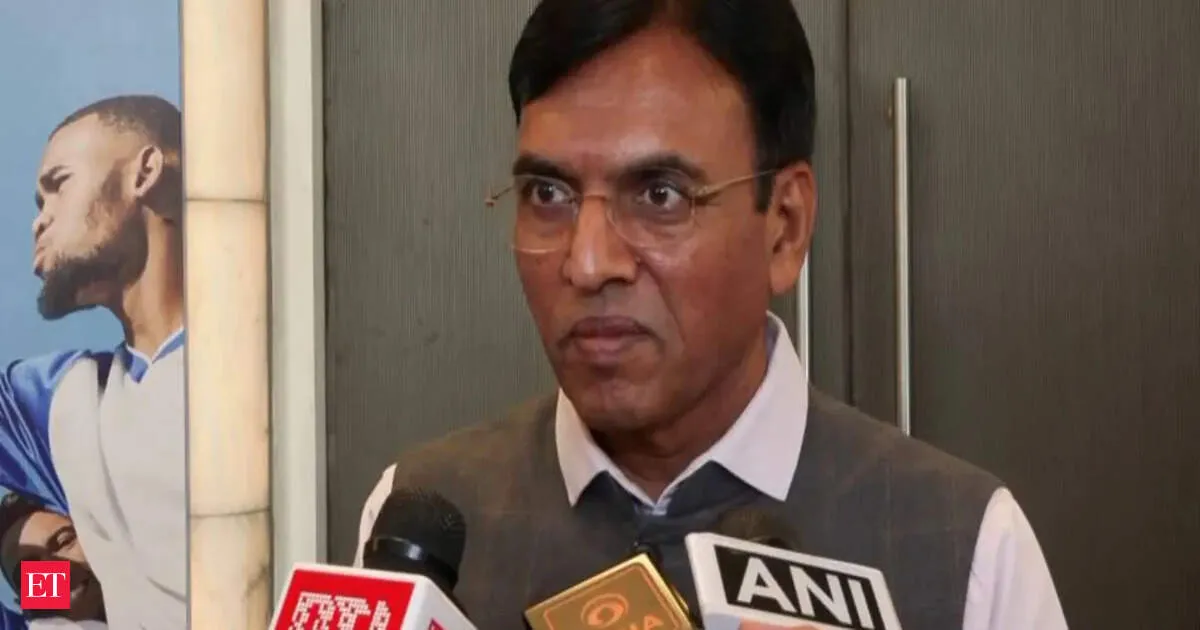
Sports Minister Mansukh Mandaviya says India could become a global sporting powerhouse, aiming for a top-10 ranking by 2036 and a top-five position by 2047. He credits the government’s youth-focused push through initiatives like Fit India and Khelo India, arguing these programs will expand participation, training, and opportunities for upcoming athletes.
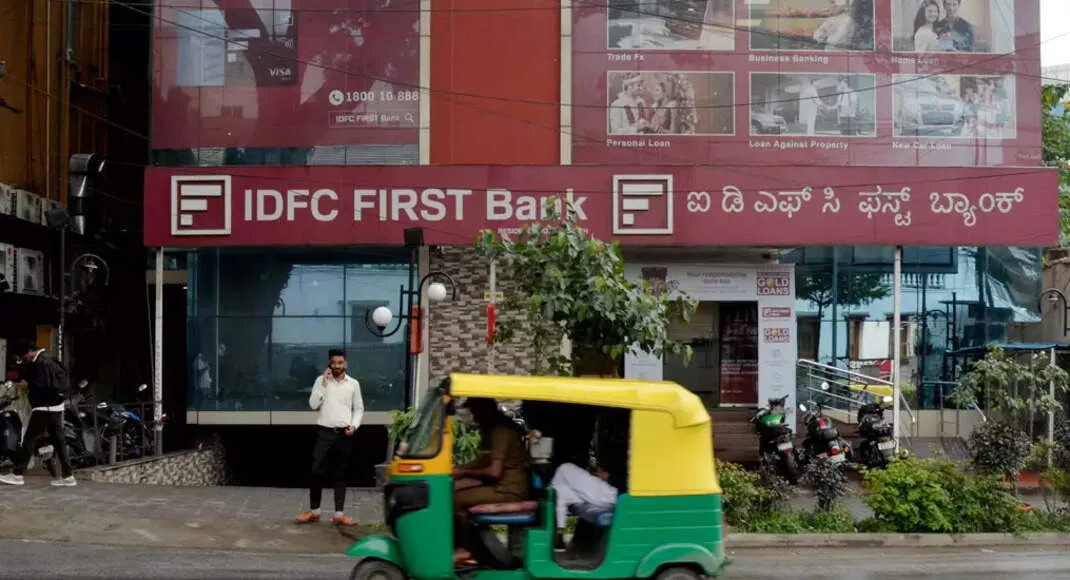
IDFC First Bank will raise INR 7,500 crore through compulsorily convertible preference shares (CCPS) rather than issuing fresh equity. Because CCPS convert into shares at a later date, the bank postpones dilution for existing shareholders. The move highlights how financing structure can shift the timing of shareholder impact while still securing new capital.
New workplace rules will force offices to decongest, limiting occupancy to about 30–40% of staff. With recession fears looming and work-from-home likely to remain, many companies are unlikely to fund bigger office spaces. That leaves landlords bracing for falling demand in the next two to three quarters.
The ED says an Amtek group company trapped foreign investors by forcing Foreign Currency Convertible Bond holders to convert into equity at artificially rigged prices. The agency claims the manipulation was enabled through siphoned loan funds, effectively steering conversions to benefit insiders while leaving investors exposed. Authorities are treating the episode as a major alleged fraud linked to INR 1000 crore-scale wrongdoing.
Swipe through stories, personalise your feed, and save articles for later — all on the app.