





























Stories from earlier this week and beyond.
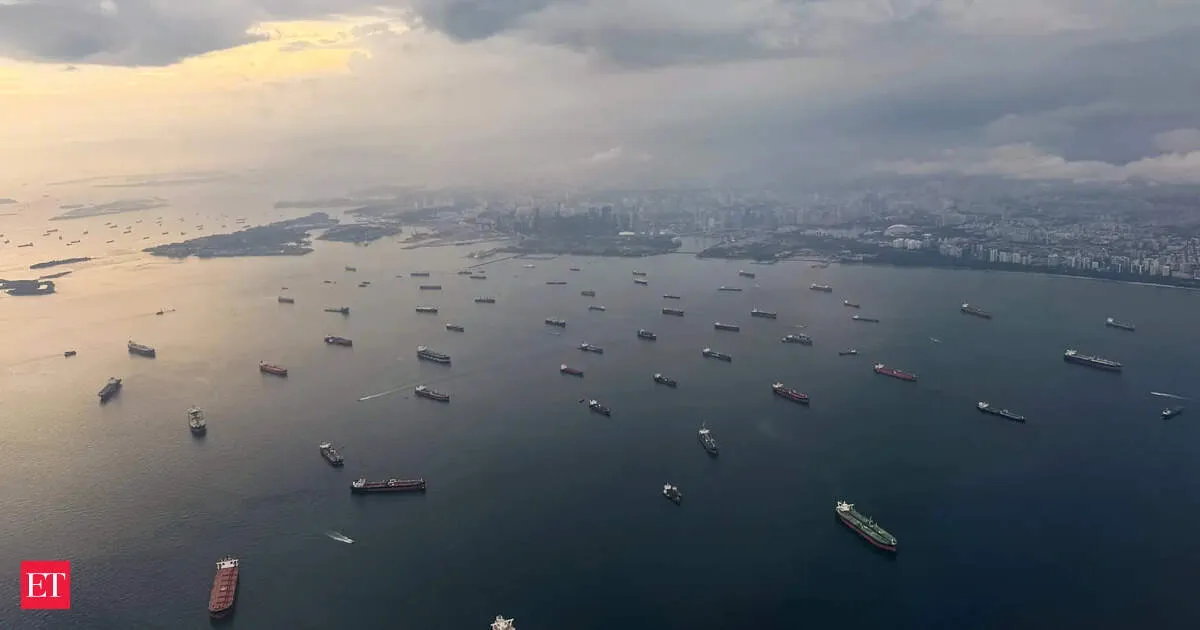
Asia-Pacific governments are tightening fuel subsidies and imposing restrictions as Middle East conflict strains energy supplies longer than expected. To cushion the blow, countries are diversifying energy sources and drawing down reserves, but officials warn the situation could deteriorate. If disruptions persist, the region faces risks to economic stability and even food security.
A viral video from a daycare in Yogyakarta has sparked outrage in Indonesia after allegations claimed systematic abuse of 53 toddlers, including tying and drugging. Authorities launched a criminal investigation, arrested 13 people connected to the center, and shuttered and sealed the Little Aresha daycare. The case has intensified calls for stronger child safety oversight.
Your news, in seconds
Get the Beige app — every story in 60 words, updated hourly. Free on iOS & Android.
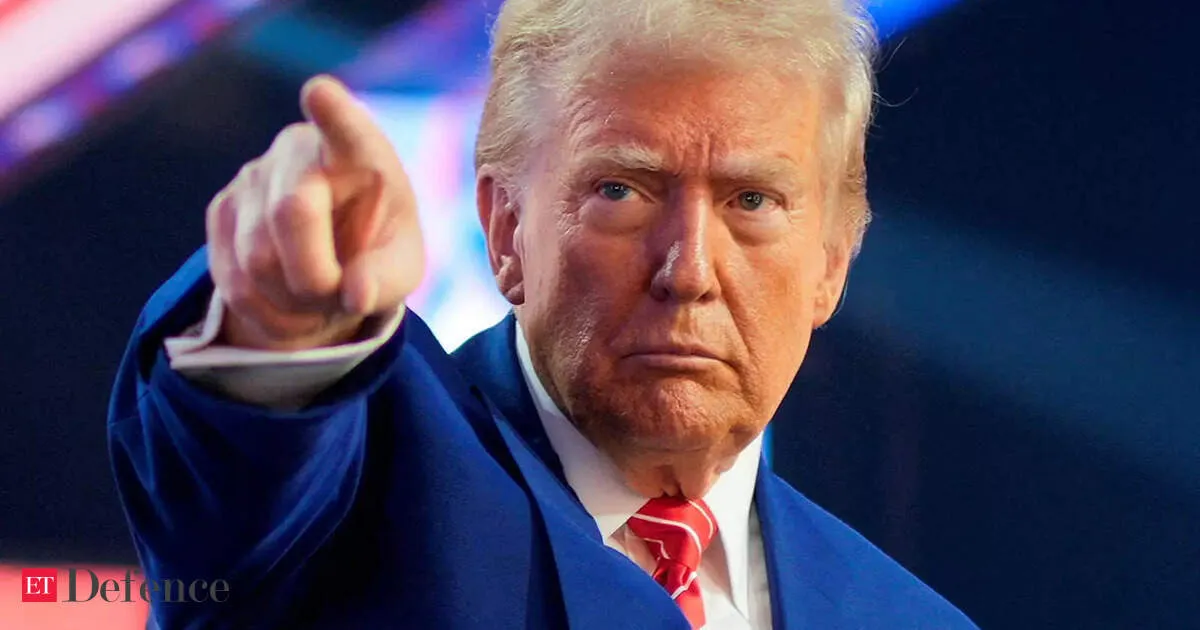
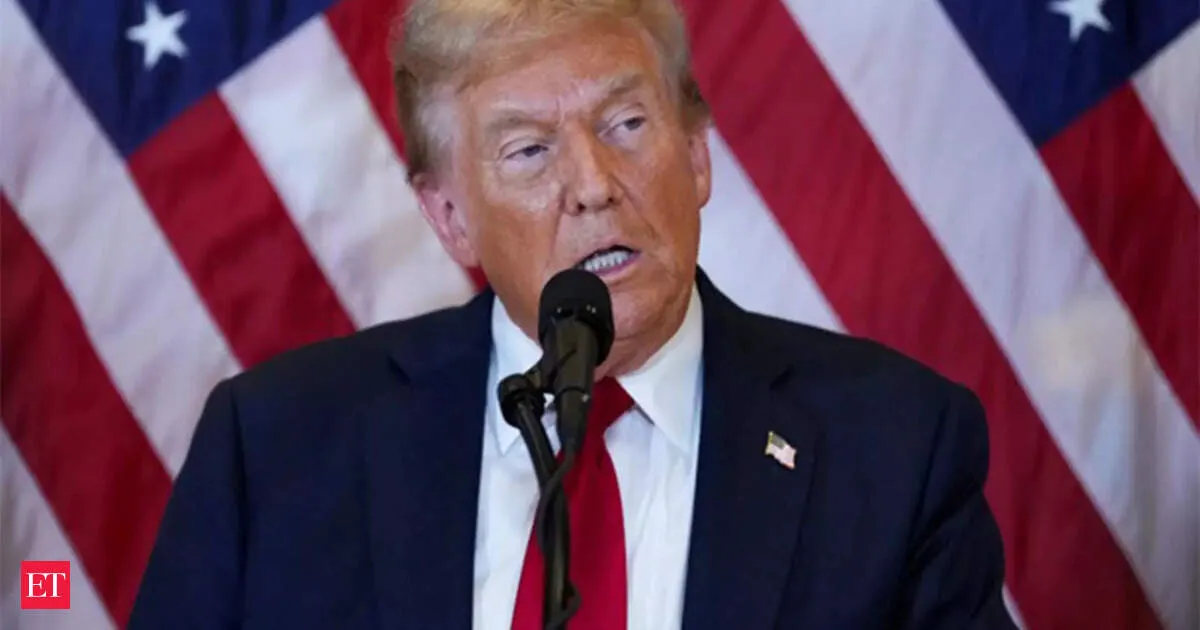
Gunfire outside the White House Correspondents’ Dinner triggered evacuations and sent a viral conspiracy question across social media: whether Donald Trump staged an assassination attempt. Despite the rapid online spread and millions of views, fact-checkers say there’s no evidence supporting the claim. Experts point to political tensions, war anxieties, and platform incentives that help misinformation travel fast.
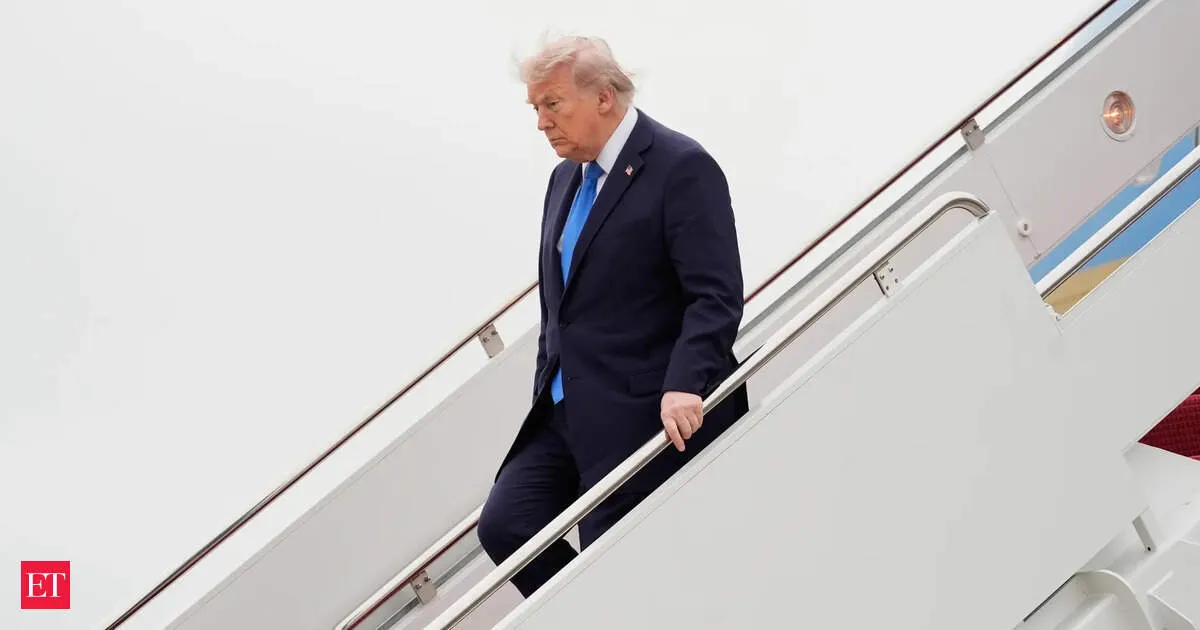
After a foiled attack at the White House Correspondents' Dinner, a senior official has called a meeting with the Secret Service and DHS to reassess President Trump’s security. The episode has also put the presidential line of succession under a sharper spotlight, sparking debate over whether the president and vice president should attend the same public events.
Bohrdom, a 2018 indie game on Steam, has drawn sudden viral attention after online reports claimed a connection to the WHCD shooting suspect Cole Tomas Allen. Following the April 25 incident, reviews, forum threads, and social media posts surged as users dug into the game’s gameplay, developer background, and community reactions.
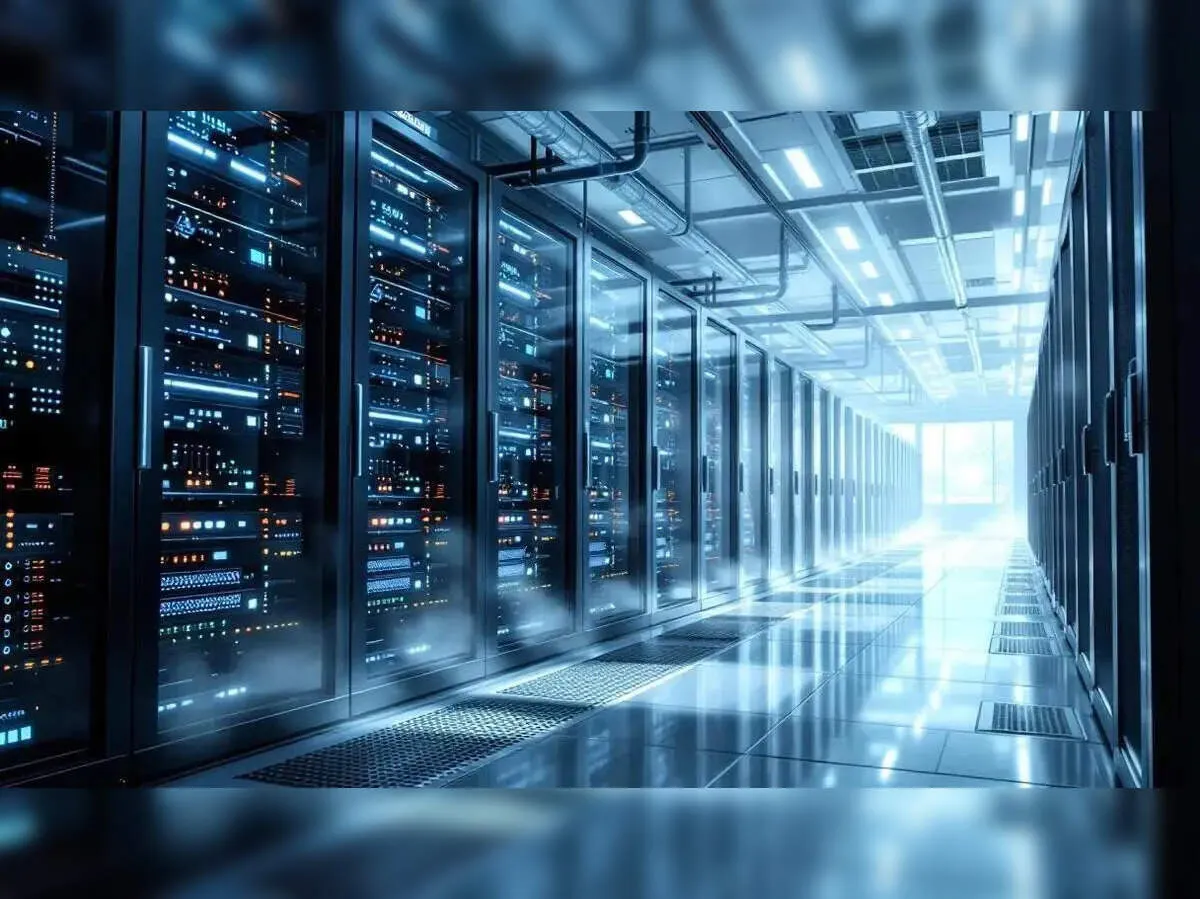
Nvidia’s B200 GPUs are getting cheaper in IndiaAI Mission tenders, with reported prices falling about 10% after compute service providers bid aggressively. The shift could make advanced AI infrastructure more affordable domestically, but some executives worry the pricing may not hold long-term as global costs climb and the rupee weakens.
Never miss a story
Set alerts for the topics and sources you care about. Download Beige for free.
Vedanta’s stock fell after it announced a demerger into five separate listed entities to narrow the conglomerate discount. Investors who want the potential upside need to buy shares by April 29. Analysts expect the split to unlock valuation, projecting a combined post-demerger increase of about 14%.
Anthropic’s new AI model Mythos appears to reduce the gap between finding and exploiting software vulnerabilities, effectively compressing the “kill zone” for attackers and defenders alike. With many Indian companies running slower patch cycles, the risk rises as AI-driven exploitation becomes faster and more widely usable—pushing security teams toward continuous, machine-speed patching instead of periodic fixes.
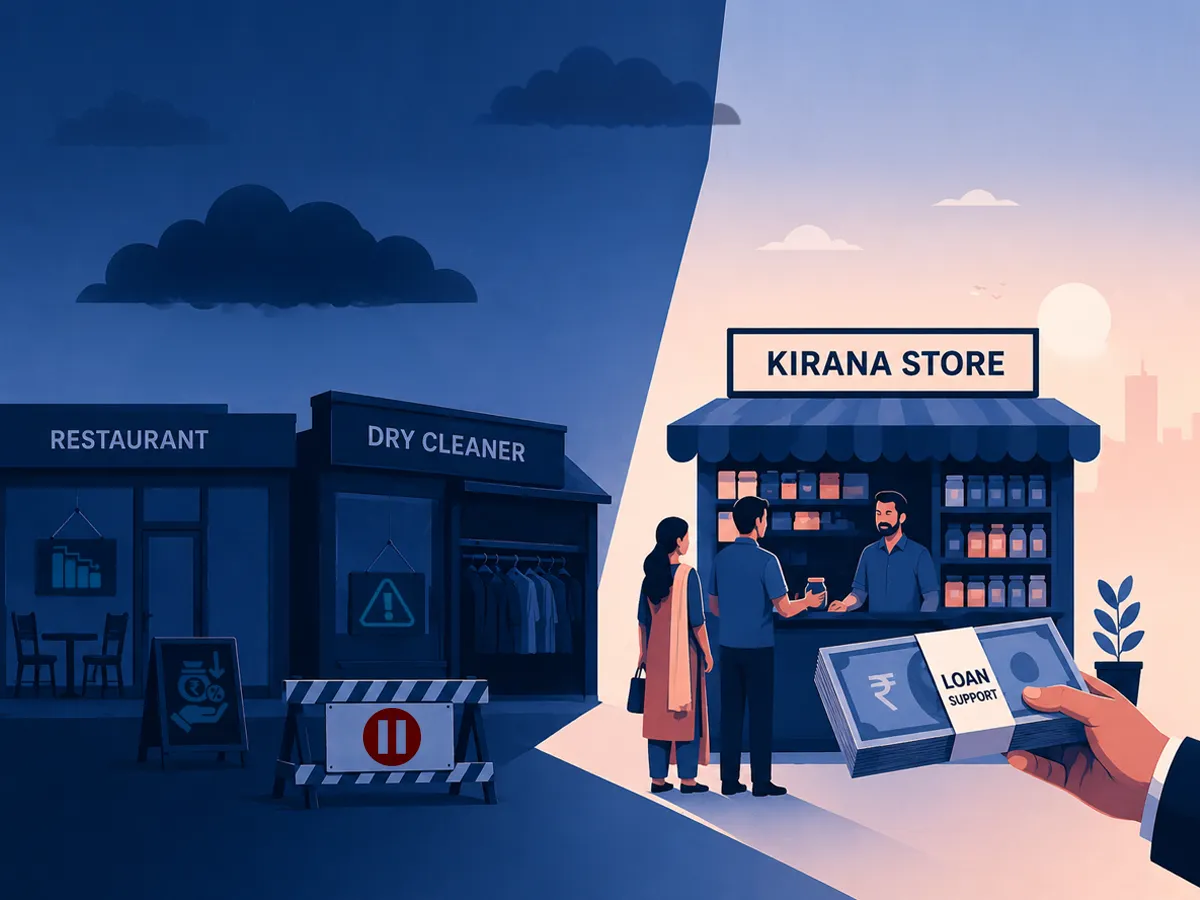
Digital lenders are moving to a cautious stance on credit for small businesses such as restaurants and petrol pumps. The shift comes after West Asia disruptions pushed up costs across multiple sectors, leaving lenders to watch for early stress. While repayments are currently holding, unsecured loan underwriting is being tightened as repayment pressure could surface later.
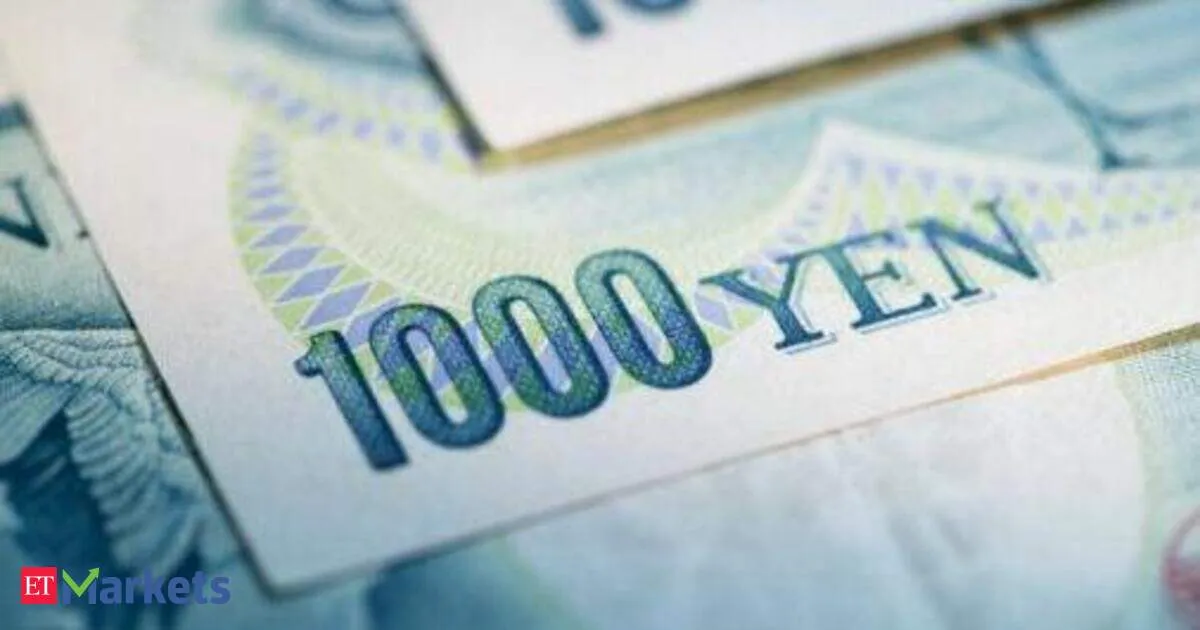
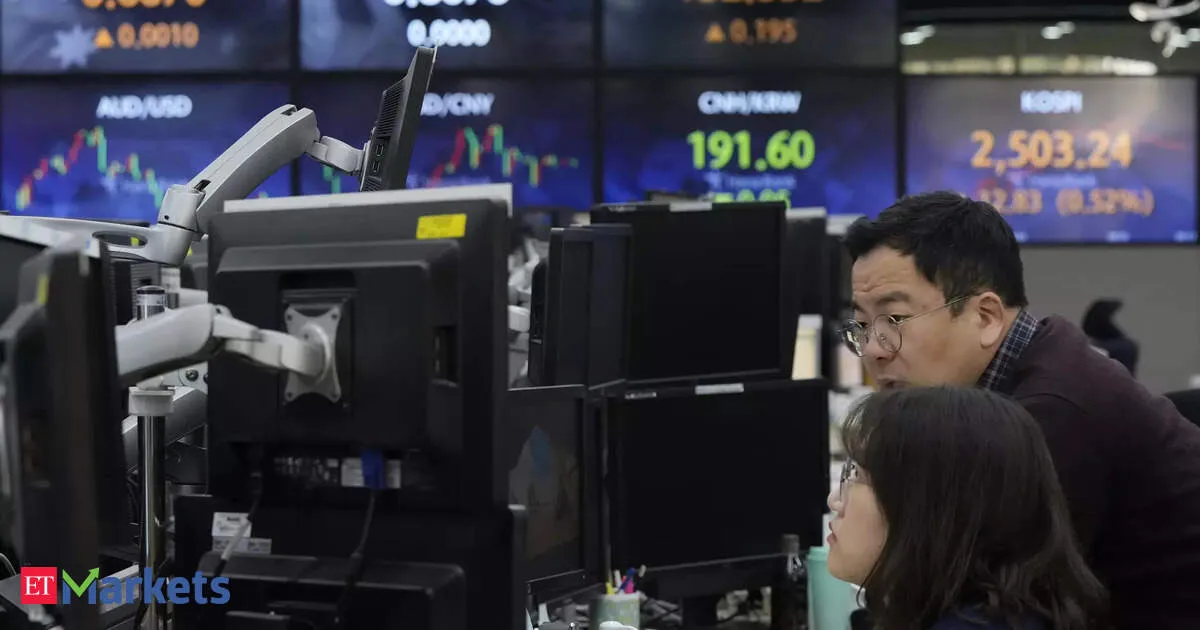
The Japanese yen stayed steady as investors waited for the Bank of Japan’s policy decision. With major central banks like the US Federal Reserve also set to meet, traders are watching closely for signals on rates. Uncertainty over how the Iran war could affect inflation and growth is keeping policymakers cautious, while Japan’s finance minister warned speculators about currency volatility.
Reading on mobile?
Open Beige in the app for a smoother experience — free on iOS and Android.
Big tech and startups are building orbital data centers to run AI-driven processing in space, using an edge-computing model that reduces latency and energy consumption. Instead of sending everything down to Earth, satellites can prioritize high-value data and transmit it selectively, improving autonomy and enabling faster insights for defense and climate monitoring.
Indian markets ended higher Monday, with Nifty up 0.8% after a steady session. But analysts warn bears could reassert pressure at the open, as global cues and Gift Nifty suggest volatility ahead. Attention turns to renewable energy and metals, alongside potential summer-demand beneficiaries. Traders are watching key levels closely for direction.
Oil prices rose as U.S. officials said President Donald Trump is unhappy with a fresh Iranian proposal to end the conflict. Iranian sources say the plan delays addressing Tehran’s nuclear program until hostilities stop and resolves Gulf shipping disputes. With key sticking points left unresolved, traders are pricing in prolonged risk to energy supplies.
The Government of India has opened nominations for the Pradhan Mantri Rashtriya Bal Puraskar (PMRBP), a national honour for children aged 5–18. The award recognizes achievements in bravery, sports, social service, science and technology, environment, and arts and culture. Nominations can be filed only via awards.gov.in, with a deadline of 31 July 2026.
Follow your favourite sources
Track sources, tags and categories — all in the Beige app.
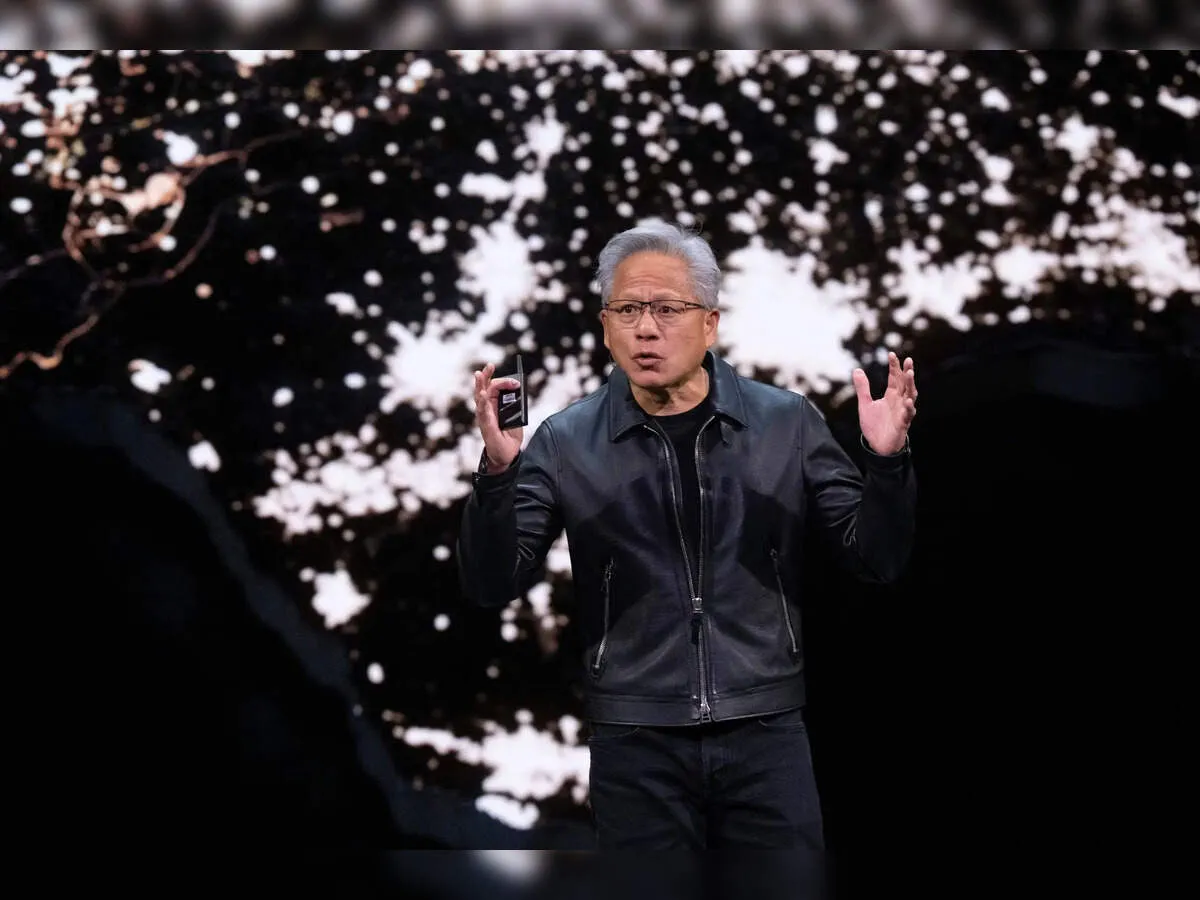
Nvidia CEO Jensen Huang is pushing back amid a fast-fragmenting AI chip market, defending the company’s China sales. As hyperscalers and AI labs increasingly design custom in-house chips, Nvidia’s once dominant position faces pressure. New competitors are also racing for leadership, making the next AI hardware cycle more contested than ever.
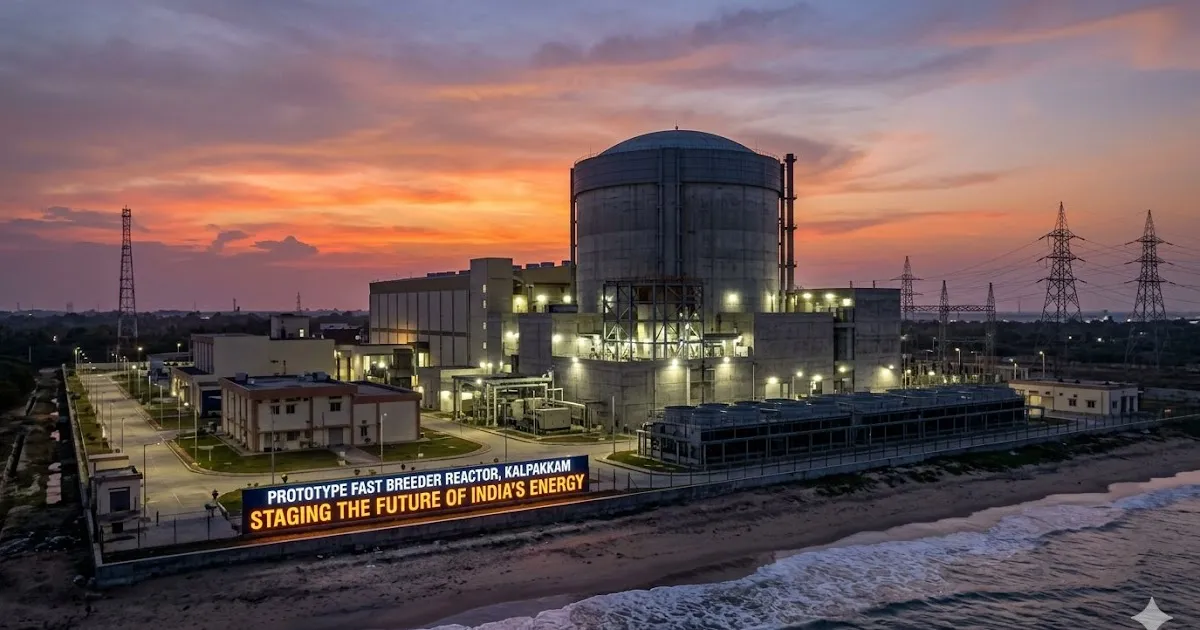
India’s Prototype Fast Breeder Reactor at Kalpakkam reached first criticality on April 6, 2026, placing it alongside Russia as the second country to operate a commercial-level fast breeder reactor. The milestone begins Stage II of India’s three-stage nuclear plan, using MOX fuel to breed more fuel than it consumes and paving the way for a thorium-driven future.
Microsoft and OpenAI have overhauled their partnership terms, reducing exclusivity and giving OpenAI room to broaden ChatGPT across competing cloud platforms. Microsoft says the update keeps OpenAI’s commitment to use Azure in place, but adds flexibility to expand enterprise offerings. The shift signals a major rewrite of how OpenAI scales with multiple infrastructure partners.
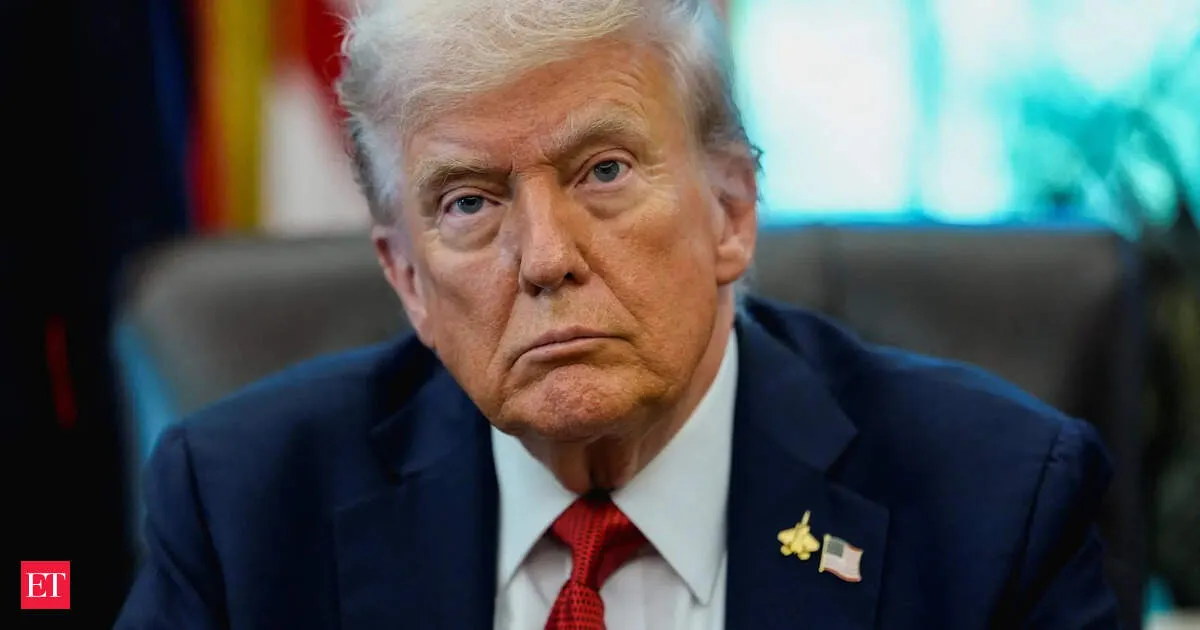
President Donald Trump is reportedly dissatisfied with Iran’s truce proposal after it suggested postponing talks on Tehran’s nuclear program until the current conflict ends. Washington, by contrast, wants nuclear issues addressed from the outset. The move also follows diminished hopes for diplomacy after a U.S. envoy’s visit to Pakistan was cancelled.
Stay informed on the go
Bite-sized news from 100+ trusted sources, right in your pocket.
DFS has reportedly started seeking data from banks on war hit small and medium enterprises, asking for details on specific sectors affected. People familiar with the matter say banks are being asked about industries such as Morbi based ceramics and restaurants that were hit by LPG shortages, to map the scale of disruption and guide next steps.
Indian markets rebounded on Monday, snapping a recent losing streak. The Nifty reclaimed its short-term moving average near 23,950, with analysts watching whether it can sustain the level to push toward 24,600–24,800. Investors are also tracking Q4 updates and company-specific developments, with Maruti Suzuki, Coal India, Trent, and Adani Total Gas in focus.
Asian shares are holding near recent peaks, with markets focused on shifting risks in the Middle East and upcoming central bank policy decisions. Adding pressure and opportunity, major technology firms are set to report earnings, which many expect could meaningfully move global benchmarks. Meanwhile, crude oil has dipped slightly, adding a softer tone to inflation-linked expectations.
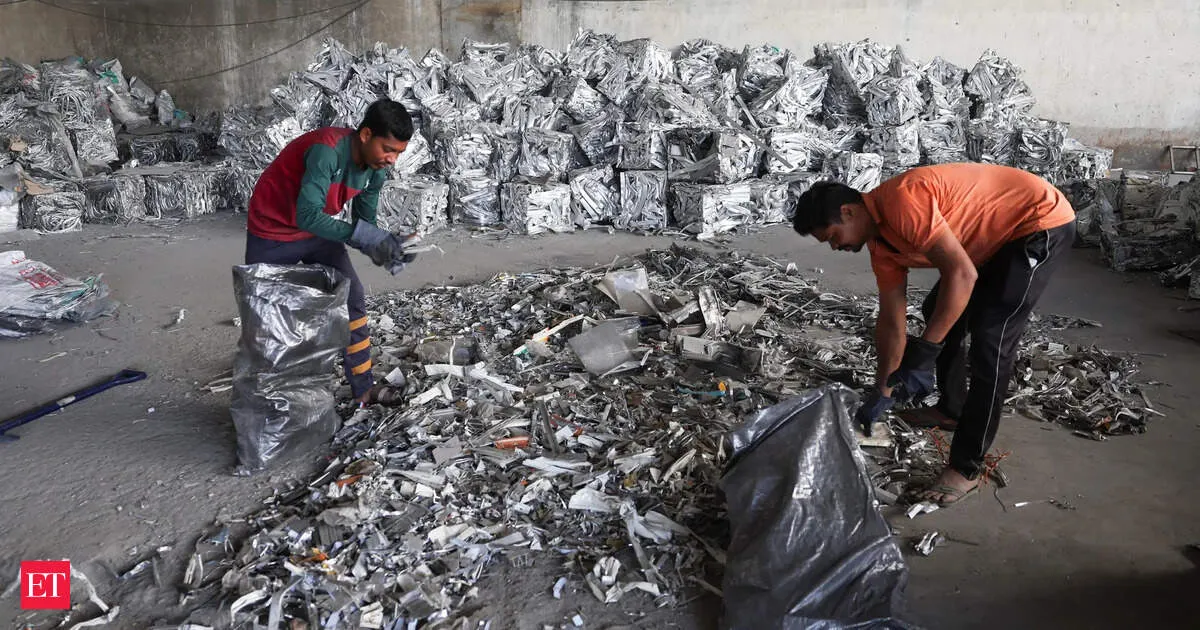
India has launched an investigation into imports of aluminium wire from Malaysia, triggered by the impending expiry of existing import duties in September. Indian firms have asked the government to reassess whether the protections should continue. The late Monday announcement signals a potential shift in how future trade terms for this metal product are set.
After a strong start to the year, IPO activity on D-Street has slowed sharply as dozens of firms postpone debuts. Volatile investor sentiment and geopolitical risks have pressured valuations, while a key sticking point remains valuation mismatch between issuers and investors. Markets may improve in June, but only if global stability returns and pricing gaps close.
Kotak Mahindra Asset Management has filed an appeal in the Supreme Court against a Securities Appellate Tribunal order in the Essel Group case. SAT upheld SEBI’s findings that Kotak made regulatory lapses and delayed payouts tied to six fixed maturity plans, but it set aside the regulator’s fee disgorgement order.
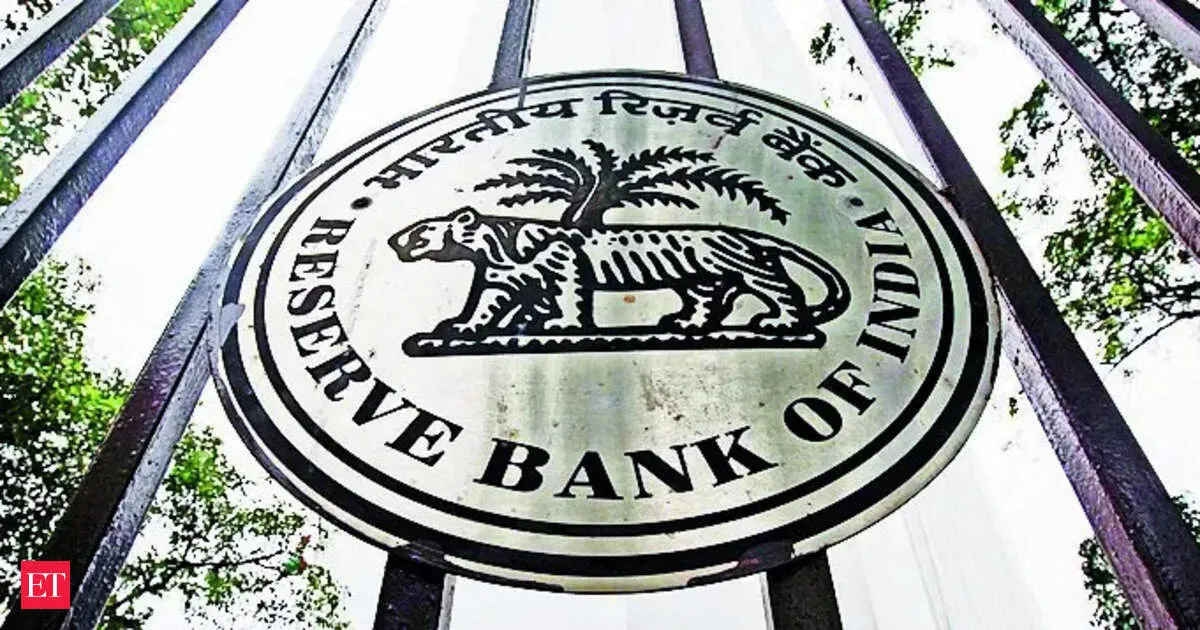
The Reserve Bank of India will extend oversight to offshore rupee derivative activity by requiring authorized dealers to report over the counter FX contracts, including deliverable and non deliverable types. The change is meant to improve price discovery and reduce volatility. Implementation will be phased, starting July 2027, giving banks time to adjust their reporting systems.
TRAI has opened a consultation on proliferating public Wi-Fi networks in India, inviting stakeholder comments by May 25 and counter-comments by June 8, 2026. The draft focuses on boosting deployment, usability, security, and viable business models, while weighing global best practices against India’s challenges like high leased-line costs and strict authentication requirements.
Axis Bank shares slid about 3% even as 94% of analysts kept a buy rating. Strong loan growth and improved asset quality were offset by a sharp rise in provisions tied to the West Asia conflict, pushing up credit costs. Management chose a cautious path to strengthen buffers, which weighed on near-term performance despite the positive longer-term outlook.
In Q4 2025-26, Indian banks saw trading losses surge as rising interest rates and forex market corrections weighed on profitability. With Iran-related uncertainty clouding the outlook, lenders are turning cautious, prioritizing portfolio protection over expansion. Credit growth is expected to slow further as treasury income remains under pressure and risk appetite tightens.
Indian markets snapped a three-day losing streak, rising 0.8% as sentiment improved across Asia. Buying returned in large caps such as Reliance Industries and Sun Pharmaceuticals, with all sectoral indices closing higher. India VIX eased, signaling lower perceived risk, even as foreign investors sold and domestic institutions picked up shares amid an Iran crisis still unresolved.
Netflix’s Jamtara looked like phishing past. Now Indian digital lenders are facing a faster, AI-driven threat: synthetic identities that pass KYC, match income patterns, and mimic real history. One lender received 1,400 applications in a weekend—only to discover the first 38 were fraudulent and accounts were emptied. Experts warn fraud detection must move upstream into underwriting.
Amazon is ramping up its quick-commerce push in India, planning to roll out Amazon Now across 100 cities and create 1,000+ micro-fulfillment centres with an investment of over Rs 2,800 crore. The service targets “minutes” delivery for groceries and essentials, backed by dense logistics, improved worker support, and direct fresh produce sourcing via thousands of farmers.
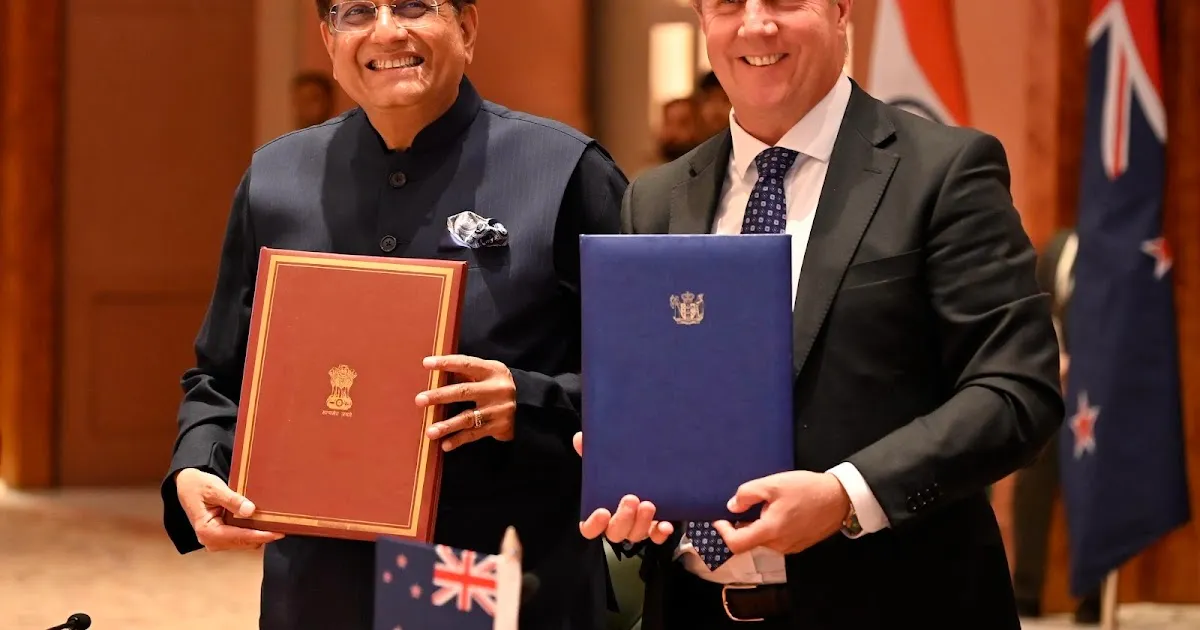
India and New Zealand have signed a landmark Free Trade Agreement that wipes tariffs, secures about USD 20 billion in investment, and deepens cooperation across services and trade. For the first time, the pact includes a dedicated Health and Traditional Medicine Services chapter, recognizing India’s AYUSH systems alongside Maori health practices, while also paving the way for faster organic exports and wider zero-duty sector access.
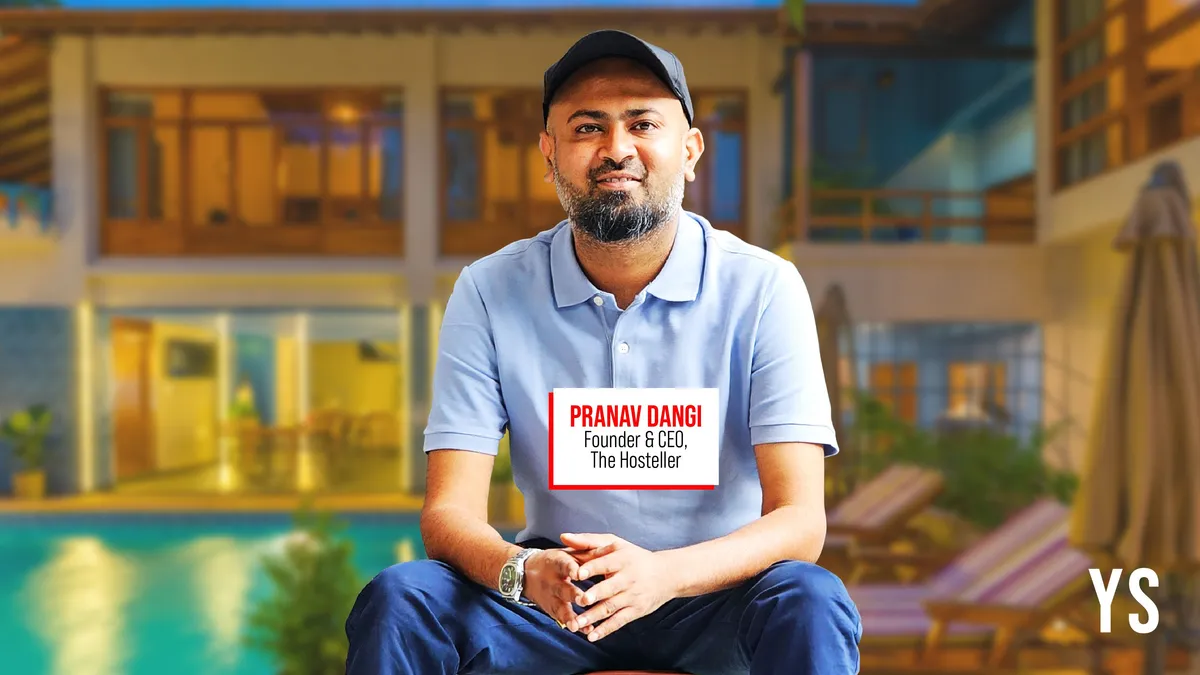
The Hosteller founder and CEO Pranav Dangi says backpacker hostels are poised to become the default stay for Indians aged 18 to 40 within five years. After raising Rs 150 crore to expand, the company is standardising everything from cleanliness and SOPs to 100% CCTV and plans like an SOS button at bunk level—aiming for “no-stress” stays across 75 properties.
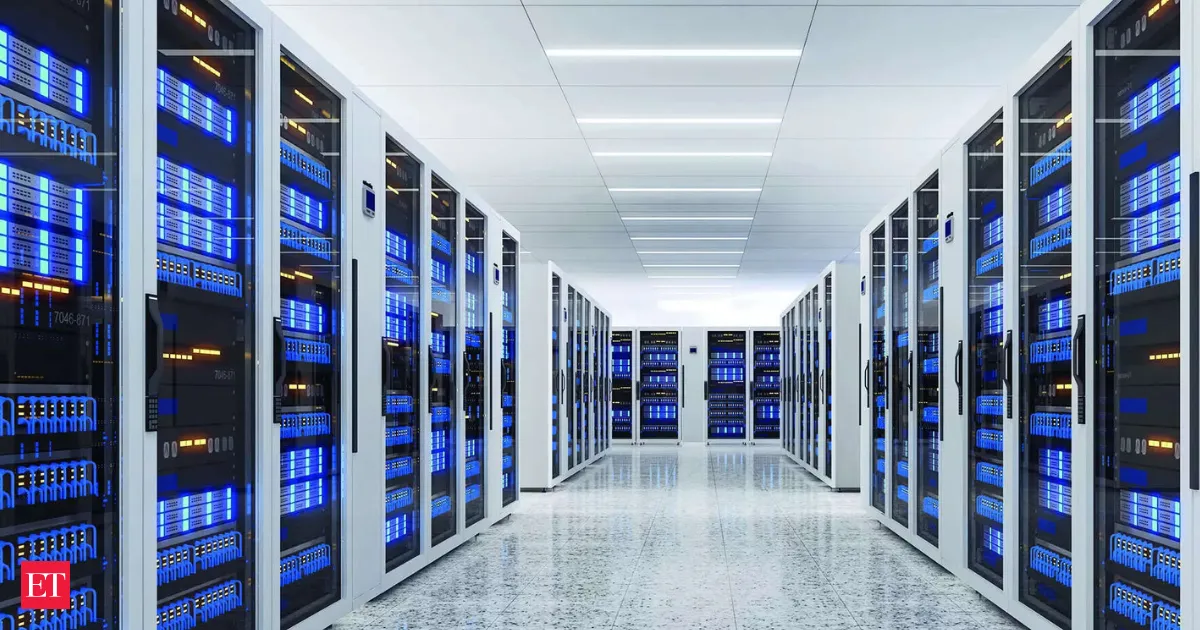
Reliance Industries plans to invest ₹1.6 lakh crore to build a 1.5 GW AI-focused data centre cluster in Visakhapatnam, Andhra Pradesh, supported by captive solar and battery storage. The phased project aims to outscale Google’s 1 GW facility in the region, with 500 MW expected to go live by October 2028 and the full 1.5 GW later by 2030.
The US is reviewing an Iranian proposal aimed at ending the war and reopening the Strait of Hormuz, with talks shifting to remote channels after canceled meetings in Pakistan. The offer would delay nuclear negotiations until later stages, as White House officials weigh options. Meanwhile, fighting in Lebanon and rising diplomatic tensions amplify pressure from disrupted shipping and oil price swings impacting the global economy.
Oil prices are rising while gold falls as Middle East tensions disrupt shipping and limit flows through the Strait of Hormuz. Gold is slipping as investors focus on upcoming central bank guidance, inflation signals, and economic data. With global stocks edging up, traders now look to inflation, interest rates, earnings, and diplomacy to predict whether Brent and WTI keep climbing or swing wildly.
Pop star Taylor Swift has filed new trademarks covering her voice and performing image, alongside specific spoken phrases. The filing comes as AI deepfakes and misuse of celebrity likenesses spread, raising the stakes for impersonation and unauthorized content. Swift’s move aims to add an extra legal layer against exploitation—potentially even before misuse escalates further.
A third assassination attempt against Donald Trump in less than two years has reignited alarms about presidential security. The incident raises difficult questions about how to keep high-profile public-facing events running while reducing risk for the U.S. president and those around him, with major gatherings reportedly under threat as authorities respond to the renewed danger.
The RBI has finalised new risk weight norms for certain retail loans. To qualify, lenders must extend credit to individuals or small businesses with turnover up to ₹500 crore, keeping loans within a ₹10 crore exposure cap per borrower. The loans must also be part of a diversified portfolio where no borrower exceeds 0.2% exposure, and the products must be standard retail categories.
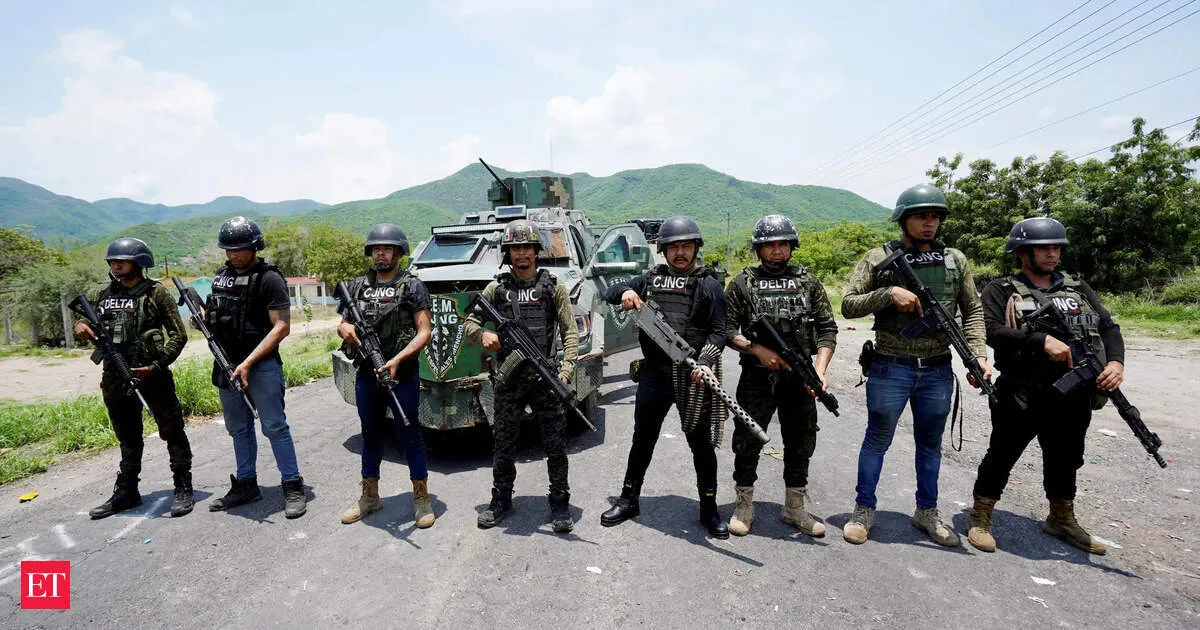
Mexican authorities arrested Audias Flores, known as El Jardinero, in Nayarit. Officials describe him as a major commander of the Jalisco New Generation Cartel (CJNG) who worked closely with CJNG leader El Mencho. The move is part of a broader crackdown targeting cartel leadership networks and operations across western Mexico, aimed at disrupting command and logistics.
The RBI plans to overhaul expected credit loss provisioning by introducing a staging framework for classifying assets under the ECL approach, moving away from the current incurred-loss based model. The central bank also clarified it will keep the existing 90 day overdue threshold for identifying non-performing assets, easing fears of a full rewrite of NPA rules.
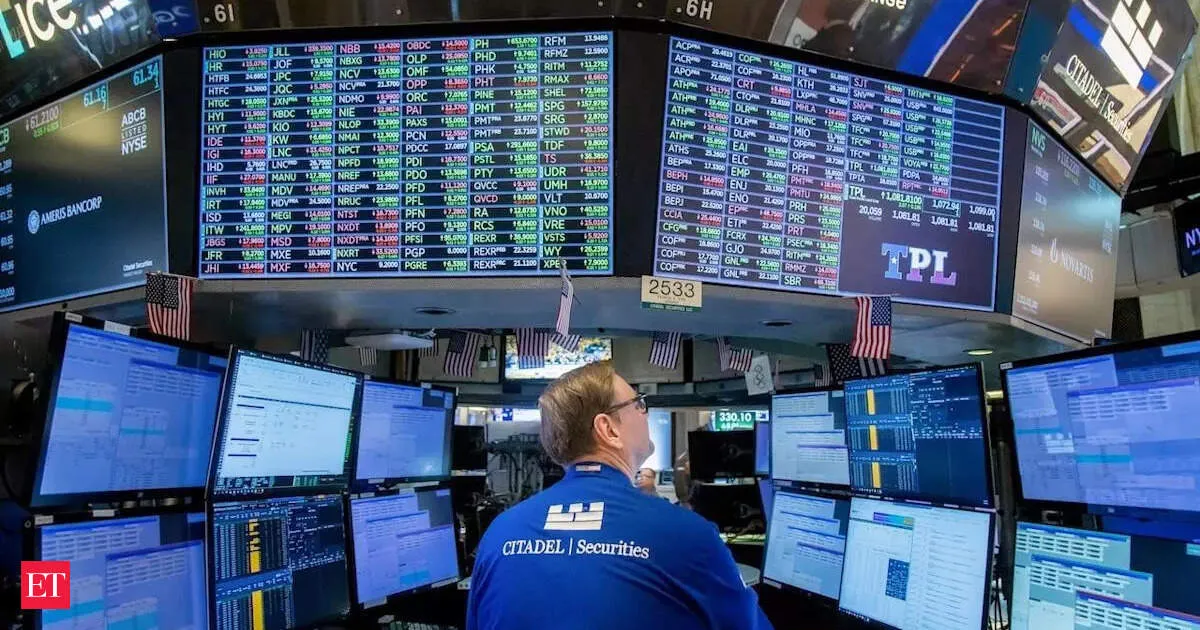
US stocks closed mixed as the S&P 500 and Nasdaq climbed but the Dow Jones dropped. Traders weighed this earnings week’s results alongside oil prices and Iran-related geopolitical risks, while watching the Federal Reserve outlook. Verizon jumped on strong subscriber gains, Domino’s slid after weak sales, and Nvidia rallied again, keeping tech in focus even as broader sentiment softened.
Groww and Angel One have shared a fresh investor pitch that blends equity funding with leverage. The core idea: secure a loan and use it to buy more stock as the firms push growth in brokerage and related financial services. The move signals a sharper capital strategy as competition and regulation intensify, and investors weigh risk against speed.
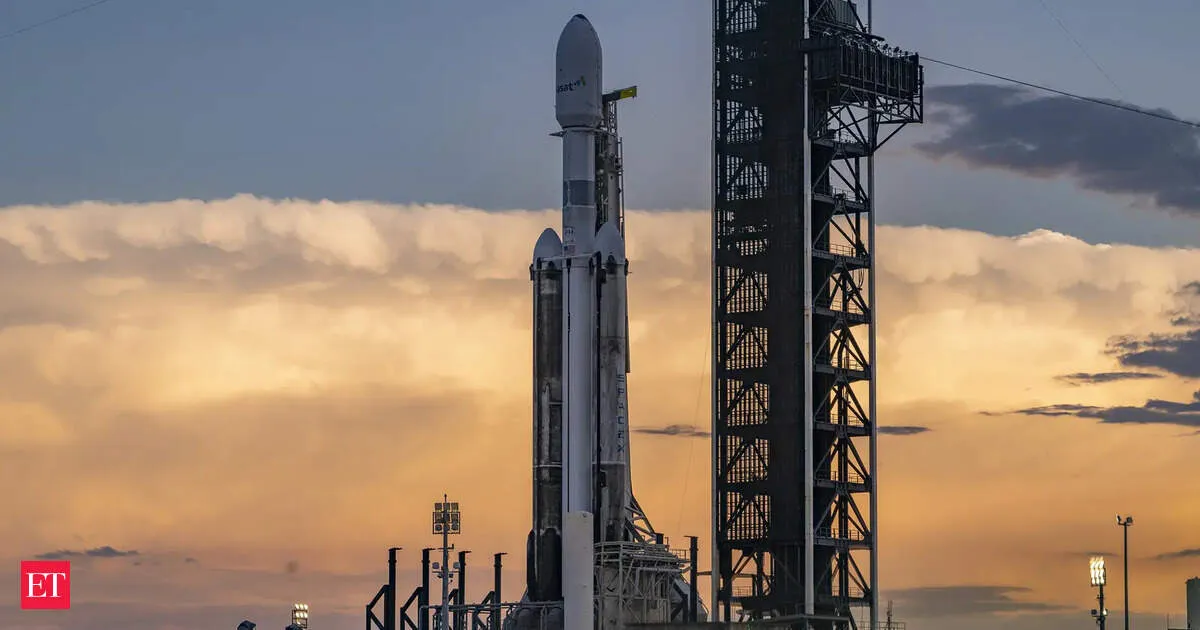
SpaceX has delayed its Falcon Heavy launch carrying the ViaSat-3 F3 high-capacity communications satellite after adverse weather conditions scrubbed the mission moments before liftoff. The satellite is designed for deployment into geosynchronous transfer orbit to expand global broadband coverage. Despite the setback, the launch remains closely watched, with Falcon Heavy returning after a long break.
Malaysia’s IHH Healthcare has asked its largest shareholder, Mitsui & Co., to help start communication with Japanese drugmaker Daiichi Sankyo. The move comes despite ongoing legal disputes in India and Japan tied to damages estimated at about ₹11,800 crore. IHH is seeking a path to talks without pausing the complex cross-border litigation.
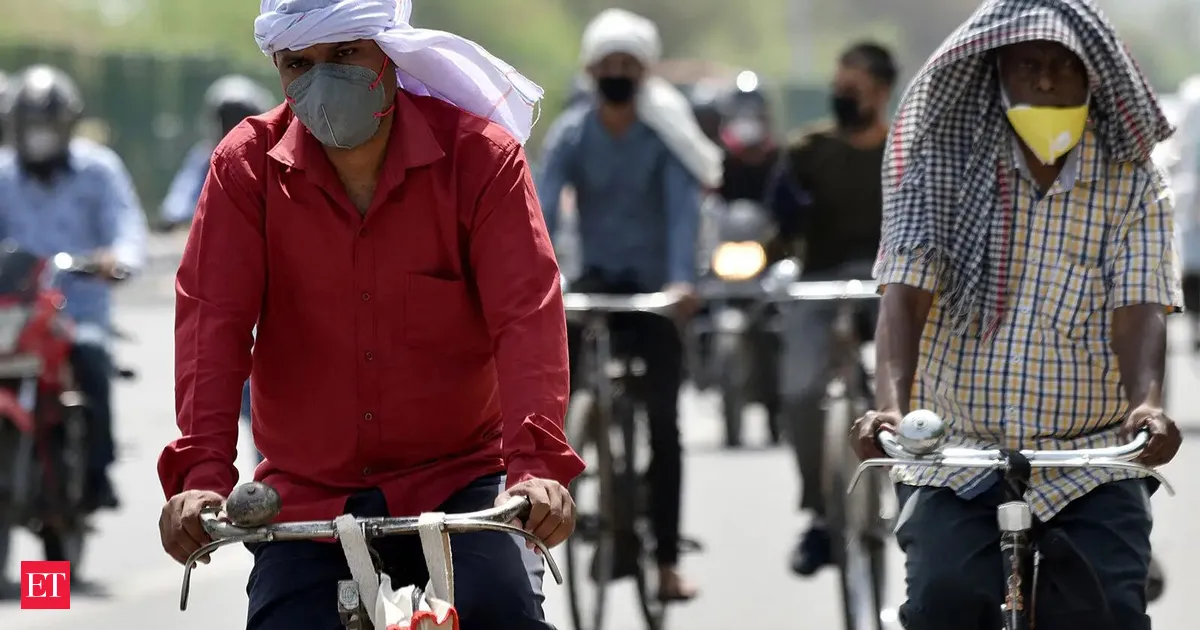
India’s Union labour and health ministries have issued urgent heatwave advisories, directing states and union territories to protect outdoor and factory workers with rest, cooling and tighter preventive measures. The plan includes better early warnings to communities and dedicated heat stroke units in health facilities to prevent and manage cases as temperatures rise.
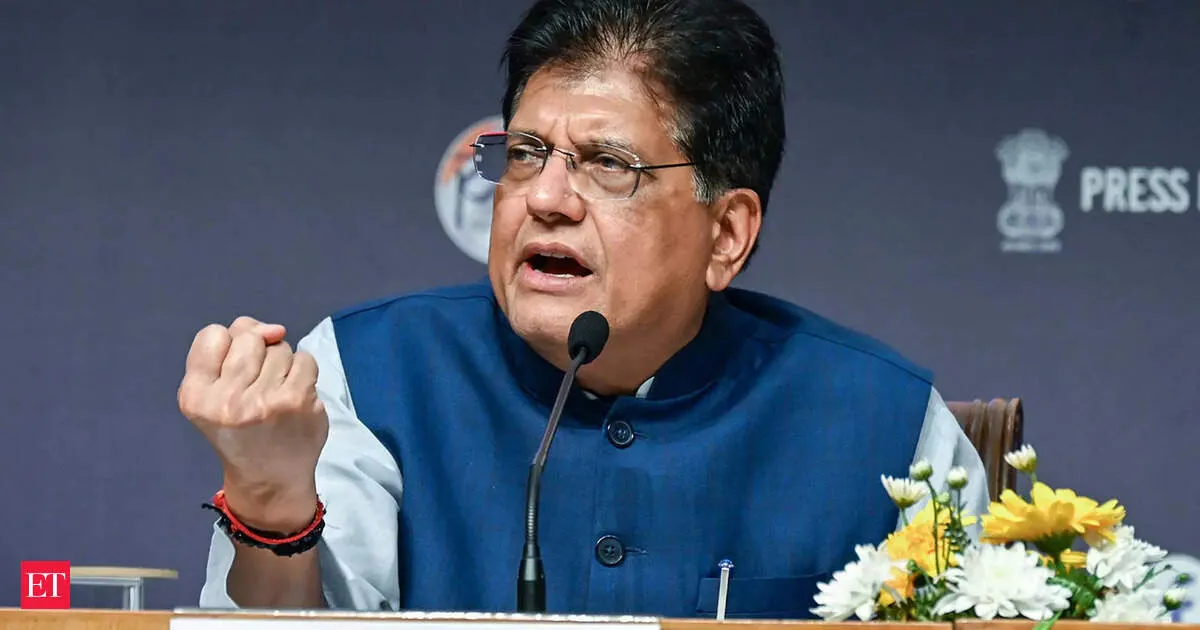
Commerce Minister Piyush Goyal met exporters and industry groups to push deeper use of free trade agreements to expand market access. Exporters sought extensions for export obligation timelines and broader trade relief measures, while flagging rising shipping costs and calling for an Indian shipping line. The talks come as India’s goods exports declined in March.
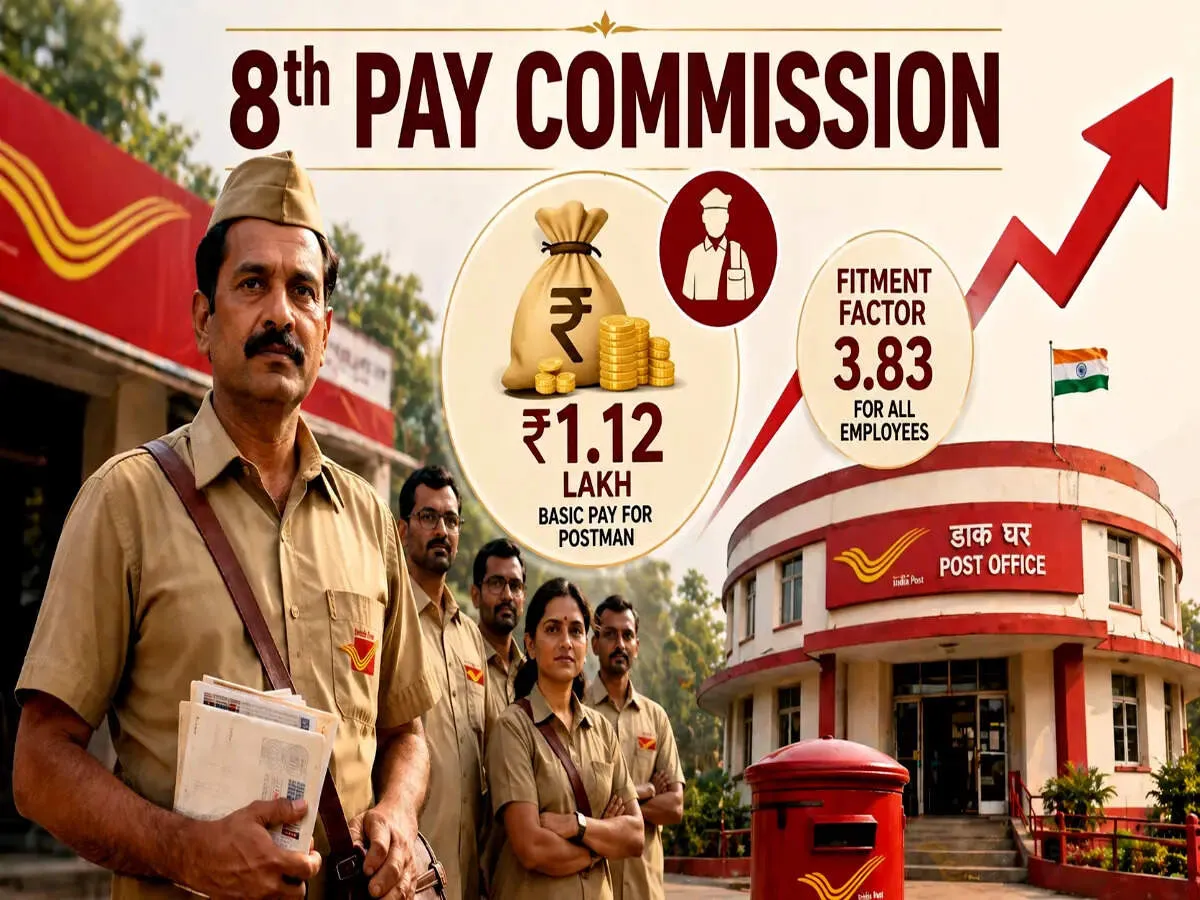
A memorandum by the Federation of National Postal Organisations (FNPO) outlines what postal employee groups want from the 8th Pay Commission. Among proposals discussed is a basic pay target of about Rs 1.12 lakh for postmen, alongside demands spanning assistants, sorting staff, mail guards, civil wing roles, administrative and accounts staff, marketing executives, systems administrators and PLI development officers.
Film lovers may soon see a new owner for Letterboxd. Semafor reports that investment firm Versant, which runs CNBC and MS NOW, and Hollywood media outlet The Ankler are among potential buyers. The news raises questions about how the platform’s social-first, review-driven experience could change if a media-focused company takes control.
In Purba Bardhaman, potato farmers are caught in a squeeze of capped prices, sluggish demand and weak market access, while migration and livelihood insecurity add to the pressure. With Bengal elections approaching, farmer dissatisfaction is rising, even as TMC maintains strong grassroots influence in the region. The stakes are high for a crop that underpins local income.
Swipe through stories, personalise your feed, and save articles for later — all on the app.