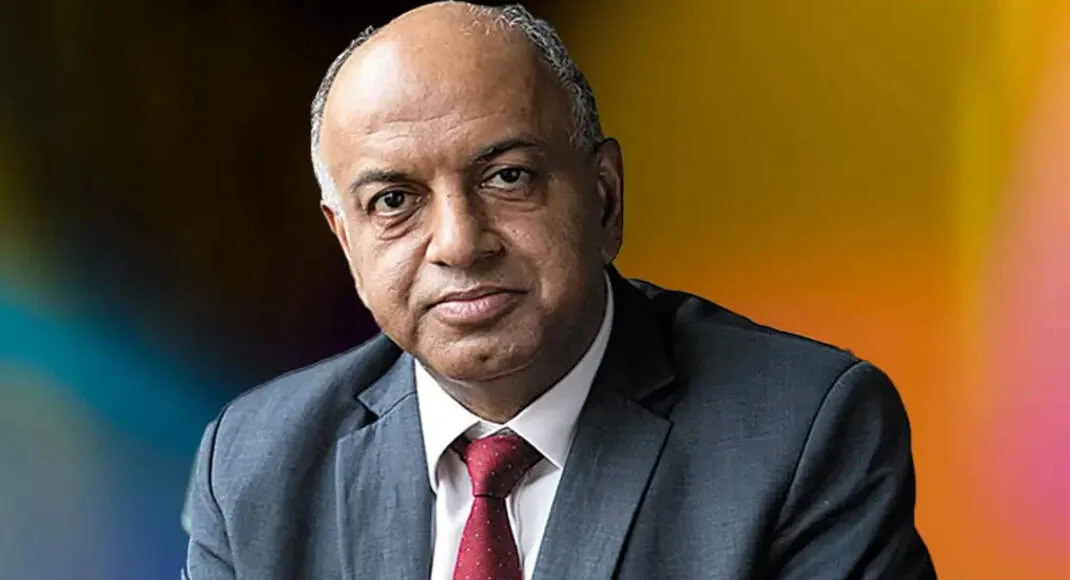
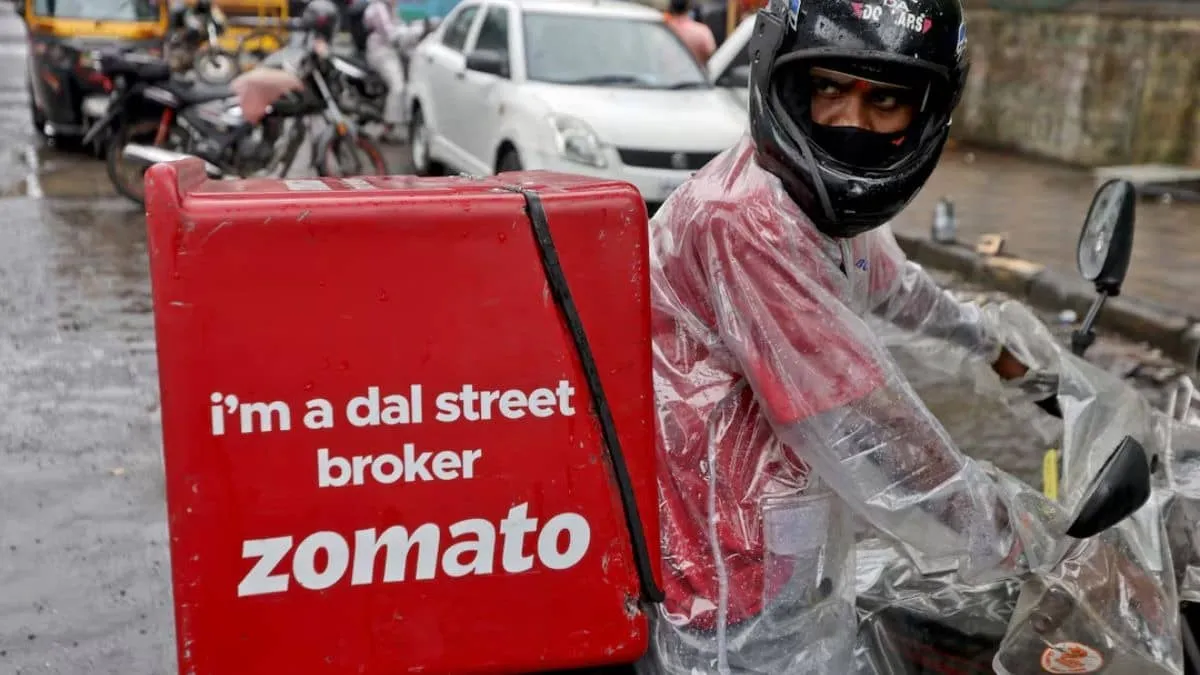
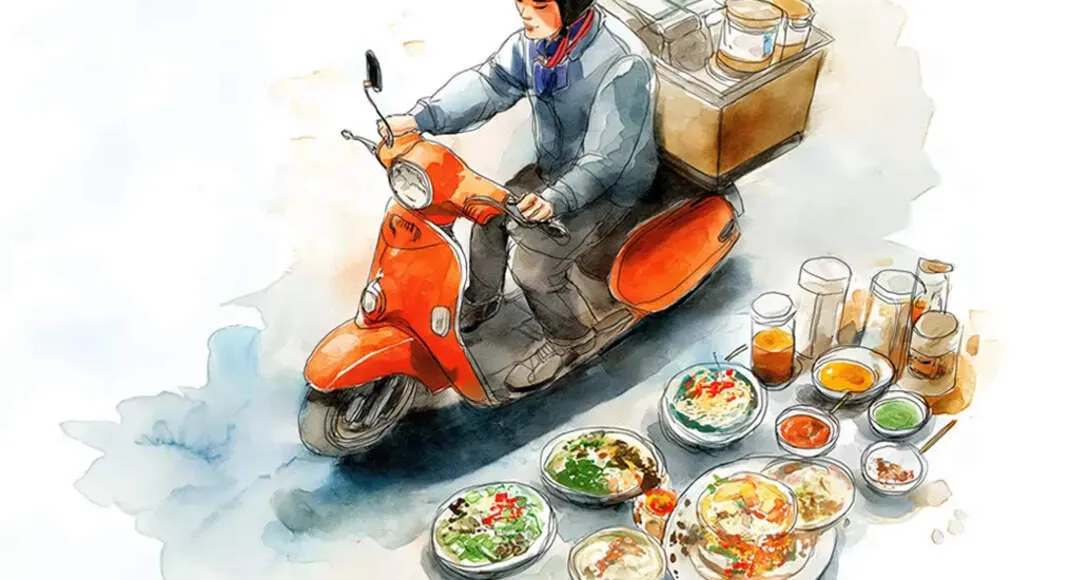
With IT hiring slowing, Info Edge—Sanjeev Bikhchandani’s recruitment-led business—has started taking a backseat for the first time. Instead, its fortunes increasingly track the market value of Zomato, in which it holds 12.24%. The shift signals how job-market softness is pushing investors to focus on tech platform valuations over staffing revenues.
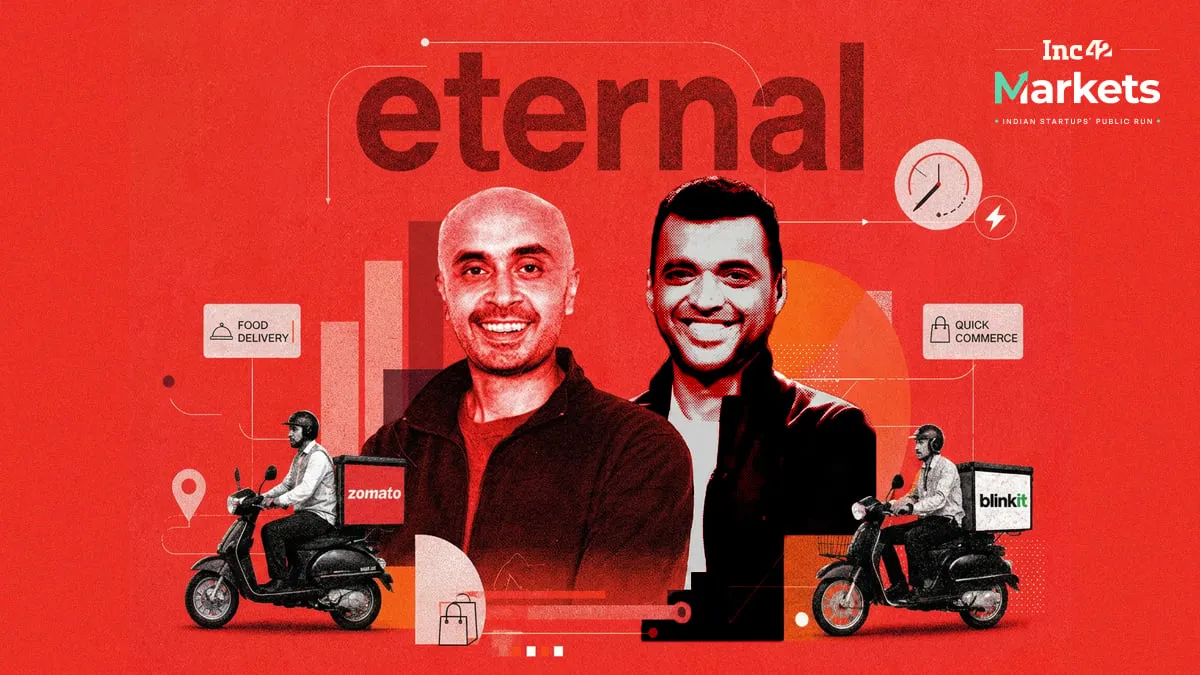
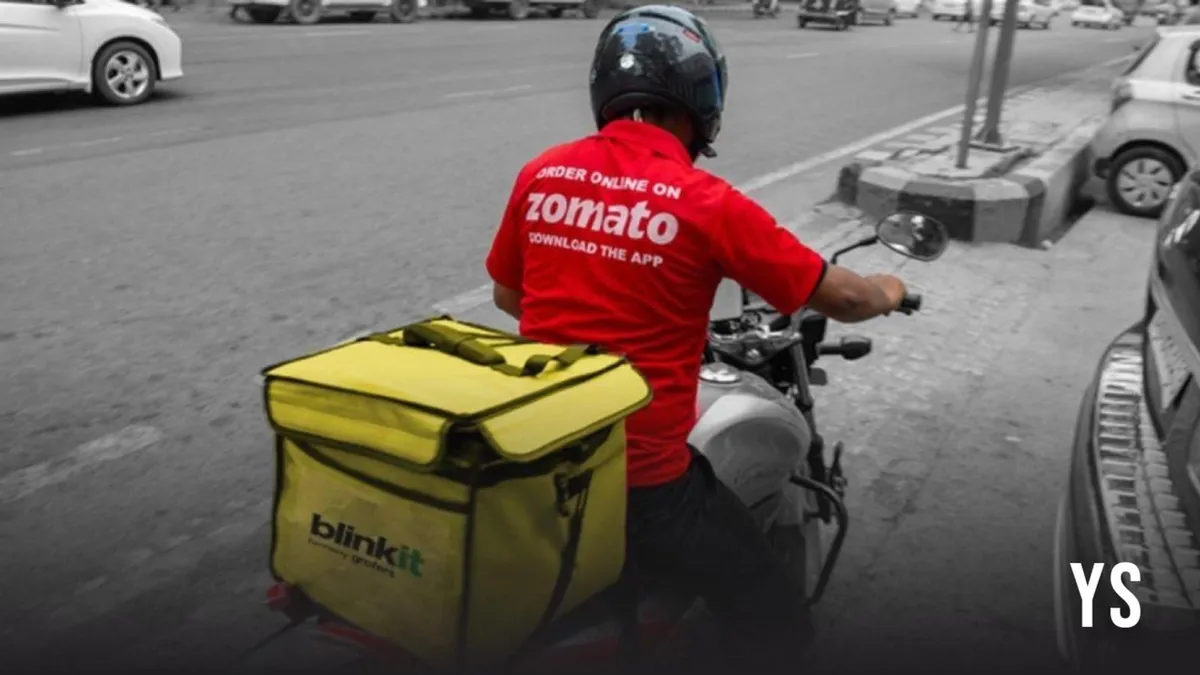
Eternal’s new CEO Albinder Dhindsa inherits a strong-looking Q4 FY26, with profits up 4.5x YoY. But the key red flag is under the headline: without other income, the quarter turns into a loss as expenses spike 185%. The firm’s triple play—Blinkit quick commerce, Zomato delivery, and District going-out—shows scale now, margins later.
Your news, in seconds
Get the Beige app — every story in 60 words, updated hourly. Free on iOS & Android.
Eternal, the parent of Zomato and Blinkit, reported a blockbuster March quarter with revenue up threefold and net profit rising 4.5 times. Improved quick commerce margins helped drive the turnaround, while net order value crossed $10 billion across businesses. The company expects that figure to double in two years, with Blinkit’s growth projected to exceed 60% over the next three years.
Zomato and Blinkit parent Eternal posted strong performance for the March quarter, triggering a sharp Q4 uptick. Investors are also watching what the company’s refreshed strategy could mean for its next phase, as ETtech reports additional developments alongside the earnings headline. The results underline continued execution amid fierce competition in quick commerce and food delivery.
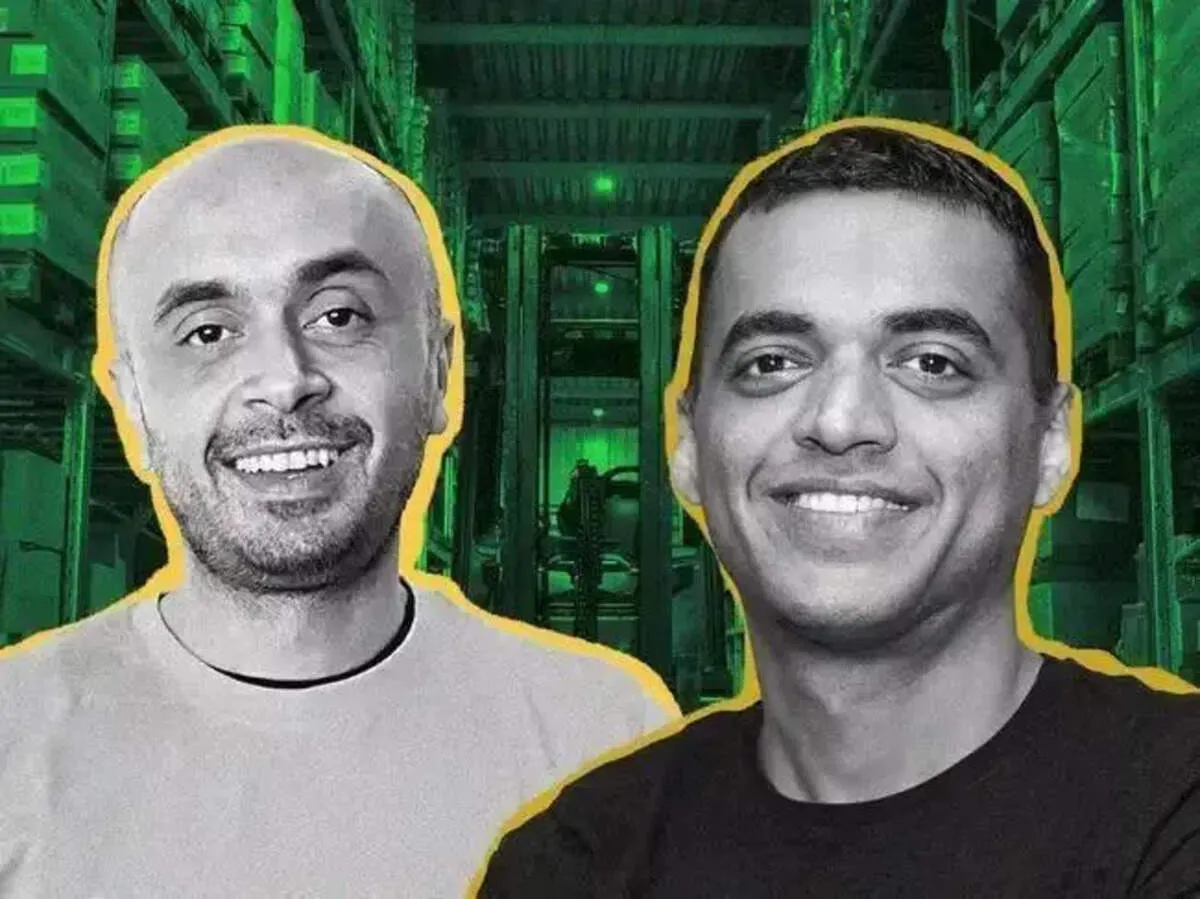
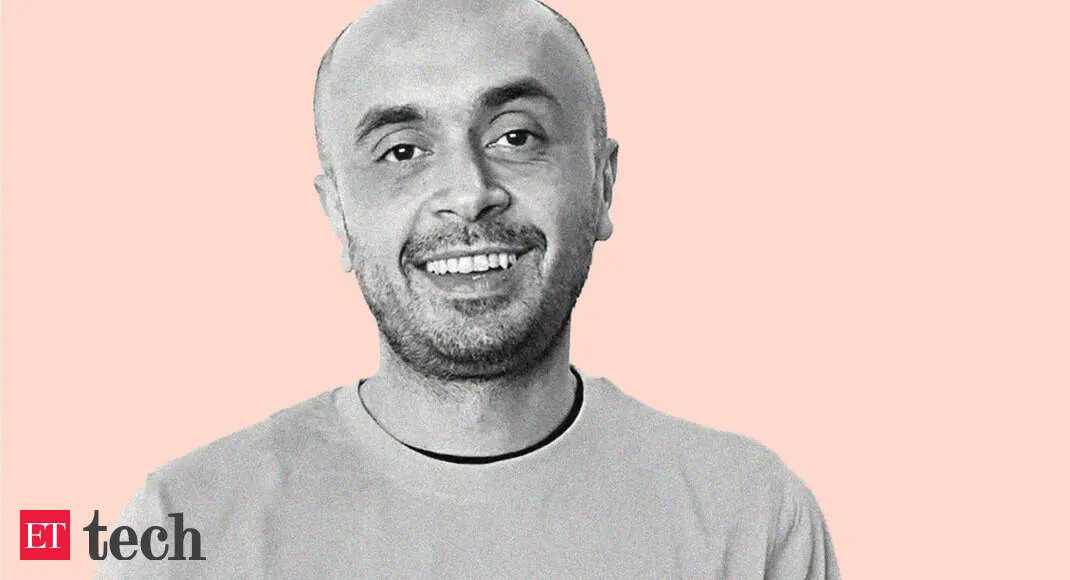
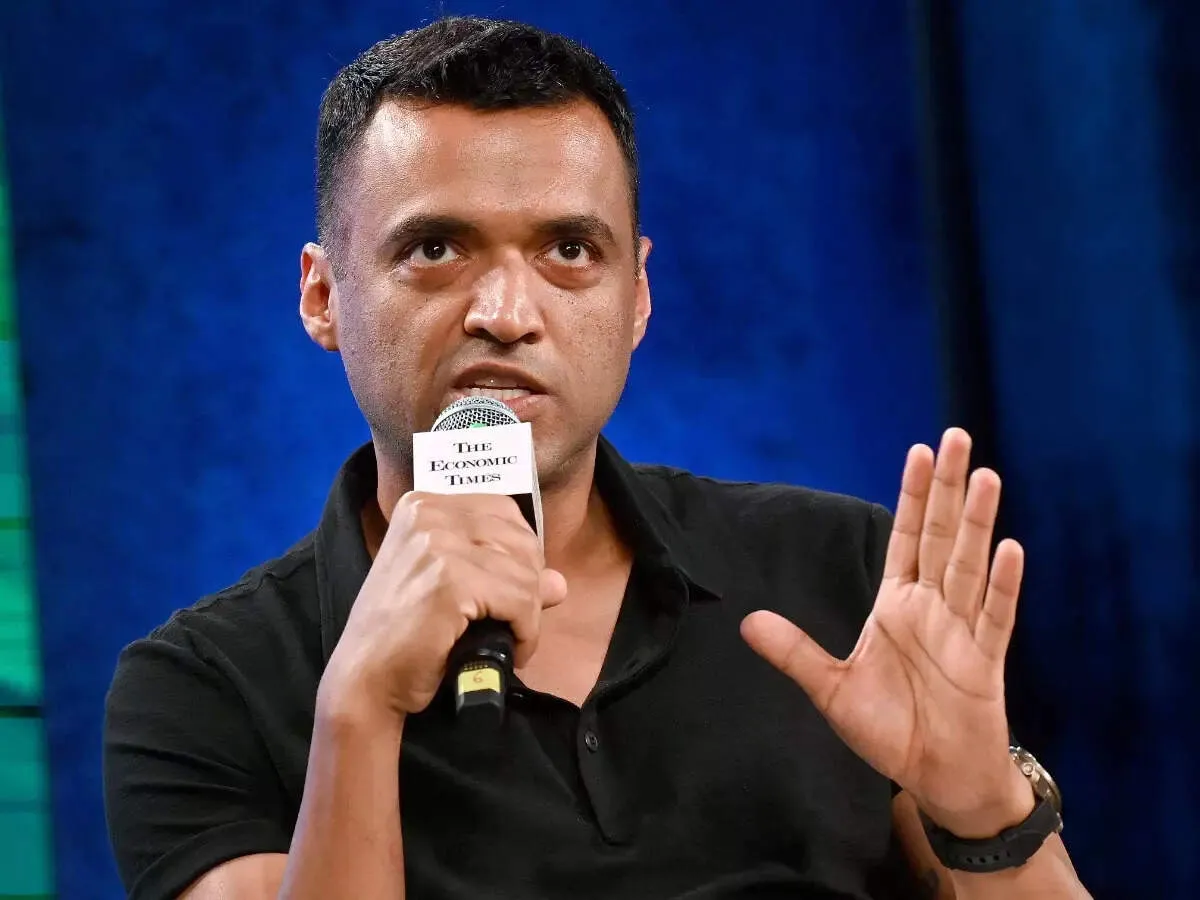
Zomato founder Deepinder Goyal has played down fears that India’s recent LPG shortage hurt the company. He said any disruptions were localized and that customers naturally shifted to other restaurants on the platform, keeping overall demand resilient. The comments aim to reassure investors about Zomato’s Q1FY27 performance despite ongoing supply chain concerns.
Zomato’s parent Eternal Limited reported a strong March quarter, with PAT rising to Rs 174 crore. Revenue from operations surged 196% year-on-year to Rs 17,292 crore, aided by Blinkit’s fast growth and an inventory-led quick commerce accounting shift. Adjusted EBITDA also climbed 160%. Management expects growth to sustain above 60% CAGR, driven by assortment, geography expansion and higher demand density.
Never miss a story
Set alerts for the topics and sources you care about. Download Beige for free.
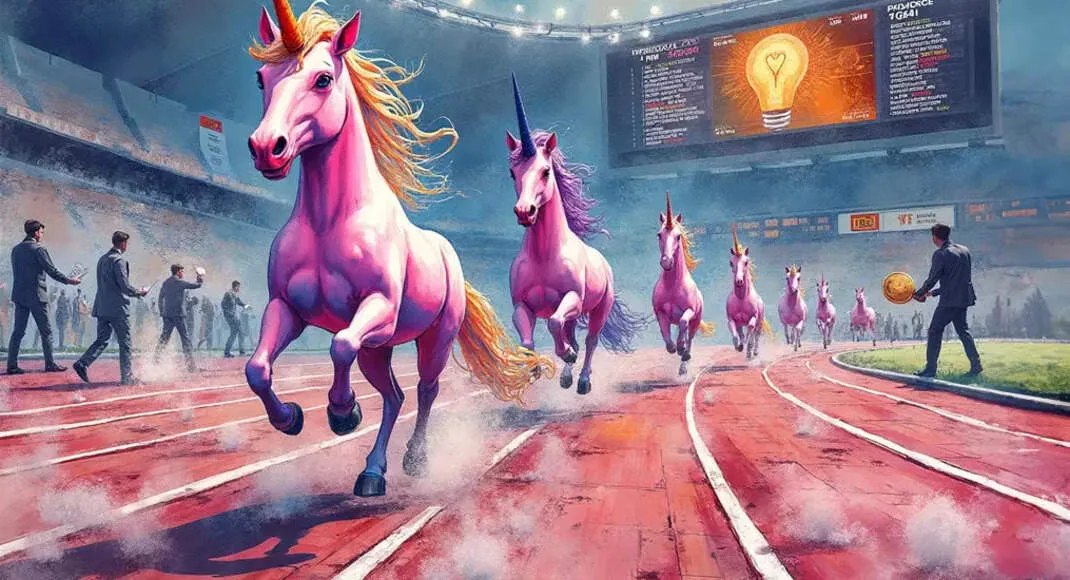
Since Zomato’s mid-2021 listing ignited India’s startup IPO wave, more than 30 mostly unicorn companies have gone public. Together, they’ve unlocked about USD105 billion in market value over the past four years. ET Prime now tracks who actually benefited the most from this unprecedented value creation—from early stakeholders to public-market entrants.
Zomato has agreed to remove a contract term that penalised restaurants when they offered cheaper food to walk-in diners, a source said. Eateries argued the clause effectively interfered with their pricing decisions. The removed policy could have charged fines equal to three times the price difference per order, pushing Zomato to revise terms after pushback.
Zomato has reportedly dropped a pricing clause following pushback, according to a source cited by Economic Times. The change comes as the company rides strong demand for food delivery, with 24 million consumers and 300,000 restaurants on its app. Zomato’s shares have more than doubled since 2021, valuing the company at nearly $26 billion.
Zomato has withdrawn a contract term that required restaurants to match dine-in and website prices to its platform rates, Reuters first reported. The clause also allowed Zomato to impose fines up to three times the price difference and investigate via complaints or “mystery shopping,” though sources say it was never enforced. The move follows ongoing commission-model discussions amid intensifying competition.
Reading on mobile?
Open Beige in the app for a smoother experience — free on iOS and Android.
India’s big QSR players are facing a sharp shift as food delivery platforms like Zomato change customer control. Despite still-rich valuations, stocks tied to brands such as Westlife and Jubilant have stumbled. Margin pressure, slower growth hovering in single digits, and empowered local competition are eroding the old advantage of scale—raising a new question: who owns the customer now?
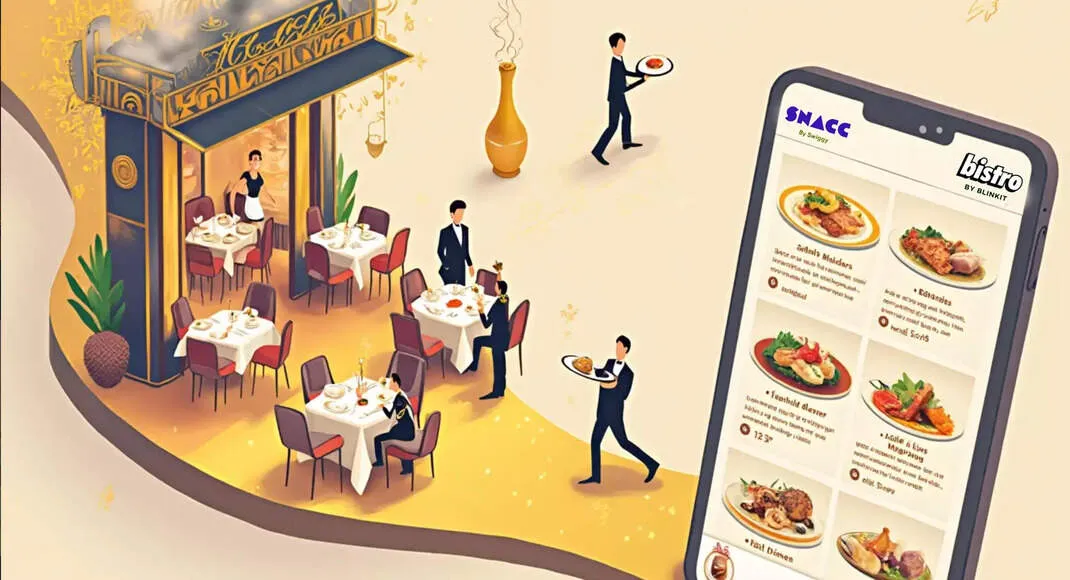
The National Restaurants Association of India is again clashing with Swiggy and Zomato, this time over their quick-food café formats built around delivery partners that can prepare and serve in as little as 10 minutes. NRAI claims these concepts harm dining standards and local restaurants, while platforms push speed and scale. The next phase could reshape India’s restaurant ecosystem fast.
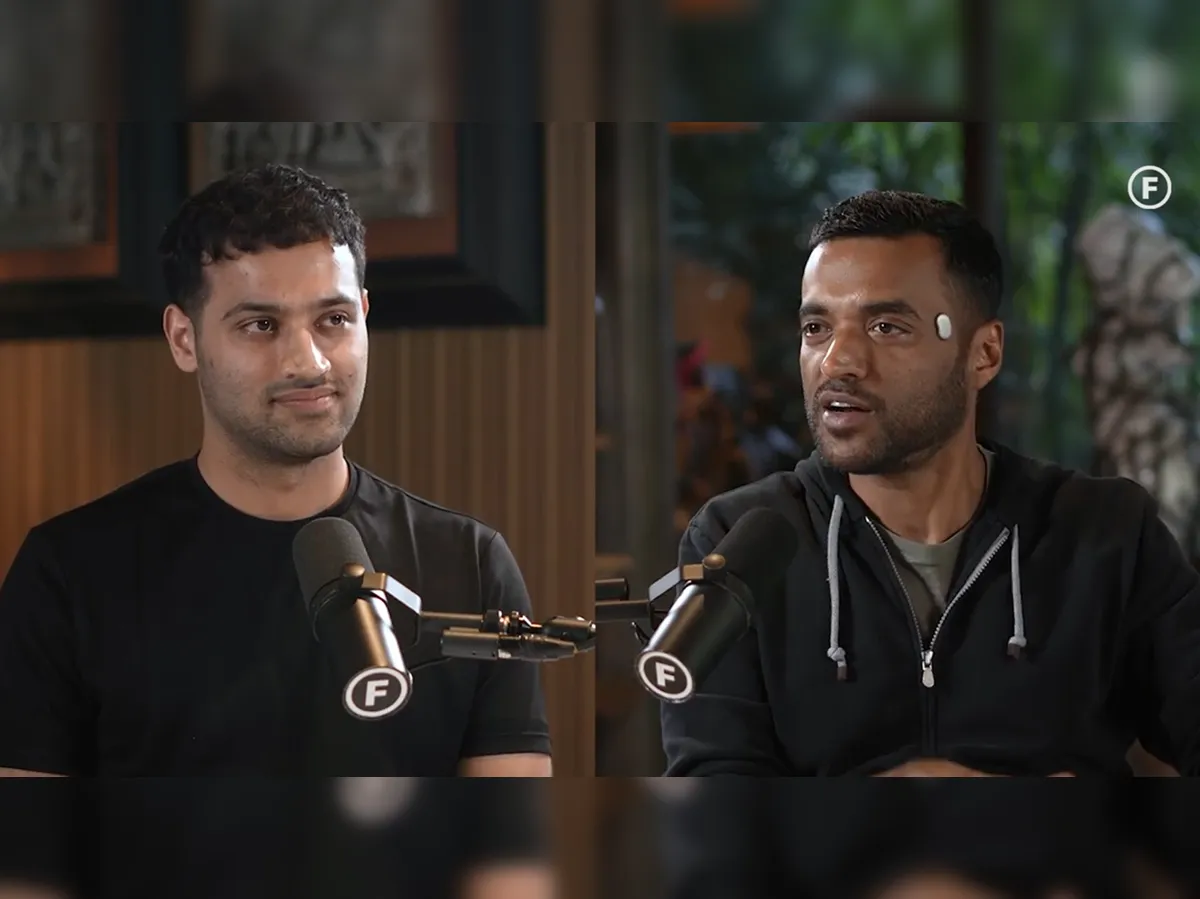
Deepinder Goyal revealed on the Raj Shamani podcast that Zomato initially resisted Swiggy’s move into last-mile logistics. He said he dismissed the approach for years, convinced the economics were “off” and that the model could never make money. However, customer enthusiasm shifted the reality, leaving Zomato with little choice but to adapt.
Swipe through stories, personalise your feed, and save articles for later — all on the app.