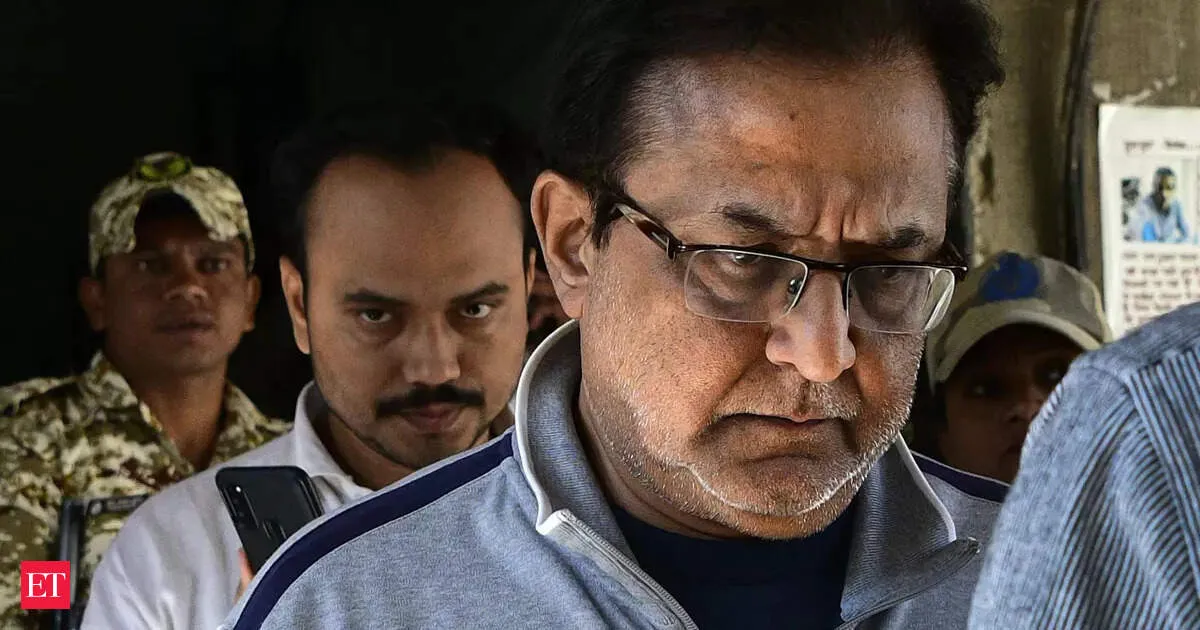
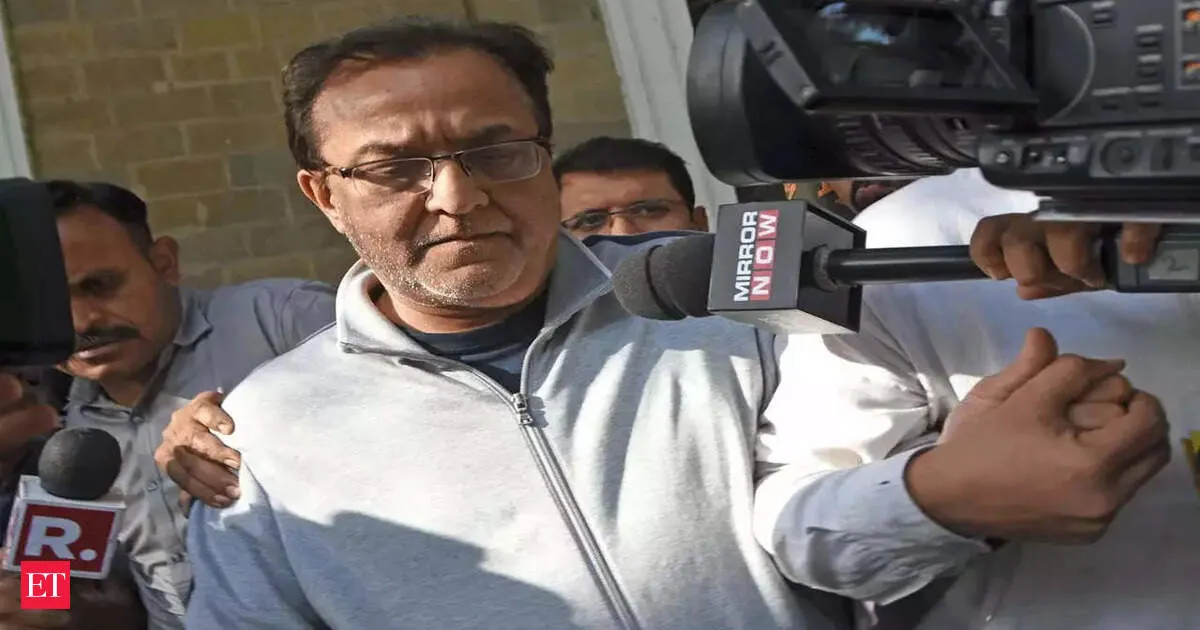
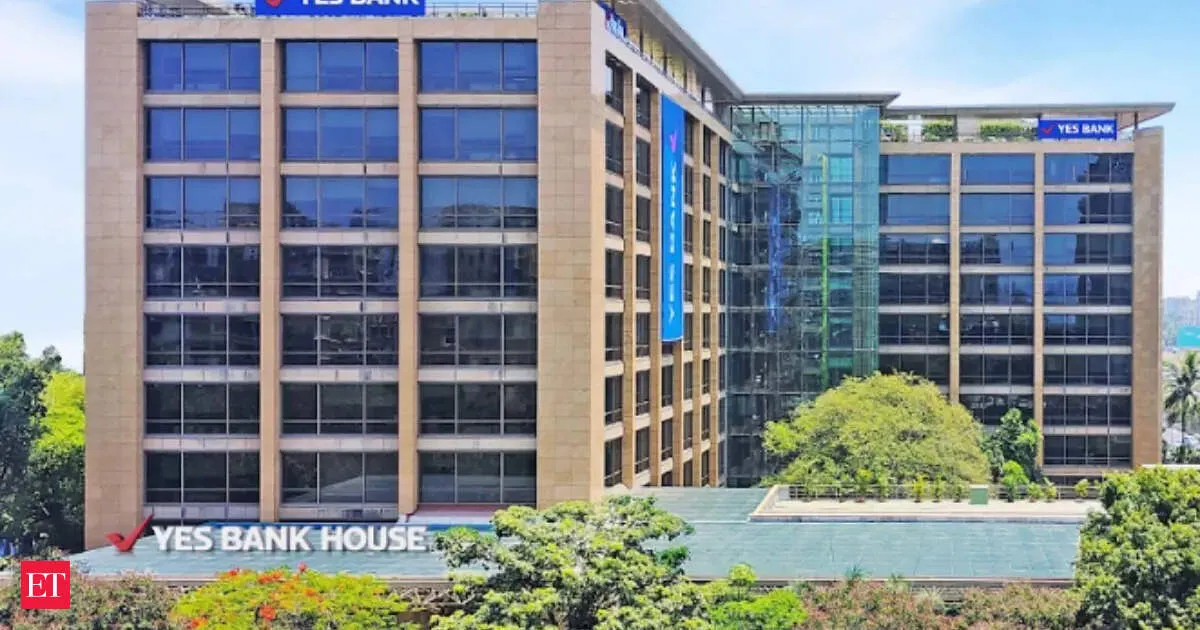
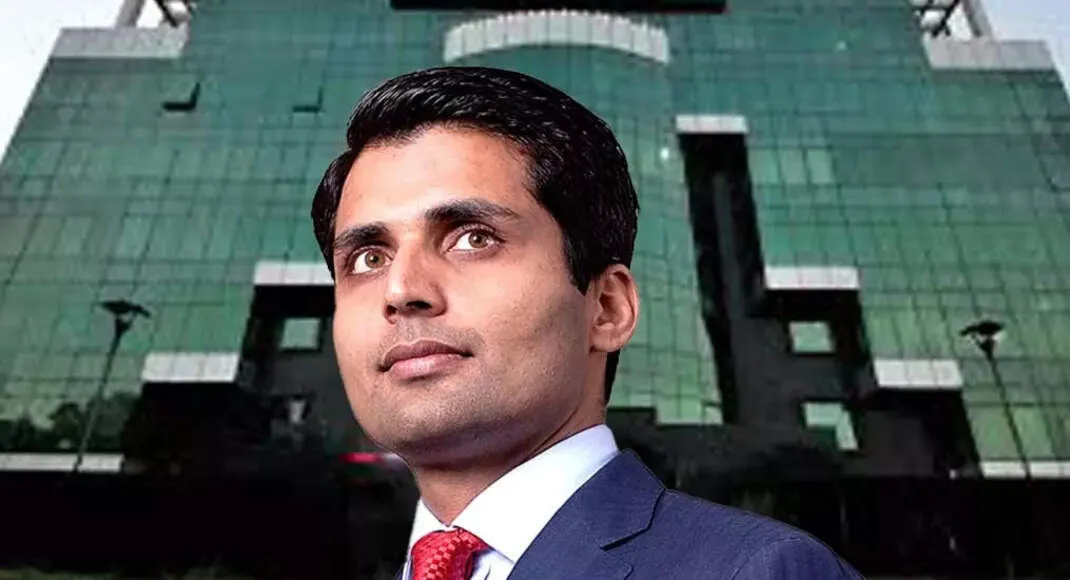
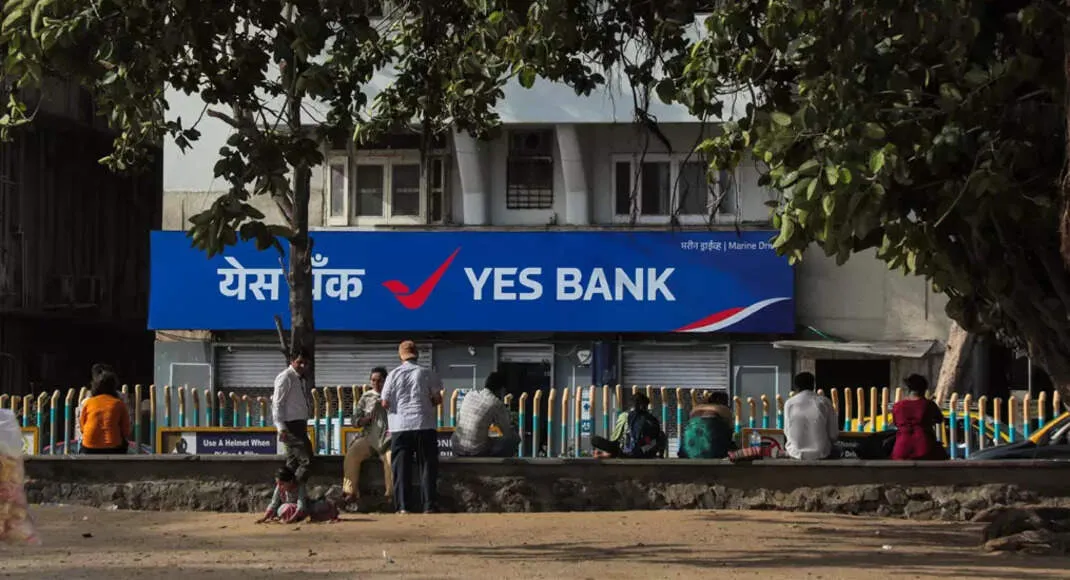
Mumbai Police’s Economic Offence Wing has registered a fresh FIR against former Yes Bank co-founder Rana Kapoor, investor Sudhir Valia, and unnamed officials, alleging a ₹1,000-crore fraud tied to loan assignment and sale of mortgaged assets. The complaint says Sapphire Land Development secured a ₹150-crore credit facility in September 2016, but recovery rights were transferred to Suraksha ARC within 10 months despite a 36-month repayment period. The FIR also alleges prime properties were sold at undervalued rates without proper NPA classification or independent valuation.
Mumbai Police have registered an FIR against former Yes Bank MD and CEO Rana Kapoor, Sudhir Walia and other officials in connection with alleged illegal transfer of mortgaged HDIL group properties worth Rs 1,000 crore. The complaint claims a Rs 150 crore loan was moved to Suraksha Asset Reconstruction without classifying it as a Non-Performing Asset, despite a 36-month repayment window not ending. It also alleges sales below market rates and alleged margin money routing to enable recovery. Investigations continue, with no arrests yet.
Your news, in seconds
Get the Beige app — every story in 60 words, updated hourly. Free on iOS & Android.
Nifty Bank tumbled nearly 900 points, with SBI shares taking the hardest hit after weak earnings spooked investors. The selling spilled across other major lenders, dragging bank stocks down as market sentiment turned cautious. Analysts now expect the index to churn through consolidation, pointing to specific support and resistance zones that could determine whether the slide steadies or resumes.
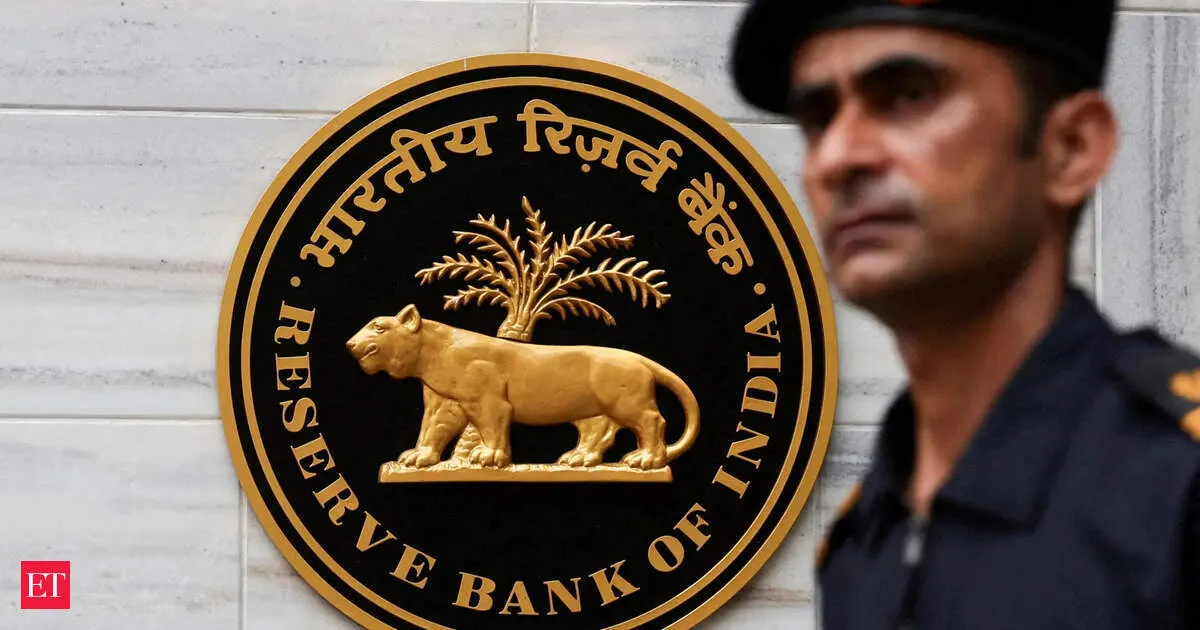
The RBI has imposed penalties on YES Bank and Hinduja Housing Finance, citing failures in implementing a system to use the KYC Identifier issued by the Central KYC Records Registry. The regulator said the banks did not put the required mechanism in place for establishing account-based customer relationships, triggering enforcement action over compliance lapses.
Japanese conglomerate Sumitomo Mitsui Financial Group has injected ₹1,075 crore into SMFG India Credit, its Indian NBFC arm. The move follows a ₹3,000 crore infusion in December 2024. By December 2025, SMFG India Credit’s assets under management rose to ₹64,100 crore. Separately, the group increased its Yes Bank stake to 24.2% in September 2025.
The Supreme Court has concluded hearings in the Additional Tier-1 (AT1) bond write-down case involving Yes Bank, with a verdict expected soon. After the bank’s near-collapse in 2020, around ₹8,415 crore was written down, triggering lawsuits by investors. Yes Bank says it does not anticipate a material financial impact from the ruling.
Never miss a story
Set alerts for the topics and sources you care about. Download Beige for free.
Stocks closed lower on Friday as Reliance Industries, HDFC Bank, and Infosys weighed on the benchmarks. Yet a handful of names bucked the trend. Yes Bank rose on expectations of new funding, CG Power gained after launching OSAT, and Relaxo Footwear surged amid renewed optimism around GST developments.
Nippon Life India Asset Management is set to pay more than 96 crore rupees to settle SEBI charges tied to alleged investments of customer funds into high-risk Yes Bank bonds. The move is said to have contributed to large investor losses after Yes Bank was declared insolvent. The settlement includes funds expected to be returned to affected investors, with allegations of external influence in the decisions.
A Sebi report has reopened the Indiabulls YES Bank saga, citing prima facie evidence that loans were routed between promoter-linked entities via IHFL and other NBFCs on a quid pro quo basis. The findings were reportedly sent to the banking regulator in 2022. Sammaan Capital argues such SPV-backed lending is common in real estate and denies any link to Sameer Gehlaut.
Yes Bank’s 2020 bailout restored stability, but rewards and losses were uneven. SBI converted an INR 2,450 crore lifeline into roughly a 3.6x gain, while retail AT1 bondholders were wiped out and still haven’t been compensated. The episode questions how India protects investors when systemic safety comes first—and whether the balance will shift.
Reading on mobile?
Open Beige in the app for a smoother experience — free on iOS and Android.
Swipe through stories, personalise your feed, and save articles for later — all on the app.