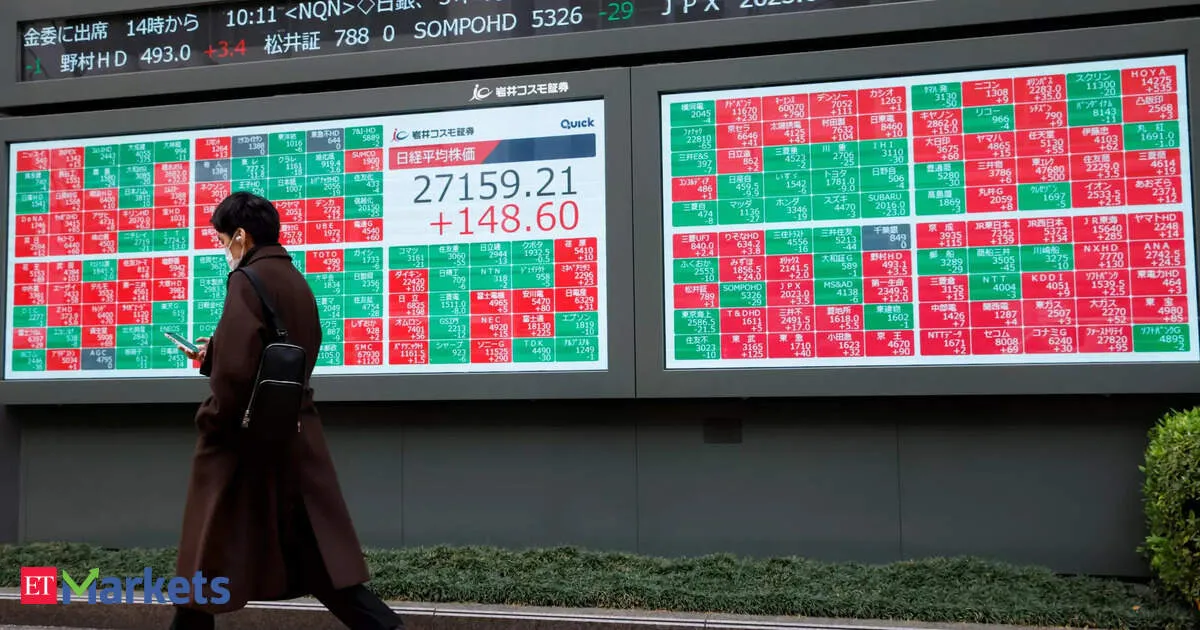
Japan is moving to halt the yen’s slide with a coordinated effort led by a more hawkish Bank of Japan, support from the Finance Ministry, and backing from the United States. Policymakers are increasingly intervening in currency markets, amid fears a weaker yen could stoke inflation. Estimates suggest authorities have spent close to 10 trillion yen buying yen to stabilize the currency.
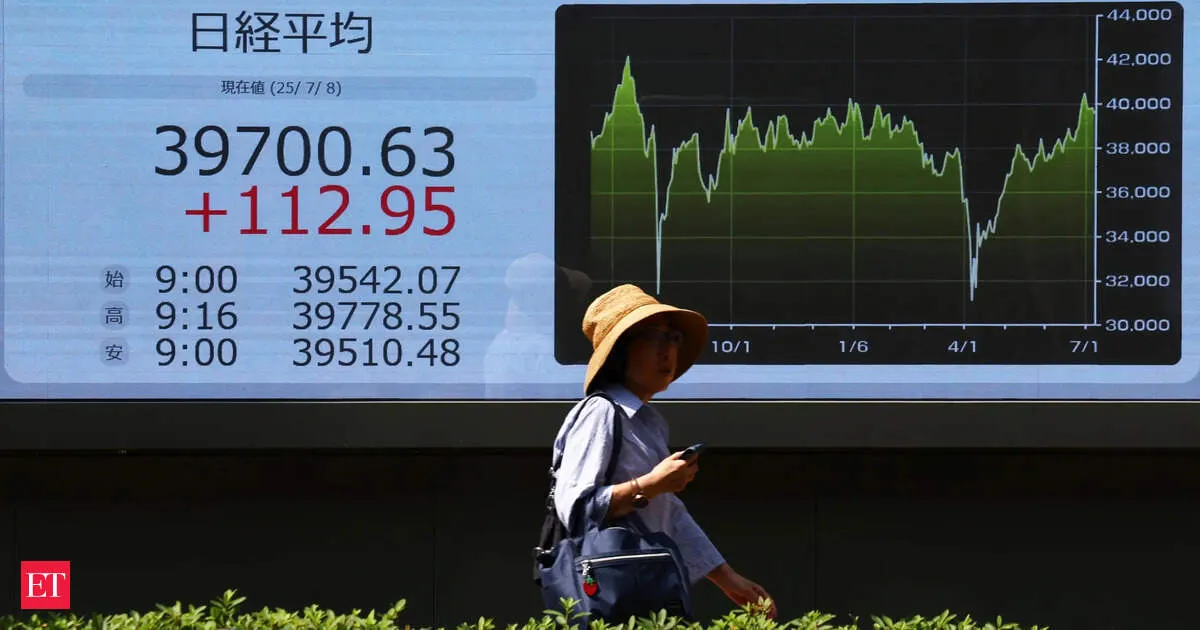
Japan’s Nikkei is climbing to a new all-time high as the yen strengthens after the last session, with traders pointing to possible Tokyo intervention. The move is reshaping expectations for currency-sensitive equities and creating fresh risk and opportunity for US investors watching how a stronger yen could affect Japanese earnings, exporters, and global flows.
Your news, in seconds
Get the Beige app — every story in 60 words, updated hourly. Free on iOS & Android.
The US dollar eased against major currencies on Wednesday as hopes grew that the US is close to an agreement with Iran. The Japanese yen also drifted lower, while US oil futures fell in line with the shifting outlook. Investors are now focused on upcoming US non farm payrolls data, which is expected to shape expectations for the Federal Reserve’s next interest rate move.
Japan reportedly spent more than $30 billion to support the yen after it hit its weakest level versus the dollar in years. Officials had previously hinted at possible action, and the intervention appears to be Japan’s first since 2024. The goal is to stabilize the currency amid global economic pressures and volatile market conditions.
Global markets steadied as traders focused on sharp yen moves, reportedly linked to suspected Japanese intervention. The dollar dipped briefly, then stabilized, while equities found support from strong tech earnings. Central banks kept interest rates unchanged, but hawkish cues from the Fed and ECB maintained caution. Meanwhile, rising oil prices and geopolitical tensions are reigniting inflation worries.
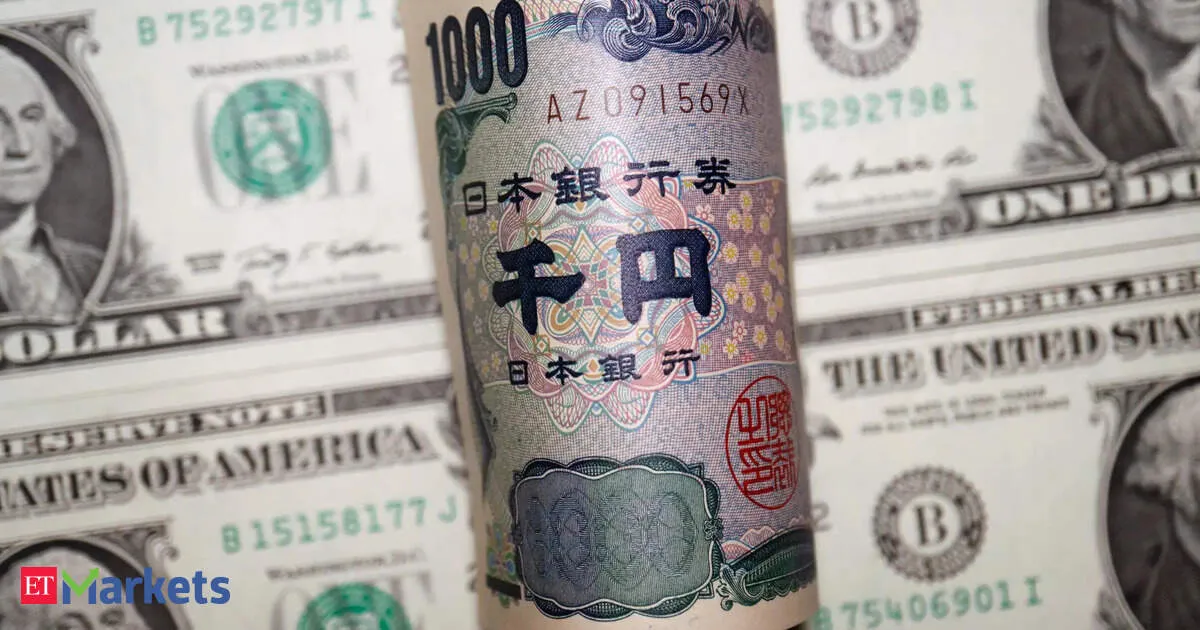
The dollar is on track for its sharpest weekly drop versus the yen since February, as traders suspect Japan may be stepping into the market to curb volatility. Japanese officials have signaled unease, keeping sentiment cautious. Still, lasting yen strength is far from certain because Japan’s policy stance diverges from the Federal Reserve, and attention turns to possible action during Golden Week.
Never miss a story
Set alerts for the topics and sources you care about. Download Beige for free.
Japan’s Nikkei inched higher on Friday, buoyed by gains concentrated in a small group of technology stocks. At the same time, a stronger yen helped government bond prices bounce back, adding support to broader sentiment in Japanese markets. The move highlights how narrow sector strength and FX swings are driving near-term performance.
The yen edged lower against the dollar on Friday, but is still on track for its strongest weekly rise in more than two months after Japanese officials intervened to support it. Traders are now monitoring for additional action as uncertainty grows. Meanwhile, high oil prices persist, fueled by threats targeting US positions.
Asian markets bounced back as tech shares surged on strong earnings, boosting investor risk appetite. Japan stepped in to support the yen after its sharp slide, while oil eased from four-year highs despite ongoing geopolitical stress. Central banks’ hints at possible rate hikes also swayed currencies, keeping traders cautious.
US equity futures pointed to more gains as strong megacap tech earnings helped Wall Street hit record highs. The yen slid slightly after Japan intervened to support the currency, while Middle East tensions and oil price spikes failed to derail stocks. US markets logged their best April since 2020, fueled by an AI and tech resurgence.
Reading on mobile?
Open Beige in the app for a smoother experience — free on iOS and Android.
The US dollar index slipped 0.70% to 98.17, putting it on track to break a streak of gains. Against that backdrop, the Japanese yen has climbed sharply, posting historic rise levels that have surprised traders. The move is reshaping expectations for near-term currency direction as investors reassess global rate and risk bets.
The U.S. dollar rose after hopes of progress in U.S.-Iran talks faded, leaving markets focused on geopolitical risk. The Japanese yen was pinned near 160 ahead of the Bank of Japan’s policy decision. Oil prices climbed as the Strait of Hormuz stayed effectively closed, and traders turned to upcoming central bank meetings for clues on economic damage and interest-rate paths.
The dollar edged higher as markets awaited the Federal Reserve’s rate decision and digested spillover risks from the ongoing Middle East conflict. Trading stayed subdued in thin Asian hours, keeping most currencies in narrow bands. The yen lingered around 160 per dollar, with traders alert to potential Japanese intervention even as the Bank of Japan signaled a tougher stance.
Japan’s Nikkei slipped off a record high as government bonds swung sharply and the yen strengthened. The move followed a hawkish tone from the Bank of Japan, which kept interest rates unchanged. Even without rate hikes, traders reacted to expectations of tighter policy, reshaping the day’s risk sentiment across equities and JGBs.
Follow your favourite sources
Track sources, tags and categories — all in the Beige app.
The Japanese yen stayed steady as investors waited for the Bank of Japan’s policy decision. With major central banks like the US Federal Reserve also set to meet, traders are watching closely for signals on rates. Uncertainty over how the Iran war could affect inflation and growth is keeping policymakers cautious, while Japan’s finance minister warned speculators about currency volatility.
Swipe through stories, personalise your feed, and save articles for later — all on the app.