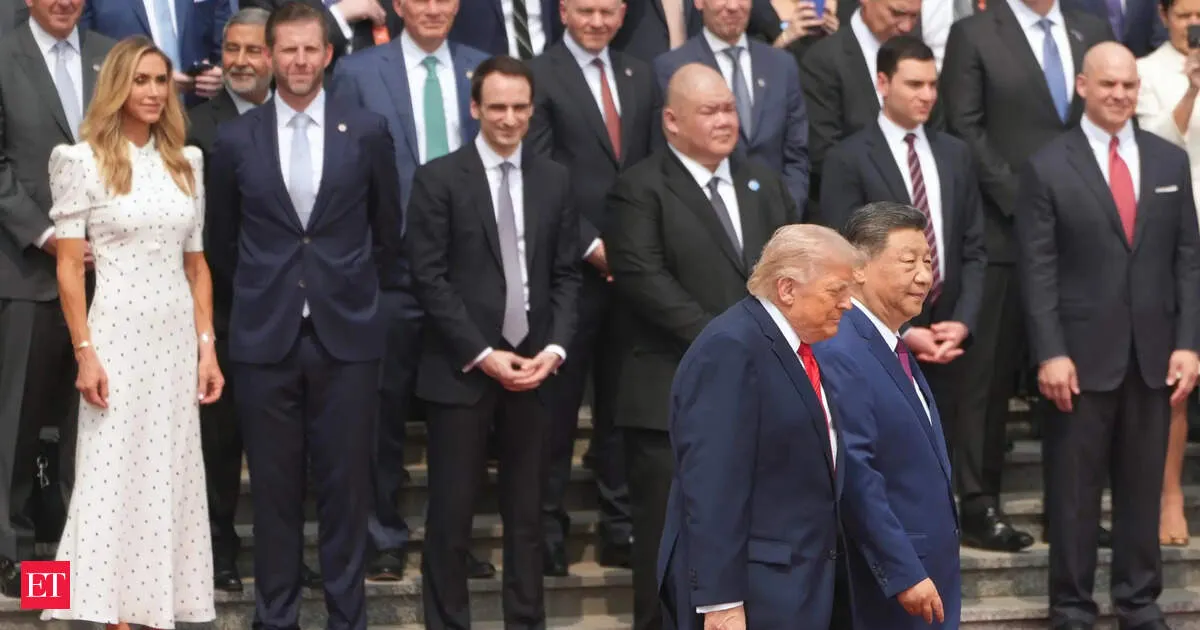
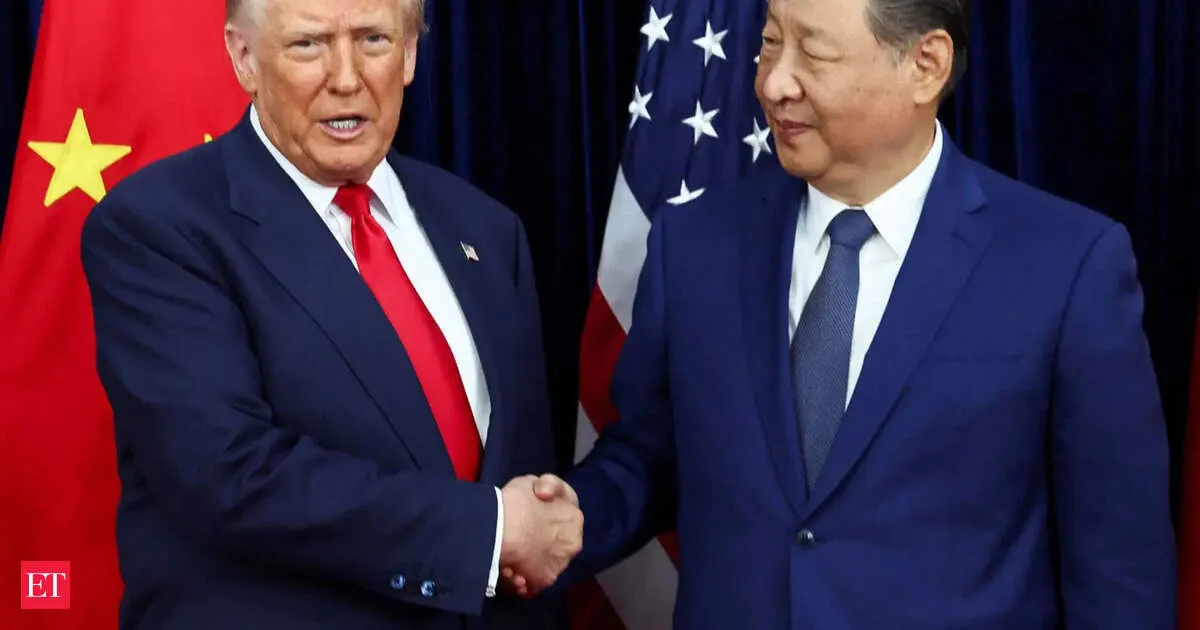
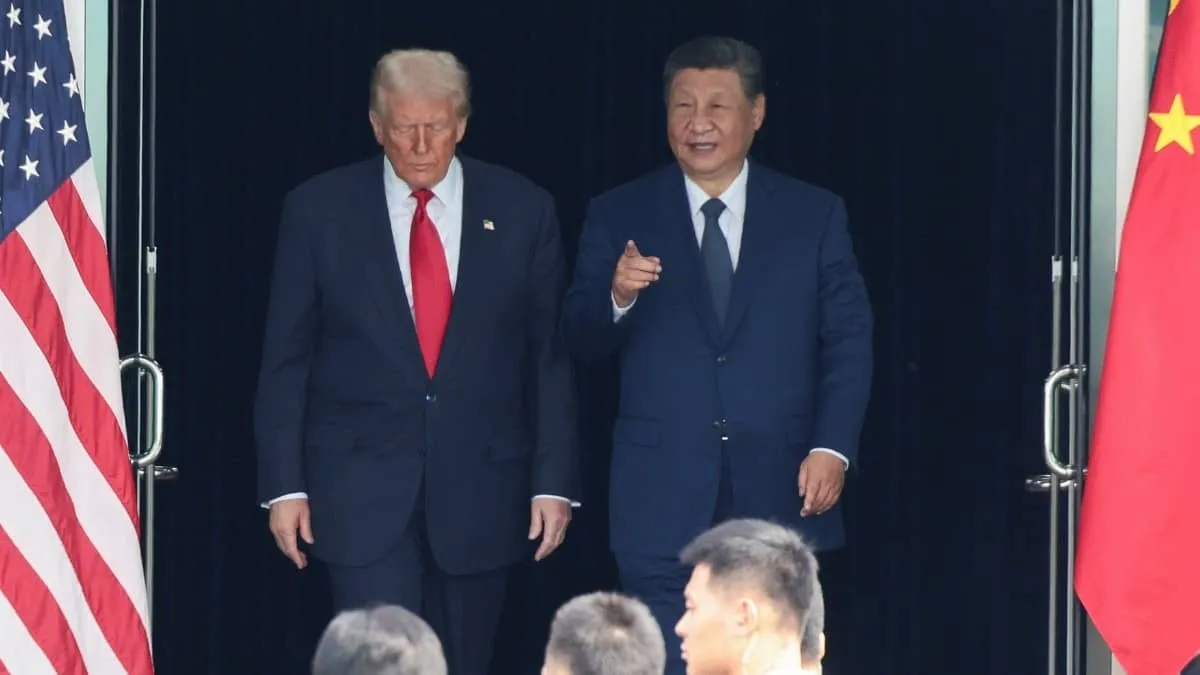
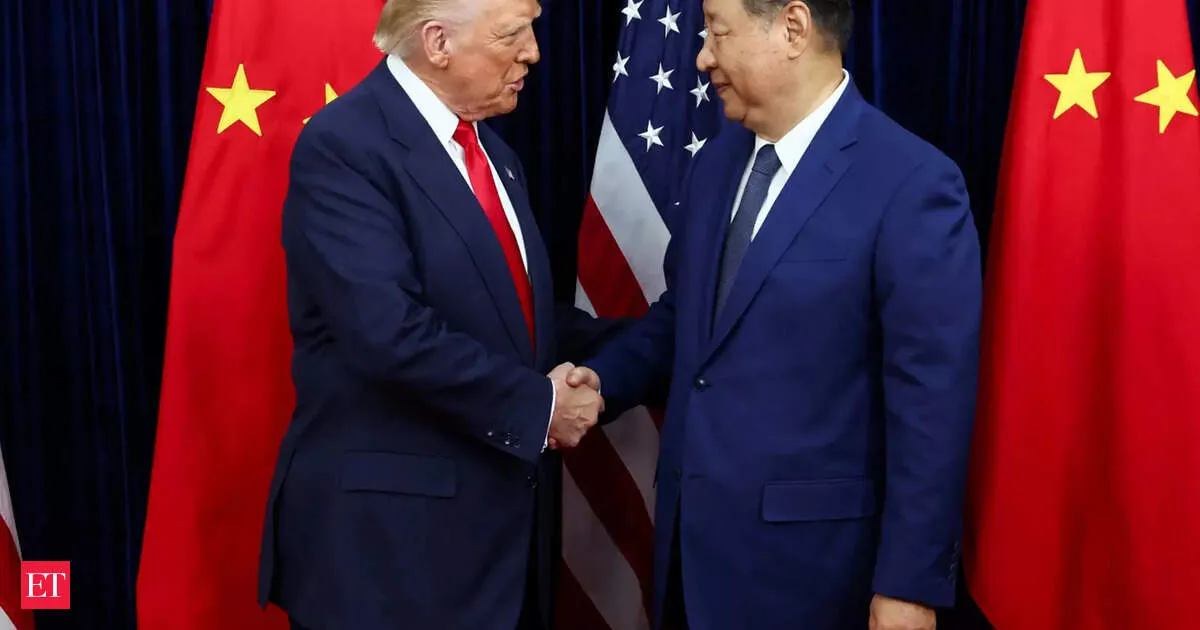
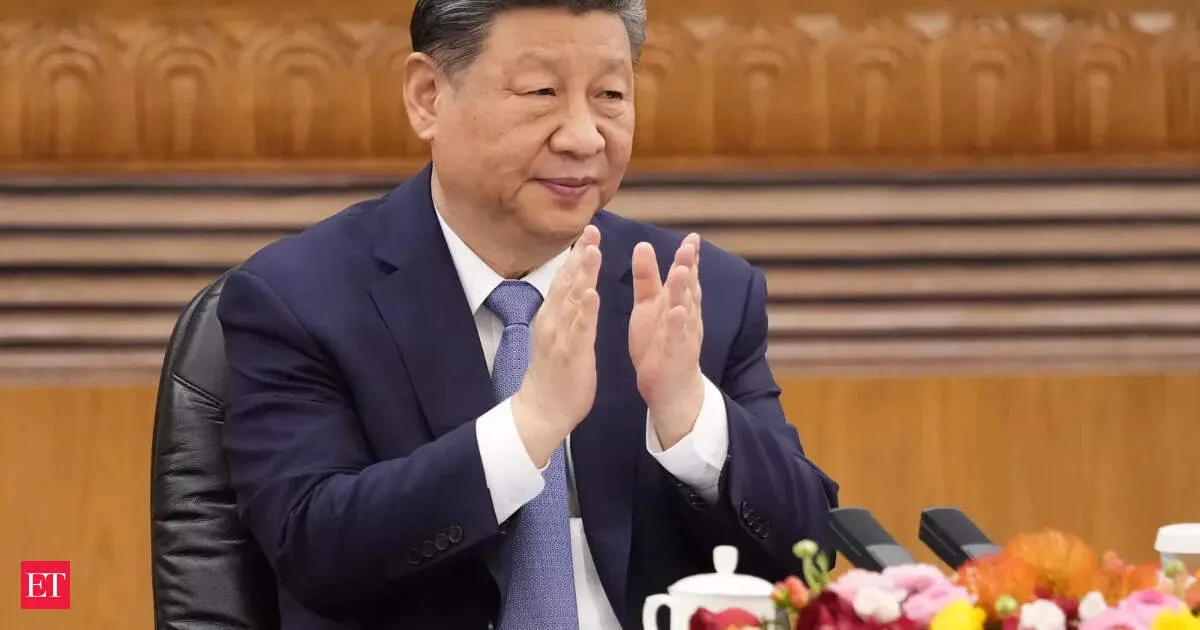
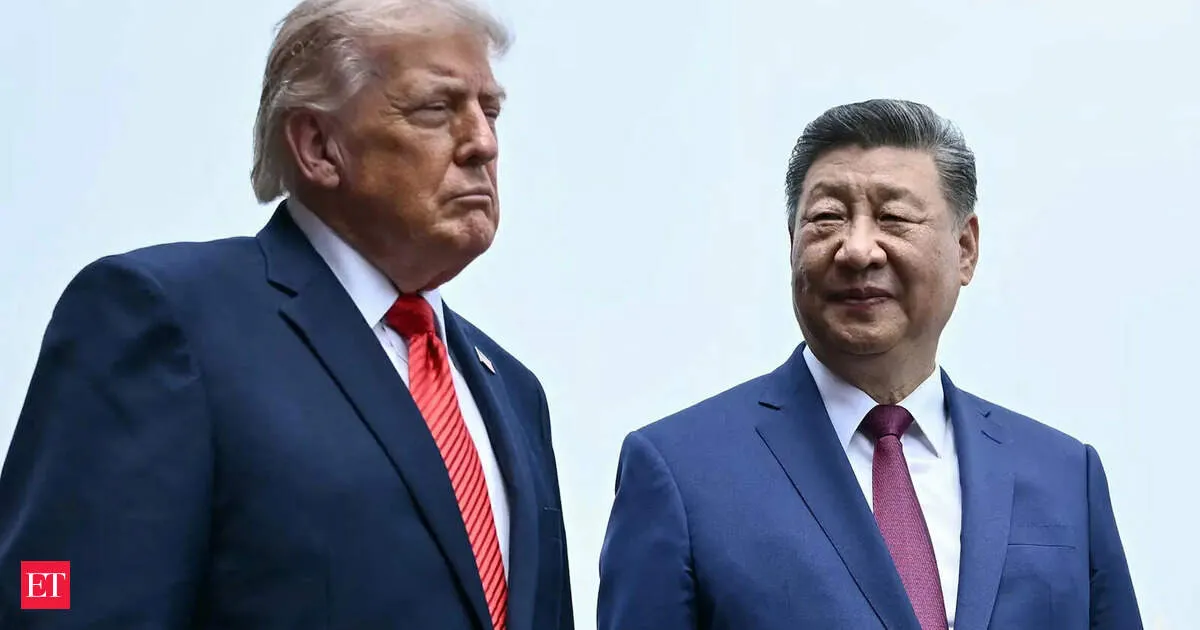
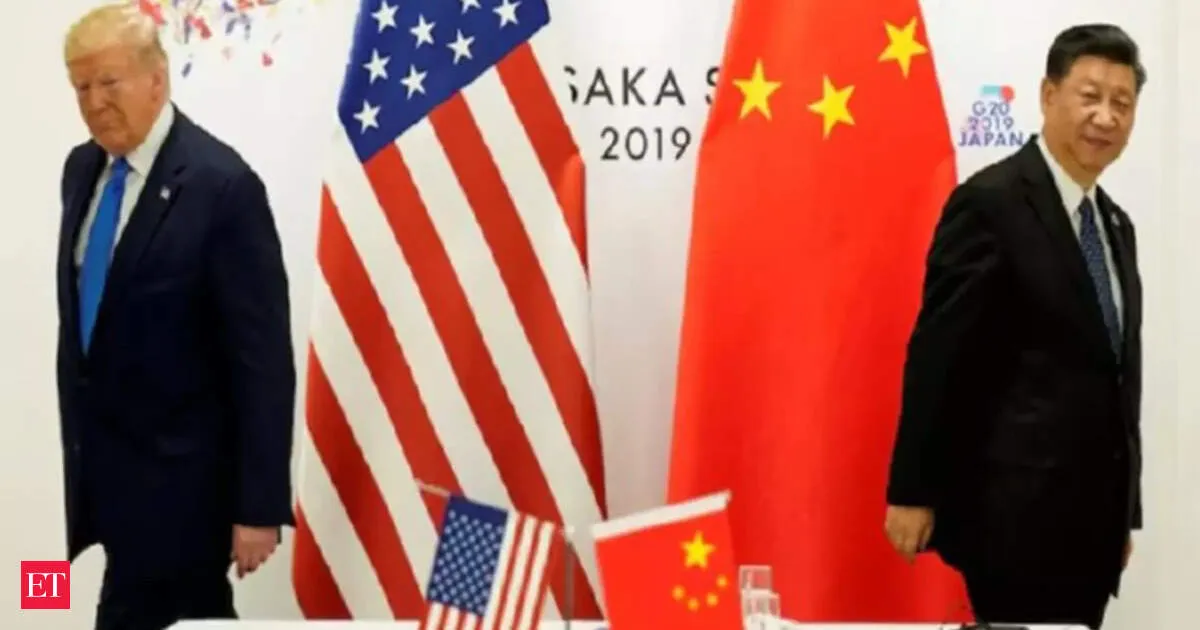
President Donald Trump’s Beijing visit delivered only modest summit deliverables, but it did reset the U.S.-China relationship into a familiar economic and strategic standoff. After last year’s trade war escalated with “Liberation Day” tariffs, the two leaders’ two-day talks with Xi Jinping signaled a return to “constructive strategic stability.” Key issues—U.S. concerns over trade practices and Indo-Pacific military buildup—went largely unaddressed, leaving China a fragile truce and the U.S. limited gains.
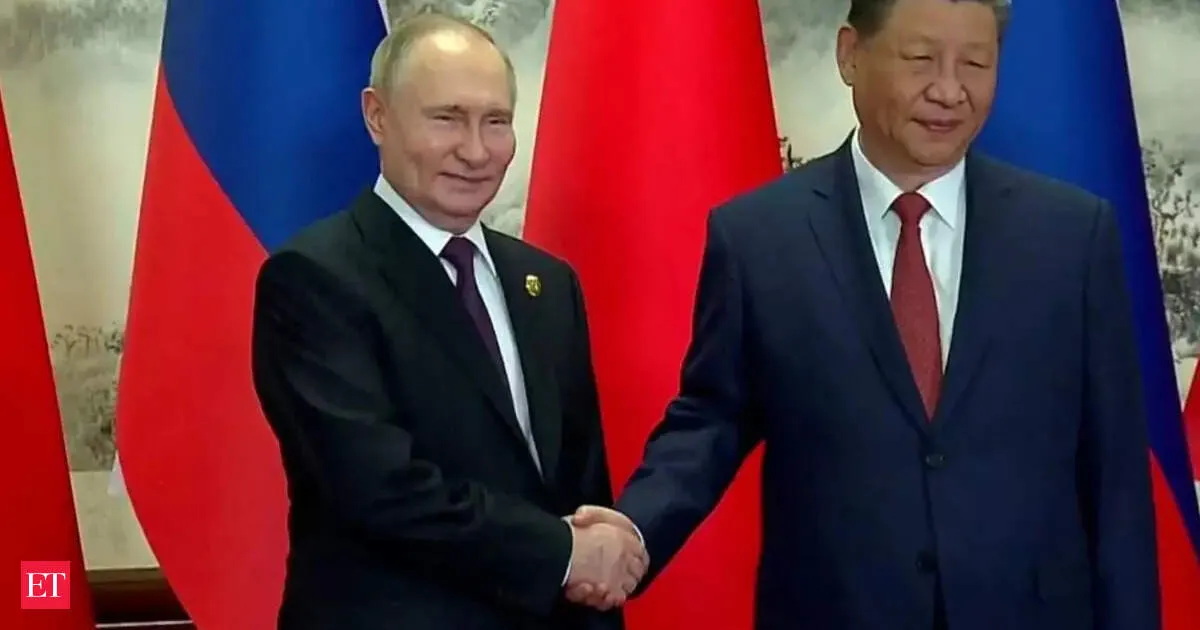
Russian President Vladimir Putin will visit China on May 19 for two days, aiming to expand ties with Xi Jinping and sign a joint declaration. The trip comes right after Donald Trump’s high-profile return to Beijing, where major trade and geopolitical disputes, including Ukraine, remained unresolved. Putin will also discuss economic and trade cooperation with Premier Li Qiang. With Western sanctions squeezing Russia’s energy access, China remains Moscow’s crucial buyer of oil and gas.
Your news, in seconds
Get the Beige app — every story in 60 words, updated hourly. Free on iOS & Android.
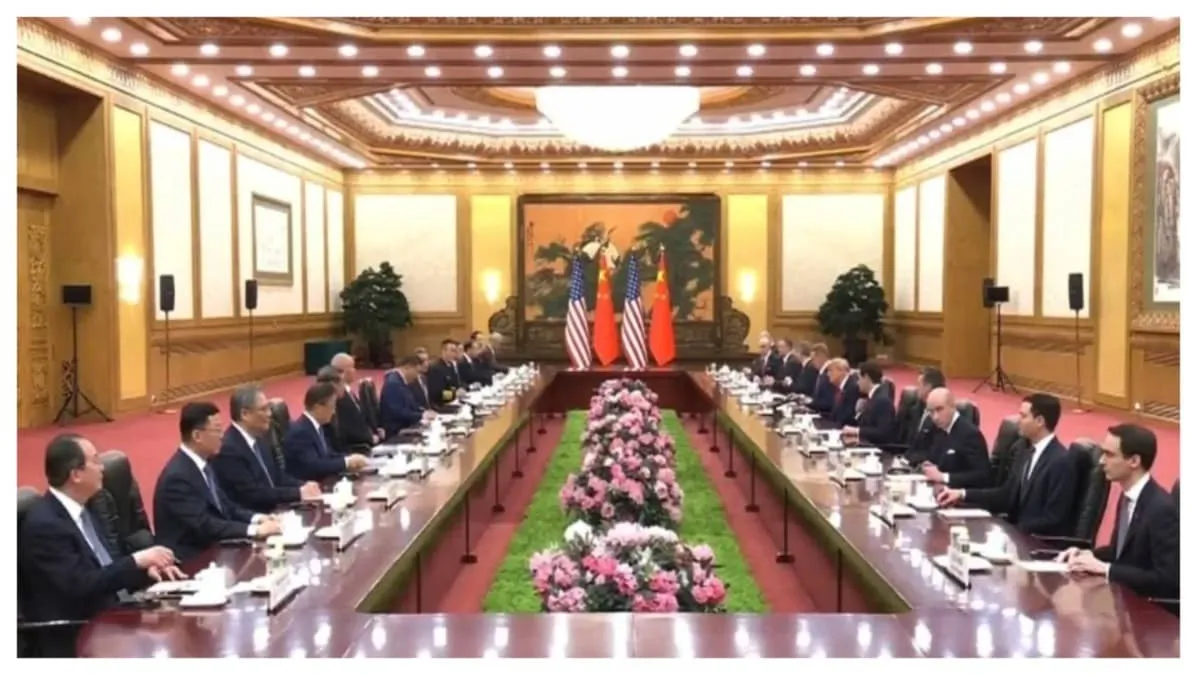
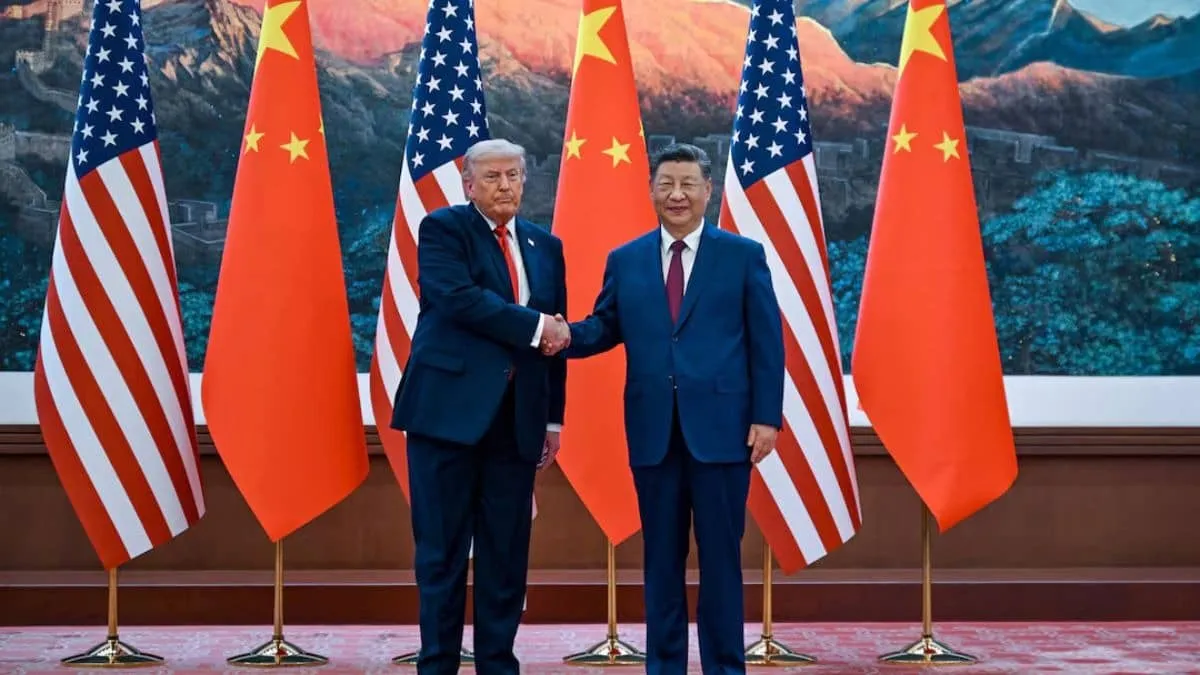
Photos from Donald Trump’s Beijing summit with Xi Jinping at the Great Hall of the People sparked global backlash after observers noted an all-male lineup at the formal negotiating table. Critics say the absence of women from both US and Chinese delegations sends a troubling signal about who gets a voice in high-stakes power politics. Harvard economist Gita Gopinath called it an “end of meritocracy,” while Stanford’s Halima Kazem argued leaders chose a “masculine, militarized” diplomatic image despite available qualified women.
Chinese Foreign Minister said Xi Jinping will visit the United States in the fall at an invitation from President Donald Trump. The announcement points to a specific proposed date: September 24, when Trump is set to host Xi at the White House. The foreign minister made the remarks after noting Trump’s invitation arrived following the banquet Xi held for him in Beijing, highlighting how high-stakes diplomacy is being shaped through carefully staged summits and scheduled state meetings.
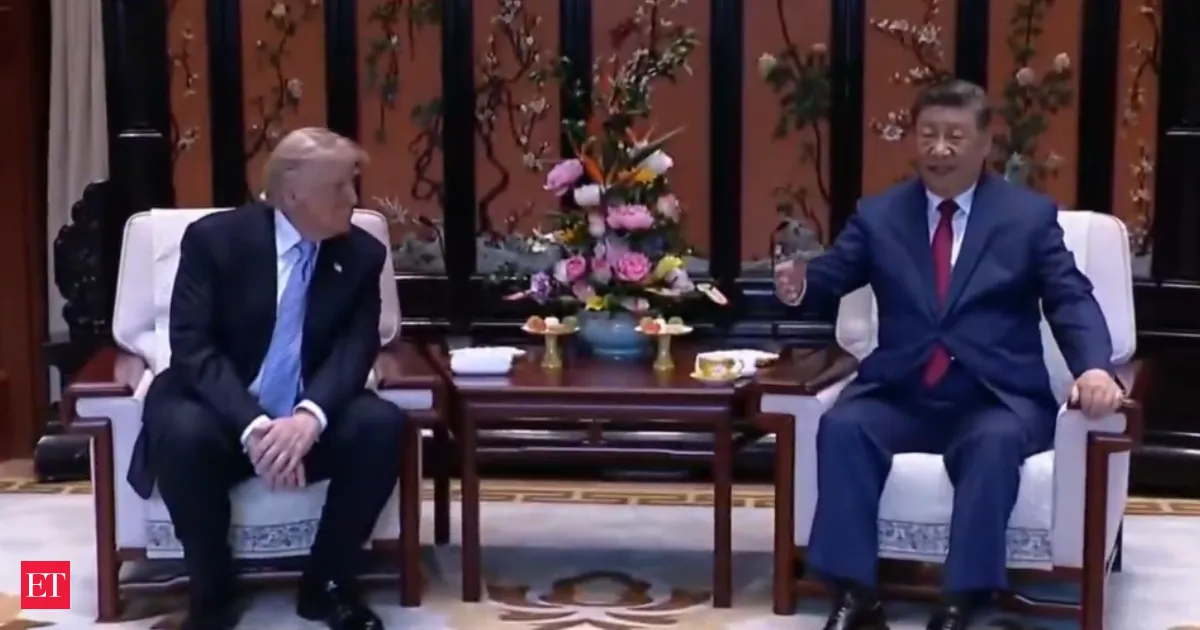
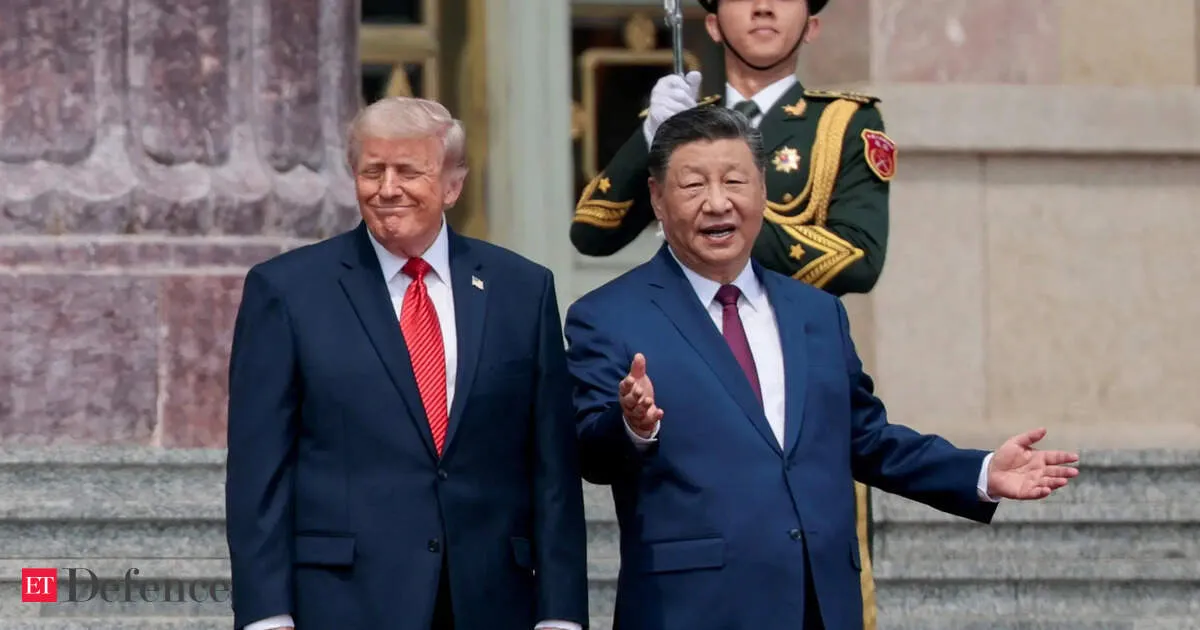
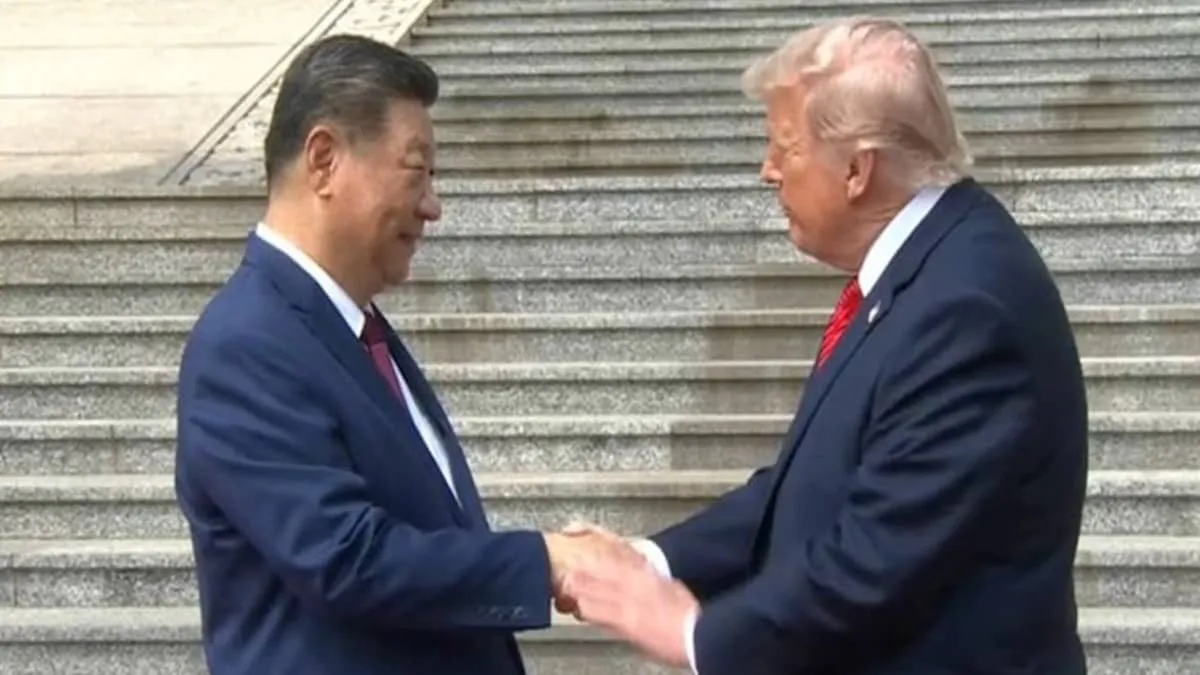
A viral video from Xi Jinping and Donald Trump’s Beijing meeting is igniting online debate over whether Trump was intentionally made to look shorter. In one clip, Xi appears to sit on a higher sofa, prompting claims that a cushion was adjusted—or removed—during seating. A separate widely shared video shows Xi briefly pausing beside Trump on stairs at the Great Hall of the People, with some posts suggesting Xi helped Trump catch his breath. The three-day visit also included major business and diplomatic talks.
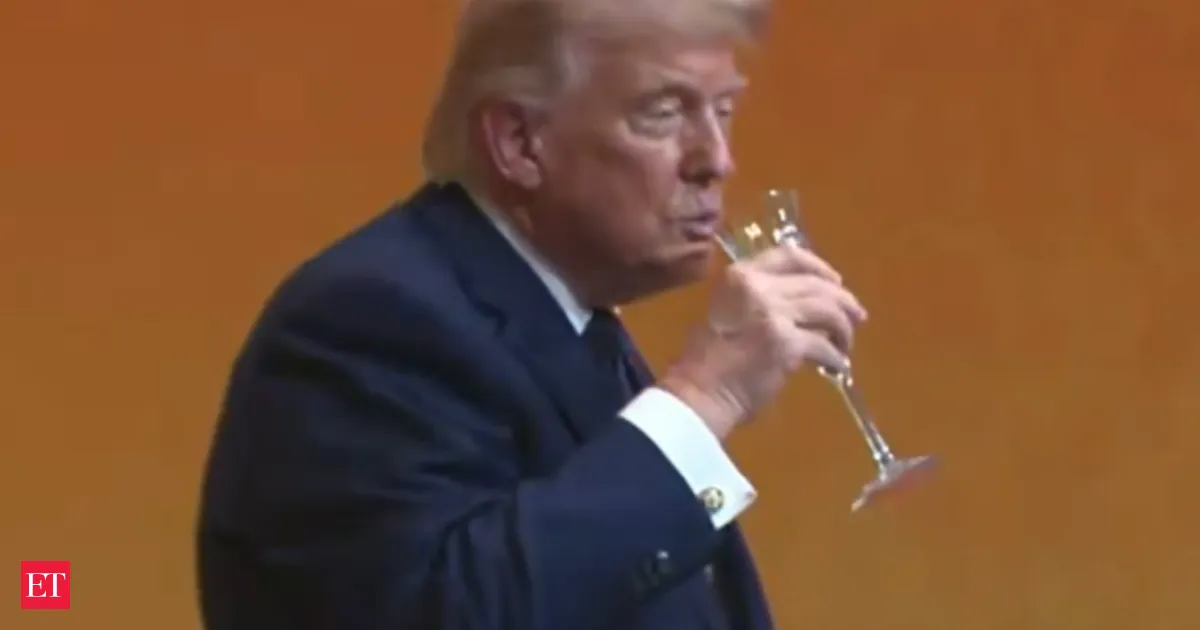
A viral video from Donald Trump’s China visit appears to show him lifting a glass of wine during a toast and taking a sip, contradicting his repeated claim that he has never consumed alcohol. The clip has sparked speculation that he briefly broke his lifelong sobriety, but a former Trump adviser dismissed the rumor publicly, saying it wasn’t alcohol. Trump was in China for talks with Xi Jinping that reportedly covered trade, Taiwan, and Iran, amid tense geopolitical messaging.
Never miss a story
Set alerts for the topics and sources you care about. Download Beige for free.
As President Donald Trump closes a high-stakes visit to China, he insists US China ties are improving despite disputes over Iran, Taiwan, and trade. The attention-grabber: Trump reshaped Xi Jinping’s past “nation in decline” language, claiming it was actually a precise critique of “Sleepy Joe” Biden. He paired the retort with a sales pitch of “incredible rise” under his administration, citing record markets, 401(k) gains, $18 trillion in foreign investment, and military wins—plus claims Xi personally congratulated him.
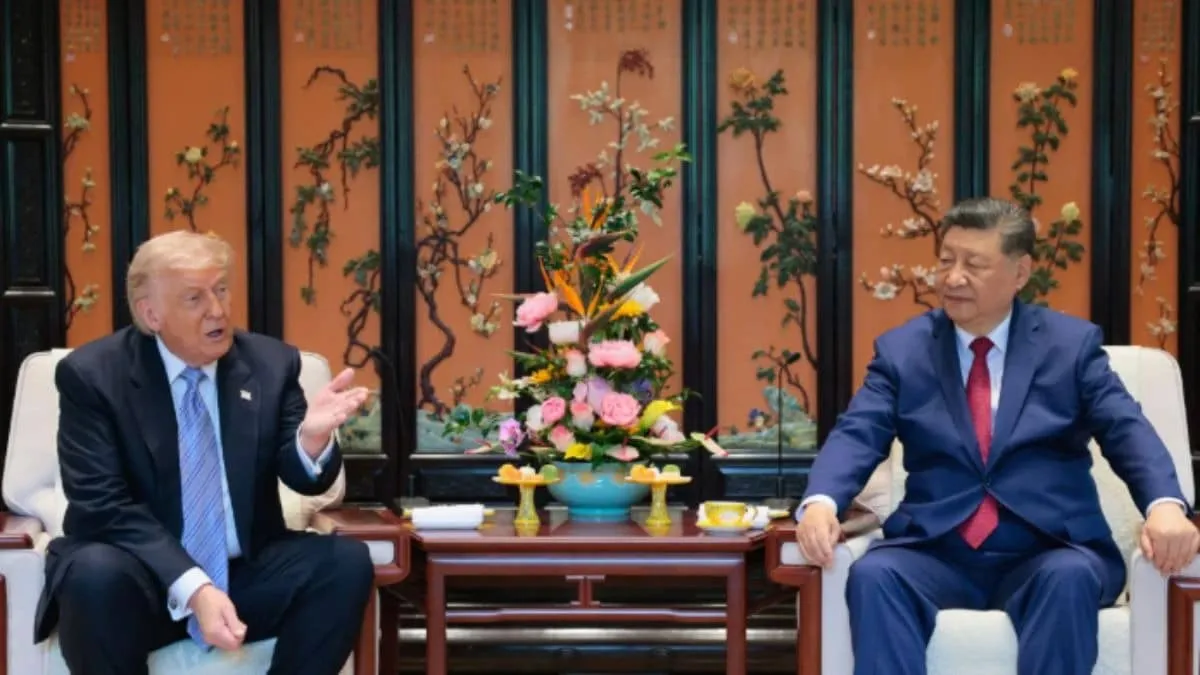
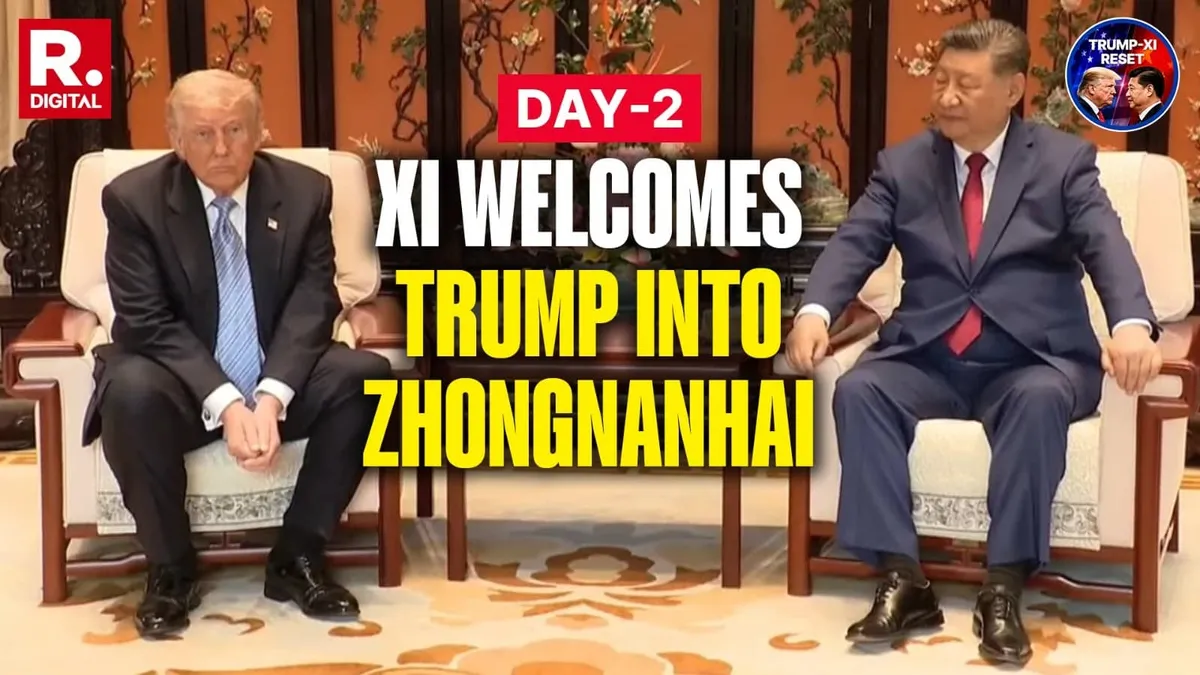
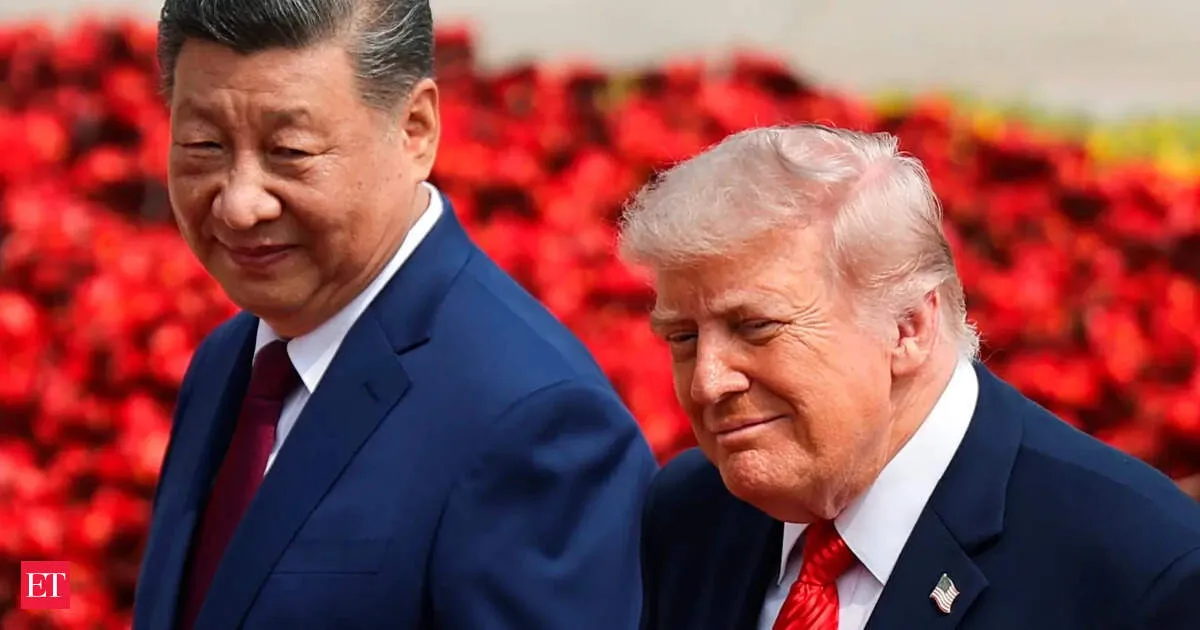
In Beijing’s Zhongnanhai leadership compound, US President Donald Trump and Chinese President Xi Jinping turned high-stakes diplomacy into a unexpectedly floral moment. During a garden walk, Trump praised the roses as the most beautiful he’s ever seen. Xi responded by personally escorting Trump through the historic grounds and promising to send rose seeds from Zhongnanhai to the White House. The gesture landed amid ongoing US-China tensions over tariffs and strategic rivalry, while officials focused on closed-door talks.
Trump’s Beijing summit with Xi Jinping was formally cordial but practically volatile, with clashes behind tightly controlled venues involving the U.S. Secret Service, Chinese security and journalists. The most serious incident came when a Secret Service agent was allegedly blocked by Chinese police from entering the Temple of Heaven while carrying a firearm, triggering a tense nearly-30-minute standoff. Meanwhile, U.S. reporters reported restricted movement, confiscations and delays, and said a White House aide was knocked down during a journalist surge.
Xi Jinping and Donald Trump held extensive talks during Trump’s three-day Beijing visit, with China’s foreign ministry saying they reached “new common understandings” on bilateral and global issues. The centerpiece was a shared vision for a constructive China-US relationship built on “strategic stability,” meant to guide cooperation for the next three years and beyond. Both sides also pledged steady, sound, sustainable development and said the outcomes should bring more peace, prosperity, and progress worldwide.
Reading on mobile?
Open Beige in the app for a smoother experience — free on iOS and Android.
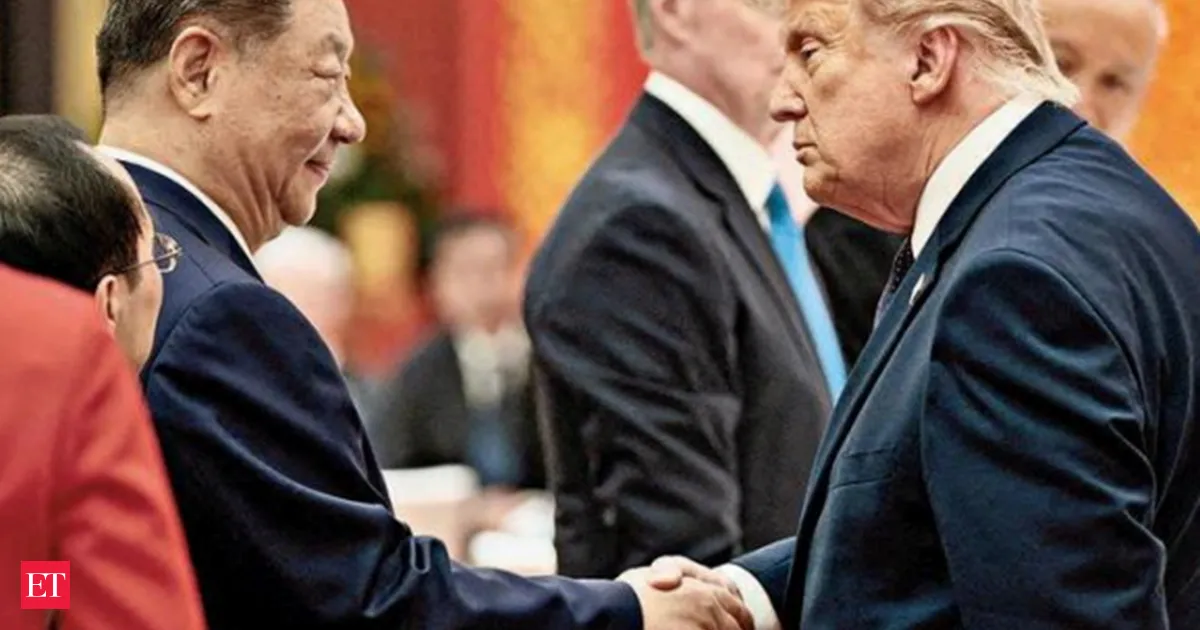
Day 1 of the Trump-Xi summit played out as much in the margins as on the main stage. Trump arrived expecting a “big, fat hug,” but was met with a firm, 10-plus second handshake and arm pats. Xi framed US-China ties as a way to escape the “Thucydides Trap,” urging a “jointly written” new model. Meanwhile, tensions flared between US media and Chinese security, delaying press access. Temple of Heaven visits and Taiwan remarks also fed Chinese social media memes—along with huge online buzz around Nvidia CEO Jensen Huang and Elon Musk.
US President Donald Trump said China committed to buying 200 Boeing aircraft after talks with President Xi Jinping in Beijing. Trump described the move as a commitment during a Fox News interview, adding it would support “a lot of jobs.” US media reports suggest the order could include about 500 Boeing 737 MAX jets and nearly 100 wide-body models such as the 787 Dreamliner and 777. Boeing has not yet commented, but prior optimism came from CEO Kelly Ortberg.
Chinese President Xi Jinping met a delegation of U.S. chief executives in Beijing, telling them China’s door would open wider and that American companies would find broader prospects. The session, reported by Xinhua and CCTV, included prominent leaders such as Elon Musk, Nvidia’s Jensen Huang, and Apple’s Tim Cook at the Great Hall of the People. The meeting follows President Donald Trump’s earlier push for Xi to “open up” China during their summit, setting the stage for renewed business engagement.
US Secretary of State Marco Rubio said Washington will urge Beijing to take a “more active role” in resolving the Iran war crisis during talks between President Donald Trump and Xi Jinping in Beijing. Rubio warned the conflict could destabilize Asia because energy flows rely heavily on key straits. While Trump told reporters he planned a “long talk” on Iran, he also said the US did not need China’s help and would “win it” by peaceful or other means. Rubio framed China as the US’s top political challenge.
Follow your favourite sources
Track sources, tags and categories — all in the Beige app.
U.S. President Donald Trump began two days of talks with China’s Xi Jinping in Beijing, his first trip to China since 2017. The agenda spans a fragile trade truce, the Iran war, and U.S. arms sales to Taiwan. Trump arrived with added political pressure from Middle East-related strains on his approval ratings, while Xi faces fewer domestic constraints. Officials say both sides hope to preserve last October’s tariff and rare-earth understandings as they also explore AI and investment cooperation.
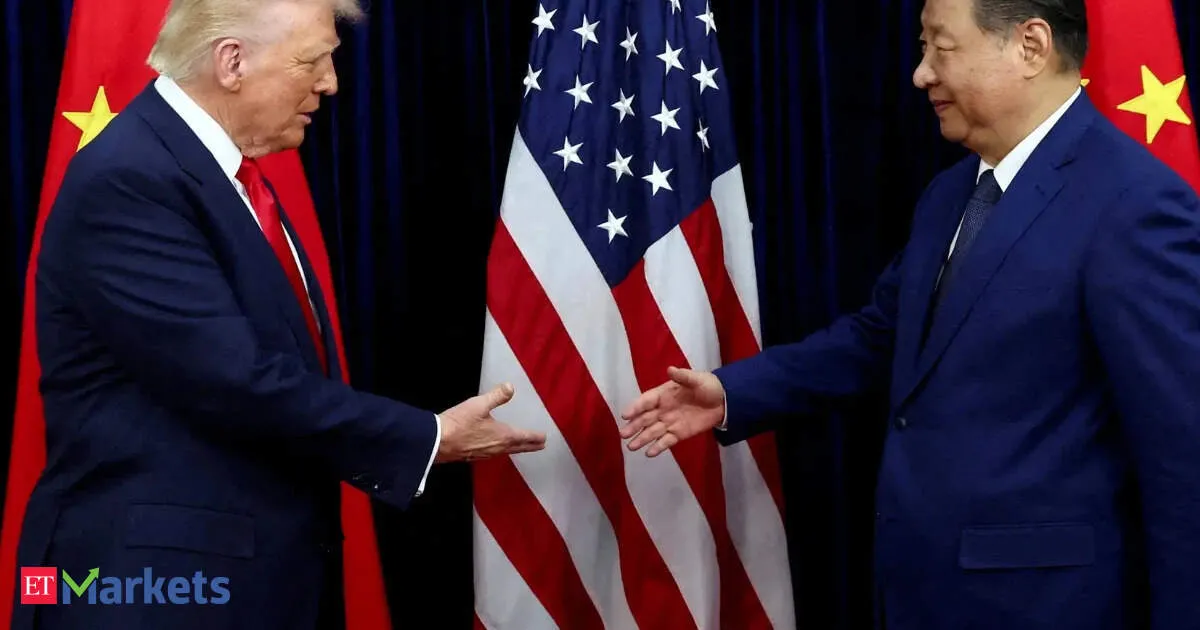
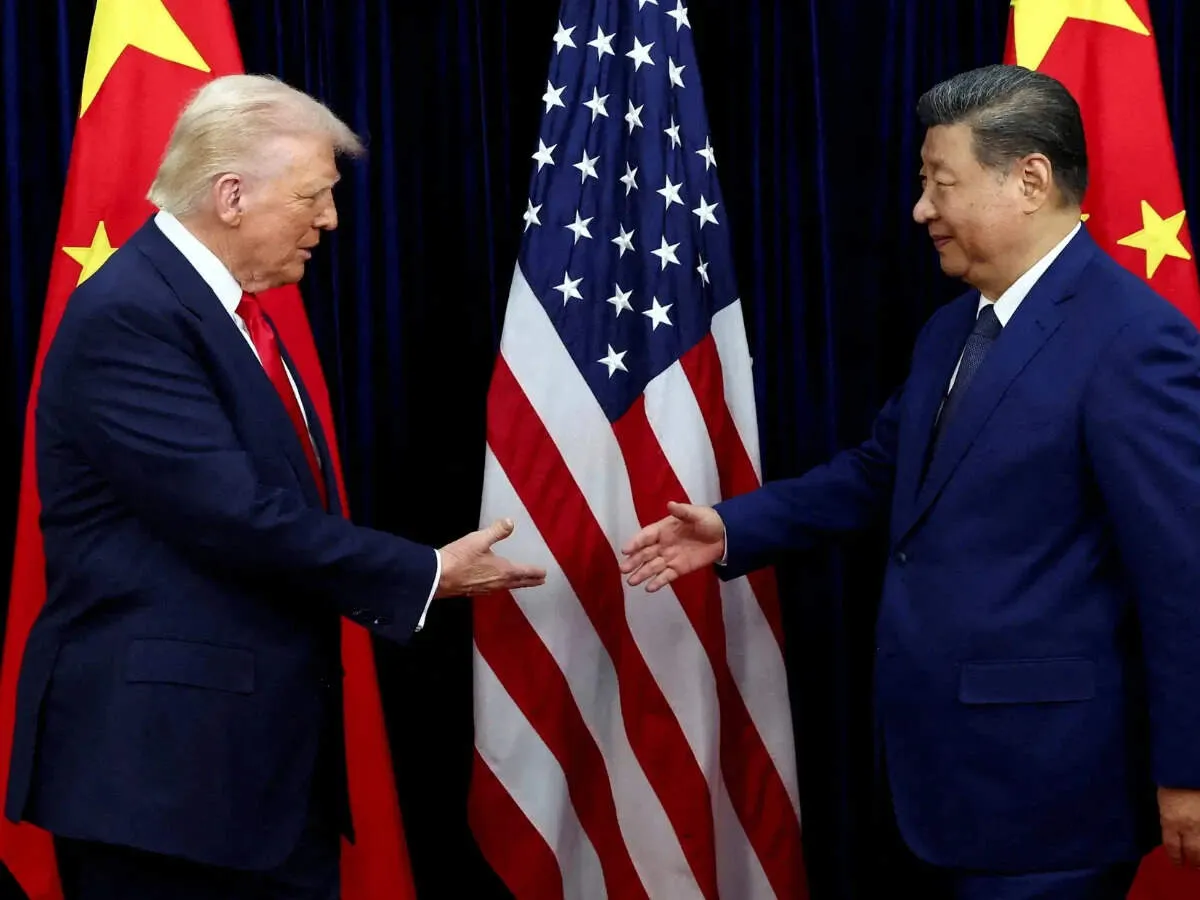
US President Donald Trump has invited Chinese President Xi Jinping and First Lady Peng Liyuan to the White House for a summit on September 24, marking a reciprocal diplomatic gesture after Trump’s Beijing state visit. Trump praised the “positive and constructive” talks and said citizens of both nations share mutual respect. Xi, meanwhile, told the world the relationship must move beyond rivalry, urging Washington and Beijing to act as “partners, not rivals” and calling for a “new chapter” in ties.
A delegation of more than a dozen U.S. CEOs will join President Donald Trump on his May 14-15 summit with China’s Xi Jinping, but this time the visit is built around “tangible asks” rather than big trade announcements. Companies including Tesla, Meta, Mastercard, Visa, BlackRock, Illumina and others are seeking regulatory approvals, market access and investment openings amid tougher scrutiny of U.S. tech, shifting export controls and political tension. Officials say the summit is meant to unlock stalled conversations.
President Donald Trump and Chinese President Xi Jinping held a “good meeting” in Washington focused on expanding market access for American businesses in China and encouraging Chinese investment in US industries. They also addressed global security, stressing that the Strait of Hormuz must remain open to keep energy flowing freely, as discussions touched Iran-related concerns and regional stability.
Stay informed on the go
Bite-sized news from 100+ trusted sources, right in your pocket.
Markets are watching a high-stakes Trump Xi meeting for signs of stability as geopolitical tensions mount. Market strategist Shaun Rein says trade and AI will matter, but the West Asia crisis could dominate talks—partly because the US may rely on China’s diplomatic leverage. The outcome could influence global risk sentiment well beyond the summit.
Xi Jinping hosts Donald Trump in Beijing as China projects economic strength powered by exports tied to AI infrastructure. Yet the editorial warns that global energy disruptions could derail future momentum. China runs a wide trade surplus but relies less on domestic consumption, while the US struggles with inflation linked to its trade deficit. Talks also point to progress on US farm exports.
Swipe through stories, personalise your feed, and save articles for later — all on the app.