India’s new labour code under the Code on Wages introduces an optional four-day workweek with three fixed off-days. Employers can choose this model only if specific conditions are met for employee scheduling and compliance, ensuring workers’ rights aren’t eroded. Before opting in, both employees and employers must understand the eligibility and procedural requirements.
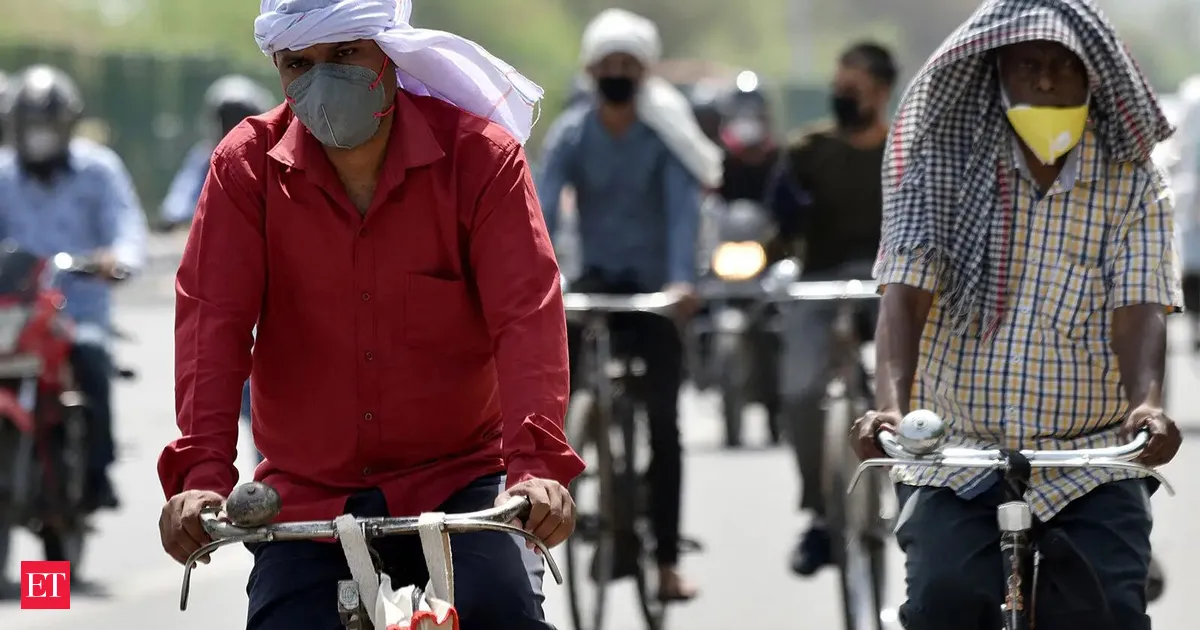
As heatwaves intensify across India, companies are reshaping daily operations to keep staff safe. Many firms are moving to work-from-home options, offering flexible hours, and restricting outdoor work during peak temperatures. Employers are also rolling out cooling measures and health support for employees and delivery personnel, aiming to reduce heat-related risks in everyday work.
Your news, in seconds
Get the Beige app — every story in 60 words, updated hourly. Free on iOS & Android.
India’s Union labour and health ministries have issued urgent heatwave advisories, directing states and union territories to protect outdoor and factory workers with rest, cooling and tighter preventive measures. The plan includes better early warnings to communities and dedicated heat stroke units in health facilities to prevent and manage cases as temperatures rise.
Karnataka’s proposed labour law changes triggered outrage over a reported 14-hour workday, but the real controversy lies in the details. A close read of the amendment focuses on scheduling, overtime thresholds, and applicability across sectors. The move could reshape how work hours are counted and compensated—meaning the impact may differ sharply from headlines.
Swipe through stories, personalise your feed, and save articles for later — all on the app.