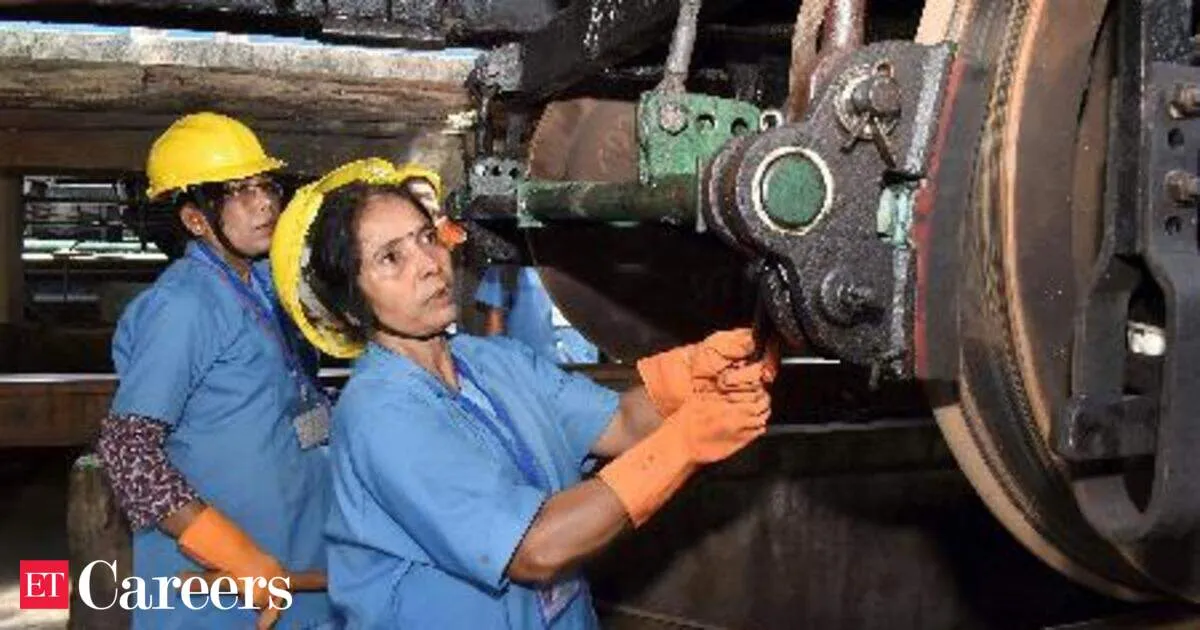
SBI Research says India’s female labour market is moving toward stability, driven by higher education, greater household agency, and social mobility. The report finds a gradual shift from casual to regular wage employment, suggesting a more resilient workforce ahead. But persistent gaps remain across education levels, regions, and social groups, tempering the overall progress.
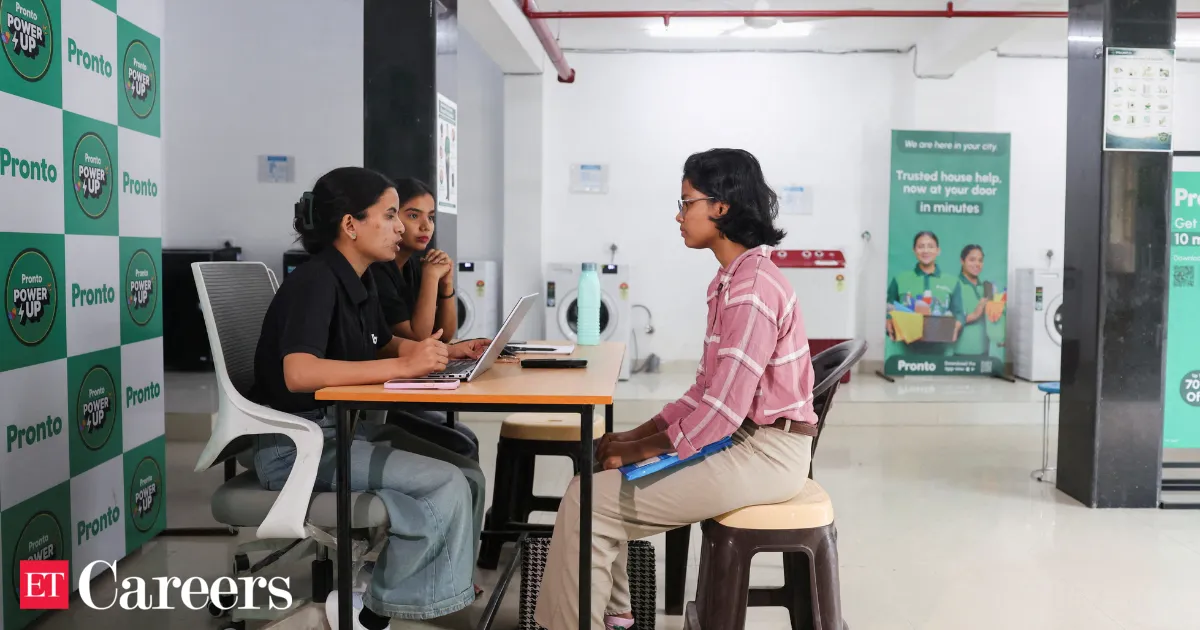
Quick-service platforms such as Snabbit and Pronto are pulling women from the informal domestic economy by offering flexible shifts and fixed monthly payouts that beat earlier, uncertain earnings. Backed by venture capital, they aim to formalize household work at scale, but the model still struggles with ensuring worker safety and long-term stability for employees.
Your news, in seconds
Get the Beige app — every story in 60 words, updated hourly. Free on iOS & Android.
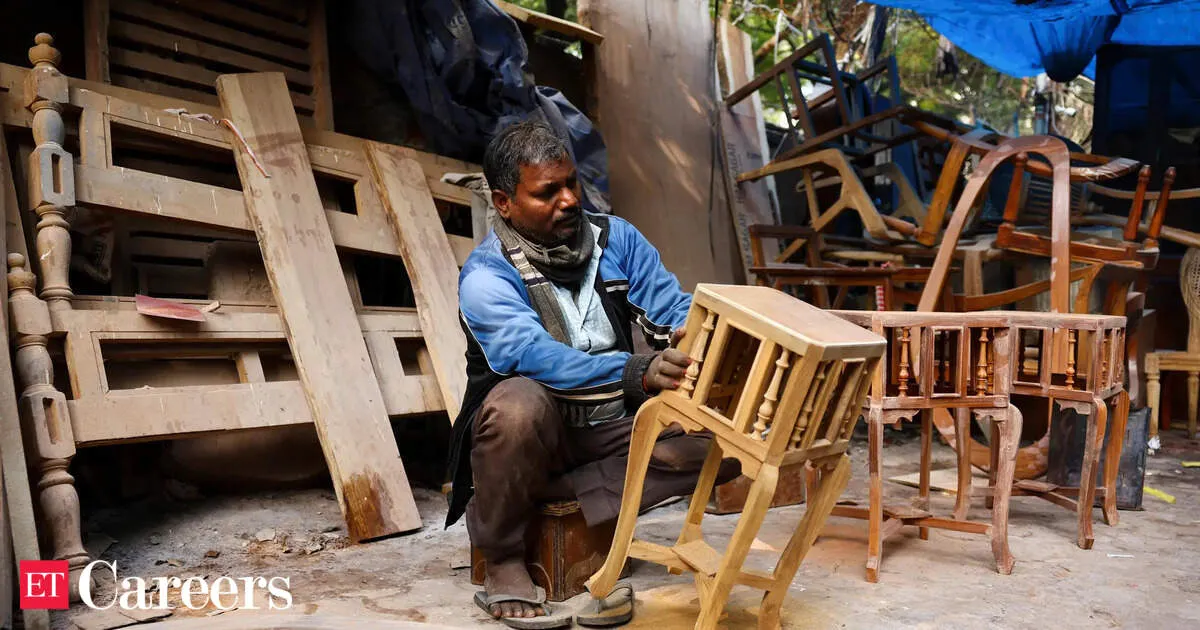
India’s new labour codes are starting to reflect in hiring trends beyond major metros. Reports show job postings rising as much as 56% in tier III and IV cities, alongside a shift toward work-from-office roles. Women’s job opportunities are expanding faster than men’s, while businesses increasingly view regulatory compliance as a key factor guiding recruitment, particularly in smaller markets.
Swipe through stories, personalise your feed, and save articles for later — all on the app.