The Supreme Court has referred the Sunjay Kapur family estate dispute to mediation. Former Chief Justice DY Chandrachud will oversee talks between Rani Kapur, Priya Kapur, and Sunjay Kapur’s children. The estate is valued at nearly Rs 30,000 crore, and a disputed will is at the centre of the conflict, with allegations it leaves the entire property to Priya Kapur.
The Kerala High Court has clarified that a settlement deed has independent legal force even when a will excludes a son or daughter from family property. If the deed is executed in their favour, it can transfer rights over the property regardless of what the will says. The ruling underscores that inheritance outcomes may hinge more on settlement deeds than wills.
Your news, in seconds
Get the Beige app — every story in 60 words, updated hourly. Free on iOS & Android.
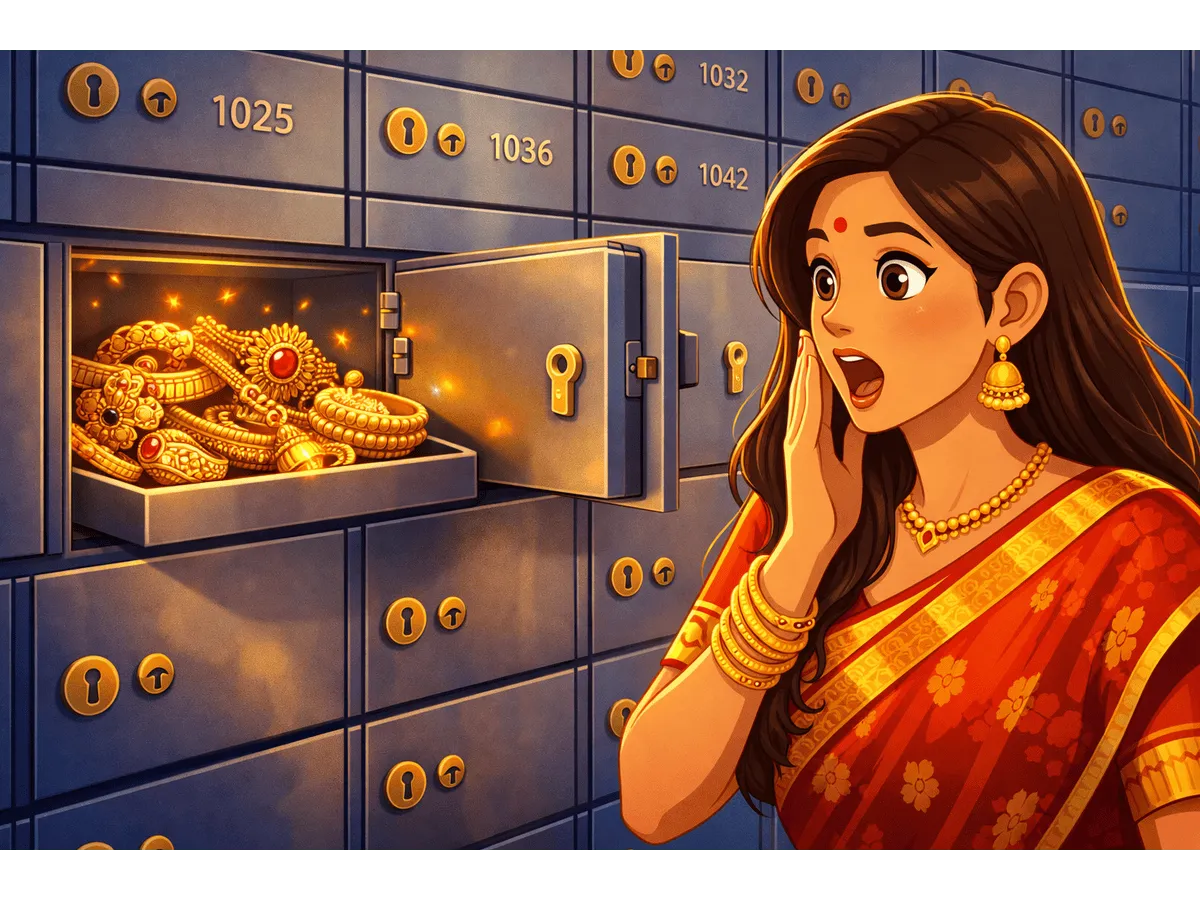
A Kerala High Court ruling says the survivor of a joint bank locker does not automatically acquire complete ownership of the contents. The court held that a properly executed Will by one co-holder can prevail over the “either or survivor” clause. That means locker assets may legally be bequeathed to third parties, changing how families distribute funds after a co-holder’s death.
A new Repealing and Amending Act, 2025 removes Section 213 and tweaks Section 370(1) of the Indian Succession Act. The change puts wills of deceased Hindu, Jain, Sikh, Parsi, or Buddhist individuals in Mumbai, Kolkata, and Chennai on par with other parts of India—ending the earlier probate mandate in these cities.
Swipe through stories, personalise your feed, and save articles for later — all on the app.