Assam Chief Minister Himanta Biswa Sarma shared a video from Hollongapar showing a Hoolock Gibbon using a newly installed arboreal canopy bridge to cross railway tracks safely. The bridge, installed about a year ago as part of wildlife conservation, was built to help tree-dwelling species move between fragmented forest patches without risking ground-level crossings on busy lines. Conservationists called it a hopeful sign for India’s only ape species, urging more such corridors as infrastructure expands across the Northeast.
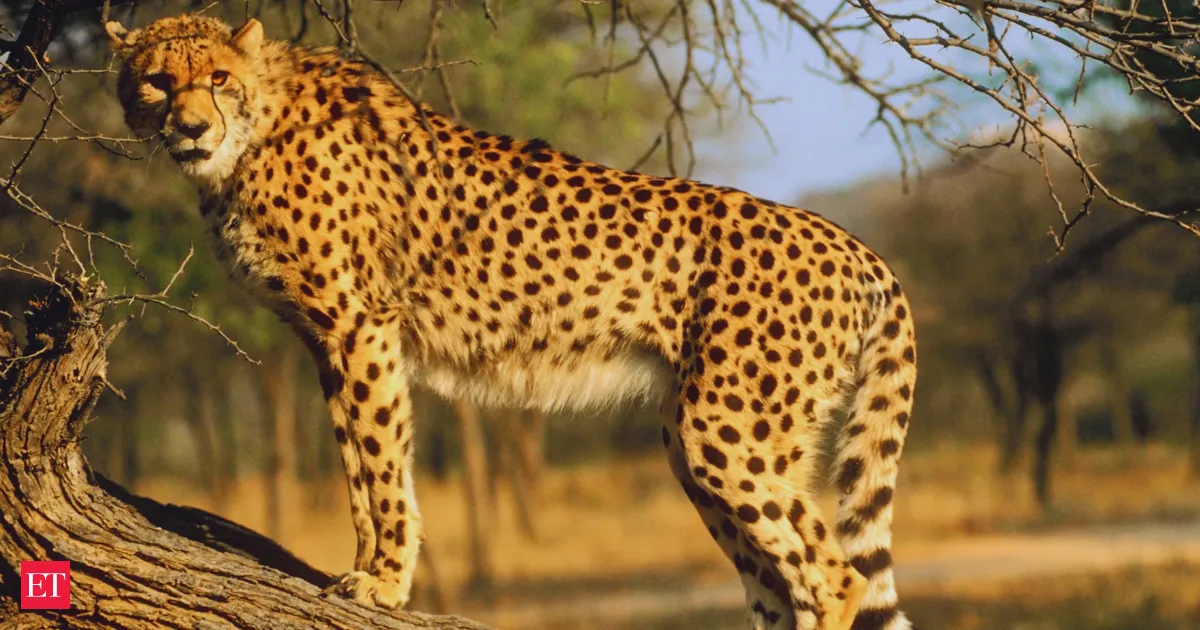
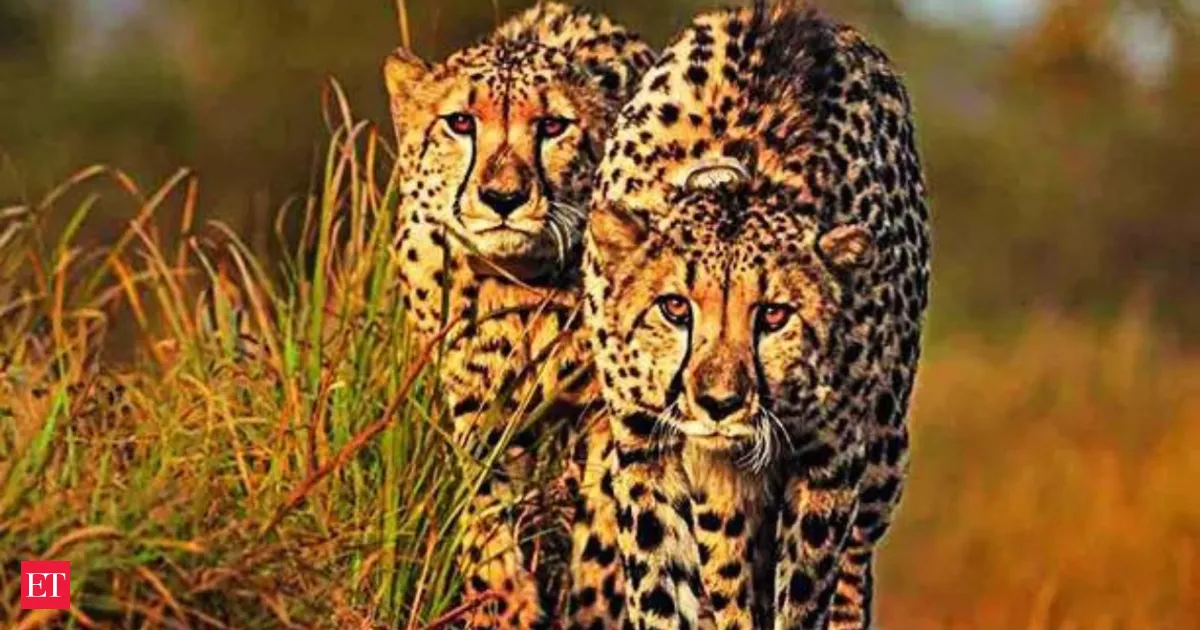
Two cheetahs from Botswana were released into Madhya Pradesh’s Kuno National Park after completing their quarantine under Project Cheetah. Madhya Pradesh Chief Minister Mohan Yadav oversaw the move, which is designed to strengthen wildlife conservation and boost the reintroduction of cheetahs in India. With this release, India’s total cheetah population has risen to 57.
Your news, in seconds
Get the Beige app — every story in 60 words, updated hourly. Free on iOS & Android.
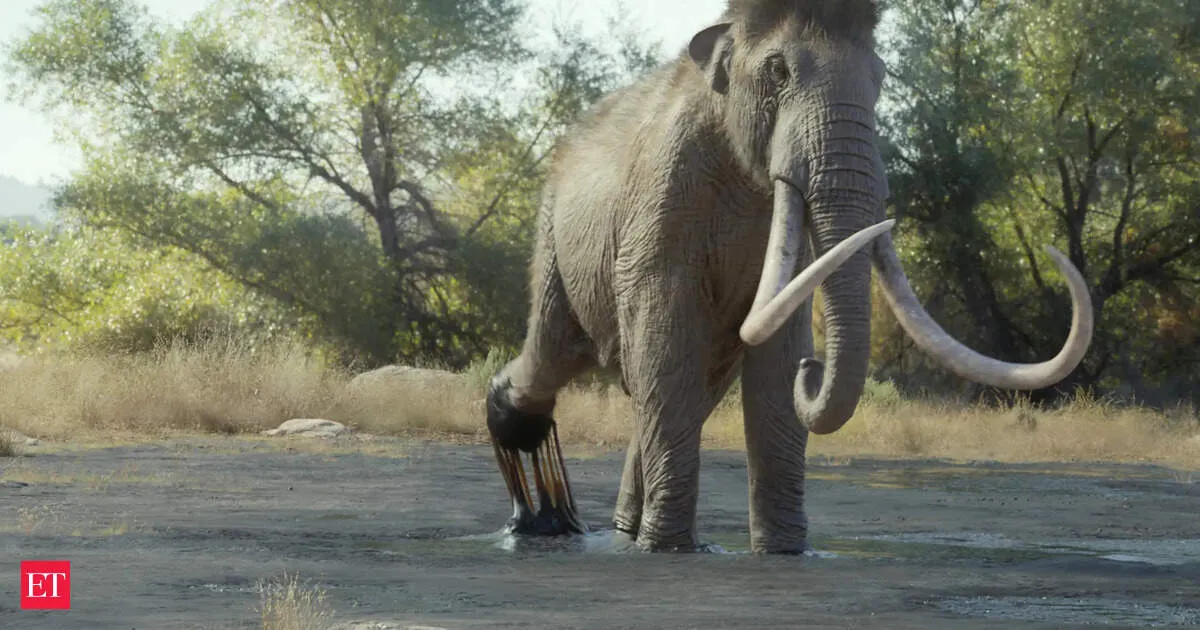
Researchers are pushing de-extinction beyond headlines, aiming to bring back species such as woolly mammoths and bluebuck. The plan doesn’t stop at cloning or genetics: scientists want to rewild these animals in habitats where they once lived. For species that cannot be carried by living relatives, the work also includes developing artificial womb technology to support embryo growth.
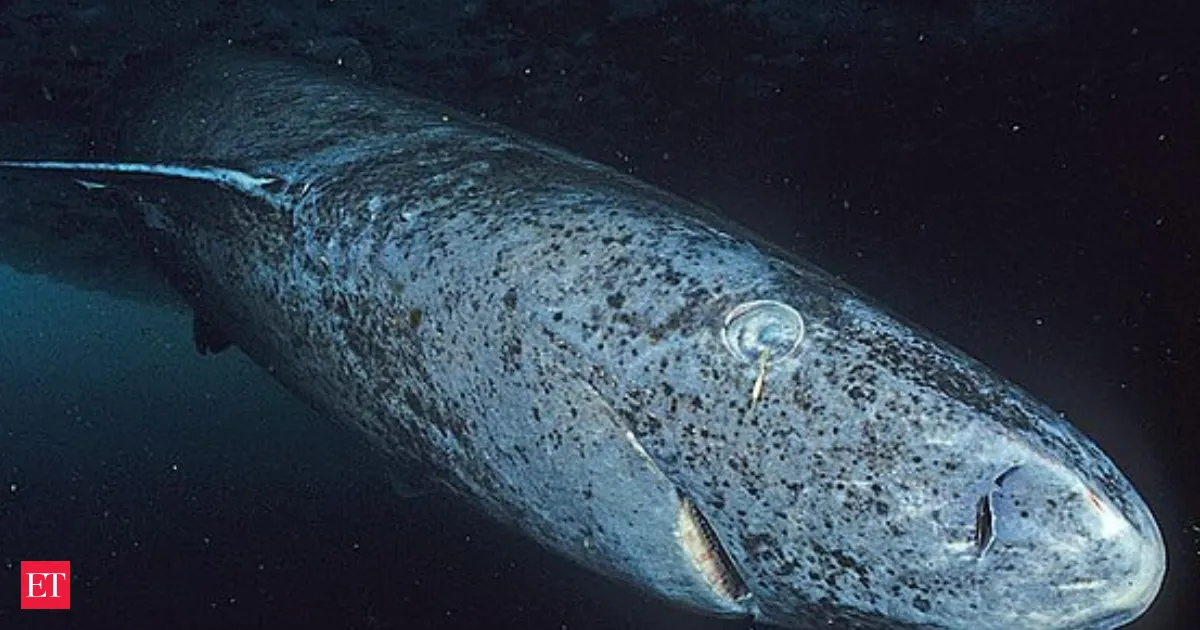
Scientists studying Greenland sharks say some individuals may live for centuries, with estimates topping 390 years and possibly reaching 500. A 2016 study used radiocarbon dating of eye lenses to determine age. Slow growth and late maturity in cold, deep waters leave them especially vulnerable, offering a rare look at long timescales in the ocean.
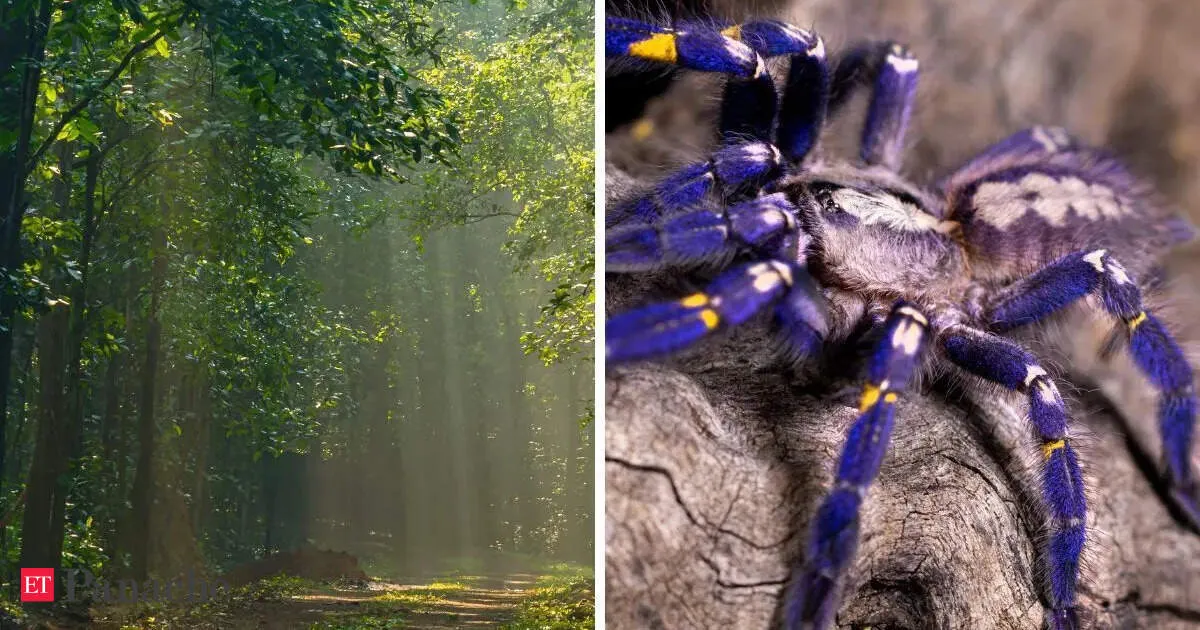
Conservation teams in Andhra Pradesh’s Nagarjunasagar Srisailam Tiger Reserve are launching a targeted survey to study the critically endangered Peacock Tarantula. This electric-blue arachnid is found only in a limited stretch of the Eastern Ghats and faces mounting threats. Researchers will map its population and habitat, underscoring why protecting lesser-known species matters for ecological balance.
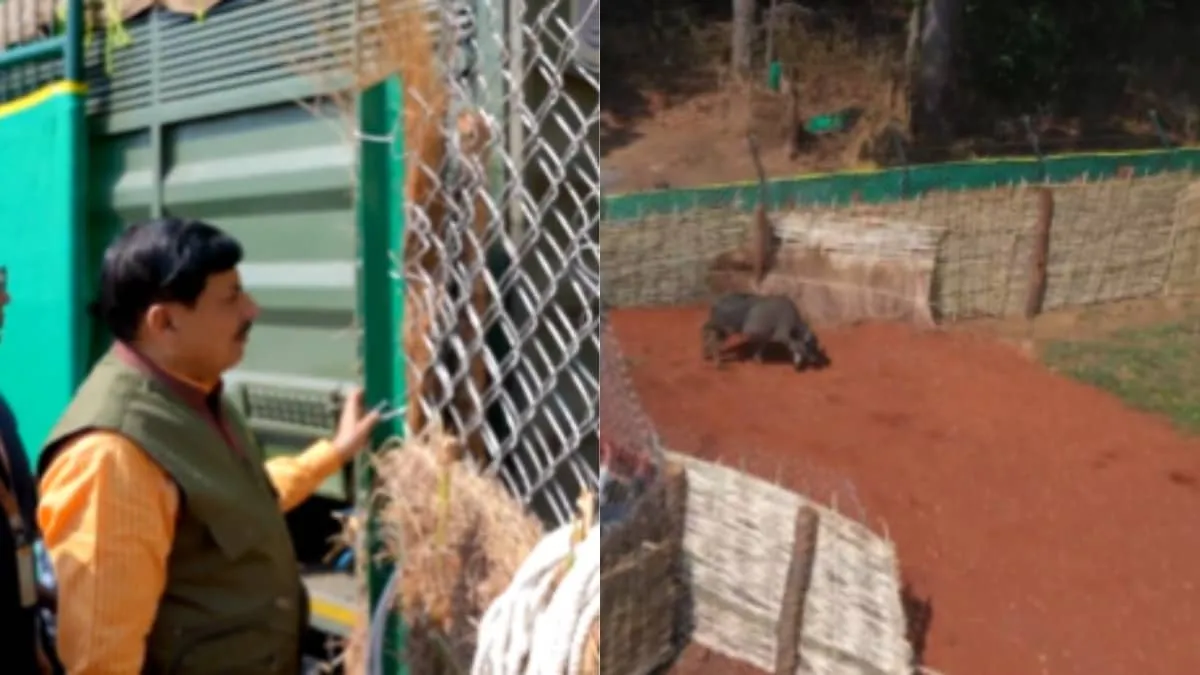
Madhya Pradesh Chief Minister Mohan Yadav on Tuesday hailed the release of wild buffaloes in Kanha National Park as a “historic moment,” saying it signals the revival of a species after many years. The move, carried out in the Kanha Tiger Sanctuary area, is presented as a boost for the state’s ecology and environmental balance, with officials framing it as a long-awaited conservation effort.
Never miss a story
Set alerts for the topics and sources you care about. Download Beige for free.
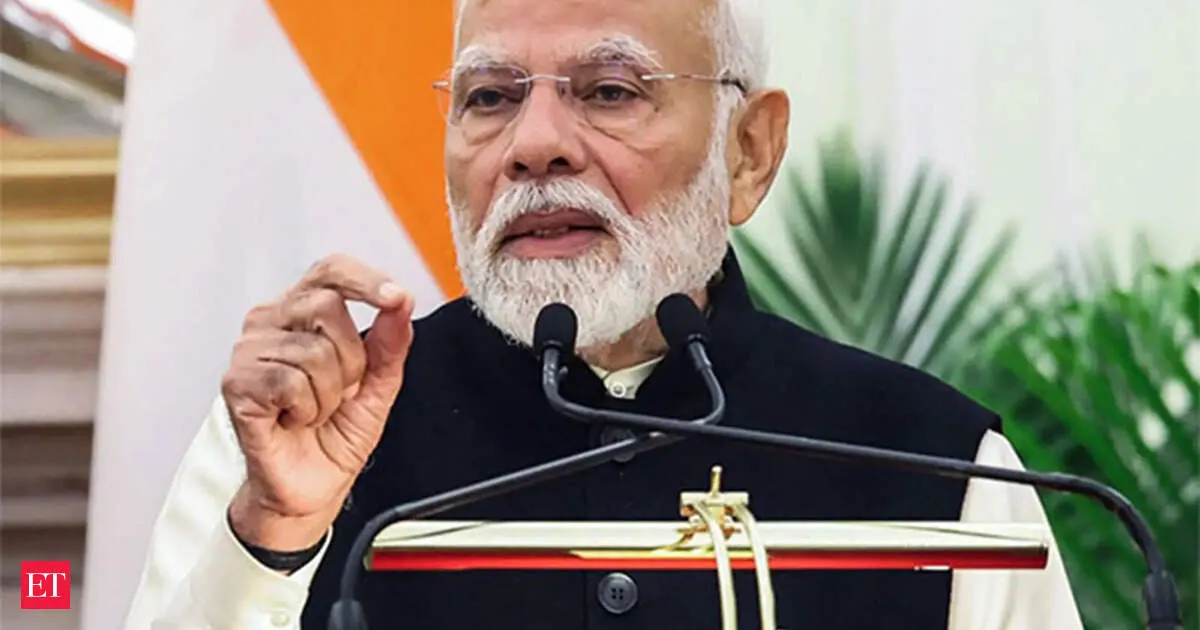
In Mann Ki Baat, Prime Minister Narendra Modi credited wildlife conservation for blackbucks returning to Chhattisgarh, and also stressed efforts to protect the Great Indian Bustard. He further celebrated India’s dairy progress by highlighting awards won by Indian cheesemakers at an international competition in Brazil, pointing to growing global demand for Indian flavors.
Mukhi, an India-born cheetah at Kuno National Park, reaches adulthood on Monday, marking a historic milestone for India’s reintroduction effort. Her survival, despite the deaths of siblings, highlights the program’s growing success, with Kuno’s cub survival rate reported above 61%. Officials now plan to expand the gene pool, aiming to prove cheetahs can thrive and reproduce in Indian conditions.
In Kuno National Park, a solar-powered water lift system is now vital for cheetah cubs coping with extreme heat. It draws water from the Kuno River and sends it through an 8.6 km pipeline to multiple locations, helping mothers and cubs stay hydrated when natural conditions are harsh.
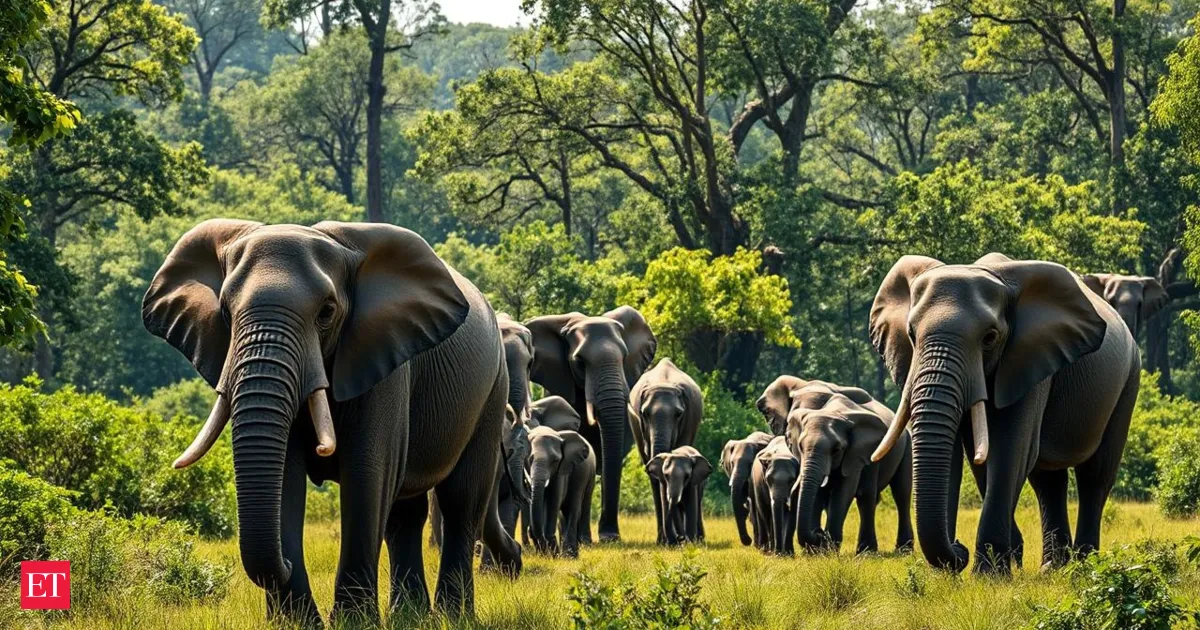
Zimbabwe says it will cull dozens of elephants in the Save Valley Conservancy because the current herd is far above the area’s carrying capacity. Officials argue the move will curb ecological damage from overpopulation. Meat from the culled animals will be distributed to local communities, while the ivory will be kept by the state wildlife authority.
Reading on mobile?
Open Beige in the app for a smoother experience — free on iOS and Android.
Reliance Industries Executive Director Anant Ambani has launched Vantara University in Jamnagar, Gujarat, focused on global wildlife conservation and veterinary sciences. The initiative targets a major worldwide shortage of specialized expertise by combining research, training, and on-ground conservation. Backed by Reliance’s long-term commitment, it positions wildlife science education as a direct investment in planetary well-being.
Swipe through stories, personalise your feed, and save articles for later — all on the app.