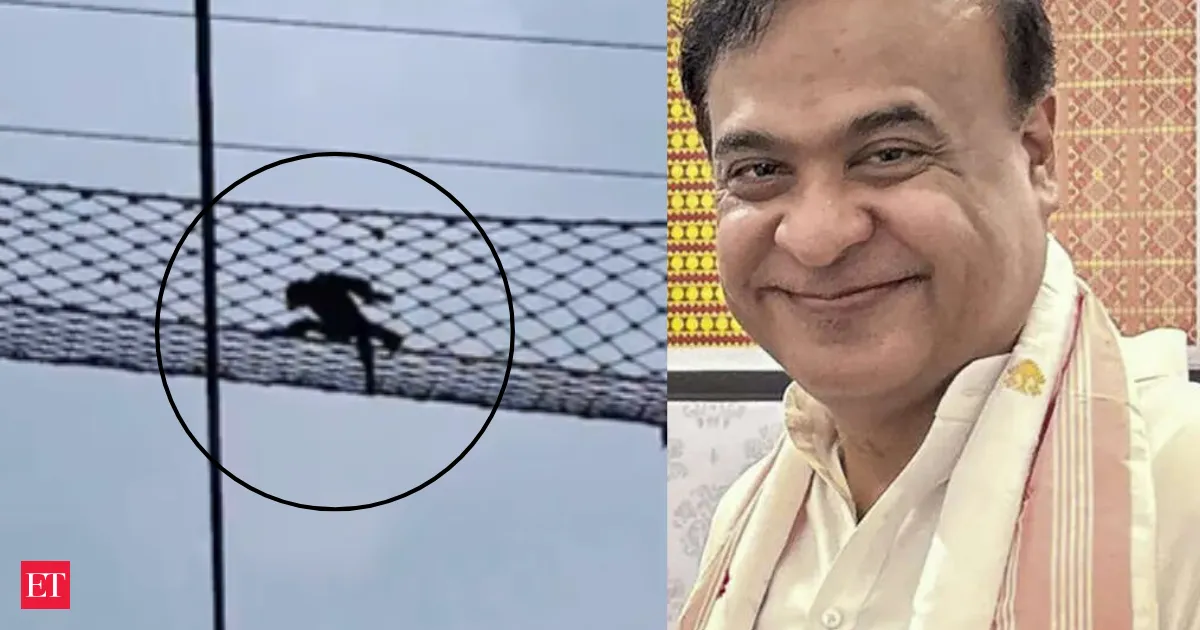
Assam Chief Minister Himanta Biswa Sarma shared a video from Hollongapar Gibbon Wildlife Sanctuary showing an endangered Hoolock Gibbon safely crossing a railway track using a specially designed canopy bridge. Installed nearly a year earlier, the netted rope structure lets arboreal animals move above ground without touching trains or vehicles. Sarma called it a “small but significant” example of science-led conservation, noting the islanded forest movement issues primates face when connectivity is disrupted.
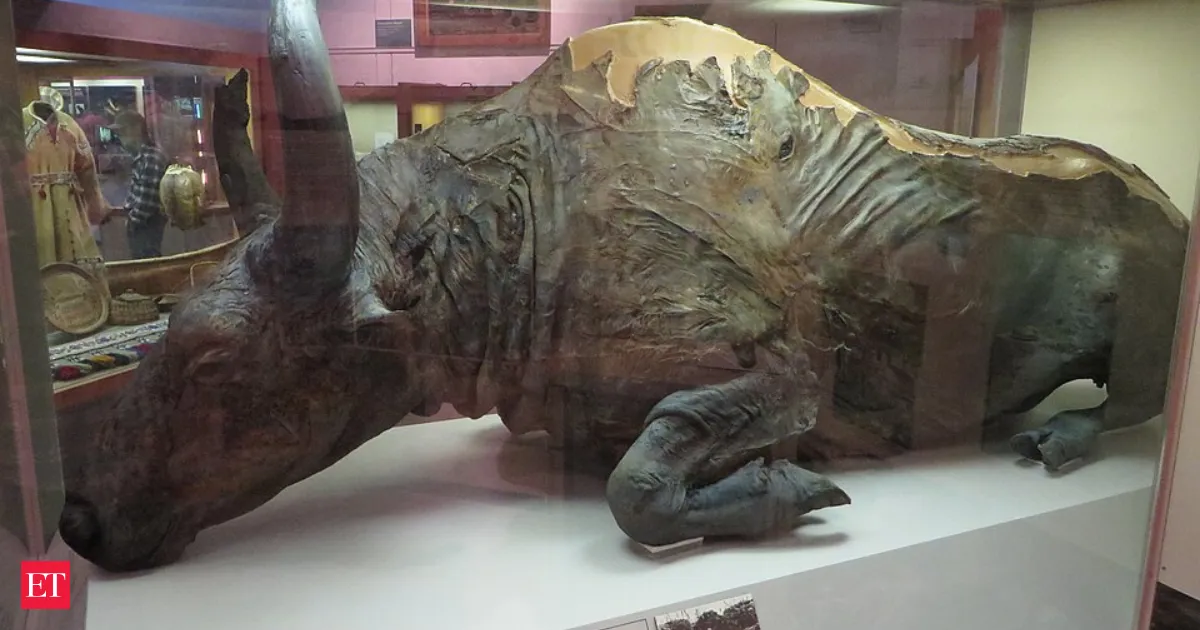
In 1979, miners in Alaska struck paydirt when hydraulic hoses exposed a 36,000-year-old steppe bison nicknamed “Blue Babe.” Kept by permafrost, the carcass retained soft tissues and skin—rare for Ice Age finds. Researchers say the preservation offers fresh clues about how the animal lived, what it ate, and what may have happened in its final moments.
Your news, in seconds
Get the Beige app — every story in 60 words, updated hourly. Free on iOS & Android.
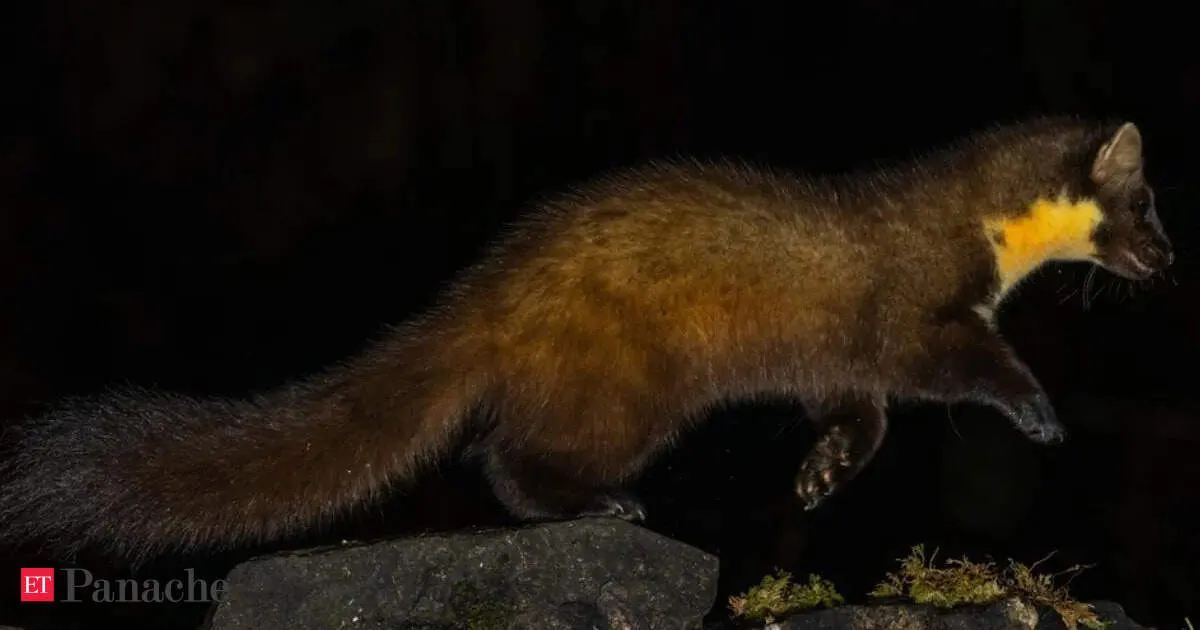
A rare Nilgiri marten has been spotted in the Western Ghats, drawing online buzz for its striking looks and reportedly playful behavior. The endemic mammal’s appearance is a reminder of the region’s high biodiversity—but also its fragility. Conservation experts say sightings like this should spur stronger habitat protection to safeguard vulnerable wildlife.
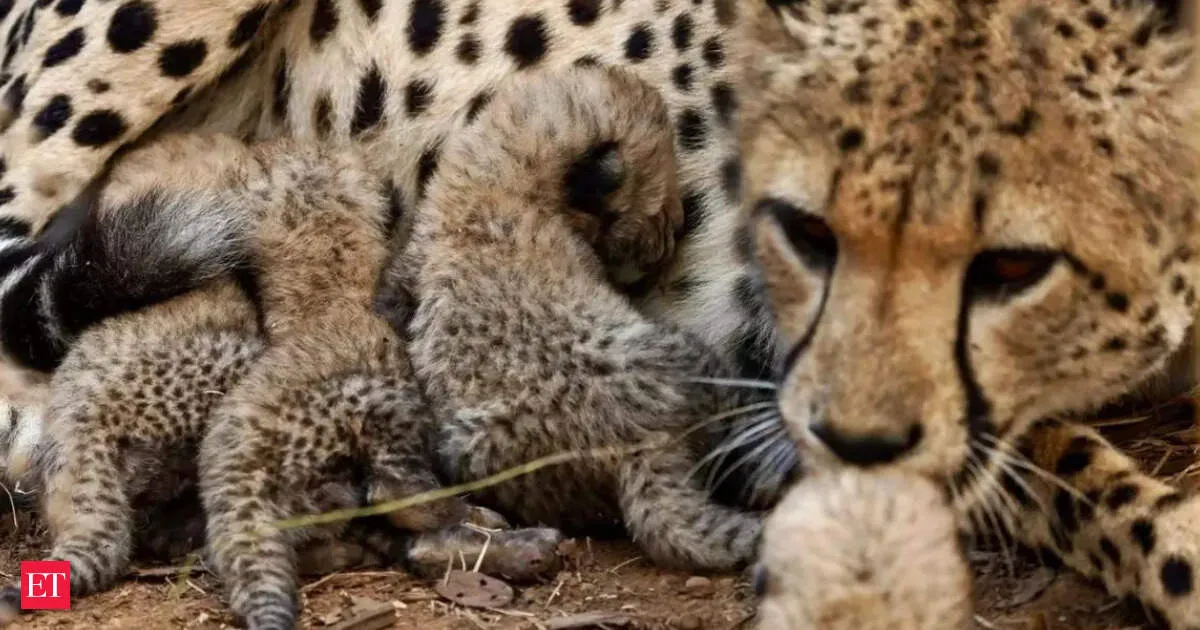
Four cheetah cubs born a month ago were found dead inside Madhya Pradesh’s Kuno National Park. Officials said the carcasses were partially eaten and the cubs were last seen alive on May 11. Predation by another animal is suspected, while the mother cheetah is reported safe. The deaths bring India’s cheetah population down to 53.
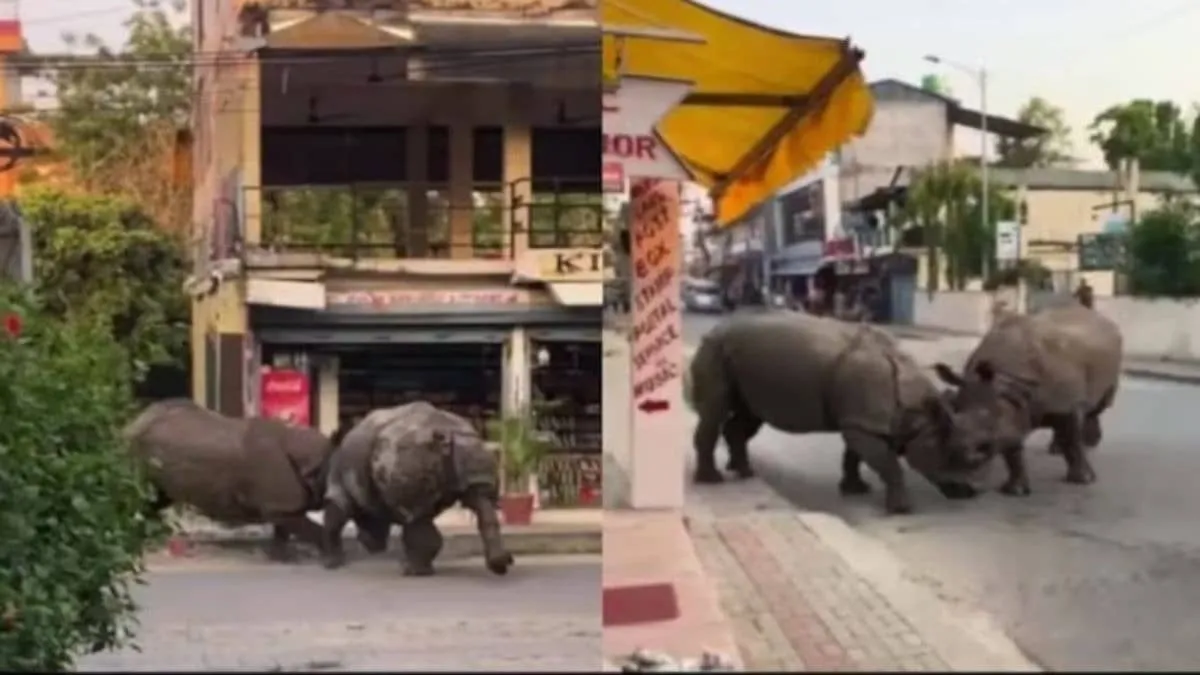
Tourists in Nepal’s Sauraha, the gateway to Chitwan National Park, arrived expecting safe jeep drives—not a sudden showdown. Shocking video shows massive one horned rhinos charging with surprising speed, as daily life across the high street grinds to a halt for several intense minutes. The clip underscores how quickly wildlife can upend human routines near protected areas.
New Delhi will host the first International Big Cat Alliance summit on June 1 and 2, bringing world leaders and experts together to finalize the “Delhi Declaration.” The declaration is set to chart how countries coordinate to conserve tigers, lions, leopards, jaguars, pumas, cheetahs, and snow leopards, aligning policies and best practices to strengthen habitat protection.
Never miss a story
Set alerts for the topics and sources you care about. Download Beige for free.
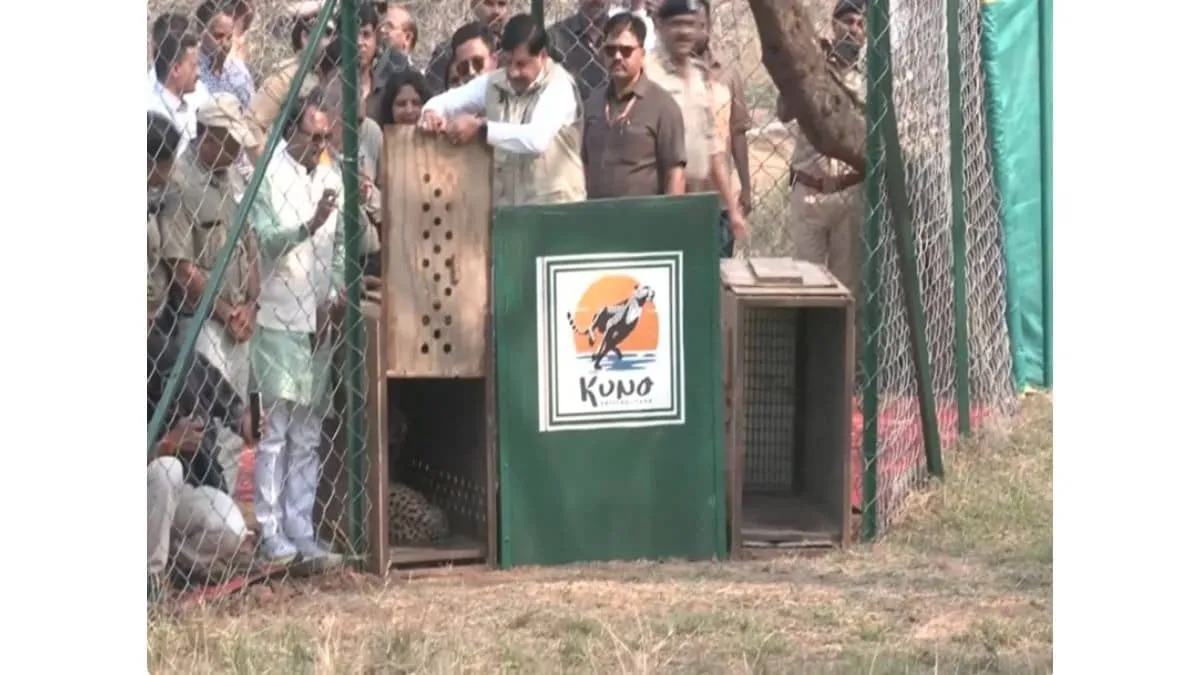
Madhya Pradesh Chief Minister Mohan Yadav released two female cheetahs into open wild at Kuno National Park in Sheopur on Monday. The cats were part of the latest batch brought from Botswana in February, after completing quarantine and acclimatisation. Officials are now watching closely to see how the new pair adapts to their habitat in the reintroduction programme.
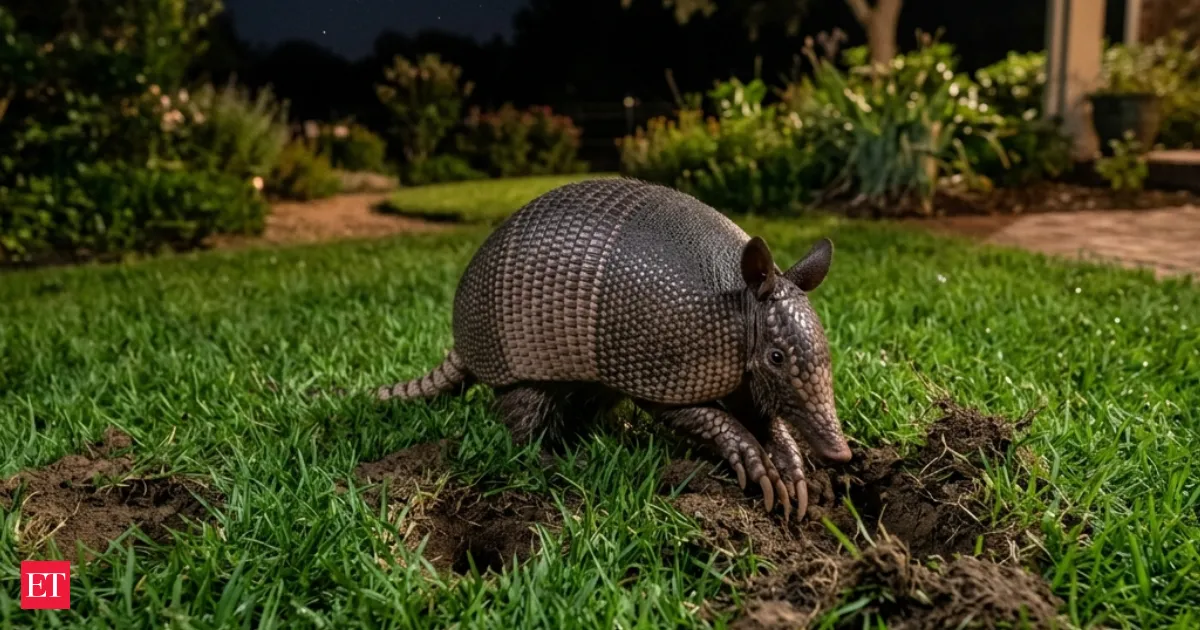
Homeowners are reporting tiny cone-like holes in their lawns, and wildlife experts say they’re from armadillos foraging for insects after dark. The animals dig shallow burrows in soft, irrigated soil, often staying unseen because they’re nocturnal. Since fencing large areas is impractical, recommended fixes focus on trapping and removal, plus reducing watering to make yards less attractive over time.
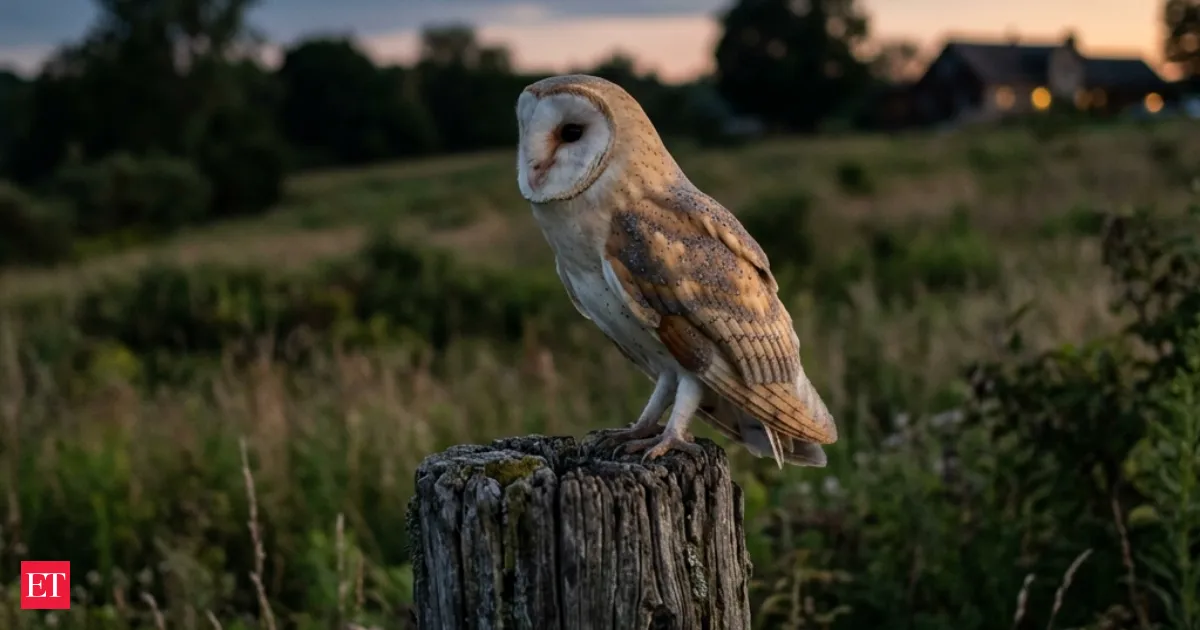
Barn owls can naturally cut pests, but simply installing a nest box won’t attract them reliably. Wildlife experts say success depends on abundant prey, open hunting areas, and a genuinely safe yard. Even when owls arrive, they’re gradual residents—homeowners must keep maintaining conditions, including avoiding rodenticides, to support long-term nesting and hunting.
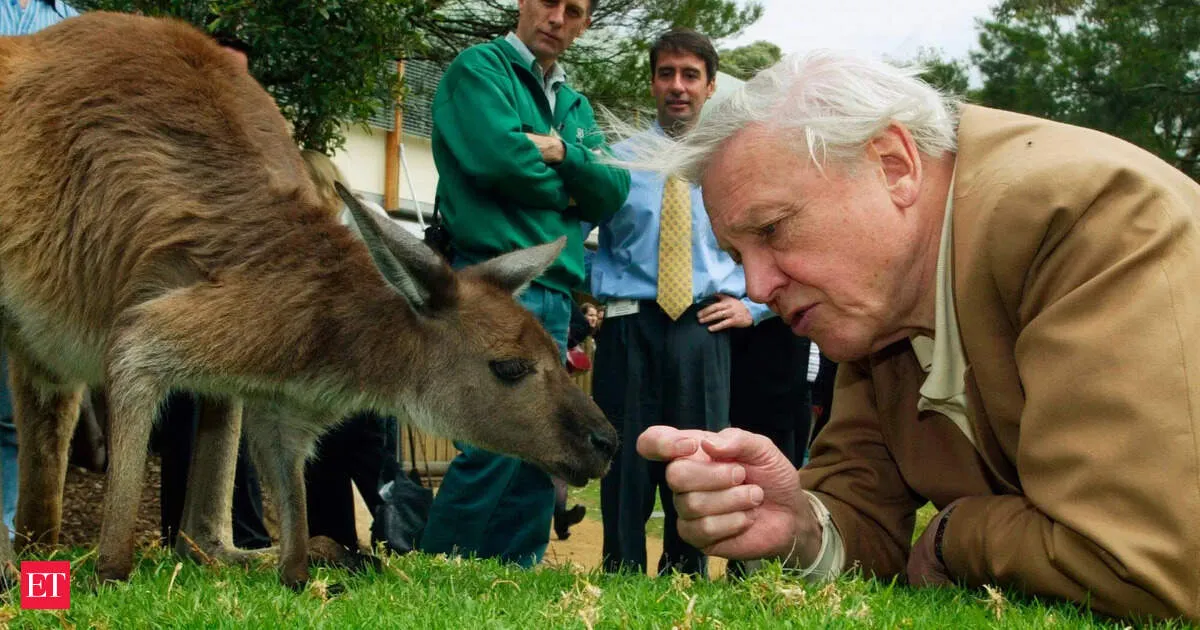
Sir David Attenborough marked his 100th birthday with a legacy that rewired how the world sees nature. From early classics like Zoo Quest to blockbuster landmarks like Planet Earth, his documentaries reached millions and helped fuel environmental awareness. Even at a century old, he continues to urge people to protect wildlife and cherish the natural world.
Reading on mobile?
Open Beige in the app for a smoother experience — free on iOS and Android.
An Olive Ridley turtle named Dhaval Lakshmi stunned wildlife experts after completing an extraordinary 3,500 km trek across the Arabian Sea. Once rehabilitated for injuries, she traveled far beyond the usual coastal range, even nearing Oman’s shoreline, before returning to Indian waters. The feat highlights both her resilience and the success of rescue and rehabilitation efforts.
Scientists say solar farms may be harming migrating birds and bats by using reflective surfaces that mimic lakes. This creates a phenomenon called polarized light pollution, which can disorient wildlife, draw them toward risky areas, and increase collisions. The research urges smarter solar designs and better site planning so clean energy expansion doesn’t come at the cost of biodiversity.
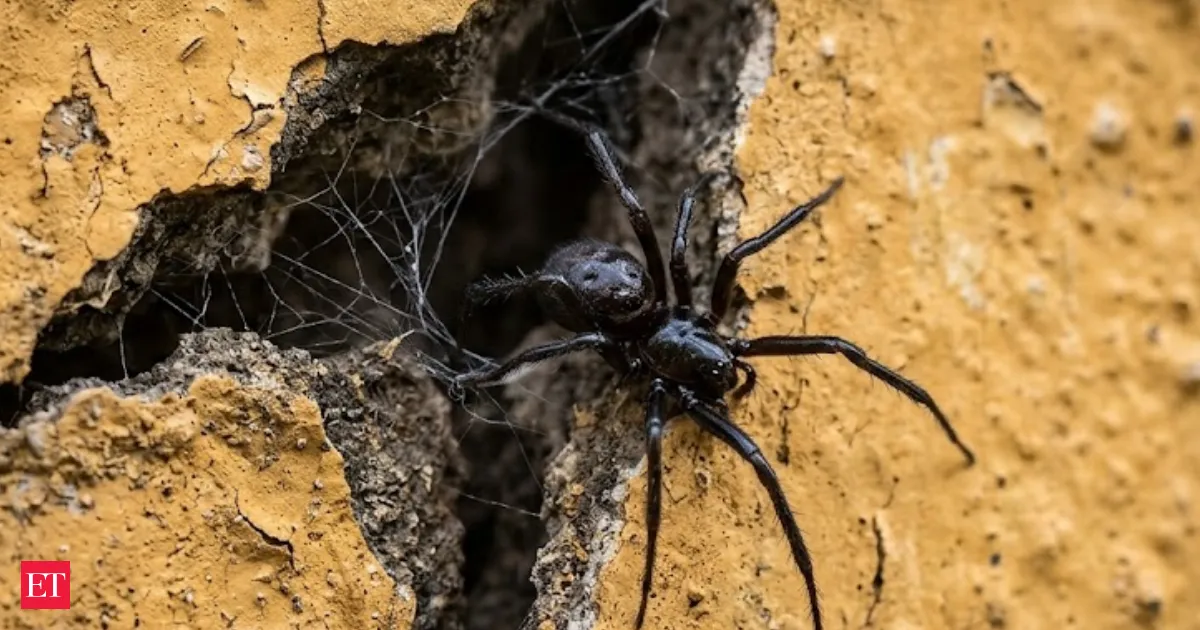
In a discovery tucked inside urban wall crevices, researchers identified Pikelinia floydmuraria, a 3 to 4mm spider that hunts prey up to six times its size. Drawn to artificial lights, it hunts efficiently near buildings, offering new insights into predator behavior while underscoring how tiny urban creatures help keep insect populations in check.
A bus carrying about 40 pilgrims overturned in Gujarat’s Junagadh district on Saturday, killing two women and injuring more than 15 people. Police said a nilgai suddenly crossed the road, startling the bus and leading to the crash. Injured passengers were taken to nearby hospitals as authorities began an investigation into the incident and safety conditions.
Follow your favourite sources
Track sources, tags and categories — all in the Beige app.
A troop of monkeys suddenly appeared on the active runway at Chaudhary Charan Singh International Airport in Lucknow, triggering an unusual security breach. An IndiGo aircraft headed for Raipur was forced to abruptly halt takeoff. Airport authorities and wildlife management teams were immediately called in to manage the runway and restore safe operations.
Every spring in Manitoba, more than 30,000 red sided garter snakes emerge from the Narcisse Snake Dens to reproduce. The gathering is not migration or hunting but mating: males cluster around females in a swirling “mating ball” guided by chemical signals. Afterward, the snakes disperse for the off season, returning reliably year after year.
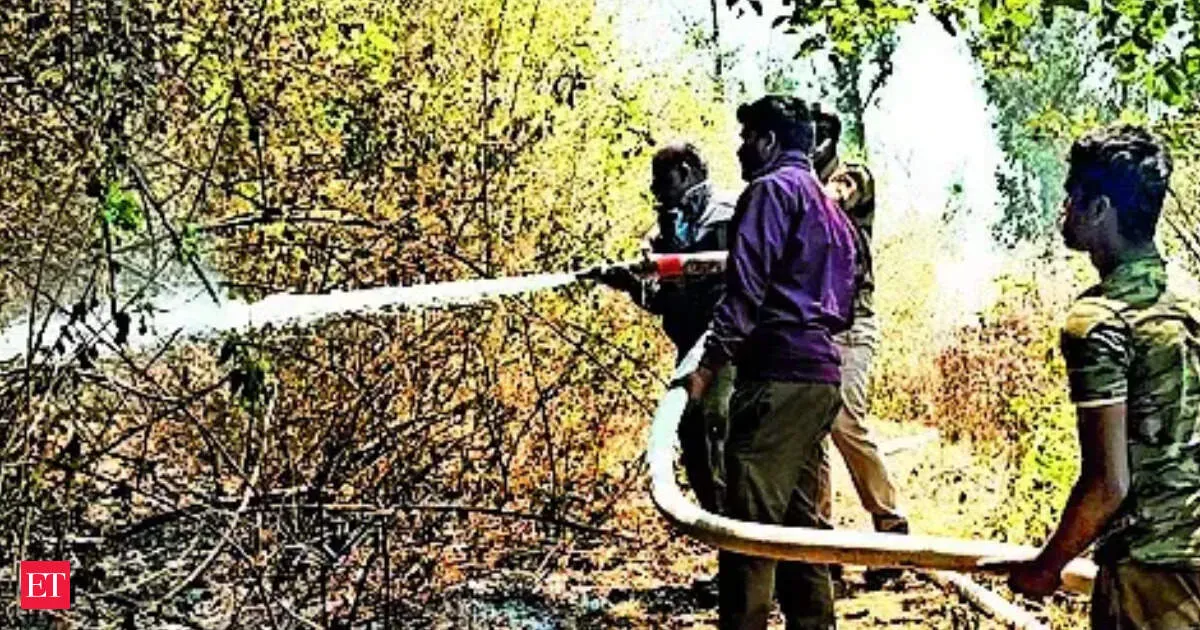
A fast-moving wildfire in Tamil Nadu’s Nilgiris has spread across about 5,000 acres over more than ten days, with 500-plus personnel battling it in difficult terrain. Strong winds forced authorities to halt aerial firefighting, leaving crews to fight mostly on foot. The fire is threatening ecologically sensitive areas, including wildlife zones and ancient elephant corridors.
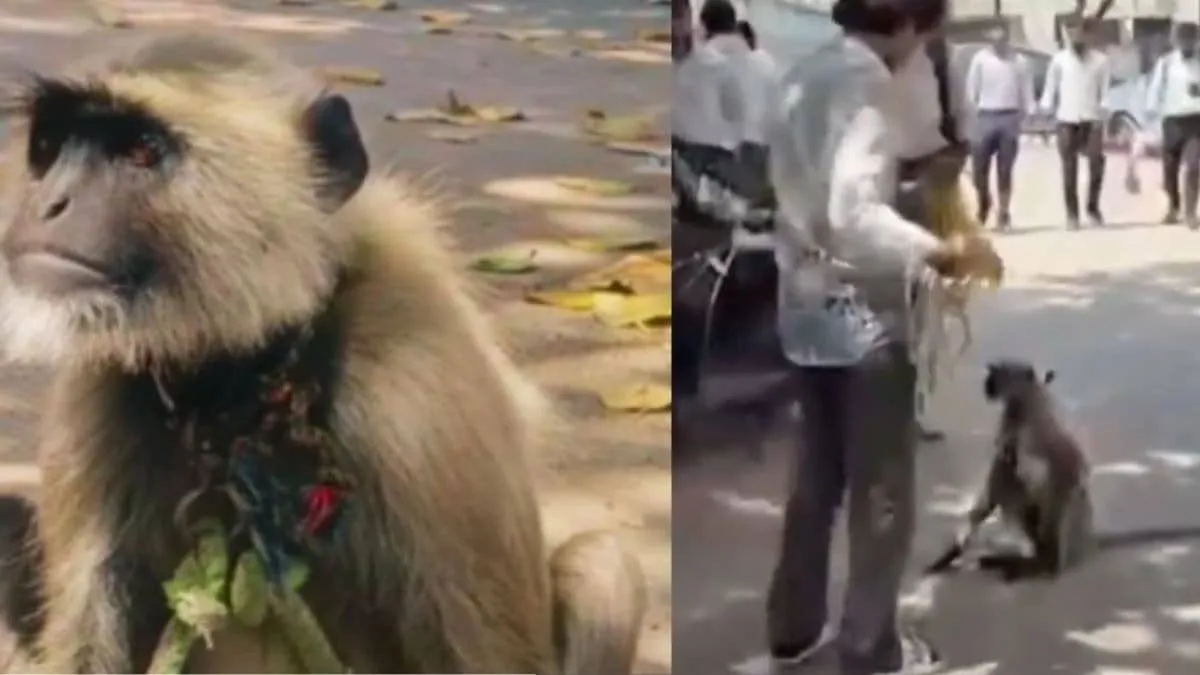
A “security guard” langur named Golu at DS Degree College in Aligarh went viral after reports claimed he was paid ₹12,000 a month to chase monkeys away. The buzz spiraled online as duty clips spread rapidly. Now, the forest department has intervened and released Golu from duty, turning the viral stunt into a conservation-focused decision.
Stay informed on the go
Bite-sized news from 100+ trusted sources, right in your pocket.
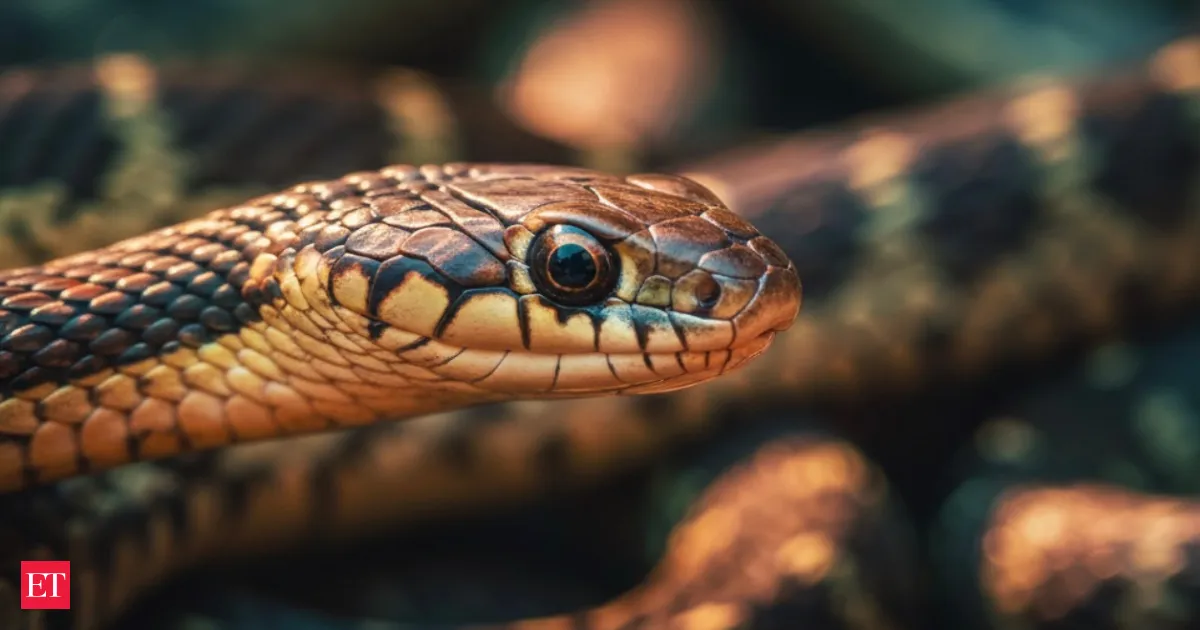
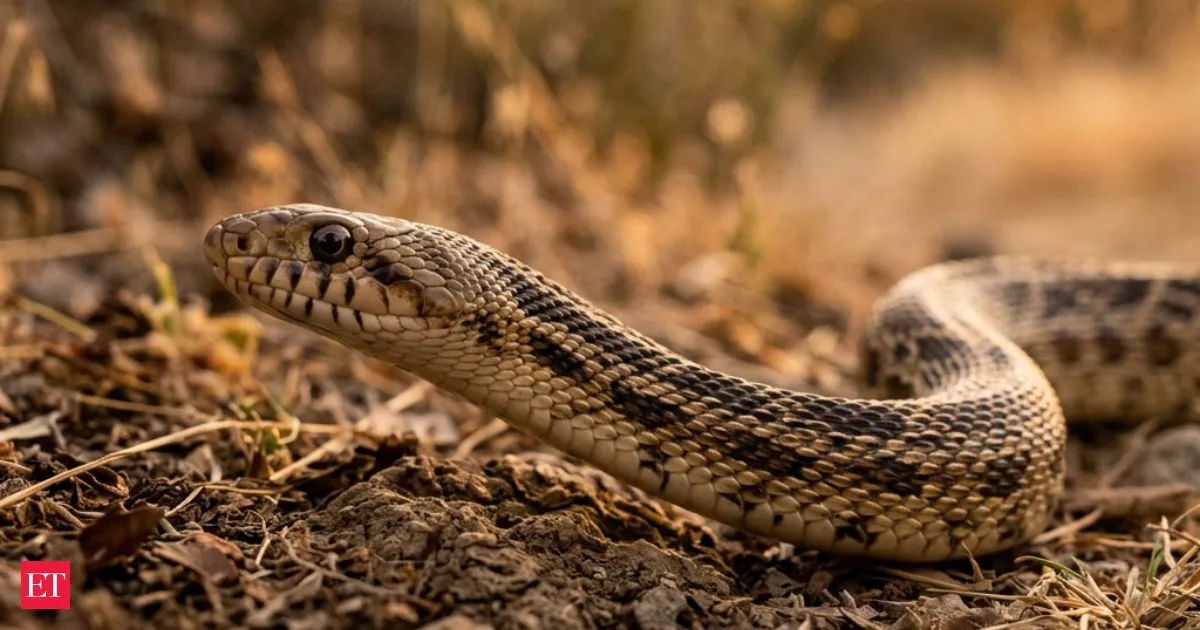
Snakes don’t keep a fixed timetable—temperature does. In Texas-like heat, they’re more active in the evening, while cooler conditions push daytime movement. Researchers say their behavior follows environmental cues rather than an internal clock, which is why sightings can feel random. Knowing this shift can better explain when encounters are most likely.
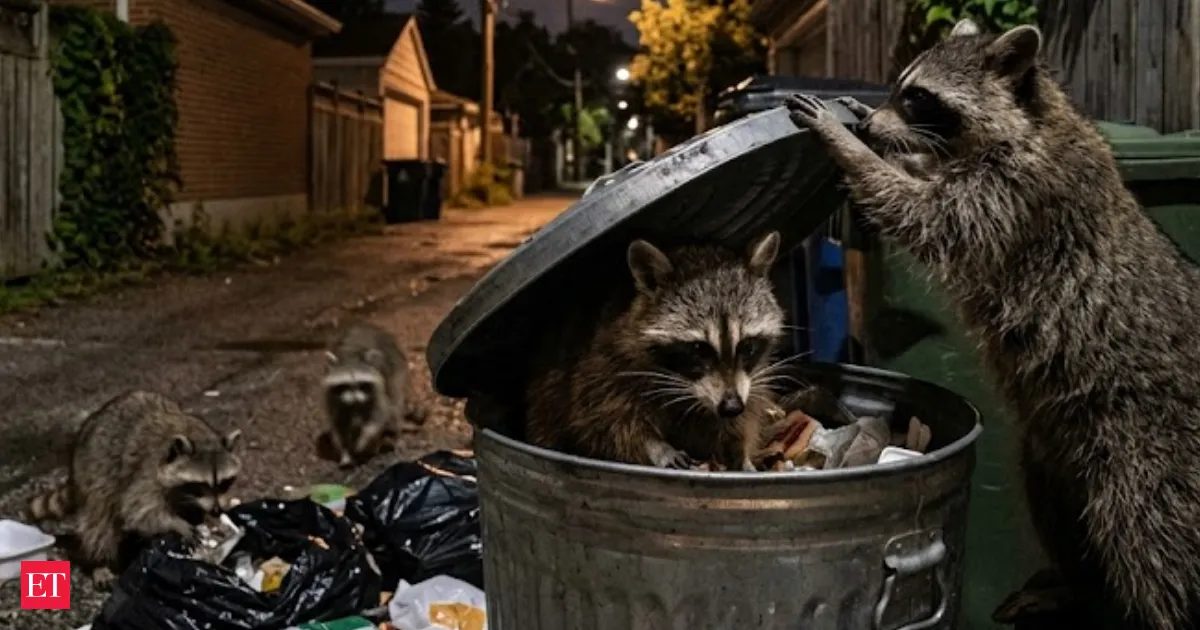
Urban raccoons are showing surprising problem-solving skills, learning how to open and use trash cans through trial and error. Research points to strong behavioral flexibility, with animals adapting their approach based on past outcomes. The findings suggest city life is shaping their cognition, helping them experiment with human-made systems to survive and thrive.
Swipe through stories, personalise your feed, and save articles for later — all on the app.