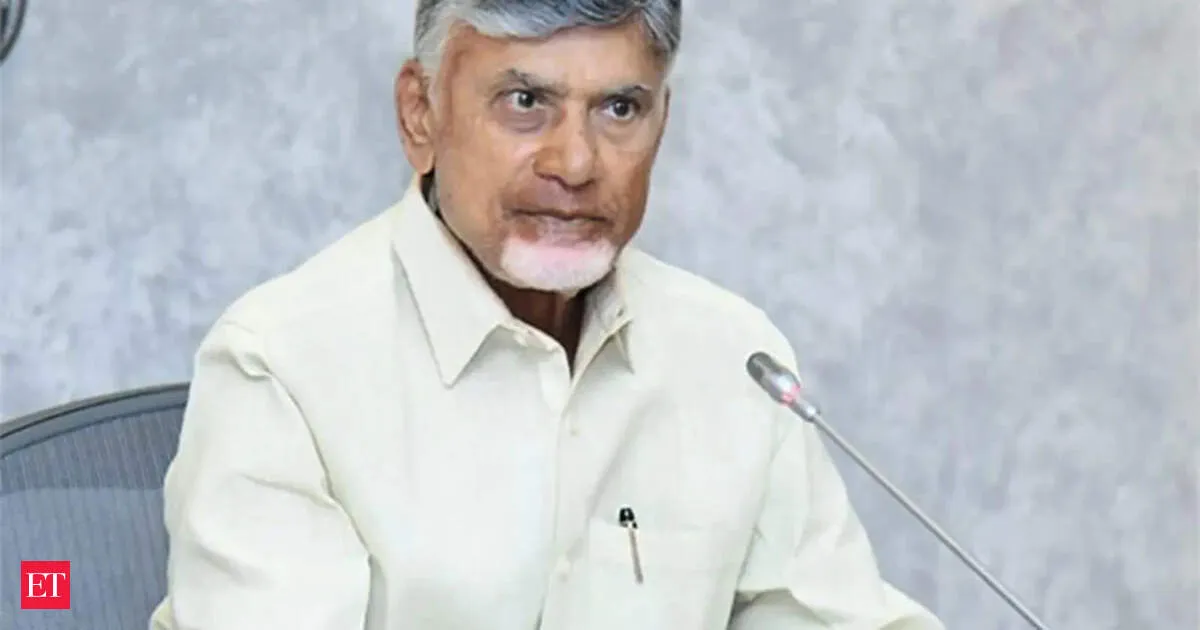
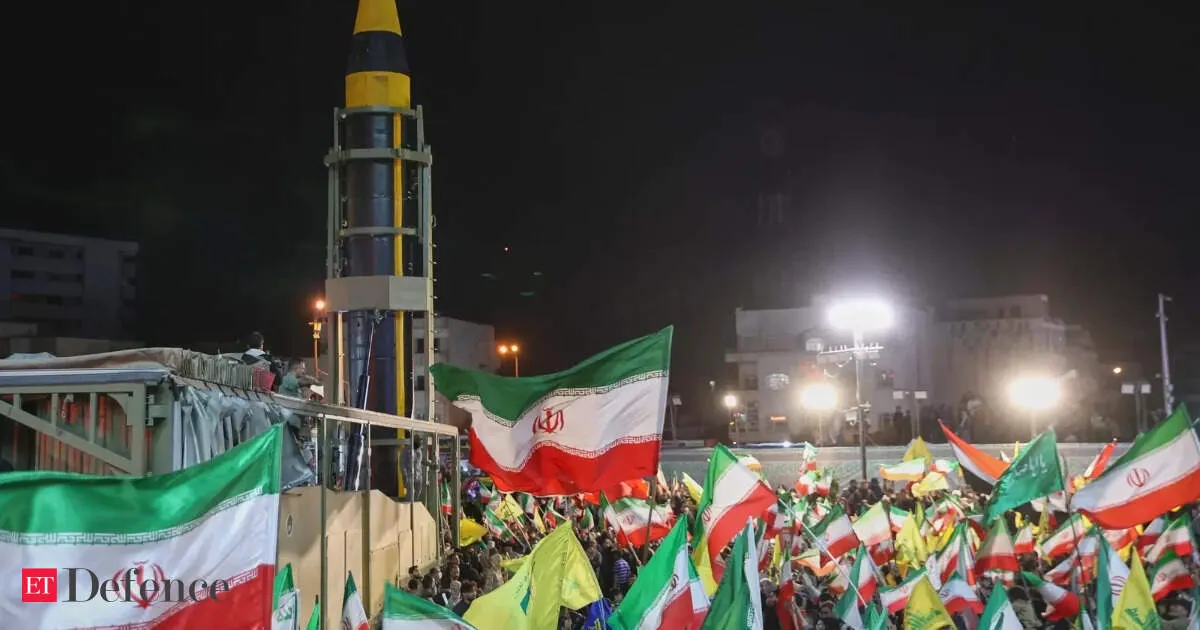
Andhra Pradesh Chief Minister N Chandrababu Naidu says he will announce precautionary measures within two days to protect the state from the fallout of the West Asia conflict, including effects linked to a US-Iran war. He also urged citizens to avoid unnecessary gold purchases and foreign travel, saying collective restraint can support economic strengthening.
India’s government is preparing consultations on managing fallout from the West Asia war, with PM Narendra Modi urging citizens to save fuel. Officials are considering measures to conserve energy and protect foreign exchange, while industry leaders are likely to be brought into discussions to keep supplies steady and limit economic pressure.
Your news, in seconds
Get the Beige app — every story in 60 words, updated hourly. Free on iOS & Android.
As West Asia tensions drag on, Union Minister Ashwini Vaishnaw said a full truce is still far away and could spill into India’s economy. Echoing PM Narendra Modi, he urged citizens to reduce fuel consumption and adopt cost-cutting steps like more work from home. With India heavily dependent on energy imports, officials stress the need to stay prepared despite relative policy stability so far.
India kicked off the new fiscal year with a broad-based consumption lift despite West Asia war tremors. April GST collections hit a record, passenger car sales rose sharply, and UPI-driven digital transactions expanded strongly. Together, these indicators point to resilient consumer and spending momentum, suggesting limited immediate fallout from the conflict—at least for now.
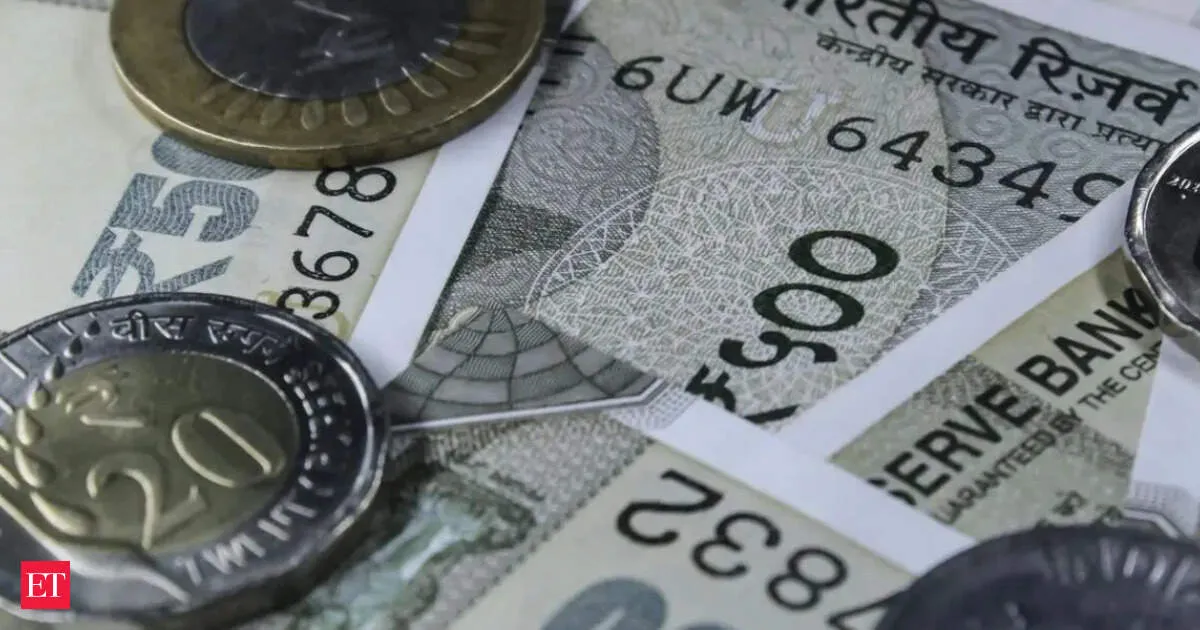
India’s Finance Ministry has flagged mounting risks to growth and prices, pointing to the West Asia war and a forecast weak monsoon. The combined shock could push inflation higher, worsen deficits, and slow economic activity. Still, it expects resilience from strong domestic demand, policy buffers, and continued public investment to stabilize outcomes.
The West Asia war is reshaping diesel demand, cutting bulk sales to oil companies by 30-50% as large customers switch to buying from retail pumps. With retail diesel priced about ₹50 per litre cheaper, the shift is deepening losses for oil marketing companies, though state transport corporations remain exempt from higher bulk pricing. The widening gap is driving even more customers to seek alternatives.
Never miss a story
Set alerts for the topics and sources you care about. Download Beige for free.
Iran’s leadership dynamics have reportedly shifted as top command authority moves toward military commanders and the IRGC, with the Supreme Leader’s direct role appearing diminished. The change is linked to harsher, faster wartime decision-making and helps explain why U.S. talks have dragged, with no single leadership figure coordinating policy across foreign and domestic fronts.
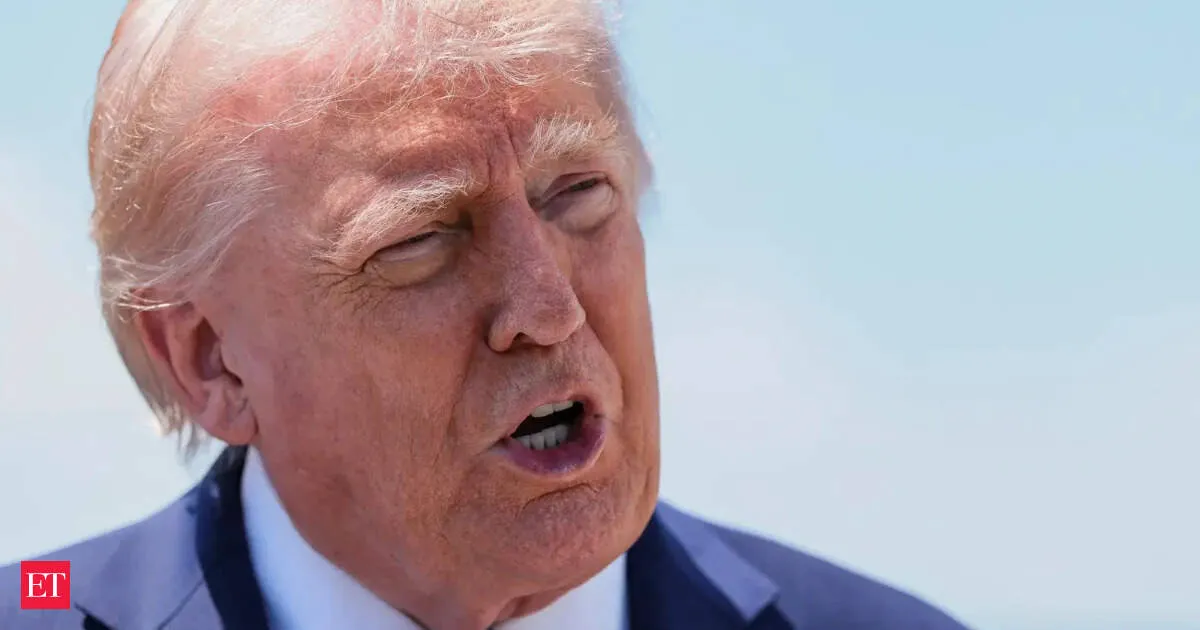
President Donald Trump cancelled a planned trip by US envoys to Pakistan tied to Iran-related talks, after Iran’s foreign minister departed Islamabad following discussions. Commercial flights have resumed from Tehran airport, but tensions remain high. Washington and Tehran are still stuck over oil exports and control around the Strait of Hormuz, dashing hopes for near-term peace.
Indian bank credit growth is expected to ease to below 12 percent in the coming fiscal year as the West Asia conflict and shifting interest rate dynamics weigh on borrowing and repayment capacity. Icra cautions that small businesses and unsecured loan segments could see more defaults, prompting banks to tighten underwriting for vulnerable sectors.
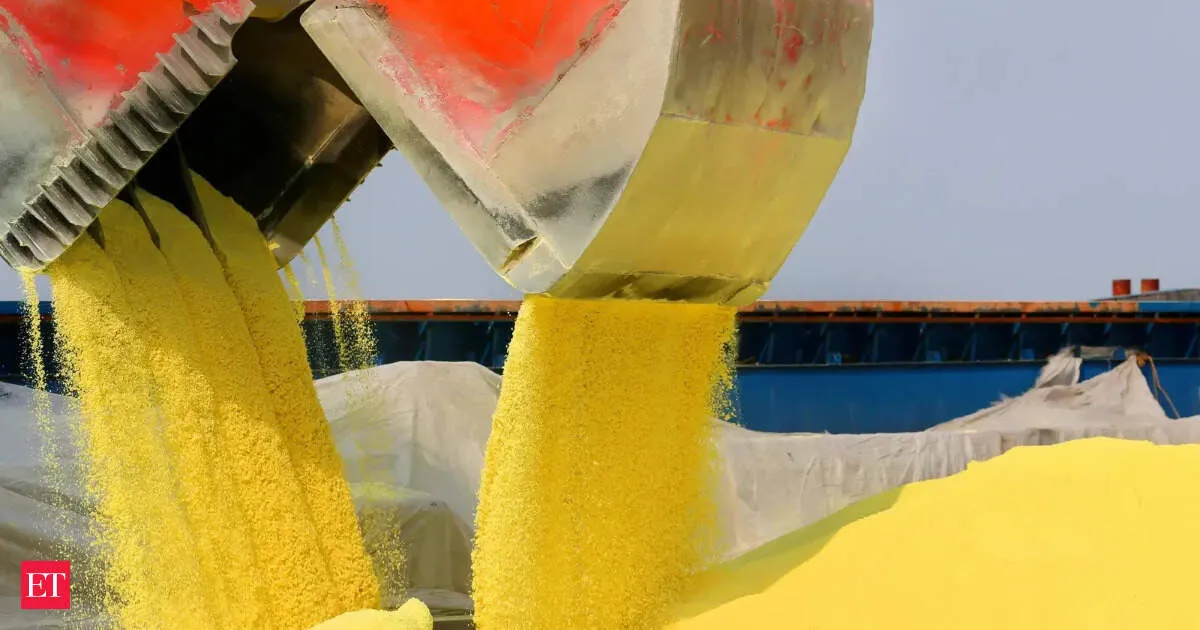
India is considering limiting sulphur exports as West Asia war strains Middle Eastern supplies, pushing up prices and disrupting supply chains. Industry groups warn this could raise global sulphur costs further. The risk increases as China is set to restrict sulphuric acid exports next month. India, heavily dependent on imports, may prioritize domestic availability.
Reading on mobile?
Open Beige in the app for a smoother experience — free on iOS and Android.
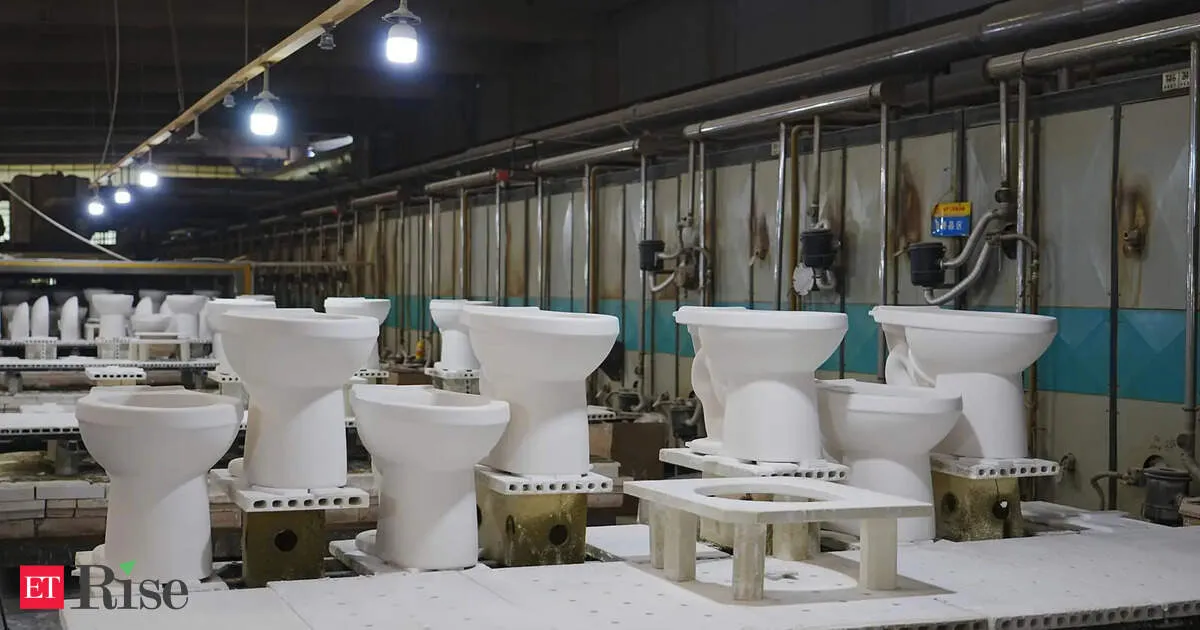
With West Asia fighting escalating, Morbi and Thangadh ceramic clusters are struggling as propane supplies tighten. Since the war began, a shortage of the fuel has disrupted production, leaving many units shut or operating at reduced capacity. Industry sources say losses are mounting quickly, threatening jobs and the viability of smaller workshops reliant on consistent gas supplies.
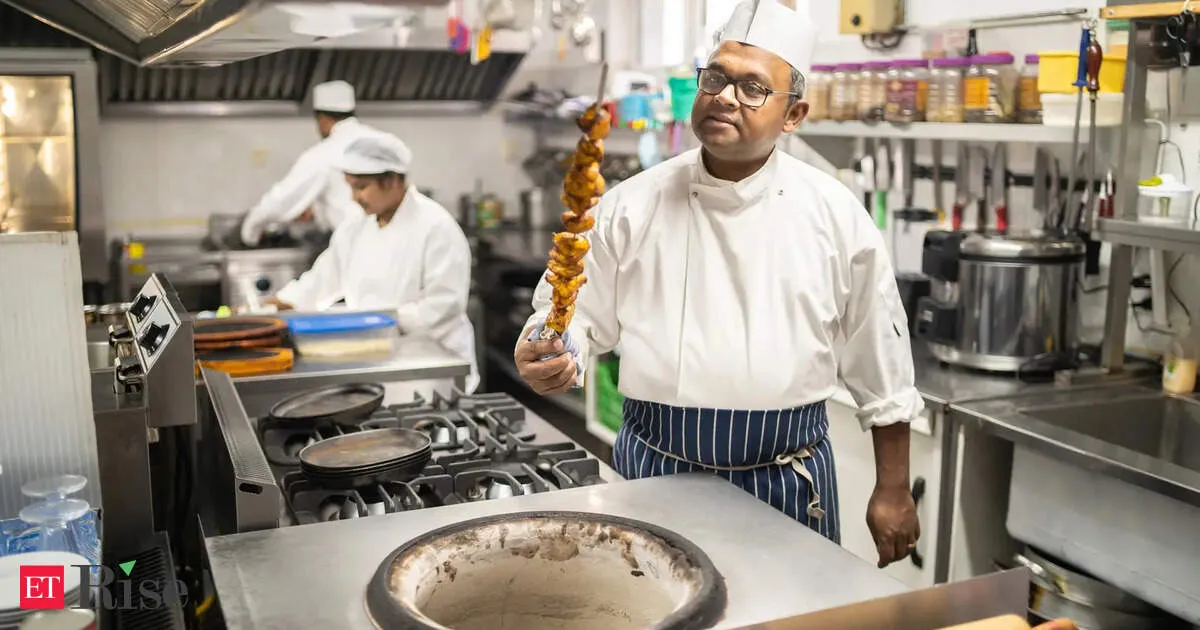
The West Asia conflict is hitting India’s fast-moving food and beverage sector, especially small eateries, as LPG shortages and supply disruptions pile up. Many businesses are adjusting menus, trimming operating hours, and in extreme cases shutting down to avoid massive losses. The war’s spillover is turning everyday cooking fuel scarcity into a serious economic threat for local restaurants.
Swipe through stories, personalise your feed, and save articles for later — all on the app.