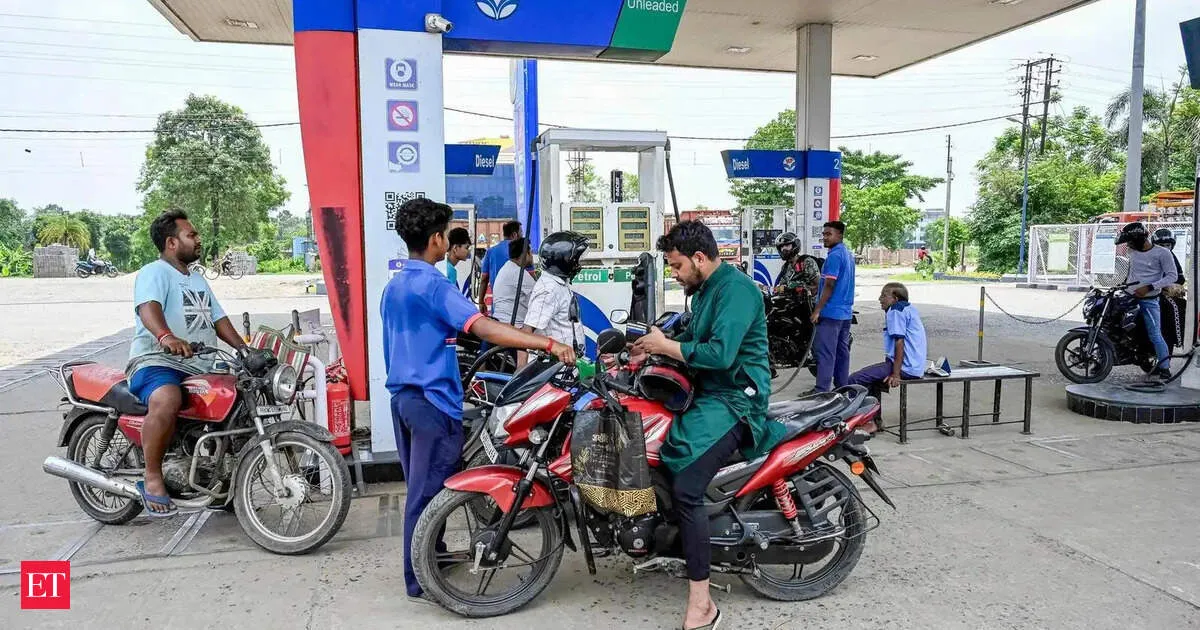
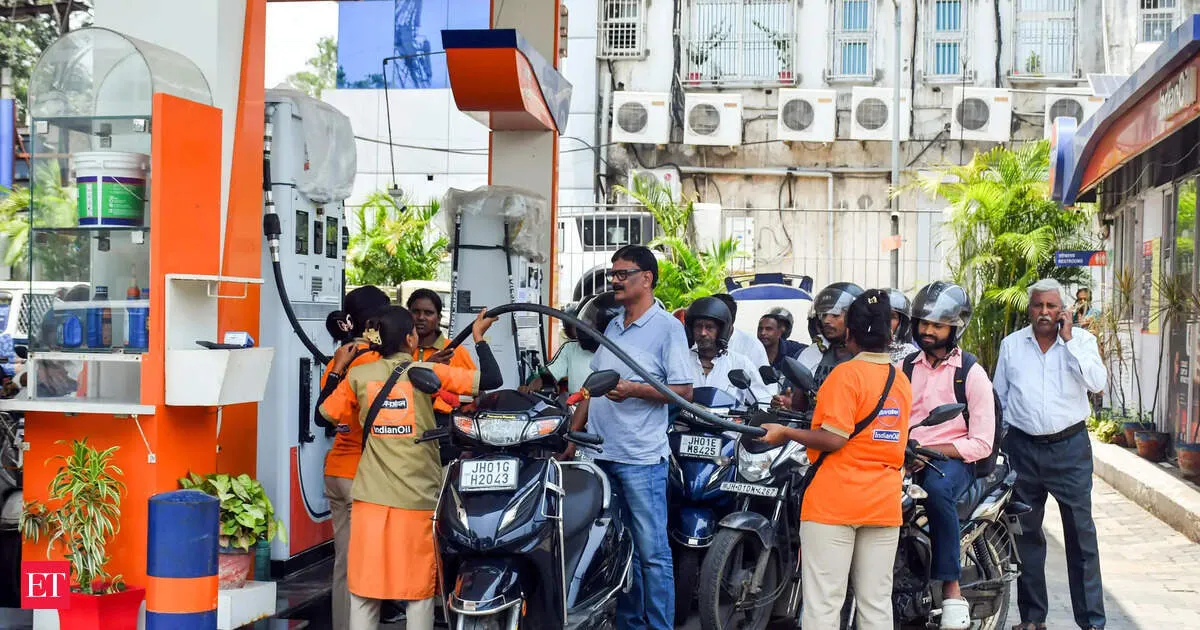
India raised petrol and diesel prices by Rs 3 per litre as state-run oil marketing companies absorb losses from global crude surging amid the West Asia conflict. Petrol and diesel had been unchanged for four years, but economists say the move could be the start of staggered increases. Further modest hikes may follow if crude stays above $100 per barrel and the Middle East situation persists, with analysts citing the duration of the US-Iran conflict and Strait of Hormuz for direction.
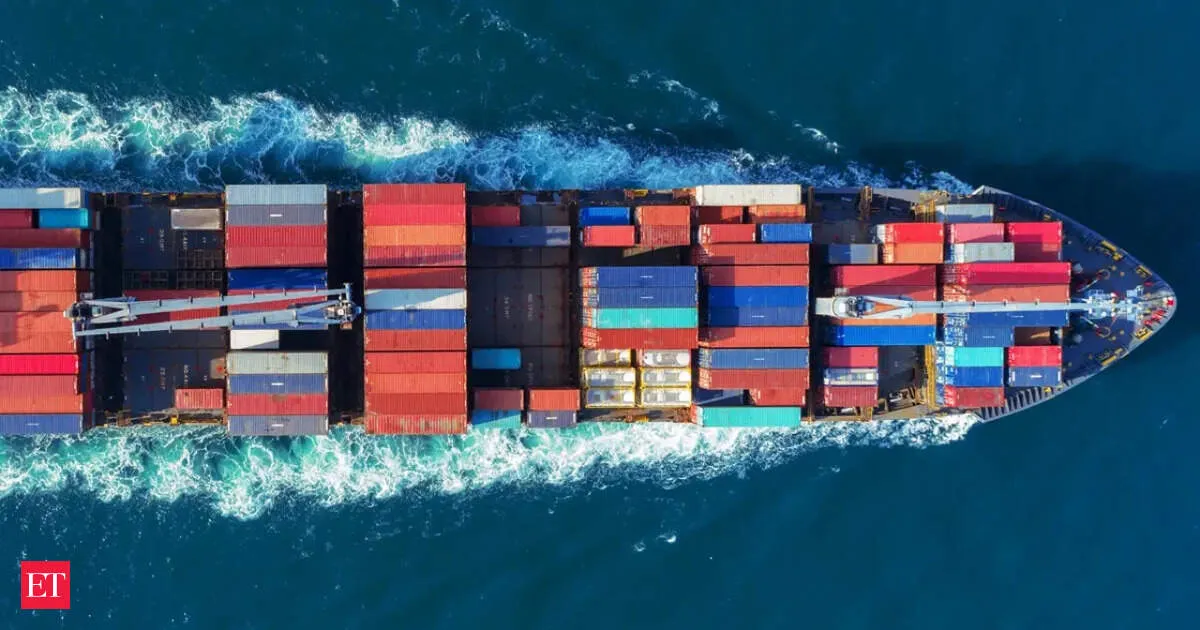
India’s goods exports grew 13.78% year on year to $43.56 billion in April, their highest monthly level in more than four years, powered by electronics, engineering goods and petroleum. Yet imports rose 10% to $71.94 billion, pushing the trade deficit to a three-month high of $28.38 billion. The surprising twist: outbound shipments to West Asia fell over a quarter as geopolitical disruptions continued, while inbound movement via the region weakened further.
Your news, in seconds
Get the Beige app — every story in 60 words, updated hourly. Free on iOS & Android.
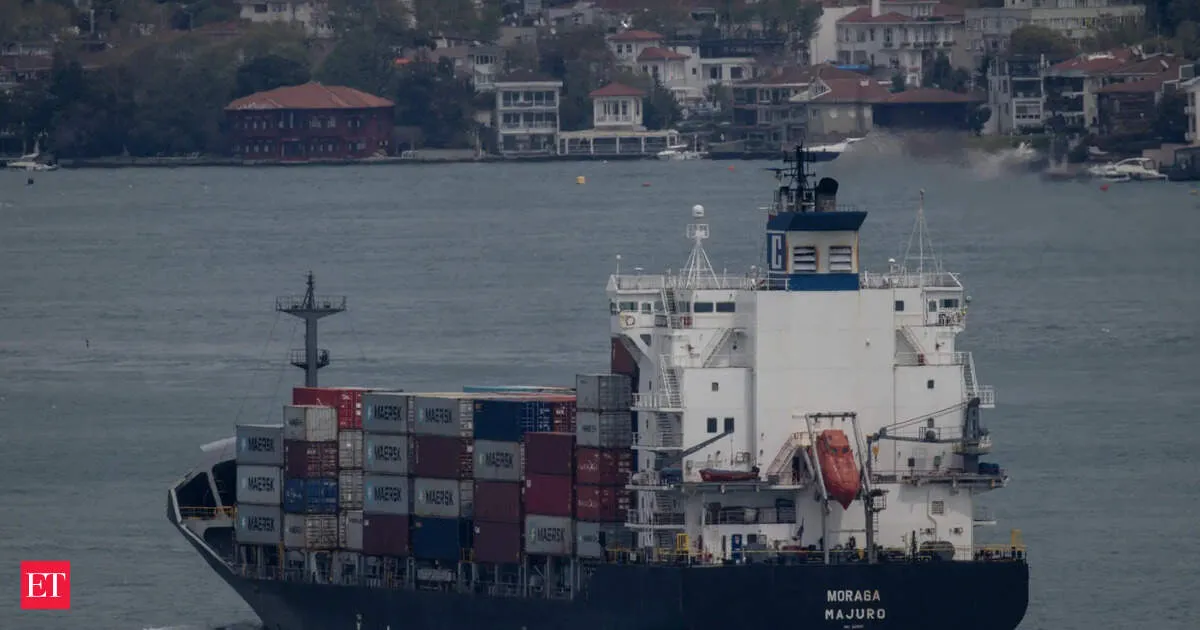
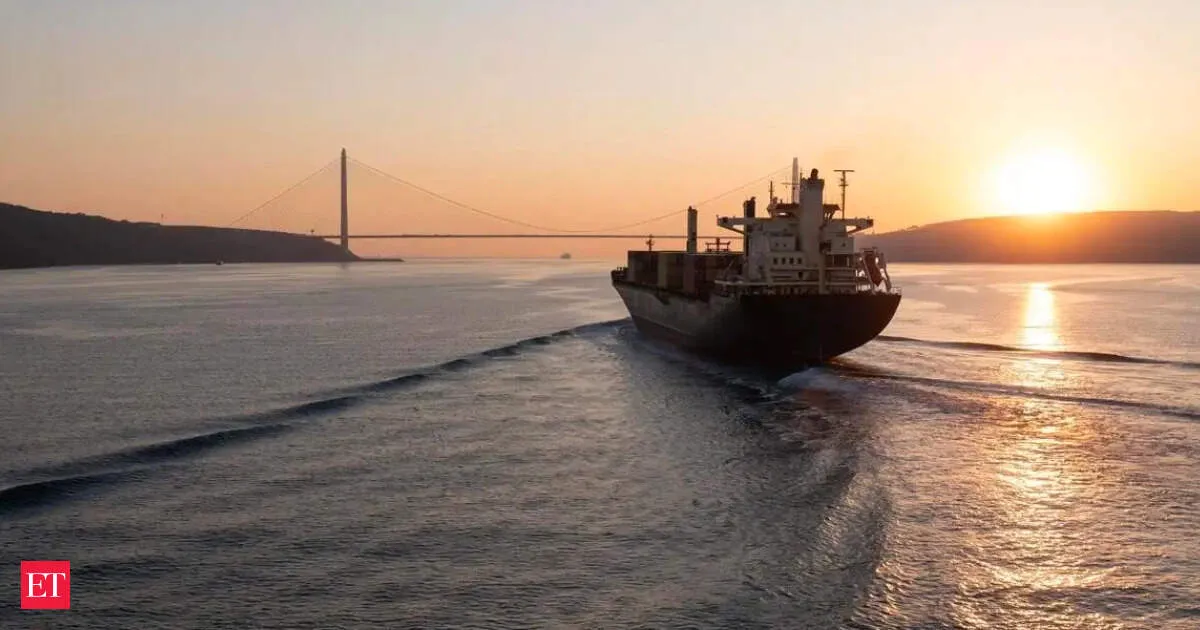
India’s merchandise exports and imports with West Asia fell more than 28% in April, the second straight monthly contraction, as ship movements were severely disrupted by the US-Israel-Iran conflict. Exports to the region dropped 28% to $4.16 billion and imports fell 31.64% to $10.47 billion. Trade with the UAE and parts of Saudi Arabia weakened, while Oman imports surged. The Strait of Hormuz restrictions are throttling a key route, threatening sectors like gems, engineering, electronics, and oil-linked supplies.
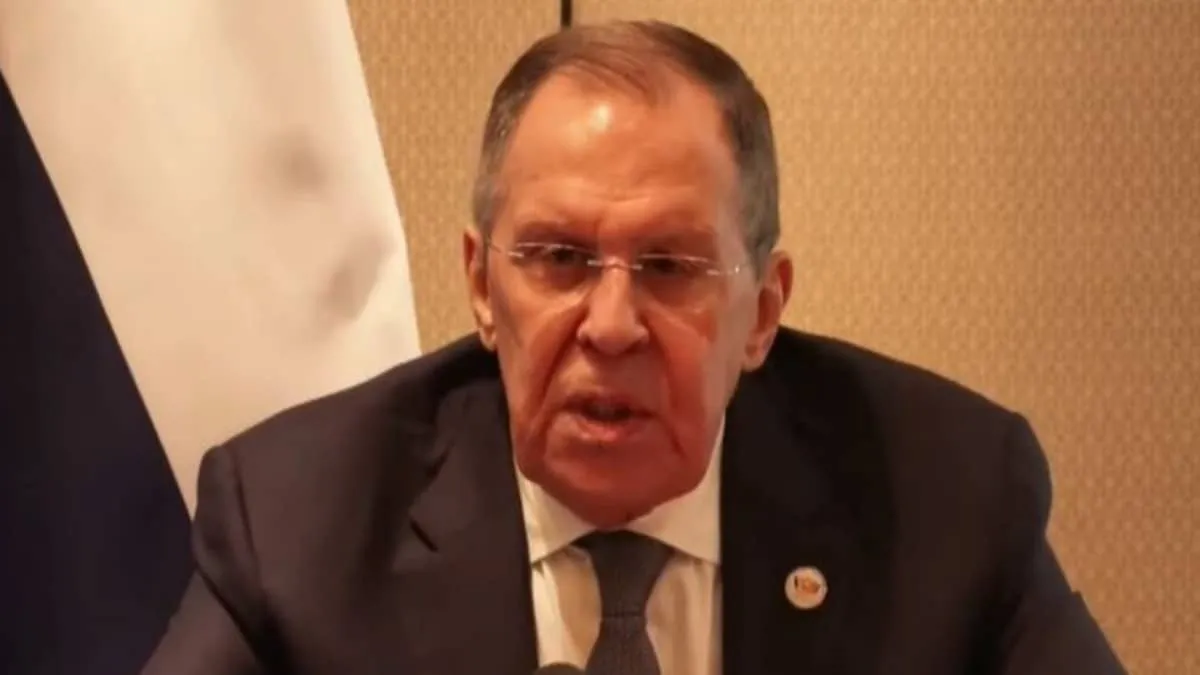
Russian Foreign Minister Sergey Lavrov brought an unexpected burst of humor to the BRICS Foreign Ministers’ Meeting in New Delhi on Thursday after confronting a man using a phone nearby. Lavrov first asked him to step away, then sharpened his tone when he didn’t comply. Staff reportedly tried to take the device as the man resisted. Breaking the tension, Lavrov added that if the phone wasn’t surrendered, “they will take out the gun,” prompting laughter as the serious diplomatic session continued. Videos went viral.
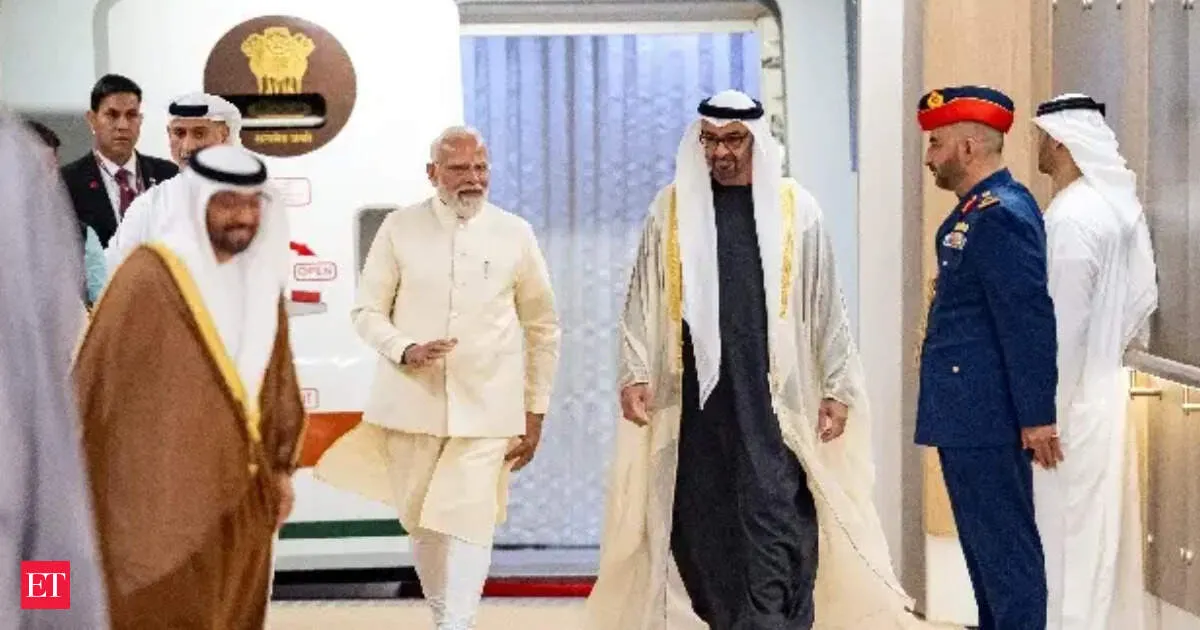
Prime Minister Narendra Modi met UAE President Sheikh Mohamed bin Zayed Al Nahyan in Abu Dhabi, pledging India’s “all possible support” to bring peace in West Asia shortly after arriving for his five-nation tour. Modi condemned attacks on the UAE while praising the country’s restraint. Discussions are expected to center on the India-UAE Comprehensive Strategic Partnership, with energy security likely taking center stage amid concerns over oil supplies and maritime trade routes, alongside wider regional geopolitical shifts.
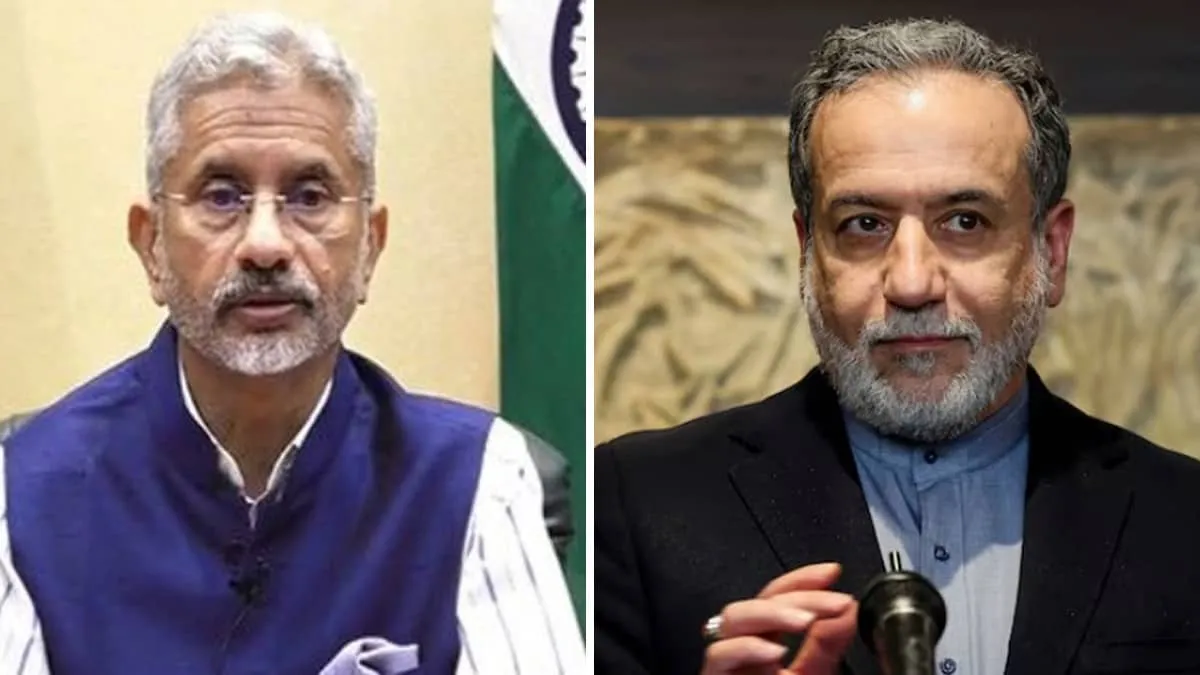
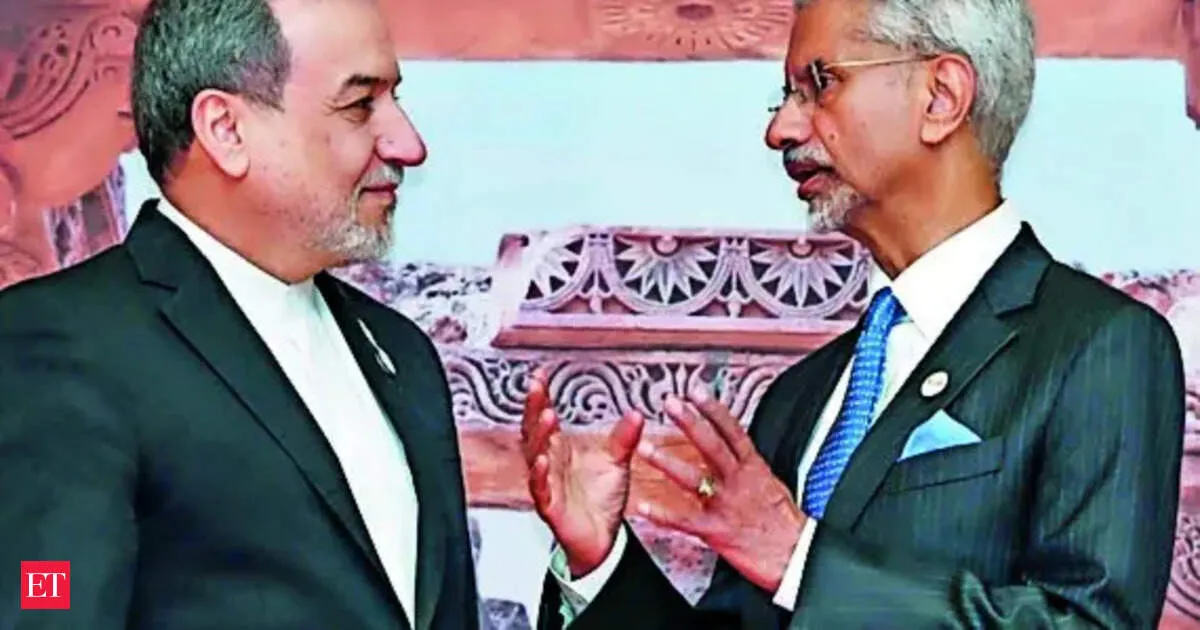
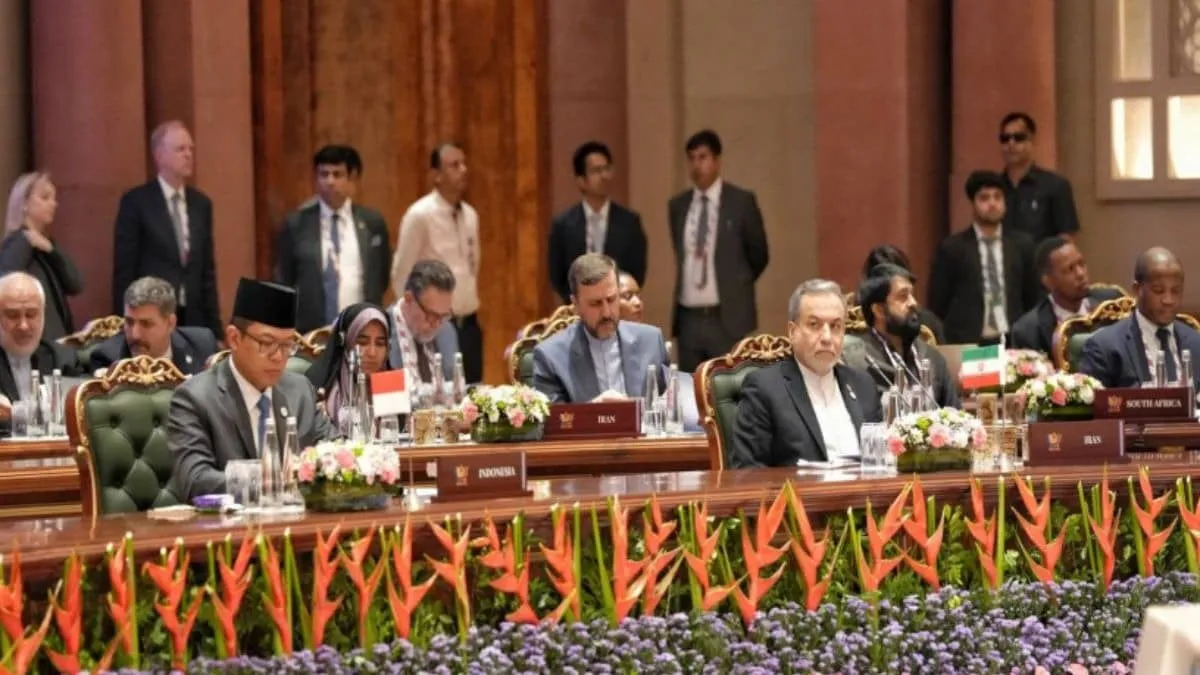
External Affairs Minister S. Jaishankar met Iranian Foreign Minister Seyyed Abbas Araghchi on the sidelines of the BRICS Foreign Ministers’ Meeting in New Delhi. Prime Minister Narendra Modi had held a prior meeting with Araghchi as both sides aimed to strengthen regional stability and multilateral cooperation. At BRICS, Araghchi urged countries to unite against American bullying, calling coercive tactics the “dustbin of history,” and warned of rising global risks as BRICS convenes in a fragile West Asia backdrop.
Never miss a story
Set alerts for the topics and sources you care about. Download Beige for free.
Fuel prices surged nationwide on Friday as oil marketing companies raised petrol and diesel rates by up to Rs 3 per litre with immediate effect. Petrol in Delhi climbed to Rs 97.77 per litre, while Kolkata jumped to Rs 108.74, Mumbai to Rs 106.68, and Chennai to Rs 103.67. Analysts link the hike to volatile global crude prices and supply disruptions tied to tensions in West Asia. Retail rates vary by state due to VAT and dealer commissions, influencing transport and household budgets.
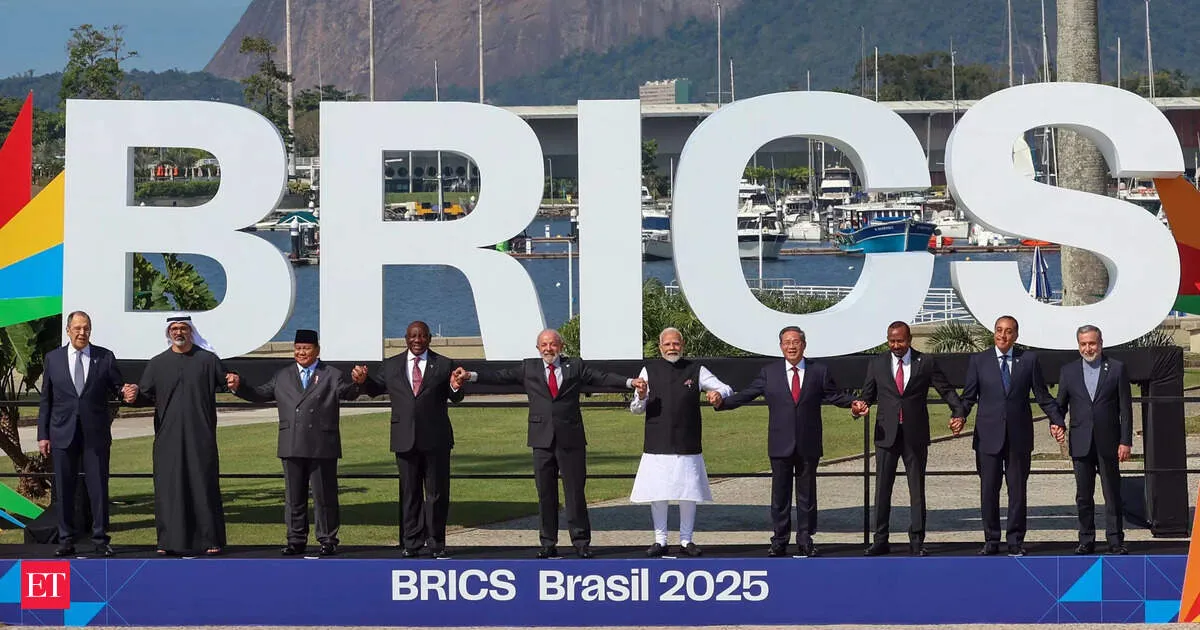
BRICS foreign ministers met in New Delhi to forge a common stance on the West Asia crisis, with India stressing dialogue, diplomacy, territorial sovereignty, and—above all—uninterrupted maritime navigation. The Strait of Hormuz and the Red Sea were repeatedly flagged as chokepoints vulnerable to tensions that could disrupt energy infrastructure and global trade. The meeting also tackled Gaza’s humanitarian catastrophe, calling for a sustained ceasefire and humanitarian access. India reiterated support for a two-state solution amid concerns over recent policy messaging.
Iran’s foreign minister Seyyed Abbas Araghchi urged BRICS states, and the wider international community, to “unequivocally condemn” alleged violations of international law by the United States and Israel. Speaking at the BRICS Foreign Ministers’ Meeting in New Delhi, he framed the West Asia escalation as a defense of the Global South against Western “hegemony,” citing violations of sovereignty, coercive pressure, and impunity. Araghchi called for practical steps to stop warmongering and avoid politicising international institutions.
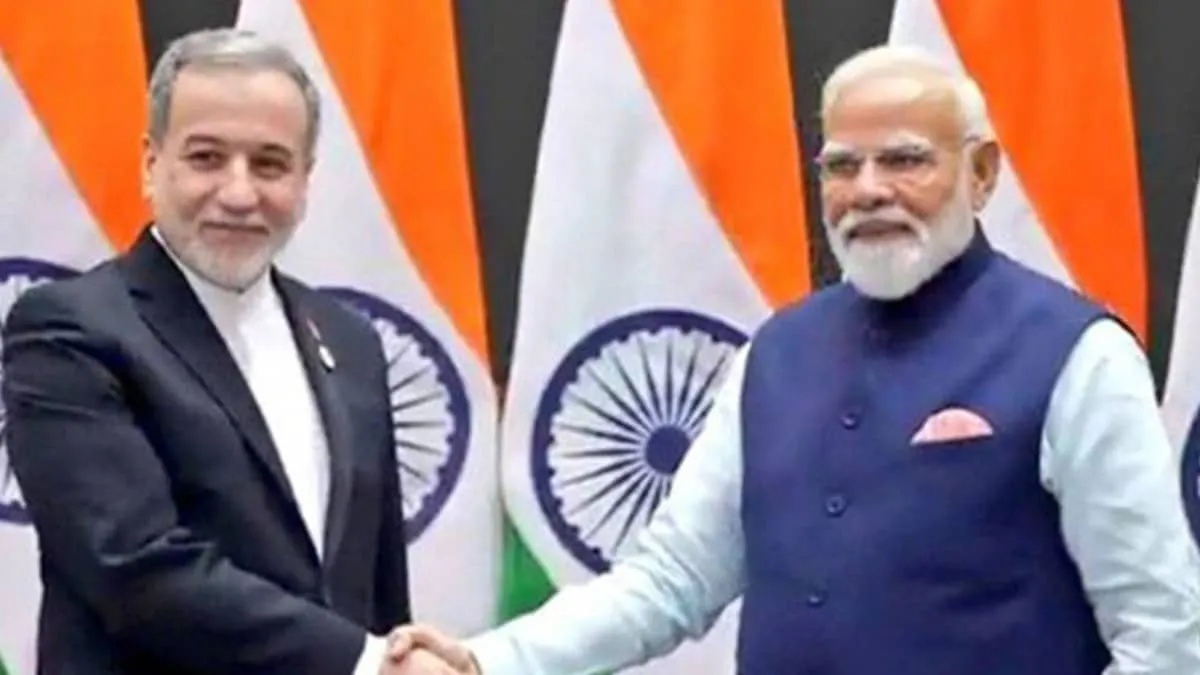
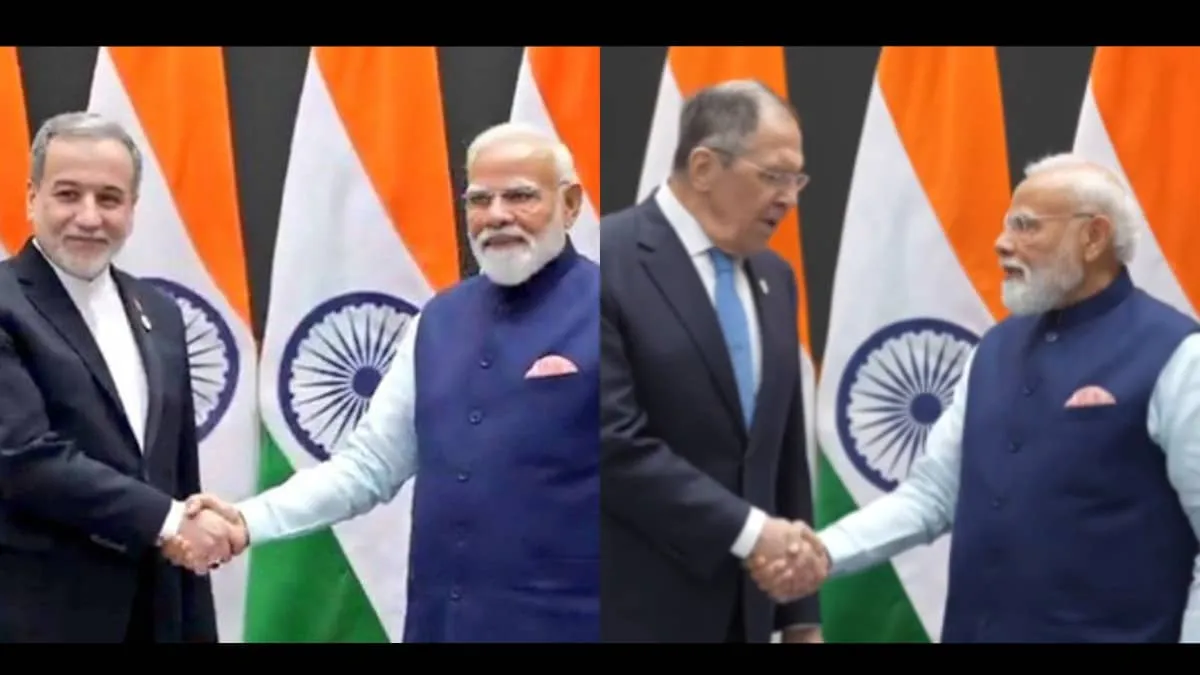
Prime Minister Narendra Modi met Iran’s Foreign Minister Abbas Araghchi in New Delhi on Thursday, on the sidelines of the BRICS Foreign Ministers’ Meeting. The meeting signals a key shift in bilateral diplomacy amid mounting West Asia tensions. Iranian officials posted the interaction on X, noting it came alongside talks with Russian Foreign Minister Sergey Lavrov. Araghchi used the platform to denounce American coercion, urging BRICS to present a united stance against US bullying and to reject reckless adventures that deepen regional instability.
Reading on mobile?
Open Beige in the app for a smoother experience — free on iOS and Android.
As West Asia remains volatile, Prime Minister Narendra Modi met Iran’s Abbas Araghchi and Russia’s Sergey Lavrov in New Delhi during the BRICS foreign ministers’ meeting. Araghchi used unusually sharp language, accusing the US of “bullying” and urging member states to unite against what he called a US-imposed world order, even as no peace pathway is in view.
India’s Foreign Minister S Jaishankar says safe and unimpeded maritime trade routes are essential for global economic well-being, warning that turmoil in West Asia directly disrupts shipping and prices. Speaking at a BRICS meeting in New Delhi, he also urged an end to unilateral sanctions, arguing emerging economies need stability and constructive engagement.
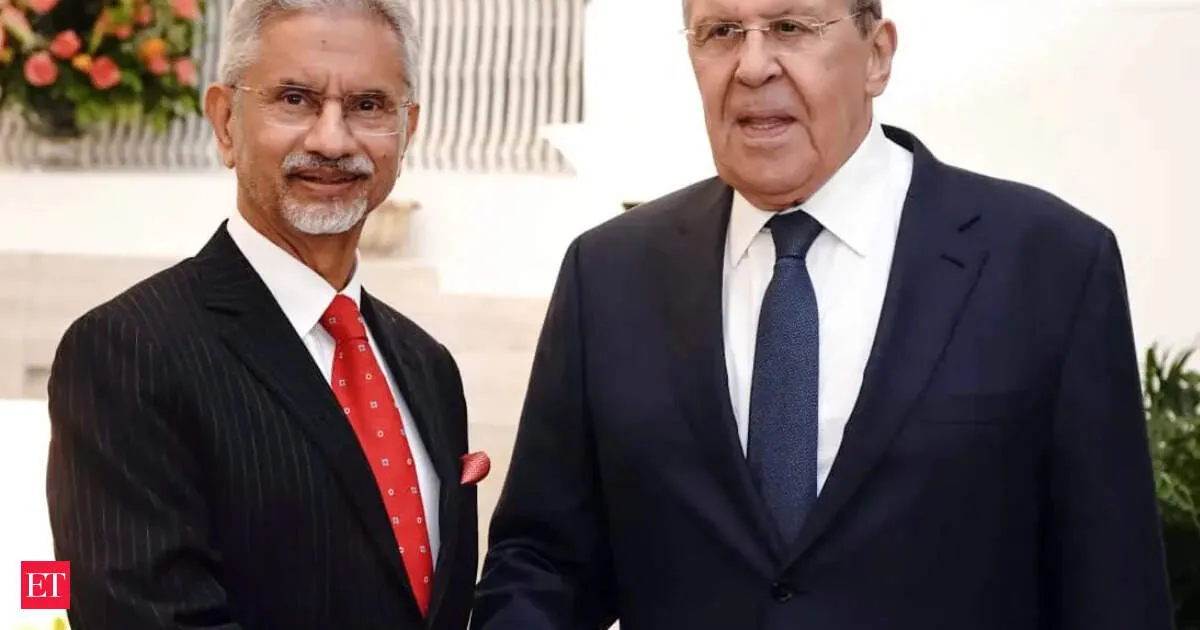
India and Russia’s foreign ministers met to deepen energy trade and economic ties, while also reviewing fast-evolving tensions in West Asia. India reiterated it will continue importing Russian crude oil and said all existing energy agreements will remain intact. The talks underscored the strength of the bilateral relationship even as global uncertainty mounts.
Ahead of the BRICS meeting, Iran has asked India to play a role in West Asia peace efforts, praising India’s impartial chairmanship. Iran also says it is drafting a new framework for ships passing through the Strait of Hormuz and points to a BRICS member’s demand to condemn it as the reason a unified stance did not form. Iran reiterated support for the Chabahar port project.
Follow your favourite sources
Track sources, tags and categories — all in the Beige app.
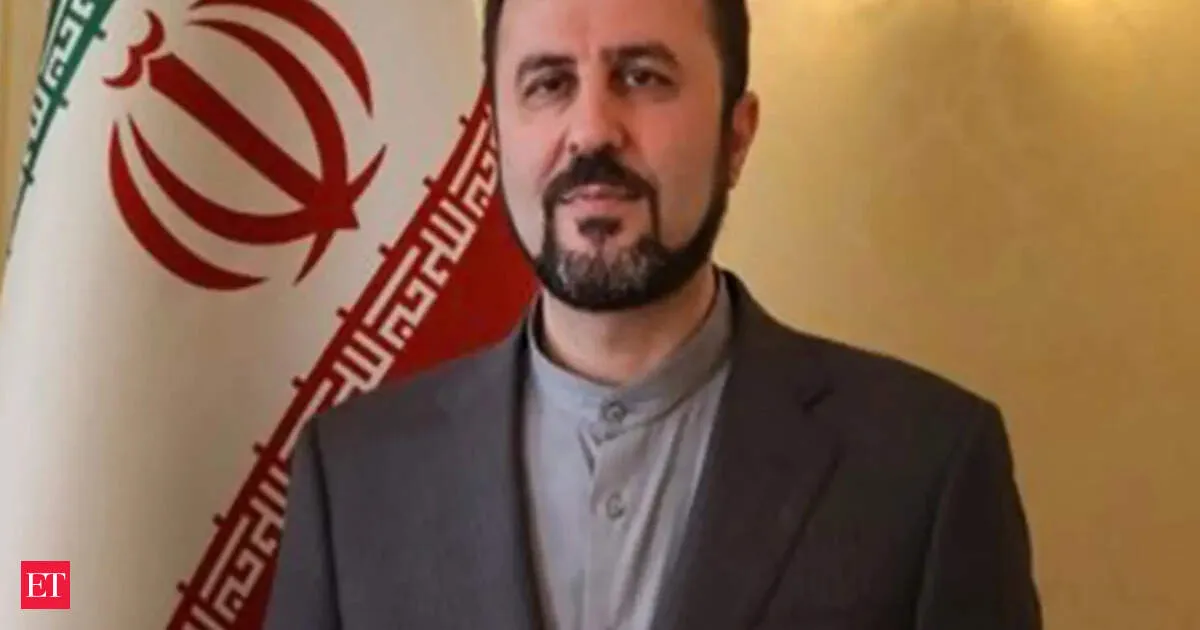
Iran’s deputy foreign minister Kazem Gharibabadi alleges the UAE is preventing BRICS from reaching consensus on the West Asia conflict. He says Iran is open to Indian peace initiatives and highlights ongoing work with Oman on a new merchant-vessel framework for the Strait of Hormuz. He also notes Indian vessels have been allowed transit through the region.
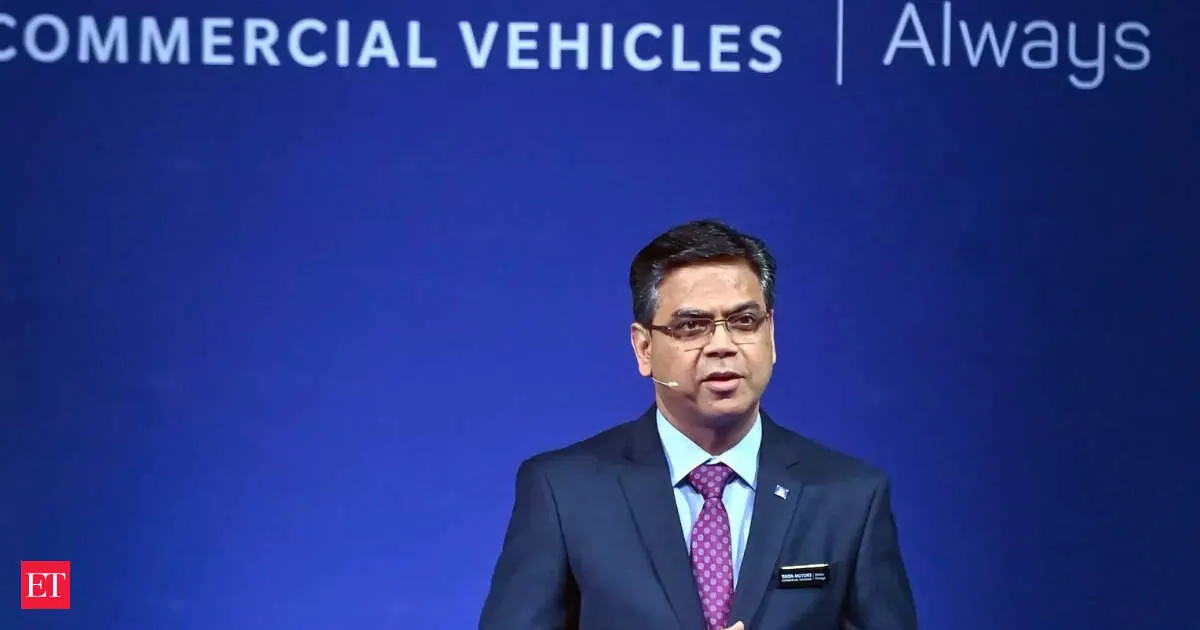
Tata Motors is tightening its outlook on spending as the West Asia crisis throws up fresh challenges for the company. Even with these headwinds, it plans to keep capital expenditure around Rs 3,000 crore for FY27. The domestic commercial vehicle market is also expected to grow at only single digits next year, reinforcing a cautious stance.
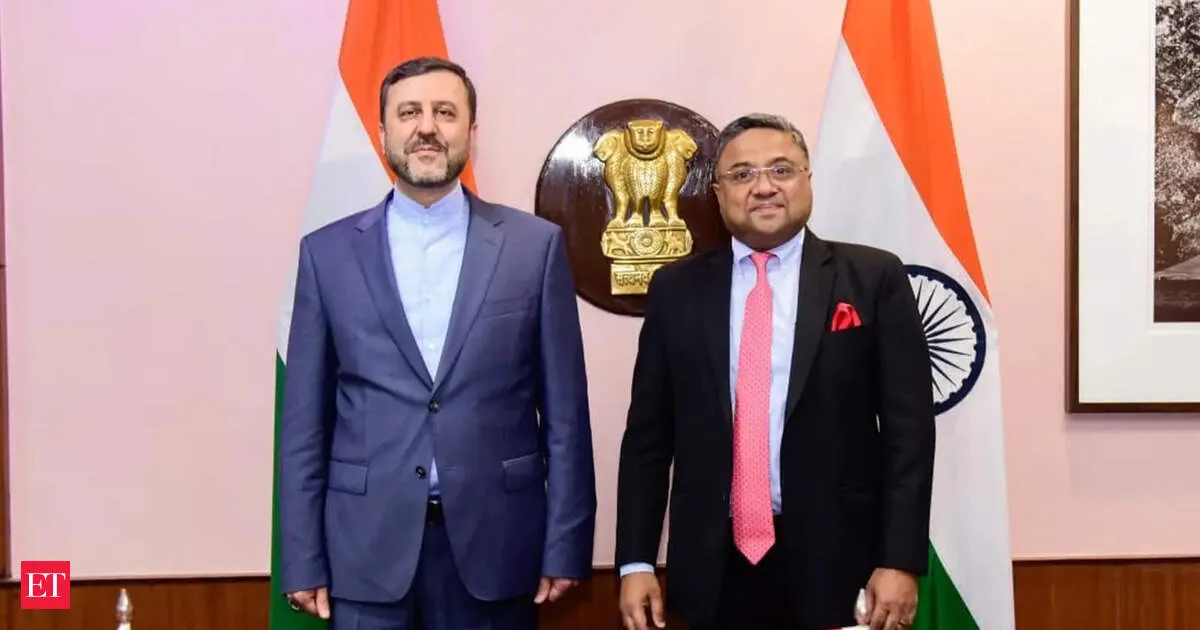
India will host the upcoming BRICS Foreign Ministers’ Meeting, with Iran’s Foreign Minister Seyed Abbas Araghchi set to attend. The development follows talks between Iran’s Deputy Foreign Minister Kazem Gharibabadi and India’s MEA Secretary Sibi George, focusing on bilateral and regional issues. Iran is urging stronger BRICS cooperation as tensions continue across West Asia.
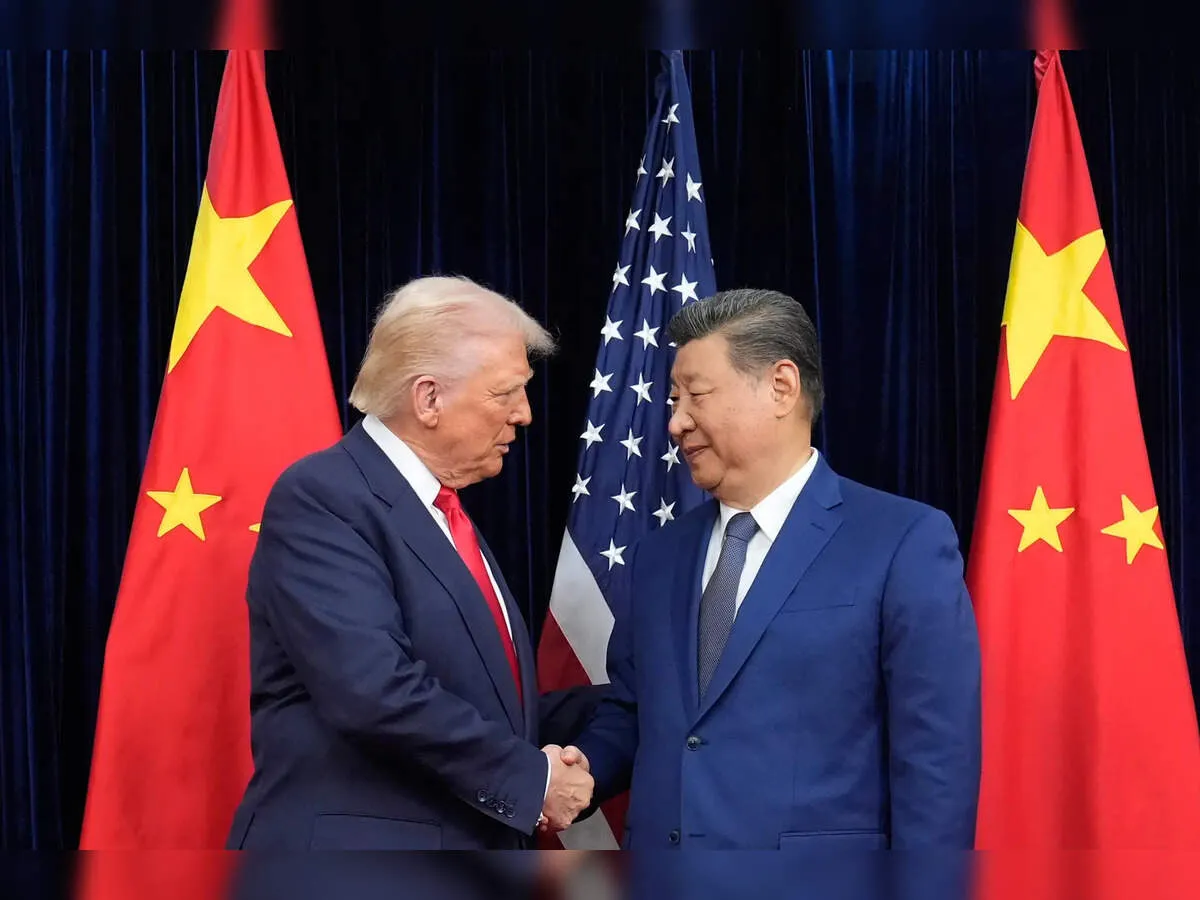
Donald Trump is heading to China aiming for a tangible win ahead of the midterms, even as West Asia remains a volatile backdrop. The talks are expected to focus on rare earth supply and tech goods, but any progress will depend on both sides balancing economic demands with domestic political needs, limiting the odds of sweeping breakthroughs.
Stay informed on the go
Bite-sized news from 100+ trusted sources, right in your pocket.
India will host this week’s BRICS Foreign Ministers’ Meeting, chaired by External Affairs Minister S. Jaishankar. Alongside efforts to strengthen BRICS resilience, innovation, and cooperation, ministers are expected to address global and regional fallout from the West Asian conflict affecting Iran and the UAE, plus priorities for sustainability and reforms in global governance.
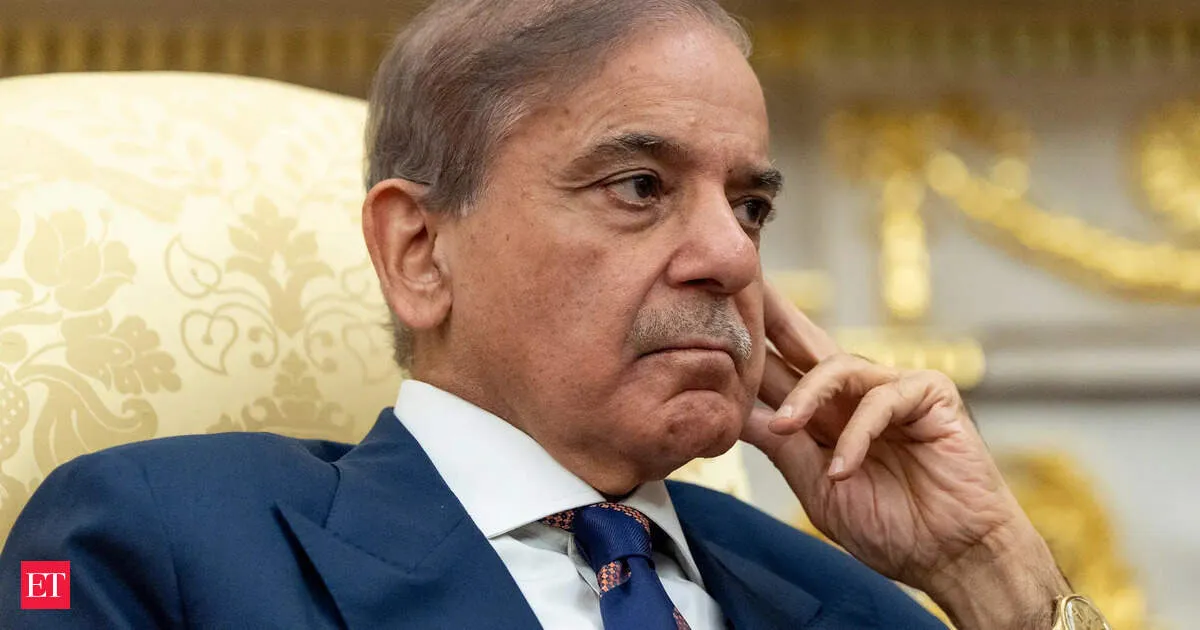
Pakistan’s Prime Minister Shehbaz Sharif has extended nationwide austerity measures until June 13, citing ongoing uncertainty around the Iran conflict and a fragile ceasefire in West Asia. The decision reflects continued regional instability, leaving households and businesses to adjust to tighter controls for longer than previously planned.
Swipe through stories, personalise your feed, and save articles for later — all on the app.