Kannada actor Dileep Raj died after a suspected cardiac arrest, with reports claiming smartwatch readings may have delayed him from seeking urgent medical help. The case is reigniting warnings from experts that wearables can’t replace professional diagnosis, and concerning symptoms should be treated immediately rather than relying on device reassurance.
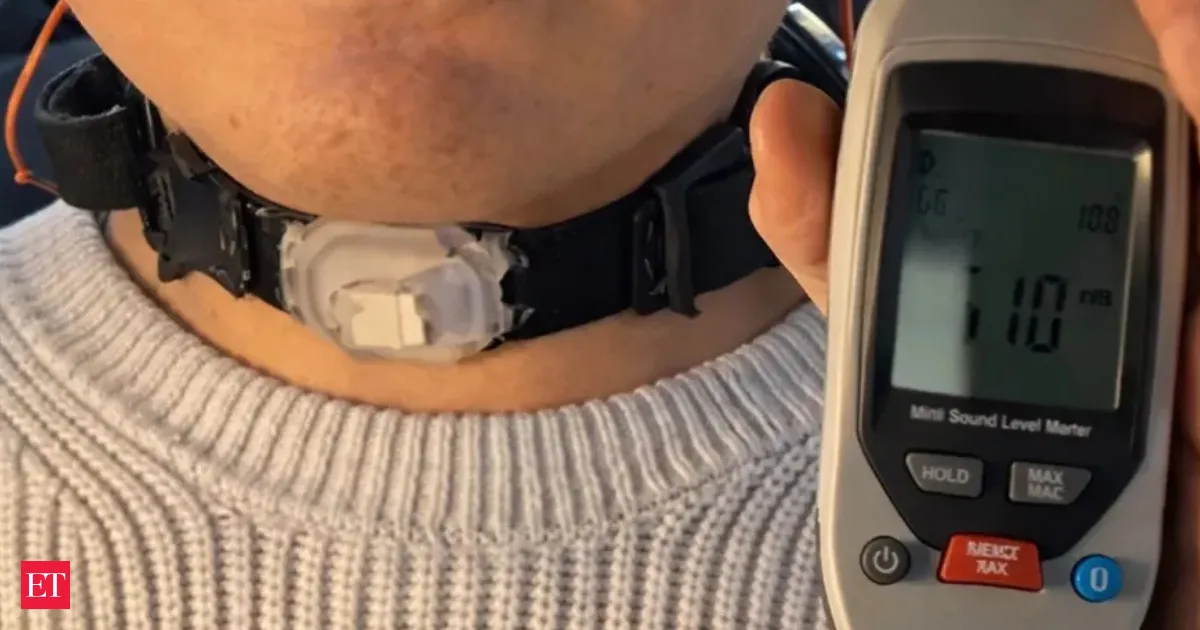
South Korean researchers say they’ve built a wearable neckband that converts silent mouth movements into intelligible speech using the user’s own voice. Because it doesn’t rely on audible input, it could help communication in extremely noisy settings and support medical use cases. The technology is early-stage, but the approach could redefine how we “speak” without speaking.
Your news, in seconds
Get the Beige app — every story in 60 words, updated hourly. Free on iOS & Android.
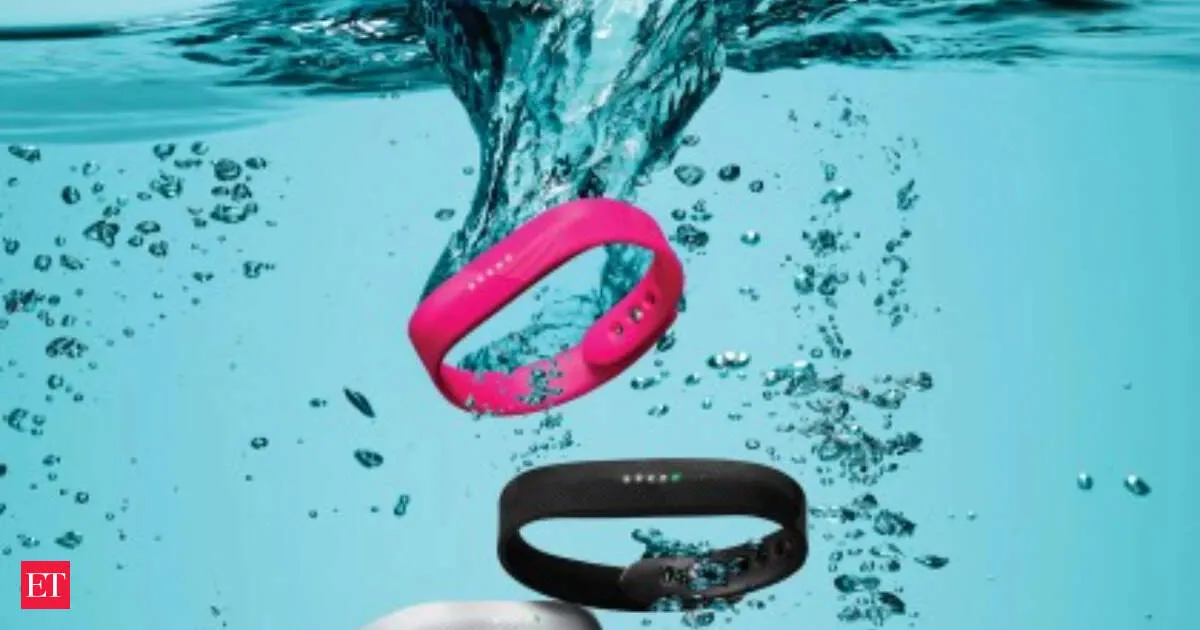
Google has launched the Fitbit Air, a lightweight screenless fitness tracker designed to work with both Android and iPhone. The device pairs with AI health coaching and prioritizes sleep, recovery and heart-rate monitoring, packaged with smart fitness tools. Google is signaling a major push toward AI-powered wearable health features, backed by a week-long battery promise.
Google has unveiled a screenless Fitbit Air that targets always-on health tracking. The wearable promises 24/7 heart rate, heart rhythm monitoring with Afib alerts, SpO2 readings, resting heart rate, heart rate variability, and detailed sleep stages and duration, positioning it as a Whoop-like alternative focused on continuous insights rather than display-based interaction.
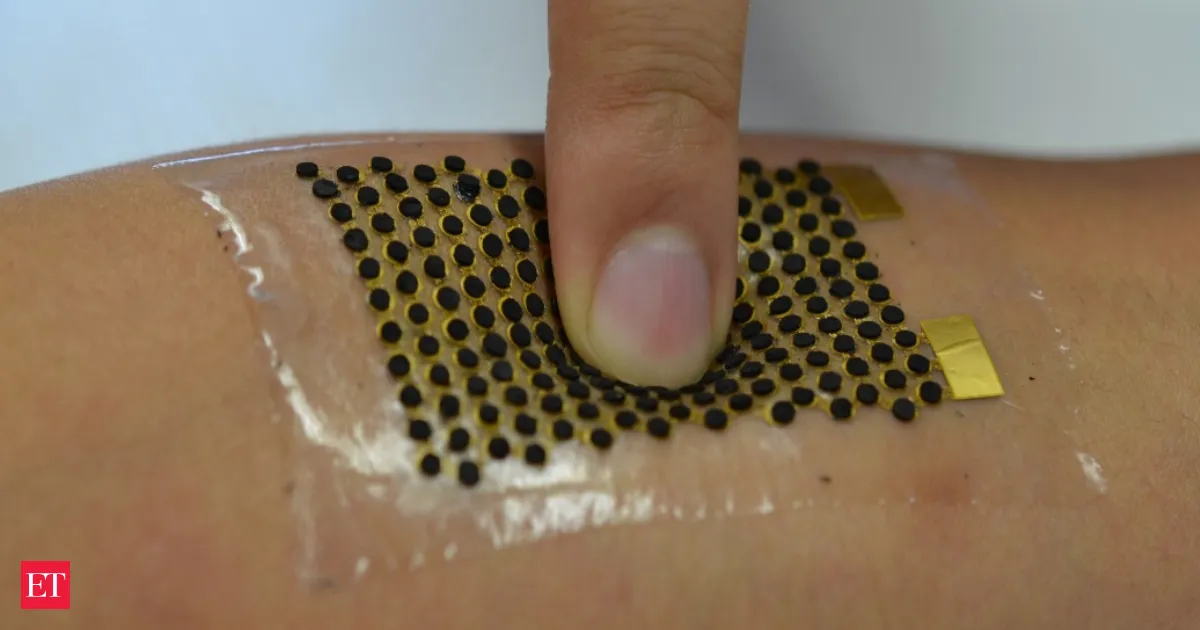
Japanese scientists say they’ve built a wearable that generates electricity from human sweat using special enzyme ink. The breakthrough could remove batteries and charging cables entirely, while still powering low-energy sensors. Once operating, the device can wirelessly transmit data—an approach that may reshape the design of future health monitoring gadgets by making them more sustainable and convenient.
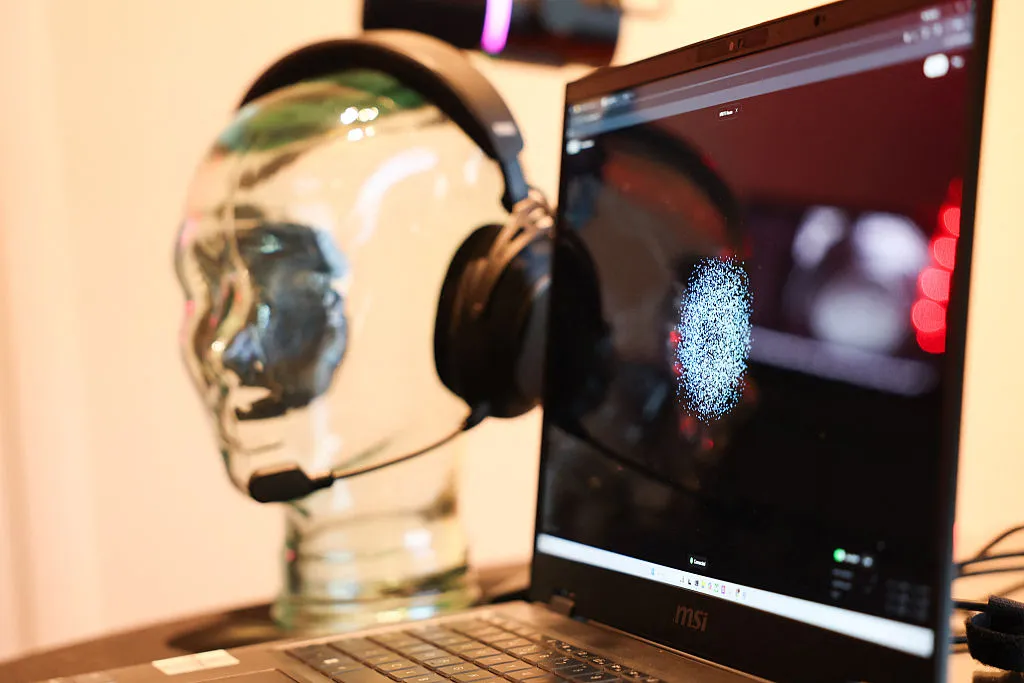
BCI startup Neurable says its “non-invasive” neural data collection could move from research to real consumer wearables. The company is exploring a licensing model for its mind-reading tech, aiming to enable new hands-free experiences and applications outside the lab—assuming the challenges of accuracy, comfort, and privacy can be solved at scale.
Never miss a story
Set alerts for the topics and sources you care about. Download Beige for free.
Era has raised $11M to develop a software platform designed to run across multiple form factors of AI hardware. Instead of betting on one device, the company expects a proliferation of AI gadgets, including glasses, rings, and pendants, and wants its platform to connect and unify the experience.
Mave Health has raised $2.1 million in a seed round to build a wearable headset aimed at mental health and cognitive performance. The device uses transcranial direct current stimulation (tDCS). The company says early users have reported notable improvements in productivity alongside reduced stress, positioning the startup at the intersection of mental wellness and neurotech.
Swipe through stories, personalise your feed, and save articles for later — all on the app.