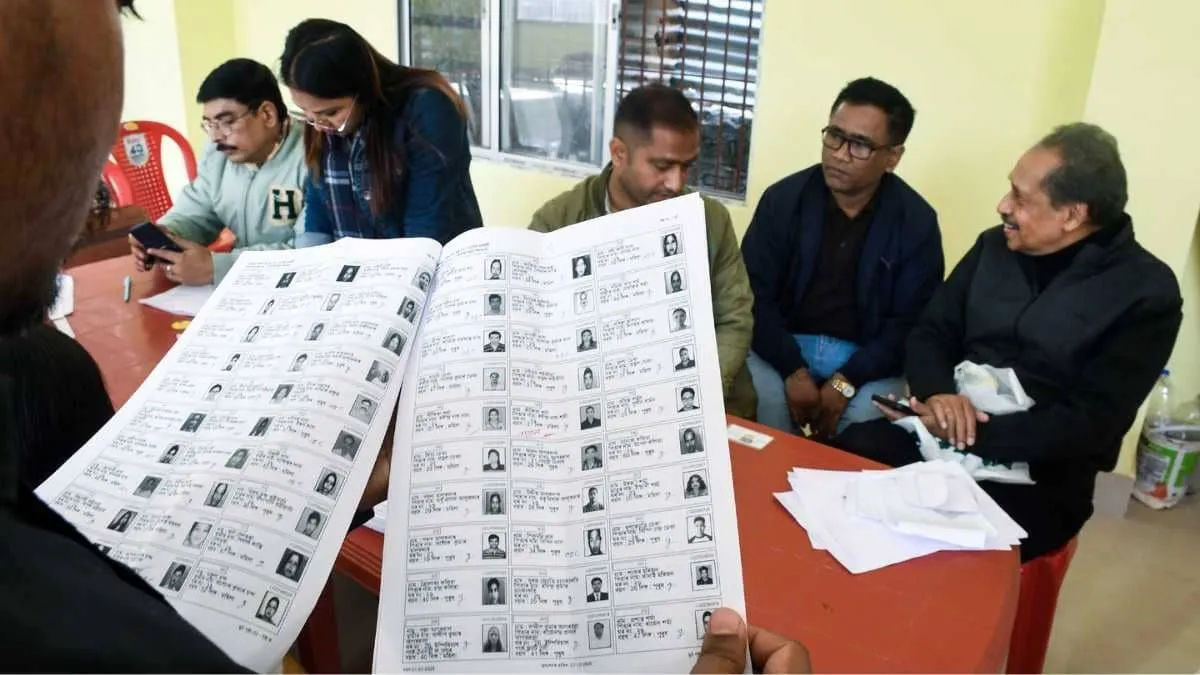
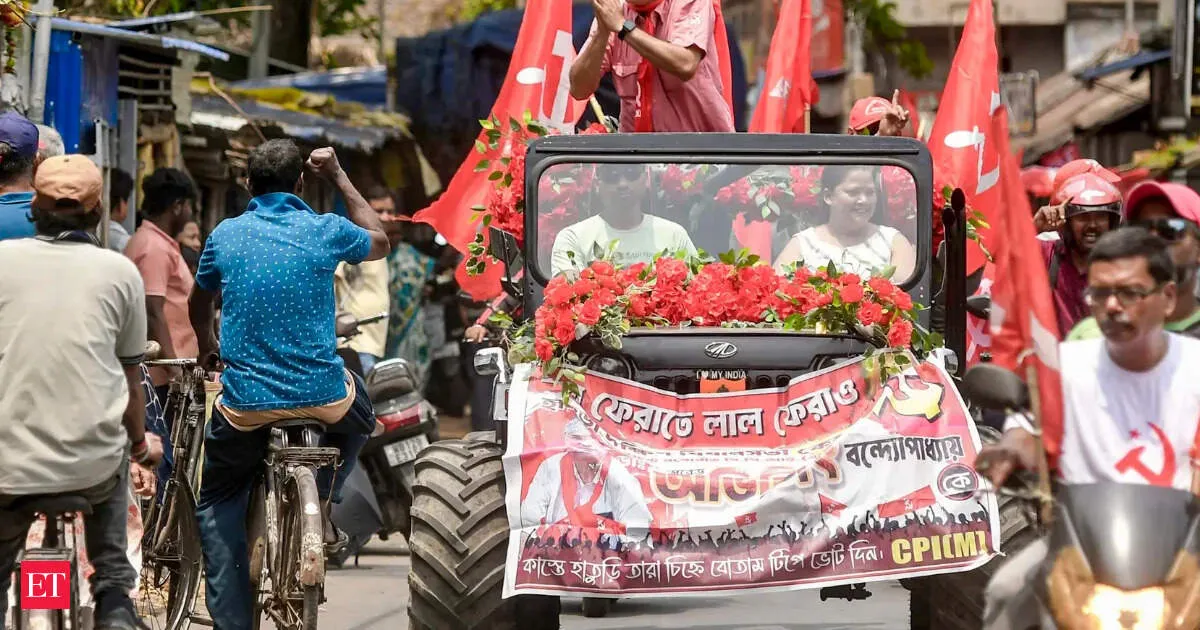
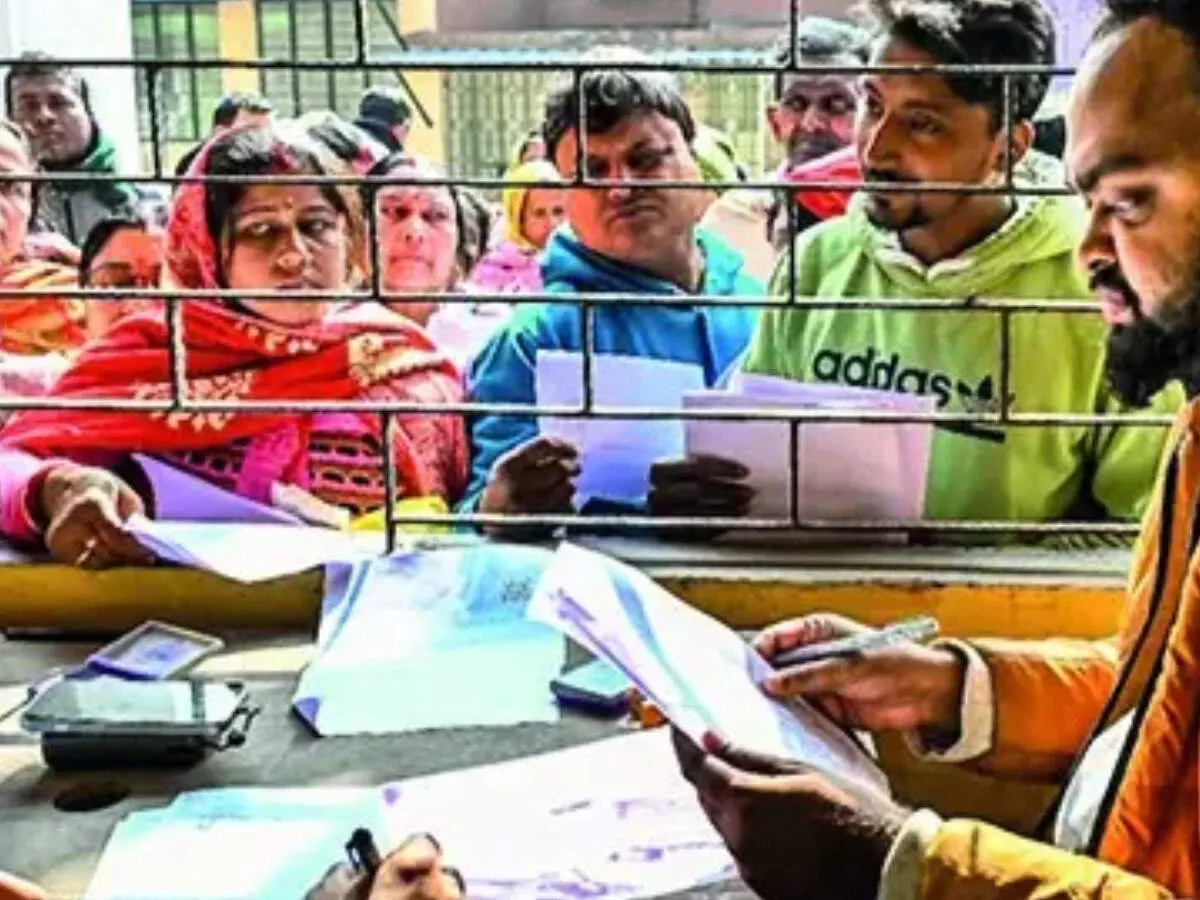
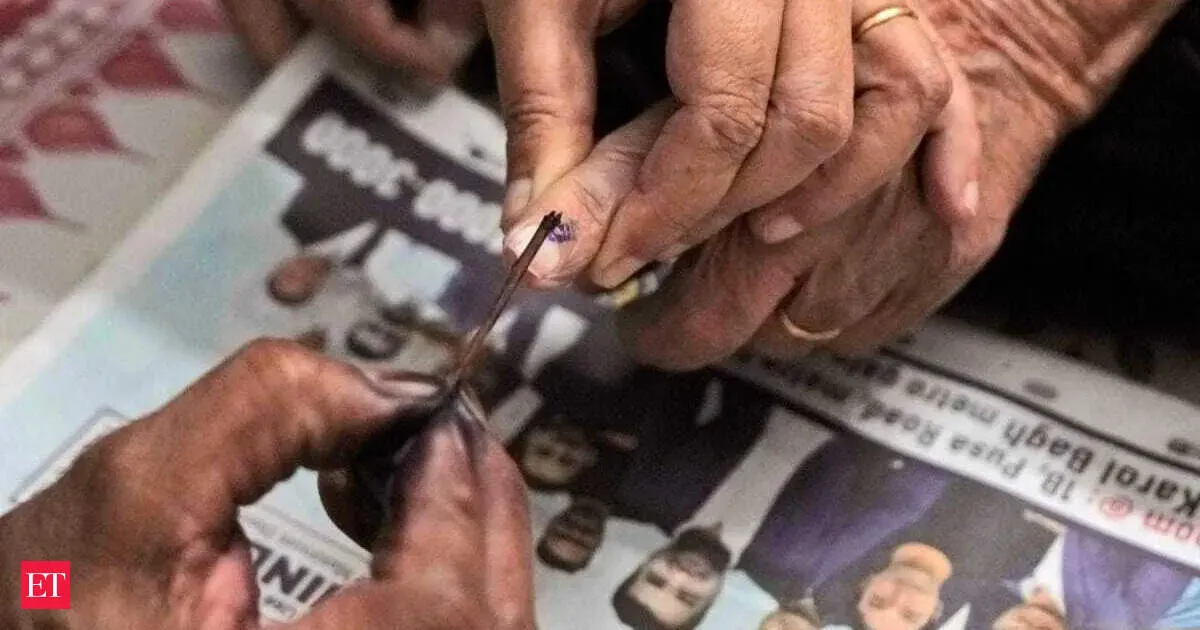
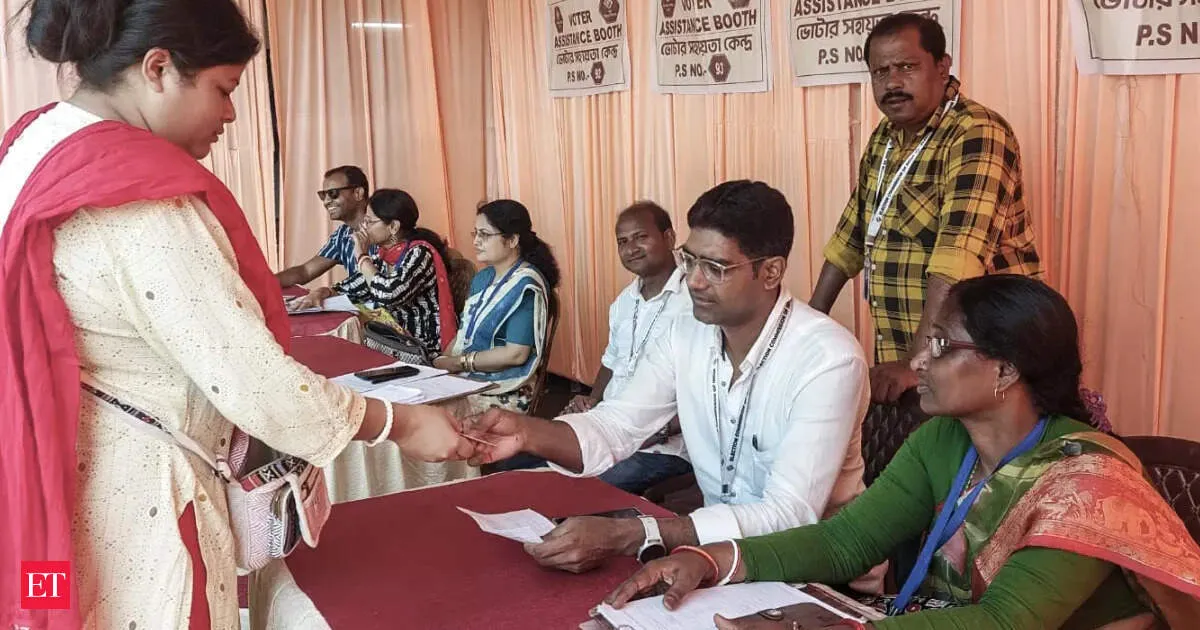
The Election Commission of India on Thursday rolled out Phase III of its Special Intensive Revision (SIR) exercise across 16 states and three Union Territories, aiming to clean and update electoral rolls ahead of future polls. The nationwide phase will not run in Jammu and Kashmir, Ladakh, and Himachal Pradesh; their schedule will come later due to the completion of Census work and snowbound conditions. Door-to-door verification will involve 3.94 lakh booth-level officers and 3.42 lakh party agents.
The Election Commission of India has announced Special Intensive Revision SIR Phase III for electoral rolls across 16 states and three union territories, covering over 36 crore electors. The exercise aims to verify and clean up the rolls in a phased manner, with Delhi, Maharashtra, and Karnataka among the major regions included in this round.
Your news, in seconds
Get the Beige app — every story in 60 words, updated hourly. Free on iOS & Android.
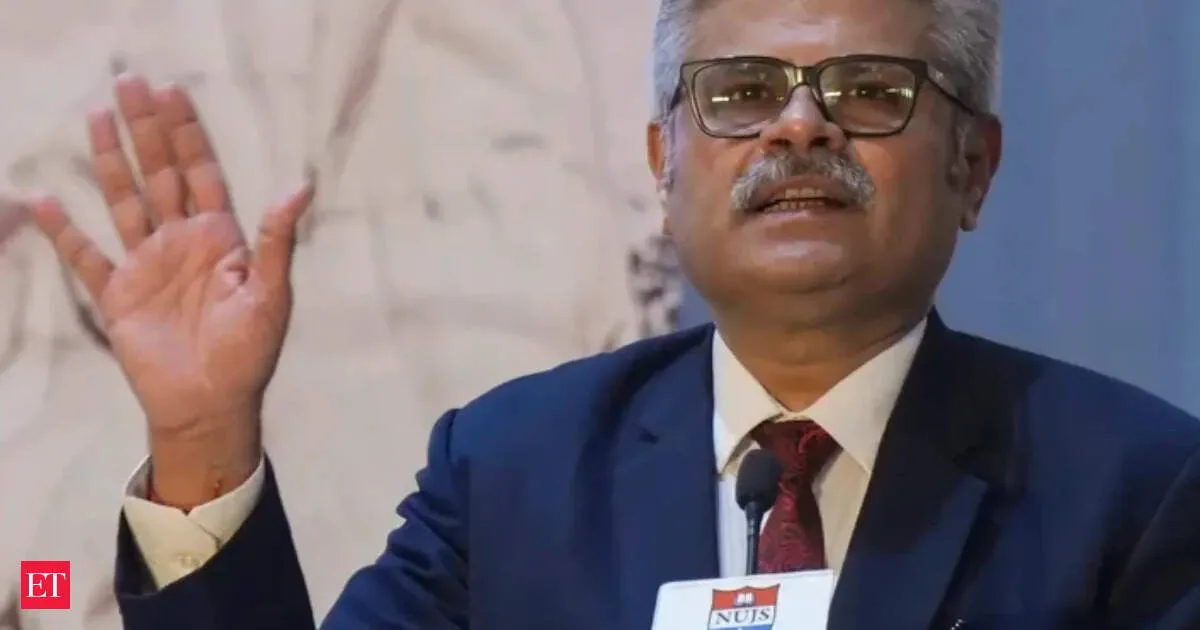
Former Calcutta High Court Chief Justice T S Sivagnanam cleared 1,777 appeals related to deletions from voter lists in West Bengal and dismissed 60 appeals challenging new voter inclusions. Appointed by the Election Commission, he handled cases across multiple districts at the SIR appellate tribunal. His disposal speed has sparked scrutiny of performance across similar tribunals.
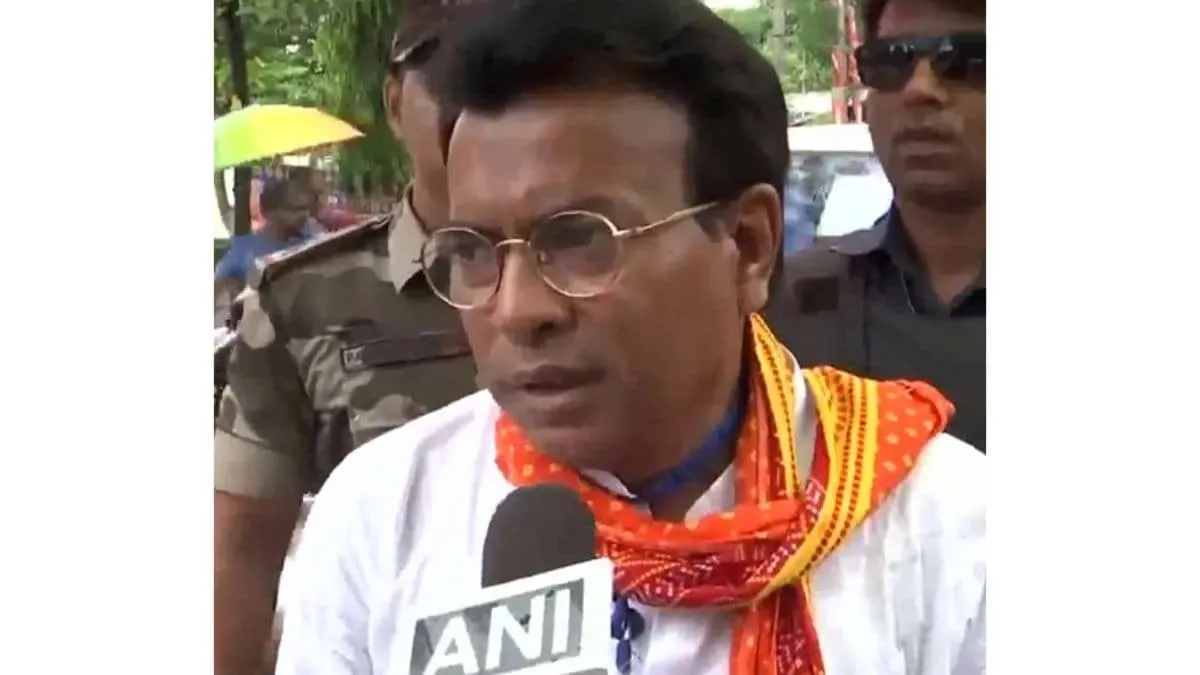
BJP candidate Rudranil Ghosh alleges that West Bengal officials failed to delete voter names dating back 25 years because Mamata Banerjee protested the Special Intensive Revision (SIR) of voter lists. The claim comes as the second phase of the 2026 West Bengal Assembly elections sees turnout near 40% by 11 am, with BJP aiming to strengthen its presence beyond its traditional base.
West Bengal’s election fight may come down to the southern belt: North and South 24 Parganas alongside Kolkata and Howrah. With 91 assembly seats at stake, the TMC is defending its core base while the BJP pushes to break in. Revisions to voter lists are adding unpredictability, heightening what’s already a high-stakes contest for the road to power.
West Bengal’s voter lists have reportedly removed many names, sparking outrage, allegations of conspiracy, and fears of deliberate disenfranchisement. While some residents suspect political sabotage ahead of the upcoming Kolkata vote, the commentary argues the damage may stem from administrative errors. The fallout echoes across India, with millions potentially impacted before voters head to the polls.
Never miss a story
Set alerts for the topics and sources you care about. Download Beige for free.
The Supreme Court declined a plea over deletions from West Bengal’s voter rolls and directed affected individuals to challenge the removals before appellate tribunals. This includes election duty officers who discovered their names missing. The court cited a low disposal rate for voter cases at tribunals, explaining the need for the prescribed route.
After strong voter turnout in West Bengal’s first phase, the Supreme Court has ordered appellate tribunals to fast-track urgent additions to voter lists. People left out of the rolls can seek redressal through 19 appointed tribunals. The court will later consider broader questions about the right to remain on electoral rolls, tightening access to voting.
Swipe through stories, personalise your feed, and save articles for later — all on the app.