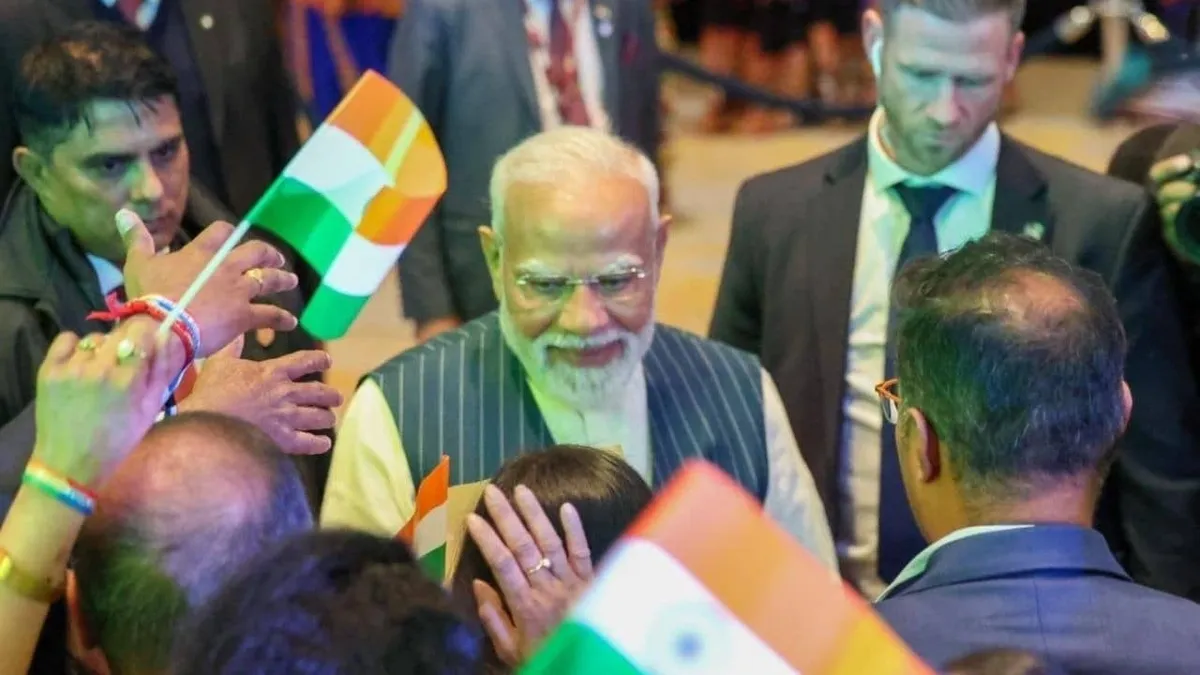
Prime Minister Narendra Modi, in his second stop of a five-nation tour, addressed the Indian diaspora in The Hague, Netherlands, drawing cheers of “Jai Jai Modi.” He laid out four major aspirations for “Viksit Bharat,” linking them to modern India’s push for jobs and innovation. Modi cited a dramatic startup boom from about 500 in 2014 to over two lakh today, with 44,000 more seeking registration. He also highlighted plans to become a global manufacturing hub, use Olympics hosting for global stature, and lead in green energy through large-scale solar expansion.
India has partnered with IFAD to launch an eight year rural development programme running from 2026 to 2033. The initiative aims to raise rural incomes while strengthening community resilience amid environmental uncertainties. It focuses not only on social and economic improvements, but also on advanced knowledge systems to help regions adapt and thrive, aligning with India’s Viksit Bharat 2047 goals.
Your news, in seconds
Get the Beige app — every story in 60 words, updated hourly. Free on iOS & Android.
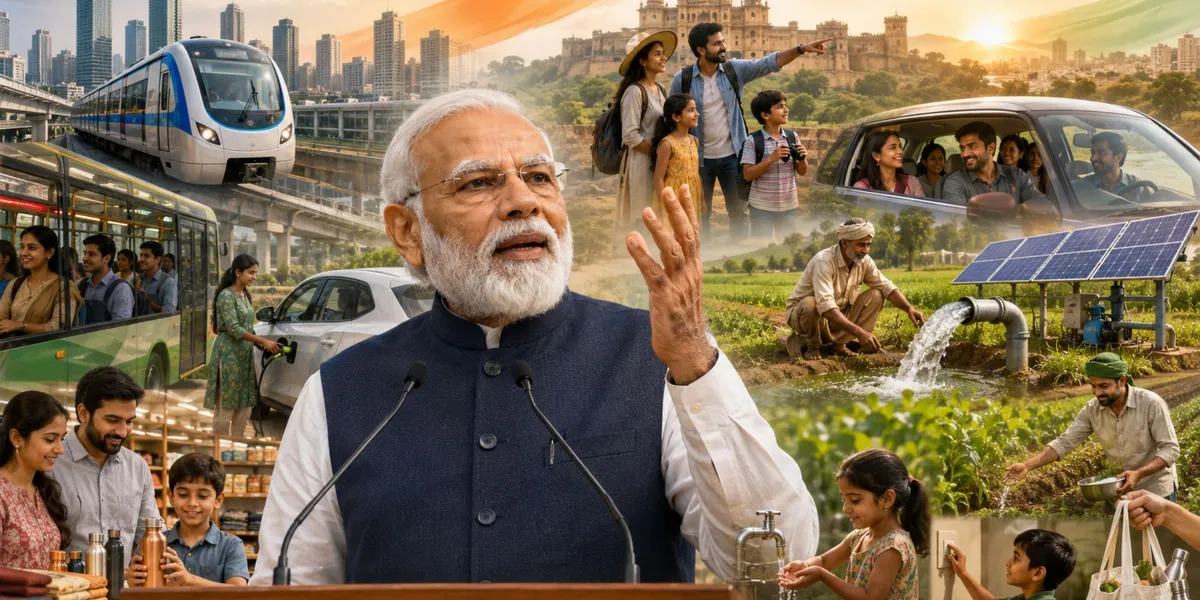
Amid global instability and energy concerns, PM Narendra Modi urged Indians to follow a seven-point set of lifestyle and spending shifts tied to “Viksit Bharat”. He called for cutting petrol and diesel use, avoiding non-essential foreign travel, buying Made-in-India, reducing gold and edible oil purchases, using less fertiliser, conserving water, and adopting Mission LiFE habits like saving electricity and avoiding single-use plastics.
India’s economic growth is forecast to cool to 6.6% in FY27, driven by external shocks including energy supply disruptions and higher oil prices. A new S&P outlook warns that reaching the Viksit Bharat target by 2047 will hinge on faster reforms in energy and food security, including a comprehensive energy storage policy to blunt future volatility.
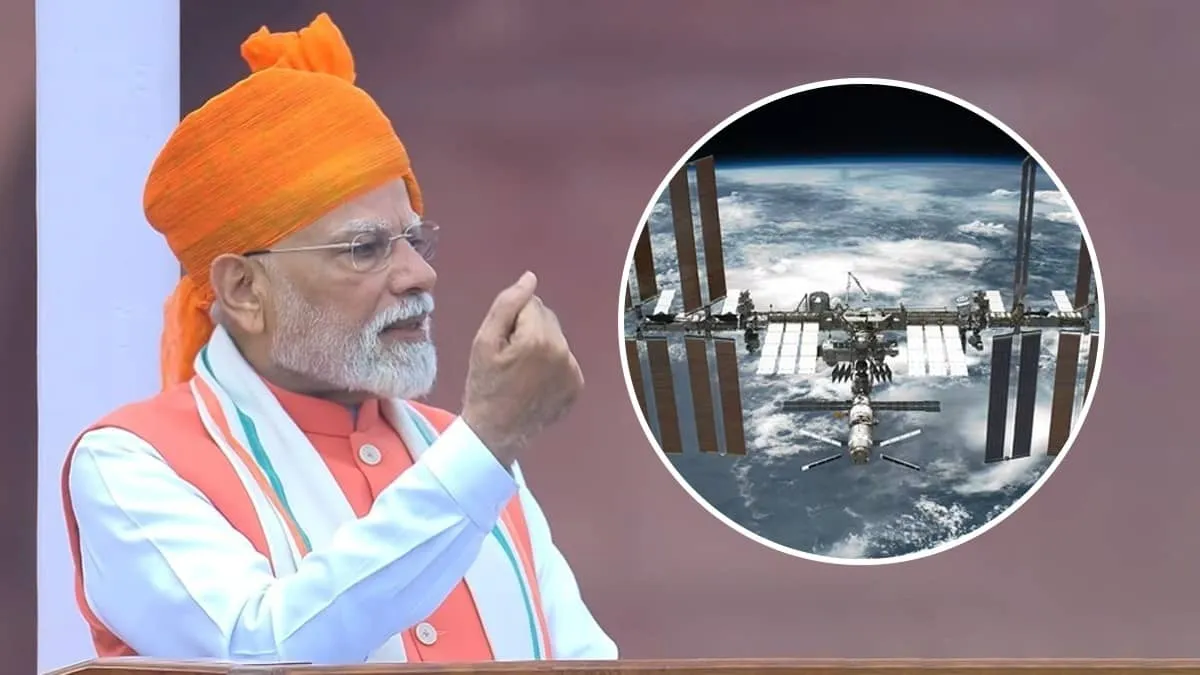
Prime Minister Narendra Modi used his Independence Day 2025 Red Fort address to underline India’s drive for self-reliance, including in space. He said the country is working toward building its own space station and highlighted the role of more than 300 local startups powering India’s space sector as India pushes toward Viksit Bharat.
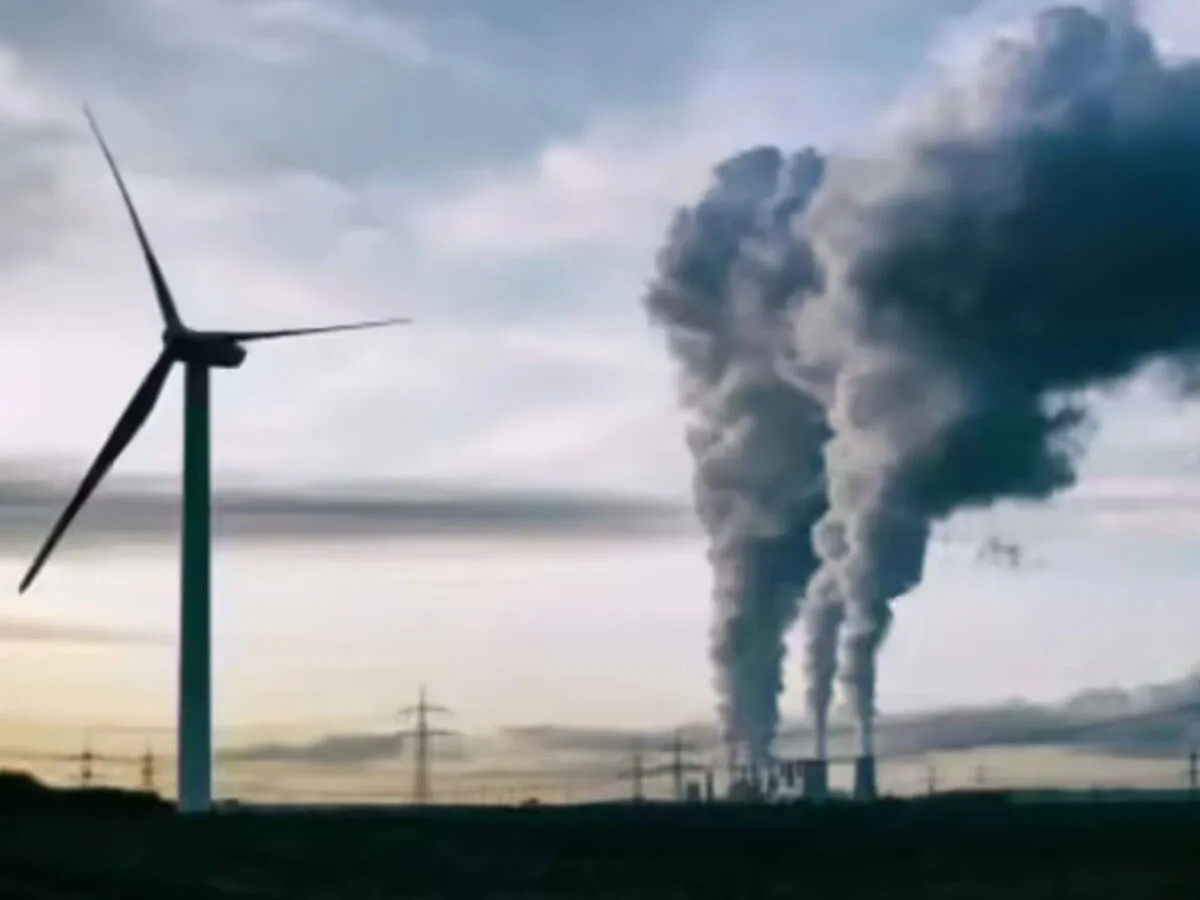
India’s Viksit Bharat push by 2047 is at risk if the country continues leaning on imported fossil fuels. The argument: clean energy is essential not just for climate goals, but for economic stability and global influence. Progress in non-fossil power and green hydrogen must be accelerated, with stronger storage and “firm” clean power to secure energy sovereignty and developed-country status.
Never miss a story
Set alerts for the topics and sources you care about. Download Beige for free.
Swipe through stories, personalise your feed, and save articles for later — all on the app.