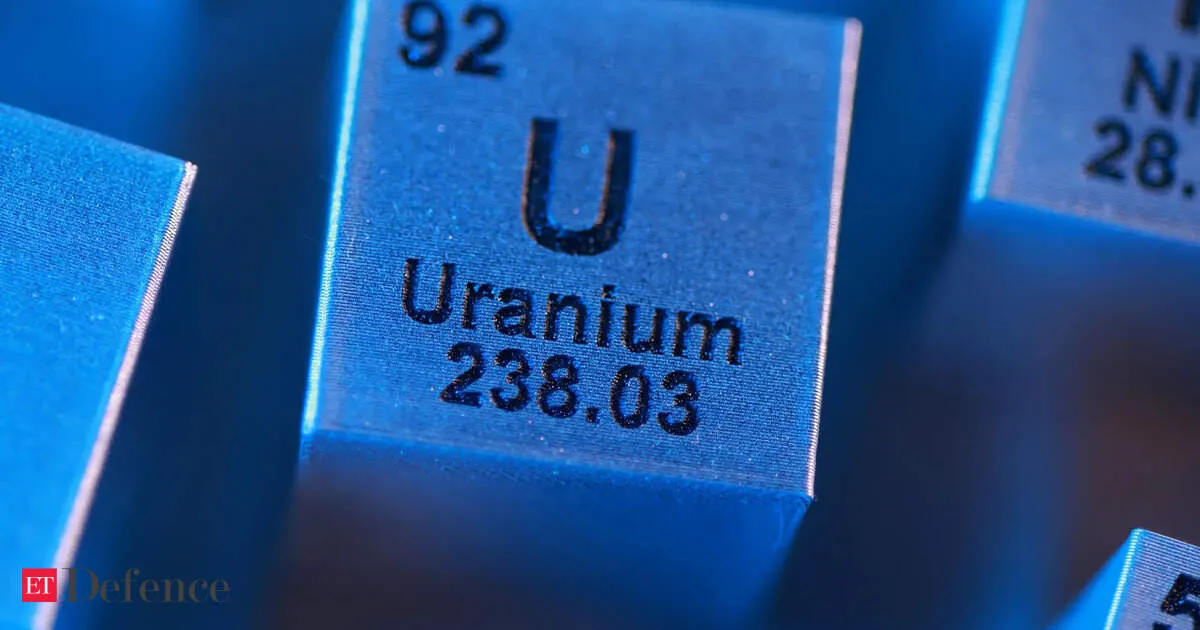
The US Department of Energy’s National Nuclear Security Administration says it has removed the last highly enriched uranium from Venezuela’s legacy RV-1 research reactor. The operation, coordinated with Venezuela’s Ministry of Science and Technology, the IAEA, UK experts, and US State Department personnel, follows research ending in 1991, when uranium enriched above 20% remained as surplus. NNSA removed 13.5 kilograms in under six weeks, shipped it to the US, and will process it into high-assay low-enriched uranium for reuse.
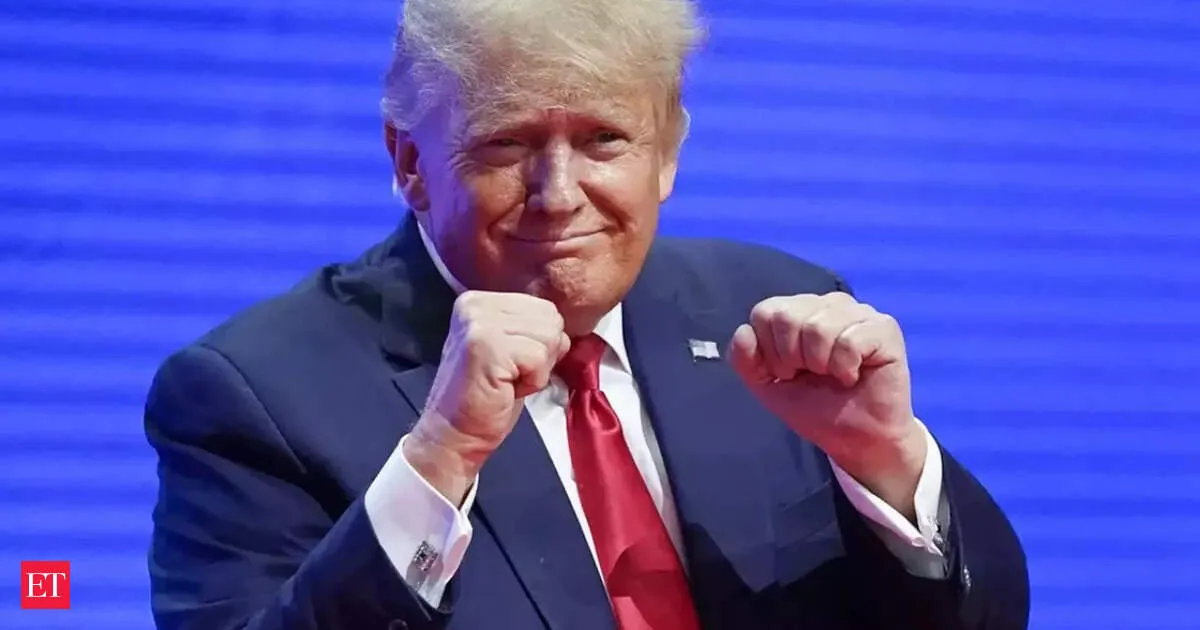
Donald Trump says he is seriously considering making Venezuela the 51st US state, shocking diplomats and roiling energy markets. The proposal comes after a January 2026 US military raid captured Nicolás Maduro and installed a cooperative acting government in Caracas. Trump pointed to Venezuela’s vast $40 trillion oil, while China calls the intervention illegal and Latin America fears a precedent.
Your news, in seconds
Get the Beige app — every story in 60 words, updated hourly. Free on iOS & Android.
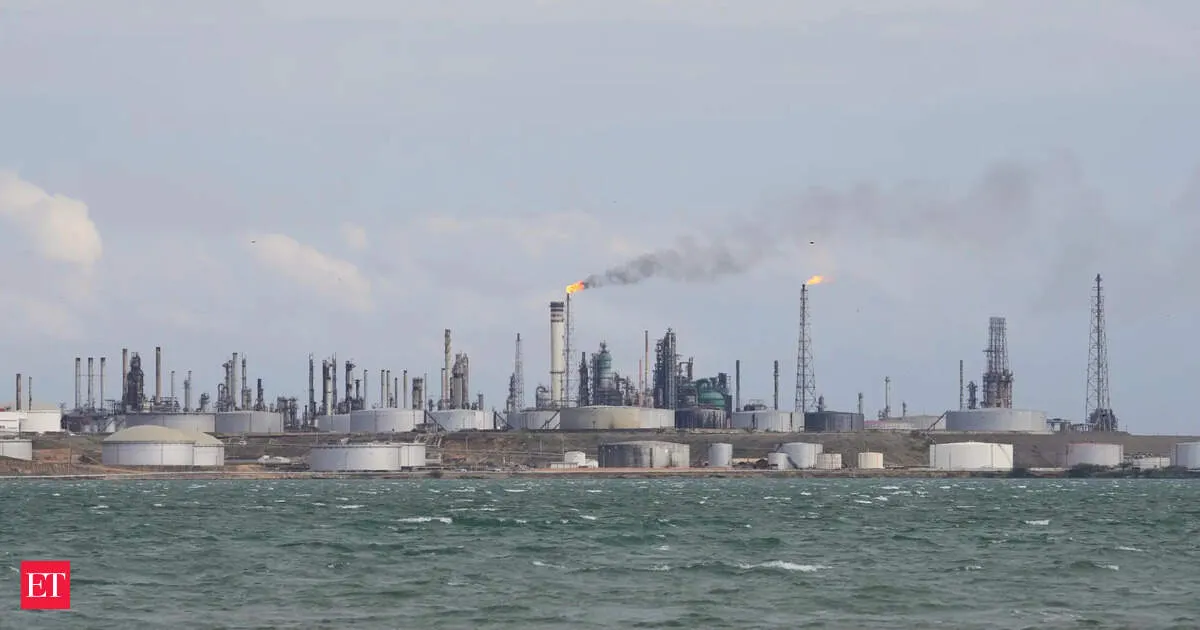
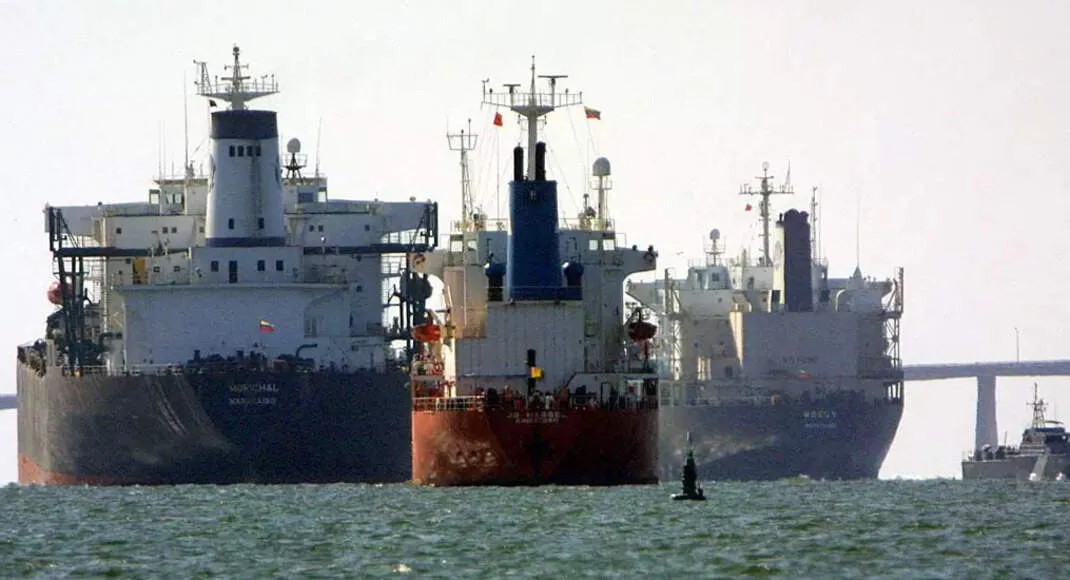
Venezuela’s oil exports jumped 14% in April to 1.23 million barrels per day, the highest level in more than seven years. The rise was driven by stronger sales to the US, India, and Europe after a US–Venezuela supply arrangement and eased sanctions. Output improved and inventories were cleared, lifting shipments across multiple markets.
With Russian oil increasingly off-limits, India is looking at alternatives. Venezuelan crude from Caracas is tempting for cost reasons, but turning that promise into profit depends on navigating complex supply chains, pricing, sanctions risk, and refinery compatibility. The real question is whether volumes and economics can align quickly enough to matter.
Venezuelans took to the streets again on Saturday in Caracas, drawing protesters from across society to call for an end to Nicolás Maduro’s 11-year presidency. The renewed unrest is driven by claims he tried to rig last week’s election and by concerns about an expanding crackdown on opposition supporters.
A U.S. move in Caracas and plans to take control of Venezuela’s oil assets are reviving heavy crude exports. Because many U.S. refineries are already configured for Venezuelan grades, Canada could struggle to defend its market share. That pressure may hit Canadian oil revenues and in turn weigh on the Canadian dollar.
Never miss a story
Set alerts for the topics and sources you care about. Download Beige for free.
Swipe through stories, personalise your feed, and save articles for later — all on the app.