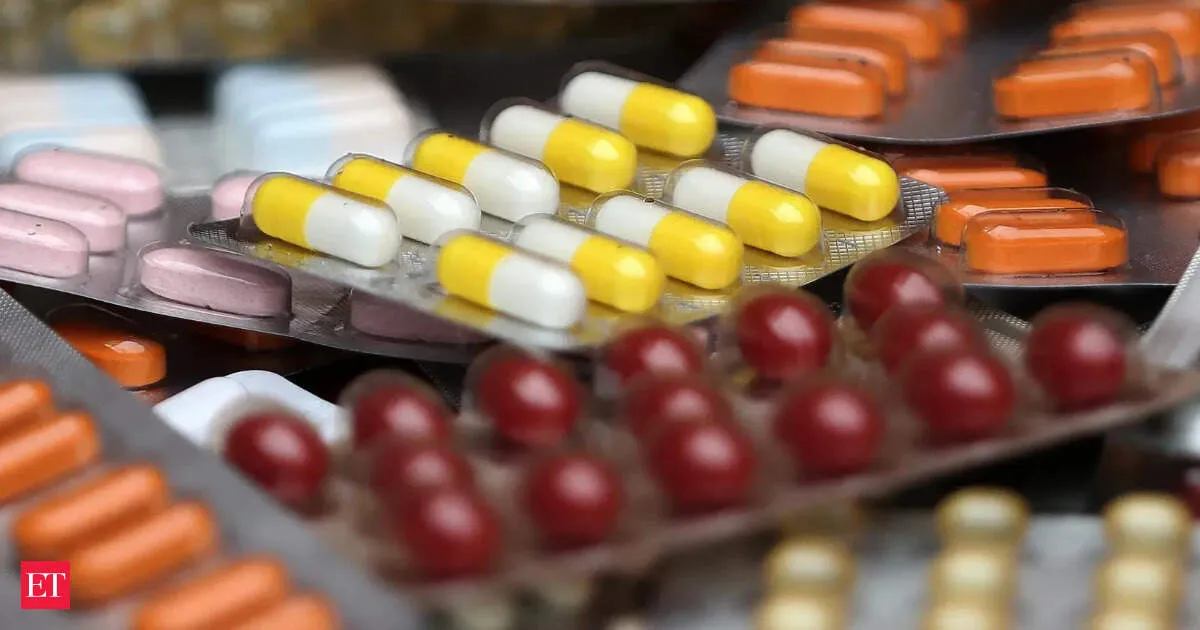
Indian pharmaceutical exports crossed $31 billion in FY26 despite global headwinds. But March deliveries fell 23%, largely linked to weaker demand from the United States and China. Growth held up in markets such as Africa and Oceania, and vaccines led the fastest expansion, signaling a shift in where India’s drug makers are finding momentum.
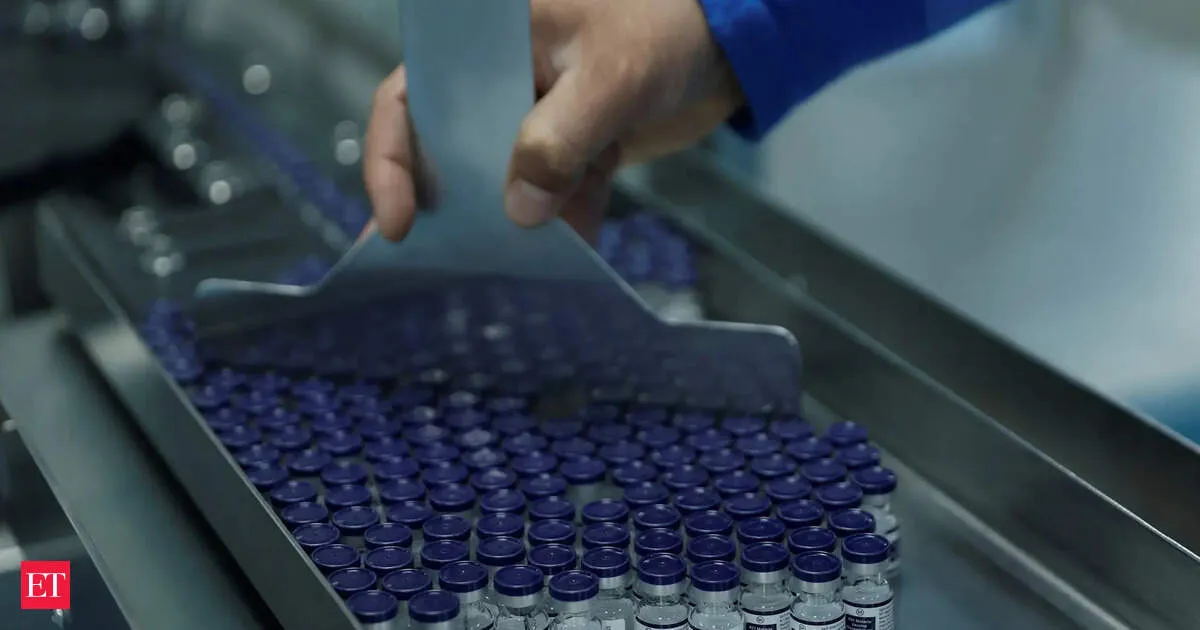
Oxford University has struck a new collaboration with Serum Institute of India to develop malaria vaccine R78C. The plan targets multiple stages of the malaria parasite to improve effectiveness, while Serum will produce the vaccine at scale. With malaria burden highest across sub Saharan Africa, the pact could accelerate access to a more potent option.
Your news, in seconds
Get the Beige app — every story in 60 words, updated hourly. Free on iOS & Android.
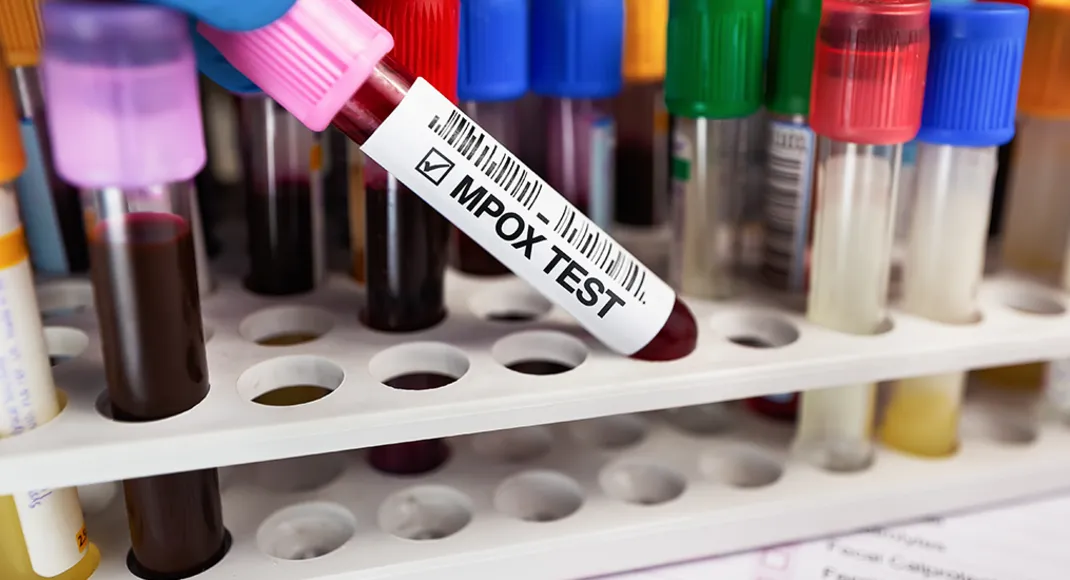
A newly mutated mpox virus traced to Africa has reached Europe and is now moving closer to Pakistan, raising concerns for the region. While authorities say it’s too soon to label it a pandemic, the article urges India to urgently assess vaccine readiness, strengthen outbreak preparedness, and prioritize domestic capacity to respond quickly if cases rise.
Recent blockbuster wins suggest global drug makers aren’t just succeeding through long-term research. Companies have repeatedly found success by bringing pipeline compounds back from the discard pile, turning old bets into major drugs and vaccines. While strategy still matters, the pattern points to luck playing an outsized role in which therapies finally reach patients.
The US move to wind down the Public Health Emergency won’t make Covid disappear overnight. Instead, key containment supports such as free vaccines, free treatment, and free testing are set to end, leaving gaps in coverage. With no “calendar” for the coronavirus, reducing access to core public health tools could weaken protection as infections persist.
Swipe through stories, personalise your feed, and save articles for later — all on the app.