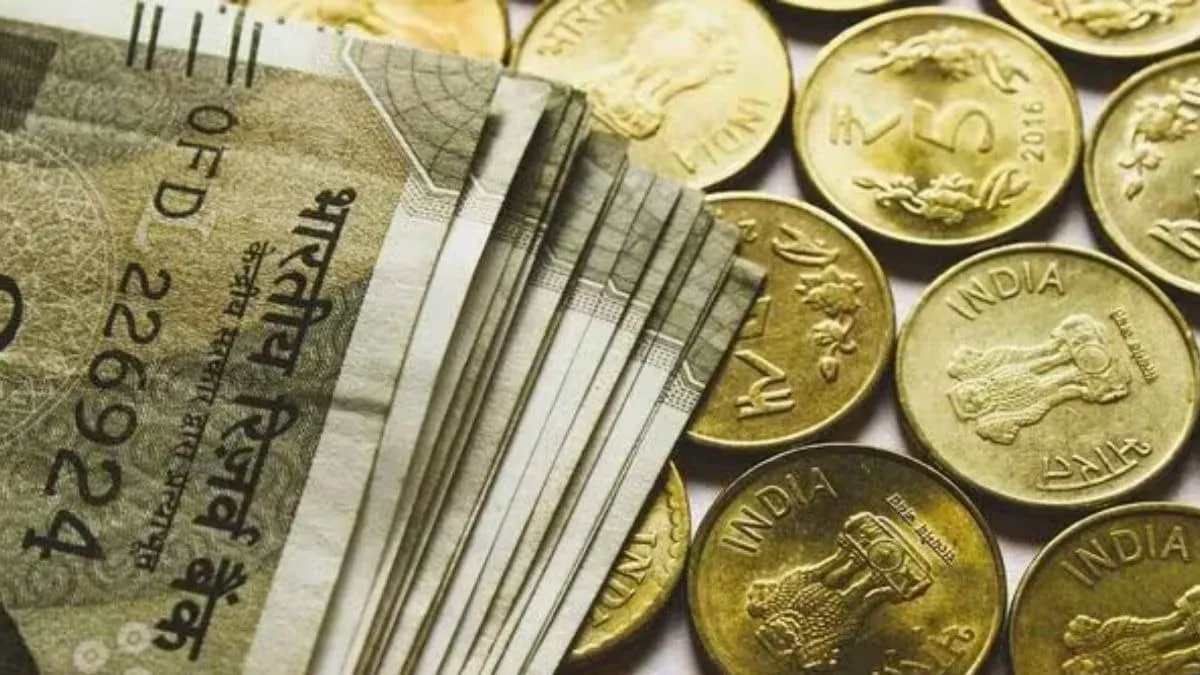
The Indian rupee jumped to 94.61 against the US dollar on Wednesday, its strongest single day gain in about a month. The move followed a broader relief rally in Asian currencies as investors grew more optimistic about the possibility of a cessation of hostilities between the US and Iran. Risk sentiment improved, lifting regional FX broadly.
The Indian rupee rose 0.2% to 95.07 per dollar as broader Asian markets rallied on hopes of a US Iran deal that eased oil prices. The improvement offered respite after the currency had hit a record low, while forward premiums retreated. Traders say oil remains the key swing factor for what happens next.
Your news, in seconds
Get the Beige app — every story in 60 words, updated hourly. Free on iOS & Android.
The Indian rupee slid to a fresh record low of 95.39 per USD following US and Iranian strikes in the Gulf. Markets reacted with renewed caution, with investors focusing on how higher energy costs could worsen India’s import bill and economic outlook. Other Asian currencies also weakened, underscoring the regionwide stress around oil prices.
The Indian rupee has closed at a fresh lifetime low of 95.08 per US dollar, driven by stronger dollar demand and firm crude prices. Pressure is rising as oil costs linked to the Iran conflict weigh on the currency, while capital outflows add to the strain. The RBI is reportedly exploring steps to attract dollar inflows to bolster reserves.
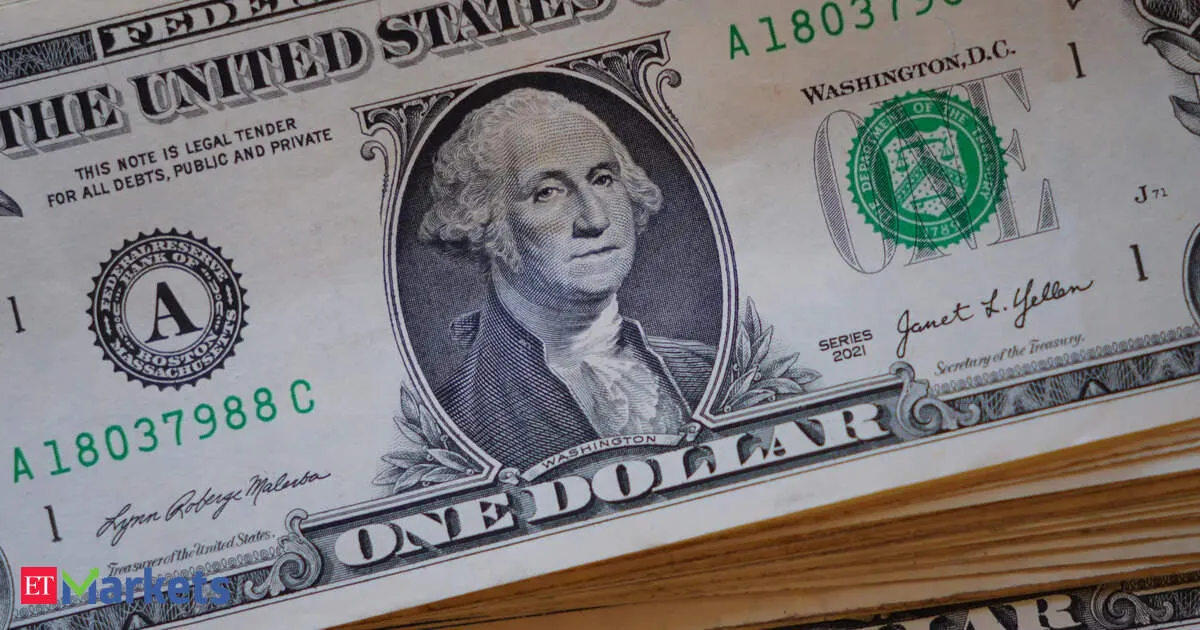
The US dollar index slipped 0.70% to 98.17, putting it on track to break a streak of gains. Against that backdrop, the Japanese yen has climbed sharply, posting historic rise levels that have surprised traders. The move is reshaping expectations for near-term currency direction as investors reassess global rate and risk bets.
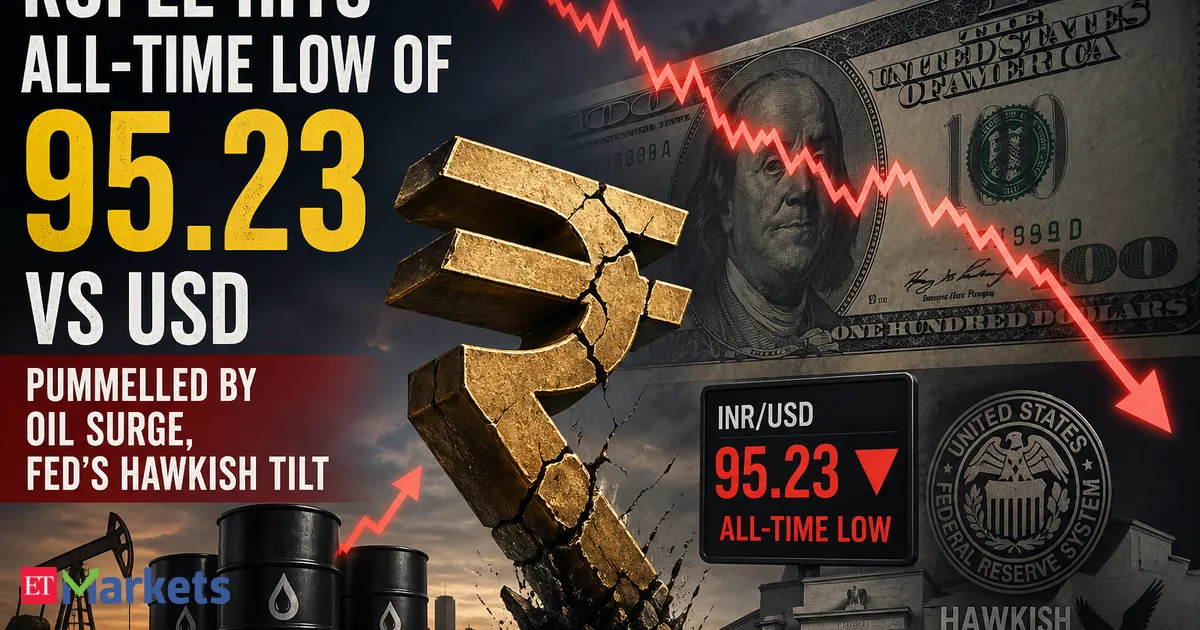
The rupee hit a fresh record low of 95.23 per USD as high energy prices and a hawkish US Federal Reserve pressure the currency. Slumping year-to-date, the move raises the cost of imports and erodes foreign-investment returns. India’s external sector is also contending with weaker capital flows and trade headwinds, compounding the strain.
Never miss a story
Set alerts for the topics and sources you care about. Download Beige for free.
The Indian rupee slid to an all-time low of Rs 95.20 against the US dollar on April 30, with markets reacting to a stalled US-Iran peace effort. Analysts warn the INR could weaken further as crude oil prices rise, intensifying inflation-linked concerns and adding pressure to the currency.
The dollar held firm after hawkish comments from Federal Reserve officials lifted bond yields and reduced expectations for rate cuts this year. At the same time, the Japanese yen slid past 160 per dollar, raising fears of possible intervention. Traders are also watching geopolitical tensions and oil price pressures that could further complicate currency moves.
The Indian rupee closed at a record low of 94.85 per US dollar as high crude prices and steady dollar demand intensified selling pressure. The RBI stepped in to support the currency, but analysts expect volatility to continue, driven by oil prices and shifting capital flows. Further pressure is seen even at stronger levels as market sentiment stays risk-off.
The Indian rupee closed at a record low of 94.85 per USD, as surging oil prices lifted import costs and stalled diplomatic efforts around the Iran conflict. At the same time, persistent foreign selling of Indian assets added fresh pressure, worsening sentiment and weakening demand for the rupee ahead of future FX moves.
Reading on mobile?
Open Beige in the app for a smoother experience — free on iOS and Android.
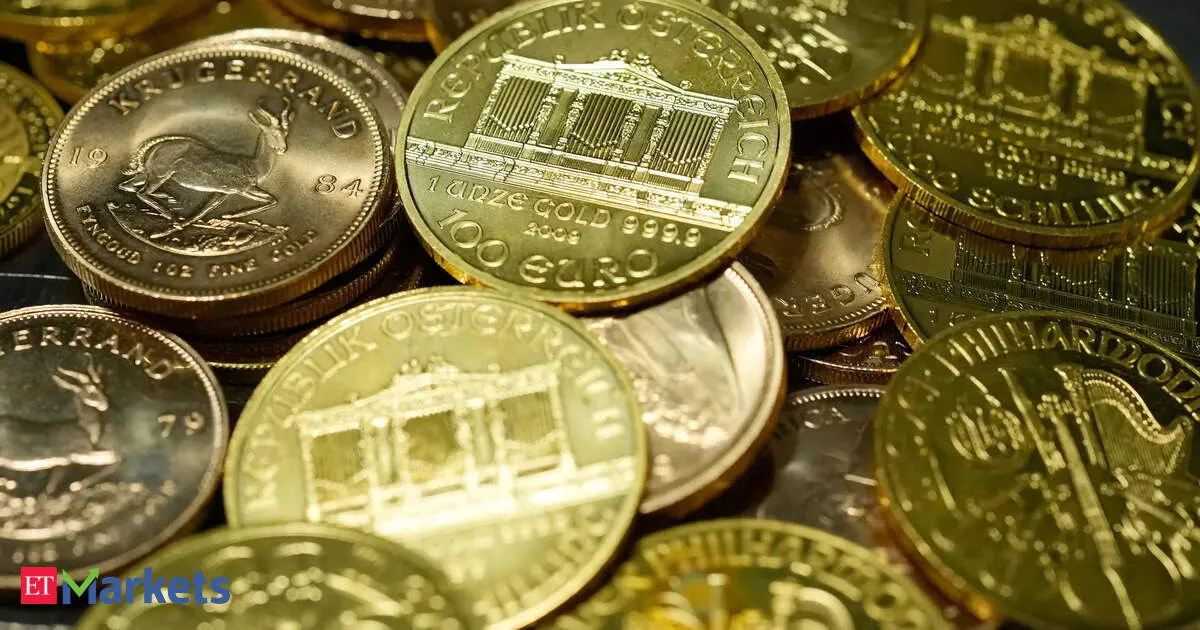
Deutsche Bank is forecasting a bullish path for gold, saying prices could reach $8,000 per ounce within five years. The call is tied to central banks steadily adding to their gold reserves while diversifying away from the US dollar. Economic and geopolitical uncertainty is accelerating the shift, with emerging markets taking the lead in reserve rebalancing.
The U.S. dollar rose after hopes of progress in U.S.-Iran talks faded, leaving markets focused on geopolitical risk. The Japanese yen was pinned near 160 ahead of the Bank of Japan’s policy decision. Oil prices climbed as the Strait of Hormuz stayed effectively closed, and traders turned to upcoming central bank meetings for clues on economic damage and interest-rate paths.
The Indian rupee slipped to a record low of 94.39 against the US dollar, deepening pressure on markets. Rising Brent crude prices are fueling higher import costs, while persistent foreign capital outflows and a widening trade deficit keep the currency under strain. Even with suspected RBI support, month-end dollar demand is pushing the depreciation further.
Gold and silver prices in India fell for a third consecutive session on Thursday, April 23. The dip mirrors global markets where a stronger U.S. dollar and higher bond yields have reduced bullion’s appeal. Shifting expectations around interest rates are prompting investors to stay cautious, dragging prices in major cities including Mumbai.
Follow your favourite sources
Track sources, tags and categories — all in the Beige app.
The Indian rupee hit a record low, falling past 95 per US dollar for a third straight session. Traders saw only temporary support after the RBI tightened banks’ forex position caps, but broader Asian currency weakness and risks tied to the Middle East conflict continued to pressure the currency. Analysts warn the relief may be short-lived.
The Indian rupee weakened sharply against the US dollar on Thursday, sliding to its weakest level in over three weeks as oil prices surged. With global worries over possible supply disruptions adding to the pressure, the RBI is widely expected to have intervened to steady the currency. The move deepens existing FX stress.
Gold and silver in India eased on MCX as a stronger US dollar pressured prices. Traders are watching potential US-Iran talks this weekend, with analysts flagging volatility risk from oil and currency swings. While MCX quotes softened, physical gold in major Indian cities held steady. Key technical levels point to cautious buy-the-dip strategies.
Swipe through stories, personalise your feed, and save articles for later — all on the app.