Global bond markets are rattled as US Treasury yields surge to around 5% amid rising oil prices and persistent inflation concerns. Those pressures are shifting expectations for US interest rates, making investors reconsider the odds of Federal Reserve rate cuts. UK bond markets are also under strain, reflecting broader unease across major economies.
The US Senate has confirmed Kevin Warsh as a Federal Reserve governor, setting up a crucial period for the central bank amid political pressure. Warsh is now preparing to shape the Fed’s priorities and has signaled interest in reshaping how the Fed coordinates with the US Treasury. A Fed chair vote is expected on Wednesday.
Your news, in seconds
Get the Beige app — every story in 60 words, updated hourly. Free on iOS & Android.
Japan’s 10-year government bond yield jumped to a 29-year high on Tuesday, even as the latest auction stayed stable. Traders are now fixated on U.S. Treasury Secretary Scott Bessent’s remarks during his Tokyo visit, worried they could bring renewed pressure on Japan’s monetary policy and currency. Yields rose across multiple maturities as investors repositioned.
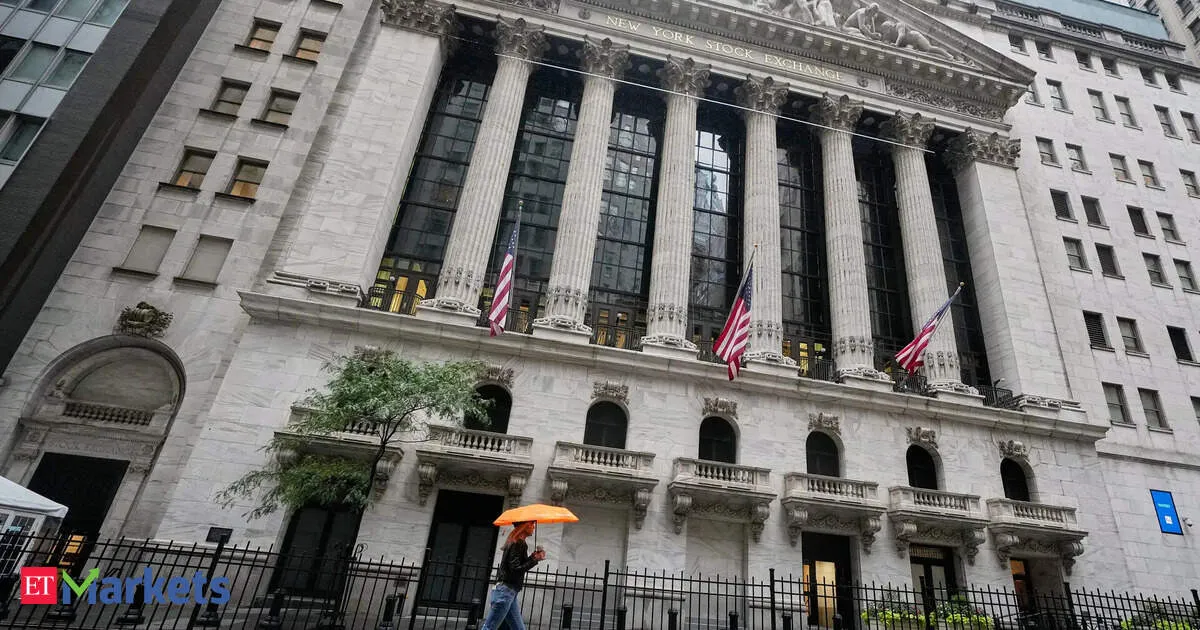
Wall Street is bracing for renewed volatility as US Treasury yields hover near 5 percent, with investors debating whether 30-year rates can stay above that level. Rising oil prices and a resilient US economy are stoking inflation concerns and potentially lifting borrowing costs globally. Traders are also recalculating expectations for the Federal Reserve’s next policy move.
New York Fed President John Williams said global demand for U.S. Treasury debt remains strong even as federal borrowing rises. He attributed the resilience to ongoing confidence in the U.S. economy and the reliability of Treasuries as a safe, liquid investment, especially as geopolitical risks continue to cloud investor sentiment.
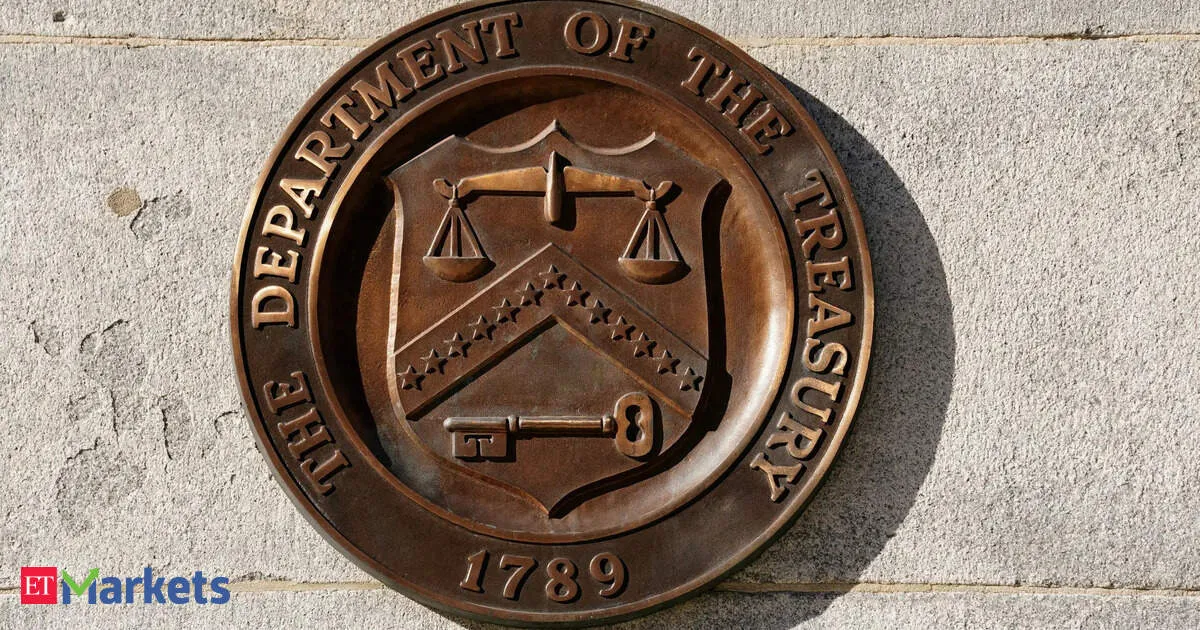
The US Treasury says it will hold auction sizes for notes and bonds steady for the next several quarters, reflecting a cautious borrowing strategy amid ongoing market volatility. Announced as part of its quarterly refunding plan, the move is intended to reduce added pressure on the bond market, signaling an effort to stabilize demand and keep rates from reacting too strongly.
Never miss a story
Set alerts for the topics and sources you care about. Download Beige for free.
The US Treasury has lifted its estimate for current-quarter net borrowing to $189 billion after cash flows came in weaker than expected. For the next quarter, July-September, it projects $671 billion to be raised. Investors are watching for further updates, since changes in borrowing plans can influence rates and market expectations.
The US Treasury has issued a warning to global shippers that paying Iran any tolls for safe passage through the Strait of Hormuz—or donating money in the process—could expose them to US sanctions. The advisory follows Iran’s proposal to charge for passage and its fresh negotiation message to the US delivered via Pakistani mediators.
30 year mortgage rates have climbed to 6.30%, putting fresh pressure on the 2026 housing market. Economists point to rising US Treasury yields, sticky inflation, and a slower timeline for Fed rate cuts as key drivers. With borrowing costs higher, buyers face reduced affordability, though forecasts suggest rates may hover around 6% to 6.5% through the year.
Swipe through stories, personalise your feed, and save articles for later — all on the app.