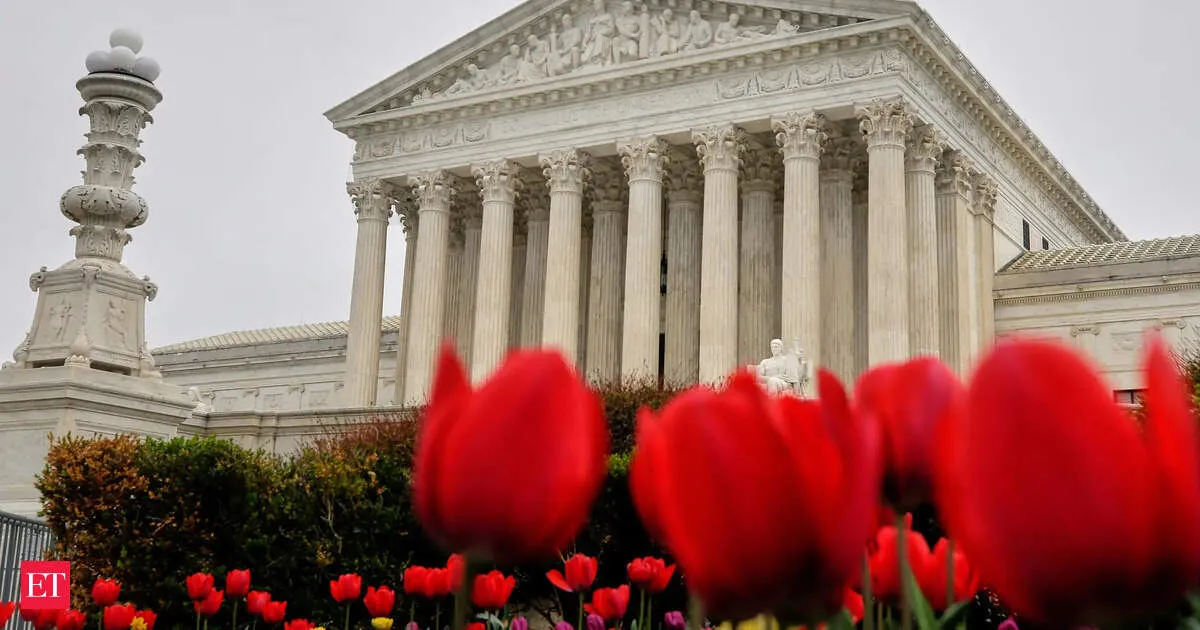
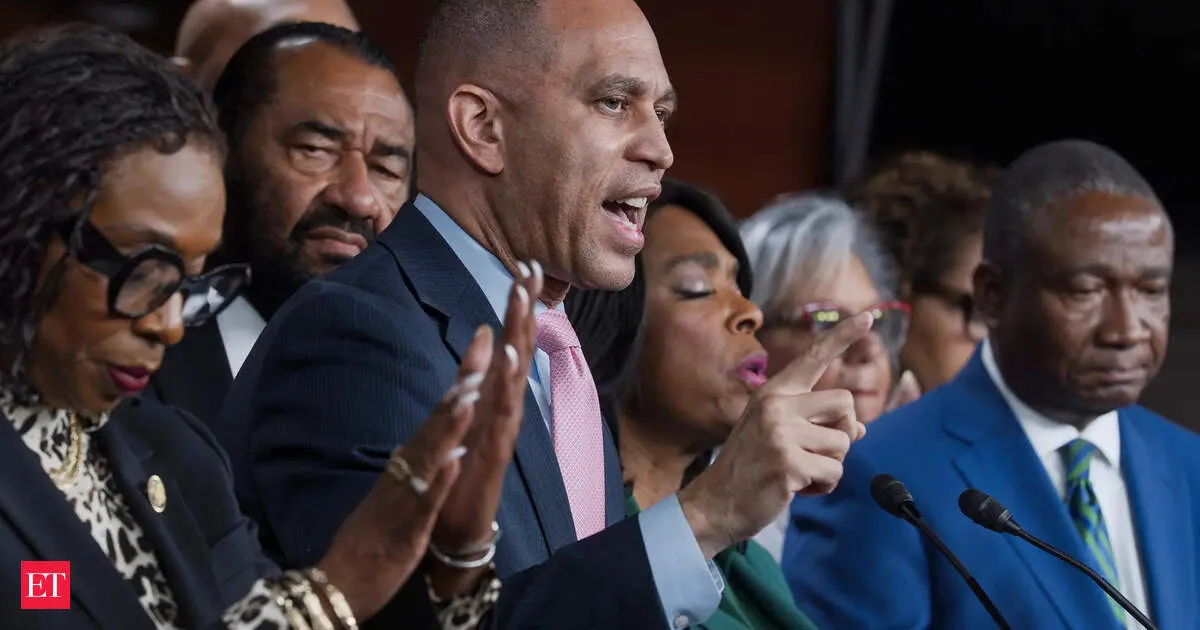
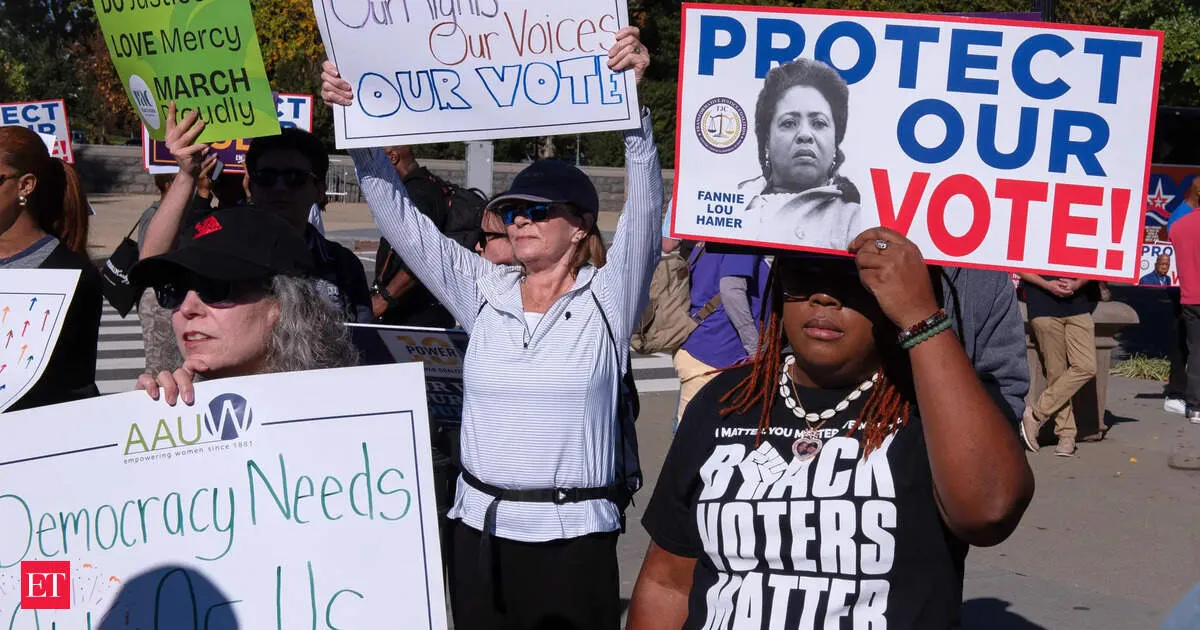
After a US Supreme Court decision that weakens the Voting Rights Act, Republican officials in states including Louisiana, Alabama, and Tennessee are calling special sessions to redraw congressional districts. The changes could reshape electoral advantages ahead of upcoming midterms, mirroring a broader national pattern of states revising maps in response to the ruling.
The US Supreme Court has weakened the Voting Rights Act, opening the door for Republican lawmakers to redraw congressional maps in ways that can boost their advantage. While the timing may be too late for this year’s midterms, the impact is set to shape elections for years ahead, with states such as Florida already moving to implement new districts.
Your news, in seconds
Get the Beige app — every story in 60 words, updated hourly. Free on iOS & Android.
The US Supreme Court, in a 6-3 ruling authored by Justice Alito, struck down a majority-Black congressional district in Louisiana as an unconstitutional gerrymander. By weakening a cornerstone Civil Rights-era protections, the decision could enable more Republican-friendly redistricting. Much of the impact may land after filing deadlines have passed, with major effects expected by 2028.
The US Supreme Court looks poised to decide whether “geofence” search warrants can be used for broad dragnet identification of suspects by scanning tech companies’ location and device data. During arguments, justices appeared divided over what counts as a Fourth Amendment search and how limits apply when police sift through large tech databases to pinpoint potential criminals.
Edward Blum, a 71-year-old conservative legal strategist, is set to argue before the US Supreme Court against “race-conscious” university admissions policies. His appeal challenges how colleges consider race in admissions decisions, raising high-stakes questions about fairness and constitutional limits. The hearing could reshape the legal boundaries for campus diversity efforts across the US.
Swipe through stories, personalise your feed, and save articles for later — all on the app.