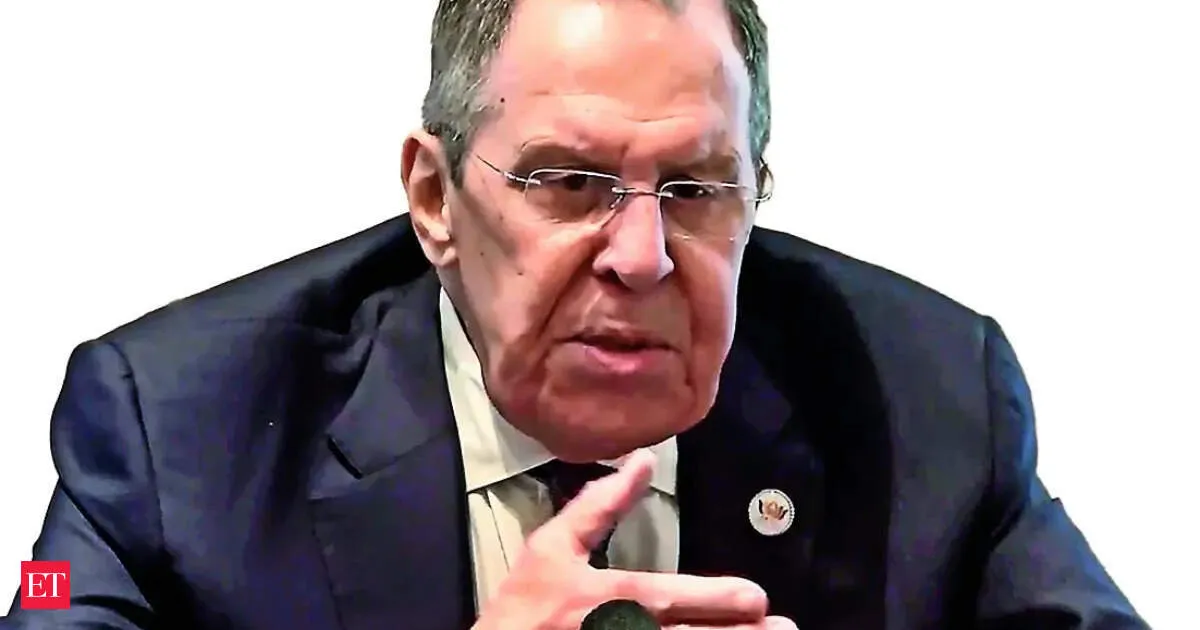
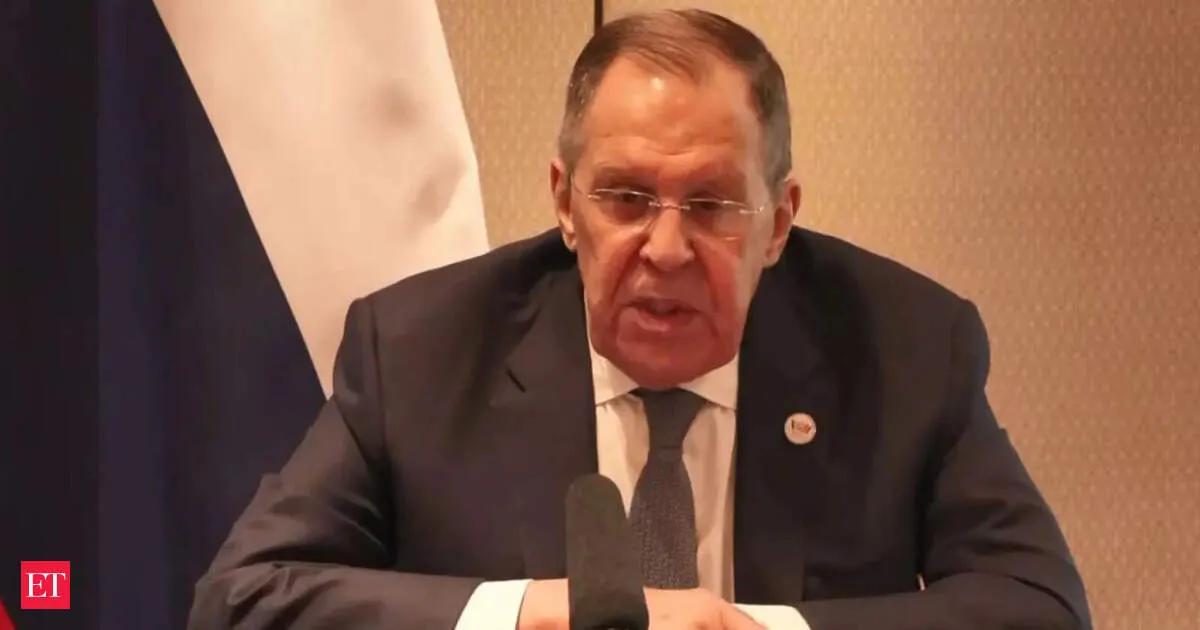
As India awaits an extension of a US waiver allowing purchases of sanctioned Russian crude, Russian Foreign Minister Sergey Lavrov claimed Moscow has increased oil supplies to New Delhi. Speaking to media on the sidelines of BRICS foreign ministers meetings in New Delhi, he said the shipment rise is visible in publicly available trade data. Lavrov met Prime Minister Narendra Modi and External Affairs Minister S Jaishankar, discussing energy trade, defense production, and assurances on fertilisers and coking coal.
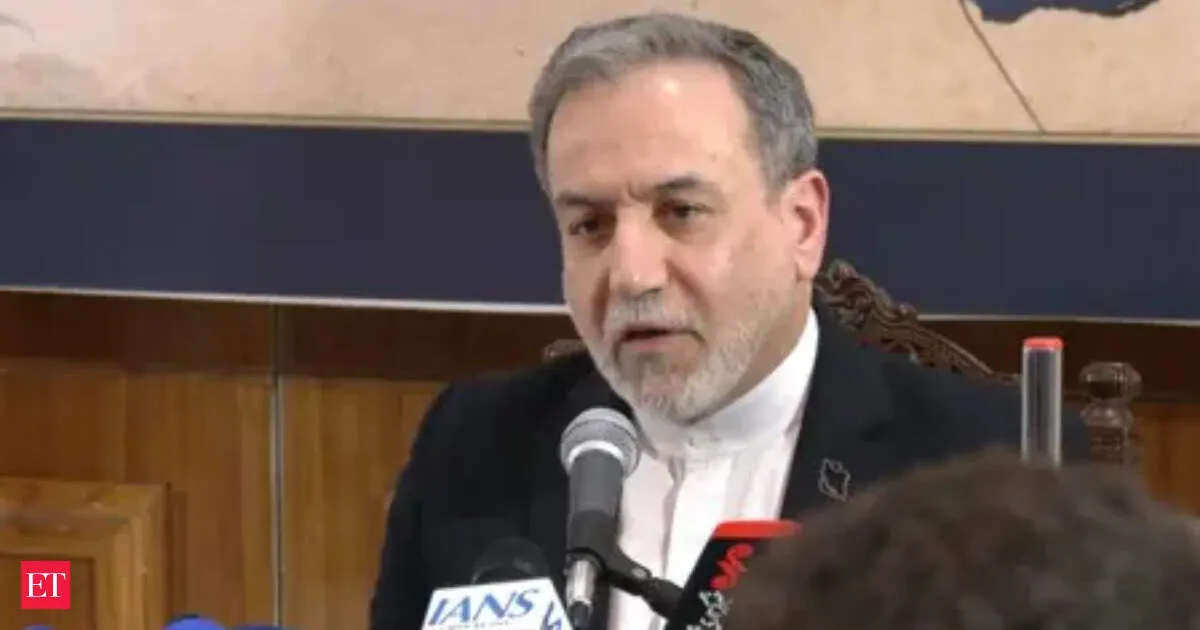
Iranian Foreign Minister Abbas Araghchi called Chabahar Port a major symbol of India-Iran cooperation and urged Delhi to keep investing despite pressures from US sanctions. Speaking after the BRICS foreign ministers meeting, he also urged India to expand its diplomatic role in the Middle East to support regional stability. Behind the scenes, India is working with Iran on an arrangement to secure its interests as the US sanctions waiver for Chabahar is not expected to extend beyond April 26.
Your news, in seconds
Get the Beige app — every story in 60 words, updated hourly. Free on iOS & Android.
Russian Foreign Minister Sergey Lavrov said Russian crude exports to India have increased, citing published records and insisting the trend depends on Indian buyers rather than Moscow alone. His comments came during the BRICS Foreign Ministers’ Meeting in New Delhi, where he also accused the US of trying to monopolize global energy markets and sideline Russian firms like Lukoil and Rosneft. The remarks land as India continues purchasing discounted Russian oil despite Western sanctions and regional turbulence in West Asia.
Cuba is battling relentless blackouts amid a widening energy squeeze, and the lifeline is increasingly coming from China. Chinese solar panels and batteries are pouring in, while Cuba plans to scale up renewable power with 92 solar farms by 2028. The strategy aims to cut reliance on imported oil and lessen vulnerability to external pressure.
US sanctions targeting Iran’s Chabahar port have thrown India’s key trade corridor with Russia and Central Asia into uncertainty. India is now exploring alternative ways to keep its role alive, even as the International North-South Transport Corridor faces disruption. Analysts expect the corridor to continue, but warn India’s influence could shrink sharply.
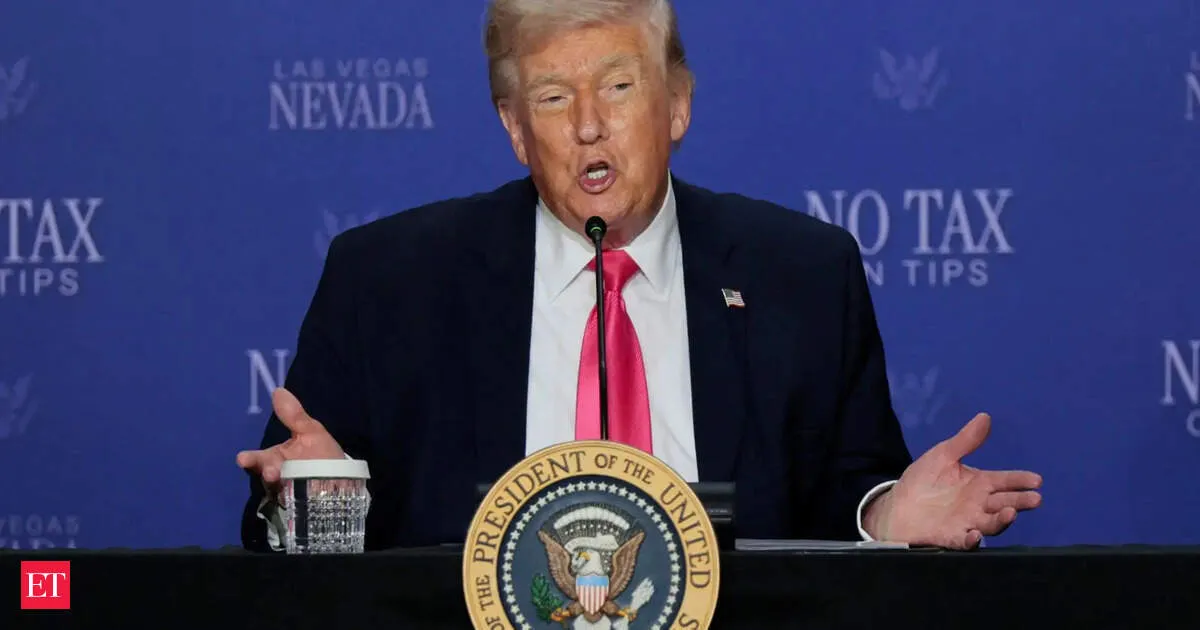
US President Donald Trump said Cuba is seeking assistance from the United States and that discussions with Havana will follow. The remarks come after Trump previously warned Cuba was next, referencing US actions after Venezuela. His administration has imposed financial sanctions, travel restrictions, and a fuel blockade, while both US and Cuban officials were unavailable for comment.
Never miss a story
Set alerts for the topics and sources you care about. Download Beige for free.
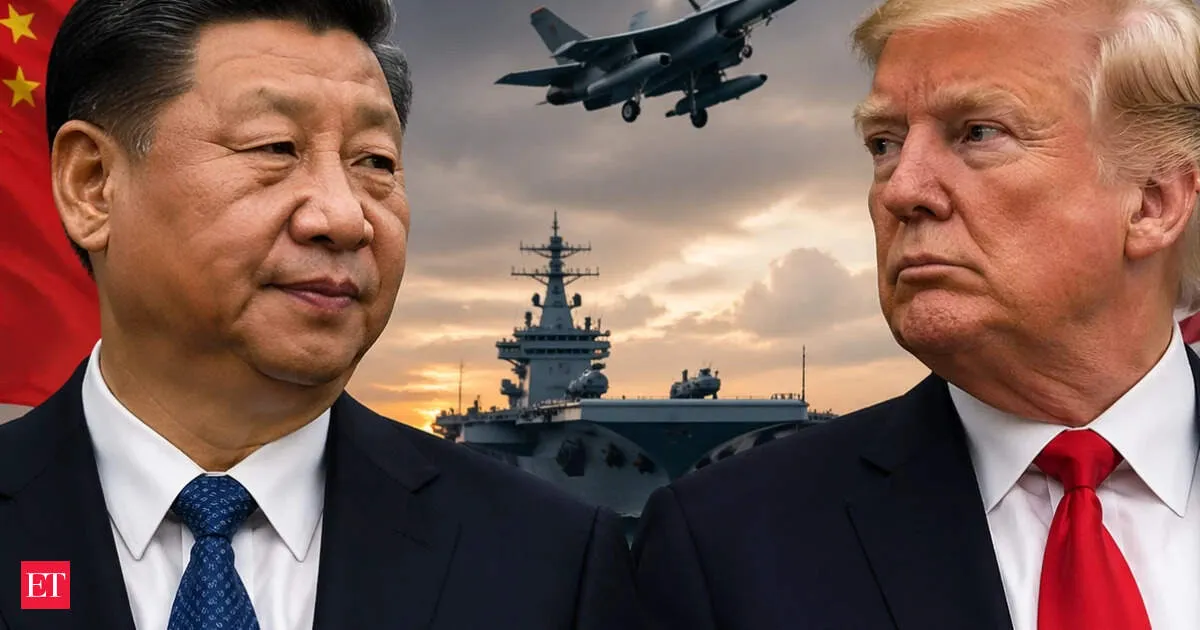
The US has announced new sanctions targeting three individuals and nine companies accused of facilitating Iran’s oil shipments to China. The action is designed to disrupt funding flowing to Iran’s Islamic Revolutionary Guard Corps and its weapons programs. Coming after earlier measures, the move also sets the stage for a planned meeting between US and Chinese leaders.
India has refused Russian liquefied natural gas shipments to avoid exposure to US sanctions, according to sources. With energy supply uncertainty rising alongside Middle East tensions, a Russian LNG tanker reportedly remains stuck without approval for permitted cargoes. India and Russia continue discussions on what shipments could legally proceed, while Russia pushes to find alternative buyers for its LNG exports.
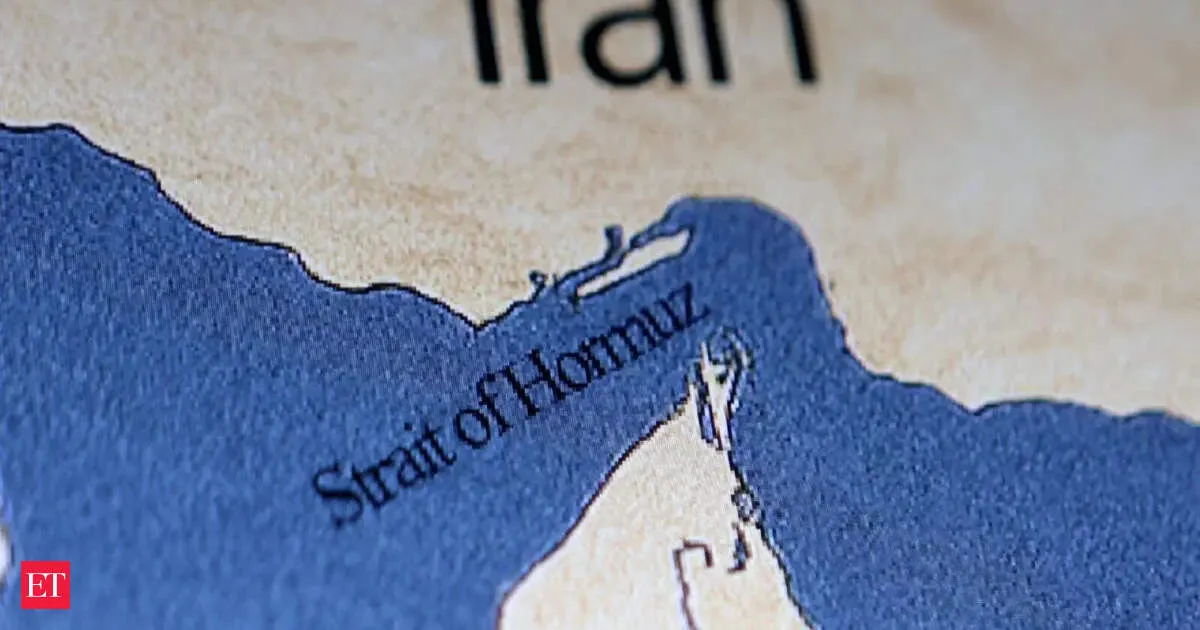
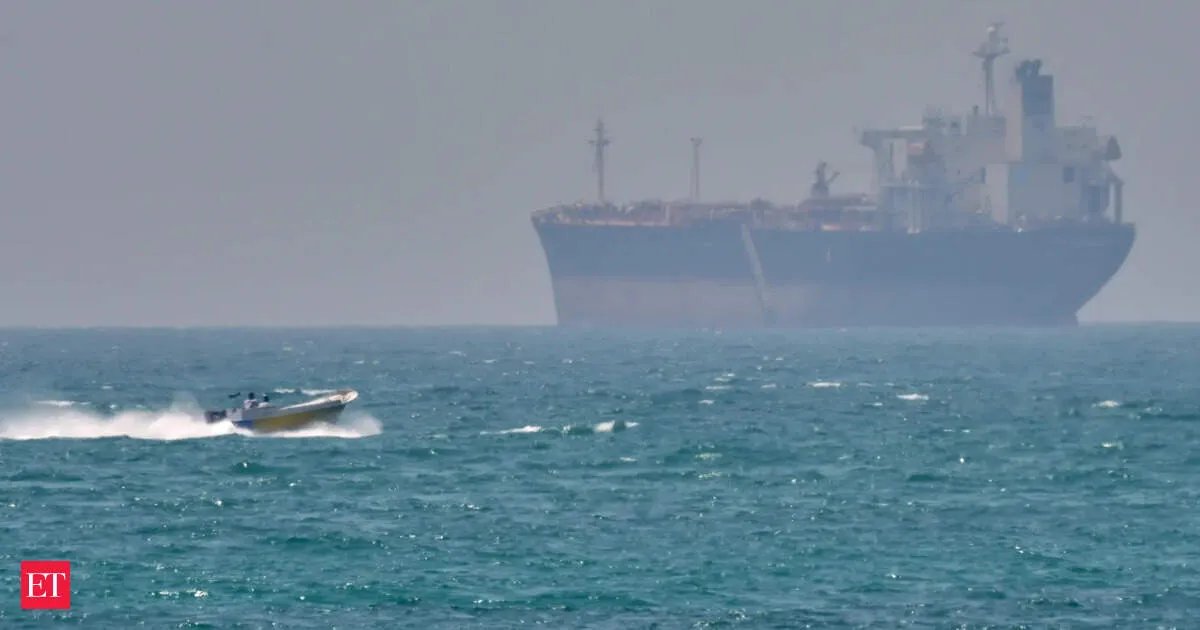
Iran’s army has warned countries backing US sanctions will “face difficulties” in the Strait of Hormuz, citing a new coordination system for all vessels. Iran’s parliament also cautioned against supporting a US-backed UN resolution, with Russia reportedly poised to block it. The strait’s oil and gas traffic makes the dispute globally consequential.
The U.S. Treasury has imposed sanctions on 10 individuals and companies based in China and Hong Kong, accusing them of helping Iran build Shahed drones and ballistic missiles. The agency said it remains ready to use additional economic measures against Iran’s military industrial base to stop Tehran from rebuilding production capacity.
Reading on mobile?
Open Beige in the app for a smoother experience — free on iOS and Android.
The US has imposed sanctions on Iraq’s deputy oil minister and several militias, alleging they support Iran and its allied groups. The deputy minister is accused of misusing his role to help Iran, as Washington and Tehran continue discussions about a possible agreement. The move signals intensified pressure on partners seen as aiding Iran’s influence in Iraq.
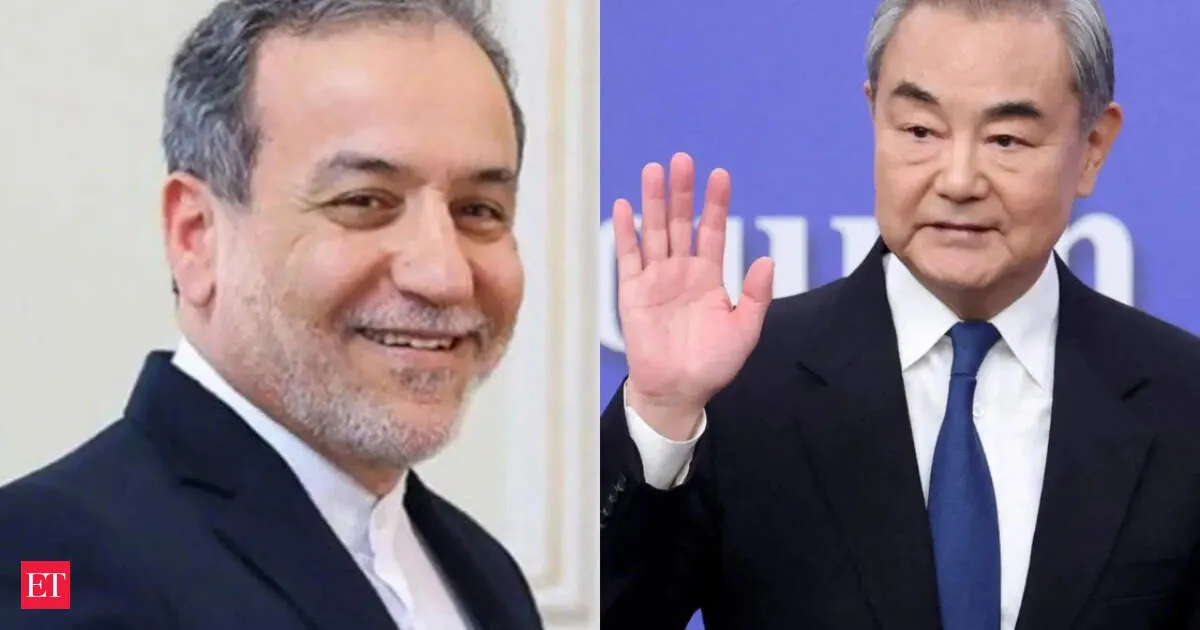
Iran’s foreign minister Abbas Araghchi met China’s Wang Yi in Beijing in a rare high-level move as West Asia tensions continue. China remains a key buyer of Iranian oil and operates largely despite US sanctions. The visit comes before Donald Trump’s planned trip to China, while US Senator Marco Rubio urged Beijing to pressure Iran over the Strait of Hormuz.
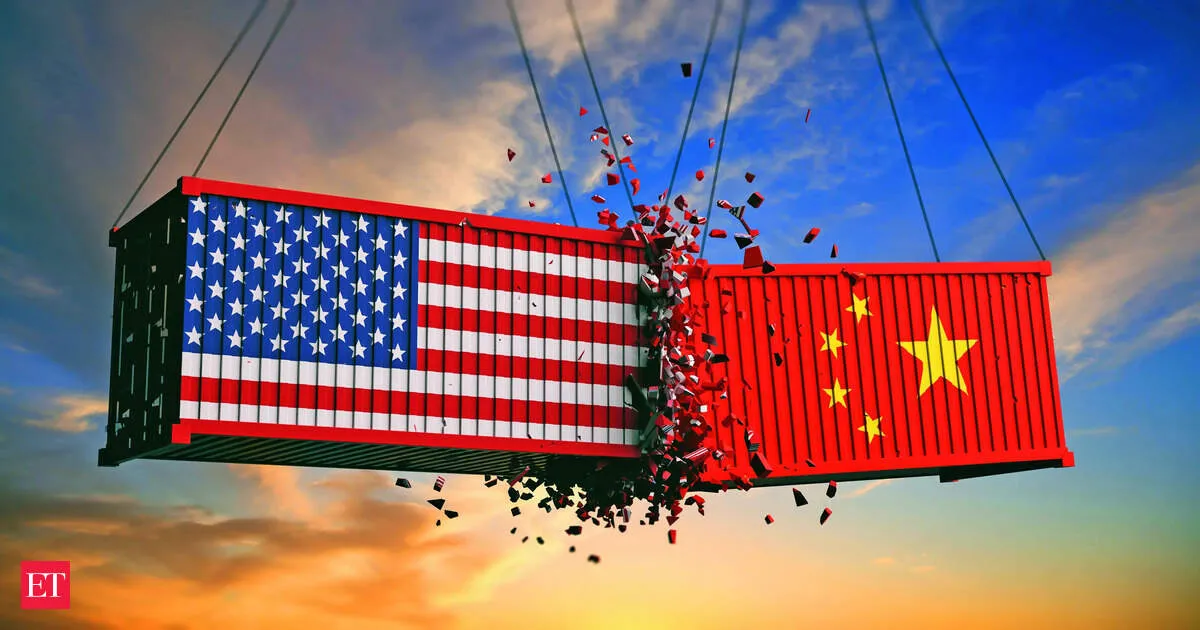
China’s commerce ministry says US sanctions on oil refiners illegally restrict normal trade with third countries and breach international norms. In an unusually direct step, Beijing issued an order barring companies from recognizing, enforcing, or complying with the penalties aimed at five firms. The move escalates friction over sanctions and cross-border energy trade.
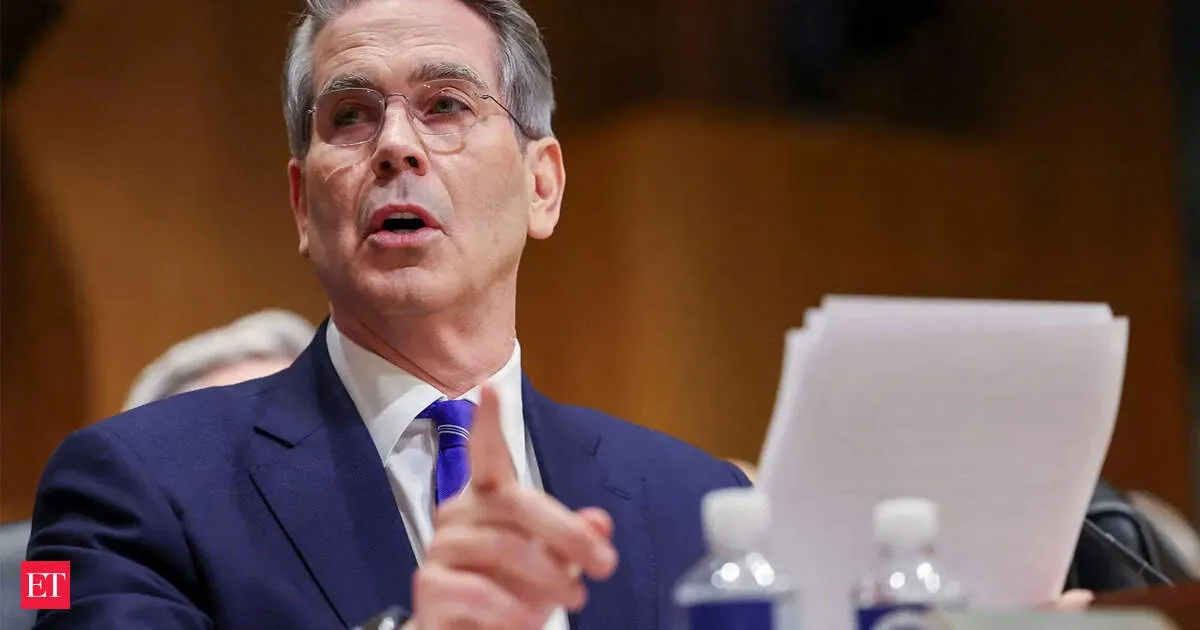
US Treasury Secretary Scott Bessent said the United States is “suffocating” Iran’s leadership through an “economic blockade” launched in parallel with a military offensive. He said the Treasury is imposing measures on anyone trying to remit money into Iran to support the IRGC, Iran’s elite military force, signaling tighter financial pressure alongside force.
Follow your favourite sources
Track sources, tags and categories — all in the Beige app.
Tightened US naval curbs in the Strait of Hormuz have sharply reduced Iran’s oil exports, leaving the country with shrinking routes and surging inventories. Iran is responding by cutting production in a controlled manner and leaning on floating storage to keep barrels moving, drawing on years of experience managing sanctions and supply disruptions.
The US has imposed new sanctions tied to the Strait of Hormuz, a critical maritime route for global energy shipments. With roughly 20% of the world’s seaborne crude oil and liquefied natural gas passing through, any disruption could quickly ripple into oil markets and shipping costs. The move escalates pressure on Tehran amid ongoing regional tensions.
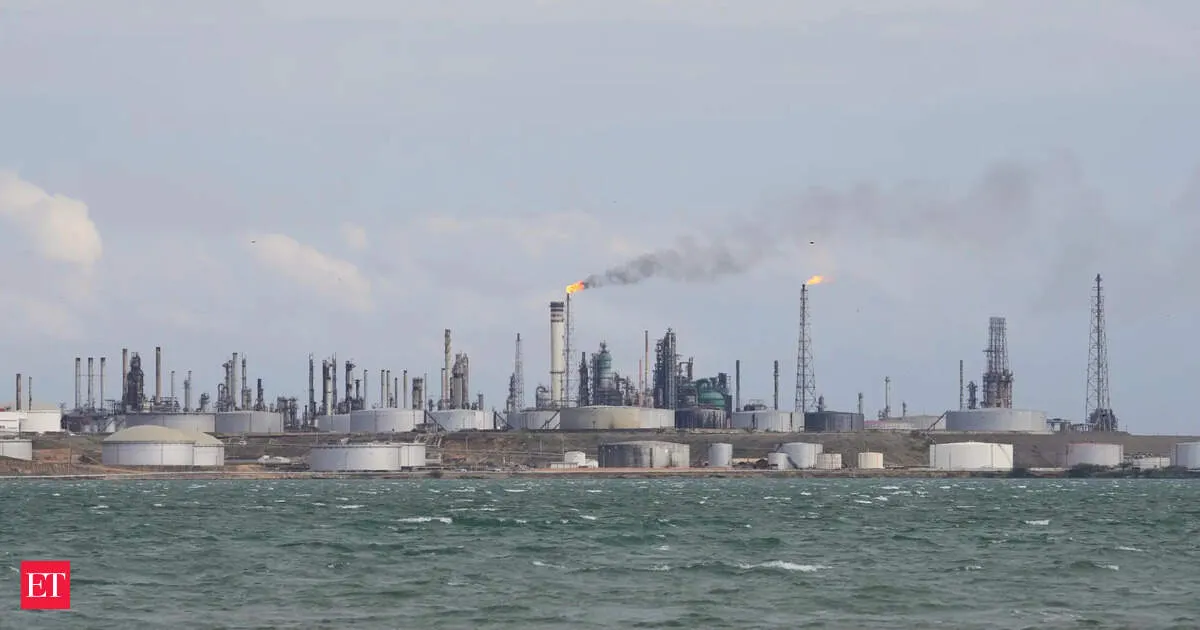
Venezuela’s oil exports jumped 14% in April to 1.23 million barrels per day, the highest level in more than seven years. The rise was driven by stronger sales to the US, India, and Europe after a US–Venezuela supply arrangement and eased sanctions. Output improved and inventories were cleared, lifting shipments across multiple markets.
The US has renamed its Iran operation to Operation Economic Fury, shifting the fight to Iran-linked cryptocurrency networks. The stated goal is to prevent Iran from moving money globally using digital channels. Reports say hundreds of millions of dollars tied to Iranian crypto activity have already been frozen, reinforcing America’s sanctions strategy in a new “digital battleground.”
Stay informed on the go
Bite-sized news from 100+ trusted sources, right in your pocket.
The US has sanctioned China’s Hengli Petrochemical, raising fresh fears across West Asia and the wider petrochemical market. While the target is a major refiner, the real concern is downstream disruption—affecting manufacturers that rely on key chemical and plastics feedstocks. Hengli denies allegations, and Beijing says it will protect its firms, escalating already tense global economic pressures.
Pakistan has reportedly enabled a legal pathway for Iran-bound cargo to move via land, effectively weakening the US naval blockade strategy. The development coincides with Pakistan’s role in mediating a potential US-Iran ceasefire, even as the US Treasury announced fresh sanctions on Iran. The combined moves raise questions about how airtight Washington’s isolation efforts truly are.
Swipe through stories, personalise your feed, and save articles for later — all on the app.