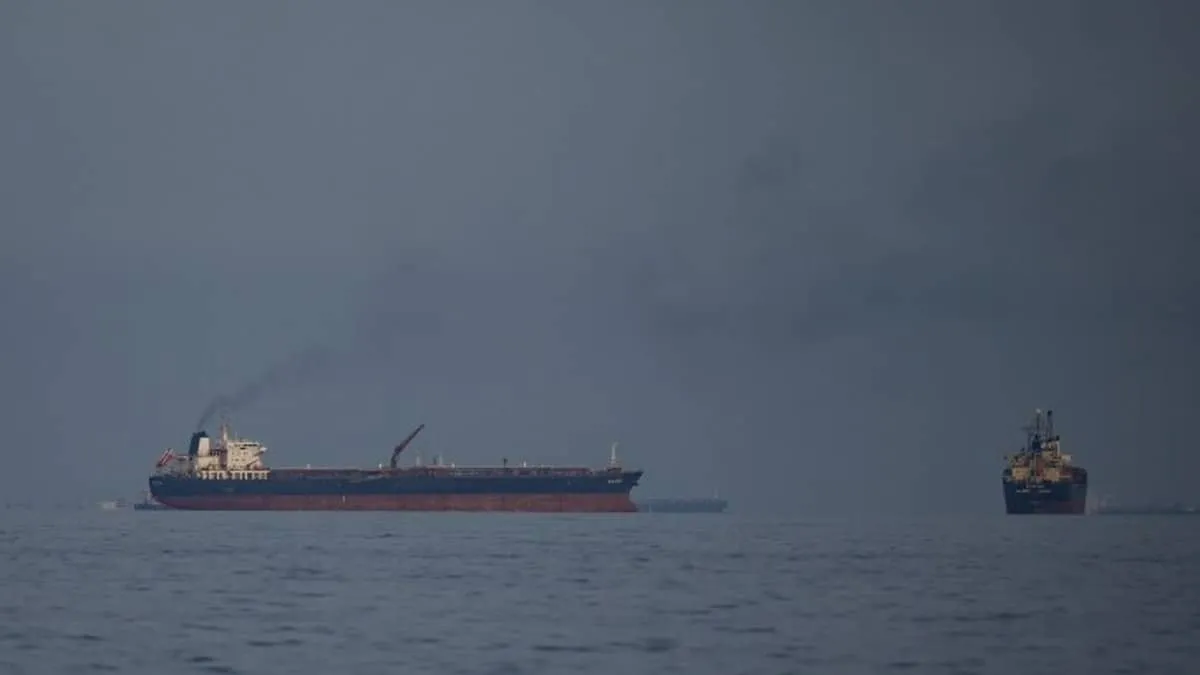
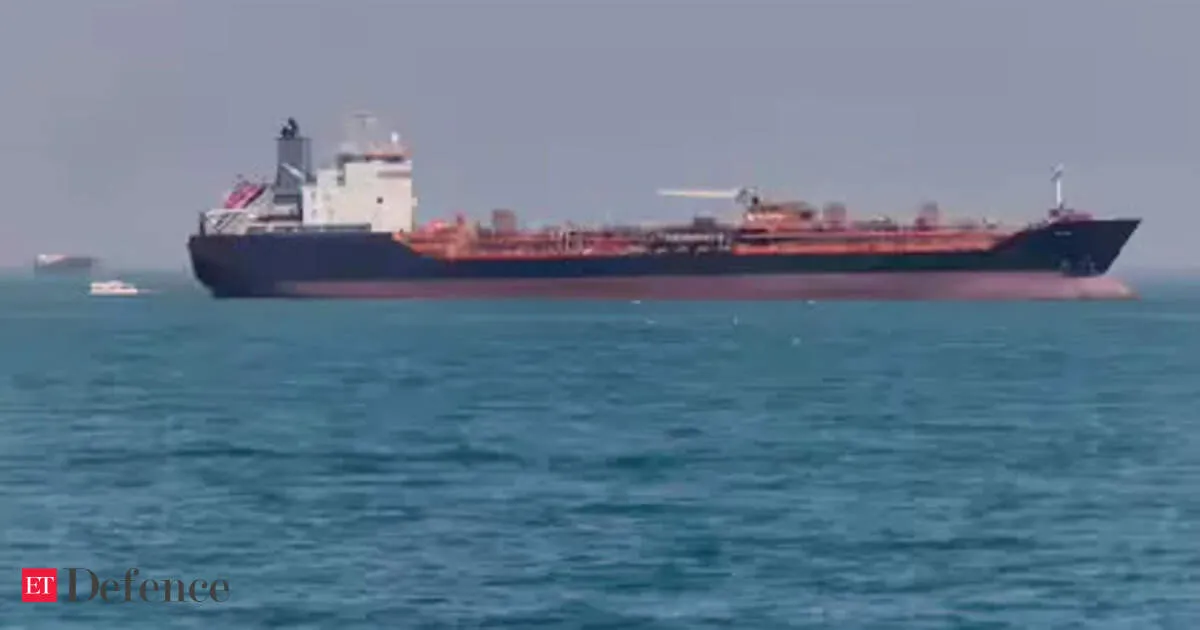
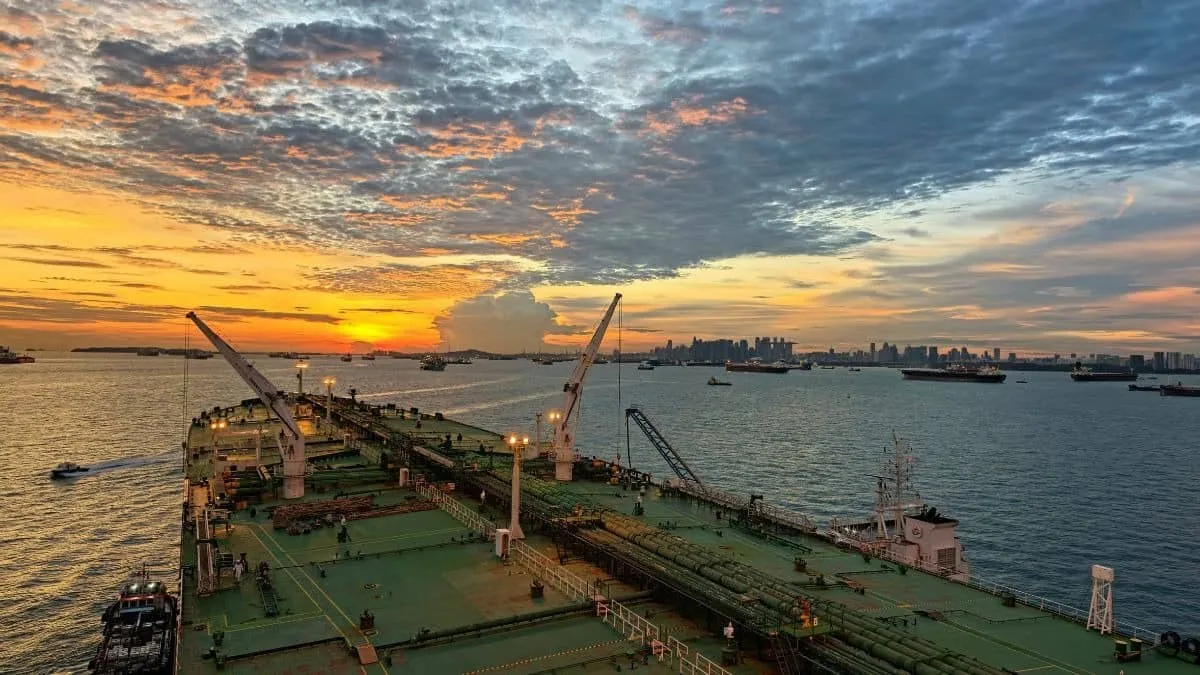
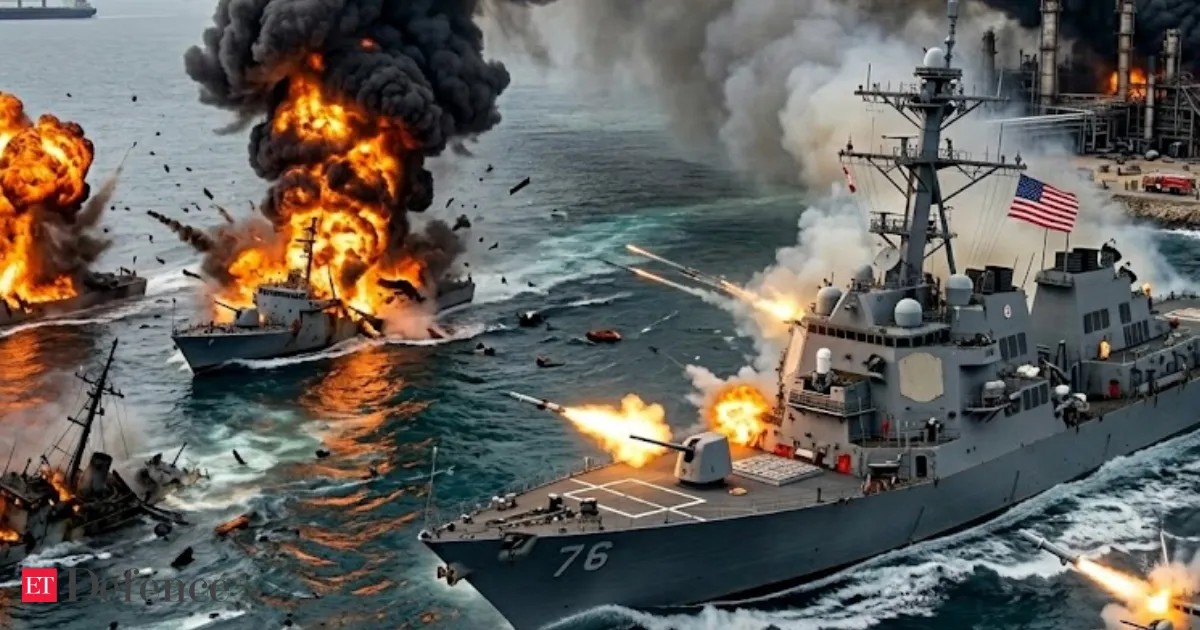
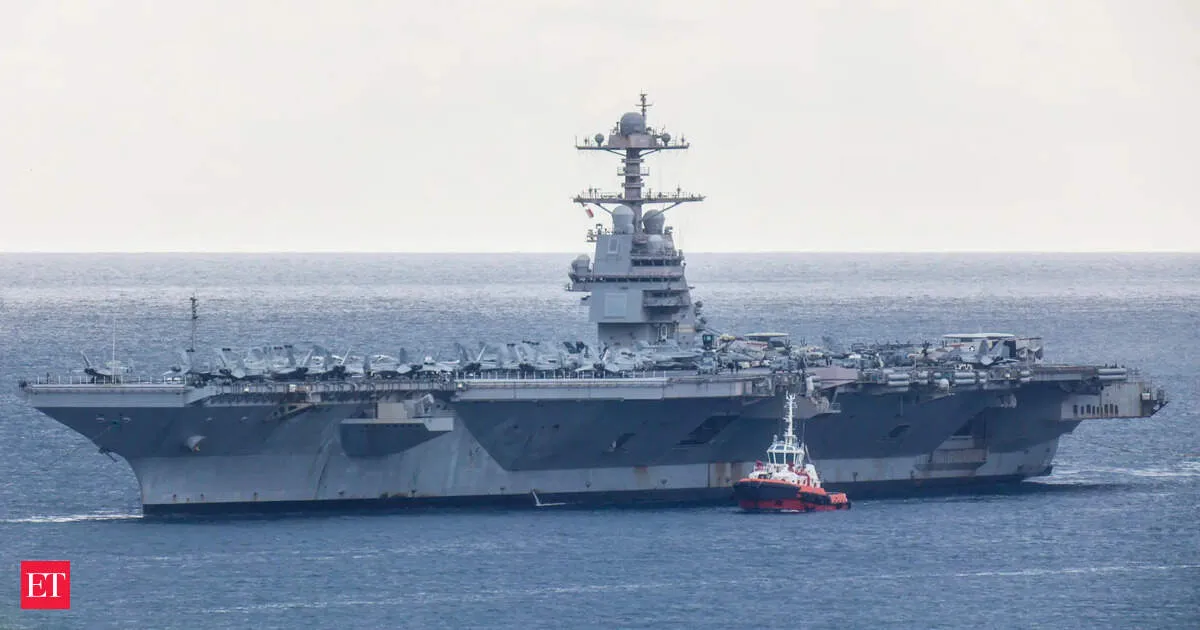
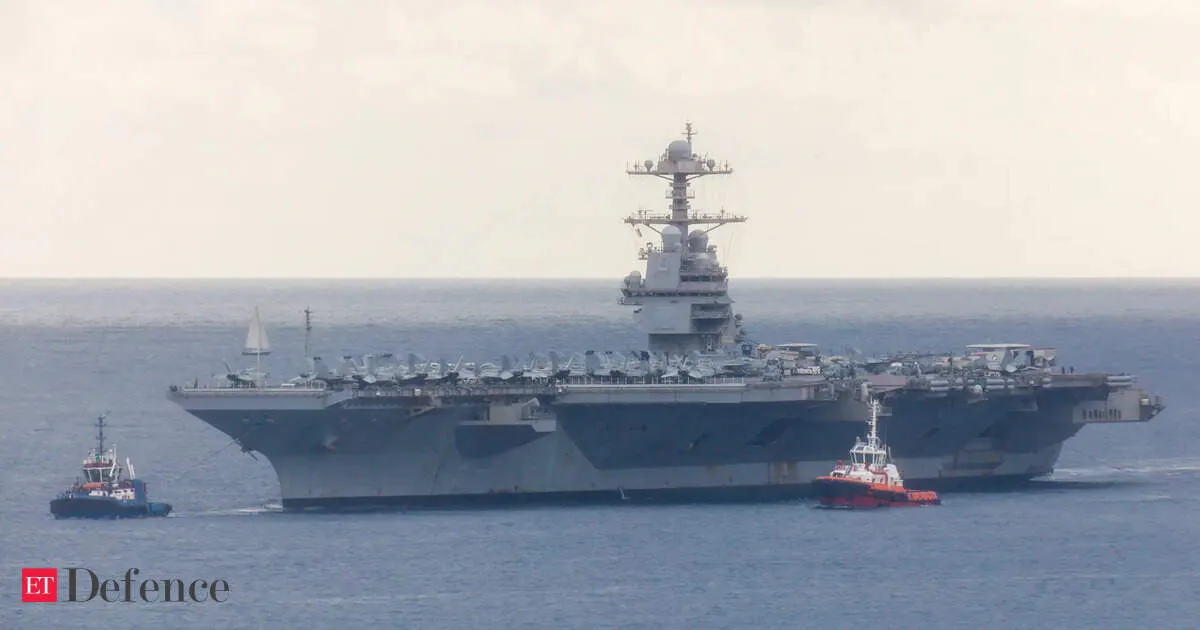
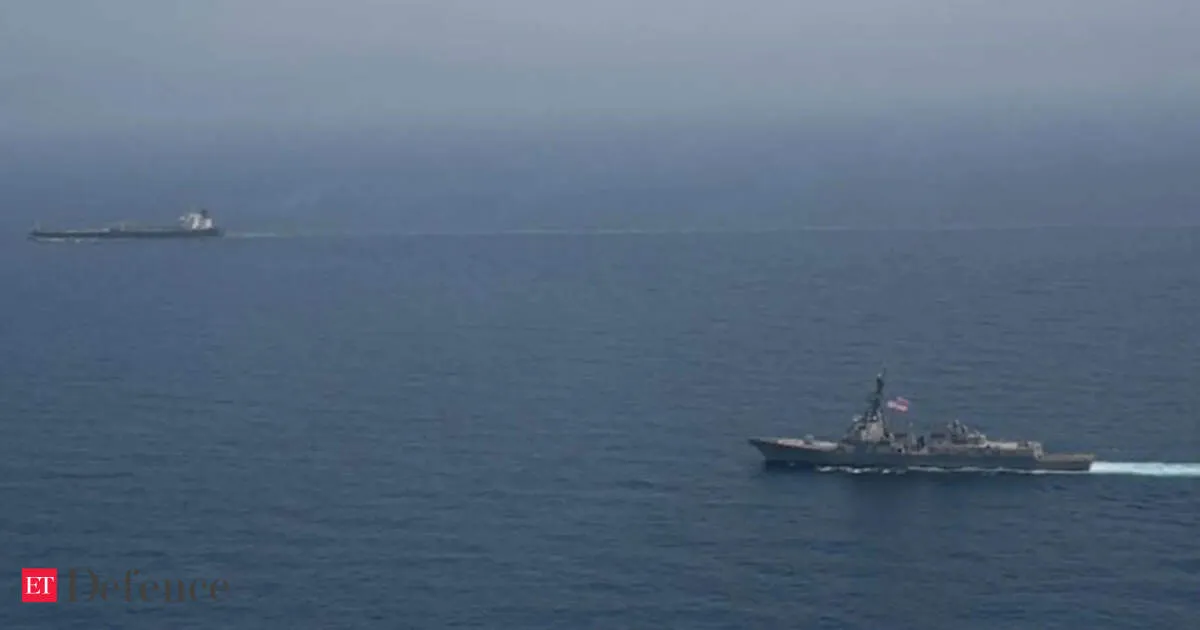
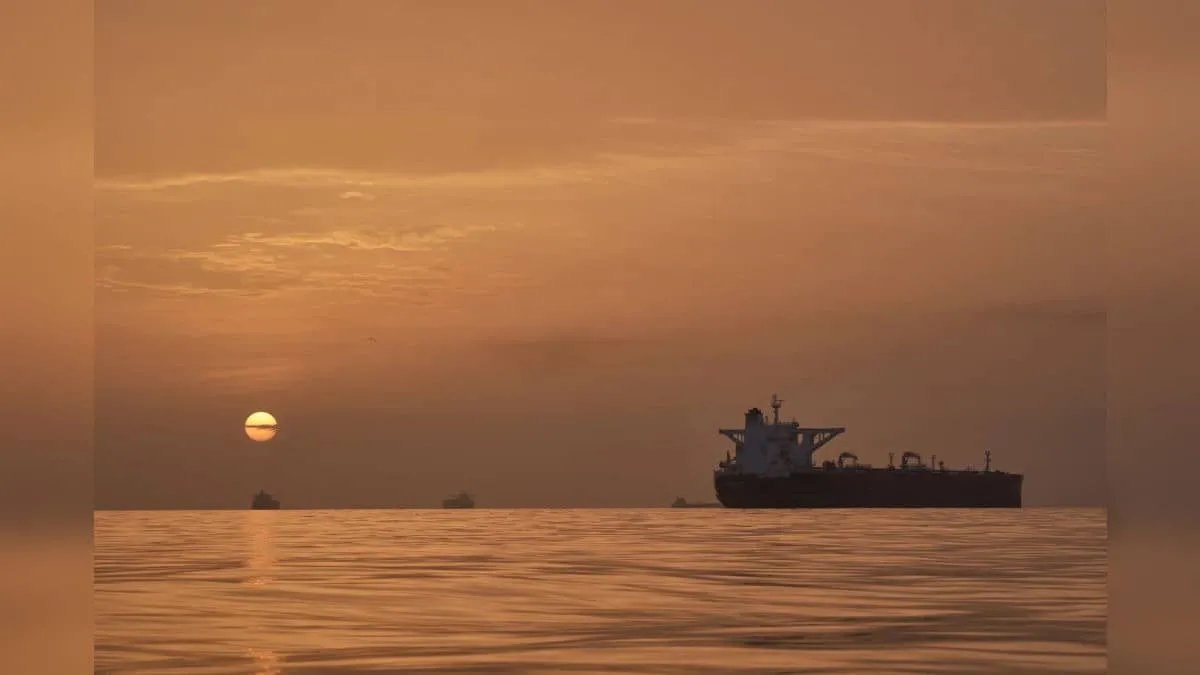
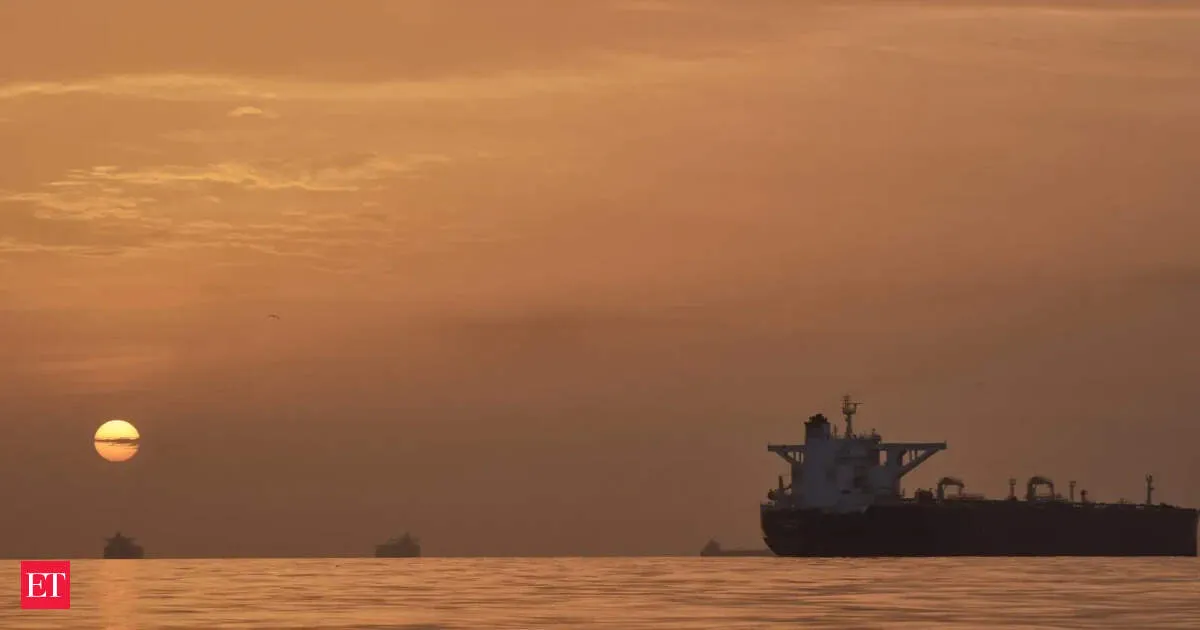
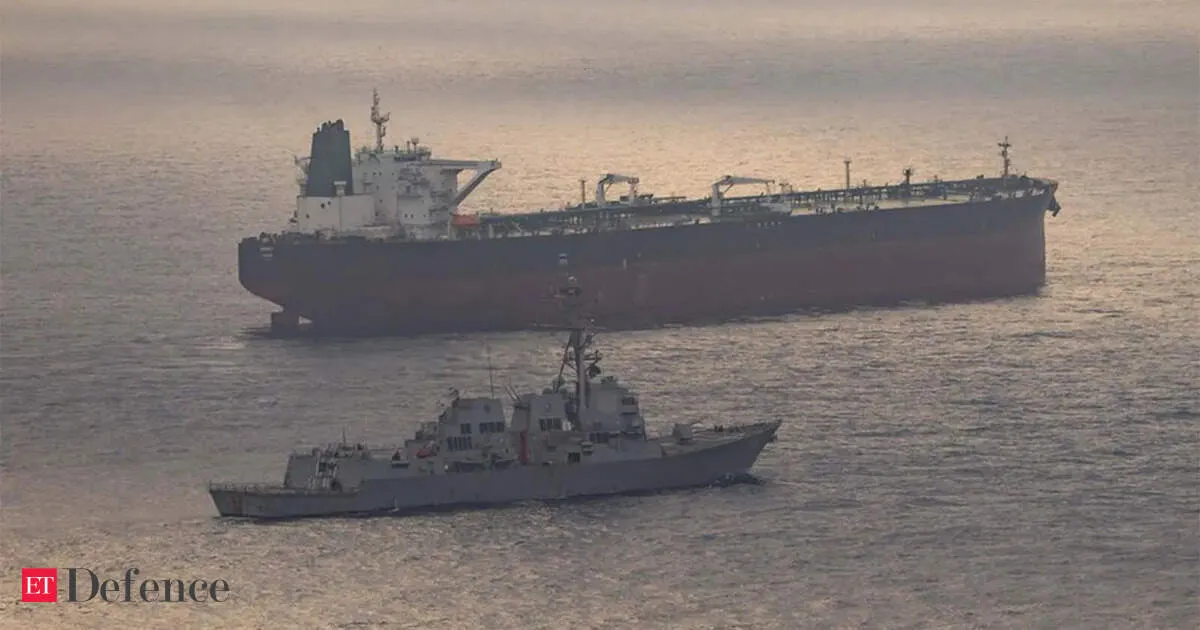
US Central Command says US naval forces disabled two additional Iranian-flagged oil tankers in the Gulf of Oman, raising the total to four. Alongside the action, CENTCOM reports that 57 commercial vessels were redirected in the region. It also claims that more than 70 oil tankers carrying an estimated $13 billion in oil were blocked under US measures aimed at Iran.
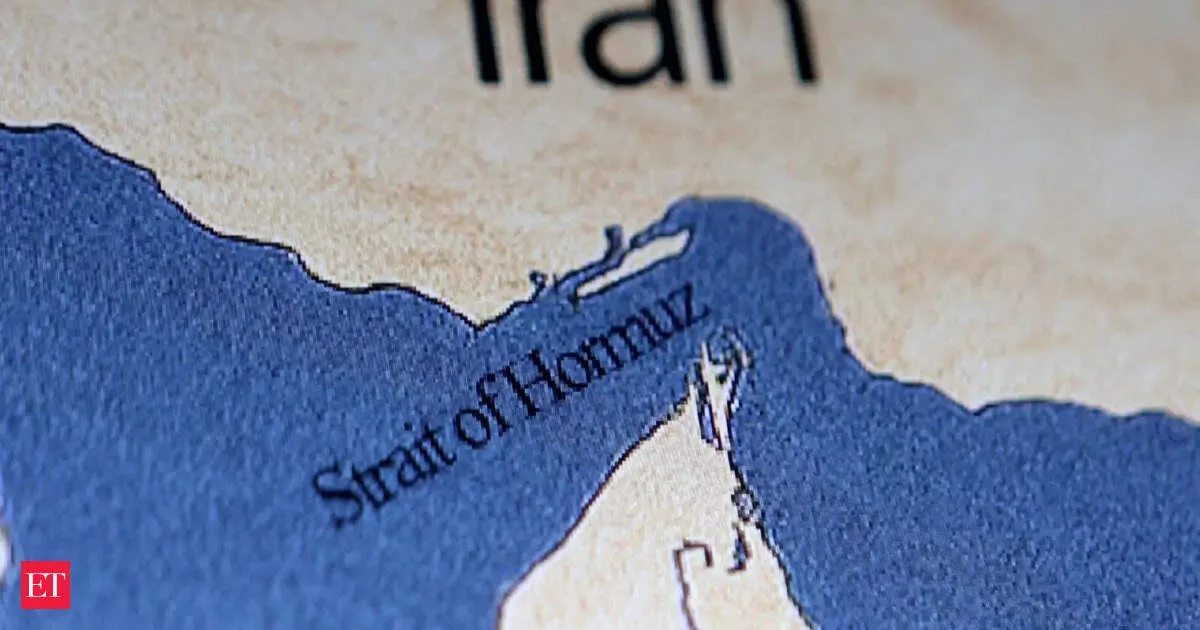
The US says its forces opened fire to disable four Iranian ships attempting to breach a blockade of Iran’s ports. The US Navy claims it used precision munitions and cannon fire to stop the vessels. The escalation comes after Iran shut the Strait of Hormuz, and the blockade was reportedly set following failed peace talks in Pakistan, underscoring rising maritime tensions.
Your news, in seconds
Get the Beige app — every story in 60 words, updated hourly. Free on iOS & Android.
Iran has denied carrying out missile or drone attacks on the UAE, even as the US promotes its maritime security push in the Strait of Hormuz under “Operation Freedom.” With analysts warning of escalating Gulf tensions, shipping disruption, and potential oil-market fallout, the explainer unpacks competing claims, naval activity, and the role of “Project Freedom” in the unfolding crisis.
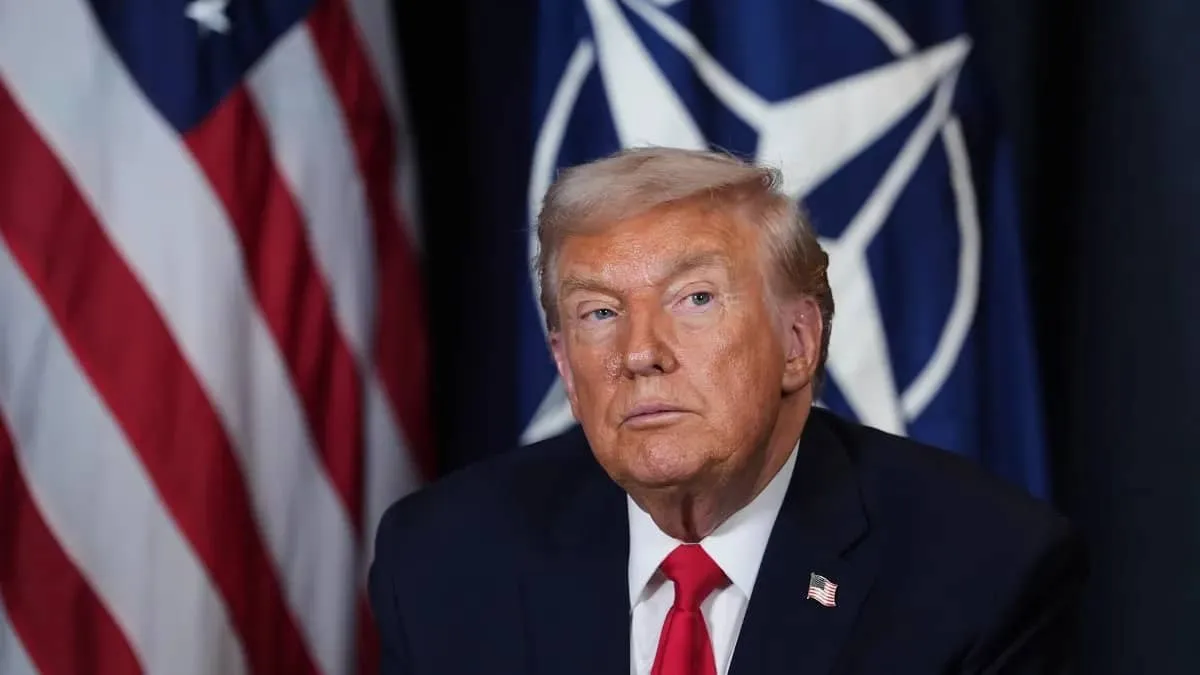
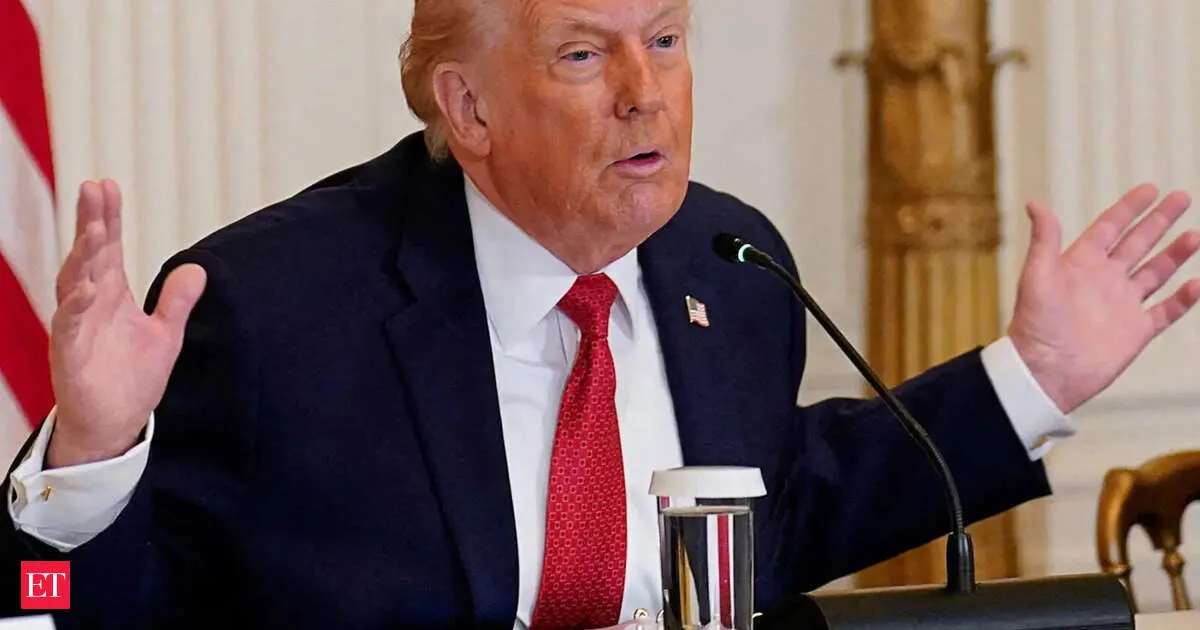
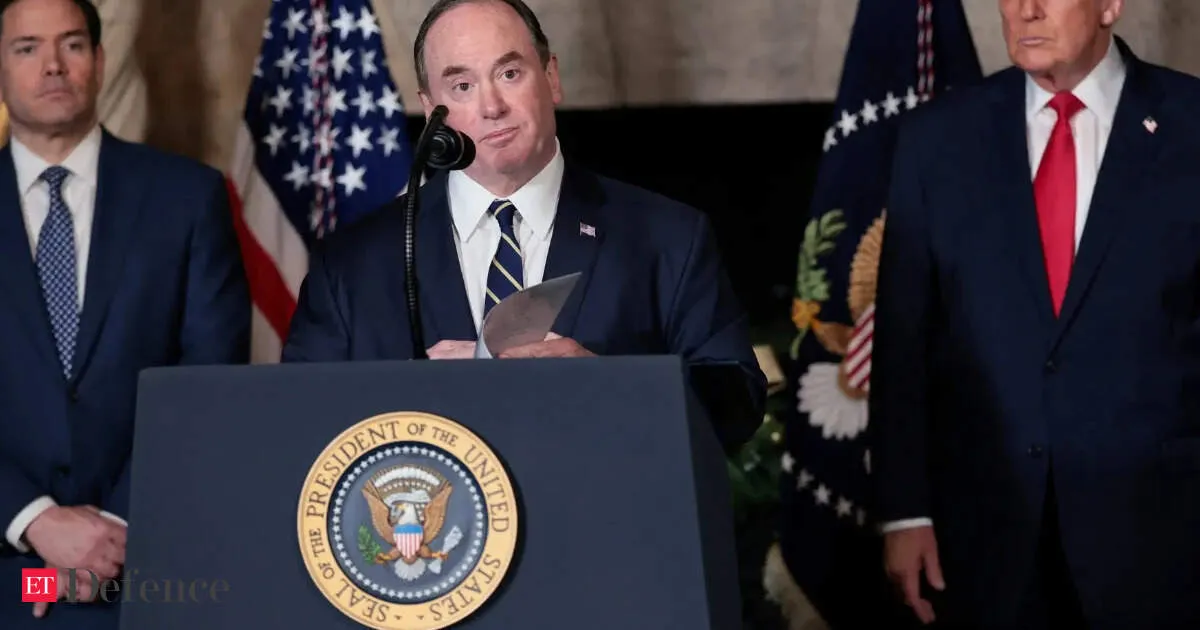
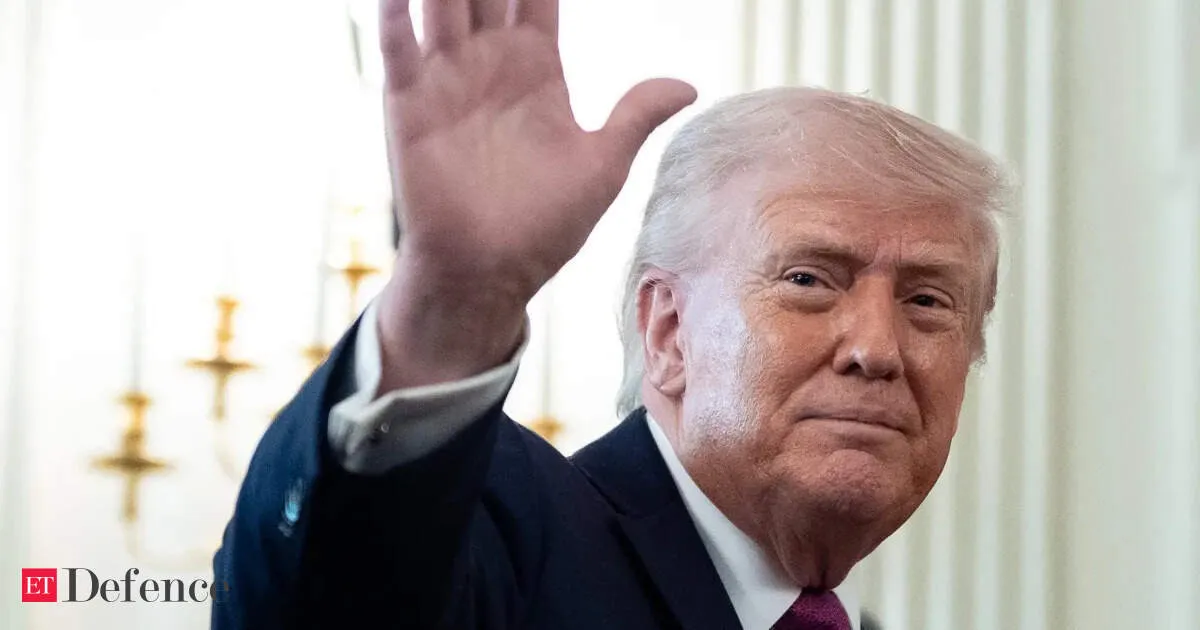
US President Donald Trump said Iran’s navy, air force and leadership are “totally wiped out,” even as Tehran publicly defies Washington. The rhetoric is intensifying alongside reports of a tightening US naval posture. Meanwhile, Gen. Caine accused Iran of weaponising the Strait of Hormuz, and Pete Hegseth warned that “Project Freedom” is “locked and loaded.”
Oil prices eased more than 1% after a prior surge of up to 6%, as traders reacted to signs the US Navy may be loosening Iran’s grip on the Strait of Hormuz. The shift follows a US operation launched to counter Iranian pressure, raising hopes of improved Middle East supply and reducing near-term supply risk.
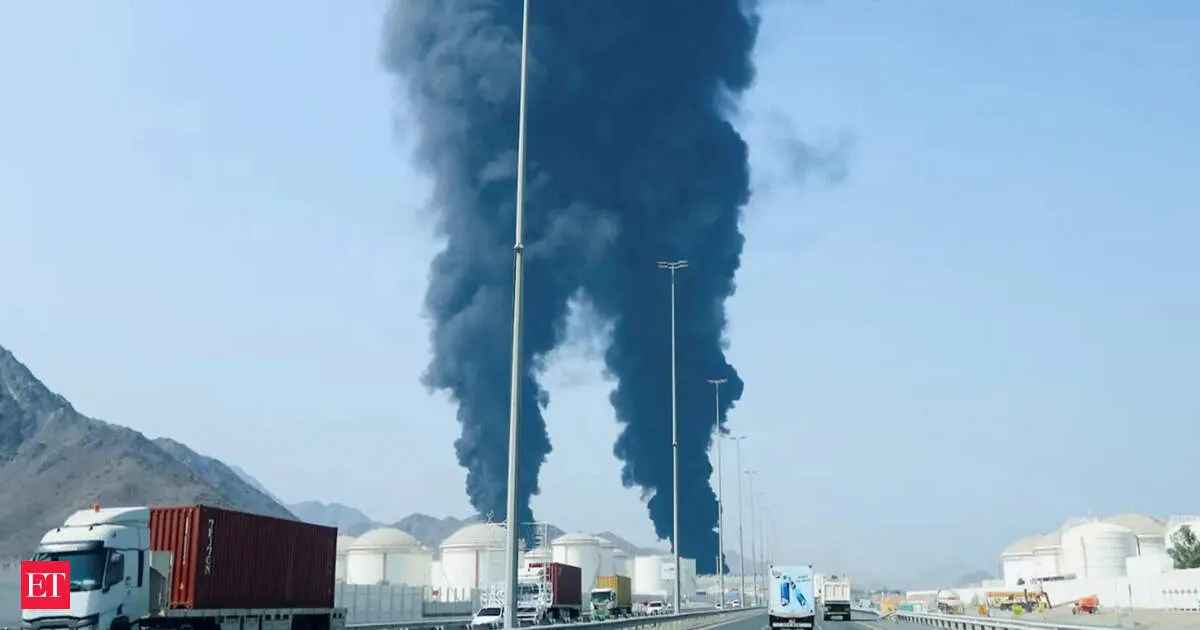
The UAE says Iran has resumed attacks after the US moves to reopen the Strait of Hormuz. Iran reportedly launched missiles and a drone, triggering fires and injuries on two cargo vessels. The US Navy is working to restore shipping traffic, while Iran warns that foreign forces will be targeted, escalating tensions across a vital maritime chokepoint.
Never miss a story
Set alerts for the topics and sources you care about. Download Beige for free.
The U.S. military began an operation to keep shipping safe through the Strait of Hormuz, destroying six Iranian small boats and intercepting drones and cruise missiles. Admiral Brad Cooper said the operation successfully countered ongoing IRGC interference efforts. He described the protection strategy as a multi-layered defensive arrangement, not traditional escorted convoys.
President Donald Trump sparked headlines with a joke suggesting the U.S. Navy could take on Cuba on the way home from Iran. He claimed the USS Abraham Lincoln might approach Cuba’s coast and demand surrender, in a context of renewed U.S. pressure for Cuban reforms. The remark follows Trump’s earlier threats of possible military action.
President Trump said U.S. Navy actions against Iran are “like pirates” after U.S. forces seized a ship and its oil cargo. The remarks come as the U.S., Israel, and Iran remain locked in a spiraling conflict marked by naval blockades and mounting casualties, with knock-on effects disrupting global oil shipments.
After a fire on the USS Gerald Ford, another alarming malfunction hit the guided-missile destroyer USS Higgins in the Indo-Pacific. The ship lost all power and propulsion for hours, leaving it blind and immobile as the Aegis Combat System went offline. Emergency generators reportedly maintained basic functions, but combat capability was unavailable.
Reading on mobile?
Open Beige in the app for a smoother experience — free on iOS and Android.
The USS Gerald R. Ford has departed the Middle East after a record 10-month deployment, lowering the US carrier presence as a ceasefire with Iran continues but remains fragile. While the Ford is back out, two other aircraft carriers stay in the region, reflecting that tensions are still unresolved despite the temporary lull.
The US Navy is ramping up artificial intelligence to detect Iranian mines in the Strait of Hormuz, a vital global shipping route. Under a new contract, Domino Data Lab will help speed up training for underwater drones to recognize new mine types. The effort could shrink a six-month training cycle to just days, boosting readiness in a fast-evolving threat.
The US Navy intercepted the Iranian vessel M/V Sevan in the Arabian Sea, forcing it to retreat toward Iranian waters. Identified as part of Iran’s “shadow fleet,” the tanker was caught as the US intensifies a naval blockade aimed at curbing Iranian energy exports. Since the blockade began, US forces have redirected 37 vessels to enforce sanctions.
President Donald Trump says the US Navy is clearing Iranian mines in the Strait of Hormuz, a key passage for global oil shipments. With disruption growing more threatening to the world economy, the operation could still take months due to the complexity of hunting underwater explosives, even as diplomatic and military tensions remain high.
Follow your favourite sources
Track sources, tags and categories — all in the Beige app.
The US Navy says it is actively clearing explosive mines from the Strait of Hormuz, a lifeline for global oil shipments. Officials warn the operation could take months, and even suspected mine threats are already disrupting routes. Shipping firms and insurers are reworking risk assessments and policies as Washington moves to restore safe passage for vessels.
A US guided-missile destroyer, USS Rafael Peralta, intercepted an Iranian-flagged ship under a broader effort to enforce a maritime blockade against Iran. CENTCOM said similar interdictions have occurred across regions, aiming to stop sanctioned Iranian oil from reaching its destination. The US also signaled it will keep conducting these operations in the Pacific and Indian Oceans.
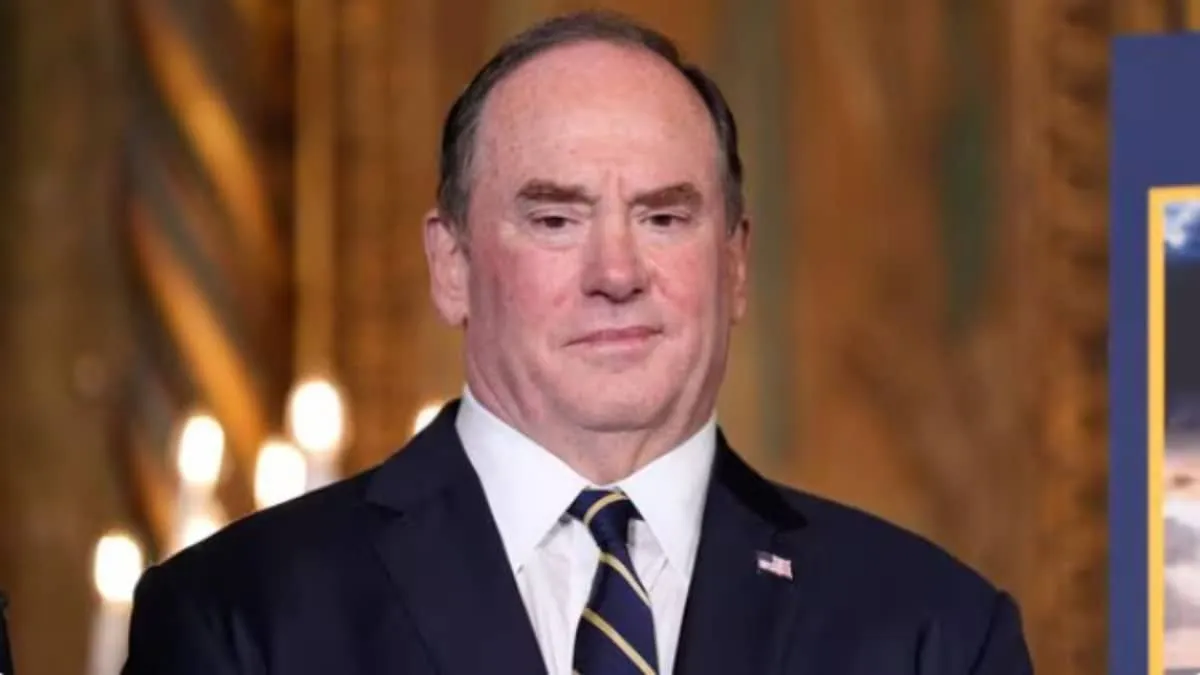
US officials say Navy Secretary John C Phelan has left the Trump administration immediately, with Undersecretary Hung Cao stepping in as acting Secretary of the Navy. The change was confirmed by Pentagon spokesperson Sean Parnell as Washington continues responding to escalating Iran-related tensions.
Iran’s parliament speaker Mohammad Bagher Ghalibaf says the Strait of Hormuz will not reopen while the US maintains a naval blockade. He called the blockade a “blatant violation of the ceasefire,” arguing that achieving a full ceasefire is pointless if the restrictive measures remain in place. The statement heightens uncertainty for regional shipping routes.
Stay informed on the go
Bite-sized news from 100+ trusted sources, right in your pocket.
President Donald Trump says Navy Secretary John Phelan was dismissed after conflicts tied to shipbuilding. Phelan, a billionaire with reported ties to Trump, was also described as moving too slowly on reforms. The shakeup comes as tensions with Iran persist despite a ceasefire, with Washington boosting naval assets in the Middle East.
President Donald Trump said the Strait of Hormuz is under firm US control and ordered the US Navy to respond to any ships it deems a threat to the vital shipping lane. His comments come amid reports that Iran seized two vessels in the region, escalating tensions and signaling a tougher US posture until an Iran deal is reached.
Swipe through stories, personalise your feed, and save articles for later — all on the app.