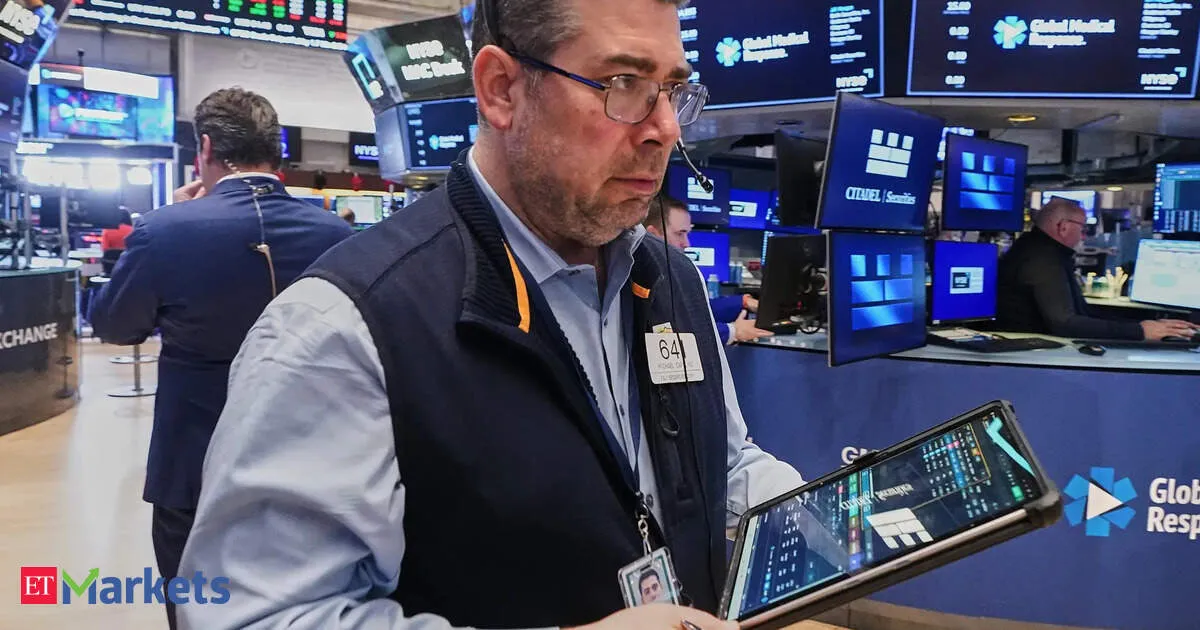
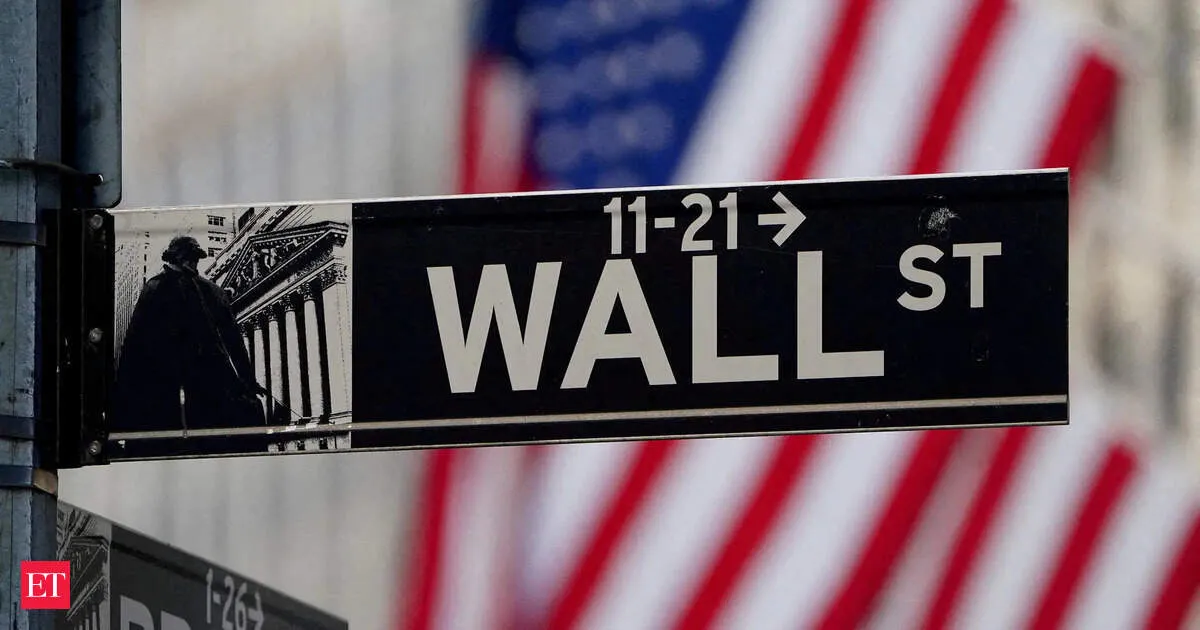
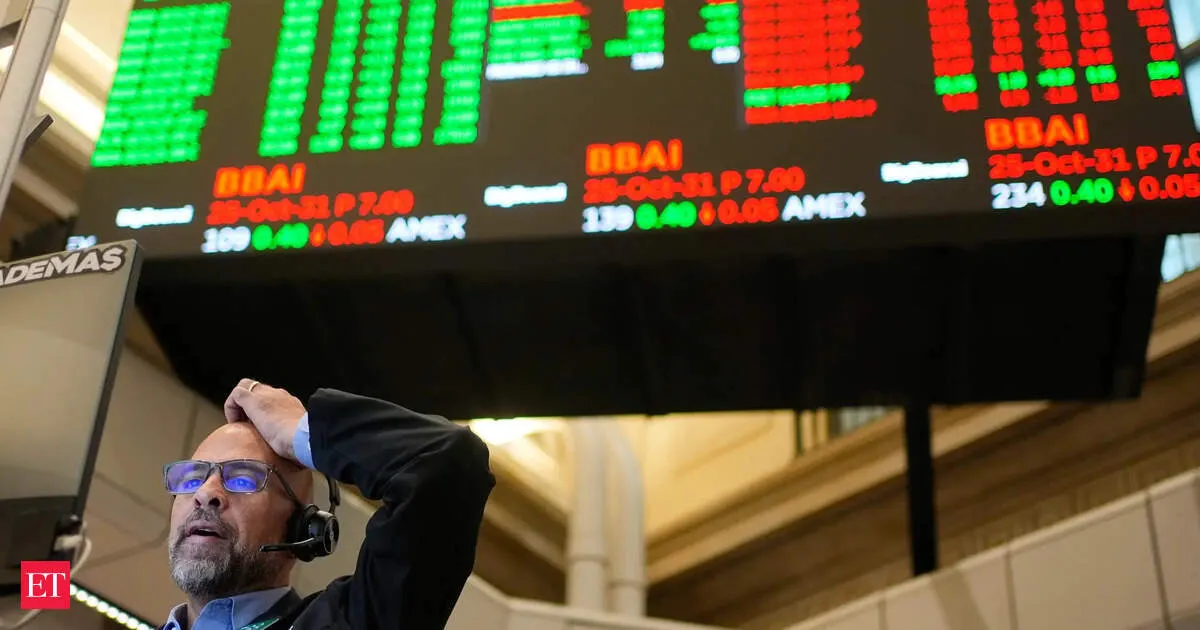
US stocks fell sharply on Friday, reversing AI-driven record momentum as crude prices surged and stoked global inflation worries. Benchmark Treasury yields jumped, making bonds more appealing than equities and weighing on risk appetite. The Trump-Xi summit produced little, while US-Iran tensions—after sharp comments—raised doubts about the Strait of Hormuz reopening. Despite the pullback, the S&P 500 notched its seventh straight weekly gain. Incoming Fed chair Kevin Warsh faces mounting pressure amid sticky inflation concerns.
US stocks pulled back from record highs as crude oil surged and Treasury yields climbed, reviving inflation worries. All three major indexes fell, with AI-driven tech stocks hit hardest as investors rotated toward bond yields and reassessed how aggressively the Federal Reserve might act. The move followed Middle East tensions after US-Iran-related uncertainty and raised concerns about global borrowing costs, with the 10-year yield reaching its highest level since May 2025.
Your news, in seconds
Get the Beige app — every story in 60 words, updated hourly. Free on iOS & Android.
Longer-dated U.S. Treasury yields rose to their highest levels in a year as oil prices climbed and renewed fears of Middle East energy disruptions intensified inflation worries. Friday’s jump followed comments from President Donald Trump and Iran’s foreign minister, which dimmed hopes for a quick deal to end attacks and seizures near the Strait of Hormuz. Investors were further spooked by fresh inflation data showing energy impacts already boosting both consumer and producer prices, pushing yields up across the curve.
Wall Street pushed higher on May 11, with the S&P 500 and Nasdaq Composite closing at record highs despite escalating US-Iran tensions that sent oil prices up. The S&P 500 rose 0.19% to 7,412.84 and the Nasdaq gained 0.1% to finish at 26,274.13. The Dow added 95.31 points to end at 49,704.47. While Trump rejected an Iran proposal and warned the ceasefire was “on life support,” investors stayed focused on tech and AI—Micron and NVIDIA leading gains.
U.S. investors are increasingly worried about a major correction as AI supercharges market concentration and turns major benchmarks into directional bets. Morgan Stanley estimates the top 10 U.S. stocks account for 33% of overall value (37.5% of the MSCI USA index). RBC adds that in S&P 500 index funds, more than $40 of every $100 is effectively tied to just 10 companies, creating a “passive concentration trap.” The risk is a disorderly rout if mega-cap AI earnings and guidance disappoint—though AI doesn’t need to fail entirely.
US health insurers delivered their strongest first-quarter performance since the pandemic, beating estimates as cost controls and seasonal factors helped ease pressure from rising medical costs and claims. While results signal improvement, analysts are split on whether this is the start of a sustained recovery or simply a short reprieve before expenses catch up again.
Never miss a story
Set alerts for the topics and sources you care about. Download Beige for free.
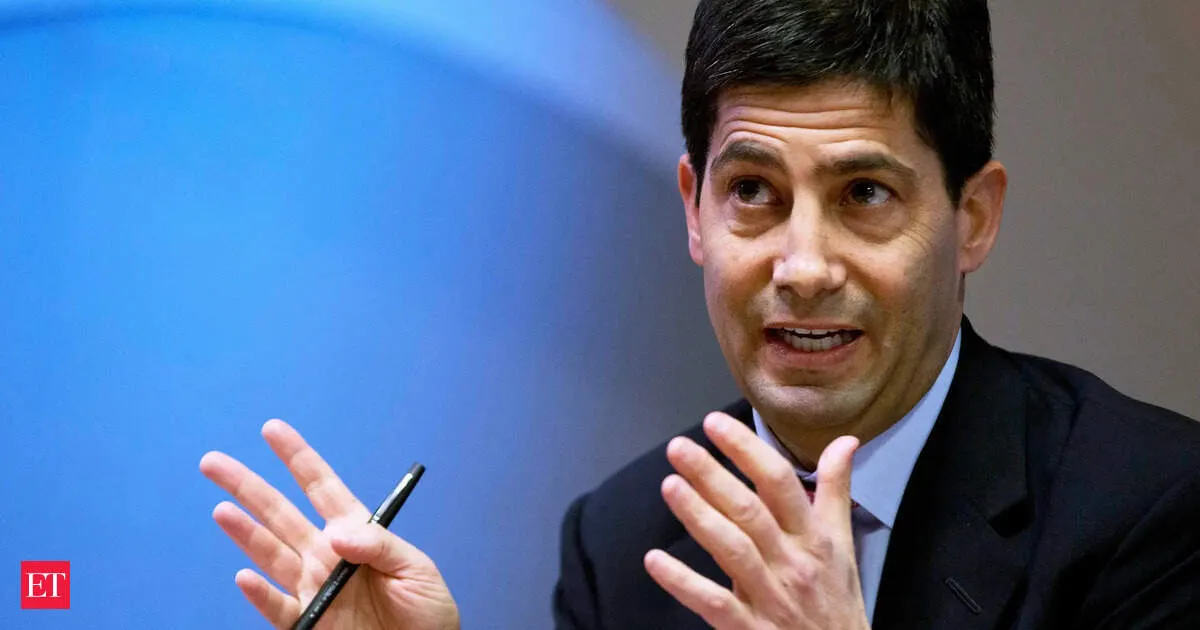
Fifteen years after leaving the Federal Reserve over disagreements on aggressive bond buying, Kevin Warsh is reportedly set to return as Fed chair with a reform agenda. Warsh has long criticized the Fed’s large asset purchase programs that ballooned its balance sheet to roughly $6.7 trillion, and the leadership shift is sparking fresh debate on rates, transparency, and AI’s economic impact.
Kevin Warsh is set to become the next chair of the US Federal Reserve, but his direct sway over interest rates could be limited. Rate targets are decided by the 12-member Federal Open Market Committee, where Warsh would cast only one vote. In practice, the chair’s influence depends on consensus building and persuasion, which is why markets are watching every Fed statement for policy signals.
Wall Street saw a rare split: the Dow Jones sank about 260 points while the S&P 500 and Nasdaq climbed. The surprise came from a hotter wholesale inflation reading, tightening the Fed’s room to maneuver. Meanwhile, chip stocks powered tech-led gains, even as US headlines shifted to President Trump’s summit trip to China with Xi Jinping.
KKR-backed emergency medical services provider GMR Solutions made its U.S. IPO debut raising $478.7 million, after cutting its valuation target to about $3.3 billion from an earlier $5 billion. The smaller raise reflects investor caution and selectivity toward new listings, even as the company seeks to expand its presence in the U.S. healthcare services market.
Reading on mobile?
Open Beige in the app for a smoother experience — free on iOS and Android.
US stocks fell sharply after the CPI inflation report showed a 3.8% rise, the highest in three years. The Dow slid over 307 points, while the S&P 500 and Nasdaq posted losses. Treasury yields rose and the dollar strengthened, with tech stocks retreating as investors priced in the possibility of longer Federal Reserve rate cuts being delayed amid rising oil prices and Iran related tensions.
Natural gas royalty firm WhiteHawk has filed for a US IPO after reporting a staggering 615% revenue spike in 2025. Backed by large natural gas holdings across millions of acres, the company says it aims to deliver consistent dividends to investors. The filing comes as energy markets heat up, with oil prices rising and demand for royalty income strengthening.
Spring’s IPO market is back in gear after a brief March lull, with issuers moving forward despite geopolitical uncertainty. In the busiest stretch for large IPOs since 2021, Renaissance Capital says three major billion-dollar offerings are set to price soon. Among the movers, Lincoln International is aiming for a US IPO valuation near $2 billion.
US stock market futures fell as escalating Persian Gulf tensions threatened oil supply and disrupted key shipping routes, rattling investor confidence. Iran’s rejection of a US ceasefire proposal intensified fears after drone incidents and renewed threats near the Strait of Hormuz. Traders are now closely tracking oil prices, diplomatic signals, and incoming economic data to judge whether the S&P 500, Nasdaq, and Dow can rebound.
Follow your favourite sources
Track sources, tags and categories — all in the Beige app.
U.S. markets closed higher on Friday, with the S&P 500 and Nasdaq setting fresh record highs. The rally was fueled by a sharp surge in AI-linked names, including Nvidia and memory and storage players like Micron and Sandisk. A stronger-than-expected jobs report also signaled a resilient labor market, helping investors look past rising geopolitical concerns.
U.S. stocks rose sharply at Friday’s open after a robust employment report eased fears that the labor market was cooling. Investors leaned into the momentum as chipmaker shares rebounded, lifting sentiment across the board. Early gains were broad, with the Dow, S&P 500, and Nasdaq all moving higher in response to the data-driven turn.
Citigroup is betting on a major turnaround, setting 2027 to 2028 adjusted return on tangible common equity targets of 11 to 13 percent. CEO Jane Fraser tied the goals to a company wide overhaul and announced a $30 billion share buyback, aiming to strengthen consistency and expand organic growth, especially in wealth management.
Shake Shack reported a quarterly loss and missed revenue estimates as higher commodity costs, including beef, squeezed margins. Weak consumer spending added further pressure, and the market punished the stock, sending shares down about 28% in early trading. The update highlights how quickly fast food operators can be hit when demand softens and input costs climb.
Stay informed on the go
Bite-sized news from 100+ trusted sources, right in your pocket.
Howmet Aerospace reported a first-quarter beat on both profit and revenue, then raised its annual forecast. The company pointed to continued strength in commercial aerospace and faster growth in its industrial gas turbine business as key drivers. The upbeat update signals demand is holding up better than many investors expected, supporting higher outlook for the year.
Global investment firm Carlyle reported a first-quarter profit that fell short of expectations, even as asset sales remained active. The key issue: those sales did not convert into income that shareholders could benefit from. Investors reacted to the disconnect between deal activity and earnings, raising questions about how quickly and effectively Carlyle’s portfolio monetization would translate into returns.
Swipe through stories, personalise your feed, and save articles for later — all on the app.