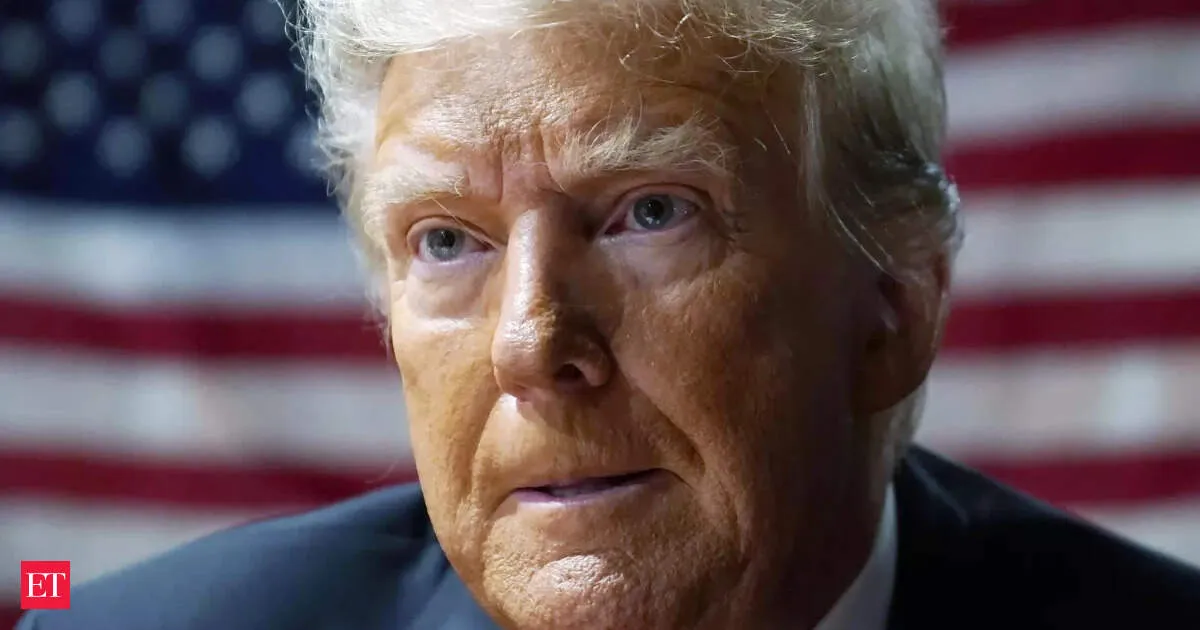
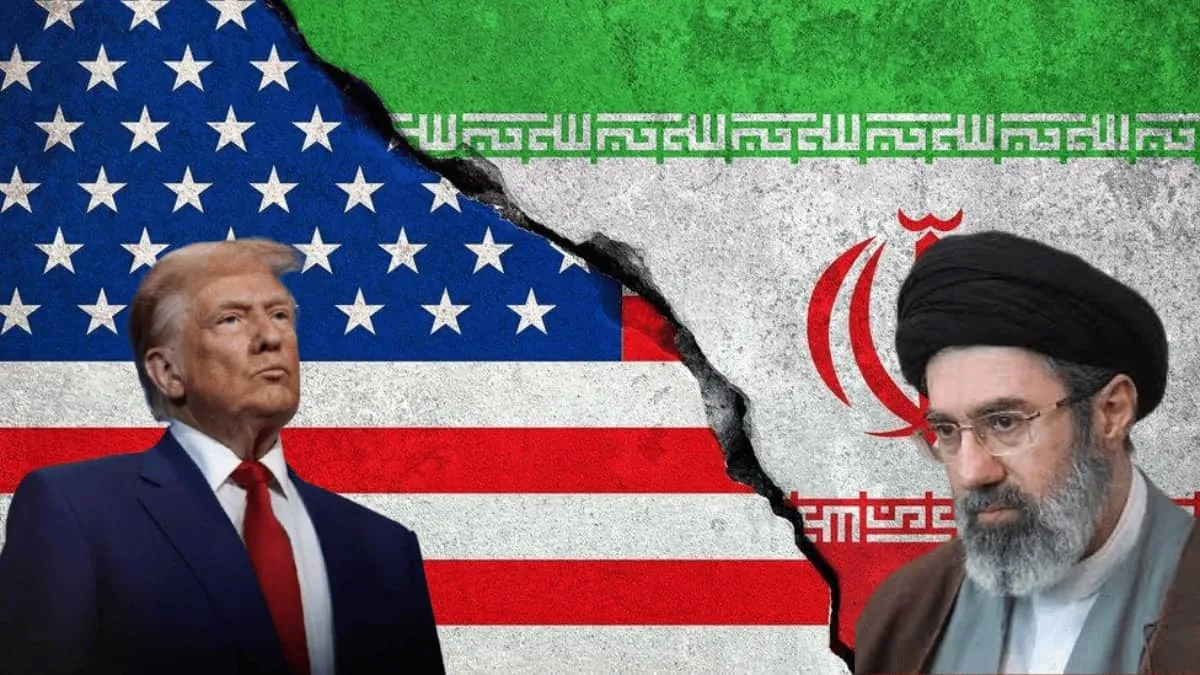
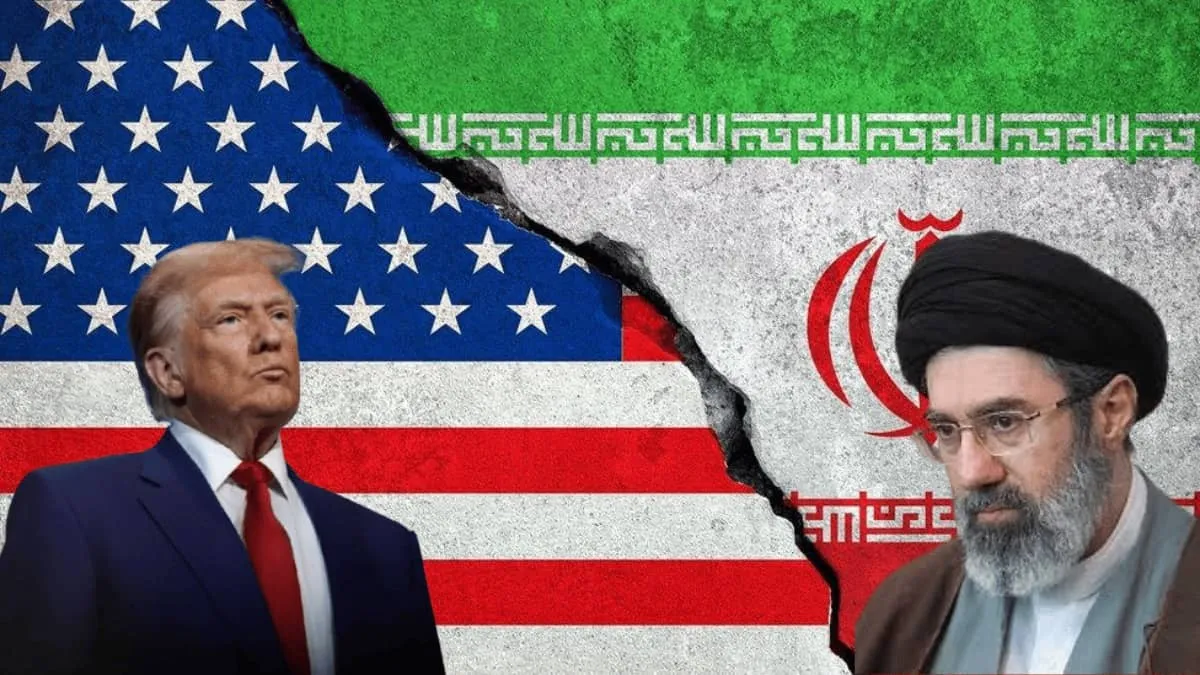
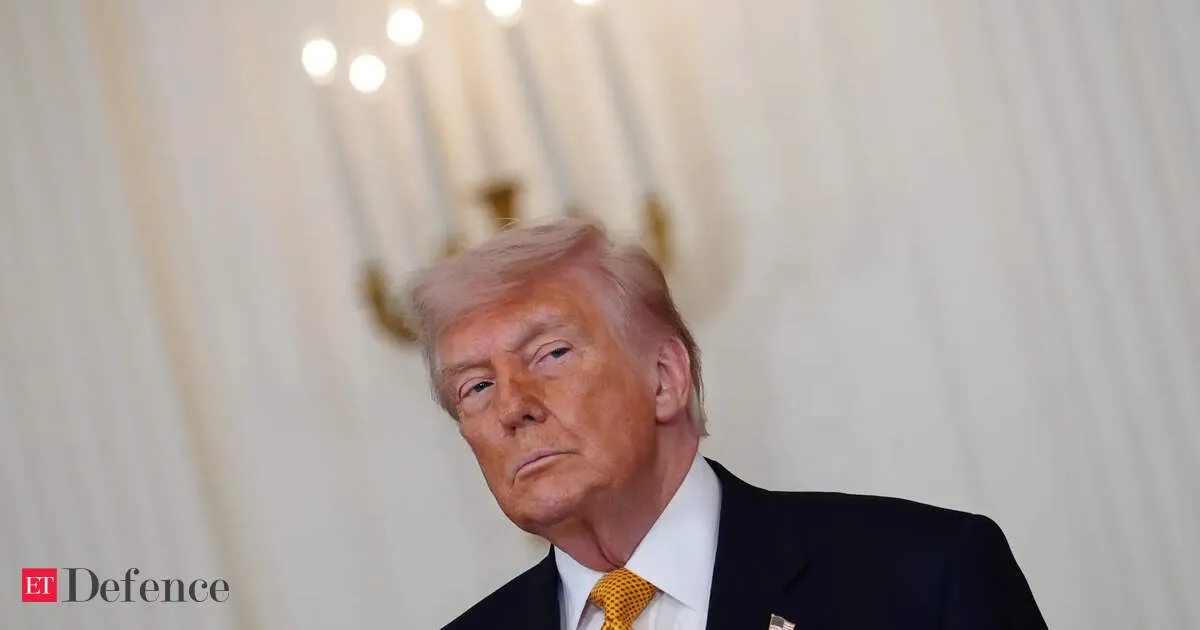
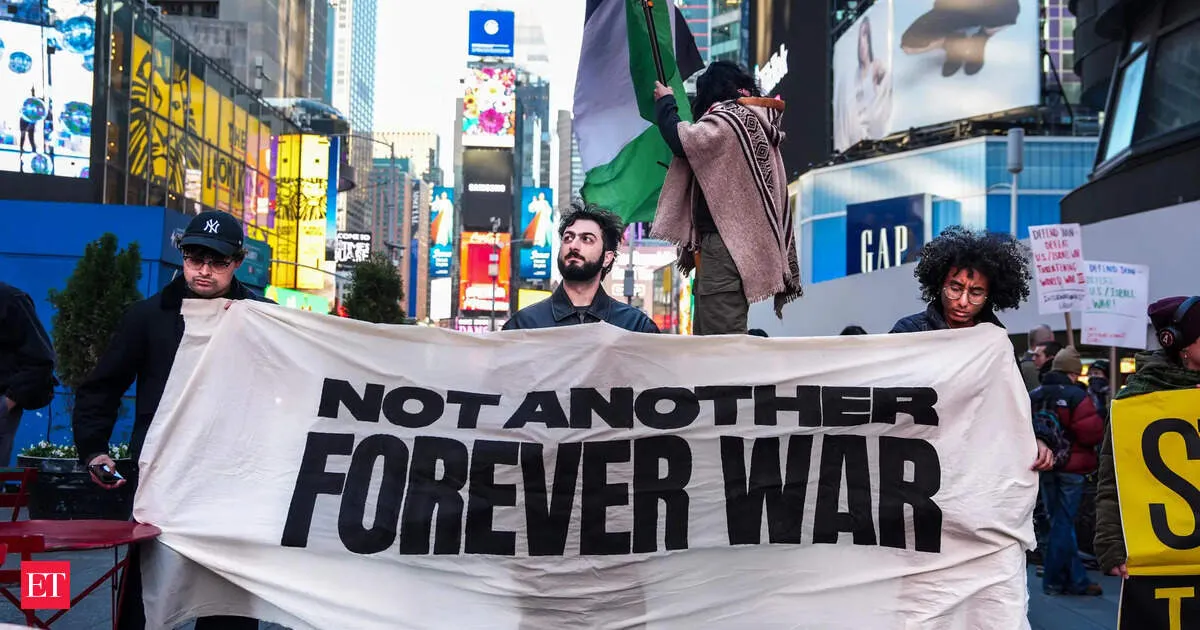
US President Donald Trump said the US-Iran ceasefire, meant to open diplomacy toward ending hostilities in West Asia, was agreed “as a favour to Pakistan” because the country has mediated talks between Washington and Tehran. Trump also credited broader international pressure for influencing the pause. While he dismissed needing any “favours” from Xi Jinping over the Strait of Hormuz, he suggested China could still pressure Iran. Trump warned the US may carry out “cleanup work” after the month-long truce amid internal doubts about Pakistan’s messaging.
Oil prices surged more than $4 a barrel on May 11 after the US and Iran failed to agree on a Washington-backed peace proposal. With the Strait of Hormuz largely shut, global supplies stayed pressured as President Donald Trump rejected Iran’s response as “unacceptable.” Brent climbed to $105.47 and WTI to $98.51. Analysts warn the ceasefire could be temporary, while Saudi Aramco estimates about 1 billion barrels of supply have been lost in two months, leaving markets edgy heading into Trump’s China trip.
Your news, in seconds
Get the Beige app — every story in 60 words, updated hourly. Free on iOS & Android.
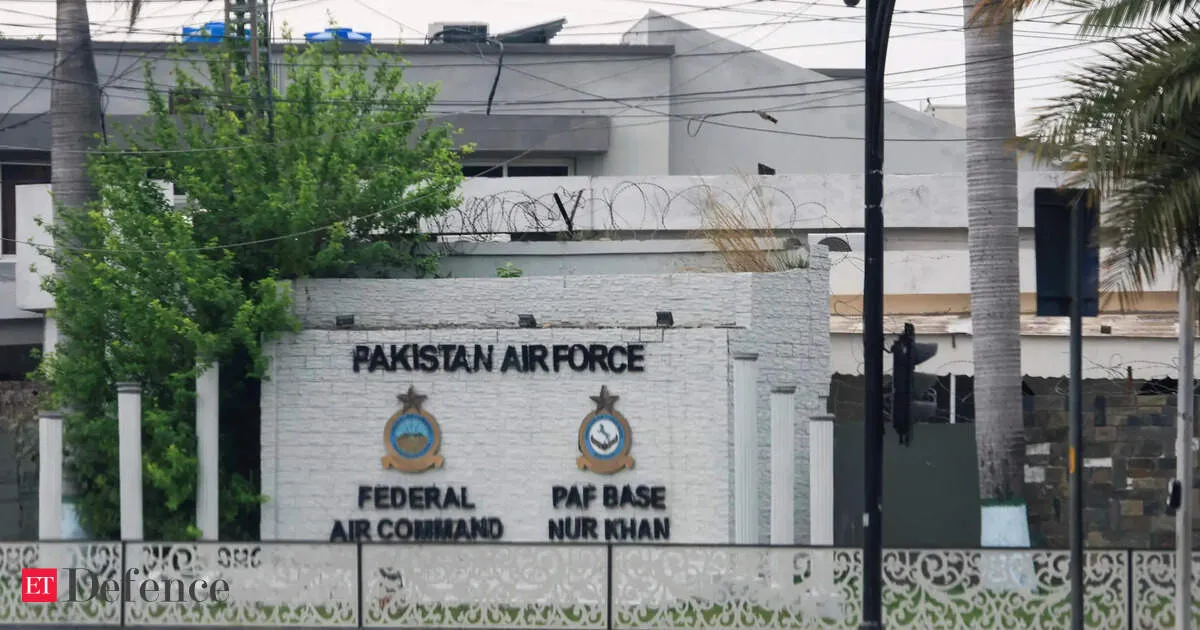
Pakistan has been trying to mediate an end to the US-Iran conflict, but CBS News citing US officials alleges it let Iranian aircraft use Pakistani airbases to reduce the risk of American strikes. The report says Iran moved both military and civilian planes for safety, including to Nur Khan airbase in April. Pakistan’s senior official rejected the claims, arguing Nur Khan is too public to conceal activity. Republican Senator Lindsey Graham urged a complete re-evaluation of Pakistan’s mediator role.
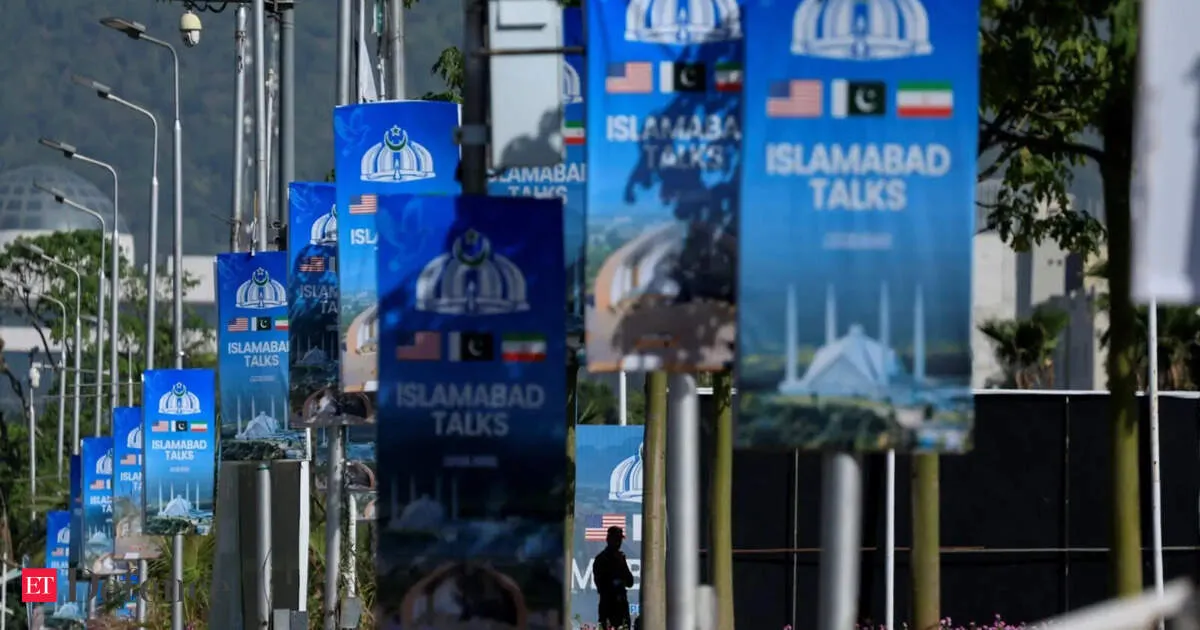
The US and Iran could resume negotiations as early as next week in Islamabad, the Wall Street Journal reports, citing people familiar with the discussions. Work is underway through mediators on a one-page, 14-point memorandum of understanding meant to set a framework for a month-long negotiation process to end the conflict. The draft reportedly covers Iran’s nuclear program, steps to reduce tensions in the Strait of Hormuz, and options for transferring Iran’s highly enriched uranium, but sanctions relief scope remains unresolved. If progress is made, the talks could be extended.
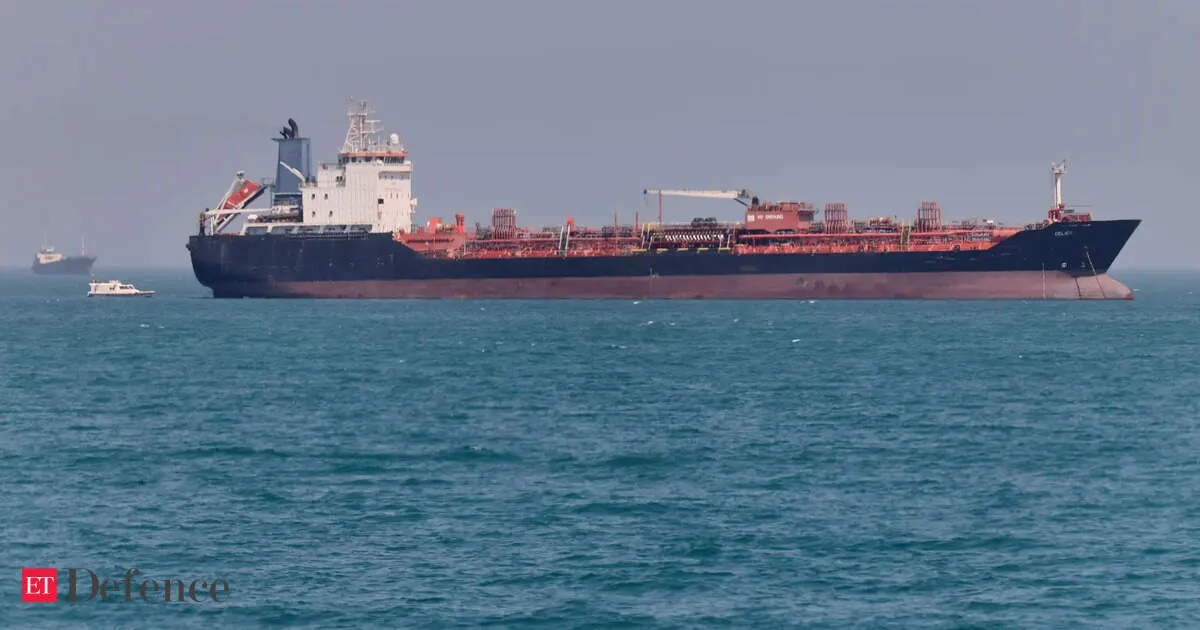
Two LPG carriers bound for India successfully transited the Strait of Hormuz amid ongoing US-Iran restrictions and a stalled push for a ceasefire. Ship-tracking shows Symi appeared in the Gulf of Oman after going dark, while NV Sunshine followed after changing its indicated destination. Together with other recent crossings since Sunday, the total reached ten large energy ships. The flow continued even as some vessels remained near a US blockade line and one US-turned supertanker idled nearby.
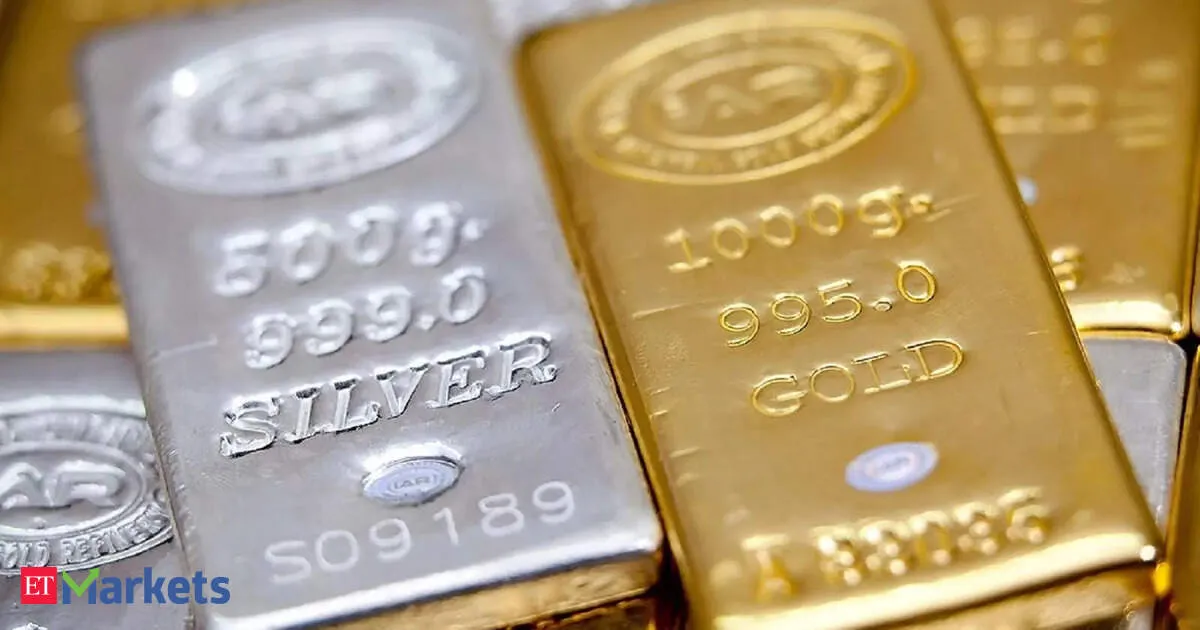
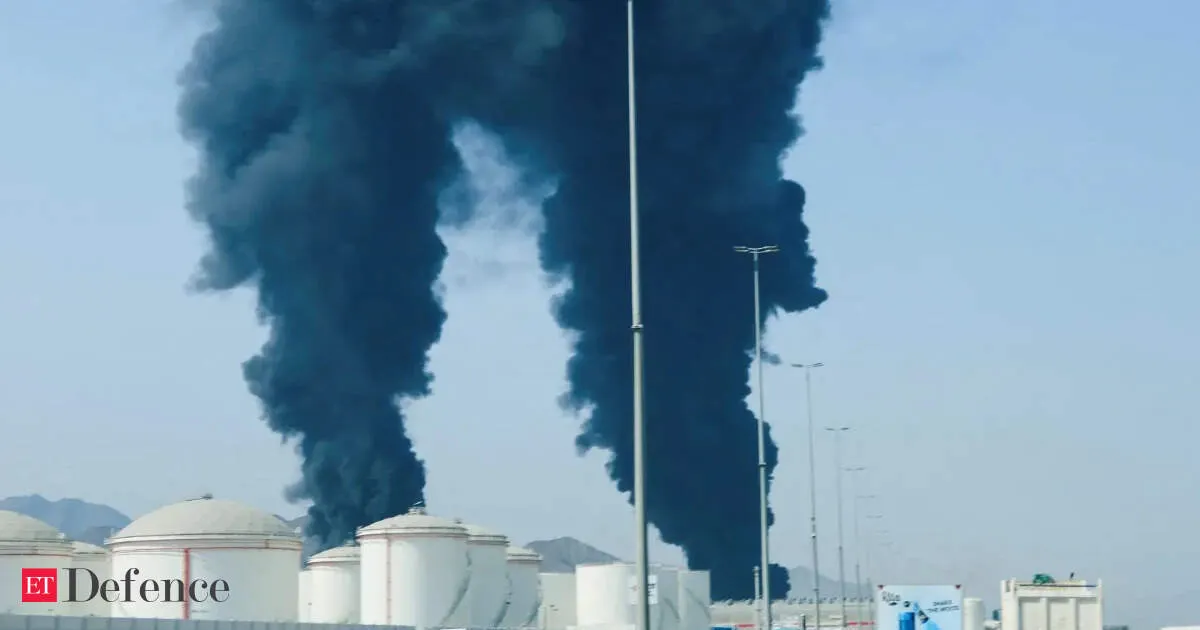
Gold and silver prices may trade in a tight range for a second week as investors digest progress and setbacks in US-Iran peace negotiations alongside upcoming global macroeconomic releases. Analysts expect gold’s momentum to remain consolidative, helped by lower Treasury yields, a softer dollar, and easing crude risk premiums. Silver, however, is seen with a more upbeat bias, supported by copper-linked buying, supply tightness, and central bank demand. Still, Friday’s gains were capped by renewed conflict signals and fresh UAE attack reports.
Never miss a story
Set alerts for the topics and sources you care about. Download Beige for free.
The United States and Iran are reportedly nearing a diplomatic breakthrough that could gradually reopen the Strait of Hormuz, a vital oil chokepoint carrying nearly one fifth of global energy supplies. The plan hinges on phased easing of a US naval blockade in exchange for Iran loosening restrictions on maritime movement. Reports point to a preliminary one page memorandum that could halt hostilities and trigger a 30 day negotiation window, with talks also covering nuclear issues, sanctions relief, and the return of shipping. Iran is yet to confirm acceptance.
Oil prices rose for a second straight day, driven by heightened uncertainty over US-Iran ceasefire negotiations and ongoing global supply worries. Trump said peace talks are struggling, while the US plans to release oil from its reserves. Traders are also watching Trump’s upcoming China visit, hoping diplomatic pressure could help unlock a resolution and ease market risk.
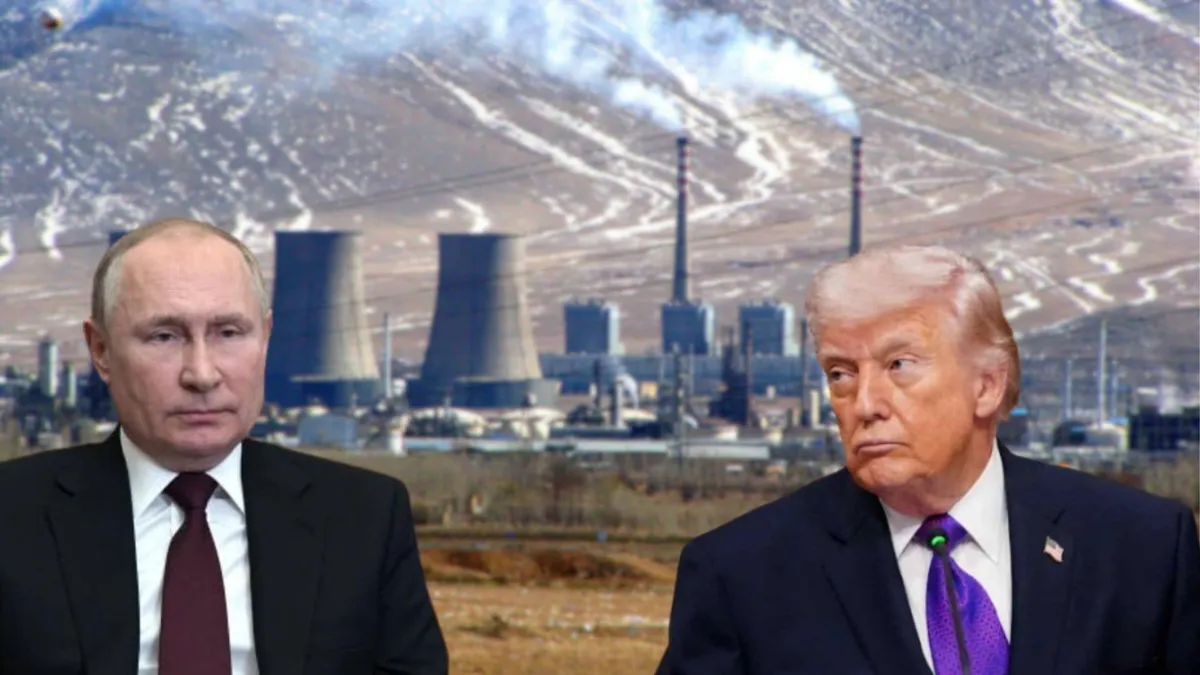
Vladimir Putin called the US-Iran conflict in West Asia “very difficult,” while insisting Moscow has seen no evidence that Iran is pursuing nuclear weapons. He cited Russia’s role in the 2015 nuclear deal and referenced Iran’s Bushehr project, arguing existing cooperation and implementation undercut fears of hidden nuclear aims.
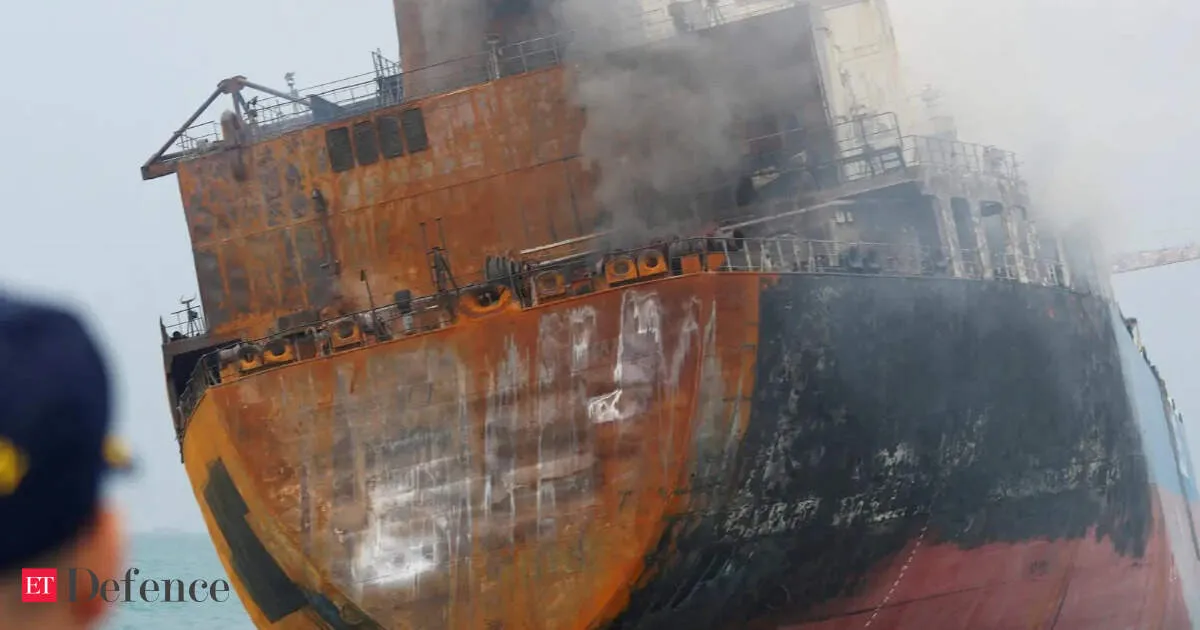
Tensions between the US and Iran are escalating after US fighter jets fired on Iranian tankers, prompting Iranian retaliation. Iran has questioned US sincerity in diplomacy and has not yet responded to Washington’s latest peace proposal. Adding urgency, an oil slick has appeared off Iran’s Kharg Island, while a strained Lebanon ceasefire adds pressure to an already fragile situation.
Reading on mobile?
Open Beige in the app for a smoother experience — free on iOS and Android.
Despite a proposed path to end the war, US and Iran remain locked in rising Gulf tensions after renewed clashes tested a fragile ceasefire. US officials say their intelligence points to Iran’s ability to withstand a naval blockade for months. The UAE has also been targeted, and Washington is still waiting for Iran’s response to the latest offer.
US President Trump said the US is “supposedly” expecting Iran’s response after its peace proposal, while Secretary of State Rubio said a reply is expected Friday. The Pentagon released video of US strikes on Iranian oil tankers in the Strait of Hormuz. Meanwhile, Iran’s foreign minister criticized US military actions as undermining diplomacy, as Israel-Lebanon talks are scheduled for May 14–15.
Fresh fighting between the US and Iran has shaken a month old ceasefire. Iran says the US targeted its ships, while the US claims it acted in self defense after unprovoked Iranian attacks. The flare up comes as Iran weighs a US plan to end hostilities, yet major disputes—especially Iran’s nuclear program—remain unresolved.
The US and Iran exchanged fire while testing a month-long ceasefire, with Iran claiming the situation returned to normal. The US military said it responded to Iranian attacks. President Trump downplayed the incident as a “love tap” even as renewed hostilities emerged while Washington awaited Iran’s reaction to a US proposal, pushing oil prices and inflaming US politics.
Follow your favourite sources
Track sources, tags and categories — all in the Beige app.
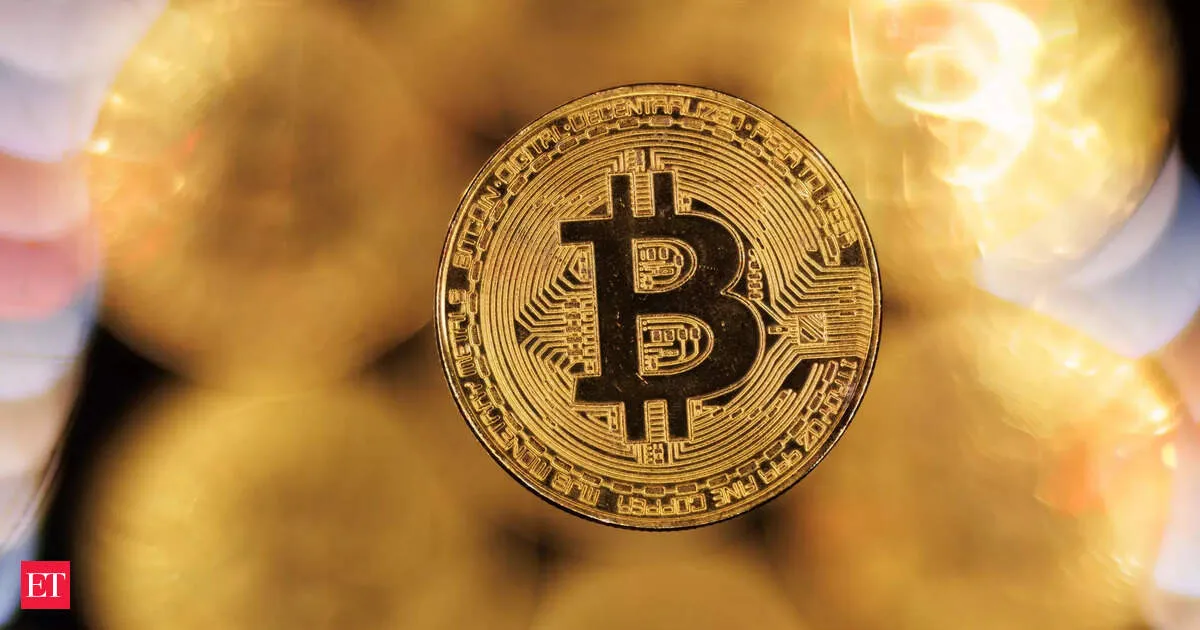
Bitcoin has climbed to a three month high as reports of de escalation in US Iran hostilities boost investor confidence. Risk appetite has spilled into broader markets, while gold prices appear to soften as some investors rethink allocations. Traders are now watching whether rising ETF inflows could push BTC higher toward fresh targets.
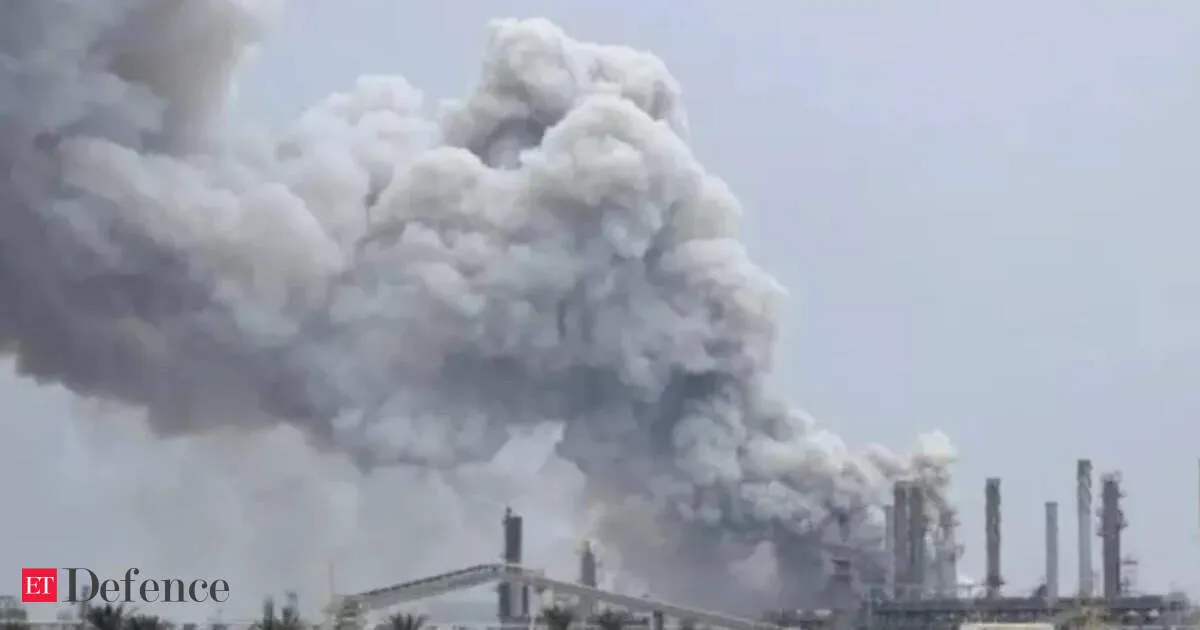
UAE air defences reportedly scrambled to respond to a missile and drone assault from Iran, even as US forces intercepted Iranian attacks aimed at three US Navy ships. The US also struck Iranian facilities linked to the assault, with no ships hit. The flare-up underlines how fragile the April 8 US Iran ceasefire remains.
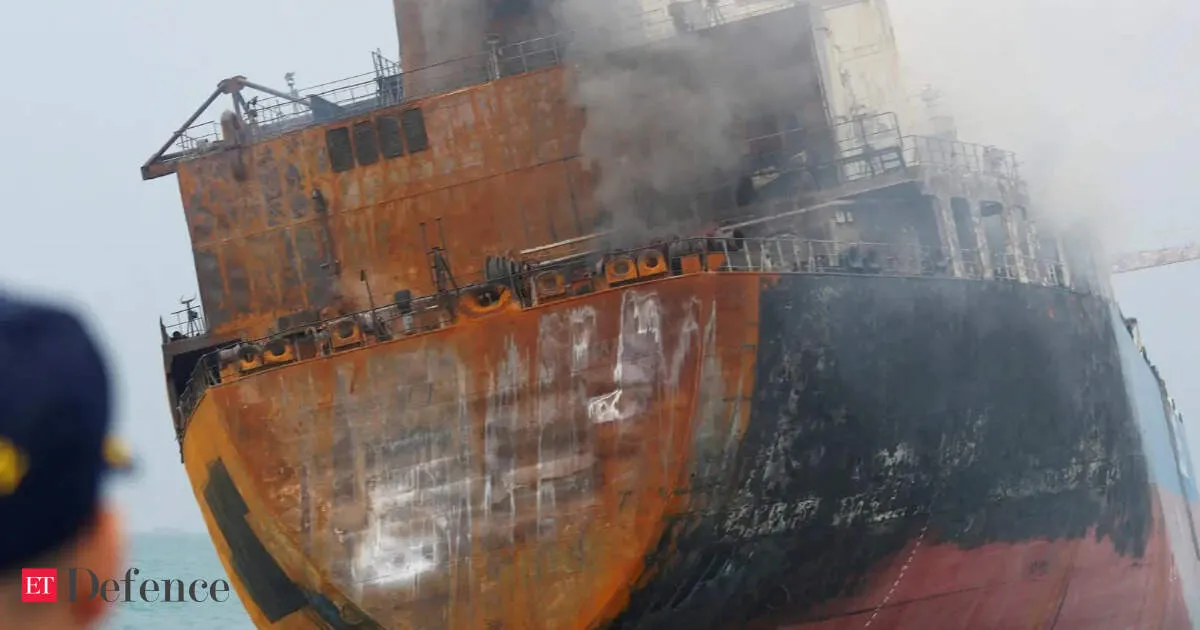
The US fired on an Iranian oil tanker in the Gulf of Oman as President Trump presses Tehran for a deal aimed at ending the conflict. Israel struck Beirut’s southern suburbs, while the fighting continues to disrupt oil and gas shipments. Iran is reviewing American proposals, but with strikes and pressure mounting, tensions remain high and outcomes uncertain.
The Indian rupee jumped to 94.61 against the US dollar on Wednesday, its strongest single day gain in about a month. The move followed a broader relief rally in Asian currencies as investors grew more optimistic about the possibility of a cessation of hostilities between the US and Iran. Risk sentiment improved, lifting regional FX broadly.
Stay informed on the go
Bite-sized news from 100+ trusted sources, right in your pocket.
Brent crude fell below $100 a barrel on fresh hopes of easing Middle East tensions after renewed US-Iran deal talk. The North Sea benchmark dropped 9.3% to $99.64, while US West Texas Intermediate plunged 10.7% to $91.33, signaling a sharp shift in market expectations toward a potential end to hostilities.
The US and Iran are reportedly nearing a one-page memorandum aimed at de-escalating tensions and clearing the path for nuclear talks. The draft includes Iran halting nuclear enrichment, the US lifting sanctions and releasing frozen funds, and both sides easing Strait of Hormuz transit restrictions. Iran is expected to respond within 48 hours.
Swipe through stories, personalise your feed, and save articles for later — all on the app.