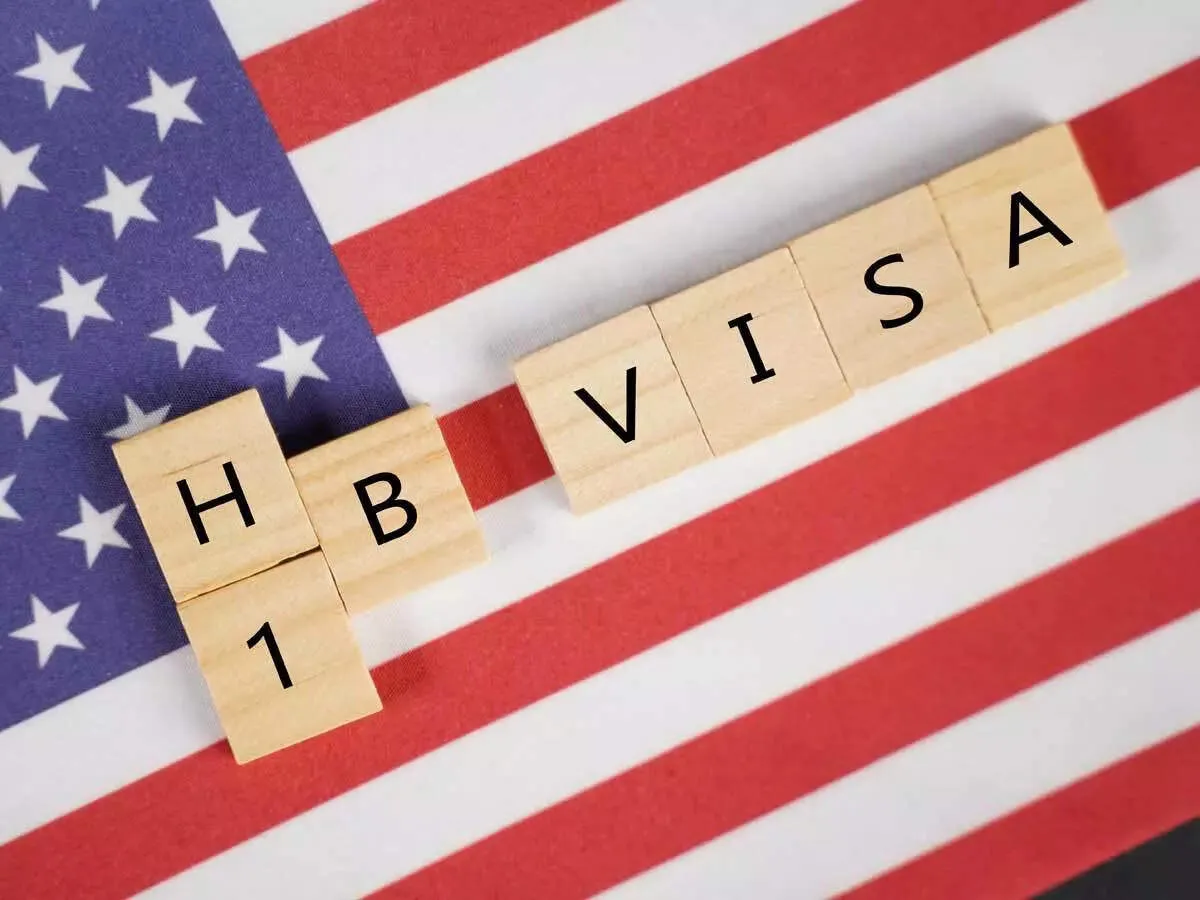
US Senator Eric Schmitt is taking aim at the H-1B and other employment-based visa programs, calling them harmful to American workers and alleging a “Visa Cartel.” He says large tech firms are cutting US roles while relying on foreign hiring through these visas, driving wage pressure and displacement. The controversy is now drawing fresh attention to Hyderabad’s “visa temples” that support applicants.
As standard US visa and work authorization processing gets slower, many applicants say they have no practical choice but to pay for premium processing. The once optional service is increasingly viewed as a necessity to prevent job loss or status disruption, with people in multiple visa and employment categories facing escalating waits and added costs.
Your news, in seconds
Get the Beige app — every story in 60 words, updated hourly. Free on iOS & Android.
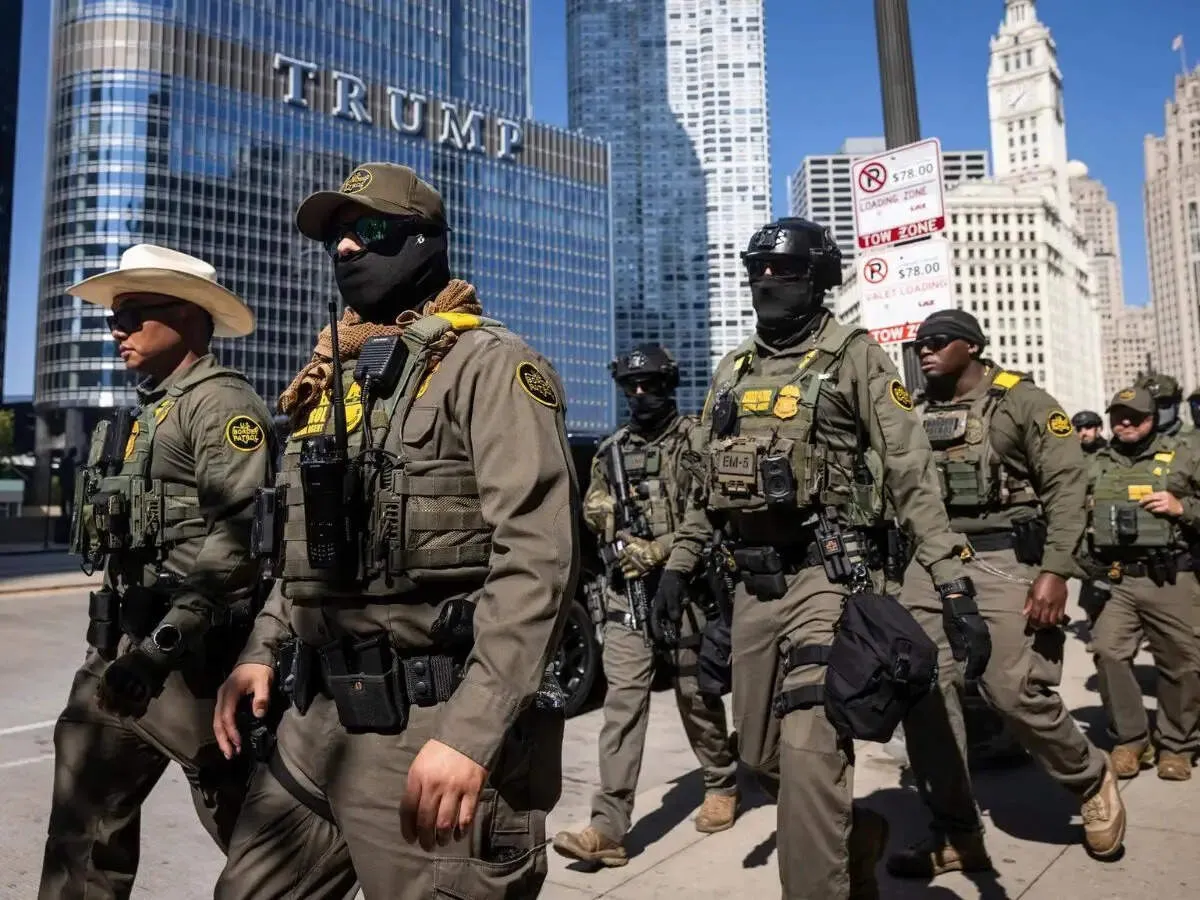
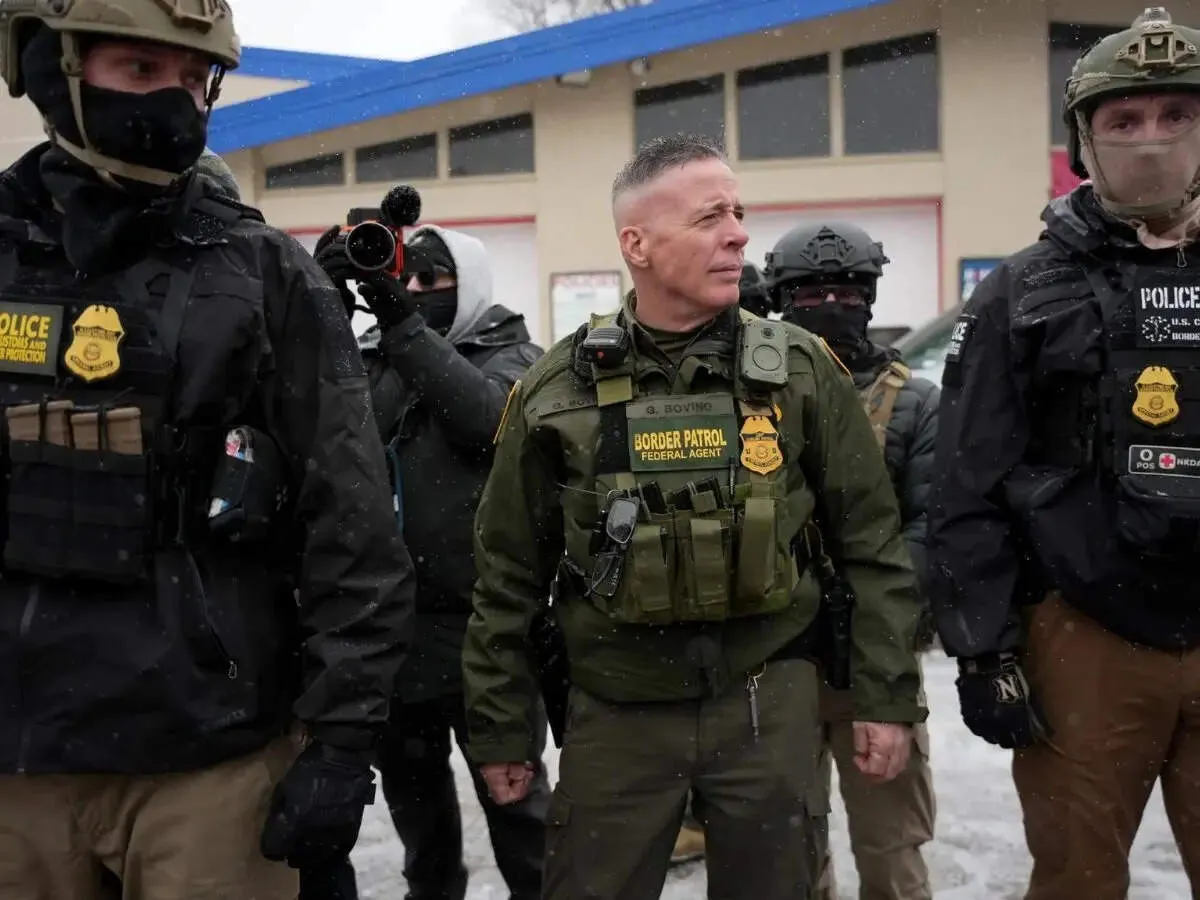
A federal judge ruled that US immigration enforcement officers’ instructions for making civil arrests without warrants fall short of probable cause standards. Judge Beryl A. Howell said the materials should not be used as guidance, especially on assessing flight risk. The decision comes amid a lawsuit challenging arrests carried out during immigration sweeps.
The Trump administration is reviewing a proposed change to the US “duration of status” rule that could limit international students to a four year maximum. Under current rules, F-1 students can typically stay as long as they remain enrolled and eligible. The draft also affects J-1 exchange visitors and some foreign media, as university enrollment of foreign students has declined.
The US Justice Department says it will target immigration judges accused of slow rulings and failing to follow the law, warning replacements for those creating “unacceptable” backlogs. Acting Attorney General Todd Blanche framed the move as part of a broader plan to streamline immigration courts and accelerate deportations, aligning the judiciary process with the administration’s push for faster removals.
The U.S. reversed a visa processing freeze that had sidelined foreign doctors from 39 countries, letting them continue working. The change comes after warnings the policy could worsen the U.S. physician shortage, given that foreign-trained doctors form a substantial share of the medical workforce, especially in primary care.
Never miss a story
Set alerts for the topics and sources you care about. Download Beige for free.
The US is rolling out new immigration fees and tighter asylum-related rules that take effect soon. Asylum applicants will face both filing and annual charges, and non-payment can trigger case rejection and a denial of work permits. Temporary Protected Status holders will also see their work permits limited to one year, as the government aims to push costs onto applicants and streamline processing.
A federal judge has rejected the Trump administration’s move to make immigration applications harder for people from countries on the travel ban list. U.S. District Judge Julia Kobick issued a preliminary injunction, saying the policy violates the Immigration and Nationality Act’s ban on nationality-based discrimination and conflicts with agency regulations.
North Carolina labour chief Luke Farley has endorsed a federal proposal to raise wages for H-1B and similar visa holders. Farley argues that current programs enable employers to hire foreign workers at below-market rates, harming American workers’ leverage and job opportunities. The rule would push pay toward market rates to reduce competition effects.
The US will require immigration applicants to face expanded background checks as of April 27, 2026. Under a USCIS directive, officers must strengthen vetting before approving pending cases, following a presidential order to access more criminal history data. Green card and citizenship applicants are expected to be the most affected, potentially slowing approvals and increasing scrutiny.
Reading on mobile?
Open Beige in the app for a smoother experience — free on iOS and Android.
A federal appeals court has overturned a Trump administration policy requiring mandatory detention for most immigrants immediately after arrest. The ruling blocks the policy’s effect of denying detainees the chance to seek bond. The court said the administration’s interpretation of immigration law was fundamentally flawed, dealing a major legal setback for the government’s approach to detention.
US immigration enforcement saw arrests spike after a crackdown, especially in Minneapolis, triggering outrage and personnel shake-ups. After the administration shifted tactics, national arrests fell nearly 12 percent, but some states reported increases. Critics say many people arrested had no criminal records, challenging claims that enforcement targeted only the “worst of the worst.”
An appeals court has halted President Trump’s executive order that suspended asylum access at the U.S. southern border. The judges ruled that immigration laws allow people to apply for asylum and that a president cannot override that right. The court also said the order improperly sidestepped existing legal procedures, including processes tied to anti-torture protections.
USCIS has wrapped up H-1B selection for FY2027, fully filling the 85,000 annual quota. Employers have been informed and petition filings will open April 1, 2026. The biggest shift: a weighted lottery that favors higher wage offers, replacing the older random selection approach—meaning pay could now decide who gets in.
Follow your favourite sources
Track sources, tags and categories — all in the Beige app.
A proposed US Department of Labor rule has cleared OMB review, putting new H-1B and PERM wage protections on track for Federal Register publication. The economically significant proposal could revise the prevailing wage system, potentially raising minimum salaries for H-1B workers and PERM cases and increasing costs for hiring businesses if adopted.
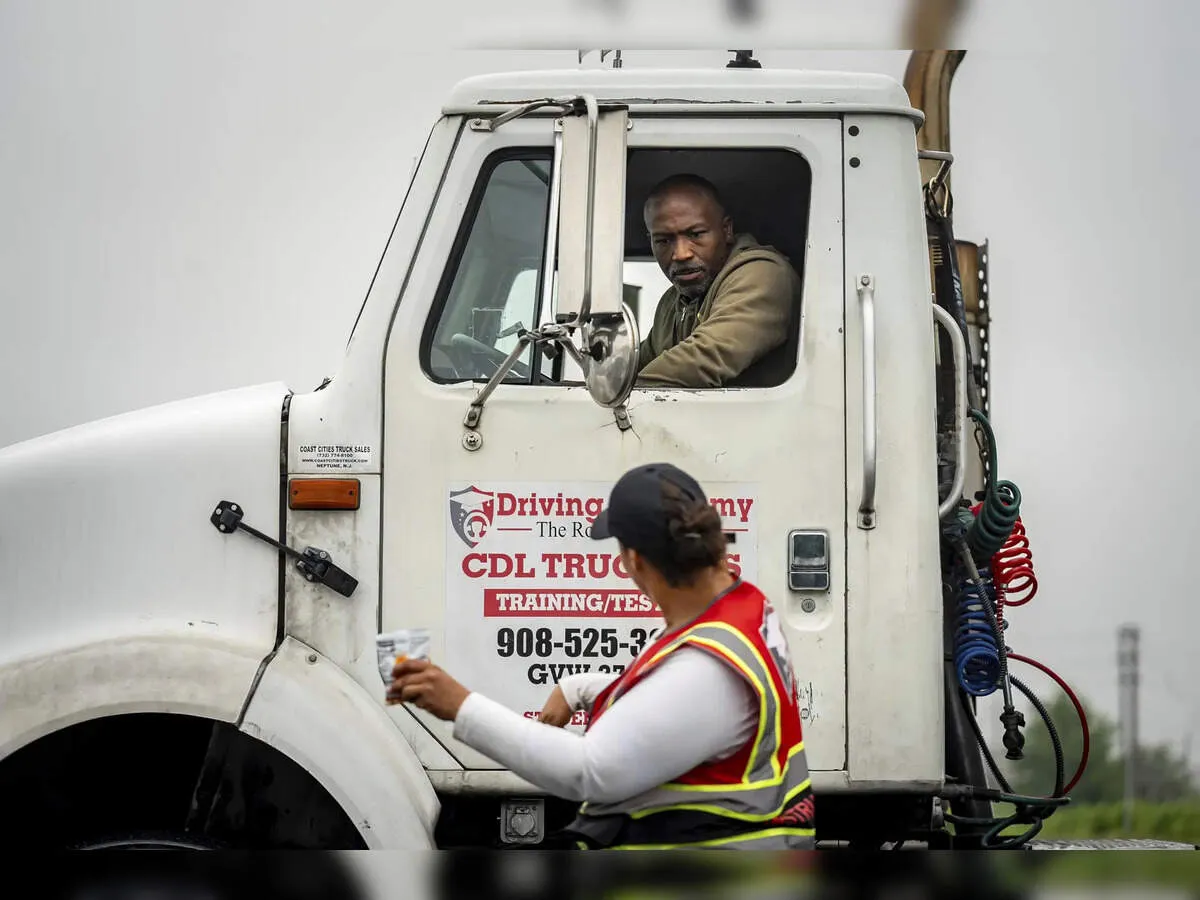
The Trump administration says all commercial driver’s license tests for truckers and bus drivers must be taken in English, linking the move to road safety and removing potentially unqualified drivers. Transportation Secretary Sean Duffy says the goal is to ensure drivers can read road signs and communicate with law enforcement, targeting multilingual testing and lax third-party enforcement.
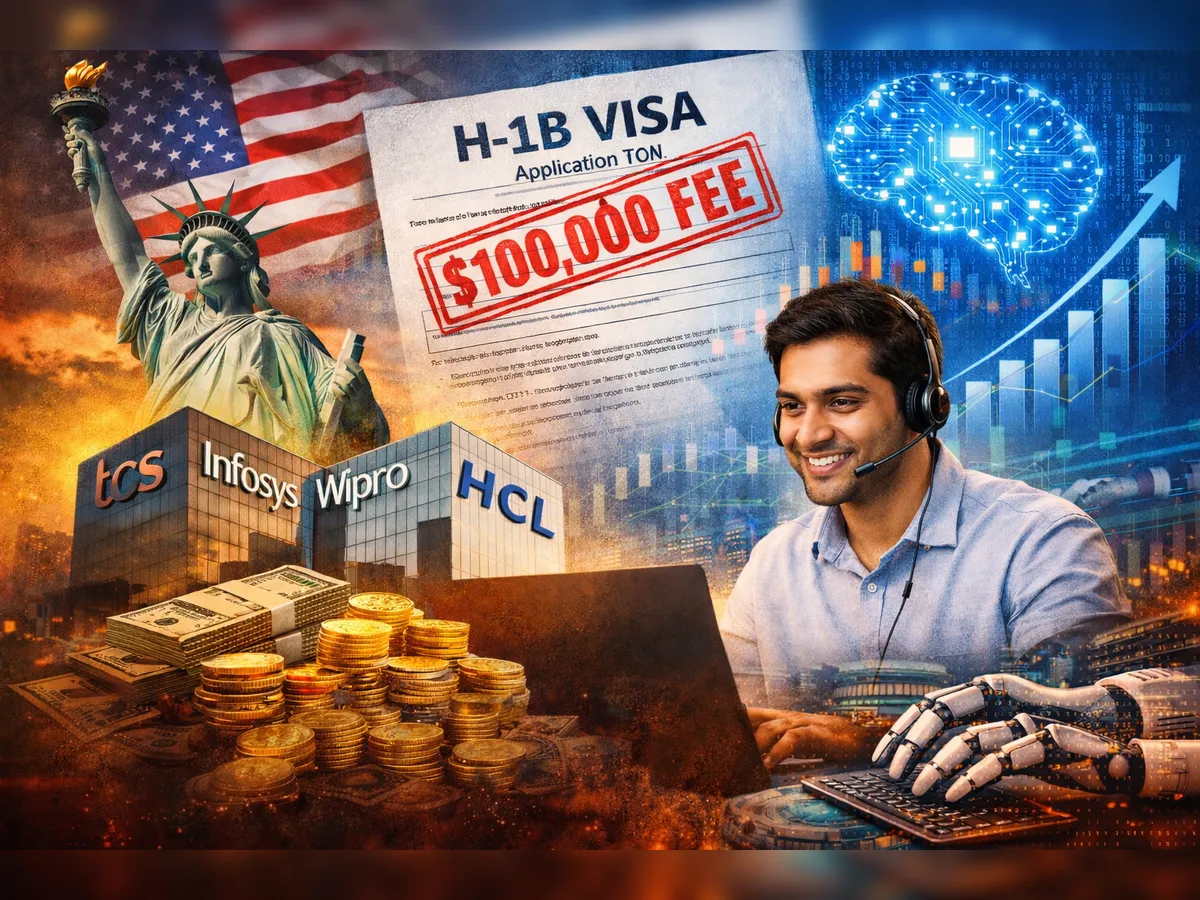
India’s IT sector is facing fresh uncertainty as new US H-1B visa fees threaten to raise costs. Yet leading firms say they’re buffered by strong profits and cash reserves. Meanwhile, the US continues to confront a tech talent shortage, keeping demand high for Indian professionals and reinforcing growth backed by India’s large STEM graduate base.
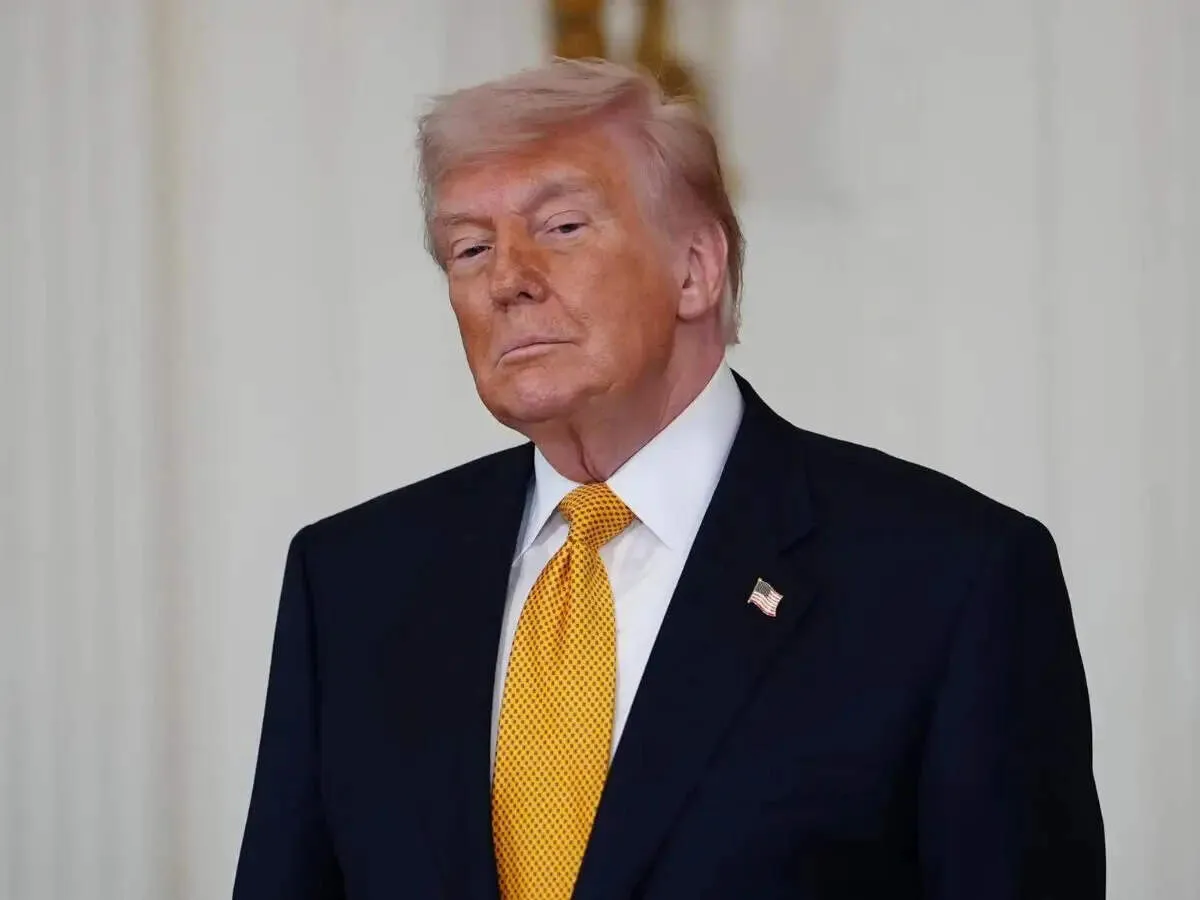
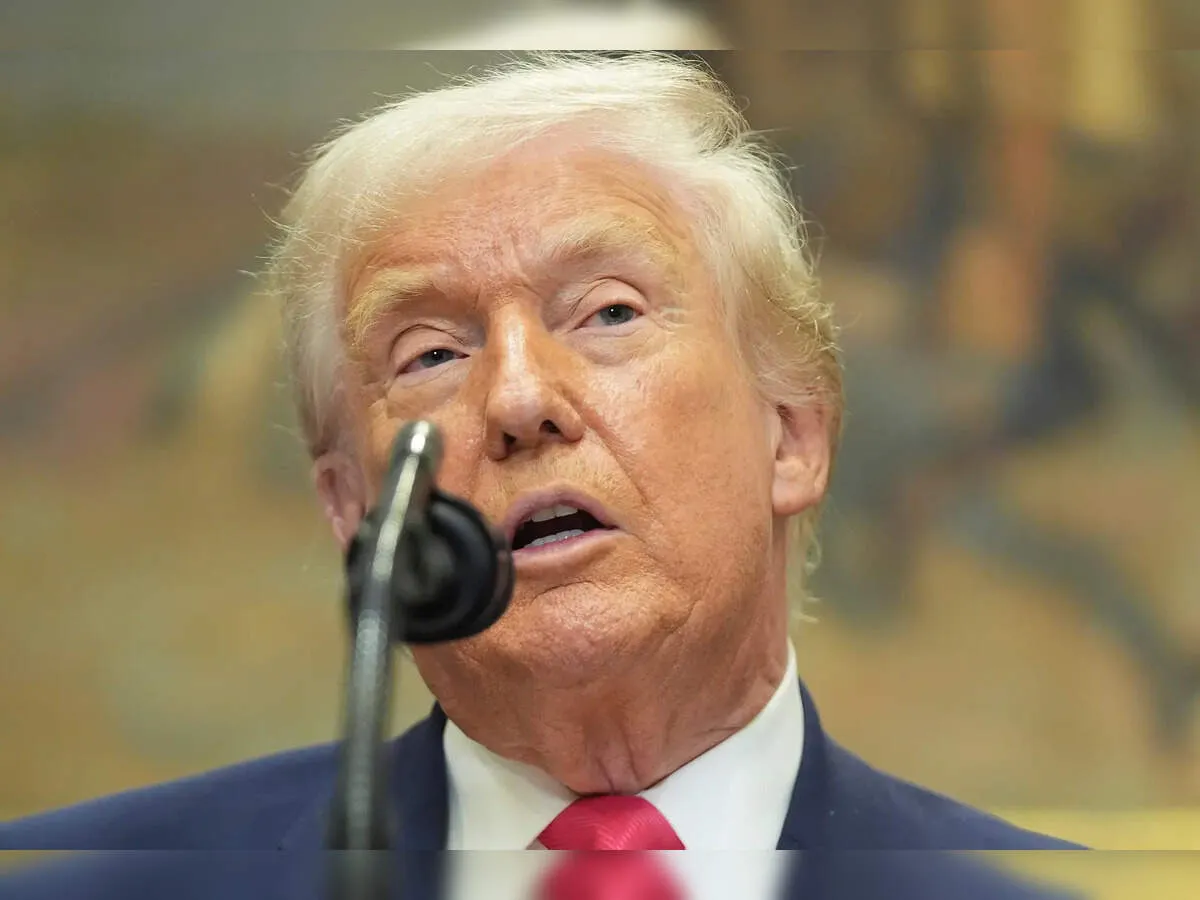
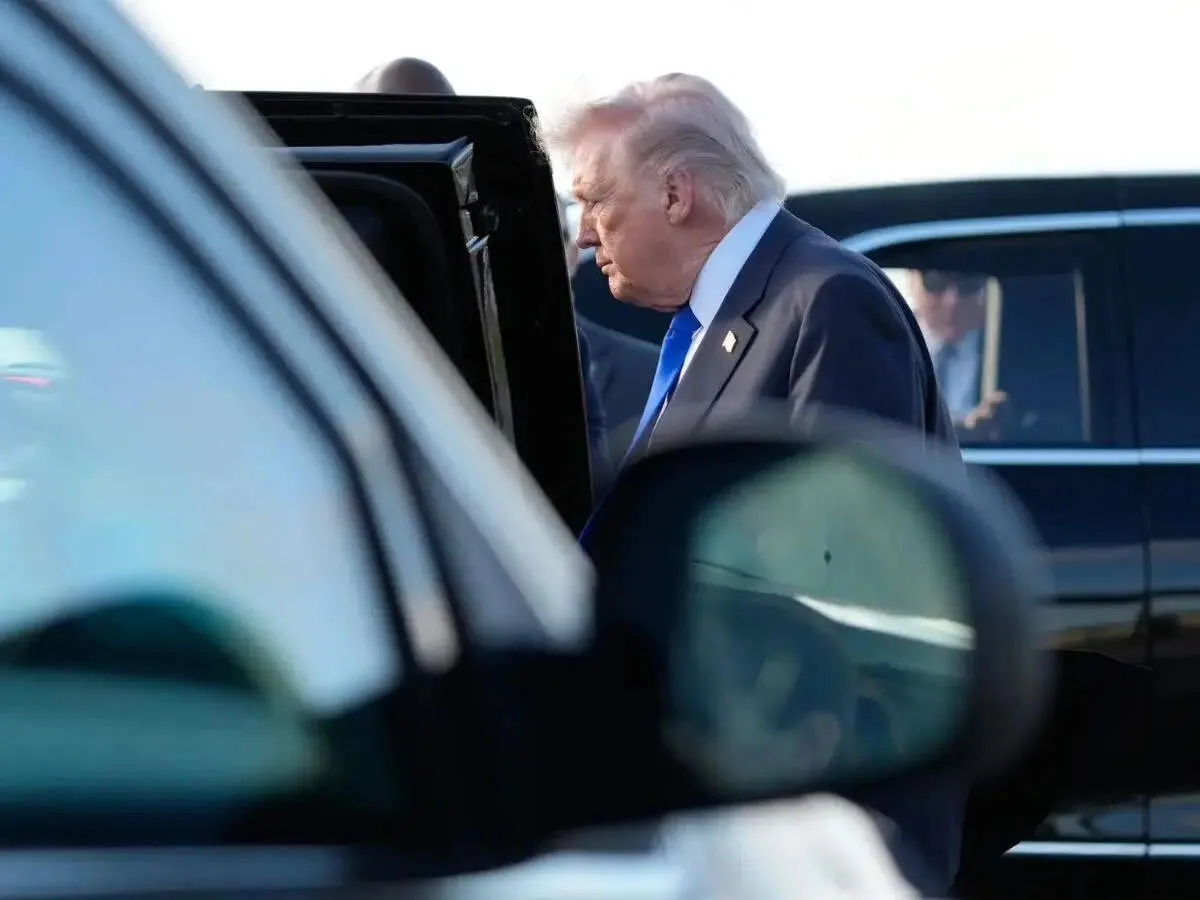
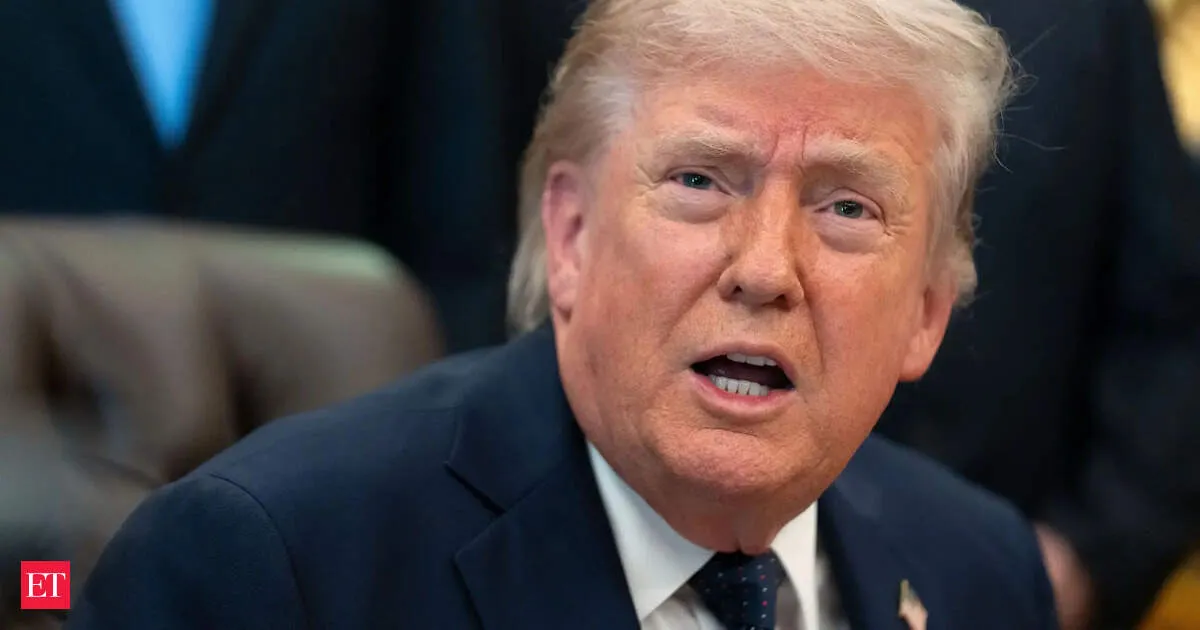
US President Donald Trump is taking a pragmatic turn on H-1B visas, now backing the hiring of skilled foreign workers to strengthen American high-tech industries. The policy shift seeks to address persistent labor shortages that could hurt competitiveness. Trump also expects backlash from his political base but says global talent is increasingly necessary to keep US firms moving.
Stay informed on the go
Bite-sized news from 100+ trusted sources, right in your pocket.
Trump era curbs are making H-1B pathways more expensive, and India’s elite tech circles are quietly rethinking the default move to the US. With domestic hiring prospects improving and startups thriving, more IIT graduates are choosing local careers over paying higher visa costs, signaling confidence that India’s own growth can power top talent.
Swipe through stories, personalise your feed, and save articles for later — all on the app.