US officials removed details from a government website about an agreement with Microsoft, Google, and xAI. The arrangement reportedly let government scientists test new AI models for security flaws before they were released publicly. The deletion comes as national security concerns over advanced AI intensify, but officials have not clarified why the information was taken down.
The US government is reported to be close to a roughly $400 million settlement with TikTok over alleged violations of child privacy laws. The claims say TikTok collected children’s data without parental consent. Reports also suggest the money may be directed toward President Trump’s beautification efforts in Washington, adding political controversy to the legal outcome.
Your news, in seconds
Get the Beige app — every story in 60 words, updated hourly. Free on iOS & Android.
Apple and Intel have reportedly reached a preliminary deal where Intel would manufacture chips for Apple devices, a potential manufacturing win for Intel and a capacity boost for Apple. The report says the US government played a role in the talks. Both Intel and Apple shares rose on the news, with the move also diversifying Apple’s chip sourcing strategy.
OpenAI says it provided the US government early access to its GPT-5.5 model for national security testing. In a LinkedIn post, executive Chris Lehane confirmed the move, positioning the trial as part of government evaluation. The announcement adds momentum to the debate over how quickly advanced AI gets deployed for sensitive national security uses.
Airbnb co founder has tapped Peter Arnell as the first US chief brand architect, bringing him into a National Design Studio role focused on government user experience. Arnell is expected to help unify UX across roughly 27,000 federal sites and streamline how people navigate government services, aiming to make digital interactions feel more consistent and easier.
Microsoft, Google, and xAI are partnering with the US government to provide early access to newly developed AI models. The Center for AI Standards and Innovation will evaluate the systems to assess national security risks before they’re released to the public. The effort is aimed at measuring advanced AI capabilities while identifying potential harms ahead of time.
Never miss a story
Set alerts for the topics and sources you care about. Download Beige for free.
Palantir Technologies has raised its annual revenue outlook after posting results that beat quarterly expectations. The company attributes the strength to rising demand for its data analytics platforms, driven by both US government buyers and commercial customers. With guidance climbing and performance outpacing estimates, investors will be watching whether the momentum extends beyond current contracts.
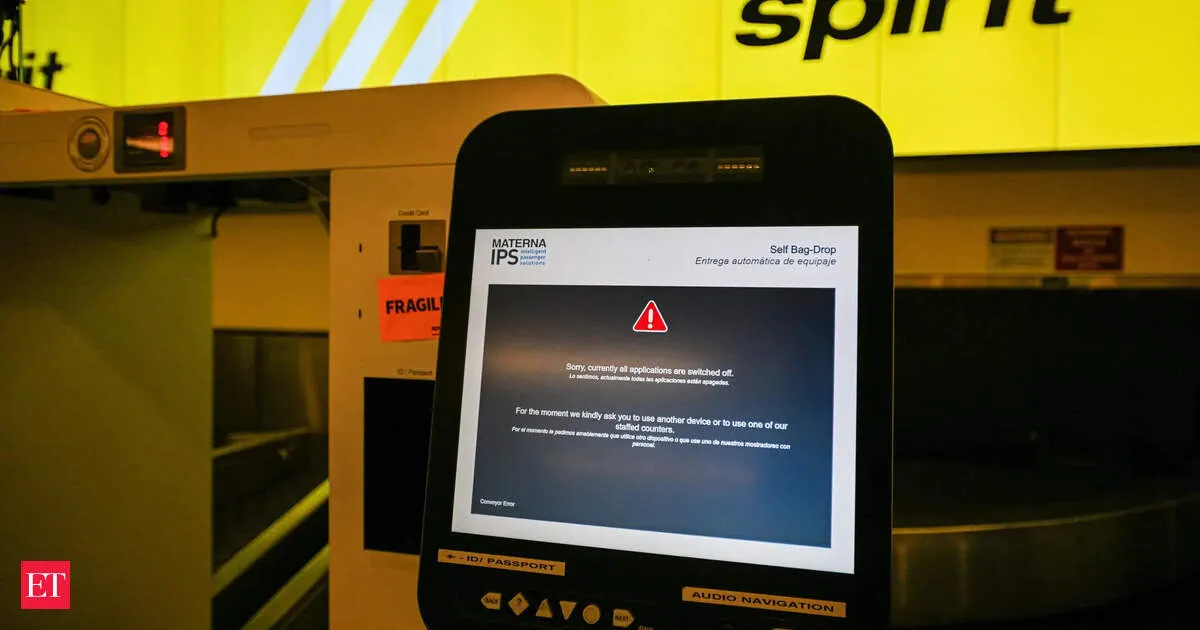
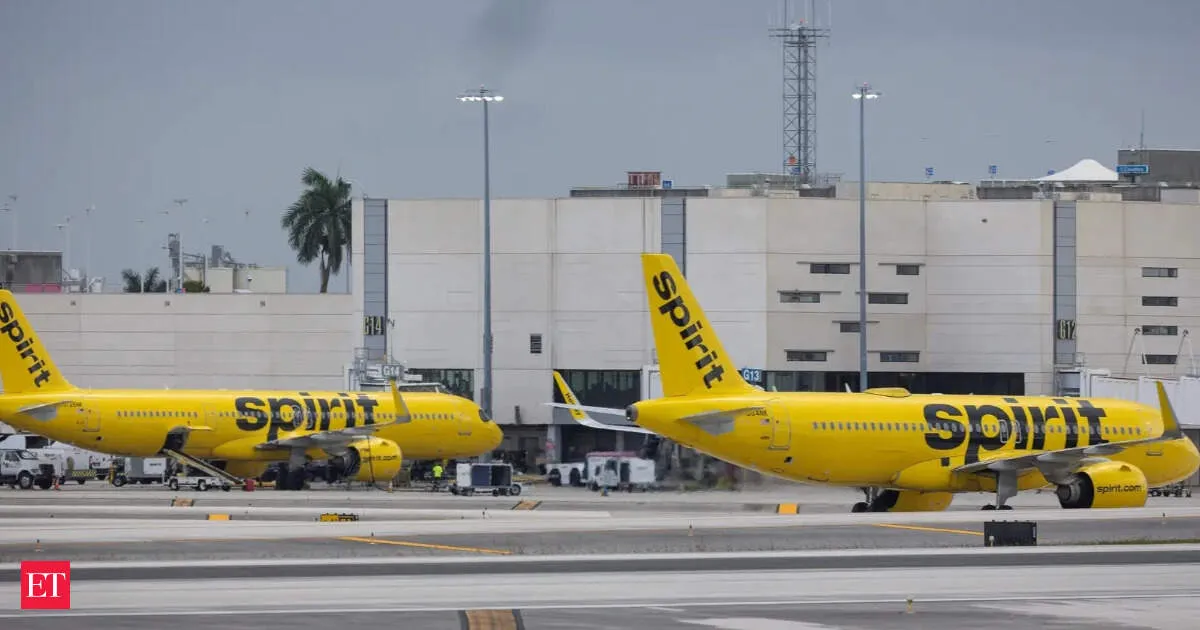
Spirit Airlines has shut down operations, the first collapse tied to the Iran war amid a spike in jet fuel prices. The U.S. government announced a relief plan for affected travelers and the airline’s 17,000 employees. Major carriers are capping ticket prices and offering reduced fares, while employee support includes job-interview opportunities.
President Trump has signaled interest in the government taking over or holding stakes in some US companies, framing it as a financial win that can strengthen the economy and enhance national economic security. The thinking also aims to improve competitiveness against China—an approach that contrasts with traditional Republican skepticism toward government ownership. Yet the proposal did not translate to Spirit Airlines.
US cybersecurity officials are considering a major shift: cutting the deadline for government agencies to patch serious IT flaws from two weeks to just three days. The proposal is driven by new AI-powered tools that can locate and exploit vulnerabilities far faster than before, forcing quicker remediation to keep defenses ahead of evolving cyber threats.
Reading on mobile?
Open Beige in the app for a smoother experience — free on iOS and Android.
The US government’s stake in Intel has jumped about 300%, reaching $36 billion. The deal, announced in August, implies an almost $27 billion paper return. Intel CEO Lip-Bu Tan reportedly secured the investment after a charm offensive to rebuild relations with President Donald Trump, who had earlier called for Tan’s ouster.
The US government is exploring a plan to support Spirit Airlines, including the possibility of using the Defense Production Act to unlock financial assistance. The goal is to keep the airline running for passengers and staff while Spirit seeks urgent new funding. A court hearing is set to review the bankruptcy exit plan as creditors assess the administration’s offer.
US agencies are preparing to deploy Anthropic’s frontier AI model Mythos across federal departments even after a Trump-era decision to cut ties. The move is raising alarms among cybersecurity experts and adding fuel to political tensions between administrations, as Mythos is expected to power sensitive government workflows and information handling. The rollout’s scope and safeguards remain unclear.
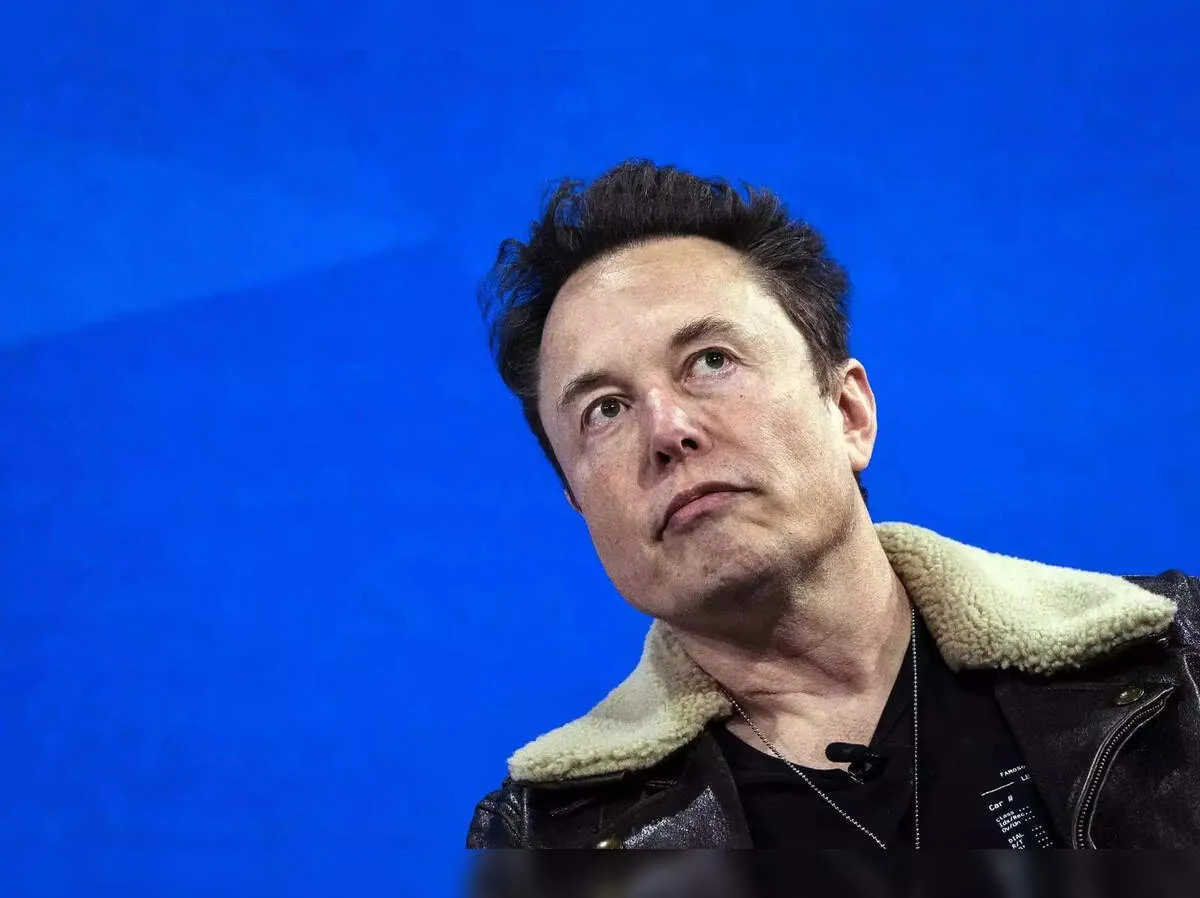
Elon Musk, speaking on the tech podcast All In, where venture capitalists host, described his time at the White House as a “one hell of a side quest.” The remark came alongside a blunt view that government is “unfixable,” reflecting his experience from a high-profile role linked to Donald Trump and DOGE.
Follow your favourite sources
Track sources, tags and categories — all in the Beige app.
Swipe through stories, personalise your feed, and save articles for later — all on the app.