A new federal education tax credit could return up to $1,700 to eligible Americans. The program is tied to approved education scholarship donations, offering taxpayers a way to reduce taxes while supporting students’ access to school funding. With more states expected to join, the benefit is emerging as a major 2026 tax story for families looking to maximize education-related savings.
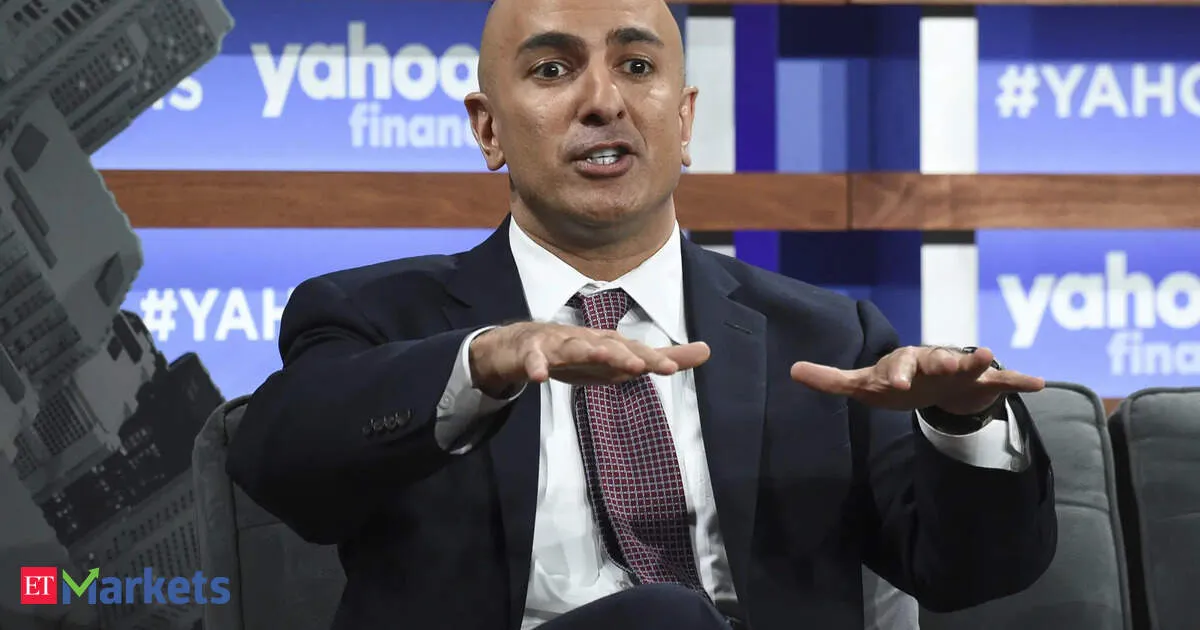
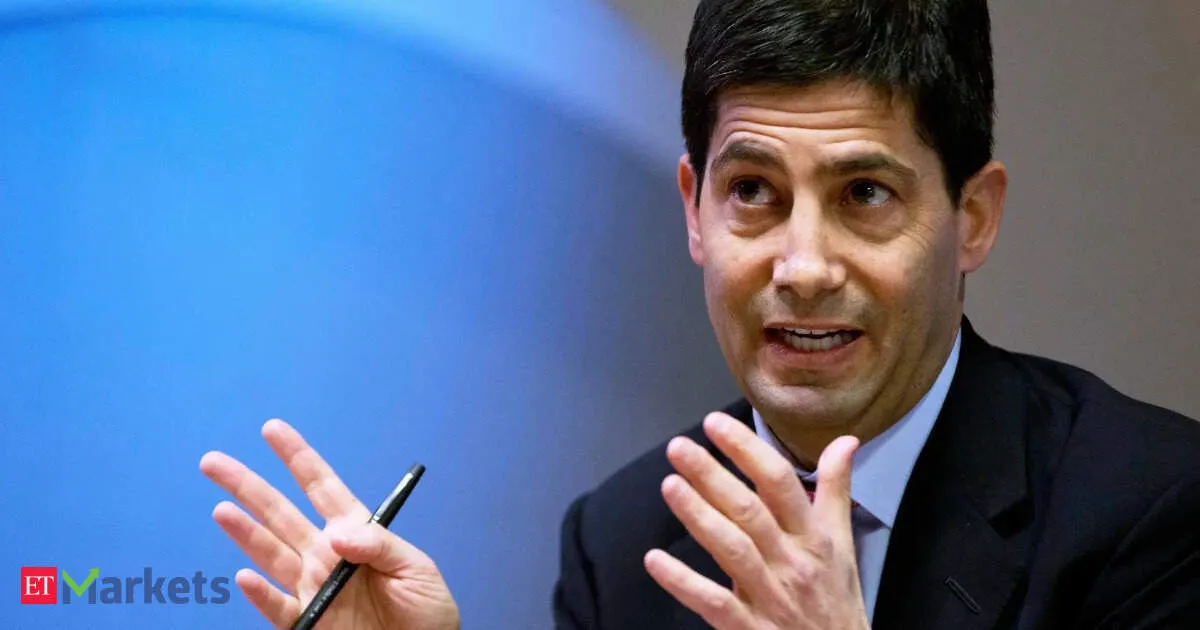
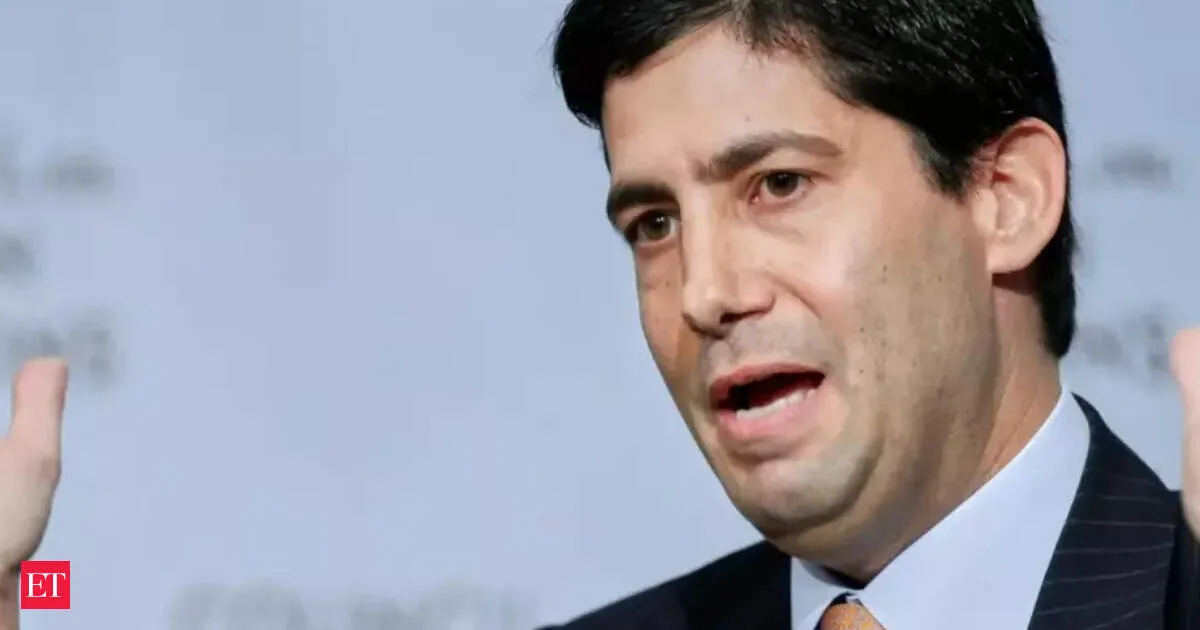
Minneapolis Fed President Neel Kashkari said the Fed is “dead serious” about bringing inflation down, while offering a cautiously positive view of the US labor market. He pointed to the Iran conflict as a major source of inflationary pressure, meaning additional interest rate increases could still be on the table.
Your news, in seconds
Get the Beige app — every story in 60 words, updated hourly. Free on iOS & Android.
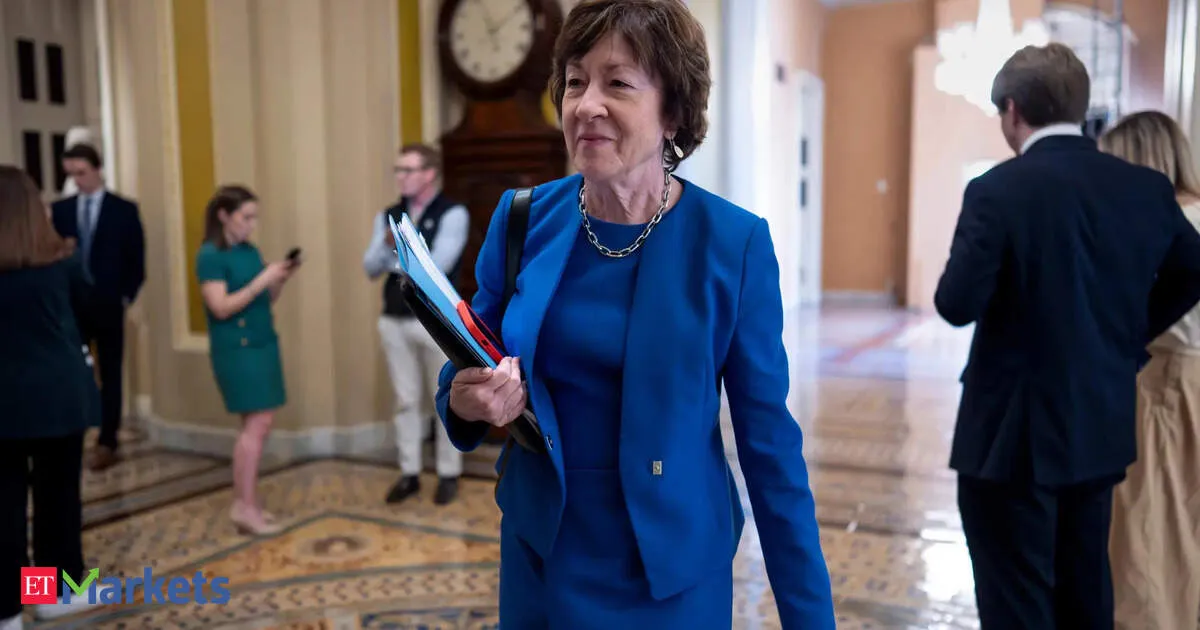
Boston Fed President Susan Collins said the Fed may need additional rate hikes if inflation remains stubborn. She pointed to the Middle East crisis as a potential accelerant, arguing that disruptions could push prices higher and complicate the path back to targets. The comments underscore how geopolitical risks can feed directly into monetary policy decisions and inflation expectations.
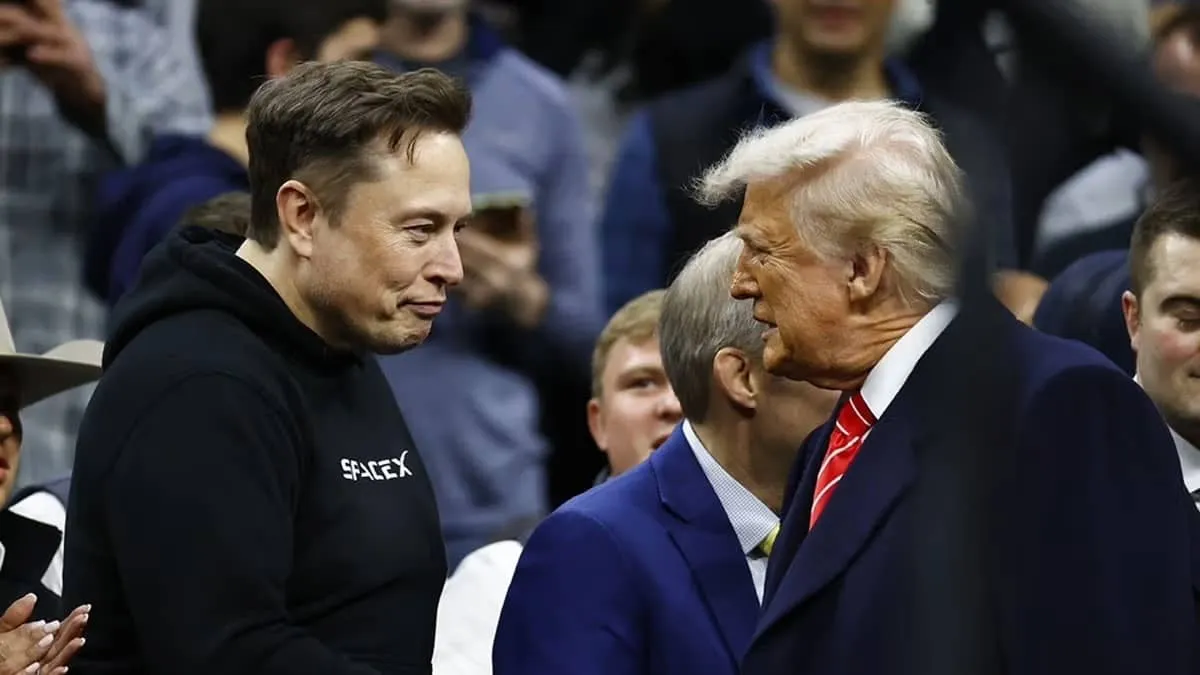
Donald Trump is set to begin a tense state visit to China with Melania Trump and 17 top US business leaders, including Elon Musk and Tim Cook. The trip comes as global markets watch the fallout from the Iran conflict, while Washington and Beijing aim to discuss economic and energy cooperation with Xi Jinping.
Washington is considering a wave of legislative proposals aimed at tightening the H-1B program and the broader skilled-immigration pipeline. Measures discussed under bills such as the End H-1B Visa Abuse Act 2026 include pauses on hiring, lower caps, mandated higher salaries, and ending Optional Practical Training—changes that could reshape tech and talent supply chains.
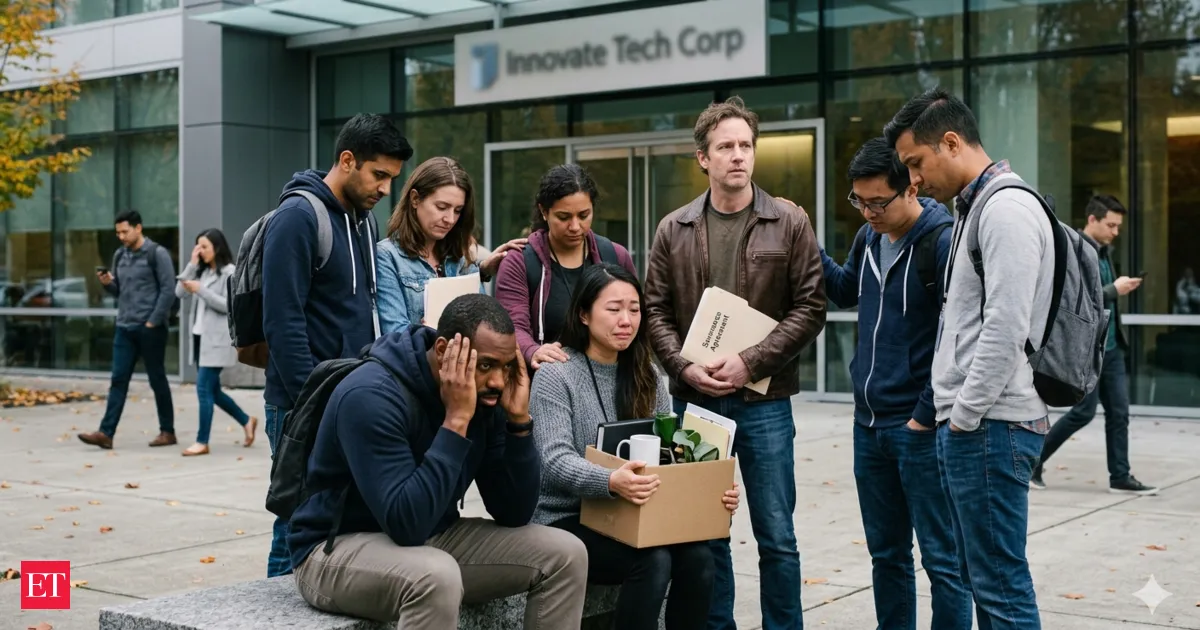
By May 2026, more than 92,000 tech jobs have disappeared, with April bringing the worst layoffs in two years. Meta, Microsoft, and Amazon are cutting headcount, blaming AI-driven efficiencies and past over-hiring. Yet the same companies are pouring money into AI expansion, underscoring a shift where fewer roles may remain even as spending rises.
Never miss a story
Set alerts for the topics and sources you care about. Download Beige for free.
The US Treasury is projected to borrow over $2 trillion in fiscal year 2026, with deficits staying above 6% of GDP. That implies $166–$181 billion of new debt each month, while interest payments alone hit $530 billion in just six months. With national debt around $38.91 trillion, reaching a 3% deficit target would require about $10 trillion in cuts over a decade.
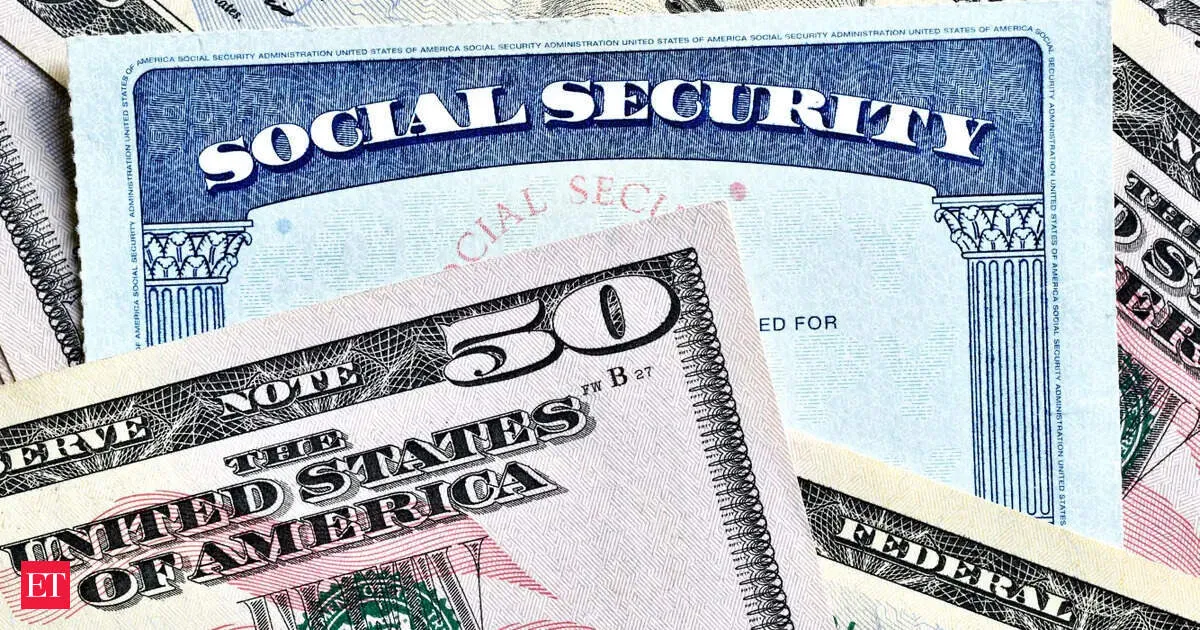
Men’s average Social Security benefit is projected around $2,282 per month in 2026, and that figure is real and current. But it still won’t fully cover costs for many retirees as inflation erodes purchasing power and expenses rise faster than benefits. Payments depend on 35 earning years, so the “average” can mislead.
Incoming Fed leader Kevin Warsh says curbing the release of Federal Reserve meeting transcripts could improve the quality of debate behind monetary policy. In an upcoming book, Warsh argues the transparency practice—used for decades—may actually weaken deliberations needed for better decisions, echoing his broader push to overhaul the Fed’s approach and structure.
Bank of America says the US economy currently has “two tailwinds” consumer spending and an AI investment surge, but only one “risk.” A conflict involving Iran could disrupt energy supplies and push inflation higher, threatening the conditions that power both household demand and costly AI expansion in the months ahead.
Reading on mobile?
Open Beige in the app for a smoother experience — free on iOS and Android.
US job openings edged down in March, but hiring rose sharply—an unusual split that points to a job market regaining momentum. The relative stability is reinforcing expectations that the Federal Reserve may keep interest rates unchanged, even as inflation worries linger. Meanwhile, geopolitical tensions add fresh uncertainty to the economic outlook.
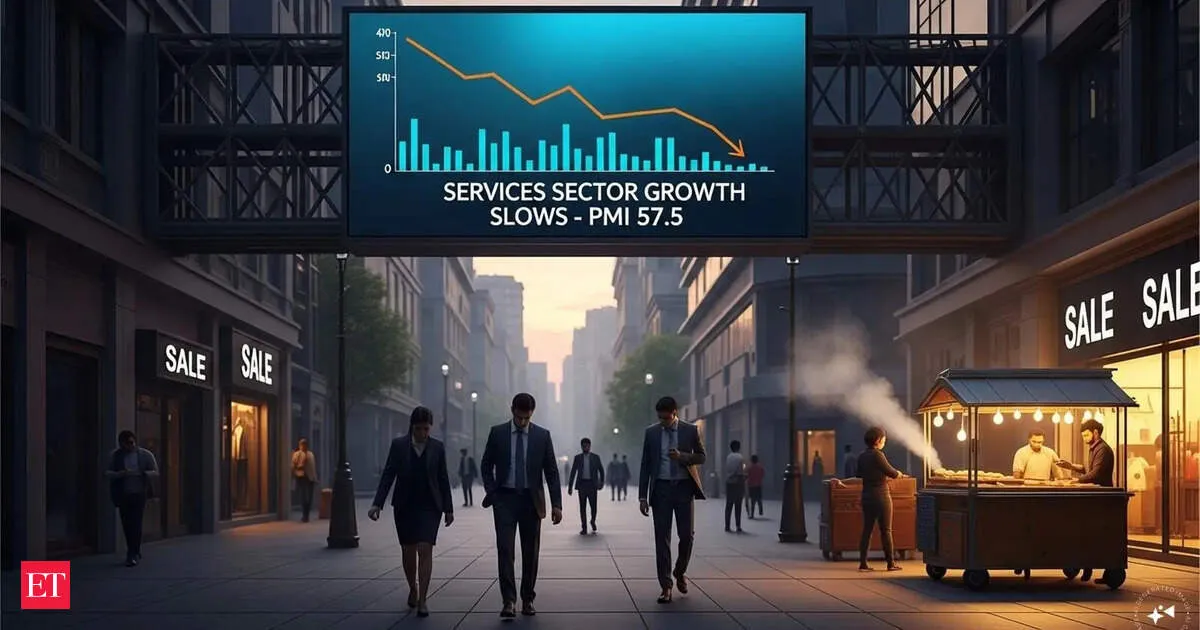
US services activity cooled in April as the prices index stayed elevated, with diesel, gasoline and oil costs rising amid Middle East-driven energy pressure. Construction buyers are squeezed by high interest rates, inflation and oil supply issues, forcing sellers to lean on discounts and rate buy-downs to keep deals moving.
Donald Trump sharply criticized Fed Chair Jerome Powell, calling him a “disaster” as US mortgage rates remain above 6.5% and fluctuate frequently. The pressure comes amid stubborn inflation, global conflict, and signs of economic slowdown, while market expectations can shift even when the Fed isn’t meeting. Home buyers are watching closely, often delaying decisions.
US factory orders rose more than expected in March, signaling a stronger manufacturing tailwind than markets had forecast. The surprise came largely from a surge in electronic product demand, linked to expanding investments in artificial intelligence. Economists say this improvement could influence near term industrial momentum, even as broader economic risks remain in view.
Follow your favourite sources
Track sources, tags and categories — all in the Beige app.
Spirit Airlines is reportedly preparing to cease operations after a crucial $500 million government rescue deal collapsed. The airline also failed to unlock $240 million in restricted cash needed to keep flying. With Spirit’s potential exit from routes, analysts warn ticket prices could rise as capacity tightens and travelers have fewer low-cost options.
Federal Reserve Bank of Cleveland President Beth Hammack dissented against the Fed’s decision to keep an easing bias, saying it is no longer appropriate due to uncertainty in the economic and inflation outlook. Her stance highlights a growing internal debate on whether policy messaging should lean toward rate cuts while key indicators remain difficult to read.
Apple is reportedly chasing refunds for tariffs it paid to the US government. CEO Tim Cook says any recovered money will be reinvested to spur American innovation and strengthen advanced manufacturing, aligning with Apple’s existing US investments. The move also echoes efforts by major automakers, which are reportedly seeking similar tariff refunds.
The US Commerce Department says the Personal Consumption Expenditures Price Index rose in line with market expectations in March. With inflation data coming in as forecast, the reading offers President Donald Trump a potential lift at a time when his approval ratings have reportedly fallen sharply. Traders and policymakers will now watch whether the trend persists.
Stay informed on the go
Bite-sized news from 100+ trusted sources, right in your pocket.
The US economy grew at a modest 2% annual pace in the first quarter of 2026, rebounding from a weak 0.5% expansion following a federal shutdown. Government spending jumped, and business investment rose 8.7%, partly powered by artificial intelligence. But consumer spending slowed to 1.6%, leaving the growth mix mixed going into what may be a volatile period.
Ahead of Kevin Warsh taking the helm, the US Federal Reserve is already wrestling with sharp internal disagreement among policymakers. In the meantime, the Fed has chosen to keep its policy rate unchanged. Warsh’s stated approach is to push for more open debate inside the institution, but the current split suggests the fight over the next steps may start immediately.
Swipe through stories, personalise your feed, and save articles for later — all on the app.