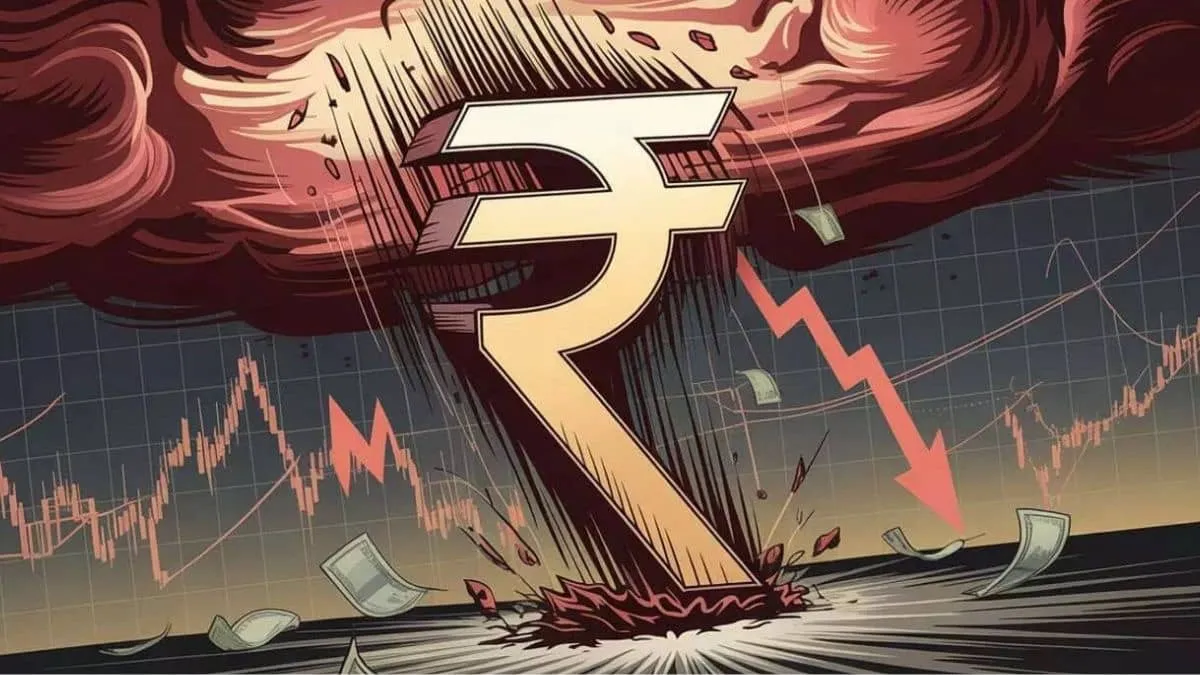
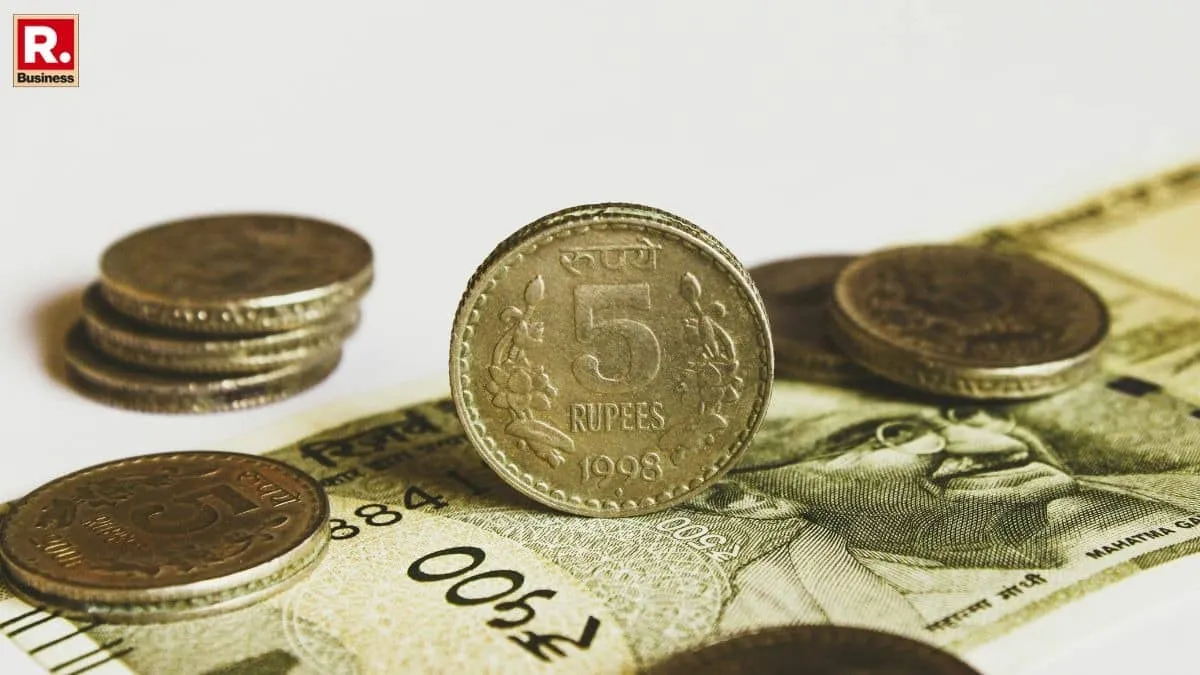
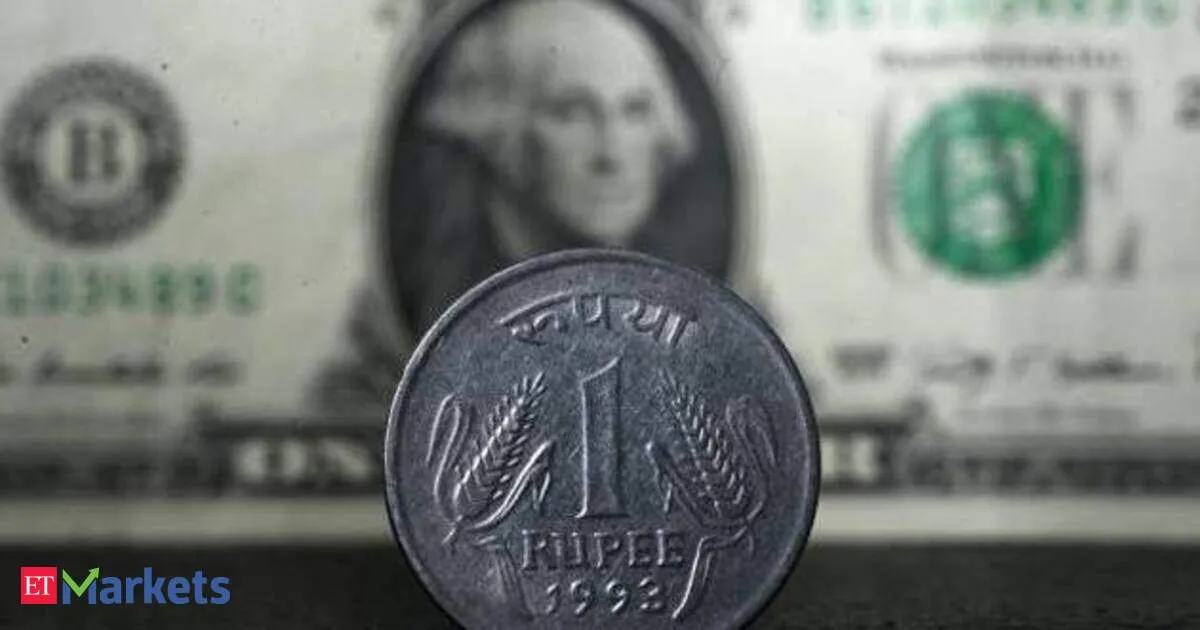
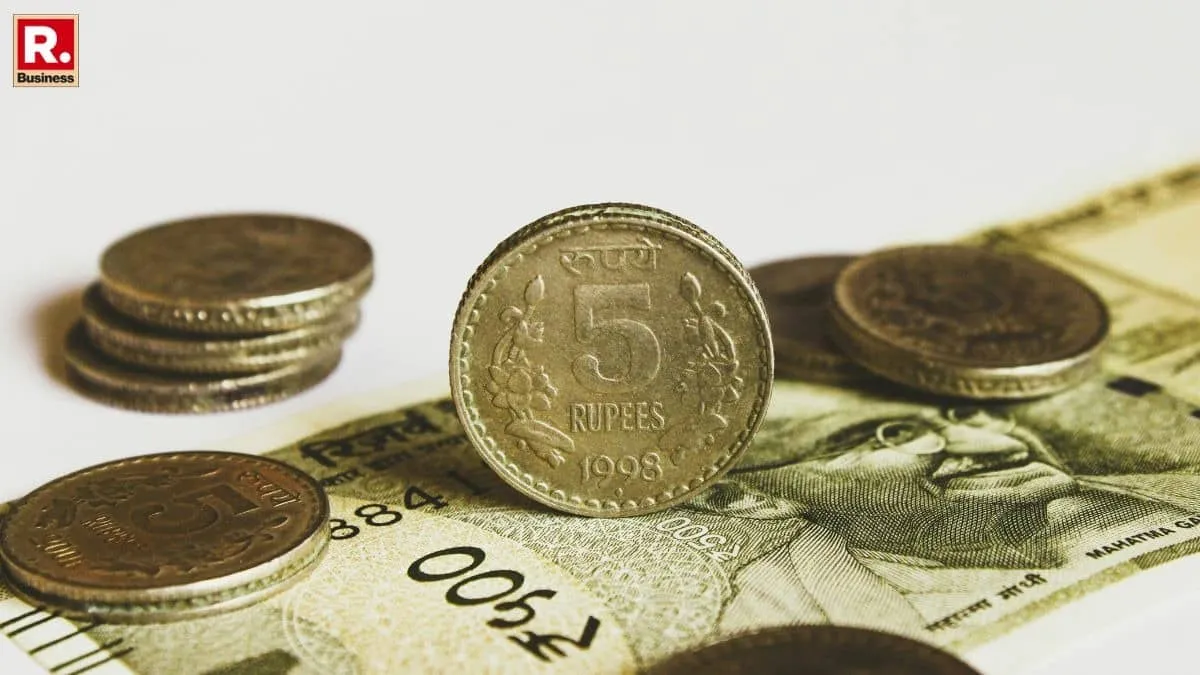
The Indian rupee slid to a lifetime low of 96.05 per US dollar on Friday, driven by crude prices hovering near $110 a barrel. Union Bank of India links the fall to a mix of elevated energy costs, aggressive capital outflows and a resurgent dollar. Stronger-than-expected US Non-Farm Payrolls lifted Treasury yields and the DXY, weakening emerging market currencies. Meanwhile, India’s trade deficit remains wide, with foreign exchange reserves lower than February levels.
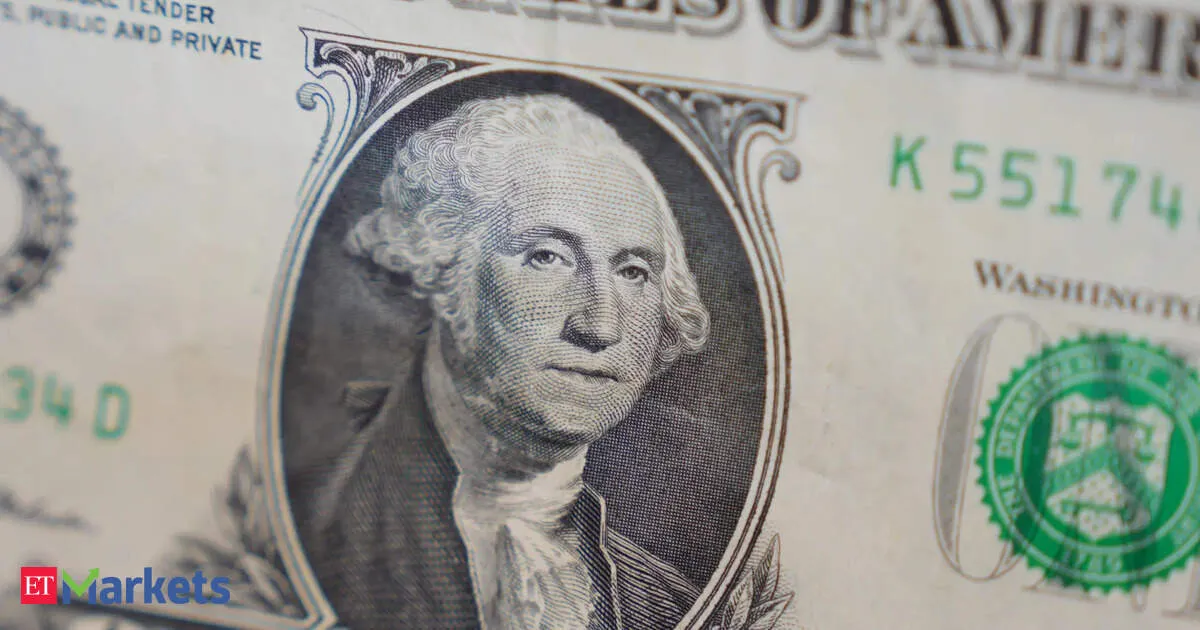
The U.S. dollar climbed to a two-month high, on track for its largest weekly gain in more than two months. Fueling the move were rising energy prices and shipping disruptions that are stoking inflation fears, alongside firmer growth signals such as retail sales and stable jobless claims. Those factors have pushed markets to price a December Fed rate hike more aggressively. Meanwhile, the U.S.-China summit delivered cautious signals, with attention on Strait of Hormuz reopening and possible Chinese interest in U.S. oil.
Your news, in seconds
Get the Beige app — every story in 60 words, updated hourly. Free on iOS & Android.
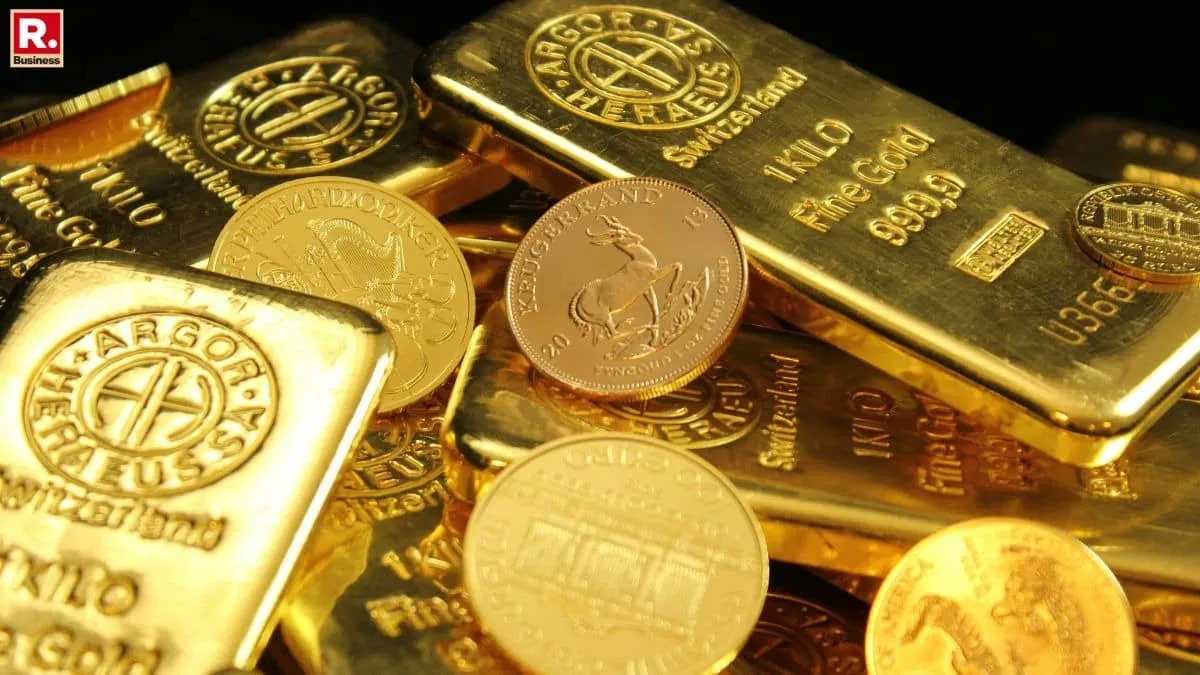
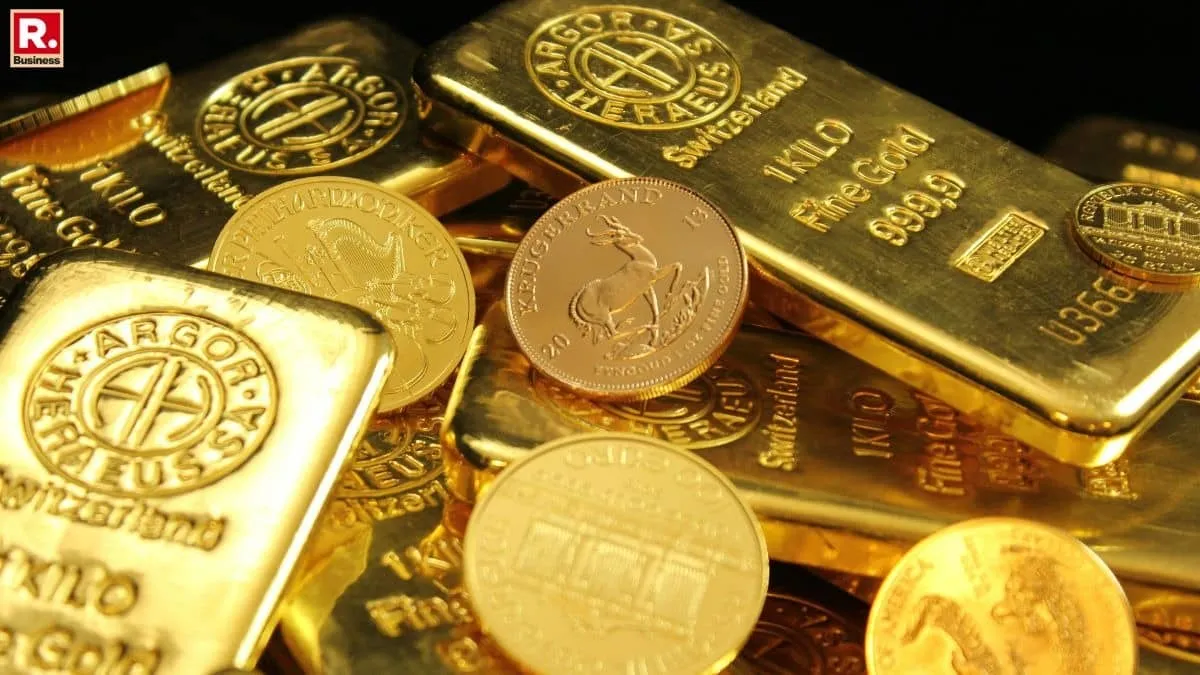
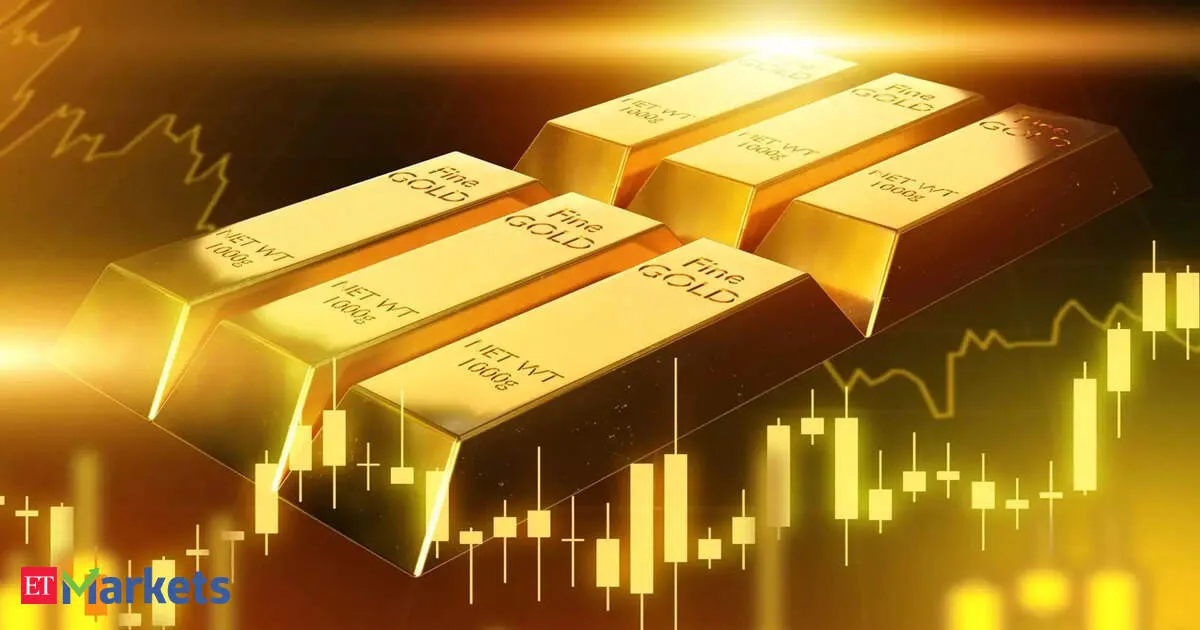
Gold edged higher as a weaker US dollar boosted demand, while markets tracked potential outcomes from Trump Xi meetings. Investors also kept an eye on signals tied to the Iran war, seeking clues on risk and policy shifts. Spot gold inched up to about $4,706.70 per ounce, reflecting cautious optimism alongside geopolitical uncertainty.
The US dollar strengthened Thursday as higher Treasury yields and safe-haven buying pulled investors toward the currency. Trading looks heavily influenced by expectations of additional Federal Reserve rate hikes this year. Attention is also on Trump and Xi meeting in Beijing, while the offshore yuan stayed near a three-year high as US inflation data hinted at renewed price pressure.
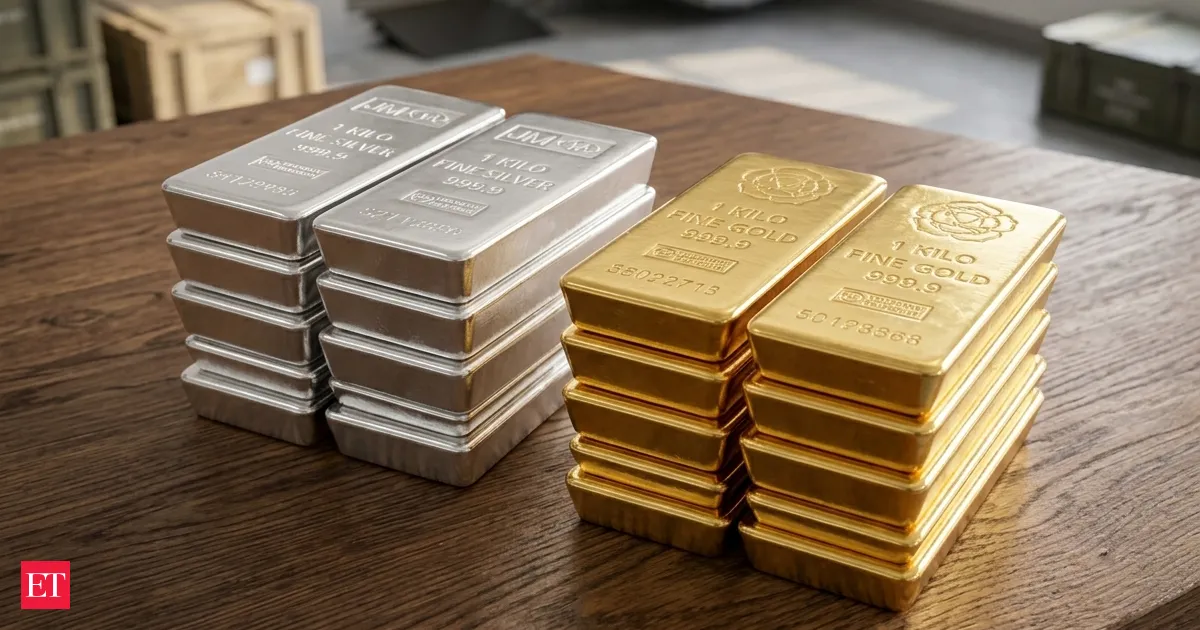
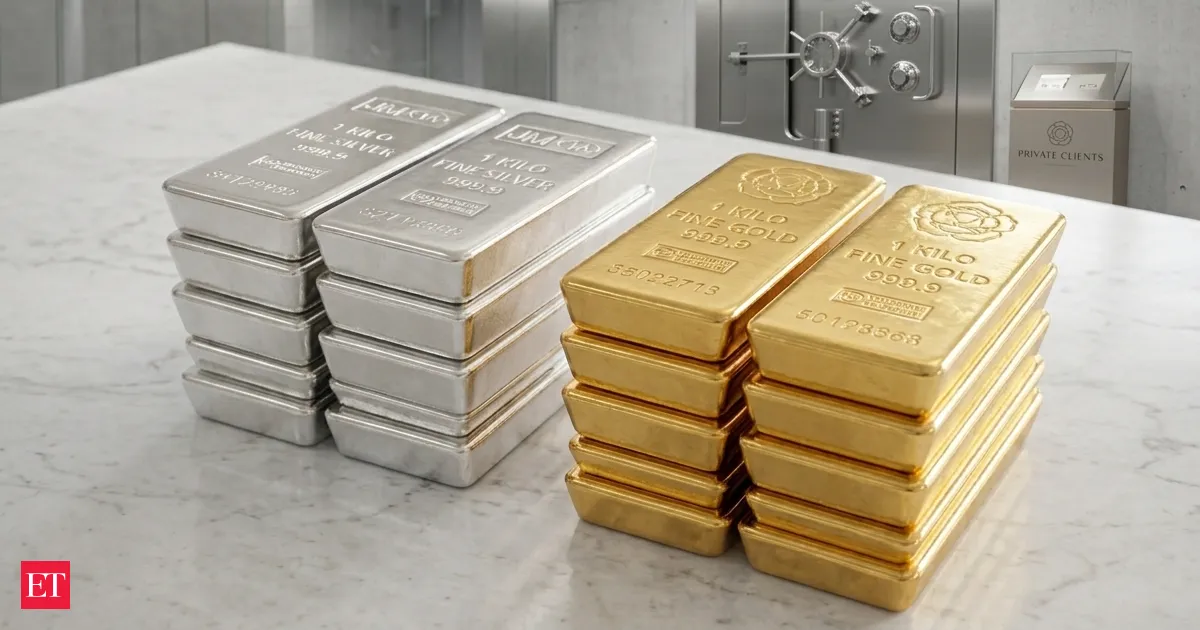
Gold and silver prices fell after stronger US inflation data dialed back hopes for interest rate cuts. A firmer US dollar further weighed on demand for bullion. Investors now look to upcoming producer price data and a Trump Xi meeting for new signals, as markets reassess inflation risks and geopolitical tensions that could sway gold, silver, platinum, and palladium.
The rupee weakened sharply, falling to an intraday record low of 95.74 against the US dollar as markets moved into risk-off mode. Sentiment deteriorated after US President Donald Trump rejected Iran’s latest peace proposal, raising uncertainty over oil supplies. Analysts warn the shock could intensify currency pressure and strain India’s growth outlook.
Never miss a story
Set alerts for the topics and sources you care about. Download Beige for free.
The Indian rupee fell to a record low, slipping to about 95.74 per US dollar as overseas debt repayments and importer hedging continued to drain demand for the domestic currency. The move wiped out any potential support from higher gold import duties, with persistent outflows keeping pressure on forex markets despite brief relief hopes.
The US dollar strengthened on Tuesday as stalled Middle East ceasefire talks reduced optimism and lifted oil prices toward $105. Investors moved toward safer assets and warned that persistent energy shocks could keep inflation pressure elevated, forcing interest rates to stay higher for longer. Traders are now watching whether geopolitical tensions intensify further.
The Indian rupee hit a fresh record low of 95.32 against the US dollar in early Tuesday trade, after opening at 95.10. The slide is being driven by a jump in global Brent crude prices, now above $105 per barrel, alongside continued selling by foreign portfolio investors. Rising energy costs are adding fresh pressure on the currency.
The U.S. dollar steadied as fears of renewed Middle East conflict pushed investors toward safety while oil prices climbed. Traders are watching for inflation pressures that could delay potential interest rate cuts. With diplomacy showing limited progress, markets are waiting on key U.S. inflation data and developments around President Trump’s China visit.
Reading on mobile?
Open Beige in the app for a smoother experience — free on iOS and Android.
Gold rose for a third straight session as a softer US dollar boosted buying interest. The gains were also supported by expectations of a potential US Iran peace deal, adding a geopolitical tailwind to markets. Analysts say prices may stay rangebound near $4,600 to $5,100 an ounce in the near term, even as momentum builds.
The Indian rupee snapped a five-day losing streak on Wednesday, rising 23 paise in early trade to open near 94.95 against the U.S. dollar. After earlier volatility pushed it to record lows above 95, easing global Brent crude prices—linked to peace hopes—helped improve market sentiment for India’s import-heavy economy.
Gold and silver slid today as a stronger US dollar and a spike in oil prices shifted investor focus away from precious metals. Rising Middle East tensions have rekindled inflation fears, while markets now expect fewer interest rate cuts. Thin holiday trading volumes also muted price action. Analysts expect metals to trade range-bound, driven by shifting inflation and rate expectations.
The US dollar has weakened by about 10% since early 2025, and the price pressure is showing up across daily life. Americans are paying more for imported goods and travel-related costs, while large multinationals with overseas operations may benefit. Smaller domestic businesses and households feel the squeeze most directly.
Follow your favourite sources
Track sources, tags and categories — all in the Beige app.
Japan reportedly spent more than $30 billion to support the yen after it hit its weakest level versus the dollar in years. Officials had previously hinted at possible action, and the intervention appears to be Japan’s first since 2024. The goal is to stabilize the currency amid global economic pressures and volatile market conditions.
Gold is trading flat in a tight $4,600 to $4,800 band for almost two months, even as geopolitical risks keep the market on edge. Analysts point to a tug of war: high interest rates and a strong US dollar are limiting upside, while bullion demand from risk sentiment supports prices. A real breakout may hinge on central bank cues, so investors are urged to take a staggered approach.
Gold and silver prices rose as oil prices slipped and the US dollar weakened, making metals cheaper for global buyers. Market mood also improved after reports that Iran has sent a proposal for talks. Investors are now weighing the path of inflation, interest rates, and growth signals—while analysts debate whether upside targets like $4,800 gold and $90 silver are realistic.
Gold prices bounced back on Thursday as a weaker U.S. dollar supported the metal’s recovery from a one-month low. Yet investors remain cautious: higher oil prices are stoking inflation concerns and keeping expectations of prolonged higher interest rates alive. Meanwhile, global gold demand increased 2% year-on-year in Q1 2026, powered by bar and coin purchases alongside central bank buying.
Stay informed on the go
Bite-sized news from 100+ trusted sources, right in your pocket.
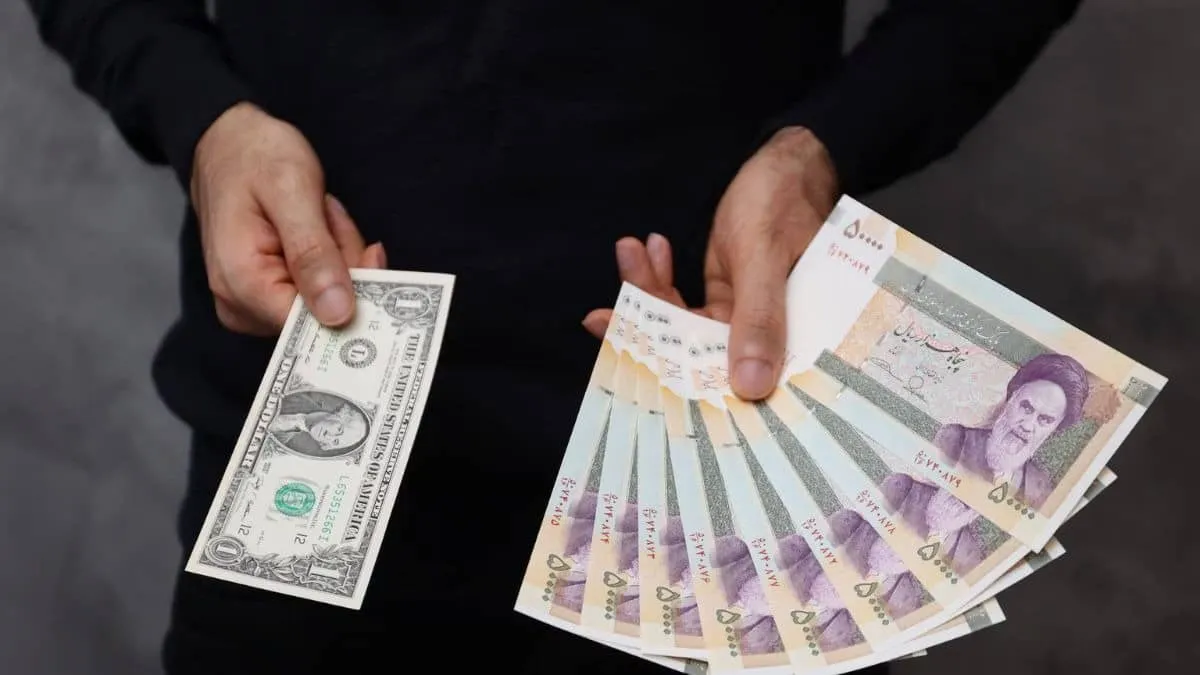
Iran’s rial has plunged to a record low, crossing 1.8 million per US dollar as the economy struggles to recover. The slide is unfolding alongside a fragile ceasefire involving Tehran, Washington, and Tel Aviv, which has so far failed to restore stability after recent conflict and a naval blockade. Traders and households face growing pressure as prices and confidence worsen.
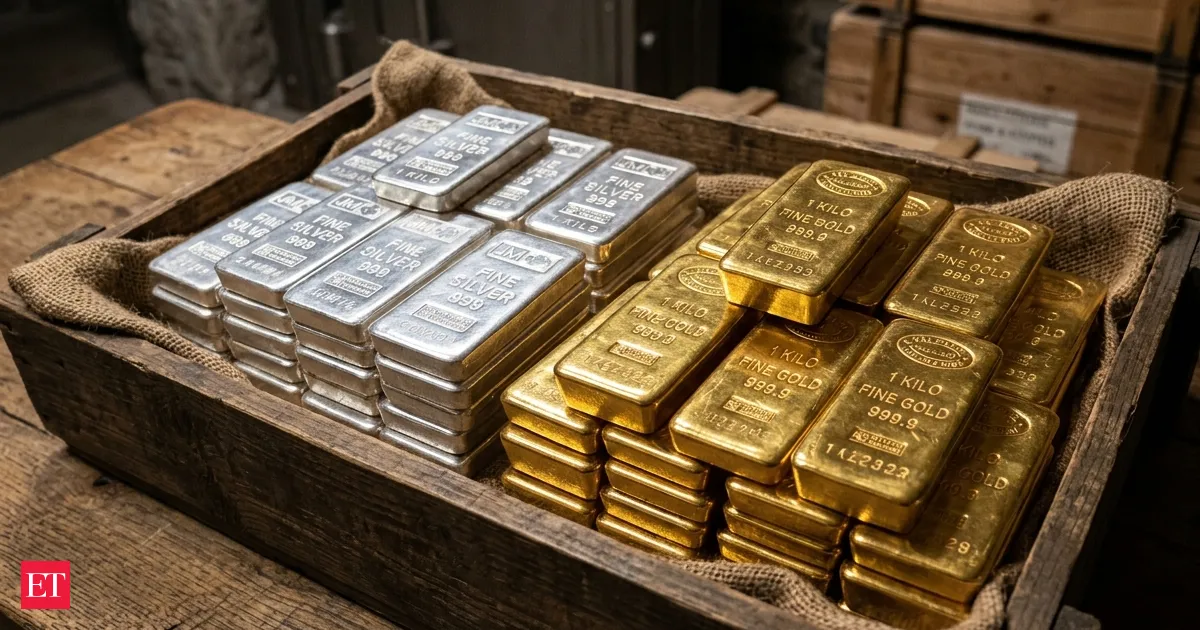
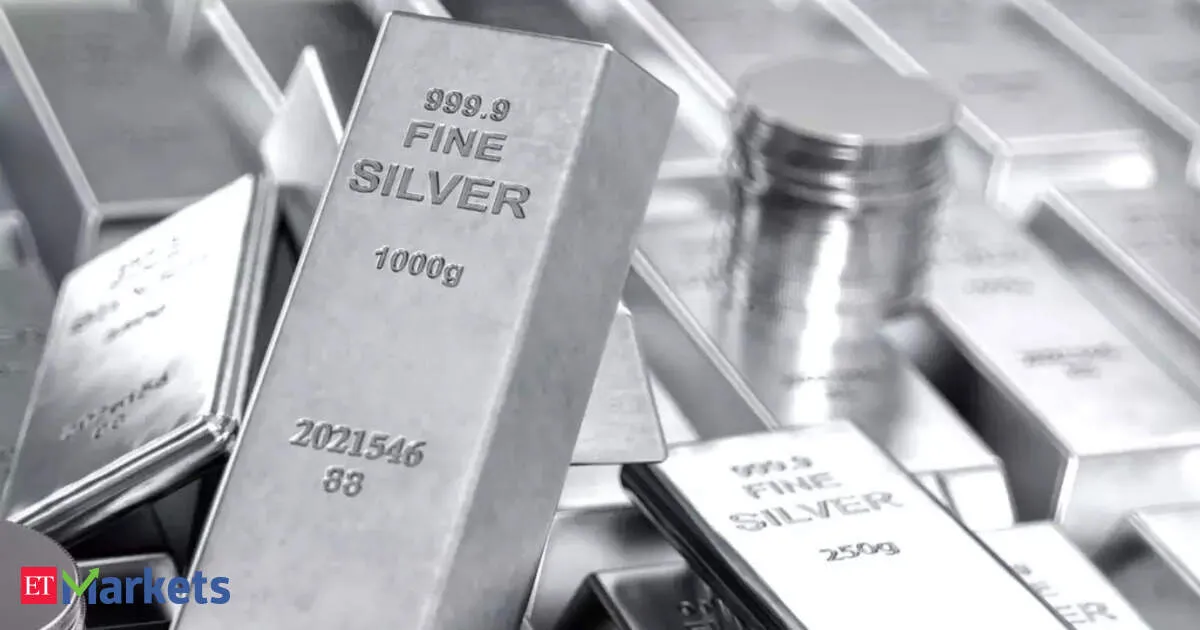
Silver prices fell in futures trade on Wednesday, dropping Rs 1,137 to Rs 2.36 lakh per kilogram. Traders reportedly trimmed positions as concerns grew around elevated crude oil rates that could weigh on bullion demand. The decline also coincided with a strengthening US dollar, which typically pressures dollar-priced commodities like silver.
Swipe through stories, personalise your feed, and save articles for later — all on the app.