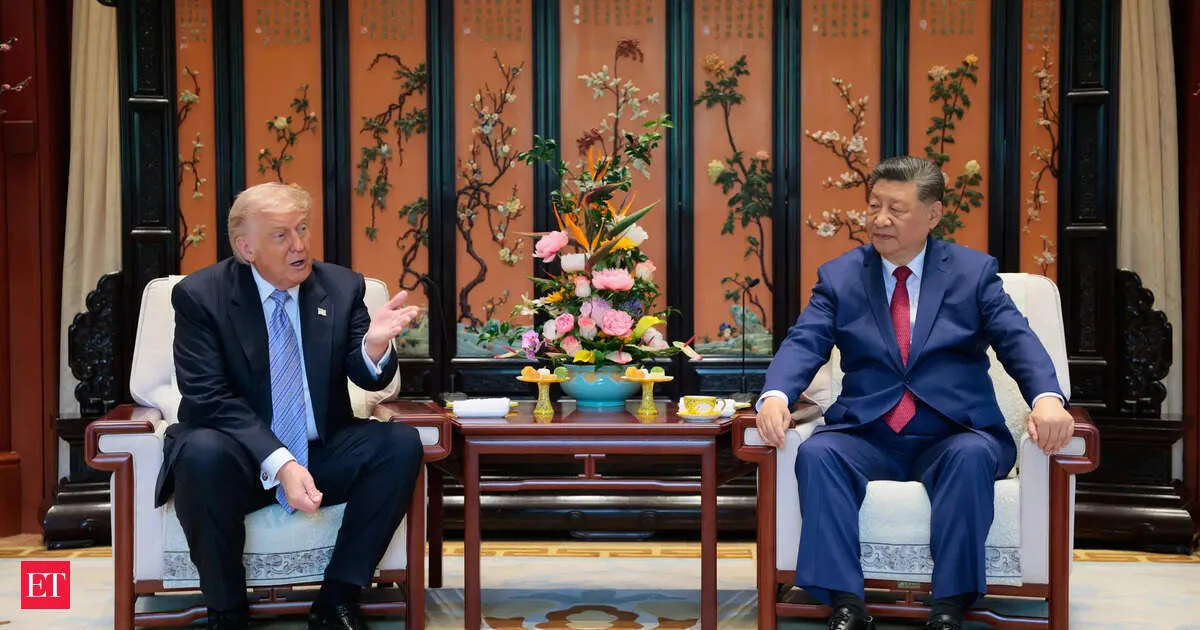
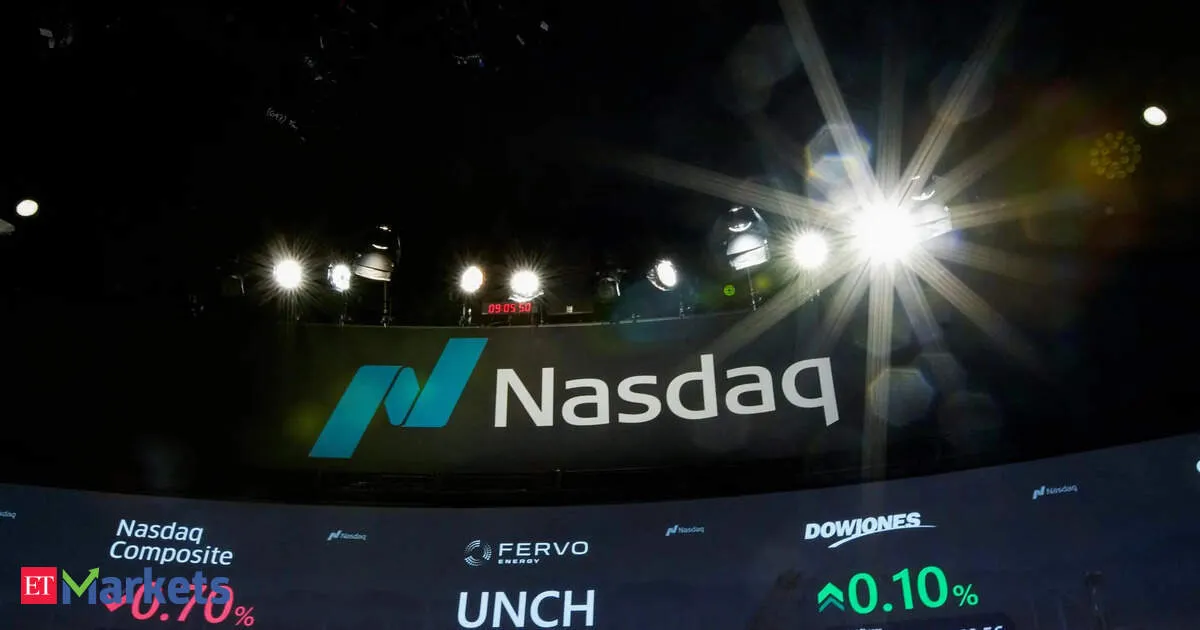
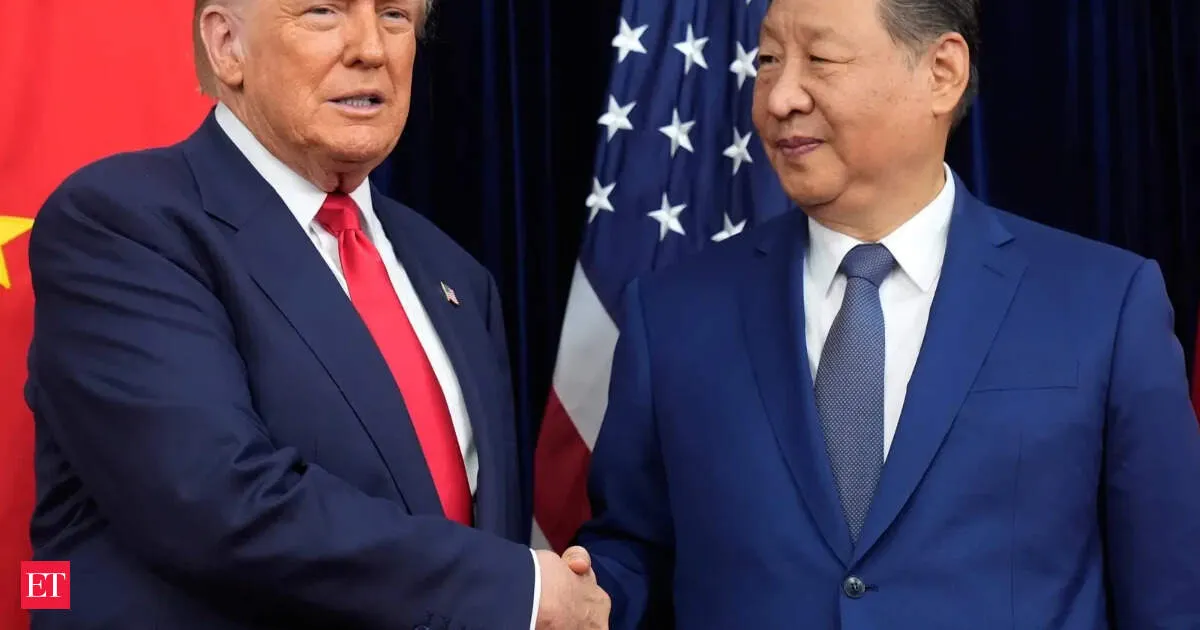
On May 15, 2026, Nvidia and Boeing shares fell sharply despite Trump’s Beijing summit headlines announcing a potential 200-plane Boeing order and H200 chip clearance for Nvidia. Nvidia slid 3.83% and Boeing 2.86%, while the PHLX Semiconductor Index dropped 3.55%. The catch: Beijing never formally confirmed the Boeing order, and Nvidia’s H200 export clearance lacks Chinese approval. Investors had priced in a more certain, larger deal, so the gap between announcement and confirmation triggered “buy the rumor, sell the news” selling.
S&P 500 and Nasdaq futures rose to new highs as Nvidia climbed in premarket trading. The stock gained 1.9%, lifting its valuation to about $5.9 trillion. Reuters, citing sources, reported the U.S. has cleared roughly 10 Chinese firms to buy Nvidia’s second-most powerful AI chip, the H200, fueling renewed market optimism.
Your news, in seconds
Get the Beige app — every story in 60 words, updated hourly. Free on iOS & Android.
China’s yuan climbed to a three-year high against the dollar as investors digested the lead-up to the Trump-Xi summit. Equities pulled back on profit-taking, while attention tilted to AI progress. Despite hopes for stability and a possible managed trade approach on non-sensitive goods, expectations remain low for major trade breakthroughs.
President Donald Trump’s upcoming China visit is expected to be less celebratory than his first term, with trade disputes and China’s economic ties to Iran adding friction. While Trump has long praised Xi Jinping, expectations for major breakthroughs are lower this time. The focus is likely to stay on securing deals for the US rather than dramatic new agreements.
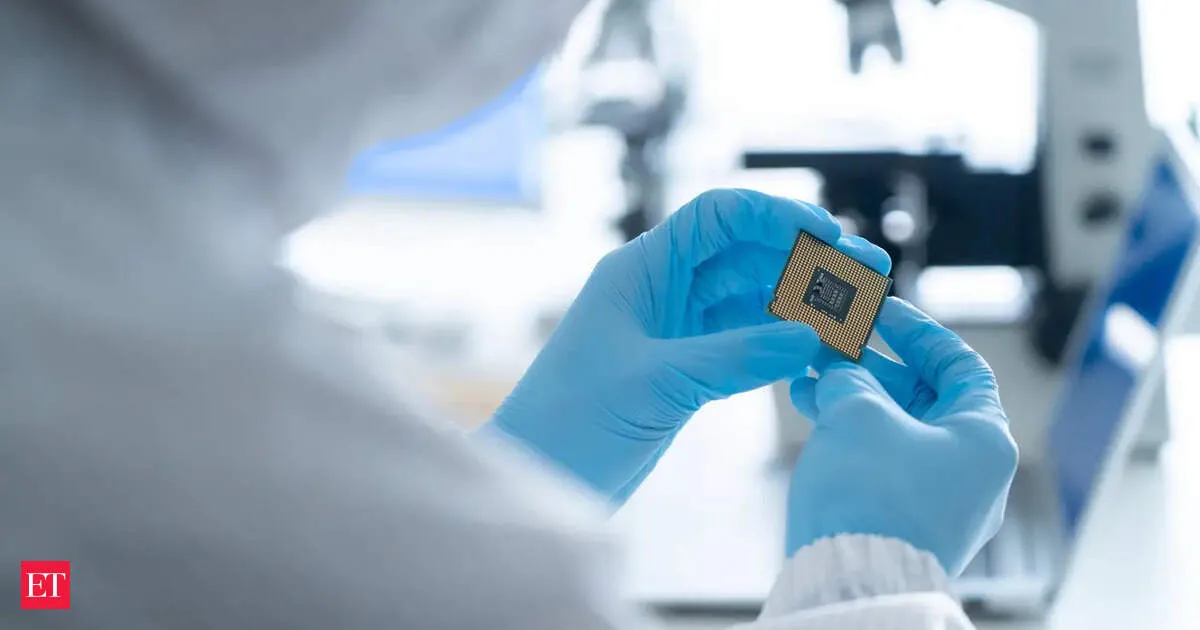
The US Commerce Department has directed several chip equipment companies to pause some shipments to China’s Hua Hong, widely seen as a key player in advanced chip production. Firms like Lam Research, Applied Materials, and KLA are reportedly affected. The restrictions are designed to slow China’s progress on cutting-edge, AI-focused chip capabilities and preserve US technological leadership.
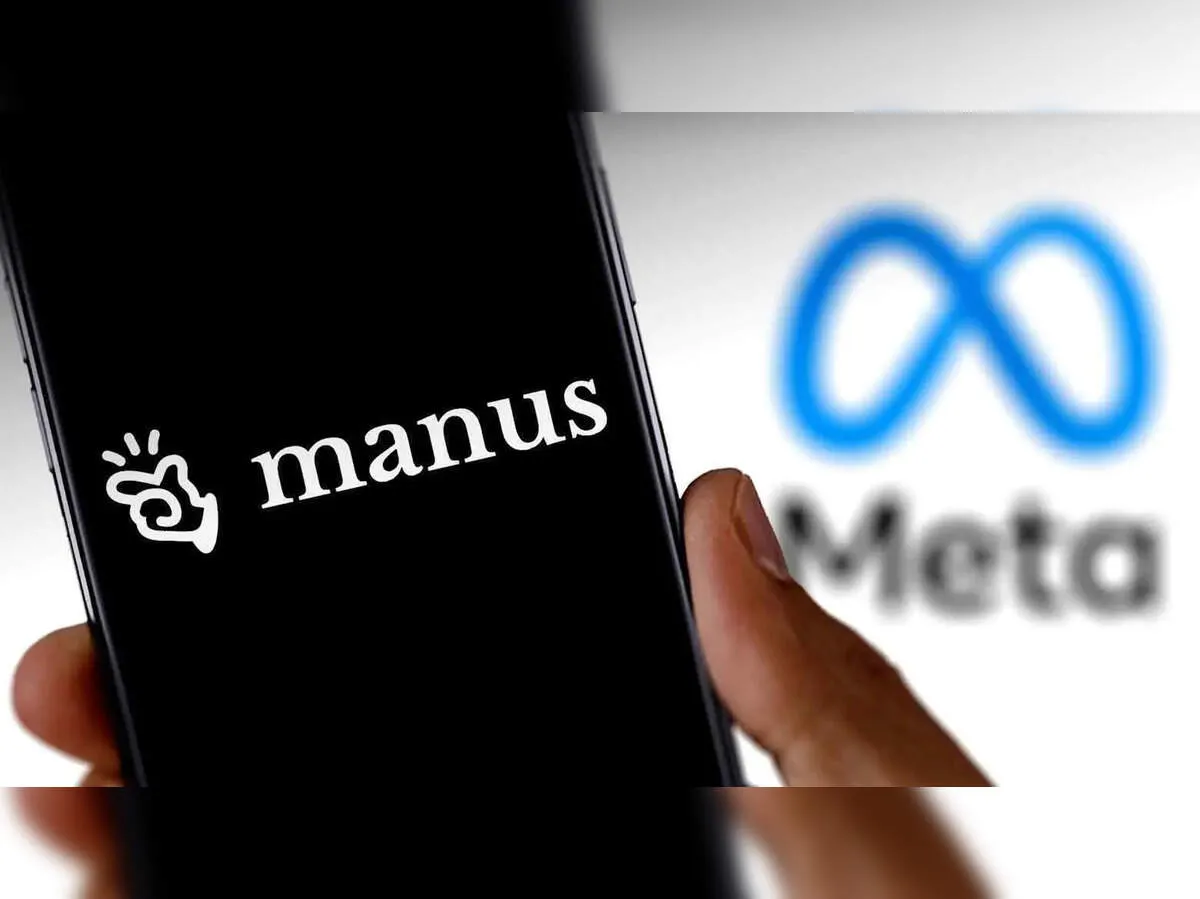
China has blocked Meta’s planned acquisition of the AI startup Manus, underscoring heightened scrutiny of tech-linked deals tied to China. The decision raises risk for global investors and discourages Chinese firms from transferring stakes or assets to foreign buyers without approval. For entrepreneurs and investors, it signals tougher cross-border barriers amid intensifying US China tech competition.
Never miss a story
Set alerts for the topics and sources you care about. Download Beige for free.
Swipe through stories, personalise your feed, and save articles for later — all on the app.