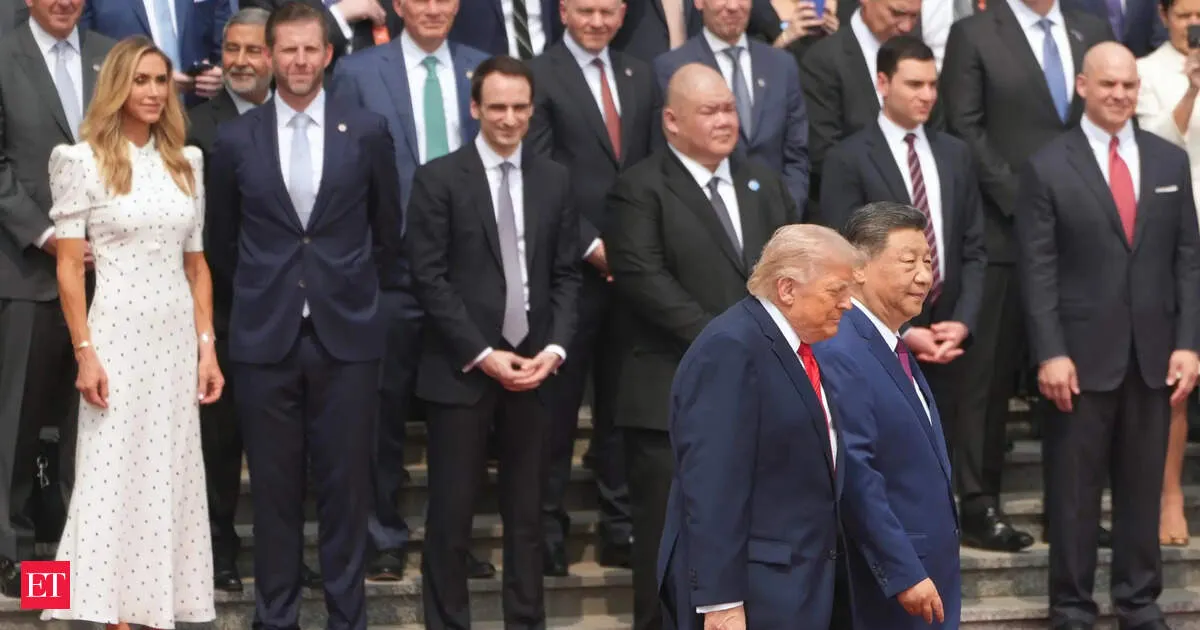
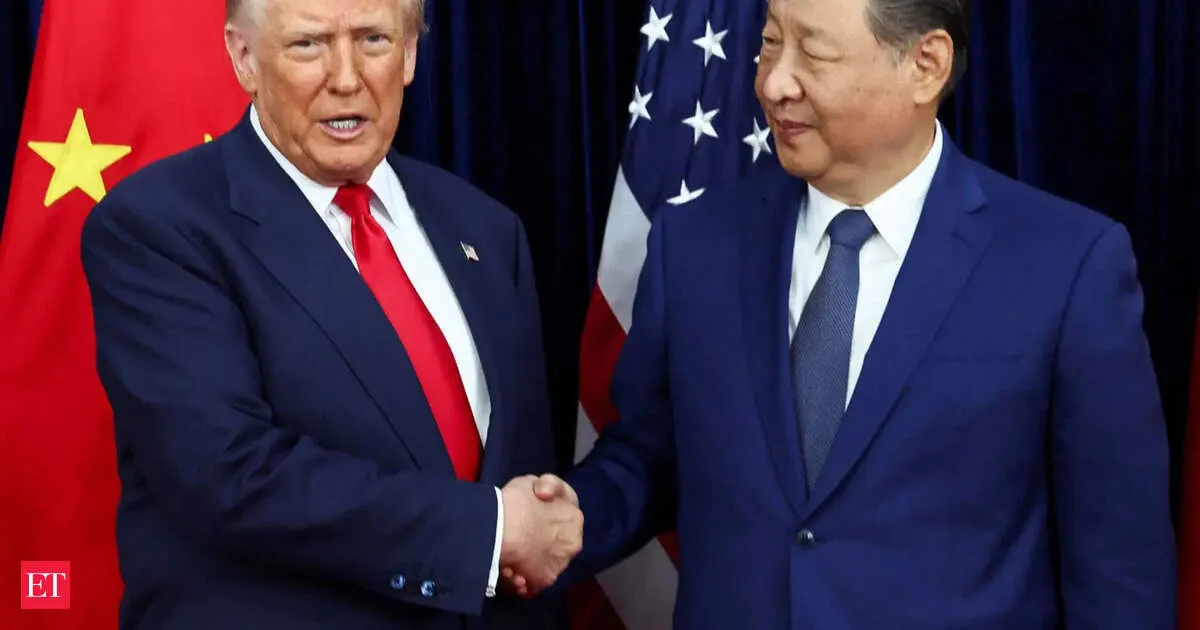
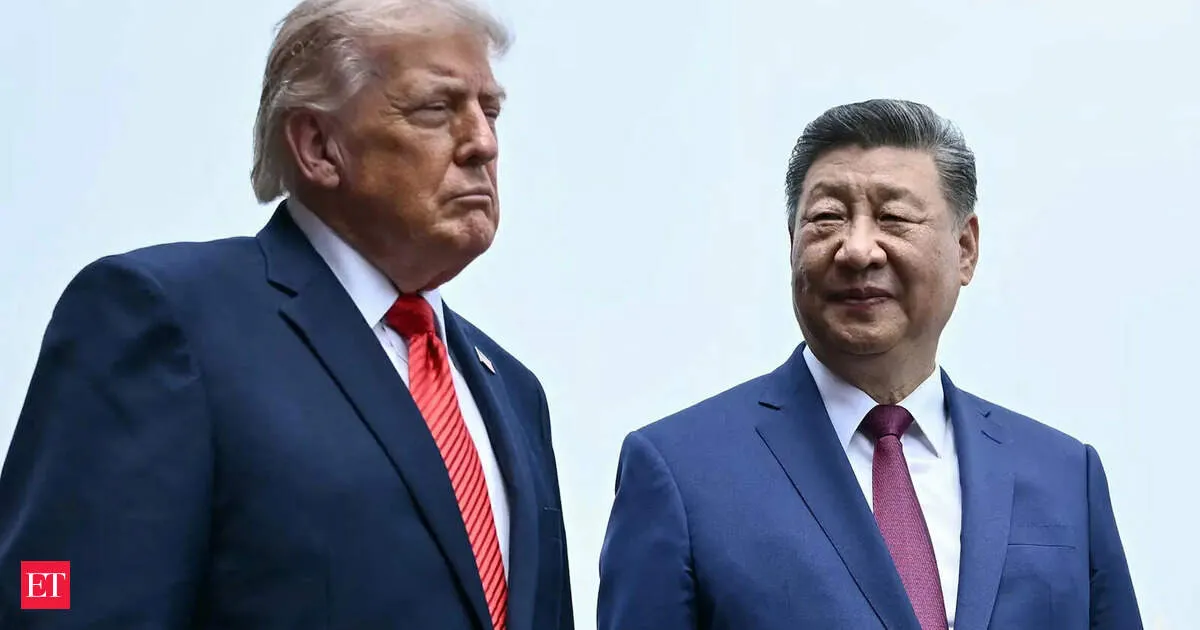
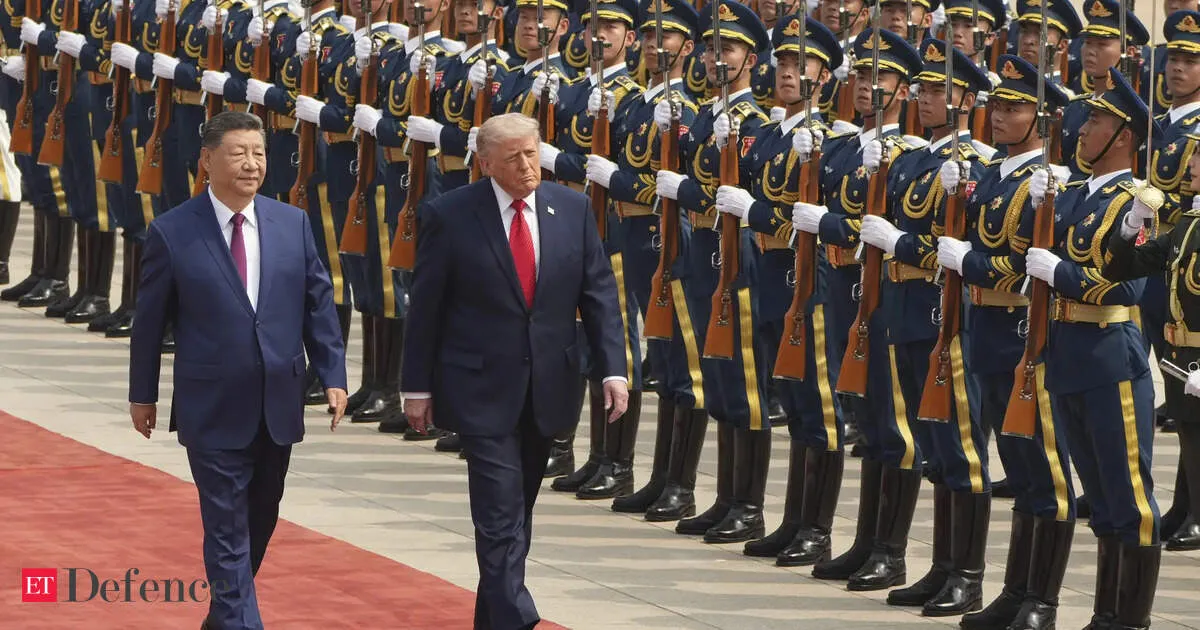
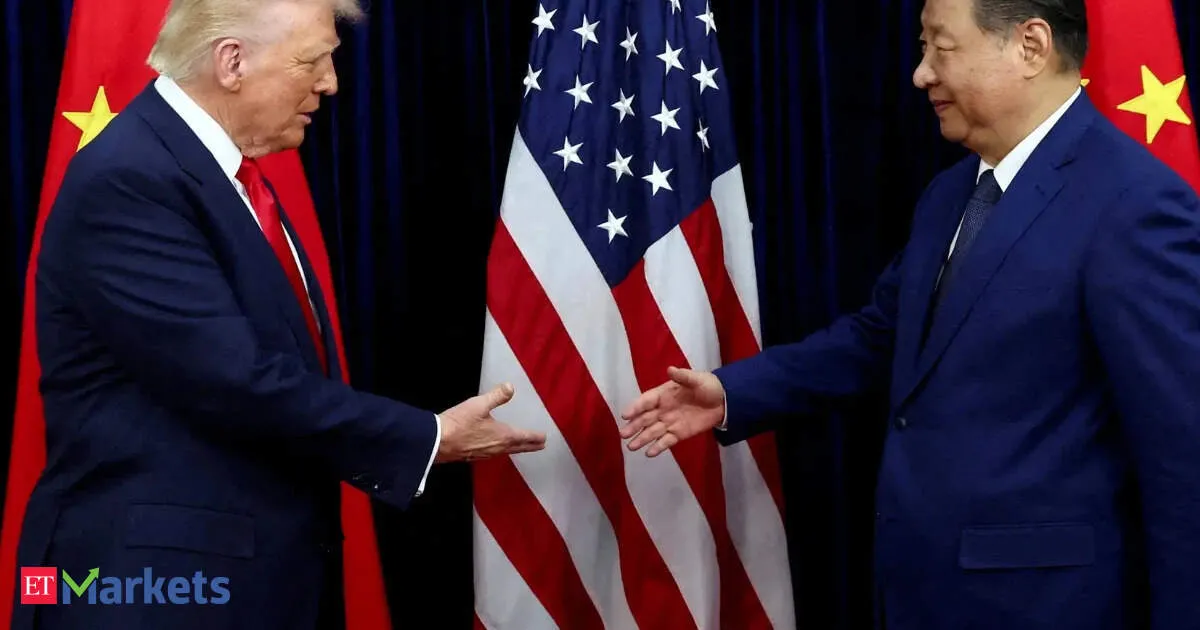
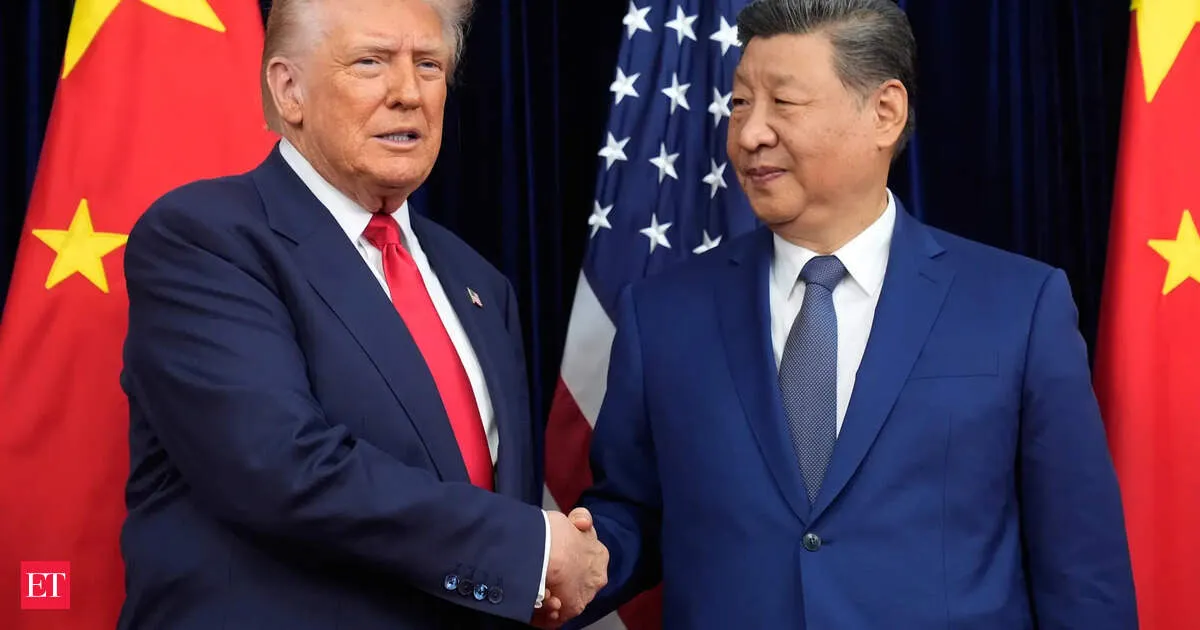
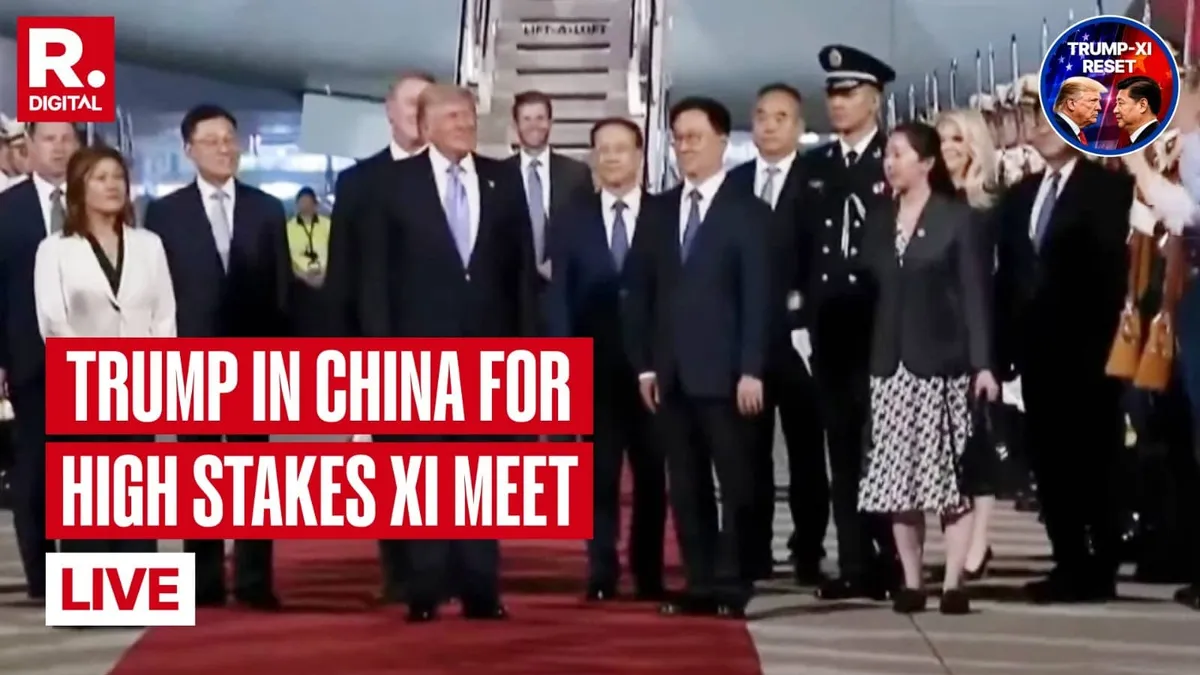
President Donald Trump’s Beijing visit delivered only modest summit deliverables, but it did reset the U.S.-China relationship into a familiar economic and strategic standoff. After last year’s trade war escalated with “Liberation Day” tariffs, the two leaders’ two-day talks with Xi Jinping signaled a return to “constructive strategic stability.” Key issues—U.S. concerns over trade practices and Indo-Pacific military buildup—went largely unaddressed, leaving China a fragile truce and the U.S. limited gains.
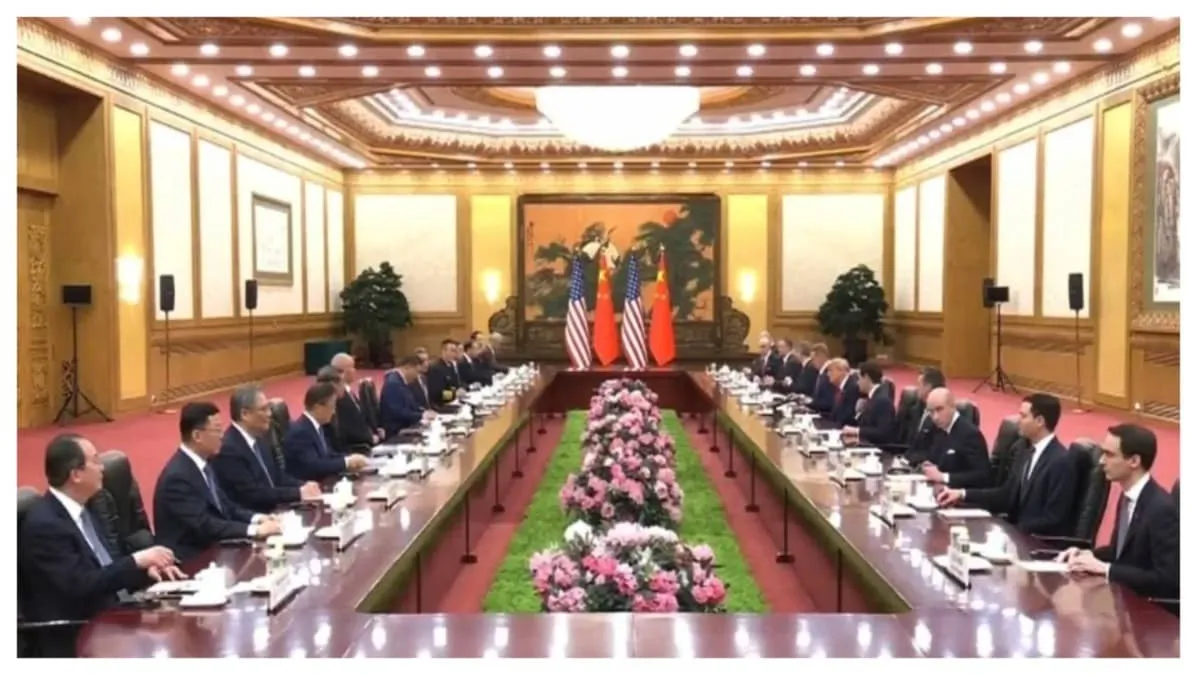
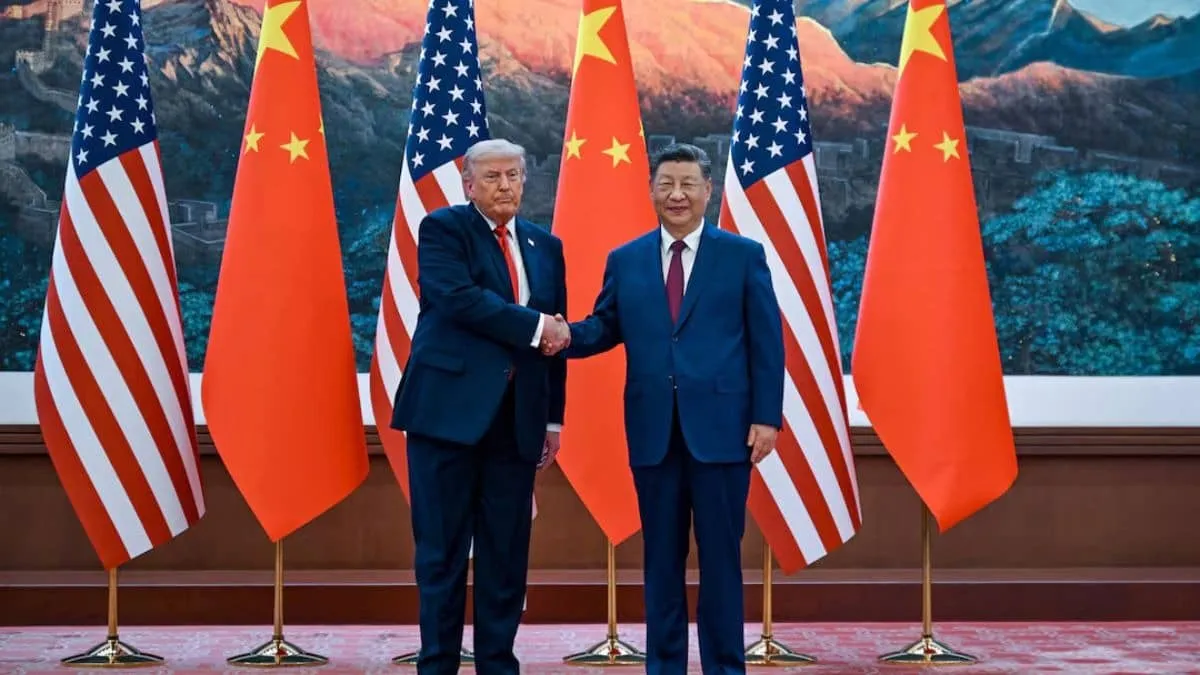
Photos from Donald Trump’s Beijing summit with Xi Jinping at the Great Hall of the People sparked global backlash after observers noted an all-male lineup at the formal negotiating table. Critics say the absence of women from both US and Chinese delegations sends a troubling signal about who gets a voice in high-stakes power politics. Harvard economist Gita Gopinath called it an “end of meritocracy,” while Stanford’s Halima Kazem argued leaders chose a “masculine, militarized” diplomatic image despite available qualified women.
Your news, in seconds
Get the Beige app — every story in 60 words, updated hourly. Free on iOS & Android.
Chinese Foreign Minister said Xi Jinping will visit the United States in the fall at an invitation from President Donald Trump. The announcement points to a specific proposed date: September 24, when Trump is set to host Xi at the White House. The foreign minister made the remarks after noting Trump’s invitation arrived following the banquet Xi held for him in Beijing, highlighting how high-stakes diplomacy is being shaped through carefully staged summits and scheduled state meetings.
Multiple media reports say Trump’s Beijing press team brought nothing from China aboard Air Force One, discarding Chinese-provided press badges, burner phones, and delegation pin badges before boarding. Experts link the move to concerns about China’s cyber-espionage capabilities and the risk of hidden “bugs” that could compromise sensitive information. The disposal contrasts with the trip’s celebratory optics, including Xi meetings, trade talks on Boeing and soybeans, and a last-minute AI discussion with Nvidia CEO Jensen Huang.
As President Donald Trump closes a high-stakes visit to China, he insists US China ties are improving despite disputes over Iran, Taiwan, and trade. The attention-grabber: Trump reshaped Xi Jinping’s past “nation in decline” language, claiming it was actually a precise critique of “Sleepy Joe” Biden. He paired the retort with a sales pitch of “incredible rise” under his administration, citing record markets, 401(k) gains, $18 trillion in foreign investment, and military wins—plus claims Xi personally congratulated him.
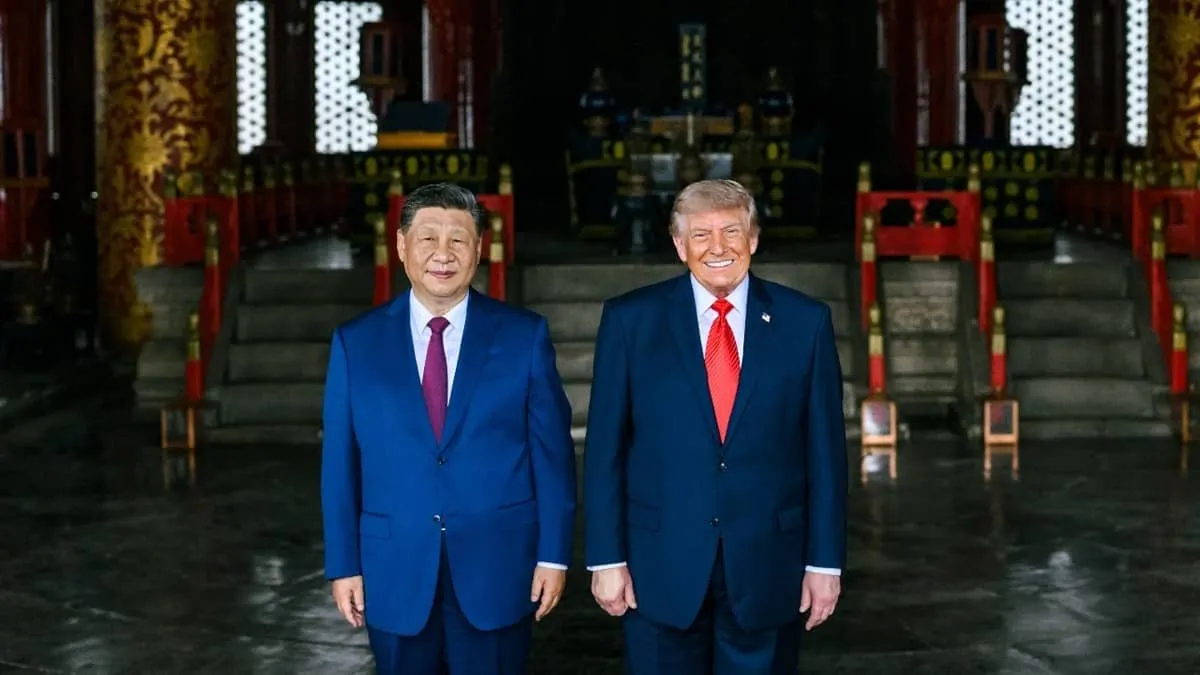
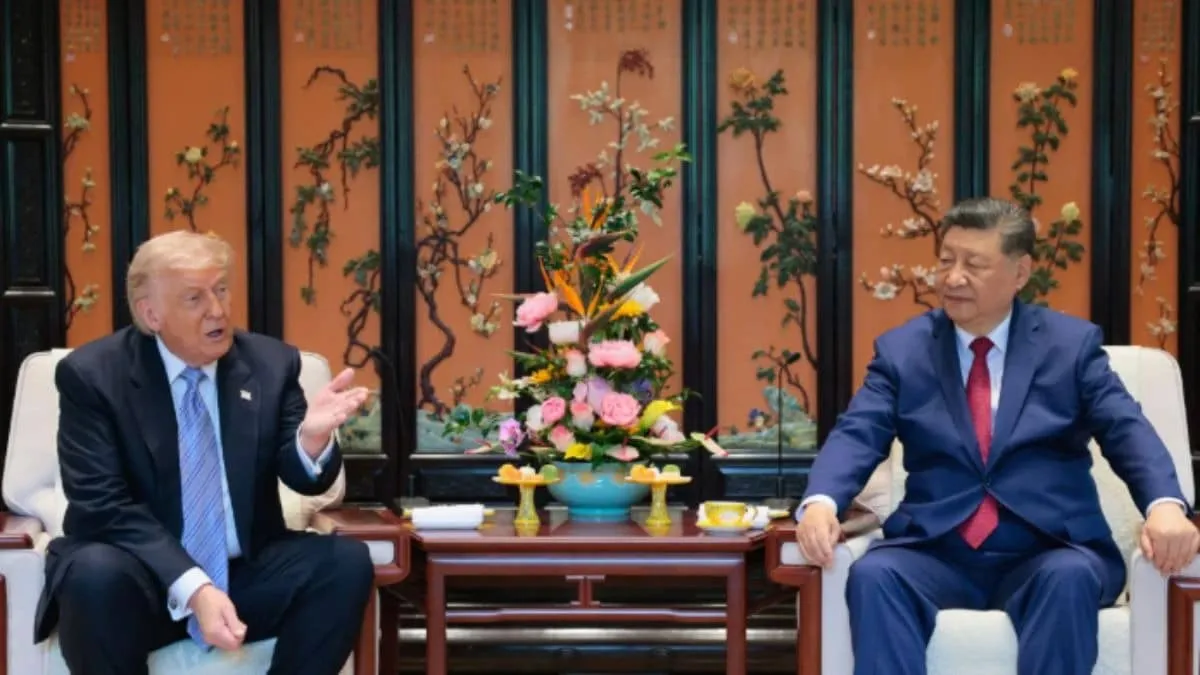
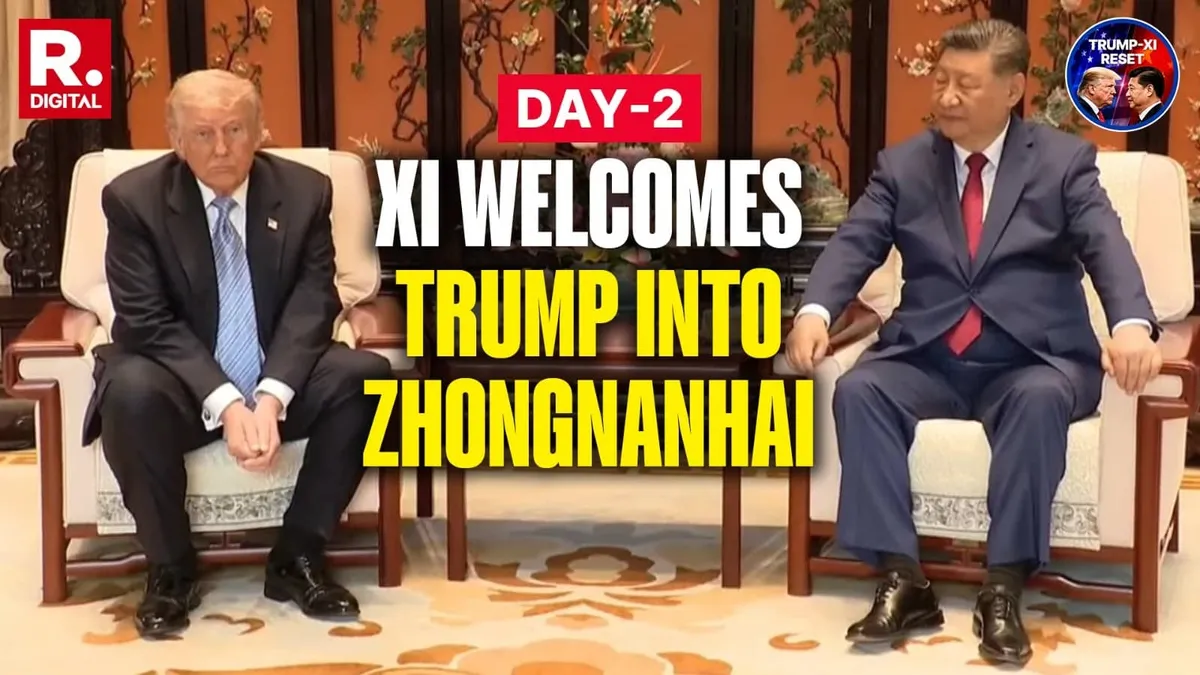
In Beijing’s Zhongnanhai leadership compound, US President Donald Trump and Chinese President Xi Jinping turned high-stakes diplomacy into a unexpectedly floral moment. During a garden walk, Trump praised the roses as the most beautiful he’s ever seen. Xi responded by personally escorting Trump through the historic grounds and promising to send rose seeds from Zhongnanhai to the White House. The gesture landed amid ongoing US-China tensions over tariffs and strategic rivalry, while officials focused on closed-door talks.
Never miss a story
Set alerts for the topics and sources you care about. Download Beige for free.
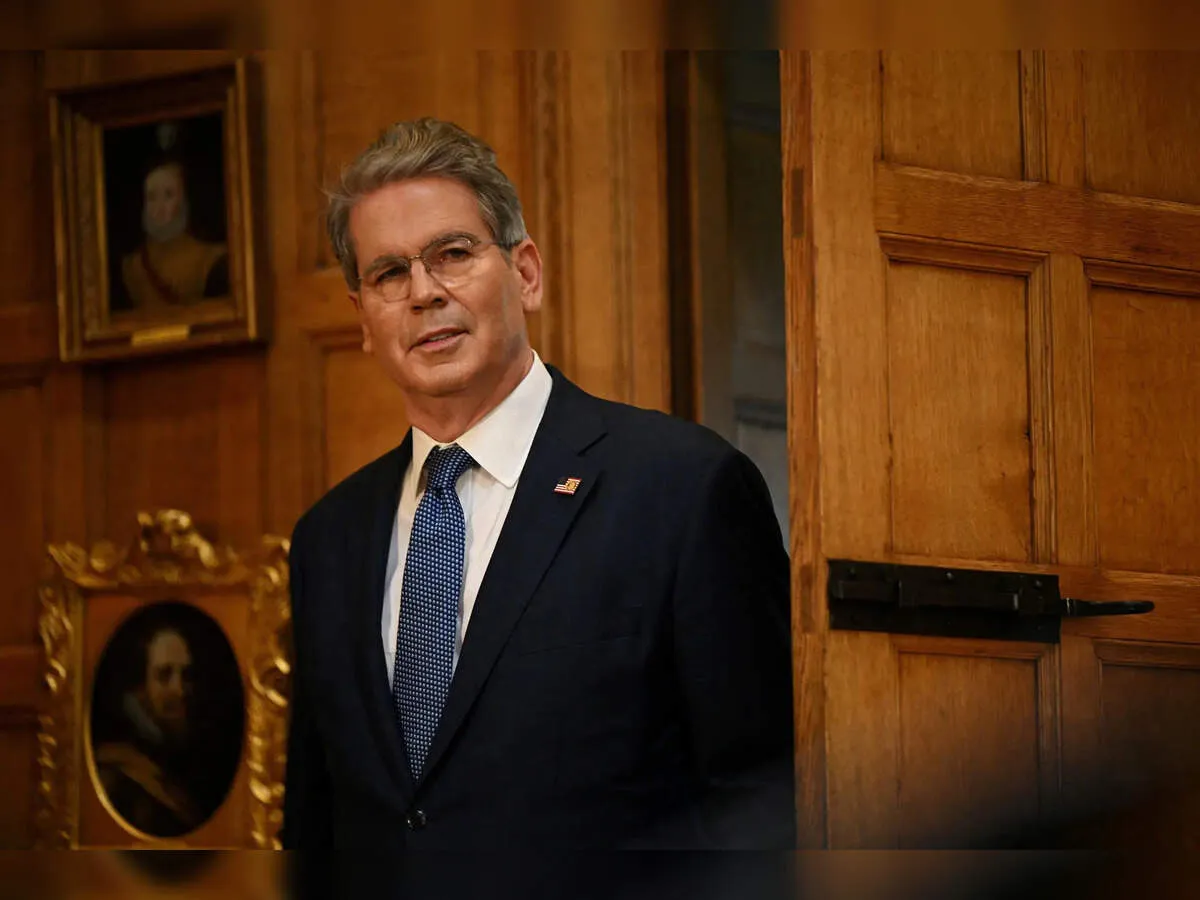
Fresh US-China trade negotiations began in Seoul at Incheon International Airport, just hours before President Donald Trump lands in Beijing for talks with Xi Jinping. Led by Chinese Vice-Premier He Lifeng and US Treasury Secretary Scott Bessent, the meeting comes as the parties prepare to review tariff and export-control tensions, including a critical minerals-related suspension expected to expire in November. The agenda also reportedly covers US soybeans and beef, plus aircraft export controls—while the third-month US-Israeli war on Iran and its shipping and price impacts loom large.
U.S. President Donald Trump began two days of talks with China’s Xi Jinping in Beijing, his first trip to China since 2017. The agenda spans a fragile trade truce, the Iran war, and U.S. arms sales to Taiwan. Trump arrived with added political pressure from Middle East-related strains on his approval ratings, while Xi faces fewer domestic constraints. Officials say both sides hope to preserve last October’s tariff and rare-earth understandings as they also explore AI and investment cooperation.
US Treasury Secretary Scott Bessent says Washington and Beijing are discussing “AI guardrails” and a joint “protocol” for the technology’s future. The aim, he said, is to ensure non-state actors cannot get hold of powerful AI models amid rising calls for regulation. Bessent framed it as protection, not stifling, and said the US will rely on “US best practices, US values” while sharing an approach globally. The talks come during Trump’s Beijing visit alongside major tech leaders.
US President Donald Trump has invited Chinese President Xi Jinping and First Lady Peng Liyuan to the White House for a summit on September 24, marking a reciprocal diplomatic gesture after Trump’s Beijing state visit. Trump praised the “positive and constructive” talks and said citizens of both nations share mutual respect. Xi, meanwhile, told the world the relationship must move beyond rivalry, urging Washington and Beijing to act as “partners, not rivals” and calling for a “new chapter” in ties.
Reading on mobile?
Open Beige in the app for a smoother experience — free on iOS and Android.
While Trump and Xi’s meeting may focus on trade, tech, Taiwan and AI, analysts argue nuclear weapons are the most urgent issue. After New START expired in February, US arms-control officials warned China is expanding and modernising its atomic arsenal, estimating 600 warheads now and 1,000 by 2030, alongside new delivery systems. The US also alleged China conducted nuclear tests using “decoupling” to evade monitoring, claims China denies.
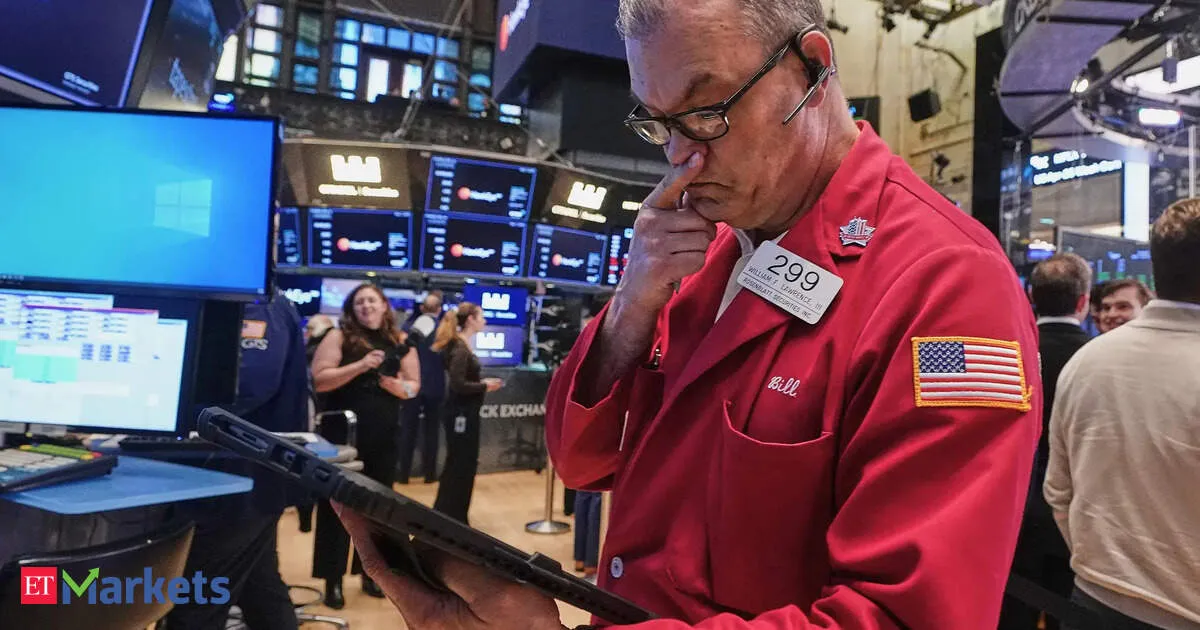
Wall Street began higher on Thursday as Nvidia shares jumped, lifting overall sentiment. Investors also weighed fresh economic data and closely tracked developments tied to a high-stakes U.S.-China summit. With chip momentum in focus and geopolitics adding uncertainty, traders balanced near-term gains against potential volatility ahead.
Australian shares edged flat as a bank rebound helped offset wider market weakness. Investors remain focused on upcoming US China summit developments, with expectations kept deliberately low. Traders are looking less for big breakthroughs and more for reassurance—especially around extending the existing trade tariff truce and avoiding sudden surprises.
Markets are watching a high-stakes Trump Xi meeting for signs of stability as geopolitical tensions mount. Market strategist Shaun Rein says trade and AI will matter, but the West Asia crisis could dominate talks—partly because the US may rely on China’s diplomatic leverage. The outcome could influence global risk sentiment well beyond the summit.
Follow your favourite sources
Track sources, tags and categories — all in the Beige app.
The US and China are preparing a managed trade framework focused on non sensitive goods, potentially reducing tariffs on about 30 billion dollars worth of products. The approach is designed to expand commerce while protecting national security concerns. US business leaders are joining President Donald Trump in Beijing for the key summit where the plan is expected to advance.
A key US China summit begins in Beijing, putting two sharply different leadership styles into the same room. Donald Trump’s impulsive approach faces Xi Jinping’s meticulous planning, while both sides manage the tightrope of rising mistrust. With America’s global standing increasingly questioned, the talks could shape how quickly tensions either cool—or spiral.
US and China are reportedly considering a managed trade framework that could reduce tariffs on about $30 billion of imports. The move aims to boost trade activity and smooth commerce while still addressing national security concerns. Negotiations focus on everyday products, suggesting a practical shift rather than a purely symbolic trade gesture.
Donald Trump has arrived in Beijing for his China visit, with Vice President greeting him on the tarmac as “WelcomeTrumpToChina” surged on Chinese social media. Speaking before the long flight, Trump framed the relationship as a contest between two superpowers, claiming the US is strongest in military terms and positioning China as second—setting a tense tone for talks ahead.
Stay informed on the go
Bite-sized news from 100+ trusted sources, right in your pocket.
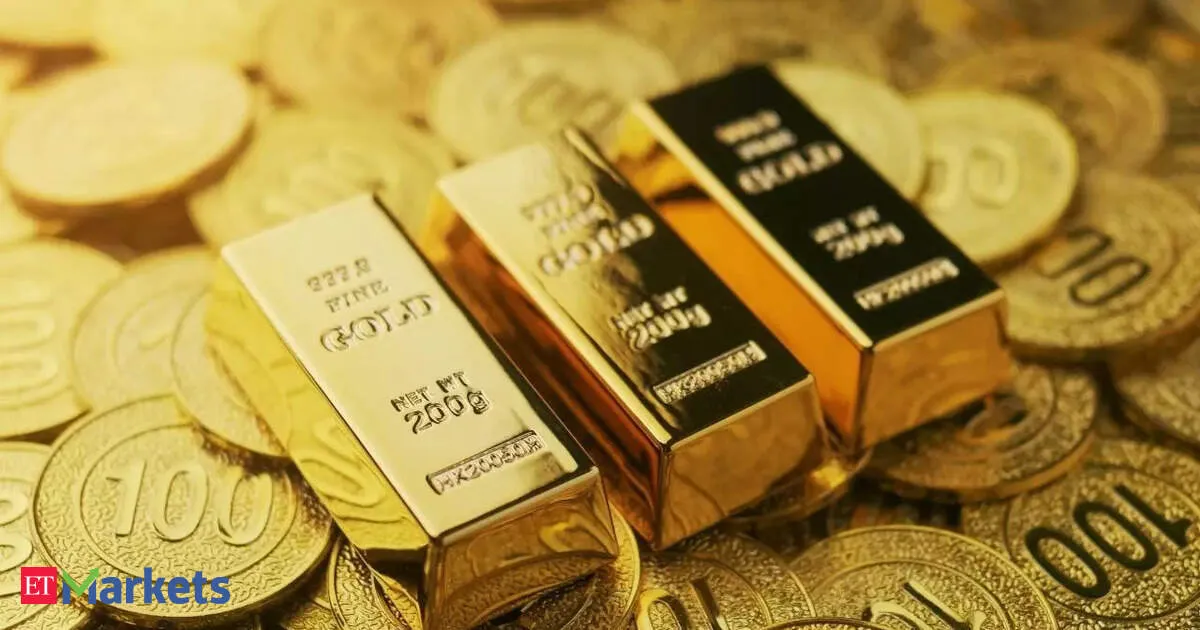
Gold held steady in early Asian trade as investors waited for a key U.S.-China summit in Beijing and tracked Middle East developments. Market focus also included comments by President Donald Trump on the Iran war, a dip in oil prices, and rising U.S. consumer inflation. In India, import tariffs on gold and silver were increased.
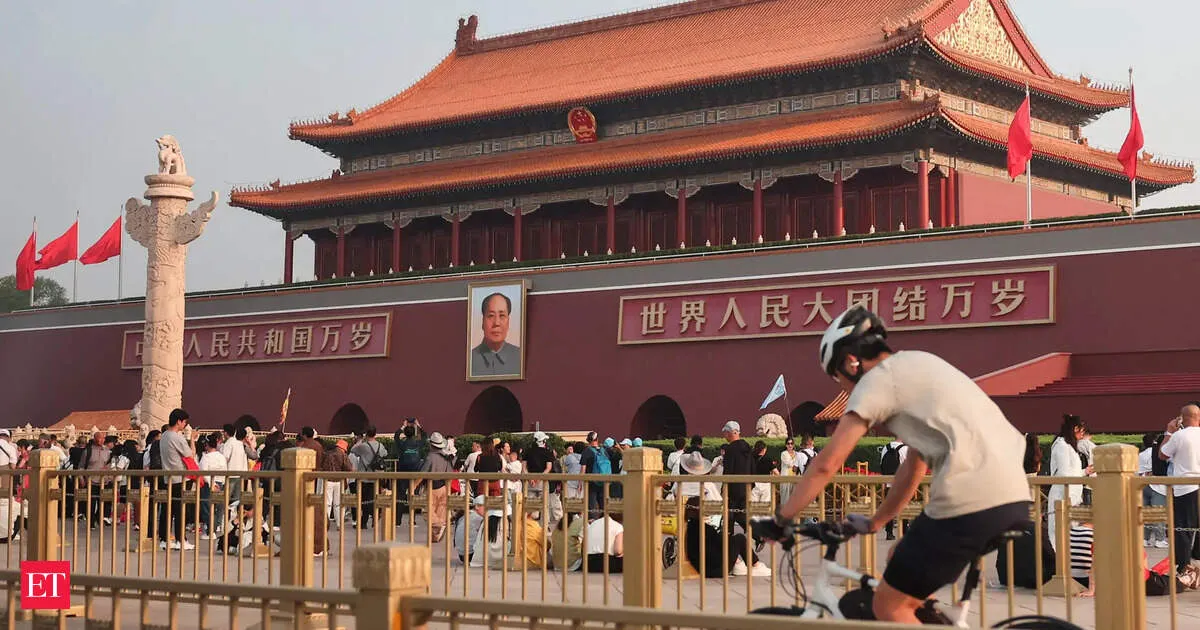
Donald Trump is set to arrive in Beijing on Wednesday, ahead of his meetings with Xi Jinping on Thursday and Friday. The White House says the pair will visit the Temple of Heaven on Thursday, signaling the agenda may blend high-stakes diplomacy with major public cultural optics before talks intensify later in the week.
Swipe through stories, personalise your feed, and save articles for later — all on the app.