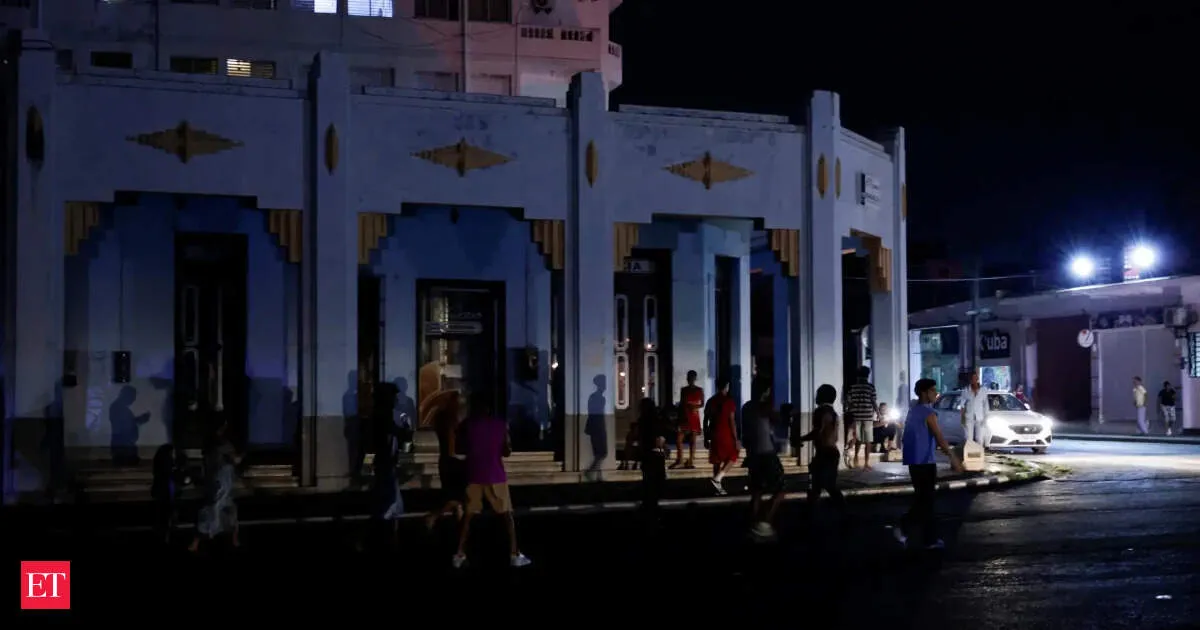
Protests have flared across Havana as worsening electricity shortages trigger deeper anger among residents. Demonstrations erupted amid repeated, prolonged power cuts, with many protesters blaming the strain of the US blockade. The unrest underscores how energy stress is amplifying broader frustrations in Cuba, raising fears of further instability as outages continue.
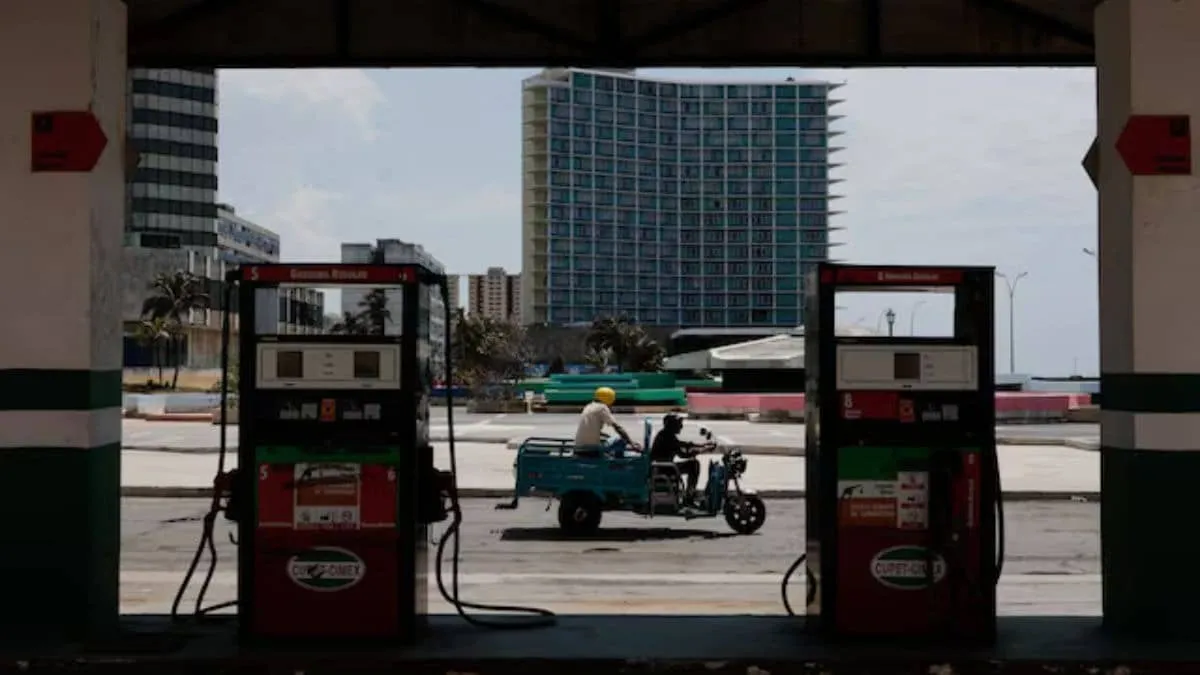
Cuba’s energy and mines minister says the country has completely run out of diesel and fuel oil, triggering its worst rolling blackouts in decades in Havana. Many areas reportedly face 20 to 22 hours without power daily. The island’s grid relies on domestic and renewable energy, but rising fuel import costs and the U.S. blockade are worsening the crisis.
Your news, in seconds
Get the Beige app — every story in 60 words, updated hourly. Free on iOS & Android.
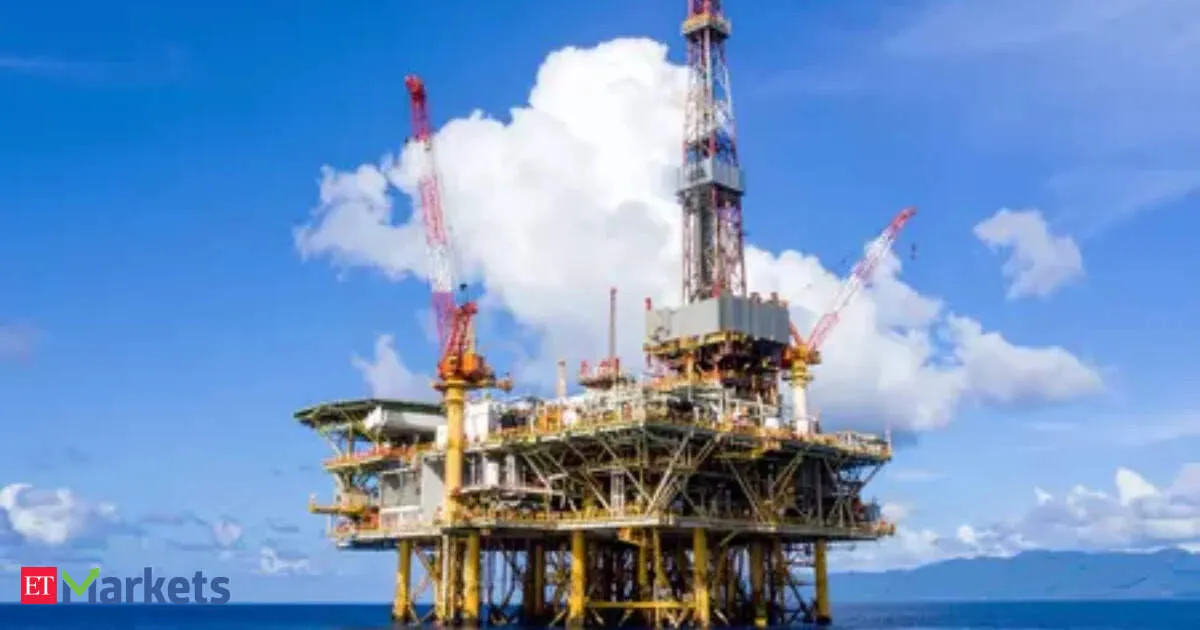
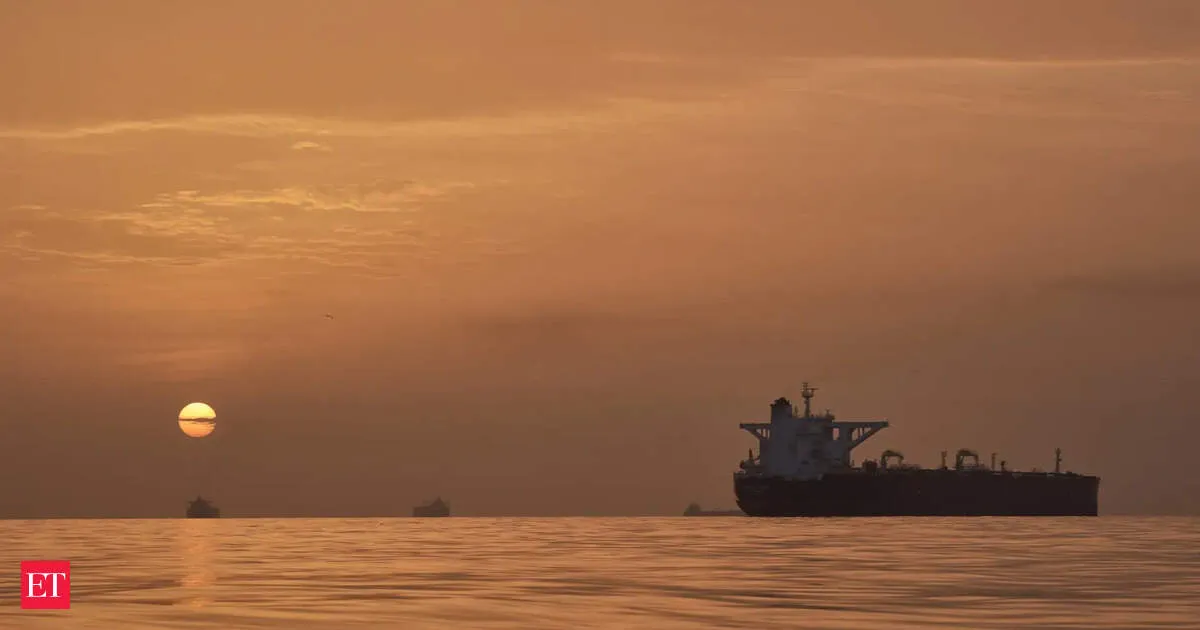
Oil prices jumped nearly 3% as Brent climbed to a one-month high, driven by reports that the US may extend its blockade of Iranian ports. Traders warn the move could prolong supply disruptions tied to the Hormuz region, tightening flows from a major Middle East oil-producing corridor and pushing prices higher.
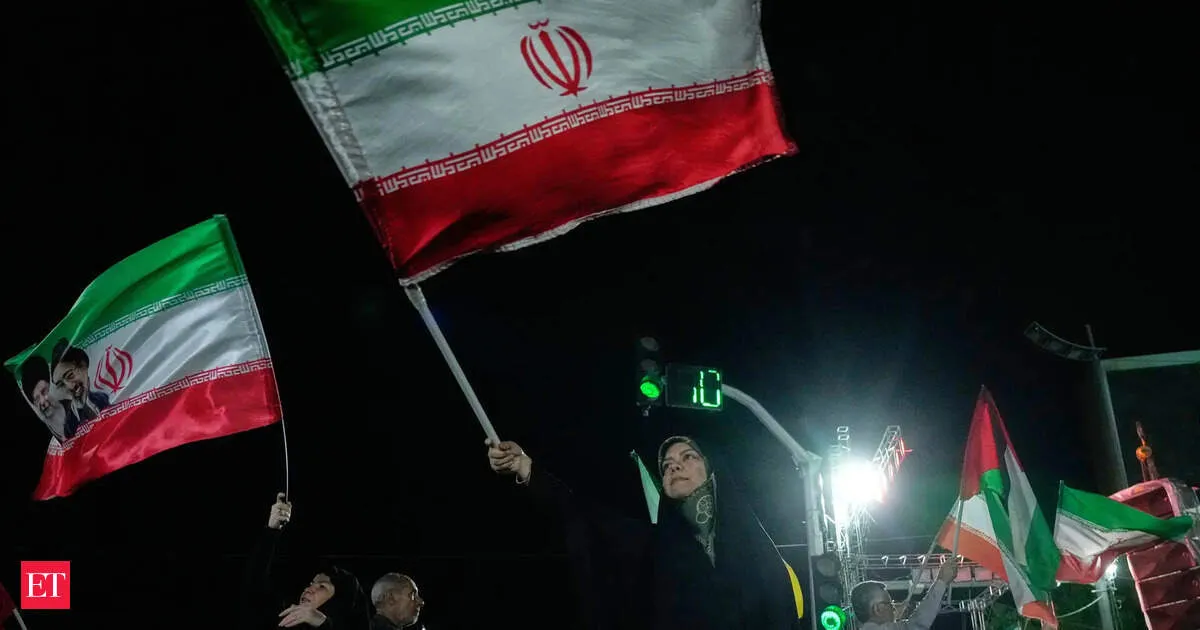
Iran says it has proposed a pathway to de-escalate tensions, including reopening shipping through the Strait of Hormuz and lifting the US blockade, while delaying nuclear talks for later discussions. President Donald Trump rejected the offer, saying he cannot accept Iran’s demands. The rejection lands after weeks of energy supply disruptions and renewed pressure in the region.
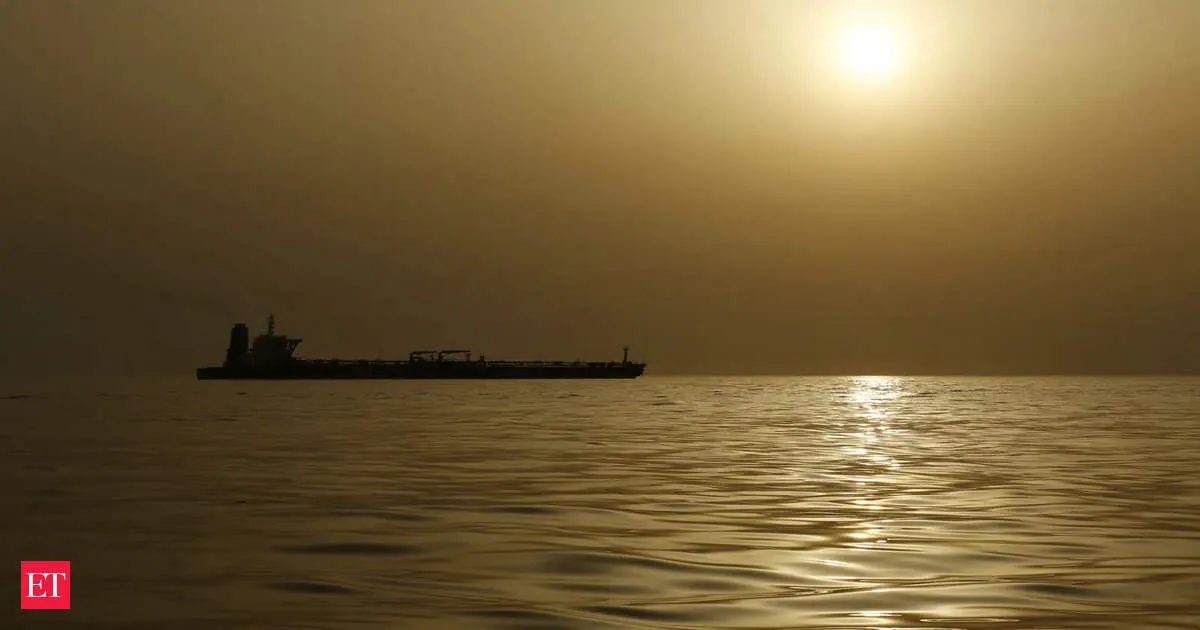
Iran has reportedly kept most shipping through the Strait of Hormuz halted for over two months, allowing only its own vessels to move. The U.S. then imposed its own blockade of ships from Iranian ports last month. Now Iran officials claim plans for reopening the corridor, raising questions over timing, conditions, and whether trade routes will normalize.
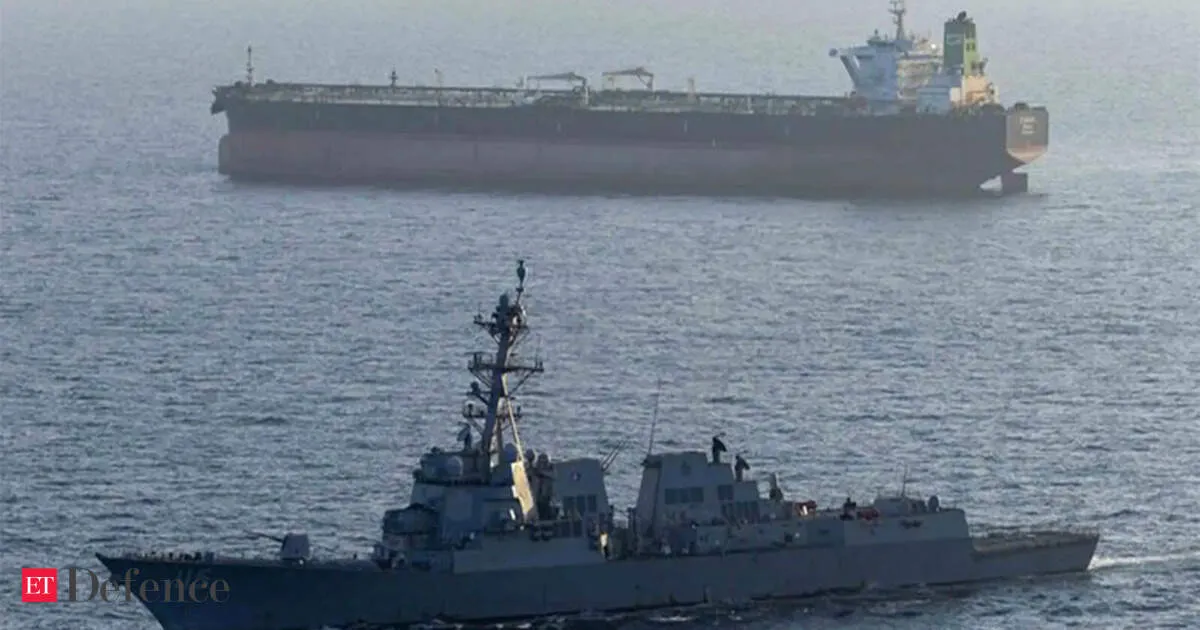
The Pentagon says a US blockade in the Gulf of Oman and nearby shipping routes has cut into Iran’s oil income, costing nearly $4.8 billion in revenue, according to estimates shared by Axios. US officials argue the move is meant to sustain economic pressure on Tehran, and will remain in place until navigation terms revert to those before February 27.
Never miss a story
Set alerts for the topics and sources you care about. Download Beige for free.
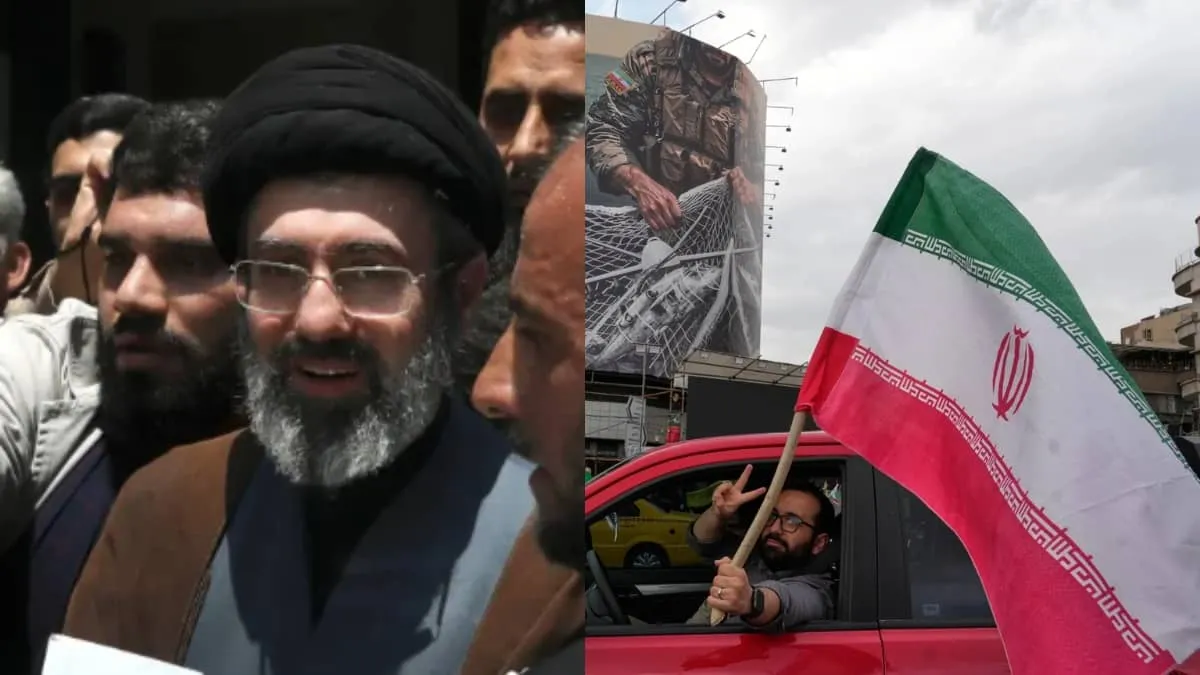
Iran’s Supreme Leader Mojtaba Khamenei vowed to protect the country’s nuclear and missile programmes, framing U.S. pressure as part of a wider attempt to curb Iran amid an uneasy ceasefire. As a U.S. blockade tightens the squeeze on Iranian oil exports, Tehran keeps the Strait of Hormuz shut, heightening fears of escalation in the Persian Gulf.
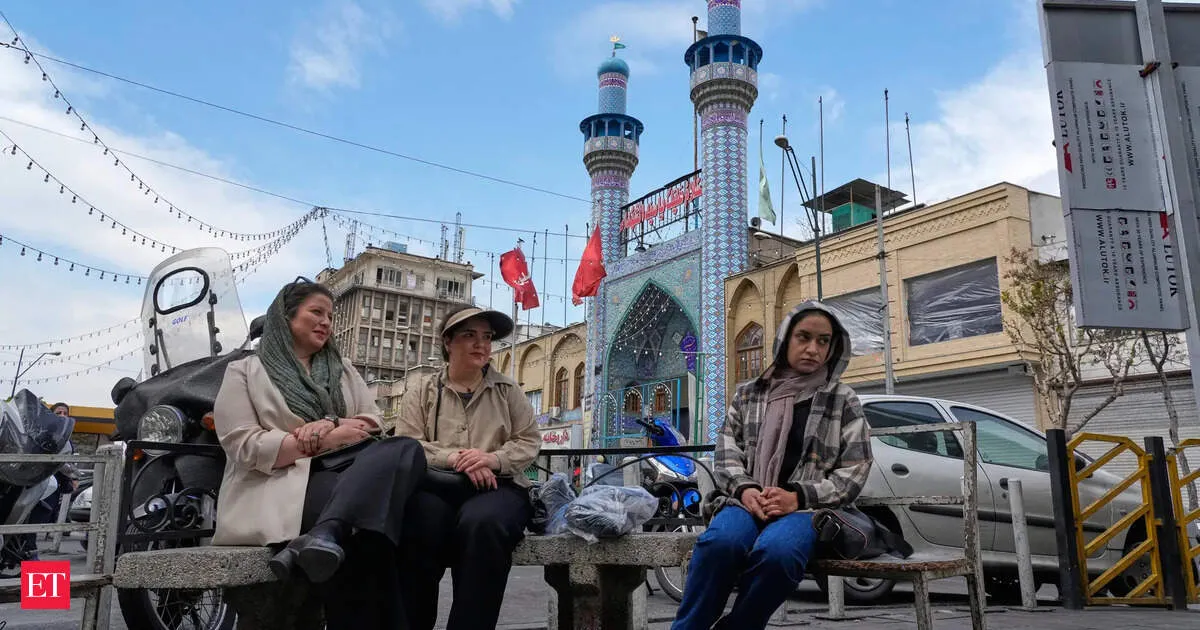
Iran’s economy is being hammered by U.S. and Israeli strikes that shut factories, trigger job losses, and drive up prices for essentials. A U.S. blockade is also restricting imports and squeezing oil exports. In response, Iran is threatening the Strait of Hormuz, a crucial energy chokepoint—testing how far self-reliance can stretch as the economic pain worsens.
At least two Iranian crude tankers, Hero II and Hedy, have reportedly bypassed the Persian Gulf blockade and reached the Arabian Sea. Despite US restrictions, shipping data suggests a wider fleet has moved roughly 9 million barrels. Many Iran-linked vessels continue to traverse the Strait of Hormuz, often “going dark” by switching off tracking systems to avoid detection.
Iranian crude exports kept moving through the Strait of Hormuz, with about 10.7 million barrels recorded as transiting and leaving the US Navy’s blockaded area between April 13 and April 21, according to Vortexa. The shipments involved six crude carriers, underscoring continued export flows despite US efforts to disrupt them.
Reading on mobile?
Open Beige in the app for a smoother experience — free on iOS and Android.
Swipe through stories, personalise your feed, and save articles for later — all on the app.